The 17th and the Art of the Occasion Table Rue Saussier-Leroy sits in the arrondissement that Parisians tend to keep for themselves. The 17th is not the Paris of tourist itineraries: no grand monument anchors it, no single destination pulls...
Pearl is the En Primeur Club membership app — saves, bookings, and concierge access live there. Same editors, same standards.
- Address
- 4 Rue Saussier-Leroy, 75017 Paris, France
- Phone
- +33142277350
- Website
- atelier-marche.com
- Directions
- Get directions
 Saves & bookings on Pearl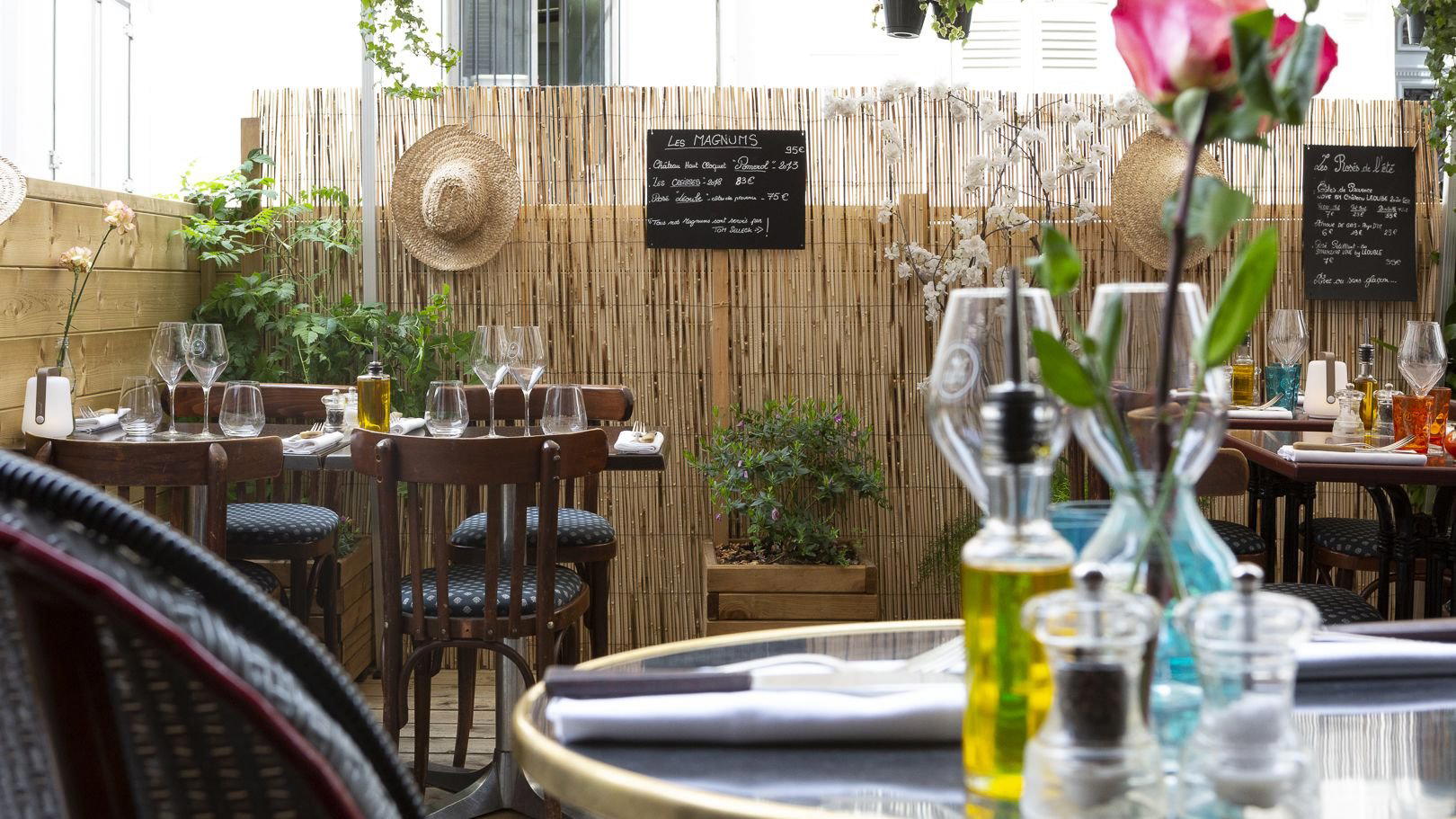
The 17th and the Art of the Occasion Table
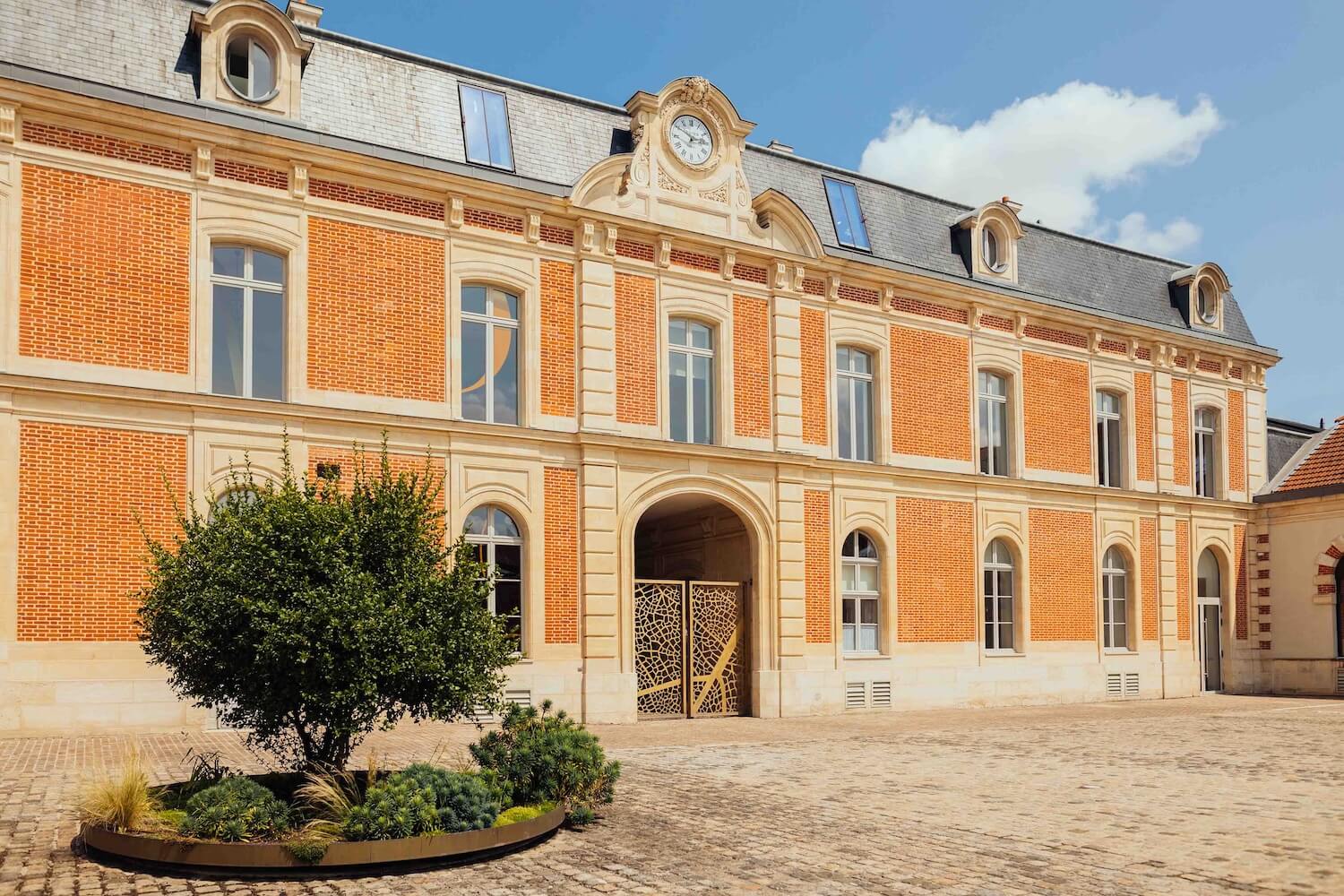
Rue Saussier-Leroy sits in the arrondissement that Parisians tend to keep for themselves. The 17th is not the Paris of tourist itineraries: no grand monument anchors it, no single destination pulls visitors off the metro. What it has instead is a density of neighbourhood restaurants operating at a register that the more-photographed arrondissements rarely sustain, places where the room is sized for a conversation and the kitchen is sized for a menu. Atelier du Marché, at number 4, belongs to that fabric.
The address alone places the venue inside a specific Parisian dining tradition: the atelier-format restaurant, where the word signals a working space rather than a theatre, a kitchen that presents itself as craft rather than performance. That framing carries particular weight for occasion dining. When a meal marks something, the gap between sincerity and showmanship matters. The atelier tradition tends to close that gap.
Where the 17th Sits in the Paris Dining Map
Paris splits its high-end dining across a recognisable geography. The 8th arrondissement holds the grand-address tier: Le Cinq at the Four Seasons Hôtel George V and the Alléno Paris au Pavillon Ledoyen operate at the level of palace dining, with rooms and price points that reflect their postcode. The 7th holds Arpège, whose vegetable-forward tasting menus have defined a certain kind of cerebral occasion dining for decades. The 1st gives you Kei and, on the Place des Vosges, L'Ambroisie, which many critics consider the most demanding table in the city.
The 17th operates differently. It does not anchor a category or carry an architectural symbol. Its dining identity comes from regulars rather than from destination traffic, from the accumulated confidence of a neighbourhood that feeds itself well and expects to be fed well in return. For an occasion meal, that distinction is not trivial: a room that runs on regulars tends to have calibrated its hospitality for return visits rather than for first impressions, which produces a different quality of attention.
For a broader orientation across the city's dining tiers, the EP Club Paris restaurants guide maps the full range.
The Occasion Calculus: What to Weigh
Occasion dining in Paris operates across a wide range of formats, from tasting-menu rooms that run three hours and twelve courses to brasserie tables where the occasion is marked by the bottle rather than the menu. The question for any milestone meal is not only the quality of the kitchen but the fit between the room's character and the nature of the occasion.
The atelier format, as practised in smaller Paris restaurants, tends to favour intimacy over spectacle. Where palace dining in the 8th delivers a full production, the neighbourhood atelier puts the focus on the table itself. That distinction matters for occasions where the conversation is the point, where two people want to mark something without being staged.
Across France, the restaurants that have built reputations for occasion dining often share that quality of calibrated restraint: Bras in Laguiole built its identity around a landscape-rooted menu that frames a meal as contemplative rather than celebratory in the conventional sense. Les Prés d'Eugénie in Eugénie-les-Bains has sustained a specific kind of retreat-format occasion dining across decades. Auberge de l'Ill in Illhaeusern has been a destination for anniversary dinners in Alsace since the 1960s, with a dining room that still signals the gravity of an occasion through physical beauty alone.
The Paris neighbourhood table works within a smaller register, but it is not a lesser one. Different occasions call for different calibrations.
French Dining Outside Paris: The Regional Reference Points
Understanding where a Paris neighbourhood restaurant sits requires some knowledge of what the regional tier looks like. Several of France's most significant tables operate far from the capital: Flocons de Sel in Megève has built a mountain-altitude dining identity around alpine ingredients and a tasting format that rewards guests who stay overnight. Mirazur in Menton brought the number-one World's 50 Best ranking to the French Riviera in 2019, operating from a clifftop garden with a menu that follows a biodynamic calendar. Troisgros in Ouches represents one of the longest-running family fine-dining dynasties in France.
The provincial anchors tell a different story: Paul Bocuse at L'Auberge du Pont de Collonges in Collonges-au-Mont-d'Or held three Michelin stars for over fifty consecutive years, a record unmatched in the guide's history. Georges Blanc in Vonnas has run its kitchen-and-village model since 1981. Auberge du Vieux Puits in Fontjoncouse and La Table du Castellet in Le Castellet represent the southern tier of French fine dining that rarely gets discussed alongside the Paris anchors. Against that context, the Paris neighbourhood table is not trying to compete with the grand provincial houses. It is offering something that the provinces cannot: a meal in the city, at a table that knows its neighbourhood.
For international comparison points, Le Bernardin in New York has spent four decades demonstrating what a format-committed kitchen can sustain, while Lazy Bear in San Francisco shows how the communal-table format reframes the occasion meal in an American context.
Planning Your Visit
The 17th arrondissement is served by several metro lines, with Ternes (line 2) and Charles de Gaulle-Étoile (lines 1, 2, 6) providing the most direct access to the Saussier-Leroy address from central Paris. The neighbourhood is walkable and low-traffic by Paris standards, which simplifies arrivals and departures for evening occasions.
Comparative Planning Reference
| Venue | Arrondissement | Format | Price Tier | Lead Time |
|---|---|---|---|---|
| Atelier du Marché | 17th | Neighbourhood atelier | Not confirmed | Advise booking ahead |
| L'Ambroisie | 4th | Classic haute cuisine | €€€€ | Weeks to months |
| Le Cinq | 8th | Palace dining | €€€€ | Weeks ahead |
| Kei | 1st | Contemporary French | €€€€ | Weeks ahead |
Comparison Snapshot
A quick peer check to anchor this venue’s price and recognition.
| Venue | Cuisine | Price | Awards |
|---|---|---|---|
| Atelier du MarchéThis venue — the venue you are viewing | Not listed | Not listed | Not listed |
| Alléno Paris au Pavillon Ledoyen | Creative | €€€€ | Michelin 3 Star |
| Kei | Contemporary French, Modern Cuisine | €€€€ | Michelin 3 Star |
| L'Ambroisie | French, Classic Cuisine | €€€€ | Michelin 3 Star |
| Le Cinq - Four Seasons Hôtel George V | French, Modern Cuisine | €€€€ | Michelin 3 Star |
| Pierre Gagnaire | French, Creative | €€€€ | Michelin 3 Star |
Continue exploring
More in Paris
Restaurants in Paris
Browse all →
Bars in Paris
Browse all →
Hotels in Paris
Browse all →
At a Glance
- Cozy
- Intimate
- Classic
- Casual Hangout
- Date Night
- Standalone
- Local Sourcing
Current opening hours
- Monday
- 12–2 PM, 7–10 PM
- Tuesday
- 12–2 PM, 7–10 PM
- Wednesday
- 12–2 PM, 7–10 PM
- Thursday
- 12–2 PM, 7–10 PM
- Friday
- 12–2 PM, 7–10 PM
- Saturday
- 12–2 PM, 7–10 PM
- Sunday
- 12–2 PM, 7–10 PM
Hours can change for holidays and private events. Last verified .
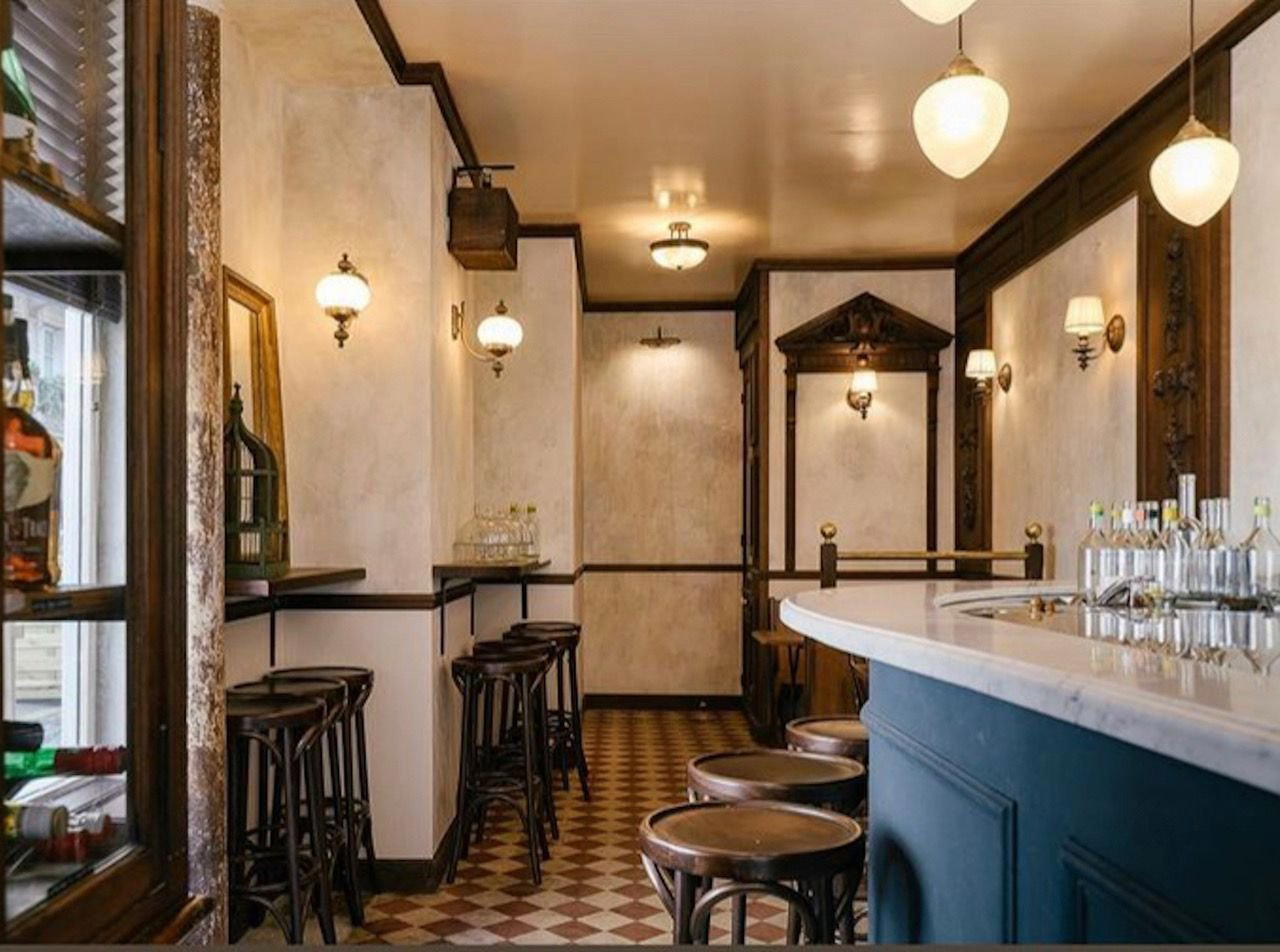
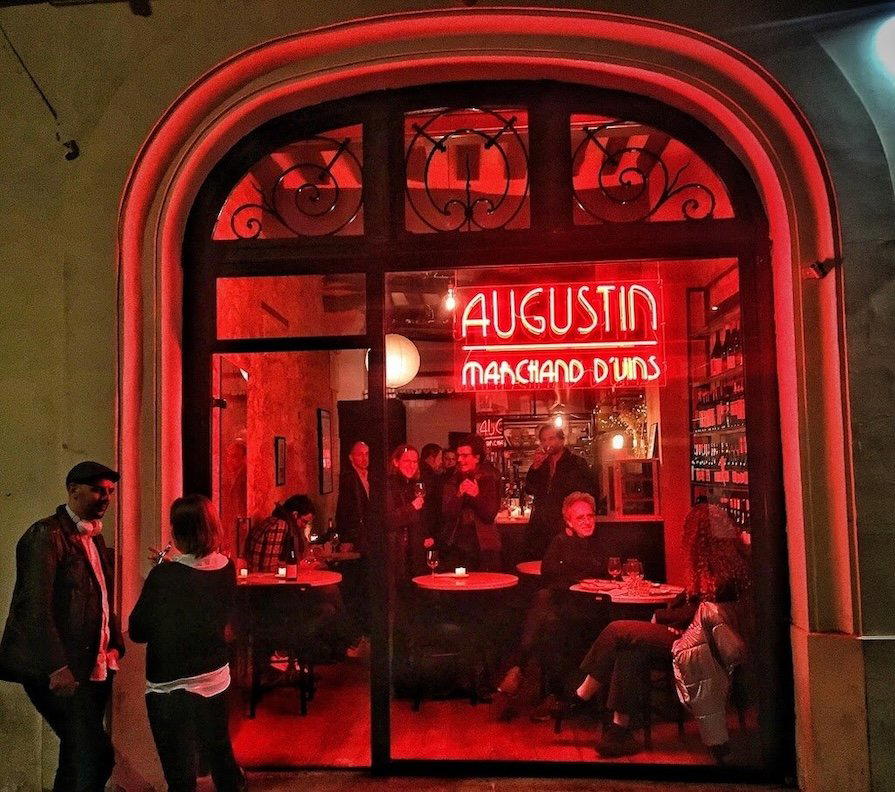
Warm and cosy Parisian bistro atmosphere in an authentic and intimate setting.
Know Before You Go
- Getting there
- 4 Rue Saussier-Leroy, 75017 Paris, France