Le Moulin Du Grand Etang
Our verdict
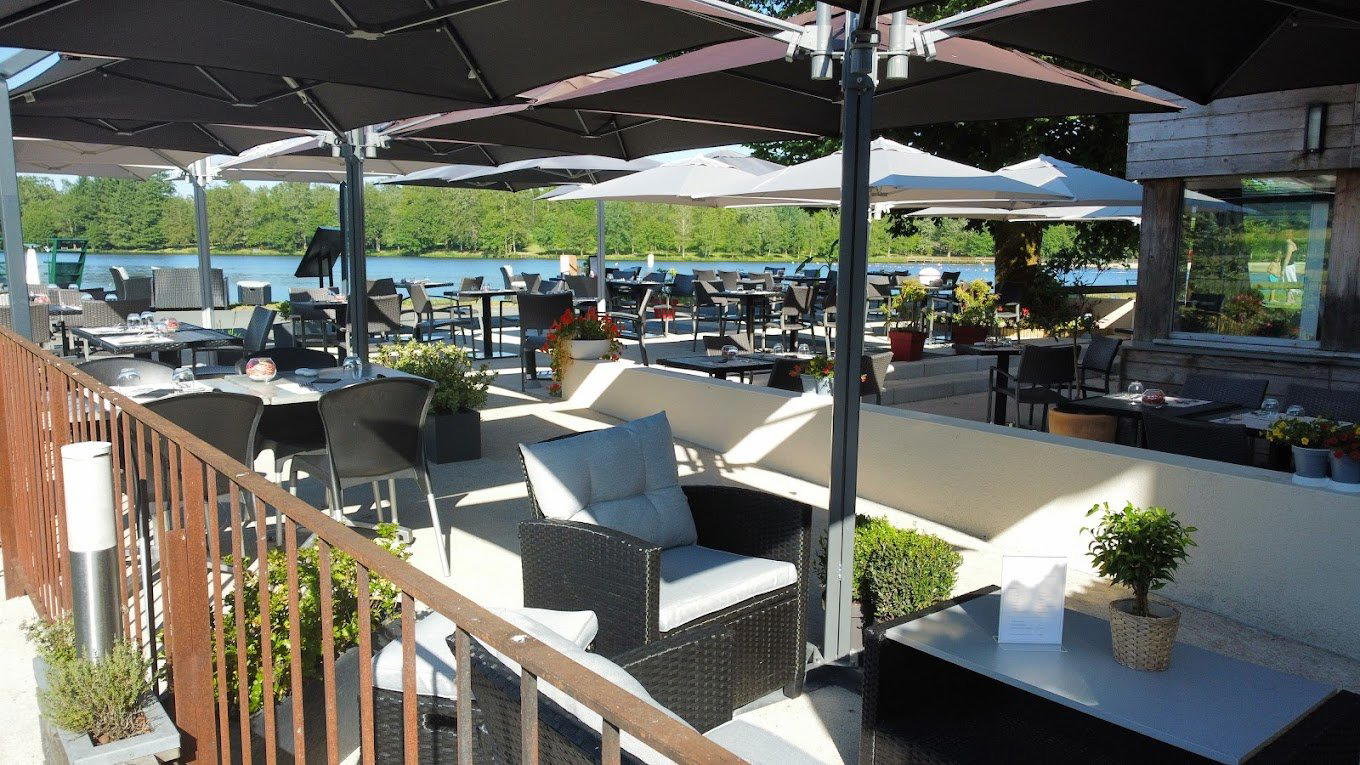
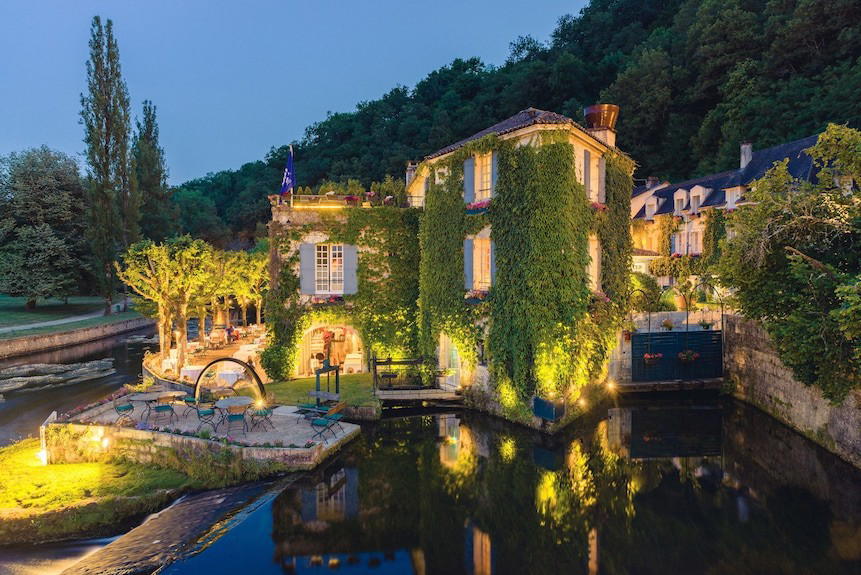
Le Moulin Du Grand Etang sits in the Dordogne countryside of Saint-Estèphe, a commune that shares its name with the far more famous Bordeaux appellation but belongs to a quieter, more agrarian France. The mill setting and pond landscape frame a dining experience rooted in the surrounding terrain, where seasonal and locally sourced ingredients define the kitchen's logic rather than fashion or formal ambition.

Pearl is the En Primeur Club membership app — saves, bookings, and concierge access live there. Same editors, same standards.
- Address
- Le Grand Etang, 24360 Saint-Estèphe, France
- Phone
- +33553604169
- Hours
- Mon–Tue ClosedWed–Sat 12–2:30 PM, 7–10 PMSun 12–2:30 PM
- Website
- moulindugrandetang.com
- Directions
- Get directions
- Booking
- Book on the venue's website
The menu
What to order
- Tartare de bœuf
- Carpaccio de langoustines
- Pigeonneau rôti
Where the Dordogne Table Meets Its Own Larder
Saint-Estèphe, 24360, is not the Saint-Estèphe that wine collectors track on release lists. This one sits in the Dordogne, in the Périgord Vert, a stretch of southwest France where the landscape is defined by old mill ponds, walnut groves, and farms supplying some of the country's most closely watched regional produce. The village shares only a name with its Médoc counterpart; the dining culture here belongs to an older, slower tradition — one shaped by proximity to the ingredient rather than by proximity to a major city or a Michelin circuit. For context on how France's broader fine dining hierarchy operates, see our guides to Alléno Paris au Pavillon Ledoyen or Mirazur in Menton — the contrast with rural Périgord is instructive.
Le Moulin Du Grand Etang takes its name literally. The address is Le Grand Etang, the great pond, and the mill building it occupies is the kind of structure that predates refrigerated transport by centuries. That history matters for how French regional kitchens in this part of the southwest have always operated: the pond, the surrounding fields, and the woodland beyond were the larder. The question was always what to do with what the land offered, not what to import.
The Périgord Sourcing Tradition and Why It Shapes a Menu
The Périgord Vert is one of France's most ingredient-dense rural regions. Walnut oil, foie gras, truffles (the Périgord black truffle, Tuber melanosporum, remains among the most commercially significant in Europe), river fish, and free-range duck have defined the local table for generations. The cuisine that emerges from this particular triangle of the Dordogne is not the cuisine of refinement-for-its-own-sake, it is the cuisine of abundance management, of preserving, slow-cooking, and using the whole animal or harvest because the season demands it.
This approach places kitchens like the one at Le Moulin Du Grand Etang in a distinct category from the tasting-menu establishments that populate the best of France's formal dining rankings. Where Bras in Laguiole built a global reputation by making terroir into a conceptual statement, or where Auberge de l'Ill in Illhaeusern operates at the intersection of Alsatian heritage and formal French technique, the rural Périgord dining tradition tends to resist the language of finesse in favour of the language of the farm gate. That is not a lesser ambition, it is a different one, and increasingly a rarer one as younger French chefs migrate toward urban kitchens or destination-resort formats.
The sourcing logic of a mill building is worth considering. Mills in this region historically processed not just grain but also oil, walnut oil production was central to the local economy for centuries. A kitchen operating in and around such a structure has a certain readymade relationship with local produce that is architectural as much as culinary. The pond itself, in traditional mill economies, would have supplied freshwater fish: trout, perch, pike. These are not fashionable ingredients on the contemporary Paris circuit, but in a southwest French regional context they carry genuine provenance weight. Compare this to the coastal sourcing logic at Christopher Coutanceau in La Rochelle or La Marine in Noirmoutier-en-l'île, where proximity to the Atlantic defines the menu's spine. Here, the defining proximity is to the inland water and forest.
The Rural Auberge Format and What It Asks of a Visitor
The auberge model, a working inn with kitchen attached, survives most robustly in rural France, and the Dordogne is among its strongholds. Unlike the destination restaurants of the Rhône valley or the showcase kitchens attached to grand hotels (the format that defines places like Georges Blanc in Vonnas or L'Oustau de Baumanière in Les Baux), the rural auberge is structured around the visitor who is passing through or staying locally rather than making a dedicated pilgrimage from a capital city.
That format has practical implications. Reaching Saint-Estèphe in the Dordogne requires a car, the village sits outside rail range, and the closest significant transport hub is Périgueux, roughly 40 kilometres to the south. Visitors planning a meal here are usually folding the stop into a broader circuit of the Périgord Vert, which runs between Nontron to the north and Brantôme to the south along a corridor of rivers, forests, and medieval villages. Given the rural character of the address and the absence of confirmed booking infrastructure online, contacting the venue directly before arrival is the advisable approach for anyone making a dedicated journey. Walk-in availability will depend on the season and the day of the week; summer in the Périgord draws significant regional and international tourism, which affects table availability at smaller rural establishments. See our full Saint-Estèphe restaurants guide for broader context on dining options in and around the commune.
The mill setting itself, the pond, the old stone structure, the surrounding trees, is the kind of physical environment that the French countryside does particularly well and that no amount of urban restaurant design budget can replicate. Arriving at a building that has operated in some form for centuries, in a region where the food on the table traces a direct line to the fields and water outside, is a different proposition from a meal at Assiette Champenoise in Reims or AM par Alexandre Mazzia in Marseille, establishments where culinary technique is the primary spectacle. Here, the spectacle is the setting and the season.
Placing Le Moulin Du Grand Etang in Context
The strongest comparison set for a venue like this is not the starred restaurants of the French fine dining circuit, not Paul Bocuse in Collonges-au-Mont-d'Or, not Troisgros in Ouches, not Auberge du Vieux Puits in Fontjoncouse. Those establishments compete on technique, recognition, and international draw. Le Moulin Du Grand Etang belongs to a category that operates outside that circuit: the destination rural table, where the draw is the place itself and the food is an expression of its immediate geography rather than a chef's international positioning.
That category is underrepresented in formal dining guides, which tend to calibrate their frameworks around urban or destination-resort kitchens. It is not underrepresented in the actual practice of French eating, where the drive to a mill in the Périgord for a seasonal meal beside a pond has been a legitimate pleasure for generations. For travellers who measure a meal by its relationship to place rather than its position in a ranking, this corner of the Dordogne offers a kind of dining that the more formally tracked establishments, from Au Crocodile in Strasbourg to Atomix in New York City, are not designed to provide.
Planning Your Visit
Frequently Asked Questions
- Is Le Moulin Du Grand Etang good for families?
- The Dordogne is one of France's most family-travelled regions, and rural auberge formats in this area tend to be more accommodating of mixed-age groups than formal urban restaurants. If the kitchen operates at a moderate price point consistent with rural Périgord dining, it is likely more accessible for families than the €€€€ tasting-menu establishments of the Paris or Côte d'Azur circuits. Confirming the format and any children's options directly with the venue is advisable before a family visit.
- Is Le Moulin Du Grand Etang formal or casual?
- Rural auberge dining in the Périgord sits well outside the formal register of starred restaurants in Paris or major French cities. The mill setting and pond-side location suggest a relaxed, countryside atmosphere.
- at Le Moulin Du Grand Etang?
- In a Périgord kitchen of this type, the regional produce most worth seeking out includes duck preparations, freshwater fish from local rivers and ponds, and seasonal truffle dishes if dining between December and March. Asking the kitchen what has arrived most recently from local suppliers is the standard approach at smaller rural French establishments, and the answer will tell you more than any fixed menu.
- Do they take walk-ins at Le Moulin Du Grand Etang?
- No confirmed booking policy is. In rural Dordogne, smaller restaurants can fill quickly during peak summer months and may have limited covers on any given service. Making contact in advance is advisable, particularly for weekend visits or during the July-August tourist season in the Périgord.
- What makes Le Moulin Du Grand Etang different from other Dordogne restaurants?
- The mill-and-pond address situates it within a specific physical and historical context, agricultural and hydrological, that shapes the ingredient logic of a kitchen operating here. The Périgord Vert is not a landscape that lends itself to food imported from distance; the tradition is one of using what the surrounding land, water, and woodland provide. That direct relationship between address and ingredient is what distinguishes the rural mill format from restaurants in the region's larger market towns, and it is the primary reason to seek this one out over a more conventional restaurant choice in the area.
Frequently asked questions
Is Le Moulin Du Grand Etang good for families?
The auberge format that defines venues like Le Moulin Du Grand Etang is historically family-oriented — these working inns served multi-generational tables long before the concept was a marketing category. Located at Le Grand Etang in Saint-Estèphe, 24360, the rural Dordogne setting suits a slower, longer meal rather than a quick urban lunch. Families comfortable with a traditional French pacing will find the format accommodating; those expecting children's menus in a contemporary sense should confirm arrangements in advance.
Is Le Moulin Du Grand Etang formal or casual?
Rural auberges in the Périgord Vert operate well outside the formality register of city restaurants. At an address like Le Grand Etang in Saint-Estèphe, the expectation is relaxed — country-appropriate rather than dressy, with the meal itself doing the serious work. That said, the French regional dining tradition carries its own quiet formality: courses arrive in sequence, and the table is treated with respect. Think clean, unfussy clothes rather than either a jacket or hiking gear.
What makes Le Moulin Du Grand Etang different from other Dordogne restaurants?
The mill setting at Le Grand Etang places this venue in a specific sub-category of Périgord dining: a working site repurposed around a table, rather than a purpose-built restaurant. That physical context — water, land, an operational history predating the current kitchen — shapes the character of the experience in ways that a conventional village restaurant does not replicate. For visitors exploring Saint-Estèphe in the Périgord Vert, it represents the auberge tradition in a form with a specific geographic anchor rather than a generic country-house formula.
What's the best thing to order at Le Moulin Du Grand Etang?
The Périgord Vert is one of France's most ingredient-rich rural regions, and any kitchen at an address in Saint-Estèphe, 24360 draws from that larder: walnut oil, foie gras, and Tuber melanosporum truffles are the region's defining products. Without a current published menu, the most reliable approach is to ask what is sourced locally that week — that question, in a Périgord auberge, tends to produce the most honest answer and the best plate.
Where exactly is Le Moulin Du Grand Etang?
Le Moulin Du Grand Etang is located at Le Grand Etang, 24360 Saint-Estèphe, France, Saint-Estèphe.
Do they take walk-ins at Le Moulin Du Grand Etang?
No booking contact or reservation policy is publicly listed for Le Moulin Du Grand Etang at Le Grand Etang, Saint-Estèphe. Rural auberges in the Dordogne frequently operate with limited covers and can fill quickly, particularly at weekend lunch — the most reliable approach is to arrive with a reservation confirmed through the venue directly rather than assuming availability. Arriving without one in peak season carries real risk of a closed door.
Comparable Spots, Quickly
Comparable venues nearby, for context on price, style, and recognition.
| Venue | Cuisine | Price | Notes |
|---|---|---|---|
| Le Moulin Du Grand EtangThis venue — the venue you are viewing | Modern French Bistronomie | $30–50 | Not listed |
| Le Petit Canard | Traditional French Duck Bistro | Not listed | 9th arrondissement |
| Maison Blanche | Modern French Fine Dining | Not listed | 8th arrondissement |
| Paradoxe | Contemporary French Fine Dining | $50–100 | Morlette |
| Le Cheverny | Traditional French Regional Bistro | Not listed | Downtown |
| Saturne | Modern French with Nordic Influences | Not listed | 2nd Arrondissement |
Continue exploring
More in Saint-Estèphe
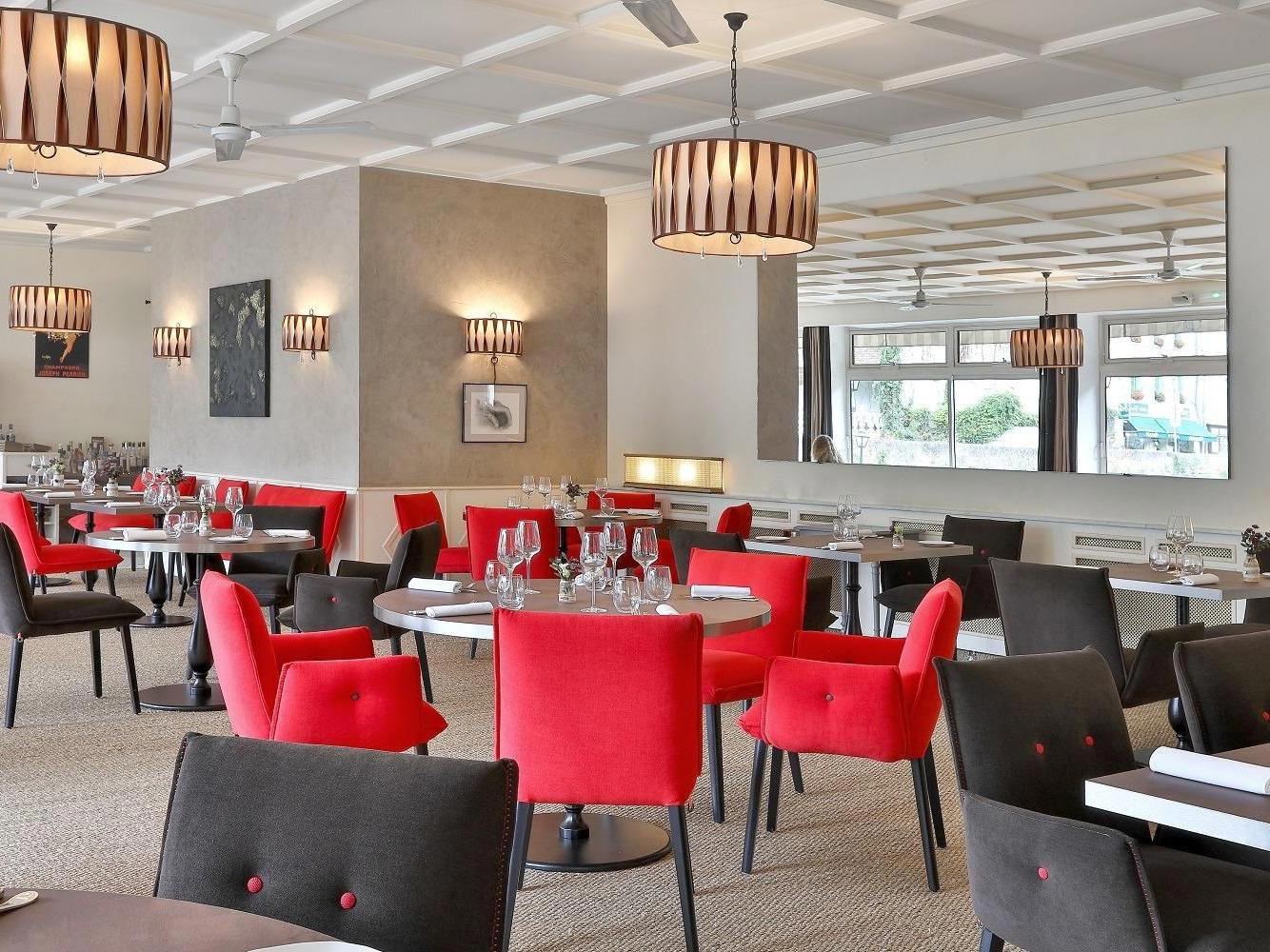
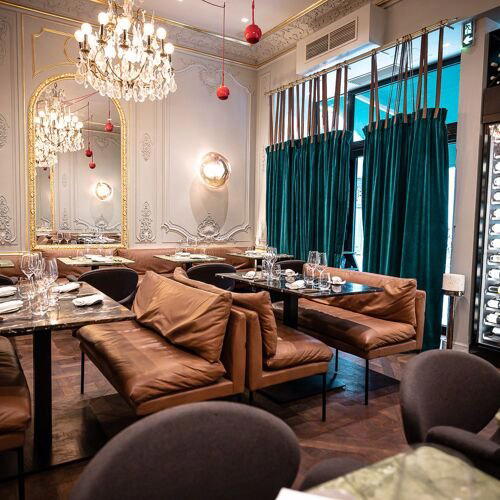
Restaurants in Saint-Estèphe
Browse all →
Hotels in Saint-Estèphe
Browse all →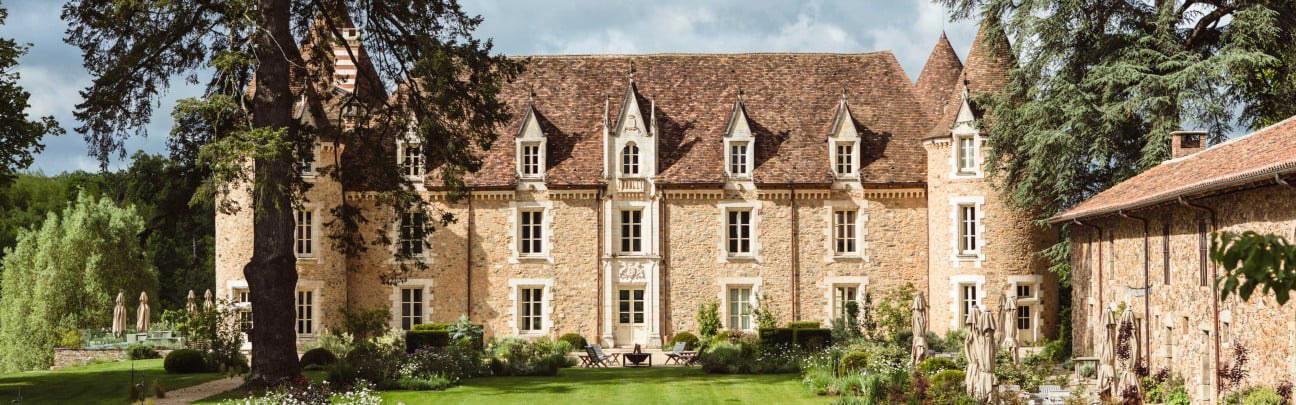
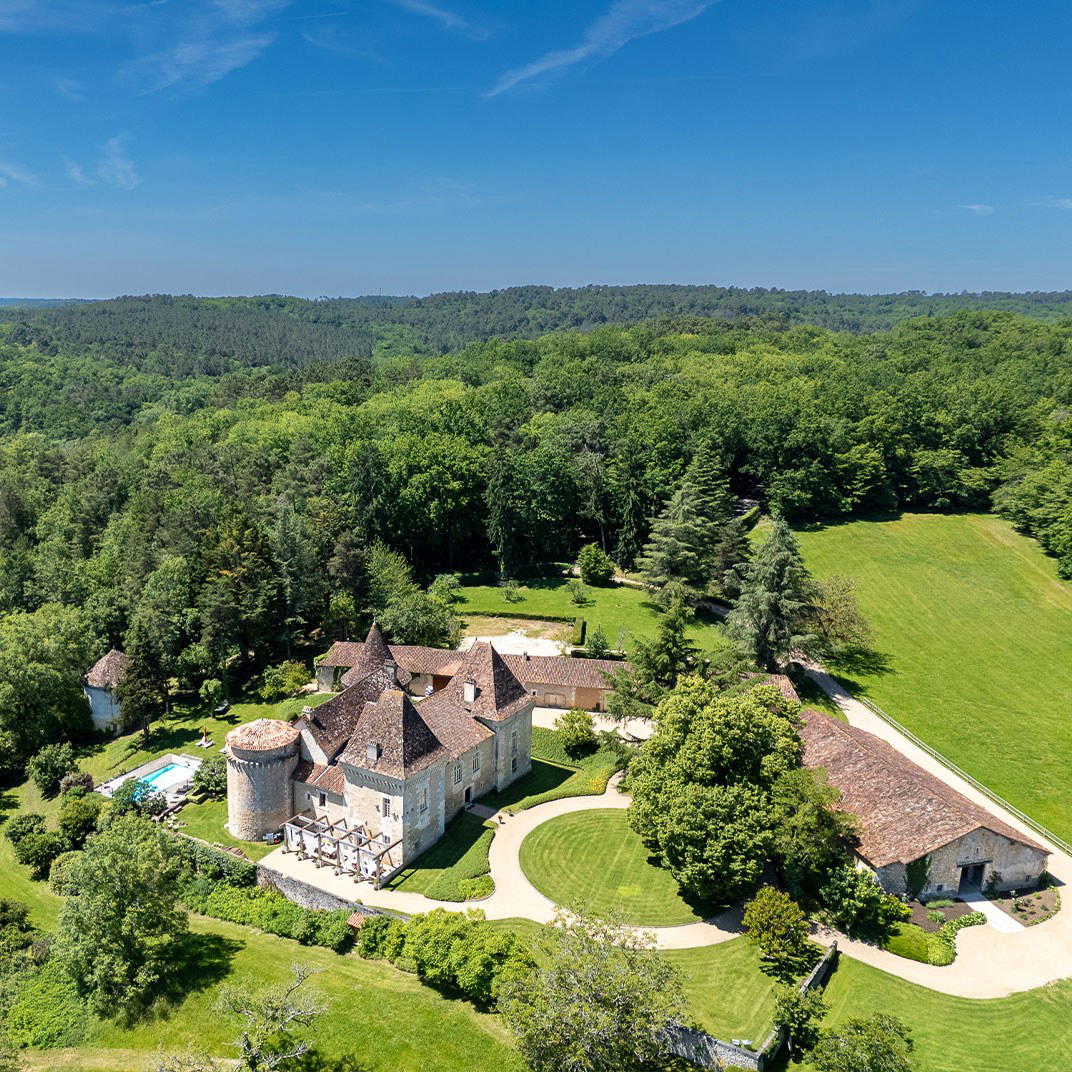
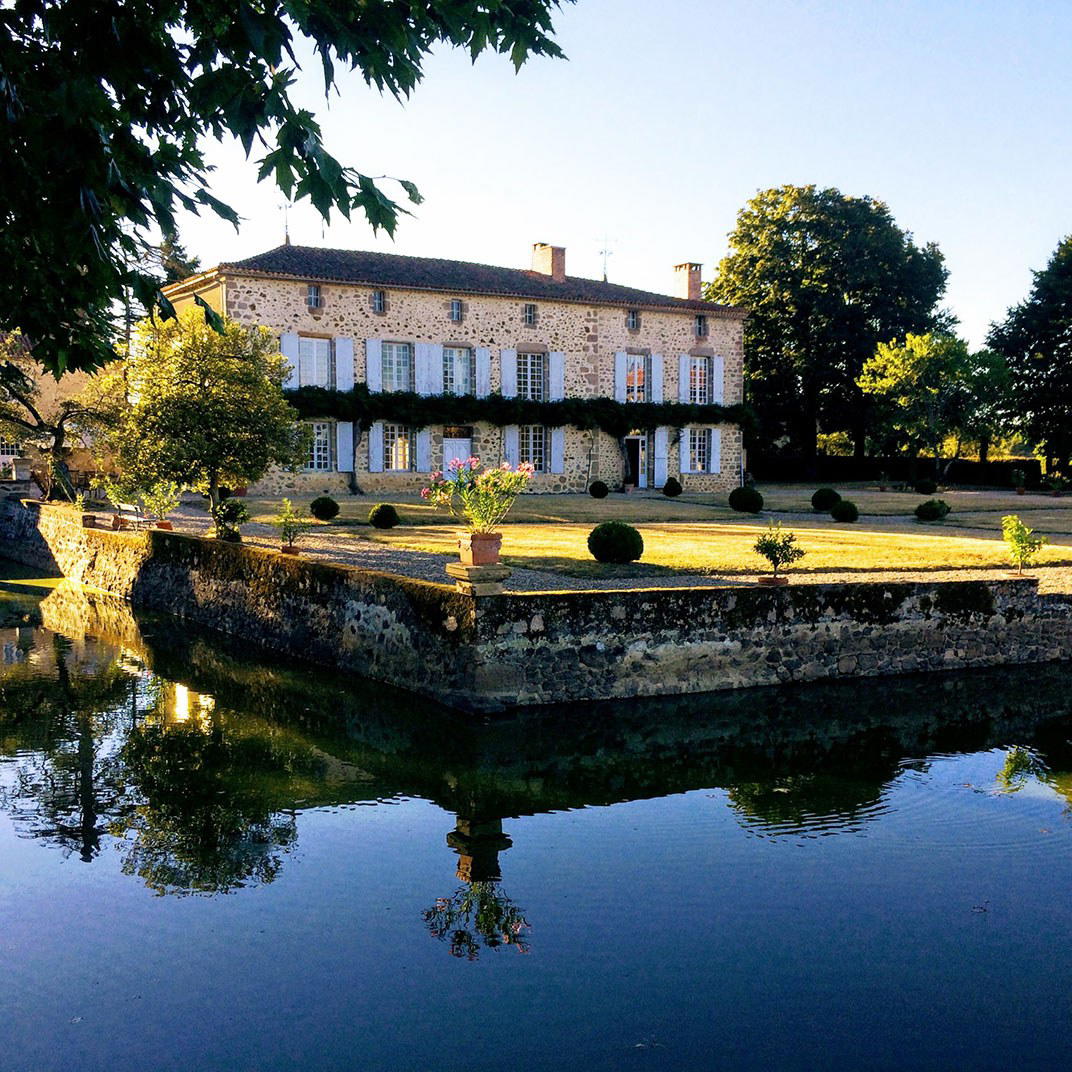
Wineries in Saint-Estèphe
Browse all →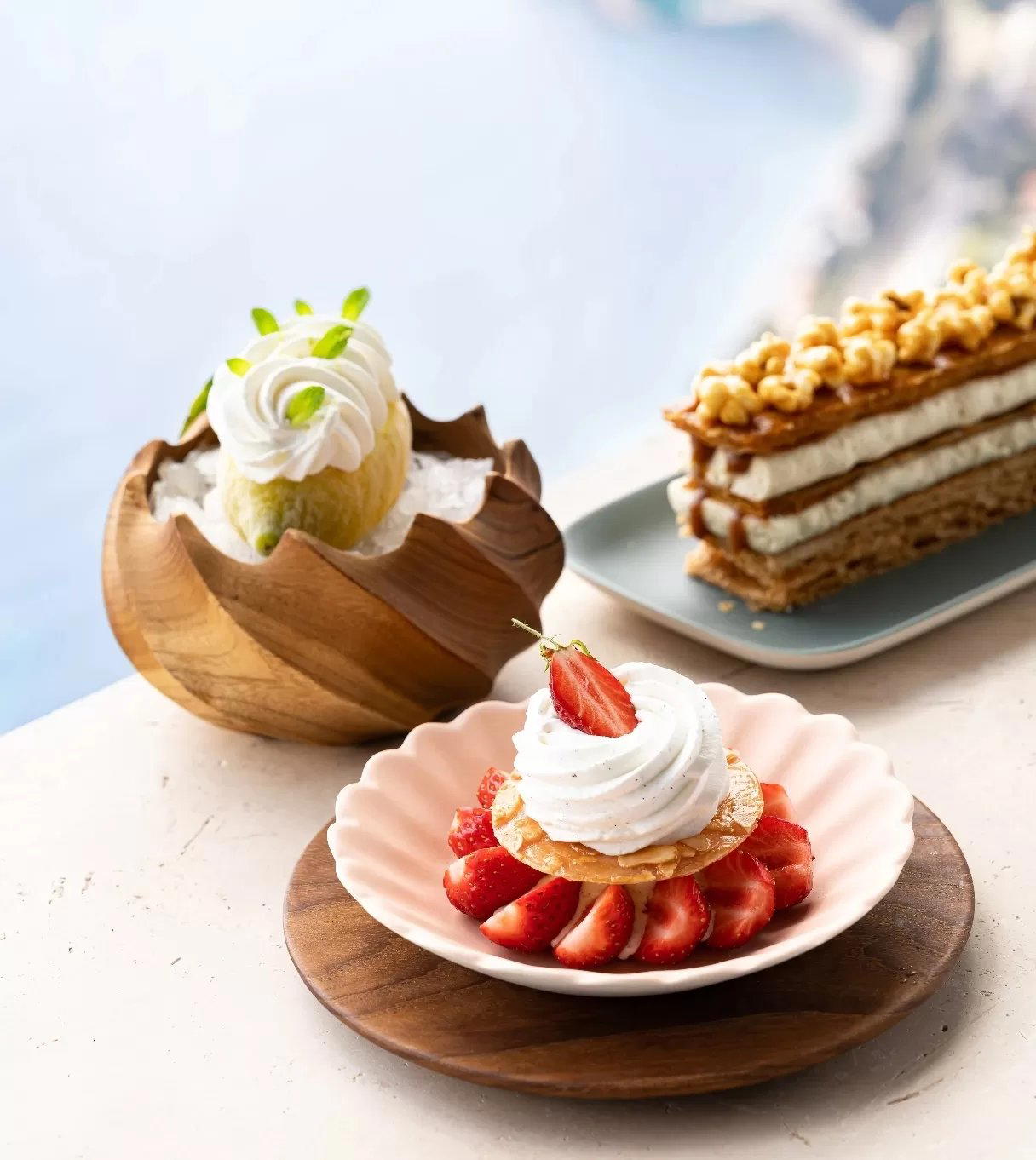
Details
- Romantic
- Rustic
- Scenic
- Elegant
- Date Night
- Special Occasion
- Historic Building
- Waterfront
- Local Sourcing
- Waterfront
- Garden
- A La Carte
- Vegetarian Friendly
Current opening hours
- Monday
- Closed
- Tuesday
- Closed
- Wednesday
- 12–2:30 PM, 7–10 PM
- Thursday
- 12–2:30 PM, 7–10 PM
- Friday
- 12–2:30 PM, 7–10 PM
- Saturday
- 12–2:30 PM, 7–10 PM
- Sunday
- 12–2:30 PM
Hours can change for holidays and private events. Last verified .
Bucolic lakeside atmosphere with leisurely pacing and beautifully presented dishes.