
1 Michelin Star
Our verdict
Set within a 2,500-acre estate in rural Charente, Dyades au Domaine des Étangs converts a 13th-century castle's former stables into a dining room where the kitchen draws directly from surrounding farmland, kitchen gardens, and ponds. The Michelin Plate-recognised menu reads estate-first: sturgeon loaf with Neuvic caviar, artichoke flowers, and produce grown metres from the table. For the Nouvelle-Aquitaine, this is serious food in a genuinely extraordinary setting.

Pearl is the En Primeur Club membership app — saves, bookings, and concierge access live there. Same editors, same standards.
- Address
- Domaine des Etangs, Le Bourg, 16310 Massignac, France
- Phone
- +33 5 45 61 85 05
- Website
- fr.auberge.com
- Directions
- Get directions
- Booking
- Book on TheFork
An Estate That Feeds Itself
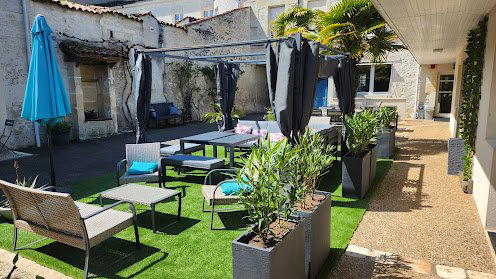
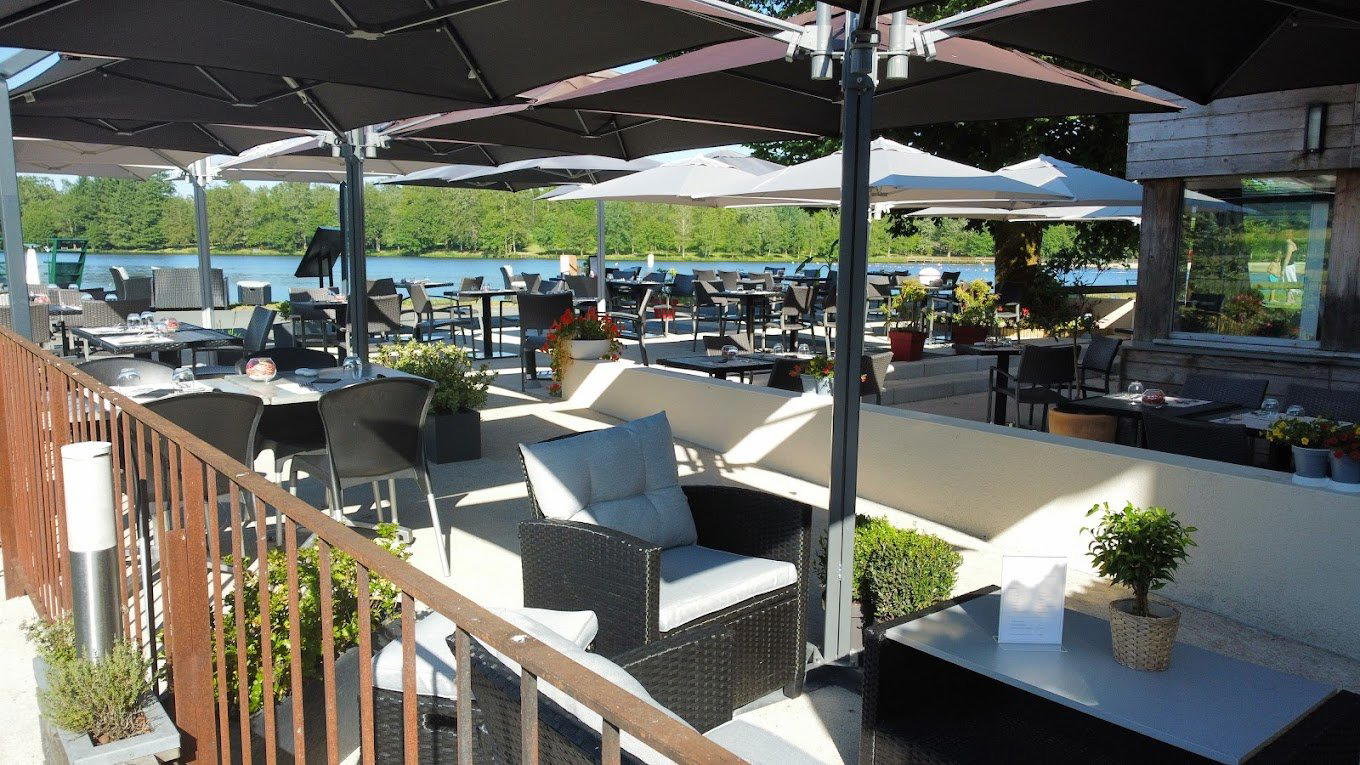
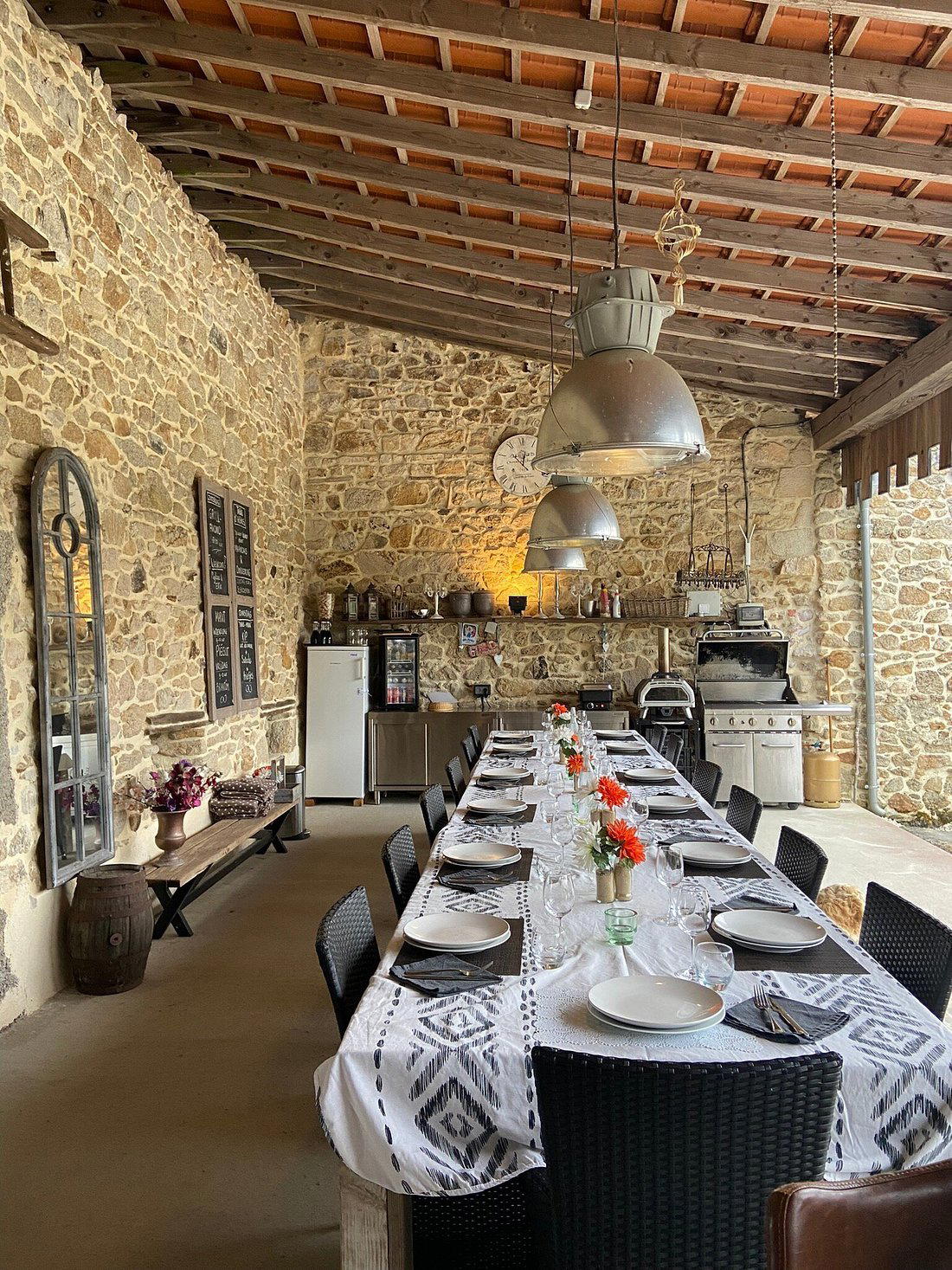
There is a category of French restaurant that exists almost entirely on its own terms: remote, self-supplied, and accountable to a landscape rather than a city dining scene. Dyades au Domaine des Étangs sits firmly in that category. The Domaine des Étangs covers nearly 2,500 acres of Charente countryside, woodland, meadows, and ponds, with a 13th-century castle at its centre. The former stables have been converted into the dining room, a space that holds antique bones and contemporary detail in careful balance. Before you even read the menu, the building tells you something about the kitchen's priorities: this is a place that feeds itself from the land immediately around it.
That model, the estate-as-larder, is not new to French fine dining. Bras in Laguiole built a comparable identity around the Aubrac plateau, turning terroir into culinary grammar. Flocons de Sel in Megève works a similar logic in the Alpine context. What distinguishes Dyades is the sheer density of what the Domaine produces on-site: aromatic herbs, garden vegetables, fish from the ponds, farmed produce from the surrounding fields. The kitchen does not source from a market that happens to be local; it sources from ground it can see from the stove.
What the Kitchen Actually Does with It
Estate-sourcing is only meaningful if the kitchen can match the quality of its raw material. Here, the Michelin Plate recognition for 2024 signals that the cooking clears that bar. Chef Matthieu Pasgrimaud trained at La Vague d'Or in Saint-Tropez and Daniel Boulud's operation in Manhattan, two kitchens that place significant weight on product quality and classical rigour. That background matters less as biography than as a pointer to how the kitchen handles produce: with the kind of precision that respects what is already good rather than masking it.
The menu positions itself as deliberately eclectic, a word that could be a warning sign but reads here as a statement of range. Kitchen garden dishes, sharing plates, classical preparations, and the chef's signatures coexist in the same menu without obvious contradiction. The sturgeon loaf paired with Neuvic caviar and Camus artichoke flowers with plum amandon oil represent two ends of that spectrum: one draws on the estate's aquatic resources and Nouvelle-Aquitaine's caviar production tradition, the other turns a garden vegetable into something more considered. For broader context on what France's most ambitious kitchens are doing with estate and regional produce at the starred level, Mirazur in Menton and Troisgros - Le Bois sans Feuilles in Ouches offer points of comparison, though both operate in a different price and recognition tier.
Service is managed by Chloé Tardivel, the chef's partner, whose presence gives the front-of-house a coherence that larger establishments sometimes lack. At this scale and in this setting, the welcome matters as much as the plating.
Where This Sits in the French Fine Dining Picture
The Michelin Plate sits below the starred tiers occupied by venues like Alléno Paris au Pavillon Ledoyen, Assiette Champenoise in Reims, or Auberge du Vieux Puits in Fontjoncouse. But the category comparison is only partially useful. Dyades does not compete on the same terms as a Paris address with a three-star trajectory. It competes as a destination restaurant embedded within a luxury estate, where the dining experience is inseparable from the physical context: the acreage, the converted stables, the castle, the grounds. Restaurants operating in a similar register internationally include Frantzén in Stockholm, where the building and setting are integral to the experience rather than incidental to it.
The €€€ price tier positions Dyades accessibly below the €€€€ bracket occupied by France's multi-starred destination kitchens. That positioning is notable: serious sourcing, trained kitchen, a compelling setting, and Michelin recognition at a price point that does not require the same financial commitment as a meal at Paul Bocuse - L'Auberge du Pont de Collonges or AM par Alexandre Mazzia in Marseille. For a regional French fine dining experience with a genuine estate identity, that ratio of quality to cost is worth noting.
Charente is not a region that draws heavy fine dining traffic in the way that Burgundy, Alsace (Auberge de l'Ill in Illhaeusern), or the Basque country does. That works in the restaurant's favour. The quietness of the surrounding area is not a compromise; it is the point. Guests arriving at Massignac are not passing through on the way to something else.
Planning a Visit
Kitchen operates Wednesday through Saturday for both lunch (12:00–13:30) and dinner (19:00–21:30), and Sunday for lunch only. Mondays and Tuesdays are closed. The address is Domaine des Étangs, Le Bourg, 16310 Massignac, placing it in rural Charente, roughly equidistant from Angoulême and Périgueux, and a drive rather than a train connection from any major city. For guests combining the meal with a broader stay in the region, our full Massignac hotels guide covers accommodation options on and near the Domaine. The estate itself functions as a luxury hotel, so dining here and staying on the grounds is the natural approach rather than a day trip.
For further context on what else Massignac and its surroundings offer, our full Massignac restaurants guide, bars guide, wineries guide, and experiences guide give a fuller picture of the area. Those combining regional French dining with a visit to Au Crocodile in Strasbourg or FZN by Björn Frantzén in Dubai will find Dyades occupies a very different register, one defined by land, proximity, and rural quiet rather than urban energy or international profile.
Frequently asked questions
Can I bring kids to Dyades au Domaine des Étangs?
The setting — a converted 13th-century stable on a 2,500-acre estate with woodland, meadows, and ponds — is naturally engaging for children. That said, the kitchen operates at Michelin Plate level with a considered tasting format, so the experience is best suited to older children comfortable with a slower, formal pace at the table.
What's the overall feel of Dyades au Domaine des Étangs?
The dining room occupies the former stables of a medieval castle, blending antique architectural detail with contemporary interior choices. The estate supplies much of what lands on the plate — aromatic herbs, garden vegetables, fish from the ponds — which gives the meal a grounded, place-specific character rather than the performative abstraction common in destination fine dining. Chloé Tardivel manages the welcome and front-of-house, and the service tone reflects that personal oversight.
What awards or recognition does Dyades au Domaine des Étangs have?
Dyades au Domaine des Étangs has received recognition including: Picture a sprawling estate (almost 2,500 acres) of woodland, forest, meadows, fields, farms and ponds and now add a 13C castle equipped with every modern comfort one would expect from a top-of-the-range luxury establishment. The former stab….
What do people recommend at Dyades au Domaine des Étangs?
The kitchen's signatures include a sturgeon loaf with Neuvic caviar and dishes built around estate-grown produce such as Camus artichoke flowers with plum amandon oil. Chef Matthieu Pasgrimaud, who trained at La Vague d'Or in Saint-Tropez and Daniel Boulud's restaurant in Manhattan, structures the menu to move between sharing plates, classical preparations, and his own signatures — so ordering broadly across those categories gives the fullest picture of what the kitchen does.
Quick Comparison
| Venue | Cuisine | Price | Awards |
|---|---|---|---|
| Dyades au Domaine des ÉtangsThis venue — the venue you are viewing | Modern French Fine Dining | $100–150 | 1 Michelin Star |
| Alléno Paris au Pavillon Ledoyen | Creative | Not listed | Michelin 3 Star |
| Kei | Contemporary French, Modern Cuisine | Not listed | Michelin 3 Star |
| L'Ambroisie | French, Classic Cuisine | Not listed | Michelin 3 Star |
| Le Cinq - Four Seasons Hôtel George V | French, Modern Cuisine | Not listed | Michelin 3 Star |
| Plénitude | Contemporary French | Not listed | Michelin 3 Star |
Recognition history
Dated appearances from independent guides and award organizations, with the underlying list record or original source where available.
Michelin 1 Star
Michelin
Full recognition history (3 entries)
Michelin 1 Star
Michelin
Michelin Plate
Michelin
Continue exploring
More in Massignac
Restaurants in Massignac
Browse all →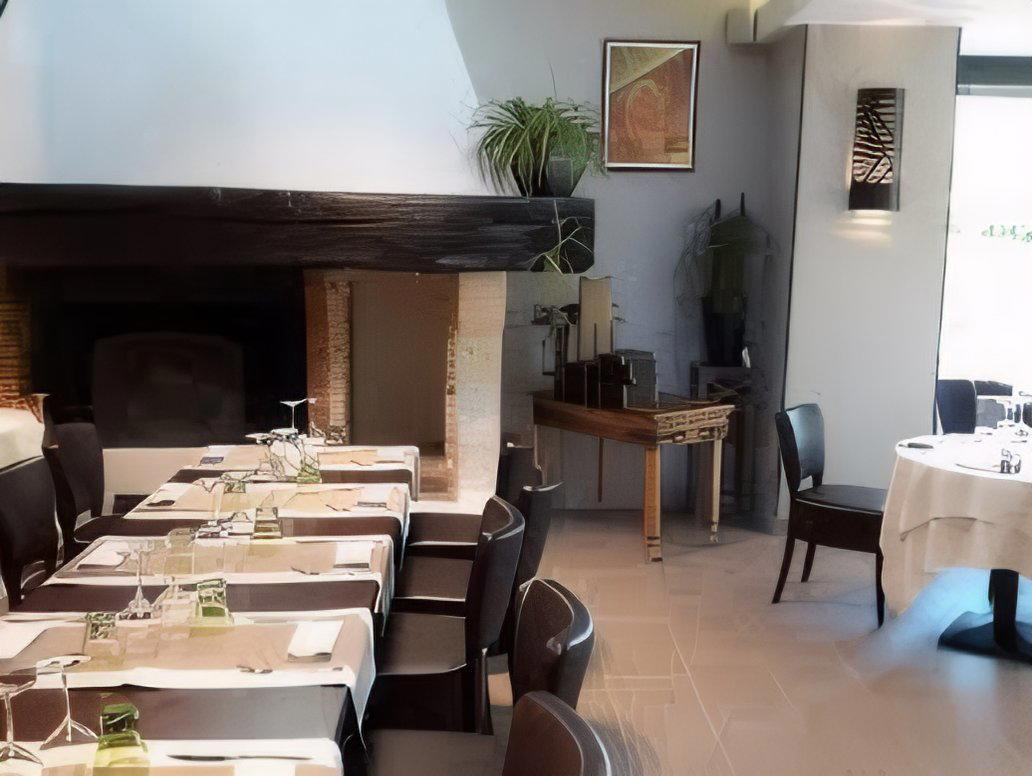
Hotels in Massignac
Browse all →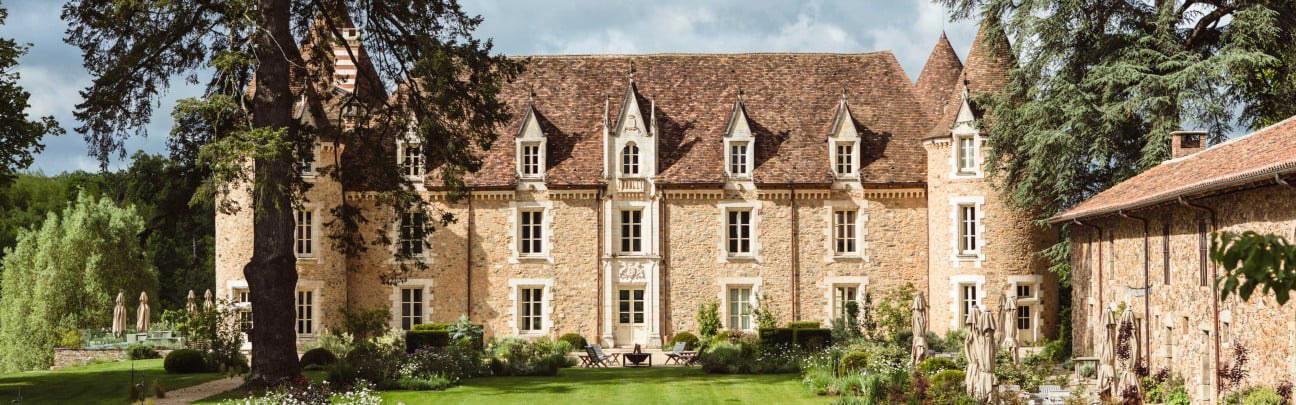
Wineries in Massignac
Browse all →
Details
- Elegant
- Romantic
- Scenic
- Sophisticated
- Rustic
- Special Occasion
- Date Night
- Celebration
- Garden
- Hotel Restaurant
- Historic Building
- Terrace
- Extensive Wine List
- Farm To Table
- Local Sourcing
- Organic
- Garden
- Tasting Menu
- A La Carte
- Vegetarian Friendly
Elegant and relaxed atmosphere with tasteful decor, serene garden views from the terrace, and a harmonious connection to nature.