
1 Michelin Star
Our verdict
A 16th-century forge-turned-mill on the banks of the Tardoire river, this Michelin-starred address in rural Charente earns its star through close-sourced ingredients: Charente snails, Nontron squab, and whole cuts from small local producers. Chef Matthieu Brudo's seasonal menu sits at the €€€ tier, making it one of the more accessible one-star kitchens in southwest France.

Pearl is the En Primeur Club membership app — saves, bookings, and concierge access live there. Same editors, same standards.
- Address
- MOULIN DE LA TARDOIRE, 6 Rte du Bournit, 16220 Montbron, France
- Phone
- +33 5 45 66 41 46
- Hours
- Mon–Tue ClosedWed–Thu 12:15–1:45 PM, 7:15–9:30 PMFri 12:30–1:45 PM, 7:15–9:30 PMSat 12:15–1 PM, 7:15–9:30 PMSun 12:15–1:45 PM
- Website
- moulindelatardoire.fr
- Directions
- Get directions
- Booking
- Book on Zenchef
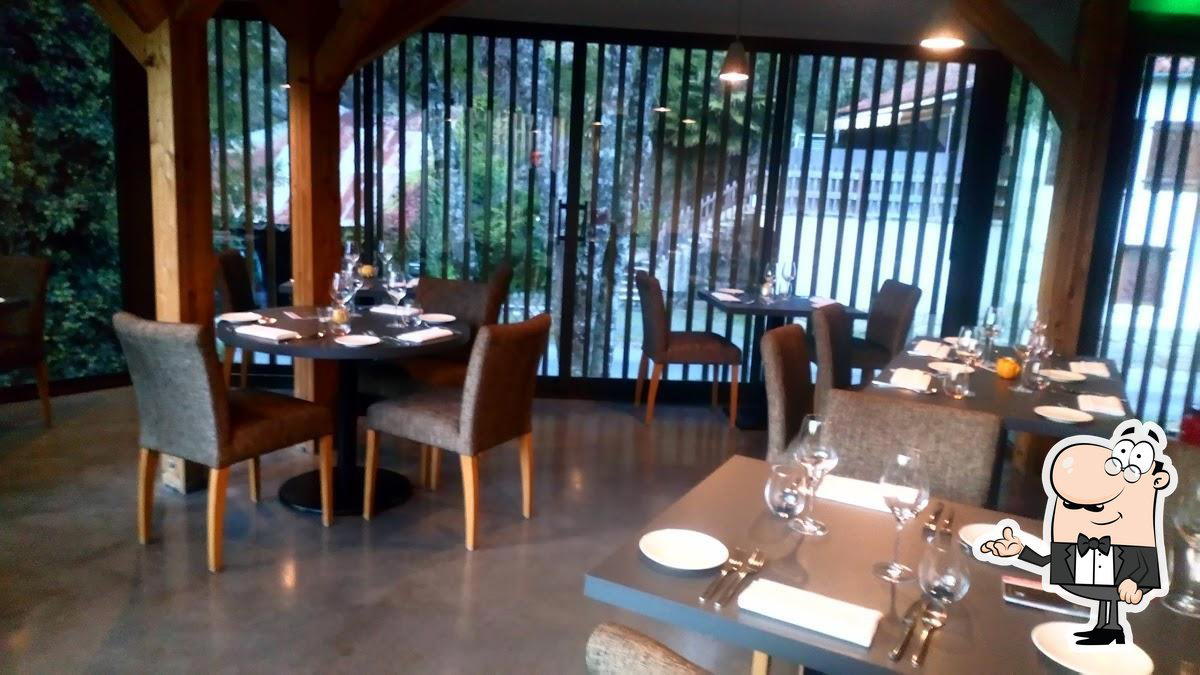
A Mill on the Tardoire, and What It Tells You About Rural French Dining
The Charente department sits in one of those French regions that urban food culture consistently underestimates. Wedged between the cognac country of Charente-Maritime and the forested edge of the Dordogne, it produces some of southwestern France's most characterful ingredients while receiving a fraction of the dining attention directed at Périgord or Bordeaux. That imbalance is exactly why a Michelin star at a converted watermill in Montbron carries weight beyond its address. France's one-star tier, which spans everything from neighbourhood bistros in Lyon to destination tables in the Alps like Flocons de Sel in Megève, tends to reward kitchens that do something specific exceptionally well. Here, the specificity is provenance: a sourcing geography so tight it reads almost like a map of the immediate countryside.
The building compounds that story. The structure dates to the 16th century as a forge, was repurposed as a flour mill in 1854, and later operated as an olive oil mill before its conversion into a restaurant. That accumulated history means the physical environment does more work than any interior designer could replicate: stone walls, the presence of water, the surrounding greenery of the Tardoire valley. Approaching along the Route du Bournit, the mill announces itself the way old working buildings do, through proportion and materiality rather than signage. The setting belongs to a tradition of French restaurant destinations that pairs serious cooking with serious surroundings, a category that includes Auberge de l'Ill in Illhaeusern and Auberge du Vieux Puits in Fontjoncouse, both of which operate in rural settings where the landscape itself functions as context for the cooking.
Sourcing as the Organizing Principle
Strongest argument for making a reservation here is not the star, which is a useful signal but not the story. It is the sourcing model. Chef Matthieu Brudo purchases whole animals from small producers in the local area, a practice that differs structurally from restaurants that source regionally but buy portioned cuts through standard distribution. Buying whole carcasses from named producers in the Charente and surrounding departments means the kitchen works with what the animal actually provides, not just the premium sections. It imposes discipline on menu construction and tends to produce cooking that reflects the actual agricultural calendar rather than a version of seasonality that simply swaps out garnishes.
Michelin citation names three ingredients specifically: snails from the Charente, squab from Nontron, and duck breast from Nontron. Each of these points in a useful direction. Charente escargots are a regional product with a long local history, less celebrated than Burgundy's but consistent with the valley's damp, wooded terrain. Nontron sits just across the departmental border in Dordogne, close enough that the phrase "local area" holds up. Squab from that zone carries the quality markers you expect from a region where small-scale livestock and game production has been continuous for generations. The duck breast citation places the kitchen squarely within a southwest French culinary tradition that runs from Gascony through Périgord and into the Charente, though the preparation approach at Moulin de la Tardoire orients toward refined presentation rather than the rustic duck-heavy formats more common in the wider region.
This sourcing discipline situates the restaurant in a broader French cooking movement that has been gaining critical recognition for roughly two decades: kitchens in non-metropolitan locations that anchor their menus to a specific agricultural micro-territory. Bras in Laguiole is the most cited example of this approach at the upper end of the tier spectrum, but the principle operates across multiple price points. Moulin de la Tardoire's €€€ pricing puts it meaningfully below the four-star Parisian tier, where kitchens like Alléno Paris au Pavillon Ledoyen or Assiette Champenoise in Reims operate on different cost structures entirely. A one-star experience at this price tier, in this setting, represents a specific value proposition that the French countryside does better than most European dining markets.
The Rhythm of the Table
Service runs Wednesday through Sunday, with the restaurant closed Monday and Tuesday. Lunch service occupies a narrow window, roughly 12:15 to 1:45 on most days (Saturday closes slightly earlier at 1:00 PM), and dinner runs from 7:15 to 9:30 PM. Those windows are tighter than urban one-star kitchens typically operate, which is consistent with a rural table working with a focused team. The Sunday dinner service is not listed, so Sunday operates as a lunch-only day. Visitors planning an overnight stay in the area should factor this into scheduling; [our full Montbron hotels guide]() covers accommodation options in and around the town.
At that volume and score, it reflects a broad and consistent guest experience rather than a curated sample. For a rural Charente address that receives no significant tourist infrastructure support from its location, sustaining that score over 1,400-plus reviews indicates the kitchen and service are performing reliably across different types of diners, not just enthusiasts who sought it out specifically for the star.
Where This Fits in the Southwest France Circuit
Serious diners working through the southwest tend to anchor around Bordeaux, the Dordogne, or the Basque country, with Michelin concentration heavier in those zones. Charente sits between these circuits without belonging firmly to any of them, which partly explains why Moulin de la Tardoire attracts less international attention than its star and sourcing model might otherwise generate. That relative obscurity is a practical advantage for visitors. Booking a Michelin-starred table in rural Charente requires planning but operates with less of the competitive friction found at peer addresses in more heavily visited regions.
For context on how rural one-star kitchens compare across French regions, the broader one-star circuit in non-metropolitan France includes addresses like Troisgros in Ouches at the multi-generational legacy end, and more recently recognized kitchens across the southwest that share the sourcing-first philosophy. AM par Alexandre Mazzia in Marseille represents a contrasting urban expression of the same Michelin tier, useful for illustrating how differently a star can manifest depending on environment and culinary intent. Mirazur in Menton, at the three-star level, operates from a similarly place-specific sourcing philosophy in a southern French context, though at a different price point and international profile.
For those building a broader Montbron visit around the meal, [our full Montbron restaurants guide](), [bars guide](), [wineries guide](), and experiences guide map the surrounding options.
Planning Your Visit
The address is 6 Route du Bournit, 16220 Montbron. The restaurant sits outside the town center proper, so driving is the practical approach. Arriving at the correct service window matters here more than at urban addresses with flexible seating: the lunch window closes by 1:45 PM on most days, and the kitchen is dark on Mondays and Tuesdays. Dress is informal by the standards of a €€€ Michelin-starred address; the mill setting and rural location read as relaxed rather than formal, though the cooking and service operate at a standard above casual.
Frequently asked questions
Is Moulin de la Tardoire okay with children?
Is Moulin de la Tardoire formal or casual?
What dish is Moulin de la Tardoire famous for?
How It Stacks Up
| Venue | Cuisine | Price | Awards |
|---|---|---|---|
| Moulin de la TardoireThis venue — the venue you are viewing | French Seasonal Fine Dining | $50–100 | 1 Michelin Star |
| Alléno Paris au Pavillon Ledoyen | Creative | Not listed | Michelin 3 Star |
| Kei | Contemporary French, Modern Cuisine | Not listed | Michelin 3 Star |
| L'Ambroisie | French, Classic Cuisine | Not listed | Michelin 3 Star |
| Le Cinq - Four Seasons Hôtel George V | French, Modern Cuisine | Not listed | Michelin 3 Star |
| Plénitude | Contemporary French | Not listed | Michelin 3 Star |
Recognition history
Dated appearances from independent guides and award organizations, with the underlying list record or original source where available.
Michelin 1 Star
Michelin
Full recognition history (3 entries)
Michelin 1 Star
Michelin
Michelin 1 Star
Michelin
Continue exploring
More in Montbron
Restaurants in Montbron
Browse all →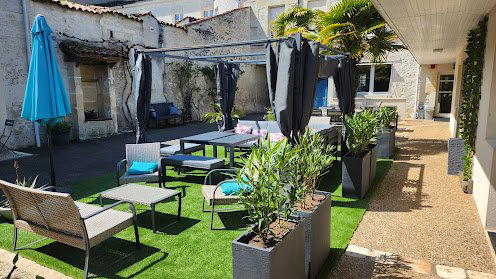
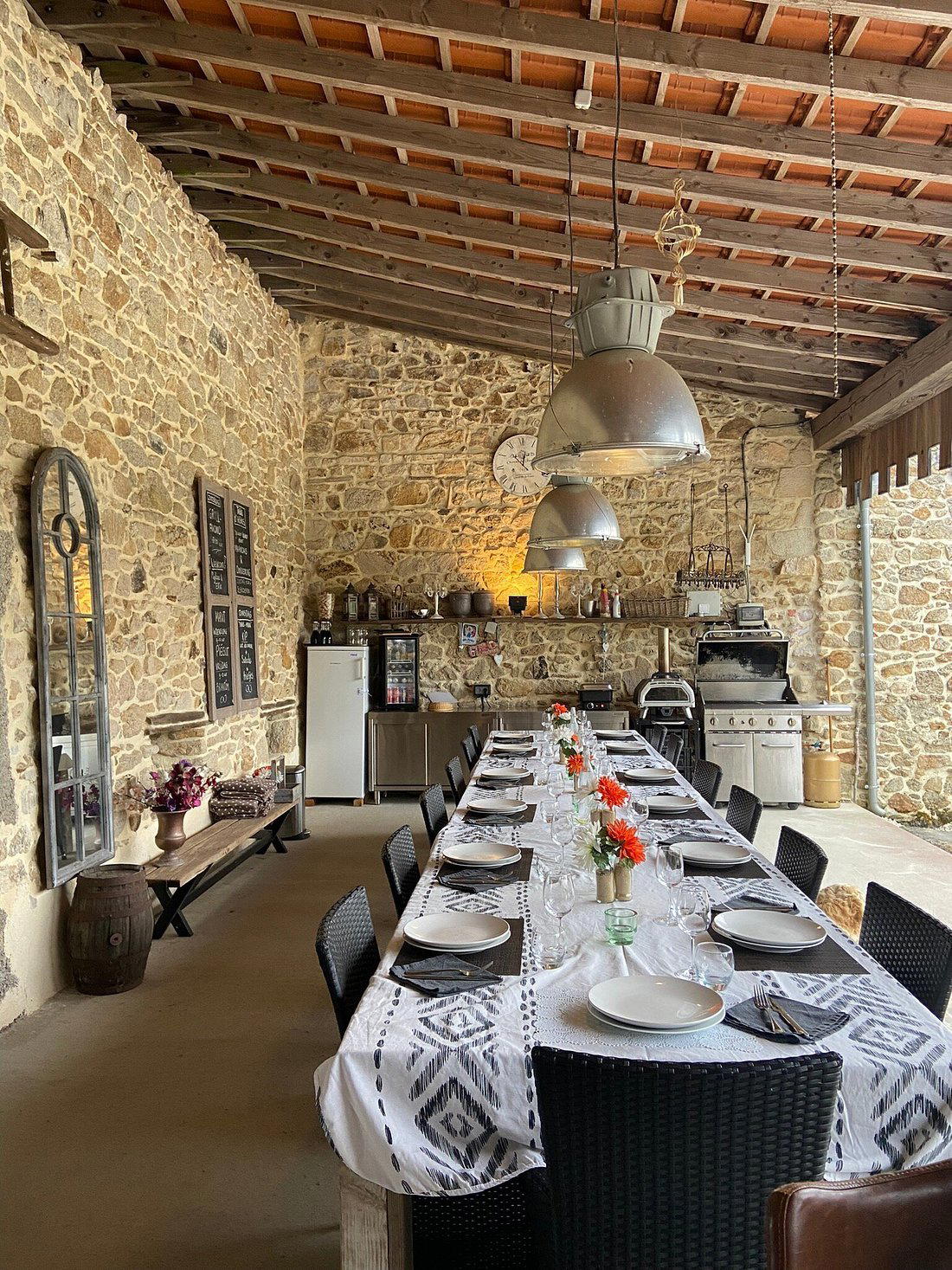
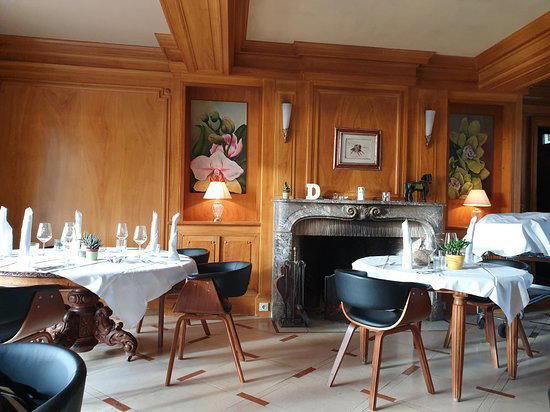
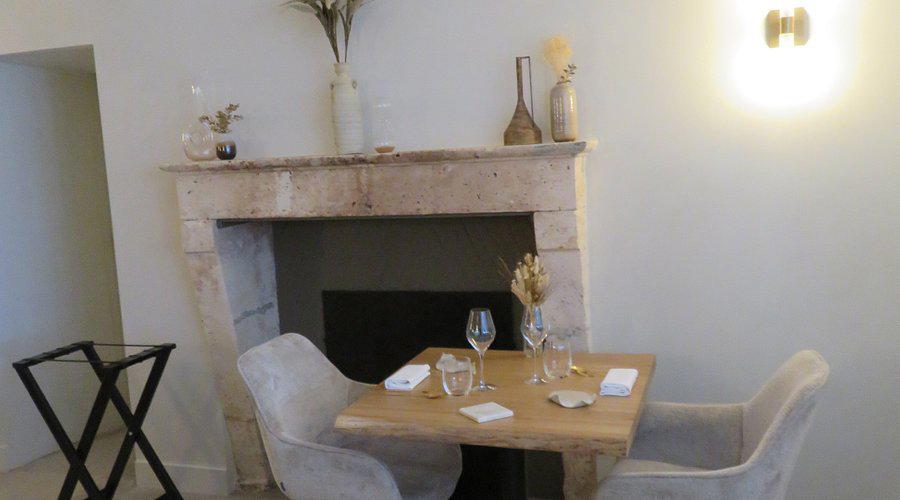
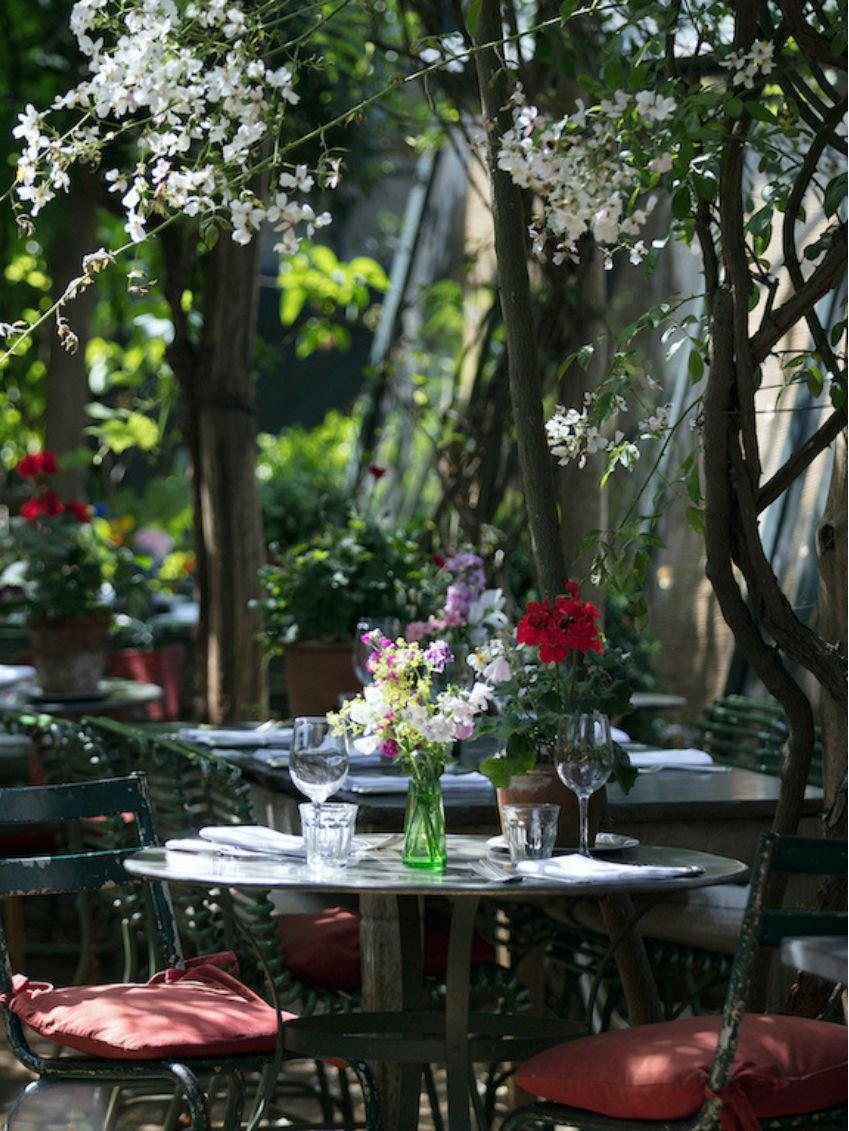
Hotels in Montbron
Browse all →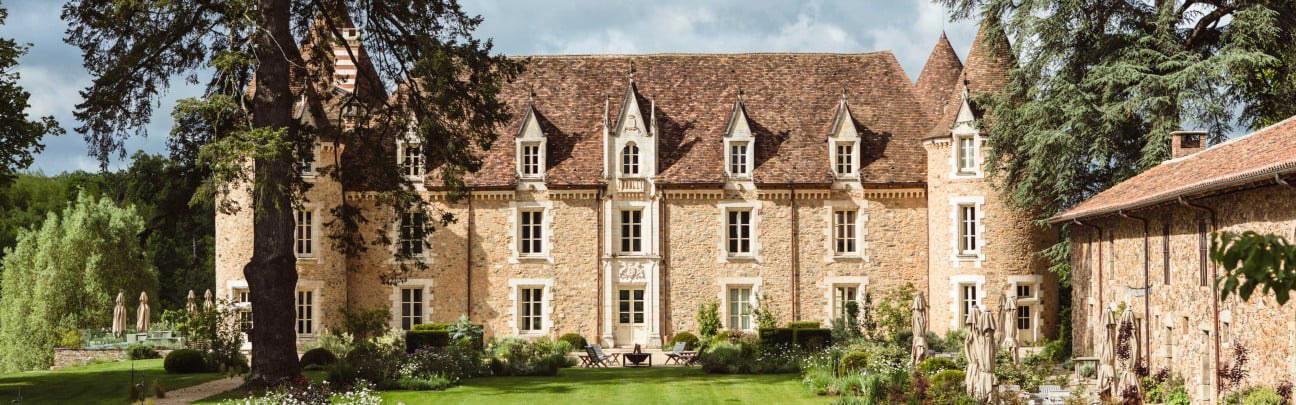
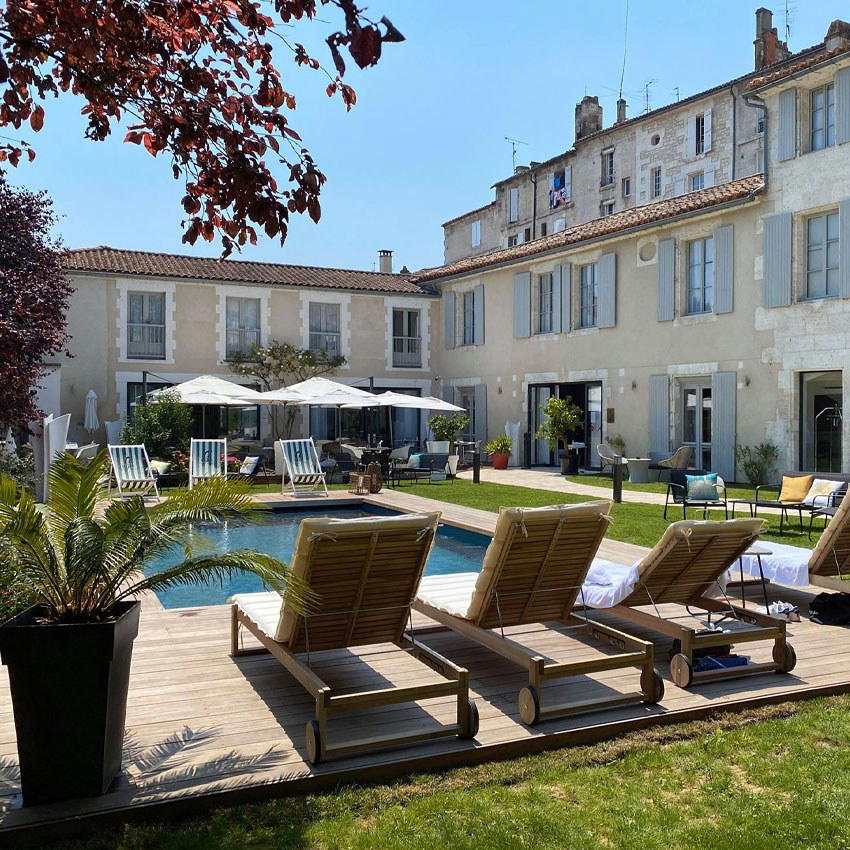
Wineries in Montbron
Browse all →
Details
- Romantic
- Rustic
- Scenic
- Cozy
- Elegant
- Date Night
- Special Occasion
- Celebration
- Terrace
- Historic Building
- Waterfront
- Extensive Wine List
- Local Sourcing
- Organic
- Waterfront
- Garden
- A La Carte
- Gluten Free Options
Current opening hours
- Monday
- Closed
- Tuesday
- Closed
- Wednesday
- 12:15–1:45 PM, 7:15–9:30 PM
- Thursday
- 12:15–1:45 PM, 7:15–9:30 PM
- Friday
- 12:30–1:45 PM, 7:15–9:30 PM
- Saturday
- 12:15–1 PM, 7:15–9:30 PM
- Sunday
- 12:15–1:45 PM
Hours can change for holidays and private events. Last verified .
Charming bucolic setting with cosy interior, beautiful terrace by the water, and contemporary refurbishment amid greenery.