Google: 4.6 · 327 reviews
.png)
A Michelin Plate-recognised address in Orange, Le Mas des Aigras - Table du Verger operates at the quieter, more personal end of Provençal dining — a farmhouse setting on the edge of the Roman city where the cooking draws directly from the kitchen garden. Priced at €€, it sits well below the region's starred tier while sharing its commitment to seasonal, place-rooted ingredients.
 Discover on Pearl
Pearl is the En Primeur Club membership app — saves, bookings, and concierge access live there. Same editors, same standards.
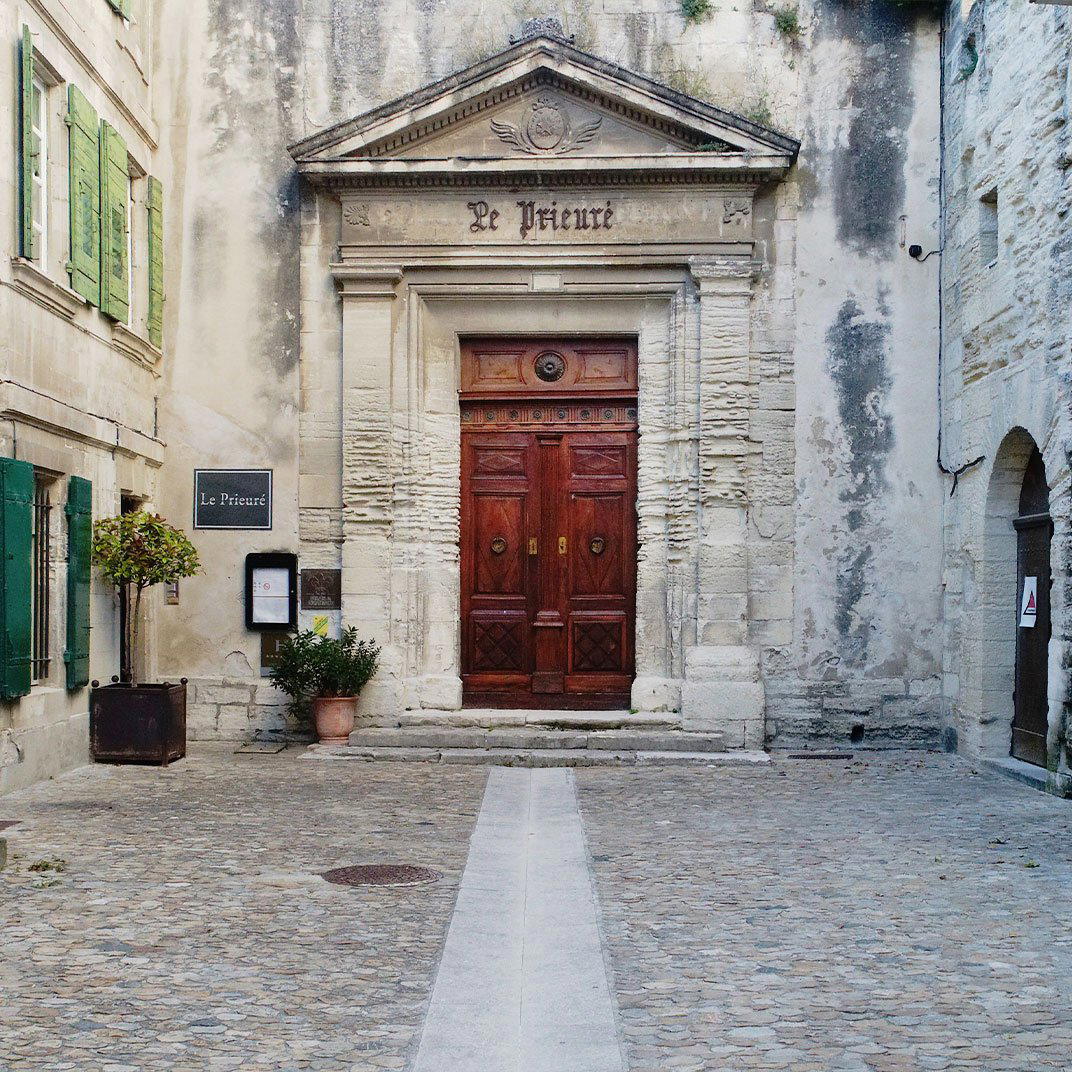
Where the Provençal Kitchen Garden Becomes the Menu
The old mas — the Provençal farmhouse — is one of southern France's most durable hospitality formats. Long before the bistro tradition formalised itself in Paris, rural Provence was already doing something similar: converting working agricultural properties into places where guests ate what the land produced, seated close together, with little ceremony between the kitchen and the table. Le Mas des Aigras - Table du Verger, situated along the Chemin des Aigras on the agricultural fringe of Orange, belongs to that lineage. The Michelin Plate it earned in 2025 signals cooking that meets a consistent technical standard without repositioning the address into the starred, occasion-dining tier. That distinction matters for the traveller calibrating expectations in this part of the Vaucluse.
Orange and the Register of Casual French Dining
Orange sits at the northern edge of Provence, a compact Roman city leading known for its remarkably preserved first-century theatre and the triumphal arch at its northern approach. Its dining scene reflects the town's scale and character: a handful of addresses serious about local produce, several tourist-facing brasseries clustered near the Théâtre Antique, and very little that aspires to the kind of formal, multi-course architecture you find further south at addresses like Mirazur in Menton or along the coast at AM par Alexandre Mazzia in Marseille. Table du Verger occupies the productive middle ground: it is the kind of place that exists because the bistro tradition , in its broadest, most honest definition , was never really about a particular building type or price category. It was about the discipline of cooking regional ingredients with enough craft to make them speak clearly.
That tradition has a long critical pedigree across France. The reasoning behind why a three-Michelin-star house like Troisgros in Ouches or Paul Bocuse's Auberge du Pont de Collonges commands its authority is partly rooted in this same logic , exceptional sourcing, regional fidelity, technique in service of ingredient , just pushed further. At the Michelin Plate level, the commitment is to consistent quality rather than creative ambition, and for most visitors to Orange that calibration is closer to what they actually want.
The Setting: Farmhouse as Format
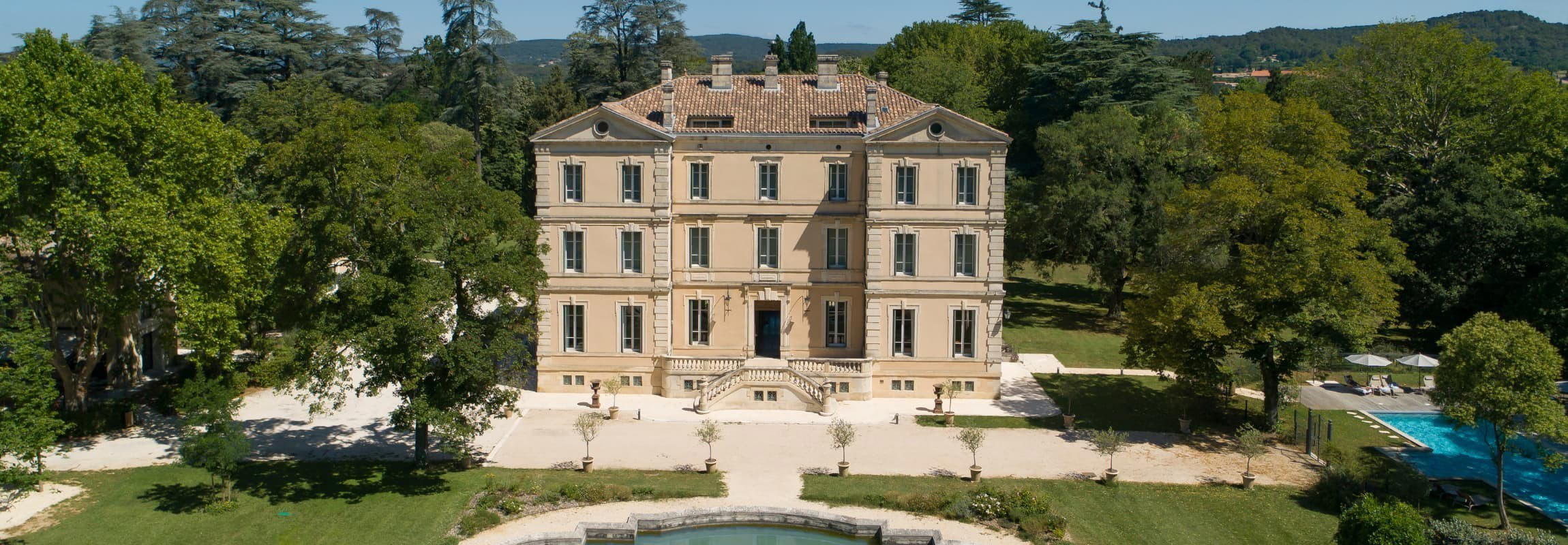
Arriving at a mas outside a Provençal town involves a particular kind of transition. You leave the compact urban fabric , in Orange's case, the grid of narrow streets and limestone facades , and follow a road that opens into agricultural land. The address on the Chemin des Aigras positions Table du Verger in that threshold zone, close enough to the city to be practical but far enough to deliver the property-and-garden context that makes the mas format coherent. The table du verger , the orchard table , is a signal of the kitchen's orientation: this is cooking that takes its cues from what grows on or near the property.
In the broader canon of Provençal dining, the mas-with-kitchen-garden model sits alongside more formally recognised addresses. Alain Llorca in La Colle-sur-Loup and La Bastide Bourrelly in Cabriès both operate within this regional tradition at higher price and ambition levels. Table du Verger's €€ pricing places it in a different access tier , one that corresponds to the everyday bistro register rather than the occasion-dining register, even if the culinary discipline is comparable in its commitment to Provençal specificity.
Cuisine: The Bistro Tradition Rooted in Place
Provençal cooking at its most honest is not a complicated proposition. The complexity comes not from technique layered on technique but from the quality and timing of ingredients: tomatoes at the right moment of summer, herbs that grew in dry limestone soil, olive oil pressed locally, fish from the Mediterranean coast an hour to the south. The bistro tradition, as it evolved across France's regions, codified this into an approach where the chef's primary obligation was to the ingredient rather than to creative intervention. Michelin's Plate designation recognises exactly this register of cooking , places where the food is carefully made and the sourcing is taken seriously, without the elaboration that pushes a kitchen toward star territory.
At Table du Verger, the Provençal cuisine classification points toward that approach: seasonal, garden-rooted, likely built around the vegetables and herbs the property can supply directly. For comparison, the starred end of French regional cooking , addresses like Flocons de Sel in Megève or Bras in Laguiole , applies sustained creative pressure to regional ingredient traditions. Table du Verger works in a register where that pressure is largely absent, and the cooking is more direct as a result.
Context Within Orange's Dining Options
Orange supports a wider range of dining than its size might suggest, partly because of the summer festival traffic that the Chorégies d'Orange draws to the Roman theatre. Visitors looking for contrast alongside Table du Verger's Provençal focus can find quite different propositions in the city: Gabbi's Mexican Kitchen and Ohshima represent the kind of non-French dining that has become standard in French provincial cities of this size. For a fuller picture of what Orange offers across categories, the EP Club Orange restaurants guide covers the current range. Travellers planning a wider Provence itinerary may also find the Orange hotels guide, bars guide, wineries guide, and experiences guide useful for building out the visit.
The broader French dining context is worth holding in mind when situating Table du Verger. The upper tier of French restaurant culture , addresses like Alléno Paris au Pavillon Ledoyen, Auberge de l'Ill in Illhaeusern, or Assiette Champenoise in Reims , operates at a price and ambition level that has little bearing on what Table du Verger offers. The Michelin Plate is a different signal: it tells you the kitchen is serious, not that it is elaborate.
Planning Your Visit
Table du Verger's €€ price point places it at the accessible end of the serious-dining tier in Orange , the kind of address where a full lunch with local wine does not require prior financial preparation. The 4.6 rating from 304 Google reviews represents a meaningful sample for an address of this type and scale in a provincial French city, suggesting sustained quality rather than a spike around a single period. The property's location on the Chemin des Aigras means arriving by car is the practical approach; the address sits outside Orange's walkable centre. Given the farmhouse setting and the kitchen garden orientation, lunch in the warmer months , when Provençal produce is at its most expressive , is the format that aligns leading with what the kitchen is set up to do. Booking in advance is advisable, particularly during the summer festival season when the Chorégies d'Orange concentrates visitor demand across the whole city.
Booking and Cost Snapshot
These are the closest comparables we have in our database for quick context.
| Venue | Price | Awards | Notes |
|---|---|---|---|
| Le Mas des Aigras - Table du Verger | €€ | Michelin Plate (2025) | This venue |
| Alléno Paris au Pavillon Ledoyen | €€€€ | Michelin 3 Star | Creative, €€€€ |
| Kei | €€€€ | Michelin 3 Star | Contemporary French, Modern Cuisine, €€€€ |
| L'Ambroisie | €€€€ | Michelin 3 Star | French, Classic Cuisine, €€€€ |
| Le Cinq - Four Seasons Hôtel George V | €€€€ | Michelin 3 Star | French, Modern Cuisine, €€€€ |
| Plénitude | €€€€ | Michelin 3 Star | Contemporary French, €€€€ |
At a Glance
- Rustic
- Elegant
- Scenic
- Cozy
- Intimate
- Date Night
- Special Occasion
- Family
- Terrace
- Garden
- Extensive Wine List
- Local Sourcing
- Vineyard
- Garden
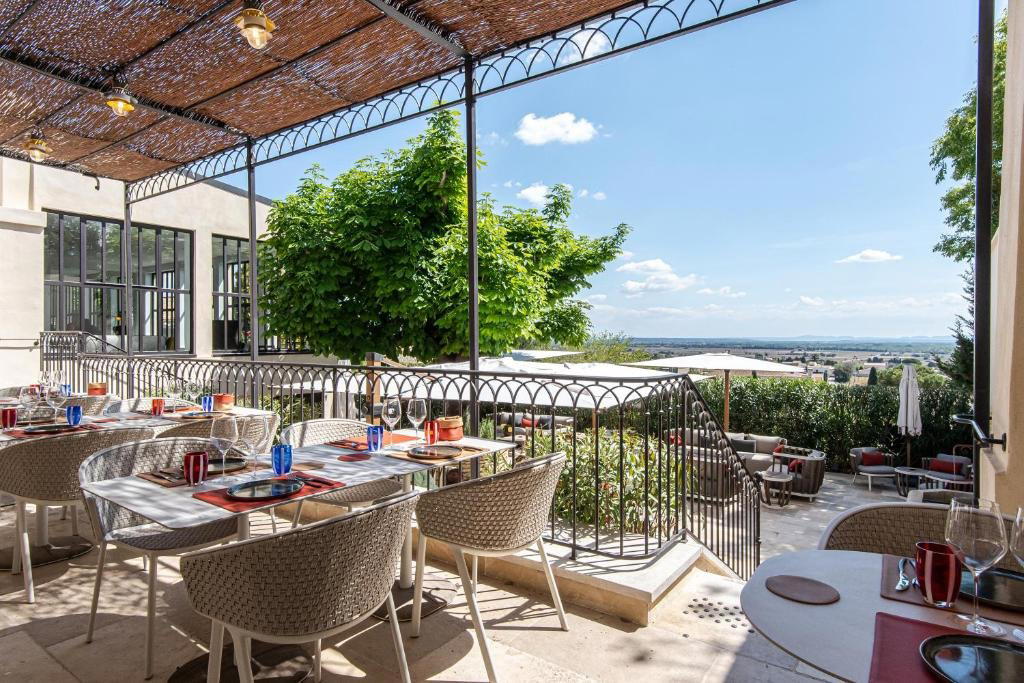
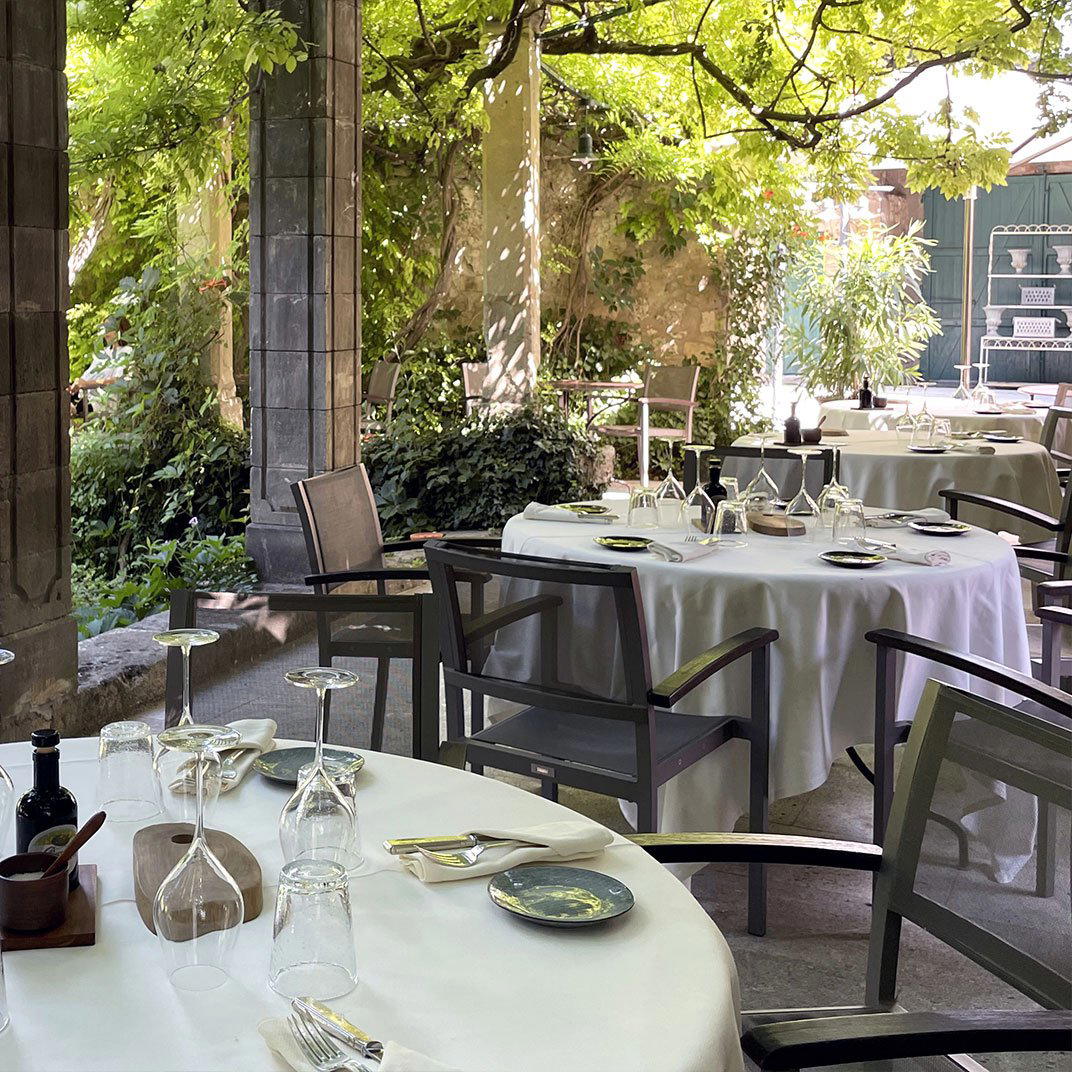
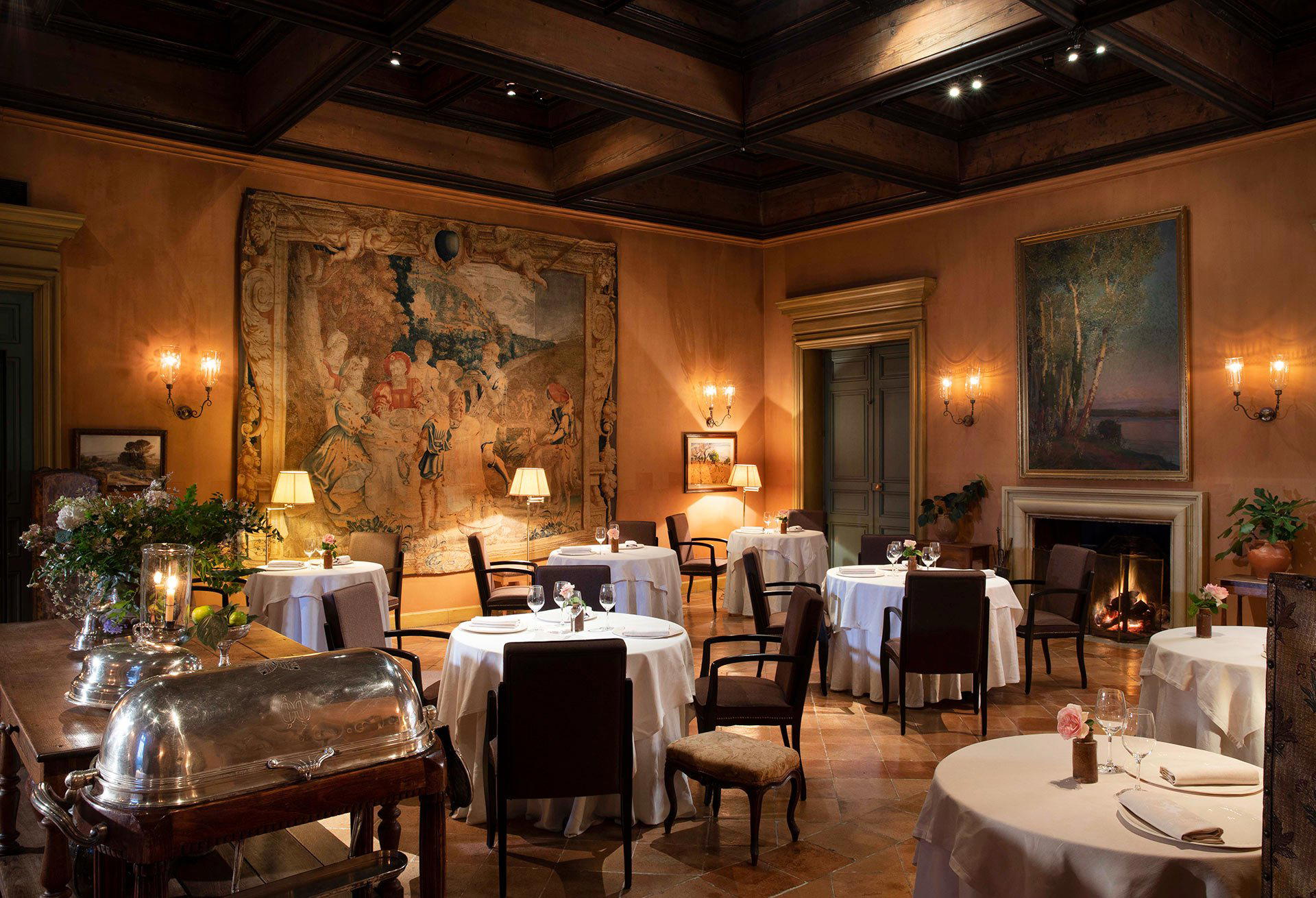
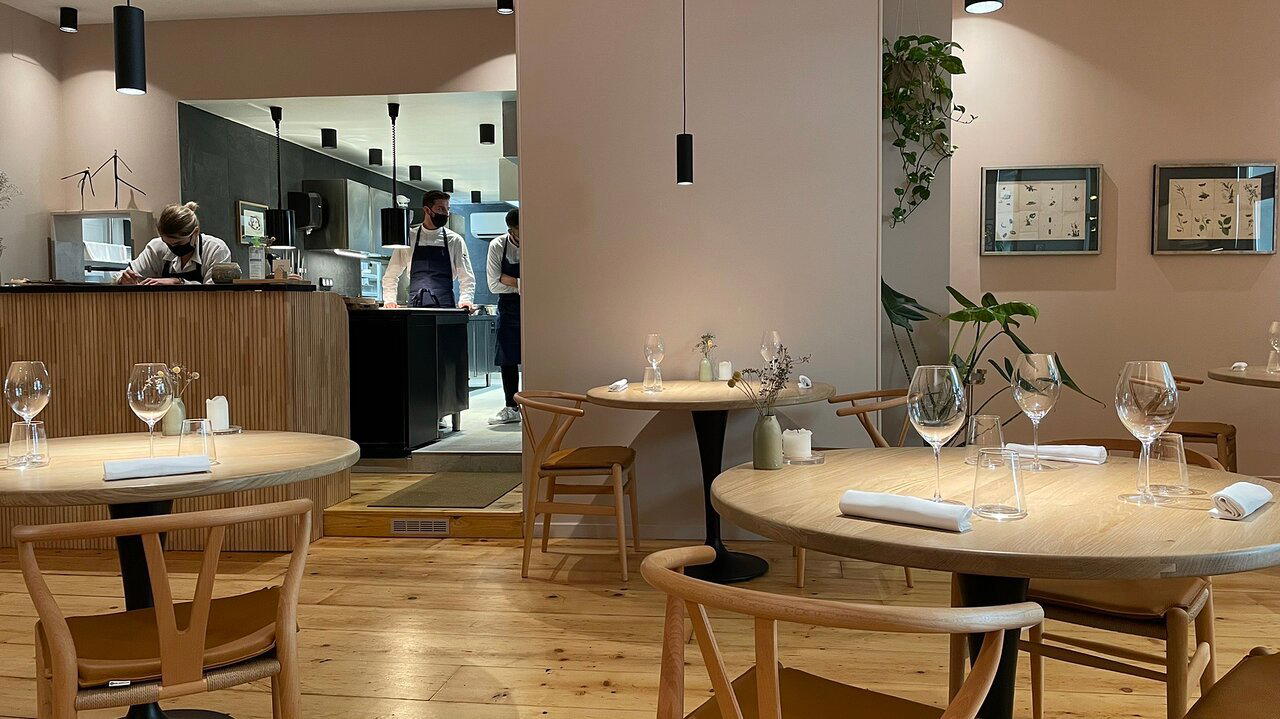
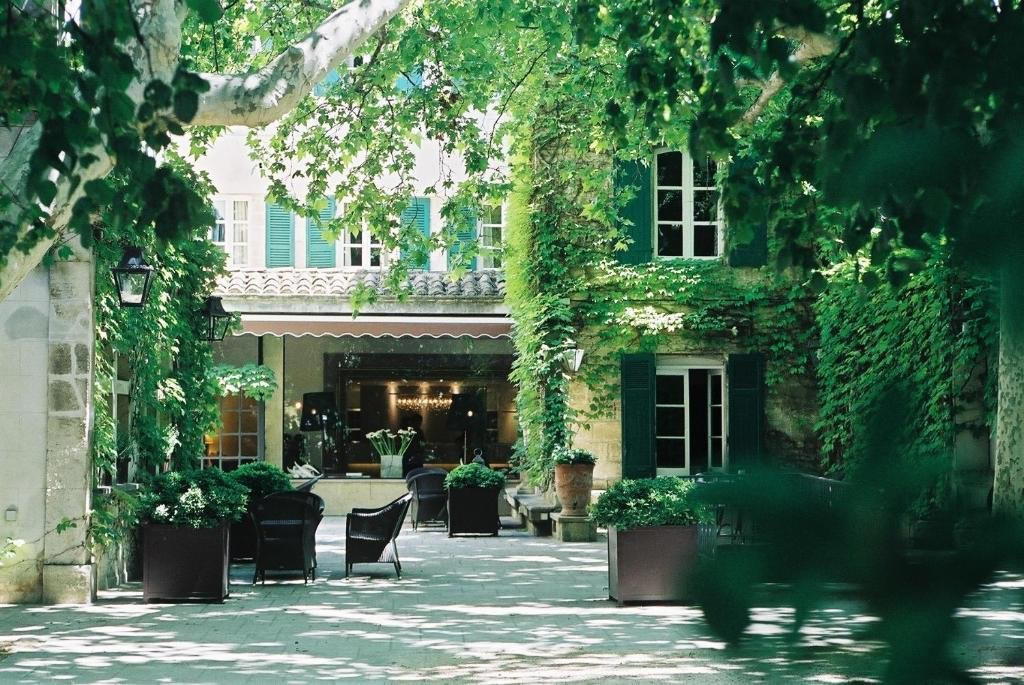
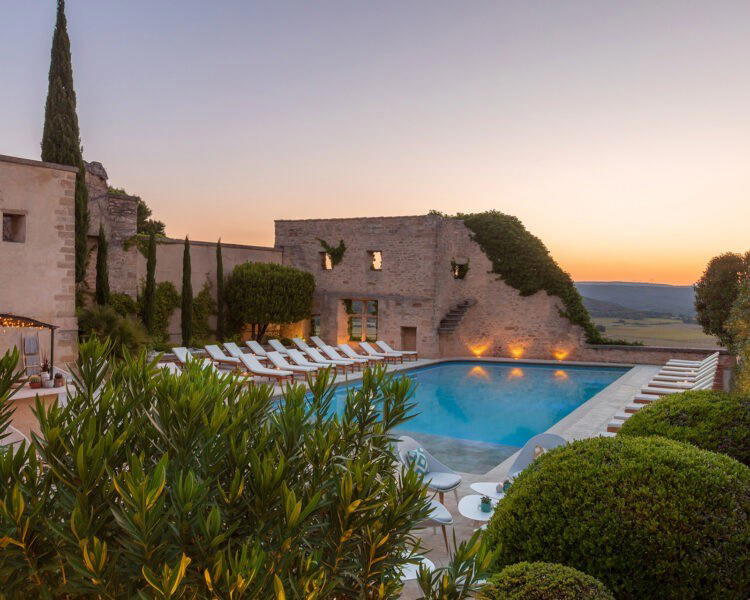
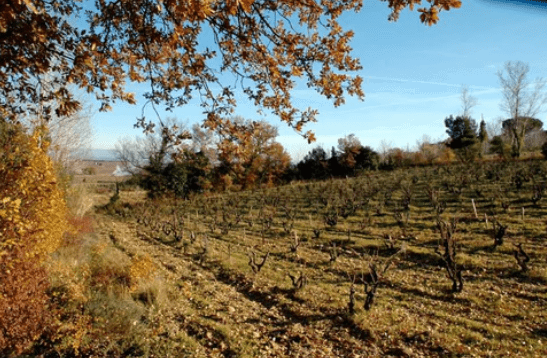
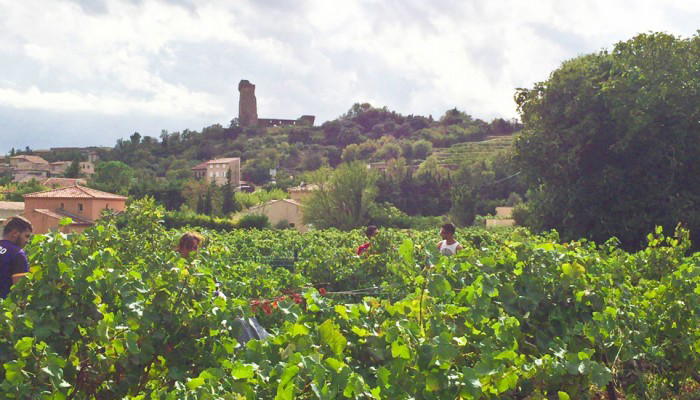
Intimate and subdued dining room with a shaded terrace amidst vineyards, providing a peaceful Provençal atmosphere.