Alain Llorca


A Michelin-starred table in the Provençal village of La Colle-sur-Loup, Alain Llorca anchors its cooking firmly in the ingredients and traditions of the Côte d'Azur hinterland. The €€€€ menu earns, placing it at the upper end of regional fine dining between Nice and Saint-Paul-de-Vence.
Pearl is the En Primeur Club membership app — saves, bookings, and concierge access live there. Same editors, same standards.
- Address
- 350 Rte de Saint-Paul, 06480 La Colle-sur-Loup, France
- Phone
- +33 4 93 32 02 93
- Website
- restaurant-llorca.fr
- Directions
- Get directions
 Saves & bookings on Pearl
Between the Garrigue and the Table: Provençal Fine Dining at La Colle-sur-Loup
Alain Llorca is a Michelin-starred restaurant in La Colle-sur-Loup, France, serving contemporary Mediterranean fine dining at €€€€ and led by chef Alain Llorca. The road into La Colle-sur-Loup narrows as it climbs away from the coastal autoroute, the scrub oak and wild herbs thickening along the roadside, the light shifting to the kind of dry, honeyed afternoon gold that defines the Côte d'Azur interior. Arrive at 350 Route de Saint-Paul and you are positioned between two of the Alpes-Maritimes' most visited names: the medieval village of Saint-Paul-de-Vence a few minutes north, and Nice some twenty kilometres to the southeast. The setting is not incidental. In this part of southern France, the relationship between the land and what appears on a plate has shaped a distinct culinary tradition for centuries, and Alain Llorca works squarely within it.
Provençal cooking in the hinterland of the Riviera occupies a different register from the seafood-forward restaurants along the coast. The Var and Alpes-Maritimes produce olives, lavender, courgettes, aubergines, tomatoes dried in summer heat, lamb from the high plateau, herbs that grow with an intensity the humidity of the littoral dampens. The kitchen at Alain Llorca draws on this geography directly, positioning itself as a serious interpreter of terroir-led southern French cooking at the €€€€ price point, the same tier occupied by destination fine dining in the region, including Mirazur in Menton, which holds three Michelin stars and applies a different, more internationally inflected lens to the same coastal-hinterland larder.
What a Consecutive Michelin Star Signals in This Context
Michelin awarded the restaurant a star in both 2024 and 2025, which matters in ways beyond the obvious. A single star, held consecutively, tells you the kitchen is consistent rather than episodic, that the produce sourcing and execution hold across seasons and services. In the broader map of starred Provençal cooking, this places the restaurant in a mid-tier above brasserie-level regional food but below the two- and three-star destinations that anchor French fine dining nationally: tables like Alléno Paris au Pavillon Ledoyen, Flocons de Sel in Megève, or Troisgros in Ouches.
For the Côte d'Azur interior, where the density of serious cooking thins considerably once you move inland from the major coastal cities, that designation carries real weight.
For southern French fine dining more broadly, it is worth understanding where the restaurant fits in the regional constellation. The Provence-Côte d'Azur corridor has produced a number of individual voices in the Michelin canon: AM par Alexandre Mazzia in Marseille operates with three stars and a different conceptual framework; La Bastide de Moustiers in Moustiers-Sainte-Marie and La Bastide Bourrelly in Cabriès work within similar terroir-led Provençal parameters. The restaurant sits alongside this cohort: committed to regional identity, technically credentialled by Michelin, and drawing a clientele that comes specifically for that combination.
The Culinary Tradition Behind the Cooking
Provençal cuisine, in its serious form, is not a simple collection of sun-ripe vegetables dressed in olive oil. It is a discipline of restraint and proportion, one in which the quality of a tomato or a courgette flower or a piece of locally caught rouget determines the outcome more than technique alone. The leading cooking in this tradition treats the ingredient as argument, using classical French structure to amplify rather than redirect what the land produces.
Chef the restaurant carries that regional identity through his cooking. What the consecutive Michelin recognition implies is a kitchen where provenance is treated seriously, where the choice of supplier and the timing of the season shape the menu more than an abstract concept. That approach has deep roots in the broader history of French regional fine dining, from Bras in Laguiole, which defined a category of terroir-absolute cooking in the Aubrac, to the longer institutional history of houses like Auberge de l'Ill in Illhaeusern and Paul Bocuse in Collonges-au-Mont-d'Or, both of which built identities inseparable from the regions that produced them.
In the Alpes-Maritimes, that regional identity is layered. It combines Niçois cooking traditions, a distinctly Italian-inflected strand of French Mediterranean food, heavier on pasta, socca, stockfish, with the drier Provençal herb-and-olive pantry of the interior, and with the richer protein traditions of the alpine hinterland further north. A kitchen operating at this level has access to all three threads and must choose which to weight. The €€€€ price signal, combined with the Michelin recognition, suggests that the restaurant is working in the formal register of this tradition, applying precision to ingredients that lesser kitchens treat casually.
Where This Sits in La Colle-sur-Loup's Dining Scene
La Colle-sur-Loup is not a dining destination in the way that Nice, Cannes, or even Saint-Paul-de-Vence functions for visitors to the Riviera. The village draws the overflow from those larger centres and a loyal local clientele, but it lacks the critical mass of restaurants that would give a visitor multiple starred options within walking distance. For guests exploring the broader area, L'Atelier des Saveurs by Stéphane Garcia offers a second serious address in the village, working in modern cuisine at a different register.
That relative scarcity concentrates the fine-dining offer. The restaurant occupies the top end of the local market without obvious direct competition at the same tier, which gives it a dual role: a neighbourhood anchor for diners from the Côte d'Azur interior and a destination proposition for those specifically seeking Michelin-starred Provençal cooking away from the coastal circuit.
For those planning around the broader region, the village is well-positioned as a base or a detour from Nice, Antibes, or the hill villages of the arrière-pays.
The combination of a starred kitchen, a regional setting, and a price tier that asks for a planned commitment rather than a casual drop-in means this is a meal to schedule deliberately rather than stumble into.Houses like Assiette Champenoise in Reims or Au Crocodile in Strasbourg operate in entirely different regional frameworks, but the underlying logic of a single Michelin star held across consecutive years is the same: a kitchen producing food at a level of sustained technical and sourcing quality that a critical inspectorate has validated more than once.
Comparison Snapshot
Comparable venues nearby, for context on price, style, and recognition.
| Venue | Cuisine | Price | Awards | Notes |
|---|---|---|---|---|
| Alain LlorcaThis venue — the venue you are viewing | Contemporary Mediterranean Fine Dining | $$$$ | Michelin 1 Star | Not listed |
| L'Atelier des Saveurs by Stéphane Garcia | Modern French-Basque Fine Dining | $$$$ | Michelin Plate | La Colle-sur-Loup |
| La Palmeraie - Château de Valmer | Provençal Fine Dining | $$$$ | Michelin 1 Star | La Croix-Valmer |
| Bessem | Modern French Mediterranean Fine Dining | $$$$ | Michelin 1 Star | Mandelieu-La Napoule |
| La Table de Nans | Mediterranean Fine Dining | $$$$ | Michelin 1 Star | Corniche du Liouquet |
| La Passagère - Hôtel Belles Rives | Modern Mediterranean Fine Dining | $$$$ | Michelin 1 Star | Juan-les-Pins |
Recognition history
Dated appearances from independent guides and award organizations, with the underlying list record or original source where available.
Michelin 1 Star
Michelin
Gault & Millau Remarkable Restaurant
Gault & Millau
Michelin 1 Star
Michelin
Michelin 1 Star
Michelin
Continue exploring
More in La Colle-sur-Loup
Restaurants in La Colle-sur-Loup
Browse all →
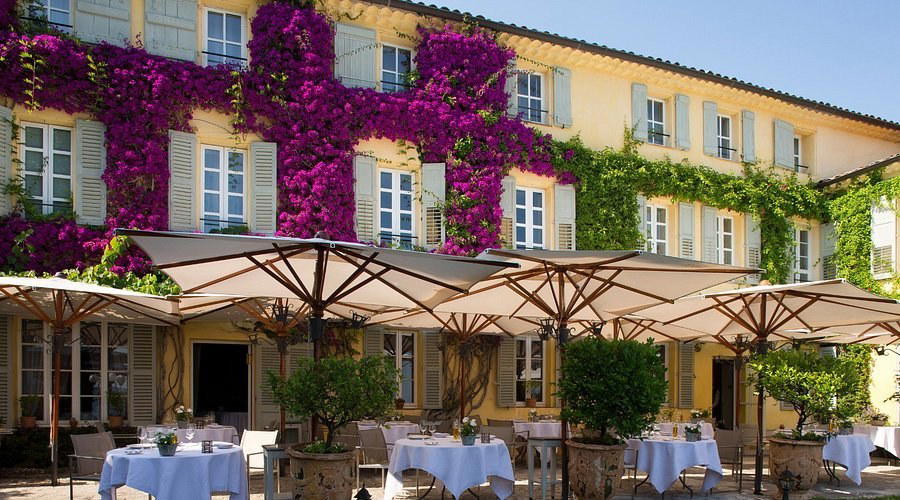
Bars in La Colle-sur-Loup
Browse all →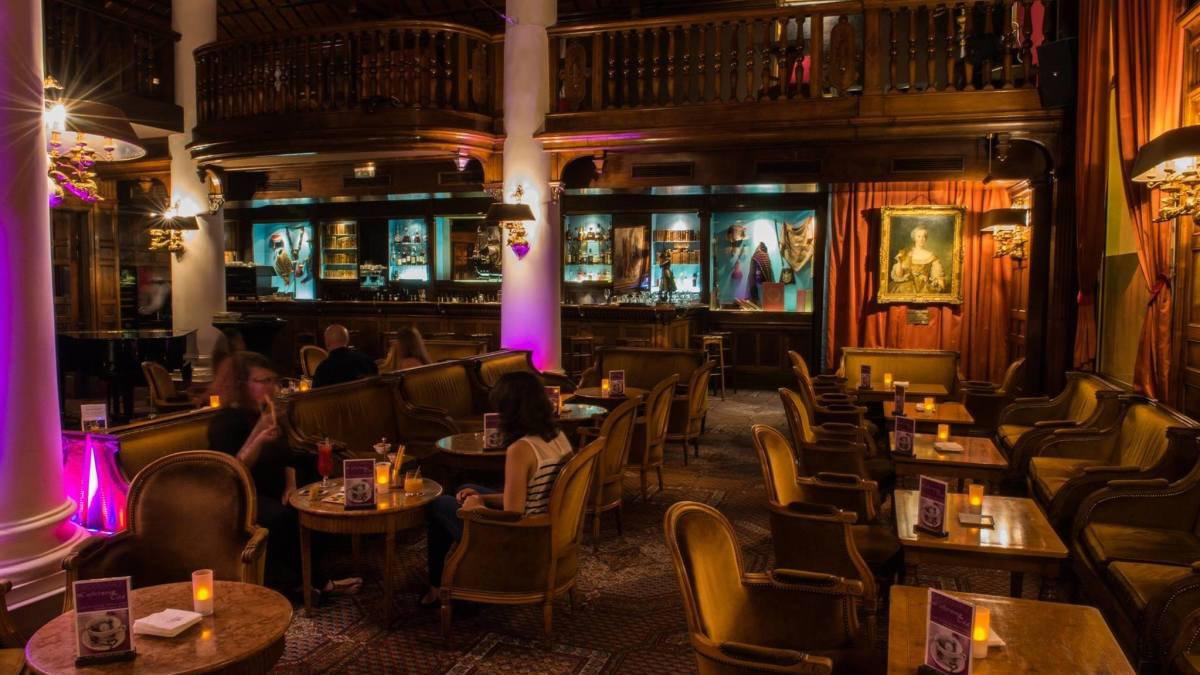
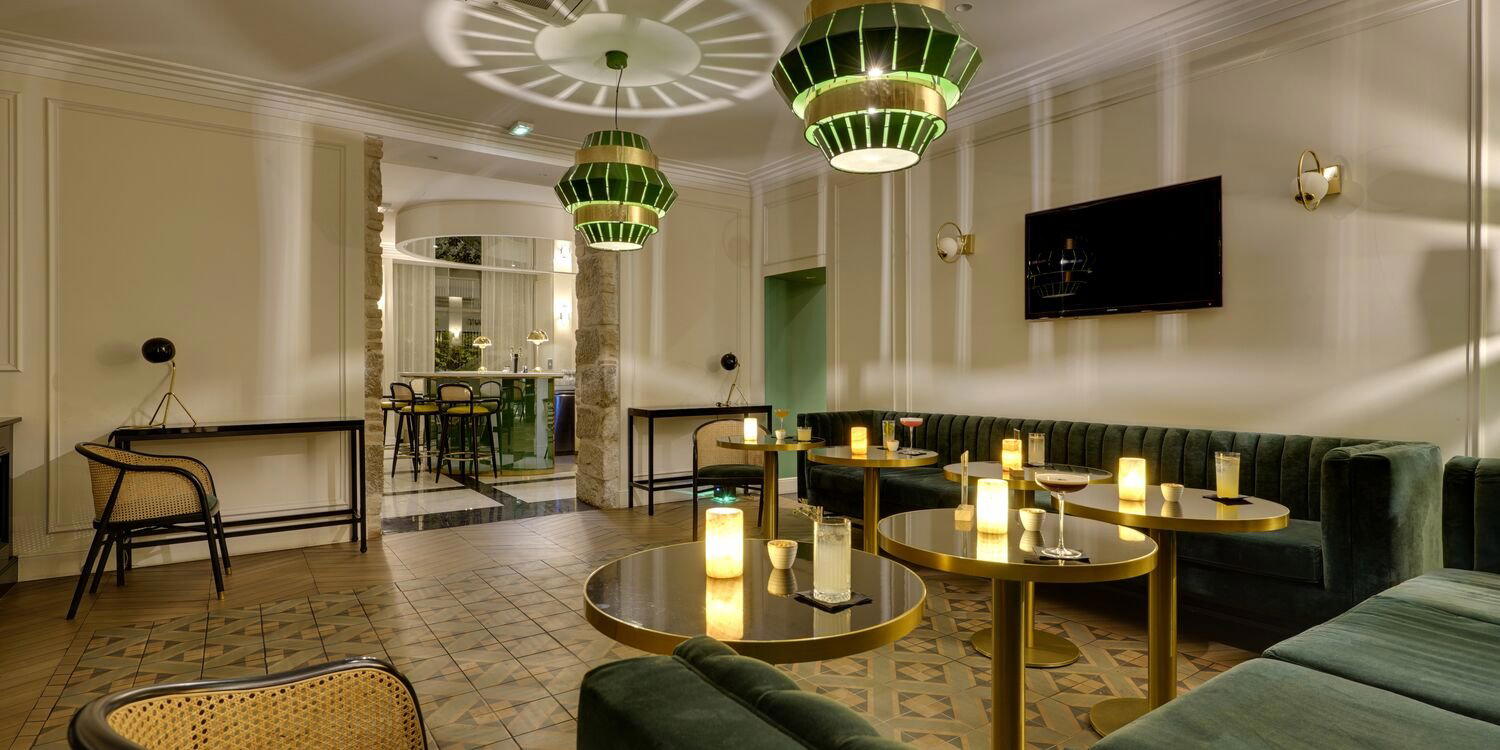
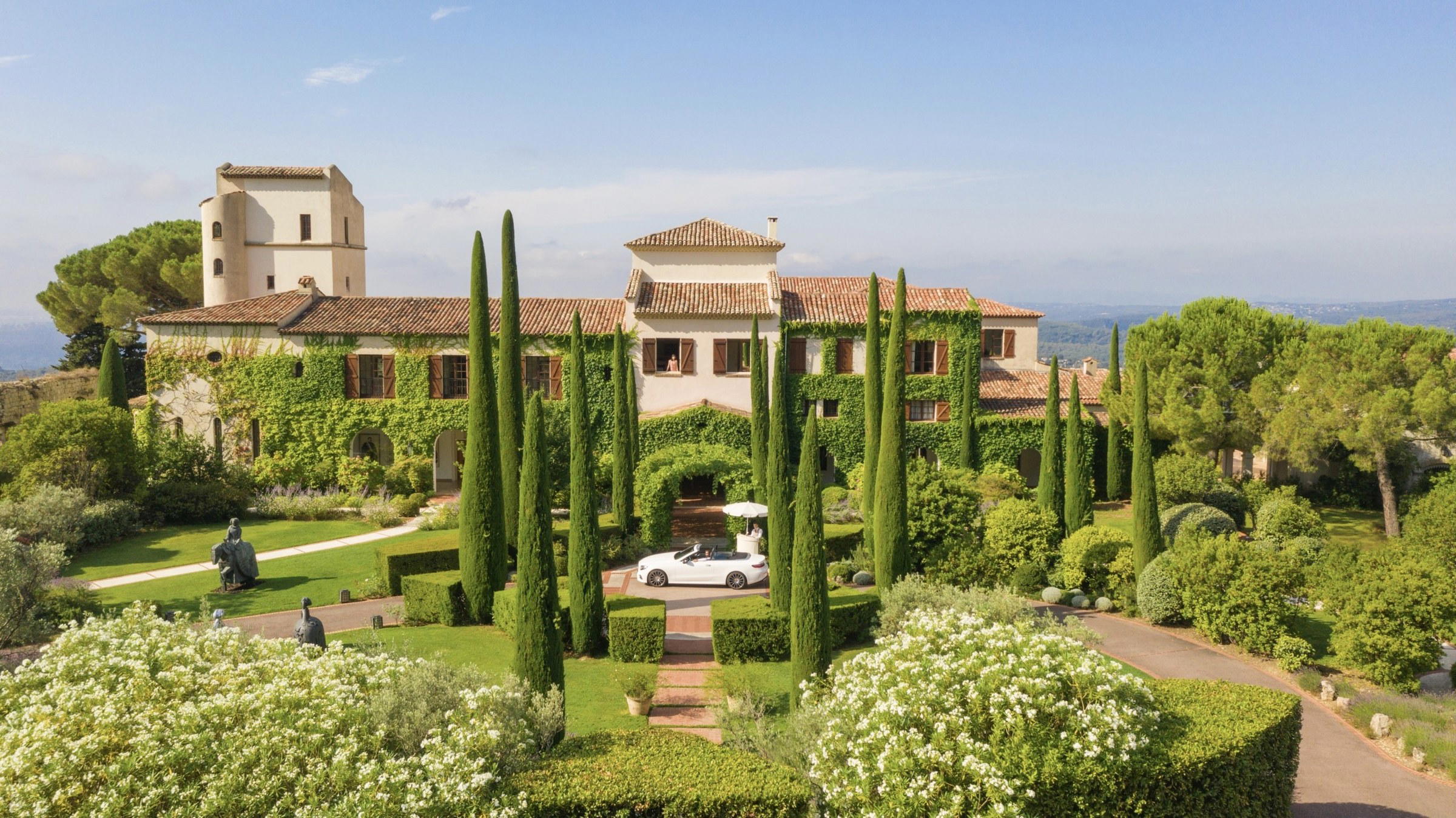
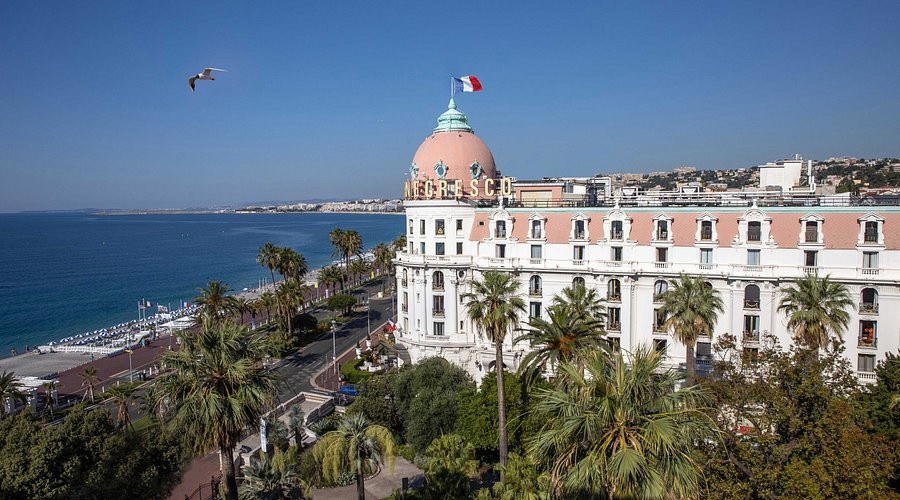
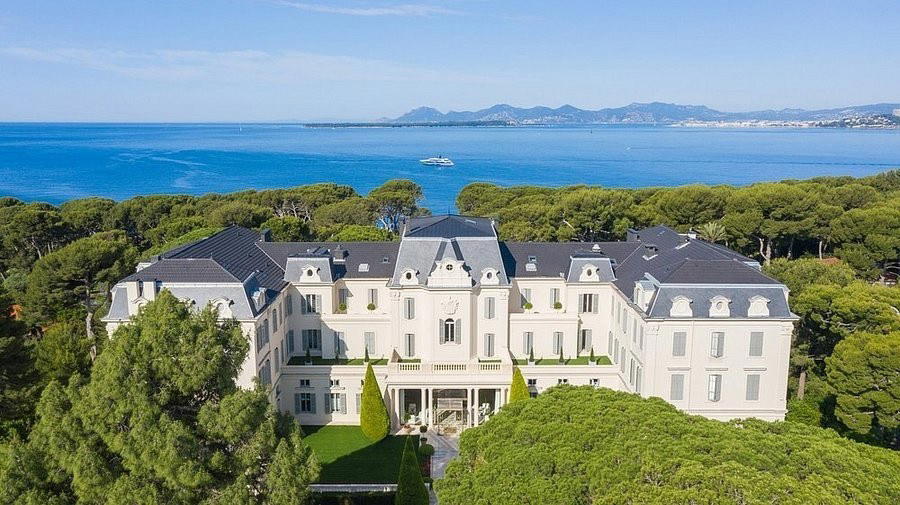
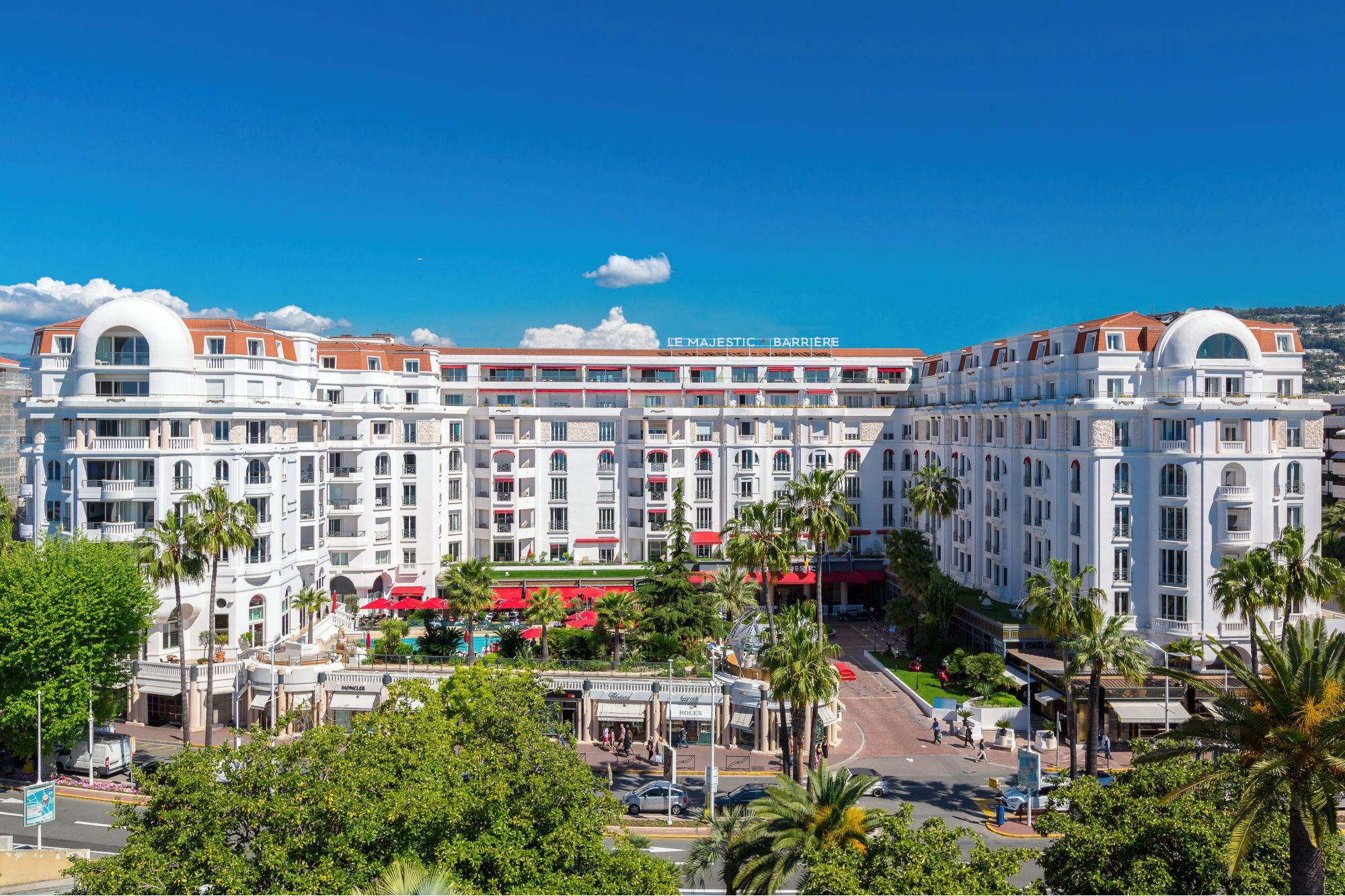
Hotels in La Colle-sur-Loup
Browse all →
Wineries in La Colle-sur-Loup
Browse all →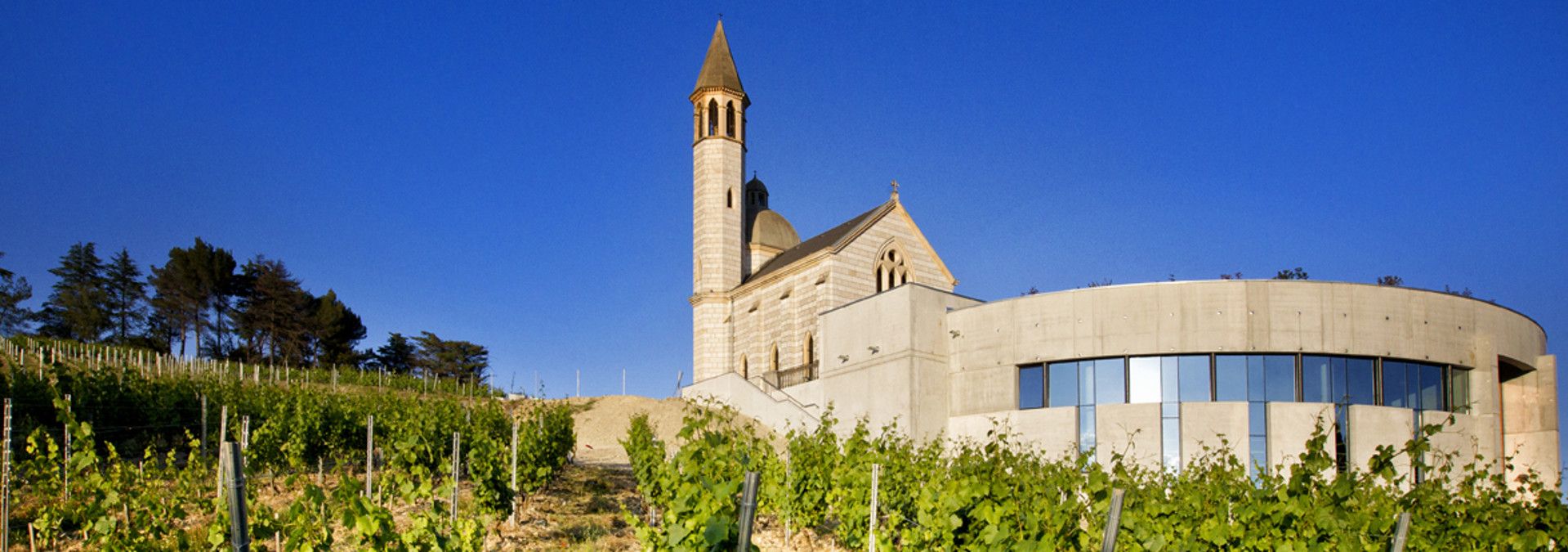

At a Glance
- Elegant
- Sophisticated
- Scenic
- Romantic
- Date Night
- Special Occasion
- Celebration
- Terrace
- Panoramic View
- Hotel Restaurant
- Extensive Wine List
- Sommelier Led
- Local Sourcing
- Mountain
- Street Scene
Current opening hours
- Monday
- Closed
- Tuesday
- Closed
- Wednesday
- 12:15–2 PM, 7:15–9 PM
- Thursday
- 12:15–2 PM, 7:15–9 PM
- Friday
- 12:15–2 PM, 7:15–9 PM
- Saturday
- 12:15–2 PM, 7:15–9 PM
- Sunday
- 12:15–2 PM
Hours can change for holidays and private events. Last verified .
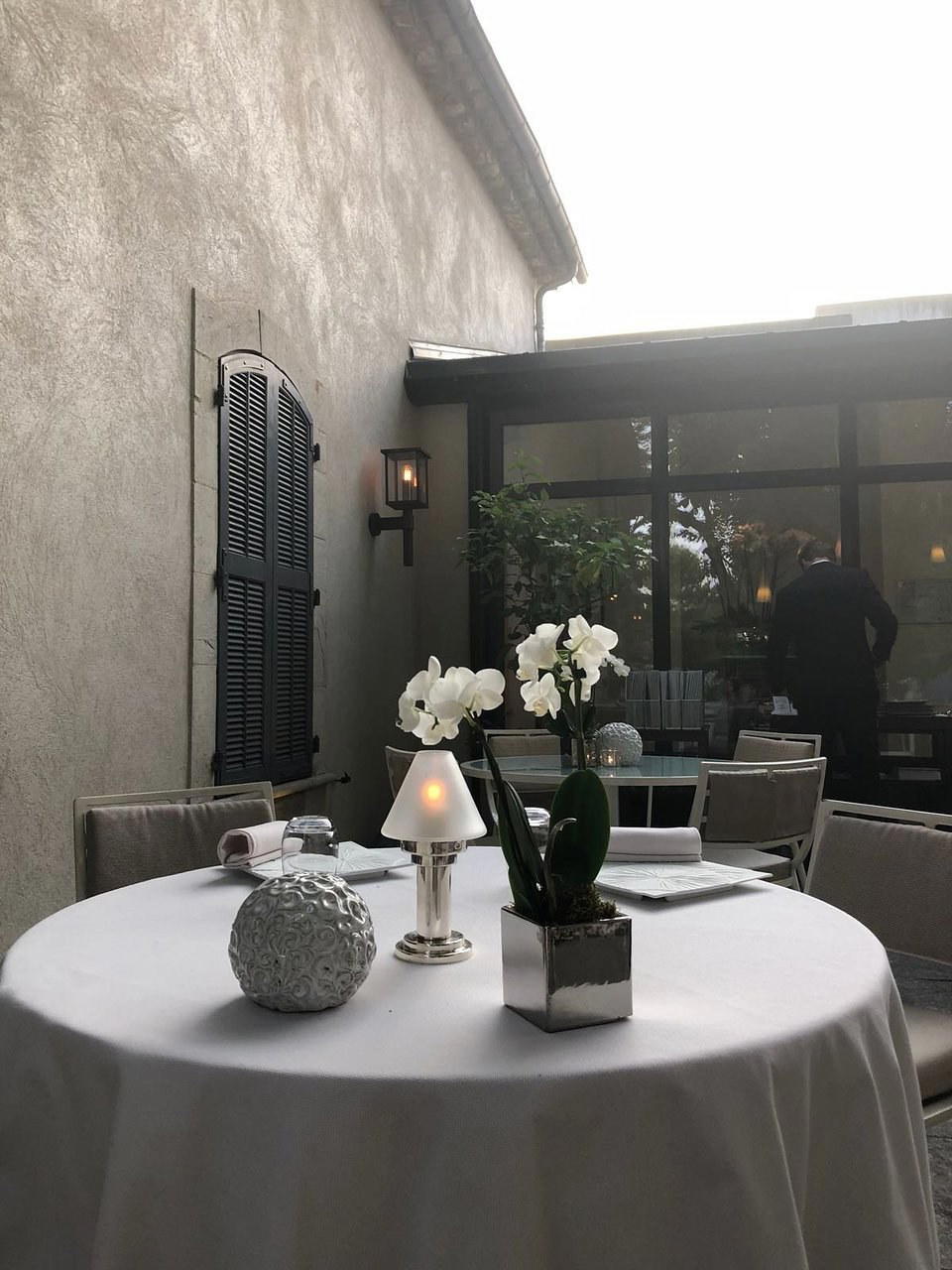
Extraordinary setting perched on hillsides amid olive trees and vines, bathed in light with an elegant and refined atmosphere praised for its glorious balcony and professional service.