Le Lert Thai Restaurant on Carlton Street sits at the edge of Toronto's Church-Wellesley Village, where a dense concentration of independent restaurants competes for a neighbourhood crowd that eats out often and notices the difference. The kitchen operates within Toronto's broader Thai dining tier, a category that has grown considerably more varied over the past decade as the city's appetite for Southeast Asian regionalism has deepened.
Pearl is the En Primeur Club membership app — saves, bookings, and concierge access live there. Same editors, same standards.
- Address
- 27 Carlton St., Toronto, ON M5B 1L4, Canada
- Phone
- +14374334359
- Website
- lelert.ca
- Directions
- Get directions
 Saves & bookings on Pearl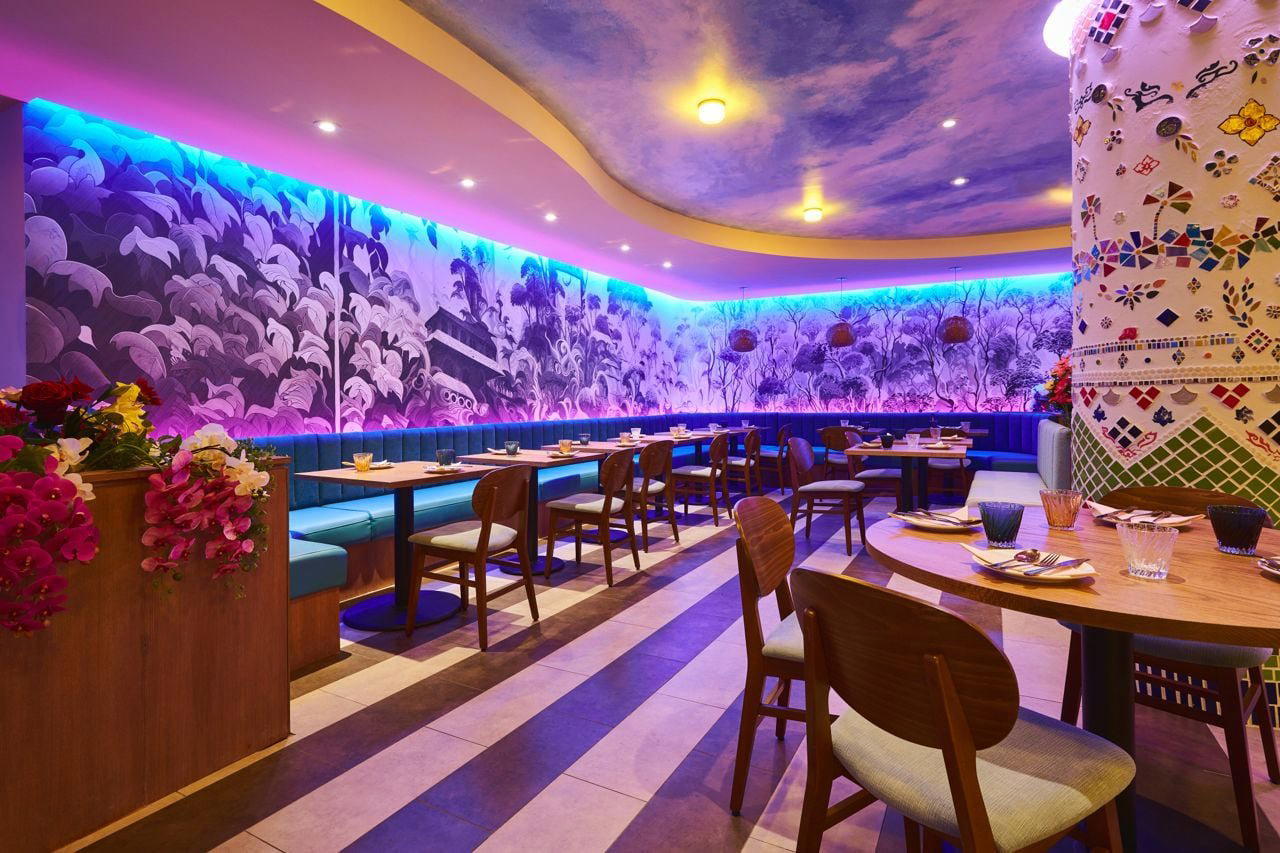
Carlton Street and the Block That Defines It
The stretch of Carlton Street between Yonge and Church has long functioned as a transitional corridor in central Toronto, running along the southern edge of the Church-Wellesley Village and just north of the Garden District. The density of independent restaurants along this block reflects a neighbourhood dynamic common to Toronto's older inner-city streets: high foot traffic from nearby apartment buildings, proximity to two major transit lines, and a residential population that tends to eat in the immediate vicinity rather than travel far for dinner. Le Lert Thai Restaurant, at 27 Carlton St. sits squarely inside that pattern. It is the kind of address that draws regulars by proximity first and reputation second, which, in Toronto's dining ecology, tends to produce a particular style of operation: consistent, neighbourhood-anchored, and oriented toward value over ceremony. For visitors arriving from outside the area, the nearest TTC stations are College (Yonge-University line) and Wellesley, both within a short walk, making the address genuinely convenient from most central Toronto hotels.
Thai Dining in Toronto: Where the Category Now Sits
Toronto's Thai restaurant tier has fractured into at least three distinct layers over the past decade. At one end, there are the fast-casual operations clustered around university corridors and food courts, built for throughput. At the other, a smaller group of restaurants has moved toward regional specificity, northern Thai preparations, or tasting-format presentations that would not have found a Toronto audience fifteen years ago. The middle tier, which includes neighbourhood Thai restaurants operating with full table service, a broad menu, and pricing that keeps regulars coming back weekly, remains the dominant category by volume and competitive by quality. Le Lert occupies space in that middle tier, on a block where the competition is cross-cuisine rather than category-specific, meaning the restaurant is measured against its immediate neighbours on Carlton rather than against the city's Thai specialists alone.
That competitive framing matters because it shapes what a kitchen in this position prioritises. Consistency of execution across a wide menu range, speed of service suited to pre-theatre and post-commute dining windows, and familiar dishes prepared reliably tend to count for more here than ambitious reinterpretation. Toronto diners who make the trek to the far end of the city for a specific chef or tasting menu are a different constituency from those who walk from a nearby apartment on a Tuesday evening. Le Lert's Carlton Street location serves the latter group primarily, and the operation should be read in that light.
What the Neighbourhood Demands
Church-Wellesley as a dining neighbourhood is older and more established than many of the city's food-trend corridors. Unlike King West or the Junction, which have seen significant restaurant turnover as concepts cycle in and out, the blocks around Carlton and Church have maintained a more stable roster of long-running independents. Longevity here tends to signal genuine neighbourhood loyalty rather than sustained critical attention, because the area does not generate the same press coverage as Toronto's more fashionable dining districts. A restaurant that holds its position on Carlton Street over multiple years does so on the strength of a returning local clientele.
That dynamic positions this part of Toronto as a useful counterpoint to the city's high-end dining cluster further west and north. Restaurants like Alo (Contemporary), Sushi Masaki Saito, and Aburi Hana operate in a tier defined by tasting menus, extended booking windows, and price points that start well above what a neighbourhood Thai restaurant charges. The Carlton Street context is a different proposition entirely: accessible, walk-in-friendly in spirit, and serving a mixed crowd of residents, theatregoers heading to the nearby Canon or Elgin theatres, and visitors from the downtown hotel corridor to the south. For readers who want to compare Toronto's upper tiers, DaNico and Don Alfonso 1890 represent the contemporary Italian end of that premium bracket.
Southeast Asian Regionalism and What Toronto Has Built
Thai cuisine in Canadian cities has benefited from the same demographic expansion that has deepened the quality of Vietnamese, Laotian, and Malaysian cooking across the country. Toronto, with one of the largest Southeast Asian diaspora populations in Canada, has developed a Thai restaurant base that now ranges from narrow regional specialists to broad-menu family operations. The regionalism trend, prominent in cities like New York, where restaurants have drawn clear distinctions between northern Chiang Mai preparations and southern coconut-forward cooking, has arrived in Toronto in a more gradual way, with the shift most visible in newer openings rather than in long-standing neighbourhood restaurants.
For context on how ambitious cooking develops in Canadian cities more broadly, it is worth looking beyond Toronto: Tanière³ in Quebec City, AnnaLena in Vancouver, and Jérôme Ferrer - Europea in Montreal each illustrate how regional dining scenes develop their own identity outside the country's largest markets. Closer to Toronto, Restaurant Pearl Morissette in Lincoln, The Pine in Creemore, and Eigensinn Farm in Singhampton show how serious cooking extends well beyond the city's boundaries.
Planning Your Visit
Le Lert Thai Restaurant is located at 27 Carlton St. Toronto, ON M5B 1L4, accessible by TTC from College station on the Yonge-University line or Wellesley station, both within a reasonable walk. Le Lert Thai Restaurant is open daily, with lunch service from 10 AM to 3 PM on weekdays and 9 AM to 3 PM on weekends, and dinner service from 5 PM to 10 PM most nights, extending to 11 PM on Friday and Saturday. Reservations are recommended.
Visitors with broader Canadian itineraries may also want to note venues such as Narval in Rimouski, Aux Anciens Canadiens in Quebec, and Barra Fion in Burlington for regional context, or consult Bearspaw Golf Club in Calgary for western Canadian dining reference.
Budget Reality Check
Comparable venues nearby, for context on price, style, and recognition.
| Venue | Cuisine | Price | Notes |
|---|---|---|---|
| Le Lert Thai RestaurantThis venue — the venue you are viewing | Downtown Yonge, Modern Thai Fusion | $$ | Not listed |
| Bangkok Garden | Downtown Yonge, Authentic Thai | $$ | Not listed |
| Khao San Road | Entertainment District, Northern Thai | $$ | Not listed |
| The Chefs' House | Corktown, Contemporary Canadian | $$ | Not listed |
| The Rec Room Roundhouse | Not listed | $$ | Entertainment District, Contemporary Canadian Pub |
| Occhiolino | Harbord Village, Handmade Italian Pasta | $$ | Not listed |
Continue exploring
More in Toronto
Restaurants in Toronto
Browse all →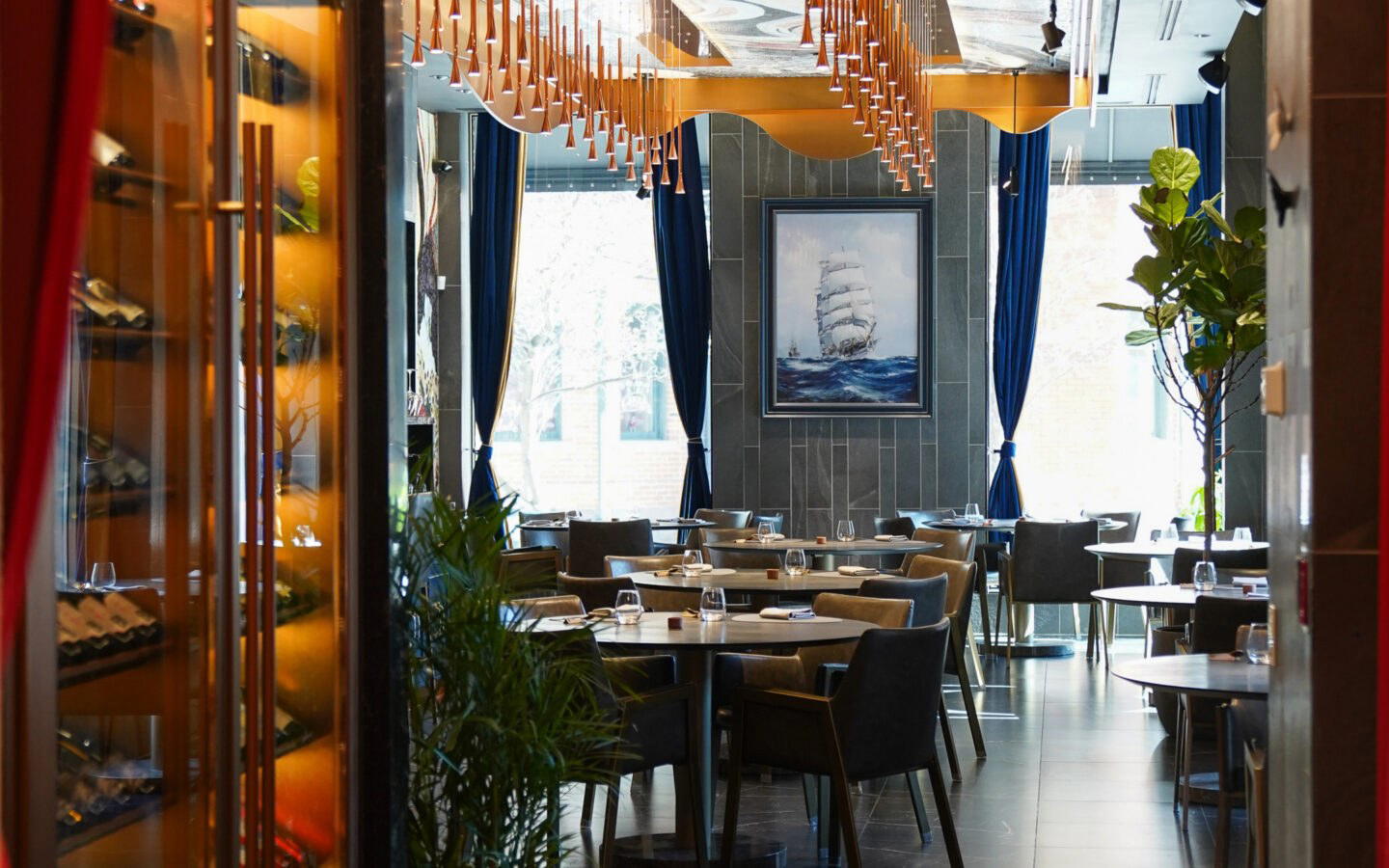
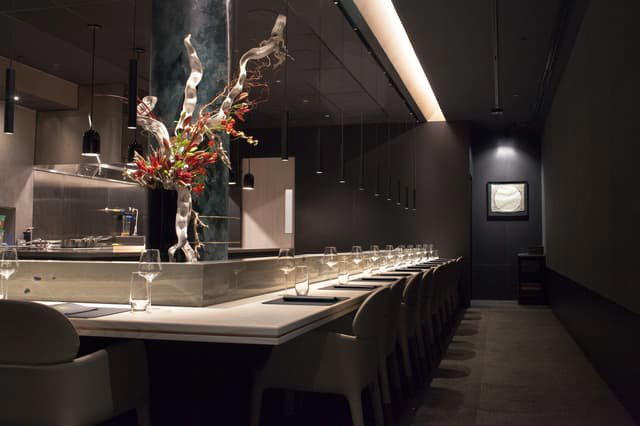
Bars in Toronto
Browse all →
Hotels in Toronto
Browse all →

Wineries in Toronto
Browse all →
At a Glance
- Modern
- Cozy
- Trendy
- Brunch
- Casual Hangout
- Date Night
- Open Kitchen
Current opening hours
- Monday
- 10 AM–3 PM, 5–10 PM
- Tuesday
- 10 AM–3 PM, 5–10 PM
- Wednesday
- 10 AM–3 PM, 5–10 PM
- Thursday
- 10 AM–3 PM, 5–10 PM
- Friday
- 10 AM–3 PM, 5–11 PM
- Saturday
- 9 AM–3 PM, 5–11 PM
- Sunday
- 9 AM–3 PM, 5–10 PM
Hours can change for holidays and private events. Last verified .
Sleek, contemporary ambiance with warm, welcoming atmosphere.