Located on Rue Blanche in Paris's 9th arrondissement, Le Flamboire sits within a neighbourhood that has quietly accumulated serious dining addresses over the past decade. Specific menu, pricing, and booking details are limited in the public record, but the address places it inside a concentrated zone of contemporary Parisian cooking worth tracking for anyone building a considered itinerary.
Pearl is the En Primeur Club membership app — saves, bookings, and concierge access live there. Same editors, same standards.
- Address
- 54 Rue Blanche, 75009 Paris, France
- Phone
- +33695017738
- Website
- leflamboire.com
- Directions
- Get directions
 Saves & bookings on Pearl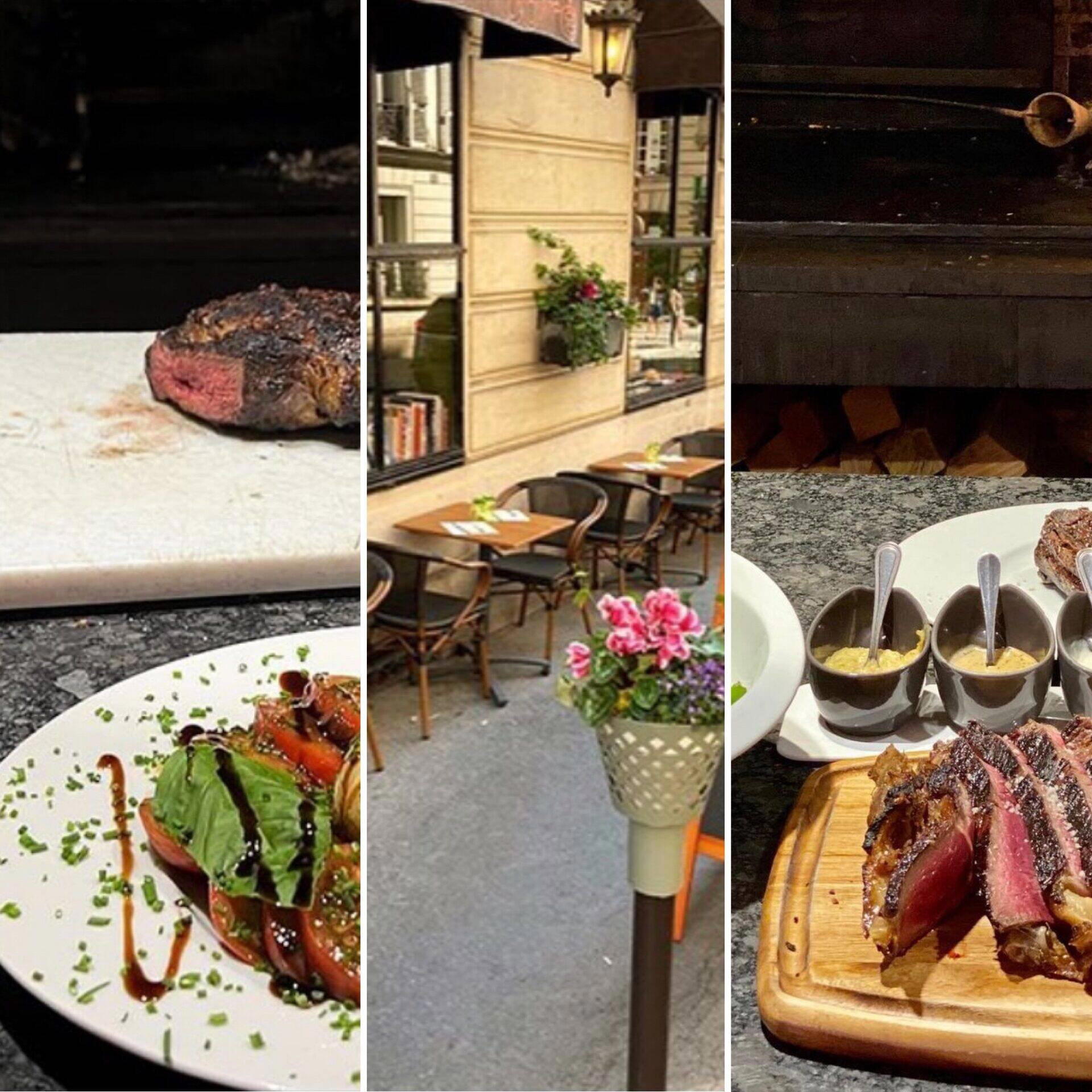
Rue Blanche and the 9th's Shifting Dining Register
Paris's 9th arrondissement has spent the better part of a decade shedding its reputation as a transitional district between the tourist corridors of the 8th and the more assertively independent kitchens of the 10th and 11th. What has replaced that in-between identity is a more considered restaurant culture: smaller rooms, tighter menus, and a front-of-house sensibility that skews collaborative rather than hierarchical. Le Flamboire is a restaurant at 54 Rue Blanche, 75009 Paris, France, serving Traditional French Wood-Fired Grill cuisine. The address alone signals a specific kind of ambition: far enough from the trophy dining of the 8th to attract a local clientele, close enough to the city's centre of gravity to remain on the radar of visiting diners.
Rue Blanche has historically been associated with the arts — the street takes its name from the chalk-white dust that once coated quarry carts passing through — and that legacy of creative industry still shapes the neighbourhood's character. The restaurants that have taken root here tend to reward deliberate choices rather than passing foot traffic. That context matters when reading any address on this street: a venue that survives here is doing so on repeat business and word of mouth, not on tourist volume.
The 9th in the Context of Paris's Broader Dining Structure
To understand where Le Flamboire sits in the wider Paris dining order, it helps to map the city's current restaurant geography. The established trophy tier, Alléno Paris au Pavillon Ledoyen, Le Cinq at the Four Seasons Hôtel George V, L'Ambroisie, operates in the 8th and 4th, with price points and ceremony that place them in a global competitive set. A different register operates in and around the 9th, 10th, and 11th: kitchens where the cooking can be technically demanding without the full apparatus of grand dining. Kei offers a reference point for how contemporary French technique has absorbed external influences in recent years, while Arpège in the 7th demonstrates how a kitchen can maintain serious standing across decades by anchoring to a clear and defensible identity.
Le Flamboire's position within this map is worth considering. A 9th arrondissement address on a street like Rue Blanche, in the current dining environment, suggests a kitchen operating in the mid-to-upper register of neighbourhood dining, the tier where the cooking is the primary draw rather than the setting or the social occasion. France's broader dining geography, from Mirazur in Menton to Troisgros in Ouches and Flocons de Sel in Megève, has trained a generation of diners to look for culinary seriousness at addresses that don't announce themselves with brass fittings and livery. Le Flamboire's location fits that pattern.
The Team Dynamic in Contemporary Paris Kitchens
Among the more significant shifts in Paris dining over the past ten years has been the flattening of the traditional hierarchy between kitchen and dining room. The older grand restaurant model placed the chef at the apex of a rigid structure, with the sommelier and front-of-house operating as separate, subordinate functions. What has replaced that, in the 9th and across the Left Bank's more progressive rooms, is a more integrated model: the sommelier shapes the meal's rhythm as much as the kitchen does, and the front-of-house team functions as an editorial layer, translating the kitchen's intent for a room that may be eating there for the first time.
This matters for how a venue like Le Flamboire should be read. Restaurants at the upper end of neighbourhood dining in Paris increasingly succeed or fail on the coherence of their team rather than the star power of any single individual. The wine list's relationship to the menu, the pacing of courses, the way the room handles the gap between first and second service, these are the indicators that serious Paris diners use to gauge whether a kitchen has depth or is running on one person's talent. Addresses like Auberge de l'Ill in Illhaeusern and Bras in Laguiole demonstrate what multigenerational team coherence produces at the highest level; in the city, that same principle operates at a compressed, neighbourhood scale.
For the restaurant, the record does not supply specific details about kitchen leadership, sommelier programme, or format. What the address and the neighbourhood context do supply is a frame: a venue operating in this district, at this moment in Parisian dining, is almost certainly shaped by those collaborative pressures, whether or not it has made them explicit in its public presentation.
French Dining at This Level: What to Expect and How to Approach It
Paris's mid-to-upper neighbourhood restaurants often operate on a tasting or semi-fixed menu format, though some retain an à la carte option for lunch. The gap between these two formats is significant: tasting menus allow the kitchen and sommelier to construct a coherent arc across the meal, while à la carte gives the diner control over pacing and budget. Neither is inherently superior, but the team dynamic editorial angle matters more in a tasting format, where the decisions about sequence, portion, and wine pairing are made for the diner rather than by them.
Comparable rooms at this level in France, AM par Alexandre Mazzia in Marseille, Assiette Champenoise in Reims, Au Crocodile in Strasbourg, Auberge du Vieux Puits in Fontjoncouse, share a common characteristic: they reward guests who arrive with some prior knowledge of the kitchen's orientation. Reading the menu in advance, checking whether the wine programme emphasises French regions or broader European producers, and understanding the room's format (number of covers, whether the kitchen is open) all improve the experience materially. The same principle applies to the restaurant.
Planning Your Visit
The restaurant is located at 54 Rue Blanche in the 9th arrondissement, reachable from Trinité-d'Estienne d'Orves metro station (lines 12) in under five minutes on foot, or from Pigalle (lines 2 and 12) in roughly the same time from a different direction. Reservations are recommended, the dress code is smart casual, and the current hours are Mon: 7–10:30 PM; Tue: 12–3 PM, 7–10:30 PM; Wed: 12–3 PM, 7–10:30 PM; Thu: 12–3 PM, 7–10:30 PM; Fri: 12–3 PM, 7–10:30 PM; Sat: 7–11 PM; Sun: Closed. For a broader orientation to the Paris restaurant scene at this level and above, EP Club's full Paris restaurants guide covers the city's major dining tiers with current context.
Cost Snapshot
Comparable venues nearby, for context on price, style, and recognition.
| Venue | Cuisine | Price | Notes |
|---|---|---|---|
| Le FlamboireThis venue — the venue you are viewing | Not listed | $$$ | Not listed |
| Didon | Not listed | $$$ | Saint-Germain-des-Prés, Bistronomic French with Lebanese Accents |
| La Ferrandaise | Not listed | $$$ | Saint-Germain-des-Prés, Traditional French Auvergne Bistro |
| Café Max | Gros-Caillou, Classic French Bistro | $$$ | Not listed |
| Le Saint Ferdinand | Ternes, Traditional French Brasserie | $$$ | Not listed |
| L'Entr'Acte | Not listed | $$$ | 18th Arrondissement - Butte-Montmartre, Traditional French Bistro |
Continue exploring
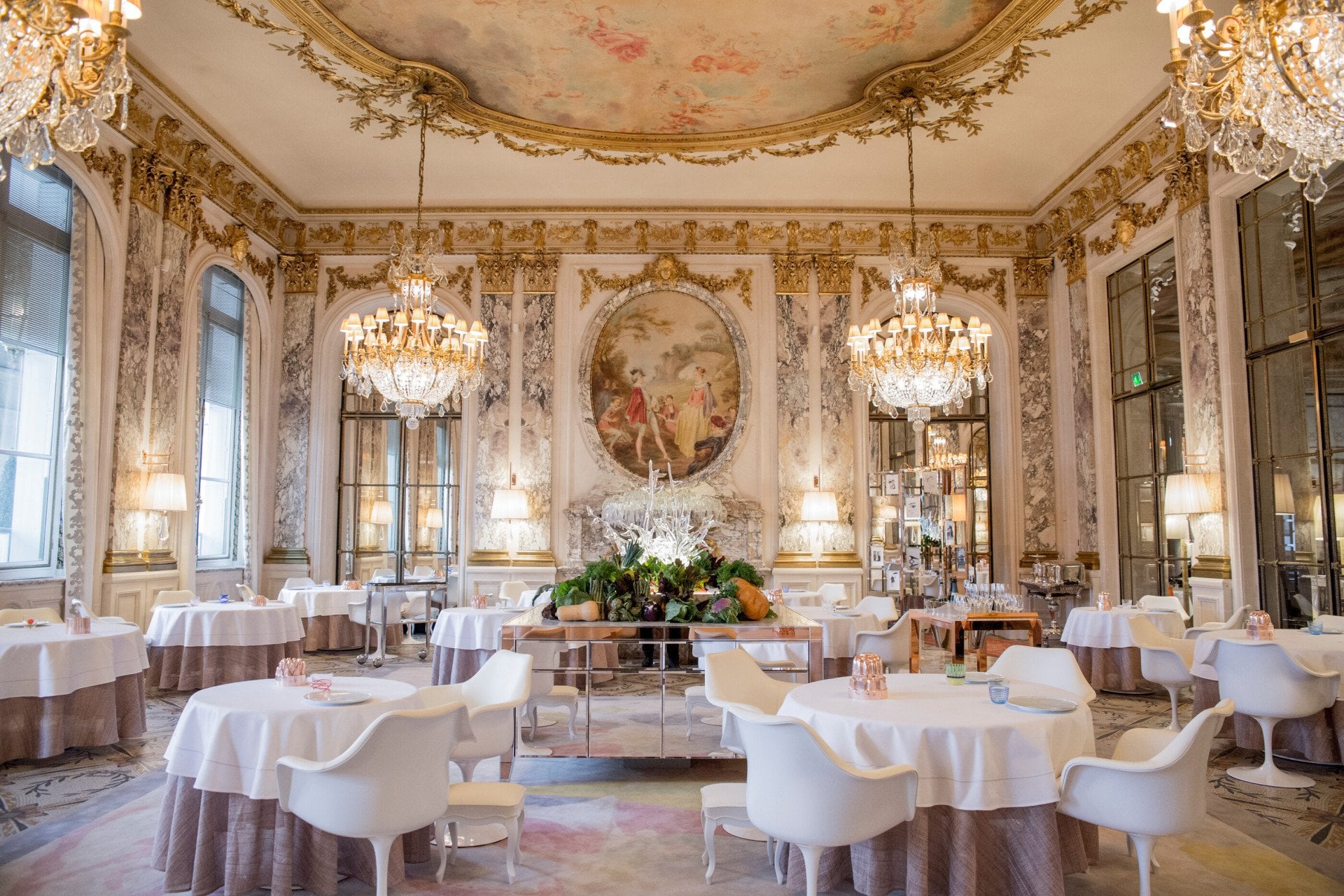
More in Paris
Restaurants in Paris
Browse all →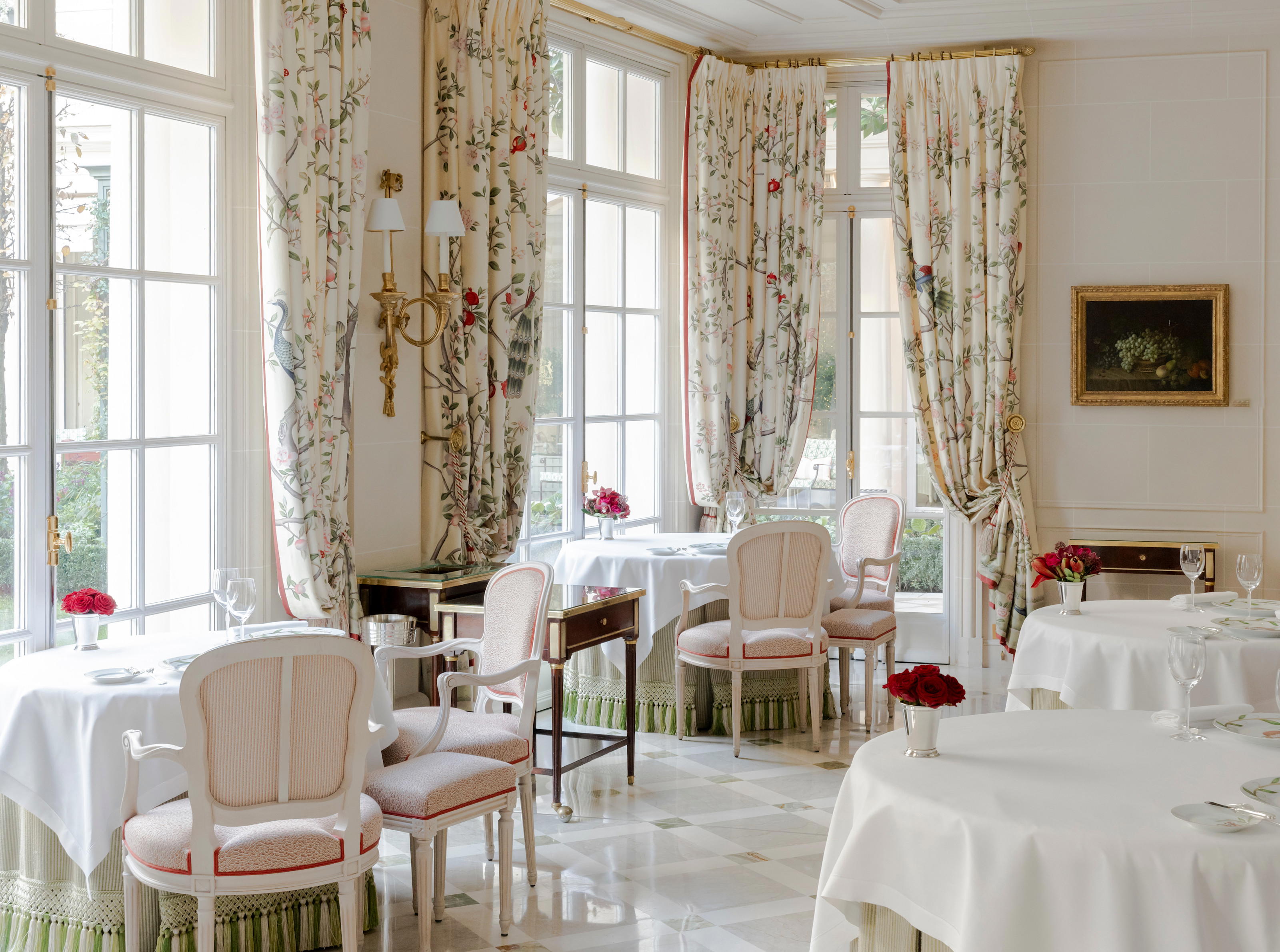
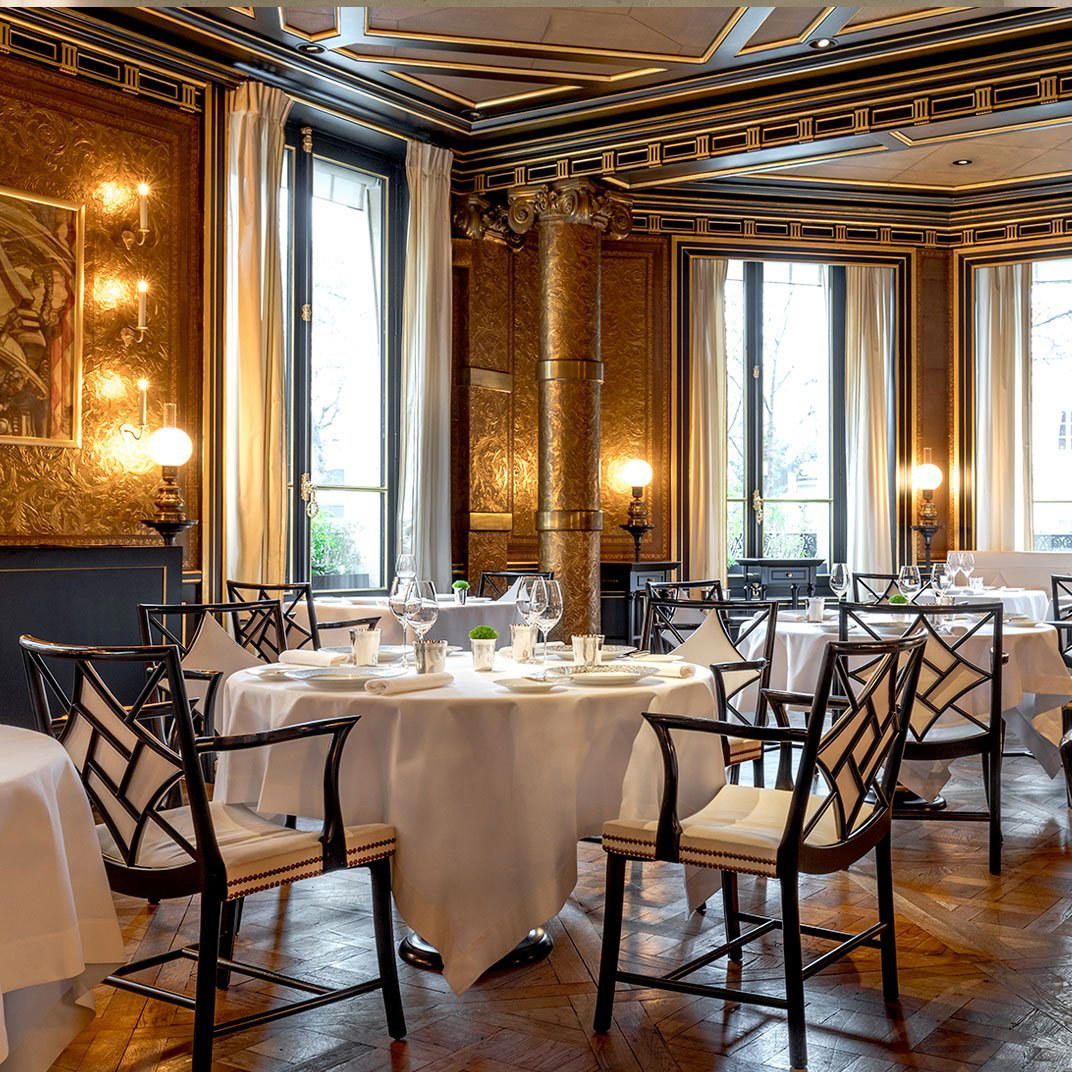
Bars in Paris
Browse all →

Hotels in Paris
Browse all →



At a Glance
- Classic
- Cozy
- Rustic
- Date Night
- Group Dining
- Special Occasion
- Open Kitchen
- Local Sourcing
Current opening hours
- Monday
- 7–10:30 PM
- Tuesday
- 12–3 PM, 7–10:30 PM
- Wednesday
- 12–3 PM, 7–10:30 PM
- Thursday
- 12–3 PM, 7–10:30 PM
- Friday
- 12–3 PM, 7–10:30 PM
- Saturday
- 7–11 PM
- Sunday
- Closed
Hours can change for holidays and private events. Last verified .
Authentic chalet-like decor with a majestic chimney as the centerpiece, warm and convivial atmosphere centered around the live grilling.