On Rue d'Orsel in the 18th arrondissement, L'Entr'Acte occupies a stretch of Montmartre where neighborhood bistro culture and tourist-facing commerce sit in close proximity. The address places it within the working-class-turned-bohemian fabric of the Butte, where daytime and evening service tend to attract distinctly different crowds and carry different expectations.
Pearl is the En Primeur Club membership app — saves, bookings, and concierge access live there. Same editors, same standards.
- Address
- 44 Rue d'Orsel, 75018 Paris, France
- Phone
- +33146069341
- Directions
- Get directions
 Saves & bookings on Pearl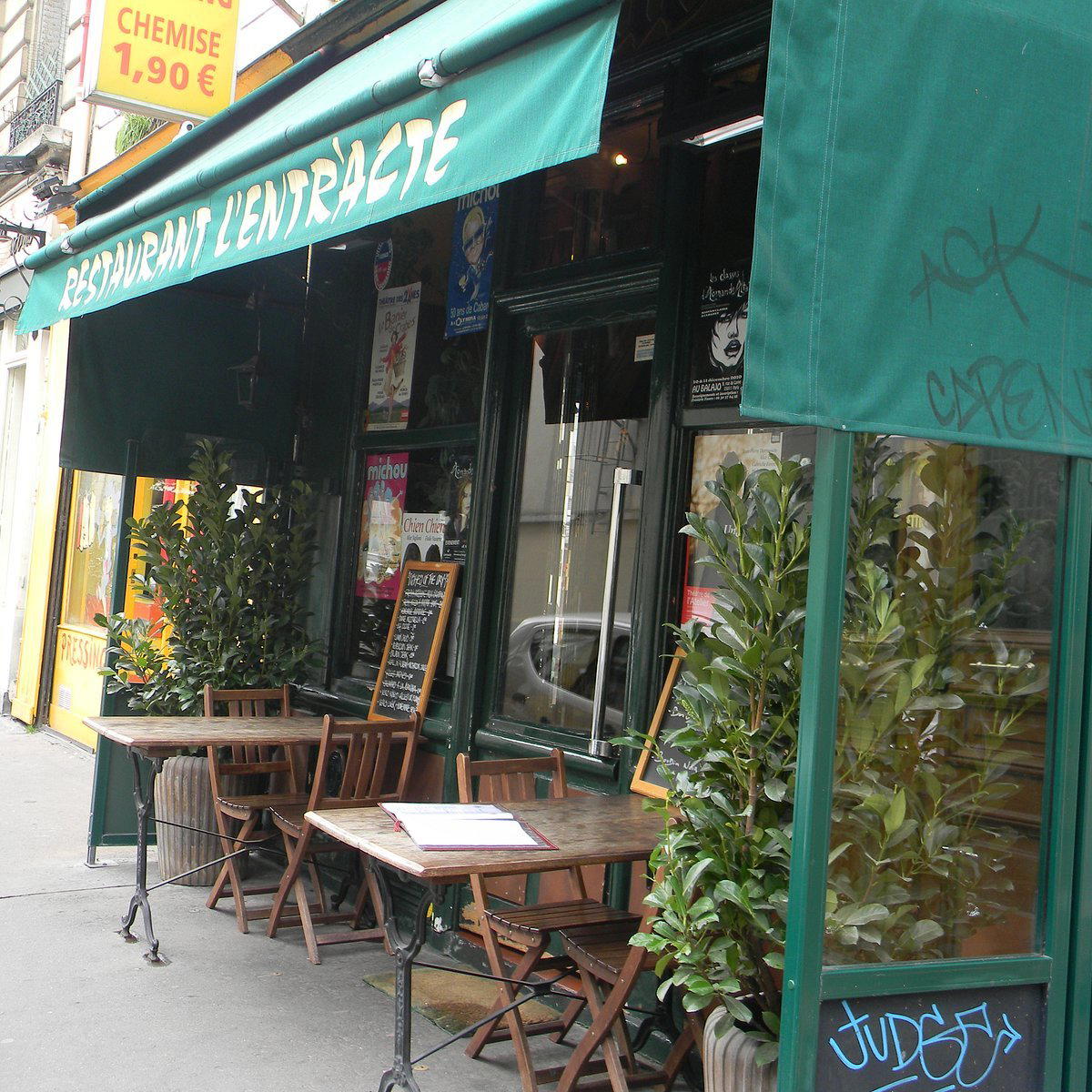
Montmartre's Bistro Register: Where the 18th Arrondissement Eats
The 18th arrondissement operates on a different register from the formal dining rooms of the 8th or the chef-driven neo-bistros of the 11th. Around Rue d'Orsel and the Place du Tertre axis, the prevailing mode is neighborhood-facing: zinc counters, chalked menus, and a rhythm set by locals rather than reservations desks. L'Entr'Acte, at 44 Rue d'Orsel, sits within that fabric. The street runs parallel to the Sacré-Cœur approach and catches the foot traffic of both Montmartre residents and visitors moving between the Abbesses metro and the hilltop. That dual audience shapes what a venue here must do: hold a room that works for a quiet weekday lunch and a livelier Friday evening without losing coherence in either direction.
In Paris, the lunch-versus-dinner divide carries specific cultural weight. Lunch is traditionally the more democratic meal, the one where working professionals, local regulars, and curious visitors all share the same room and often the same prix-fixe format. Dinner extends the menu, extends the evening, and tends to skew toward longer bookings and a more deliberate pace. Across the city, from the three-starred formality of L'Ambroisie on Place des Vosges to the modernist precision of Kei near the Palais-Royal, that divide is managed through pricing tiers, menu structure, and room atmosphere. At a neighborhood address like this one, the gap is felt differently: daytime tends to reward the spontaneous visitor, while evening service rewards those who know the room.
The Daytime Case: Rue d'Orsel at Lunch
Montmartre at lunch operates at a pace that distinguishes it from the concentrated dining districts further south. By midday, Rue d'Orsel is active without being pressured. The tourist current that peaks around Sacré-Cœur in the afternoon hasn't yet fully arrived, and the neighborhood's resident population, a mix of artists, small-business owners, and longtime Parisians who have outlasted successive waves of gentrification, fills the earlier sittings. For a bistro-format address in this part of the 18th, that midday window typically means a tighter, more focused menu, a shorter average cover time, and a price point that reflects the neighborhood's working character rather than its postcard reputation.
The practical upside for visitors planning around a daytime itinerary: the 18th at lunch is generally more accessible than at dinner, both in terms of walk-in availability and in the way the room reads. Evening service in Montmartre's smaller venues tends to fill with regulars and advance bookings; arriving without a reservation after 8pm carries more risk. For those treating L'Entr'Acte as a midday anchor before an afternoon on the Butte, the logistics tend to be more forgiving.
Evening Service and the Shift in Atmosphere
After dark, the stretch around Abbesses and Rue d'Orsel changes tenor. The neighborhood's bar and restaurant density means foot traffic remains high into the late evening, but the composition shifts. Dinner in Montmartre at this price level tends to attract longer-stay tables, often couples or small groups rather than the solo lunchers and quick two-tops of midday. The room's atmosphere, whatever its actual configuration, will read differently under evening light and with that slower, more settled crowd dynamic.
This split in mood and pace is not distinctive to this address. Across Paris's neighborhood bistro tier, the same venue can function as an efficient daytime resource and a more relaxed evening destination without changing a single element of its physical setup. The menu is where the real differentiation usually sits: lunch formats lean on set options at a defined price; dinner opens up to à la carte choices and longer wine discussions. For visitors deciding between a lunch and a dinner visit, that structural difference is worth factoring into the decision.
Situating L'Entr'Acte in the Broader Paris Dining Picture
The 18th arrondissement does not feature heavily in Paris's starred conversation. That world concentrates in the 8th, where Alléno Paris au Pavillon Ledoyen and Le Cinq at the Four Seasons George V represent the formal apex, and in scattered pockets of the Left Bank and the Marais. The 18th's dining identity is built on neighborhood permanence rather than critical recognition: venues here earn their place through consistent regulars, not through awards cycles. That positioning is neither inferior nor superior to the starred tier; it serves a different function in how Paris eats as a whole.
For context on what the formal end of French dining looks like elsewhere in the country, the comparison points are wide-ranging: from Mirazur in Menton and Flocons de Sel in Megève to the deep institutional history of Auberge de l'Ill in Illhaeusern and Paul Bocuse outside Lyon. Addresses like Bras in Laguiole, Assiette Champenoise in Reims, Au Crocodile in Strasbourg, and Auberge du Vieux Puits in Fontjoncouse each anchor the regional fine-dining map in ways that make Paris's neighborhood bistro tier look like a parallel rather than a lesser system. The two circuits do different things, and informed visitors to Paris use both.
Internationally, the contrast sharpens further. The precision-driven tasting formats at Le Bernardin in New York or the Korean-inflected progression at Atomix represent a entirely different category of dining ambition. Against that backdrop, what a Montmartre bistro address offers is specificity of place: a meal that is inseparable from its neighborhood context, its hour of day, and its roster of returning faces. That is a different value proposition, not a reduced one.
For completeness across France's creative spectrum, AM par Alexandre Mazzia in Marseille, Arpège in Paris's 7th, and Troisgros in Ouches each represent the end of the spectrum where personal vision and technical investment converge at high price. L'Entr'Acte operates in a register where neither of those pressures applies, and for certain itineraries, that is exactly the point.
Planning a Visit: What to Know
The address at 44 Rue d'Orsel in the 18th is a short walk from Abbesses metro station on Line 12. The Butte Montmartre itself is best approached from Abbesses on foot rather than via the funicular if you want to move through the neighborhood's residential streets rather than its main tourist spine. For a lunch visit, arriving in the 12:30 to 13:00 window tends to align with the neighborhood's natural midday rhythm. Evening reservations in this part of Paris are advisable for Friday and Saturday service, when the area's bar scene also draws a larger crowd to the surrounding streets.
Budget Reality Check
Comparable venues nearby, for context on price, style, and recognition.
| Venue | Cuisine | Price | Notes |
|---|---|---|---|
| L'Entr'ActeThis venue — the venue you are viewing | Not listed | $$$ | Not listed |
| La Belle Maison | Montmartre, Classic French Bistro | $$$ | Not listed |
| A Casaluna | Palais-Royal, Modern Corsican | $$$ | Not listed |
| Les Poulettes Batignolles | Not listed | $$$ | Batignolles-Monceau, French-Catalan Bistro |
| L'Evasion | Not listed | $$$ | 8e arrondissement (L'Europe), Classic French Bistro |
| narro | Not listed | $$$ | Quartier Latin / Contrescarpe, French-Japanese Bistronomic |

At a Glance
- Cozy
- Classic
- Intimate
- Date Night
- Casual Hangout
- Historic Building
- Extensive Wine List
- Local Sourcing
Current opening hours
- Monday
- Closed
- Tuesday
- 7–10:30 PM
- Wednesday
- 7:30–10:30 PM
- Thursday
- 12:30–10:30 PM
- Friday
- 12:30–10:30 PM
- Saturday
- 12:30–10:30 PM
- Sunday
- Closed
Hours can change for holidays and private events. Last verified .
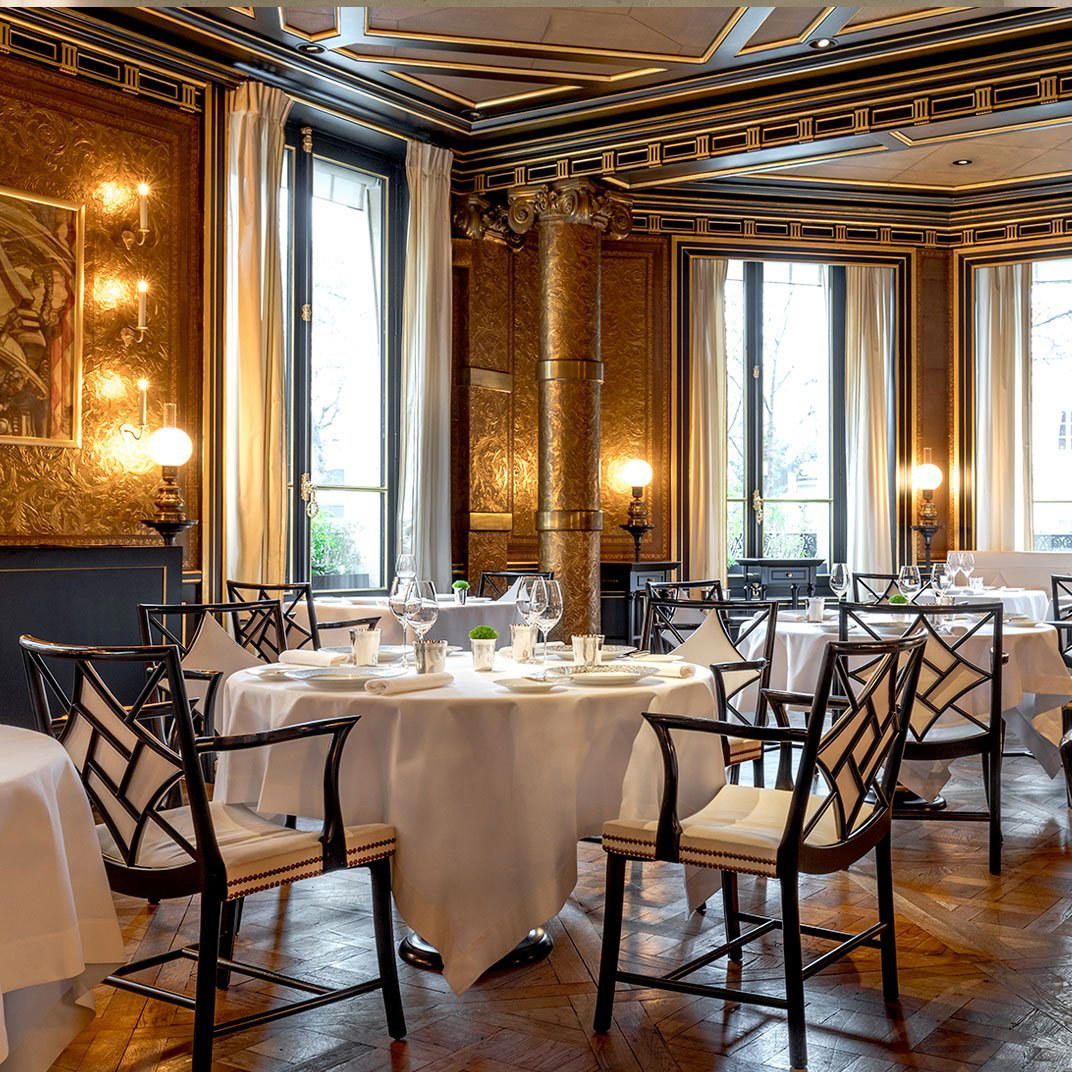
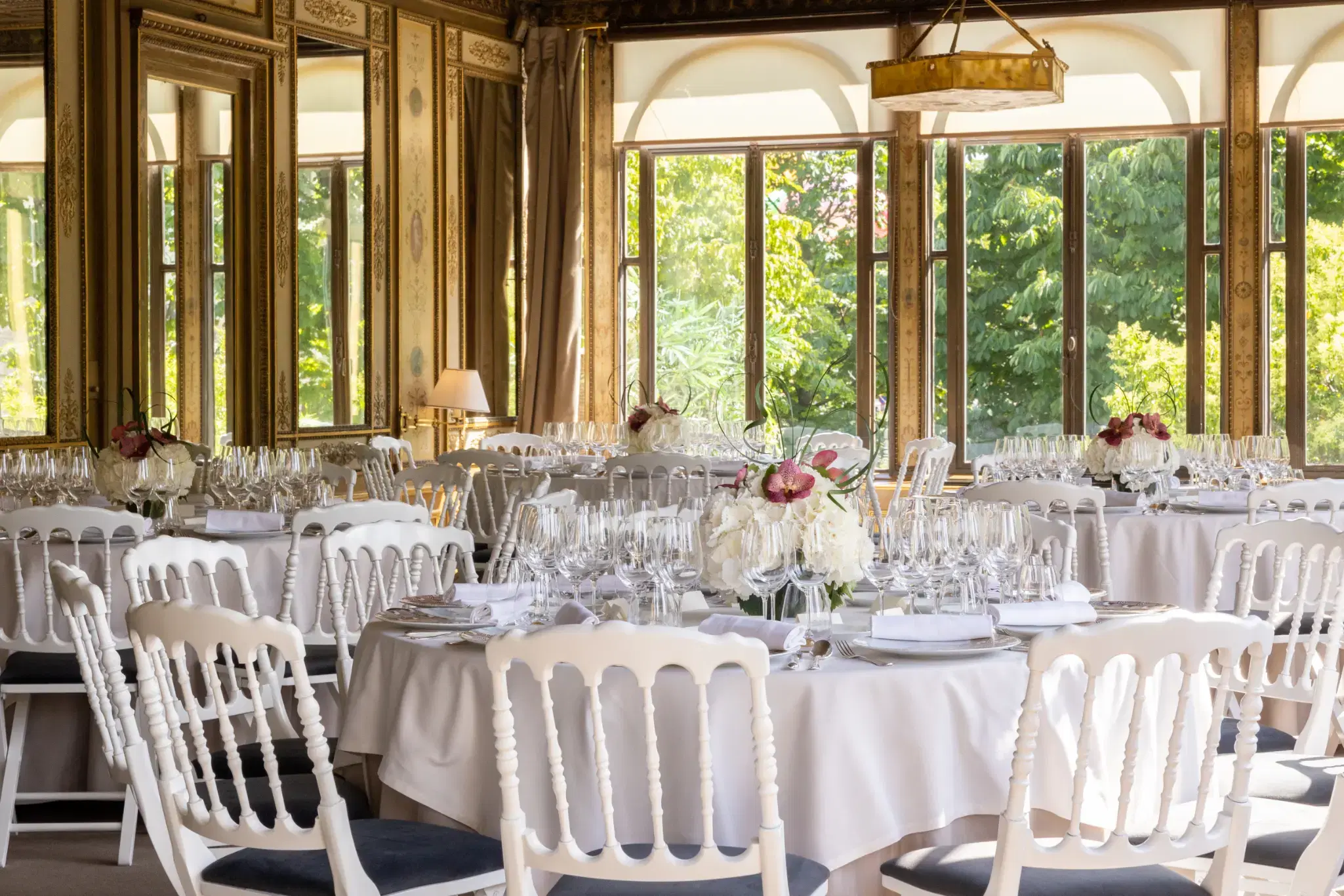
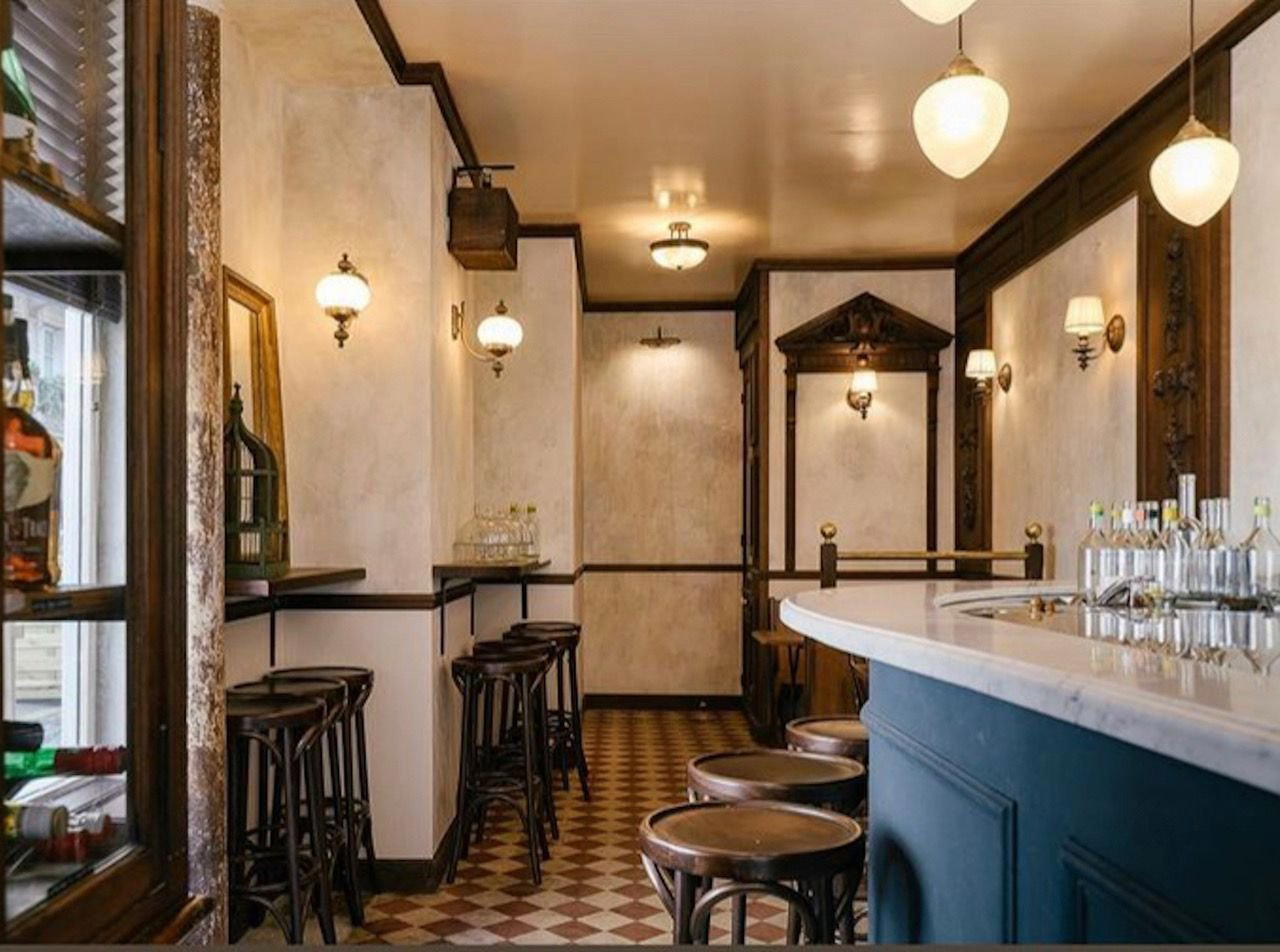
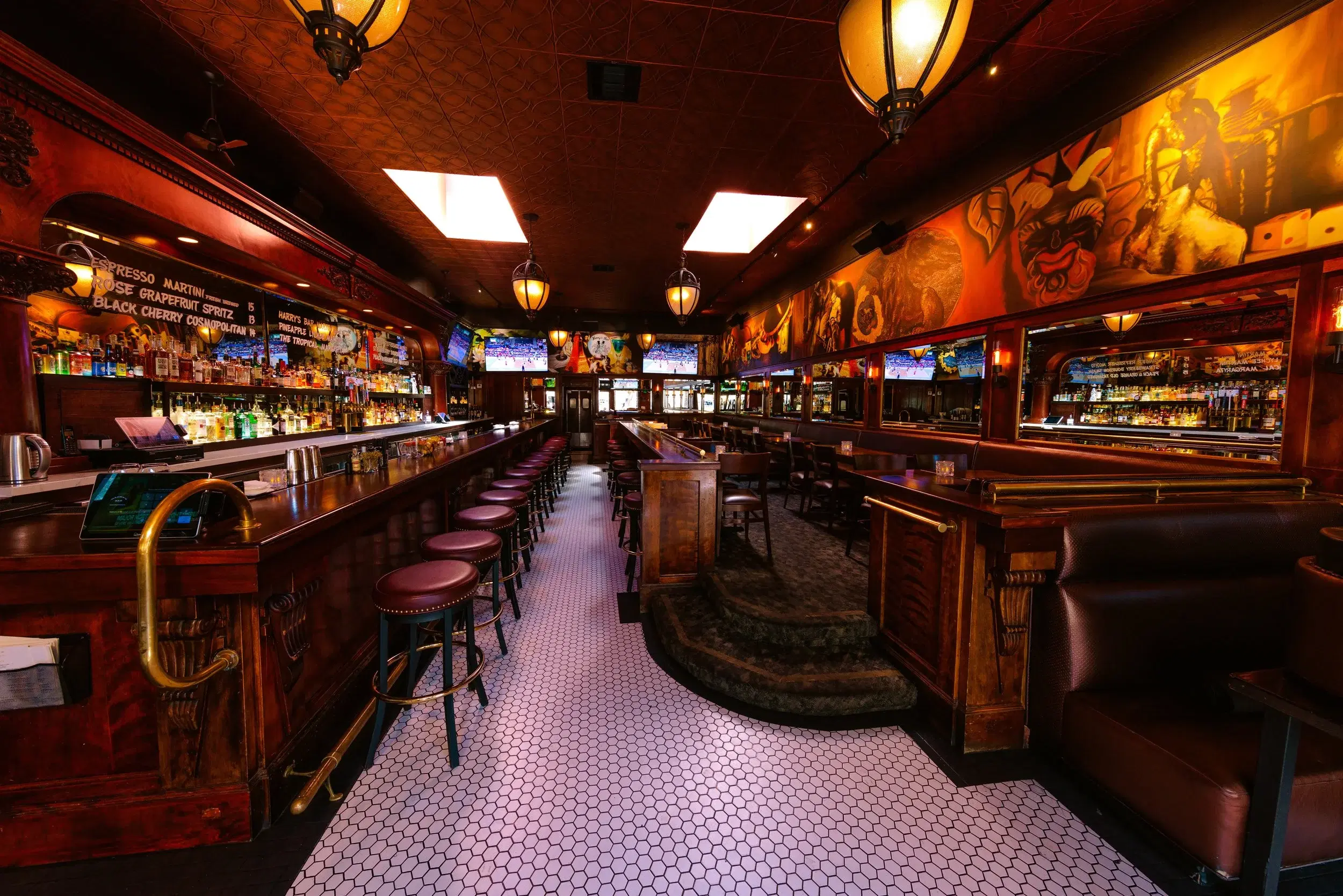
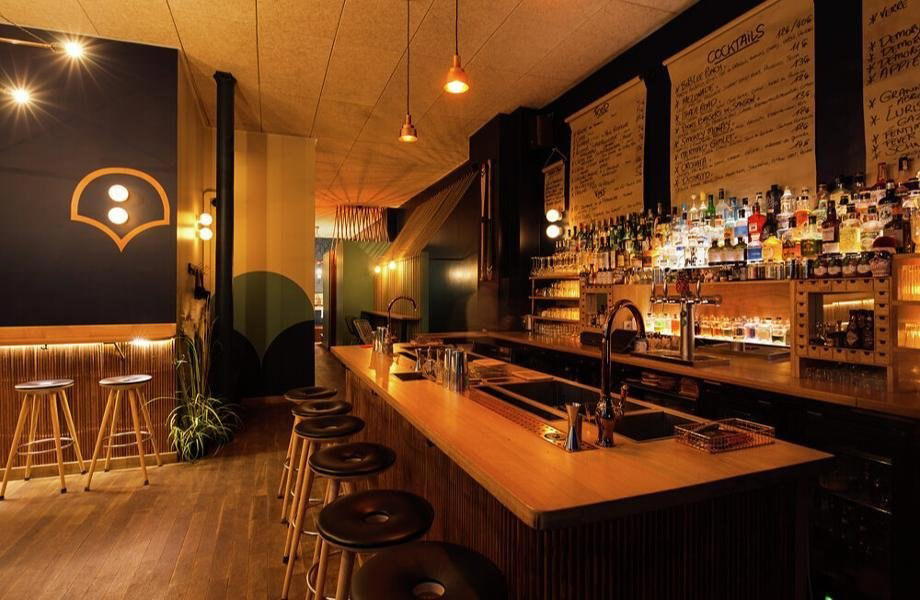
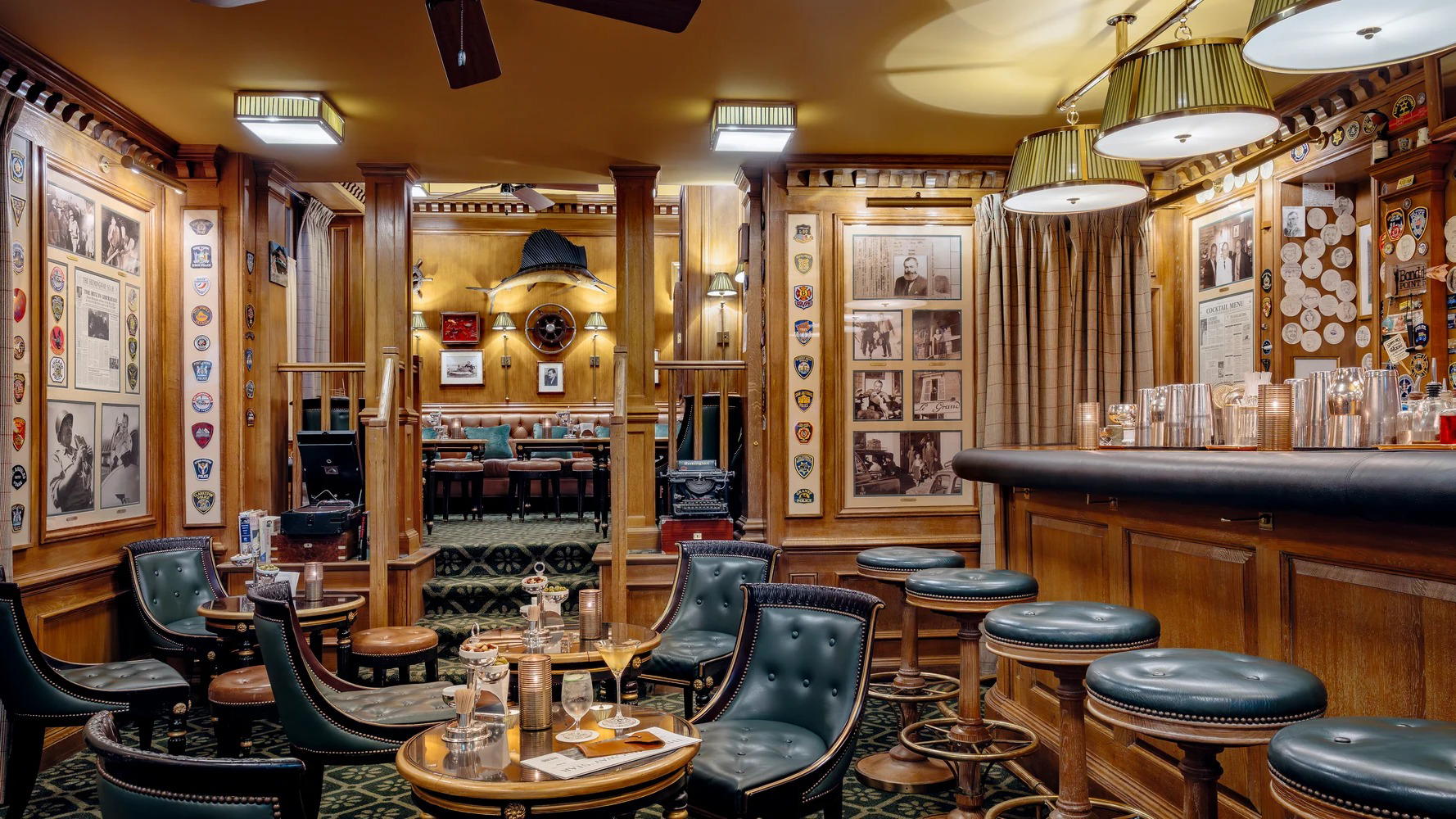
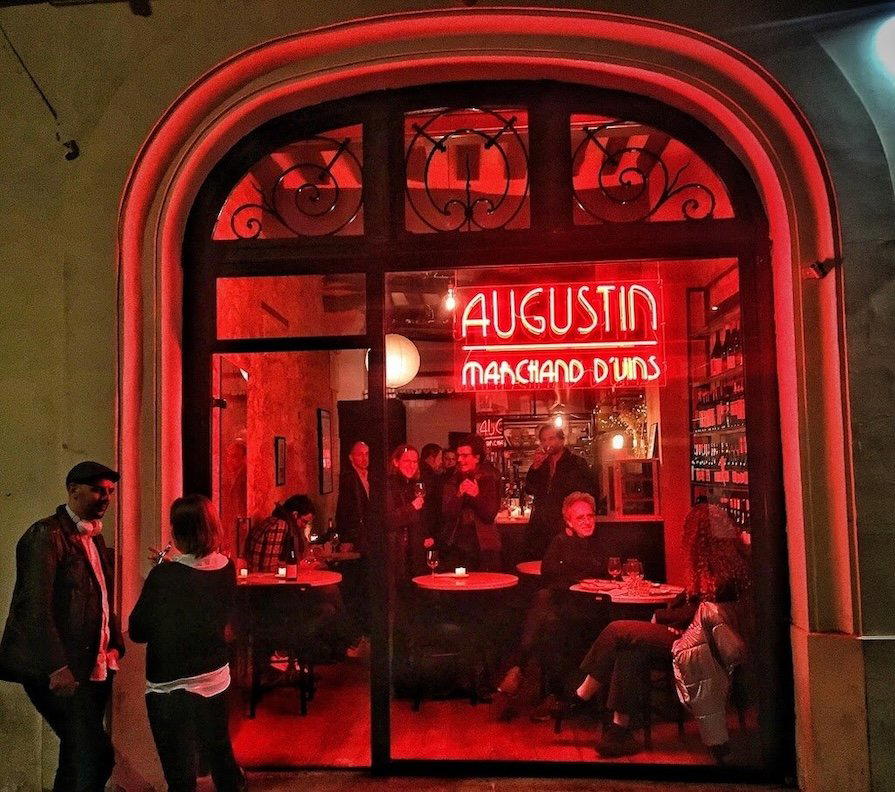
Cozy, welcoming neighborhood atmosphere with a laid-back traditional Parisian bistro feel.