On Rue de Vaugirard, steps from the Luxembourg Gardens, La Ferrandaise occupies a corner of the sixth arrondissement where traditional French bistro cooking still holds its ground. The address places it squarely in a neighbourhood of covered markets, literary cafés, and serious cheese shops, context that shapes what arrives on the plate and who sits across from you at the neighbouring table.
Pearl is the En Primeur Club membership app — saves, bookings, and concierge access live there. Same editors, same standards.
- Address
- 8 Rue de Vaugirard, 75006 Paris, France
- Phone
- +33143263636
- Website
- laferrandaise.com
- Directions
- Get directions
 Saves & bookings on Pearl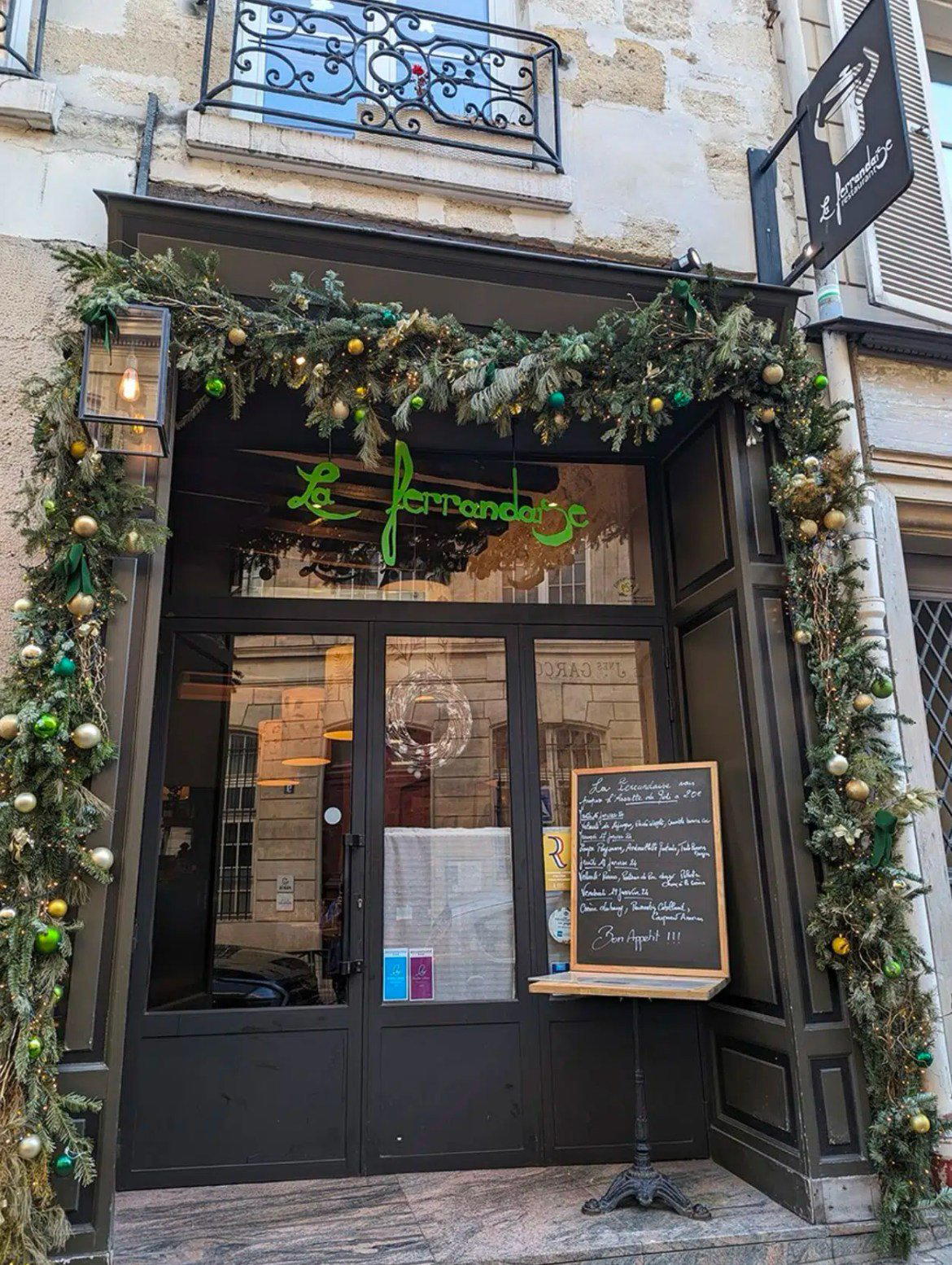
A Street That Sets the Terms
Rue de Vaugirard is the longest street in Paris, and that fact alone carries a kind of democratic weight. It runs from the sixth arrondissement's polished literary core, past the Luxembourg Gardens, the Sénat, and a succession of fromageries and wine caves that have served the same quartier for decades, out toward less-photographed stretches of the city. The address at number 8 places La Ferrandaise in the argued-over section: the part of Saint-Germain-des-Prés that has resisted becoming entirely a backdrop for luxury retail, where a well-priced plat du jour can still be found if you know which doors to push.
In Paris's sixth arrondissement, that resistance is not accidental. The neighbourhood retains a working fabric of small restaurants operating in the French bistro tradition, not as nostalgia projects or concept-driven revivalist exercises, but as genuine neighbourhood anchors. La Ferrandaise sits inside that category. The name itself references the Ferrandaise, a breed of cattle native to the Auvergne, which signals an orientation toward regional French ingredient sourcing rather than the cosmopolitan eclecticism that defines many of Paris's higher-profile addresses in this postcode.
What the Sixth Arrondissement Demands
Dining in Saint-Germain carries particular pressure. The arrondissement's restaurant population runs from three-Michelin-star formal rooms to tourist-trap brasseries that rely entirely on foot traffic from the boulevard. Somewhere in the middle sits a stratum of addresses that depend on repeat custom from locals, the kind of restaurants where the same faces appear on Tuesday and again the following Friday. This middle tier is harder to sustain in Paris than almost anywhere else in France: rents are high, expectations are formed by proximity to serious cooking at addresses like L'Ambroisie and Arpège, and a diner who has walked past a good fromagerie on the way here will notice immediately if the cheese course is not taken seriously.
La Ferrandaise operates in this demanding context. Its identity is defined less by ambition to compete with the grand rooms, the kind of formal French modern cooking at Le Cinq or the creative edge of Alléno Paris au Pavillon Ledoyen, and more by a commitment to the bistro's foundational contract: honest sourcing, seasonal rotation, and a room that invites more than one visit.
Regional Roots in a Parisian Context
The Auvergne reference embedded in the restaurant's name situates the restaurant in a French dining tradition that Paris has long absorbed and reinterpreted. The Auvergne produced some of France's most celebrated bistrot owners historically, the so-called Bougnats who ran coal merchants and wine shops, and later cafés and small restaurants, across the city. That heritage informs a particular approach to cooking: generous, ingredient-led, with cattle, lentils, and volcanic-soil cheeses at its centre.
In contemporary Paris, this kind of regional anchoring sits in interesting tension with the city's more internationally visible fine dining. Addresses like Kei, which applies Japanese technique to French ingredients, or the multi-influence creativity at Alléno Paris, represent one direction the city has moved. The provincial bistro tradition, drawn on by kitchens from Bras in Laguiole to Auberge de l'Ill in Illhaeusern, represents another. The restaurant belongs to the latter current, translated into a Left Bank address where the clientele comes with both appetite and knowledge.
Planning Your Visit
The surrounding block rewards arriving with some time to spare: the covered Marché Saint-Germain is close, as are several serious wine shops that provide useful context for understanding what regional French cooking looks like when sourced with care.
Where It Fits
Comparable venues nearby, for context on price, style, and recognition.
| Venue | Cuisine | Price | Notes |
|---|---|---|---|
| La FerrandaiseThis venue — the venue you are viewing | Traditional French Auvergne Bistro | $$$ | Not listed |
| La Grivoiserie | French Farm-to-Table Bistro | $$$ | Notre-Dame-des-Champs |
| La Bonne Excuse | Seasonal French Bistro | $$$ | 7th Arrondissement |
| La Grande Épicerie de Paris - La Table | Classic French Bistro | $$$ | 7e Arr. |
| Café Max | Classic French Bistro | $$$ | Gros-Caillou |
| Beaucour à la folie | French Brasserie | $$$ | Paris 8 |
Continue exploring
More in Paris
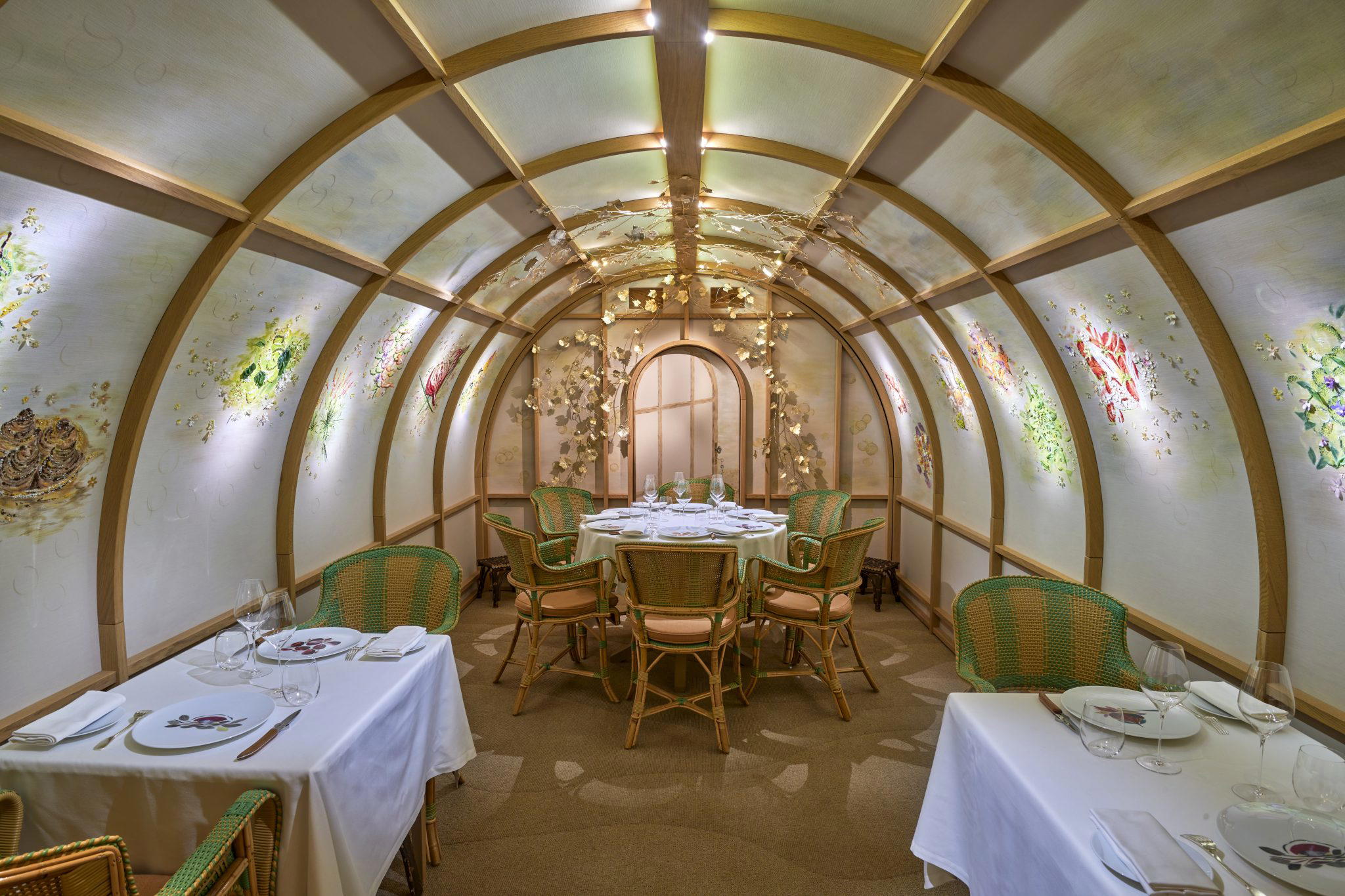
Restaurants in Paris
Browse all →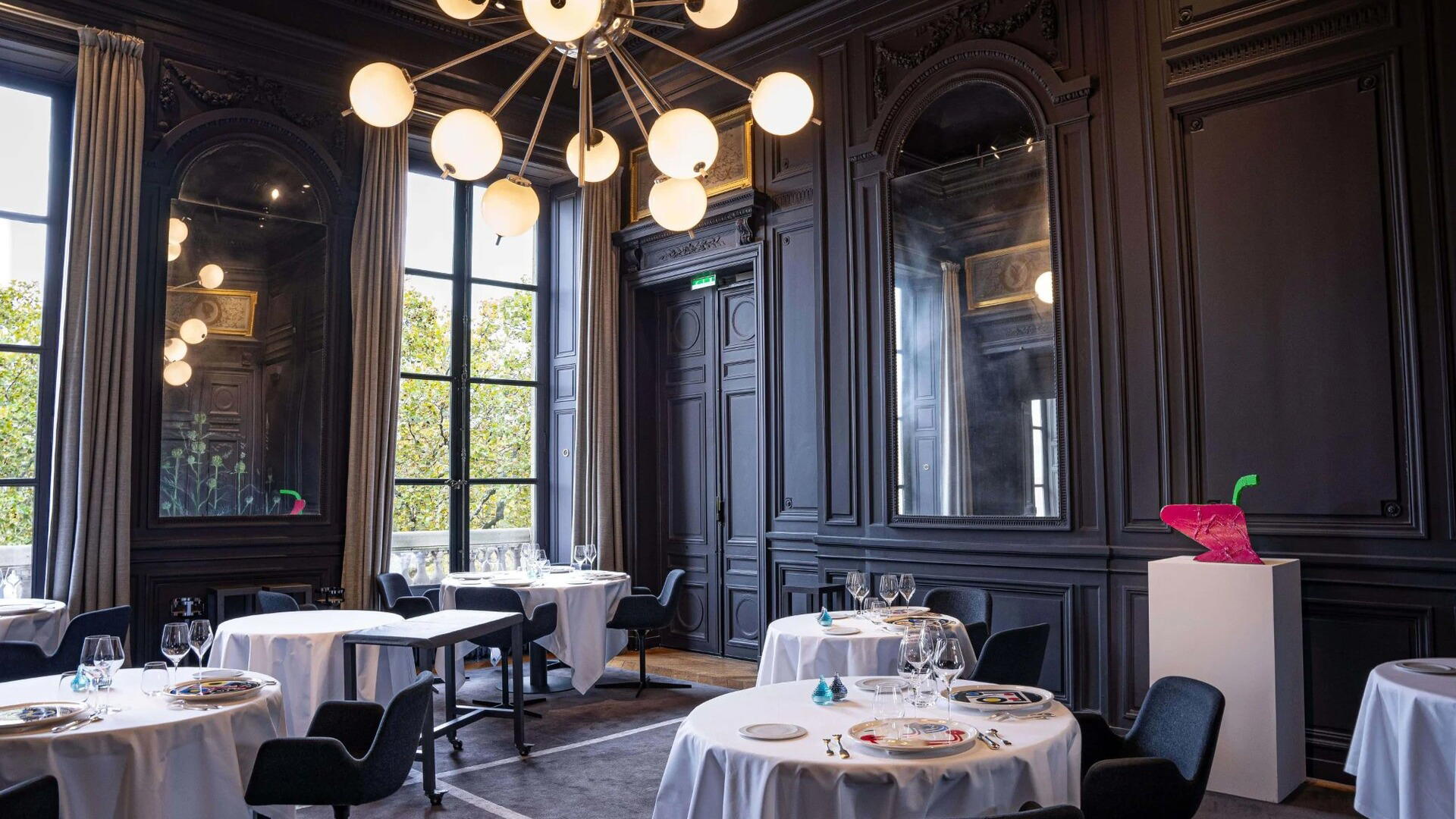
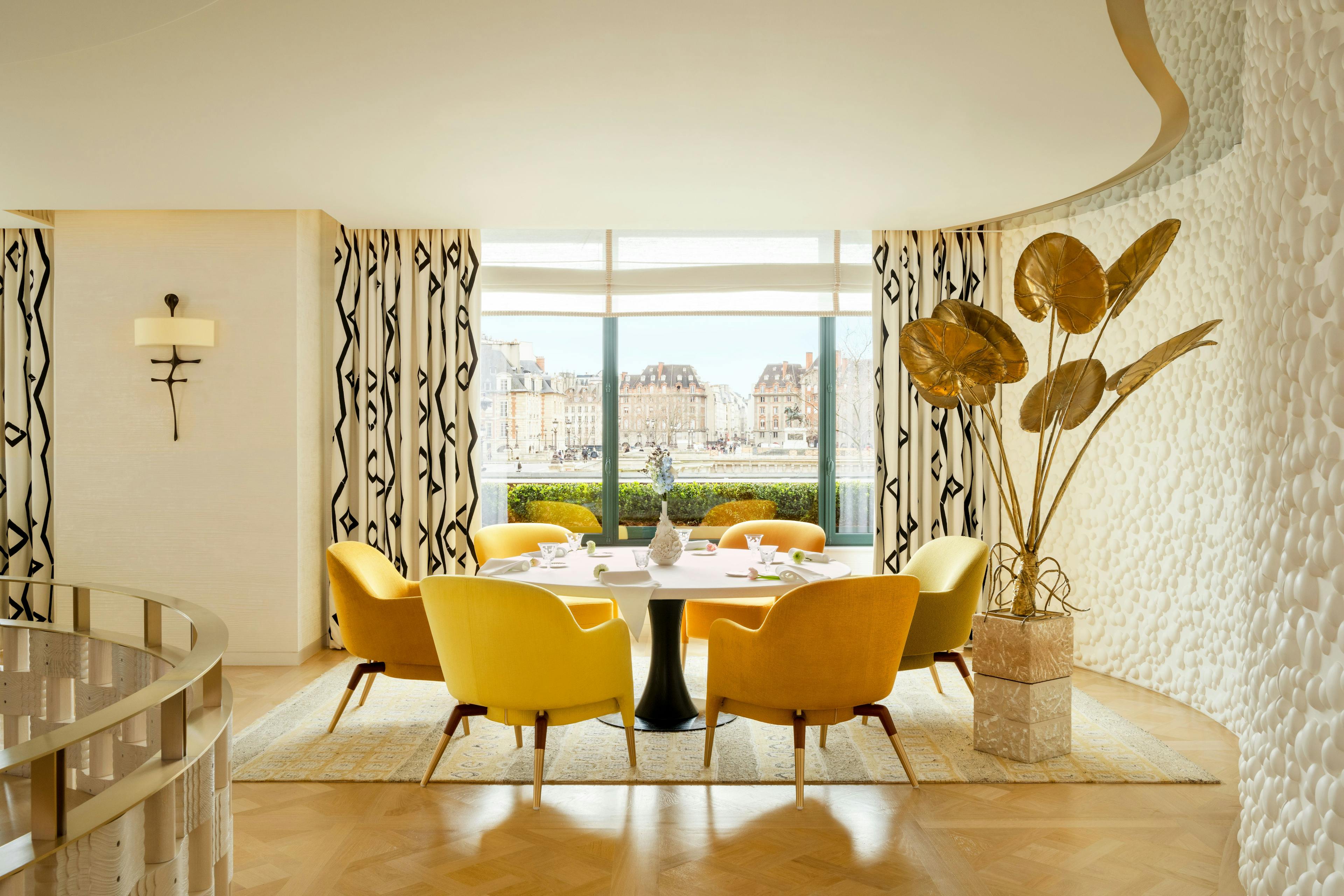
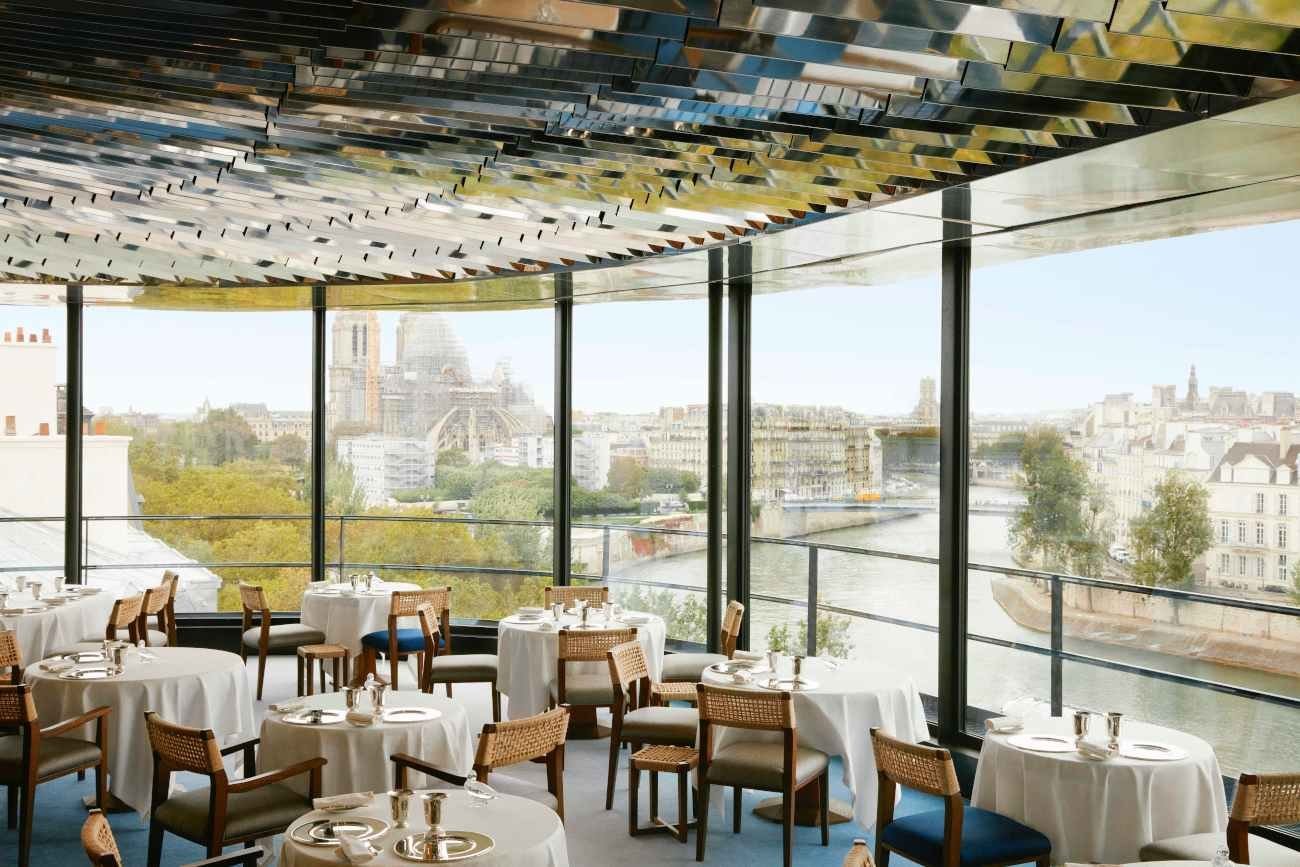
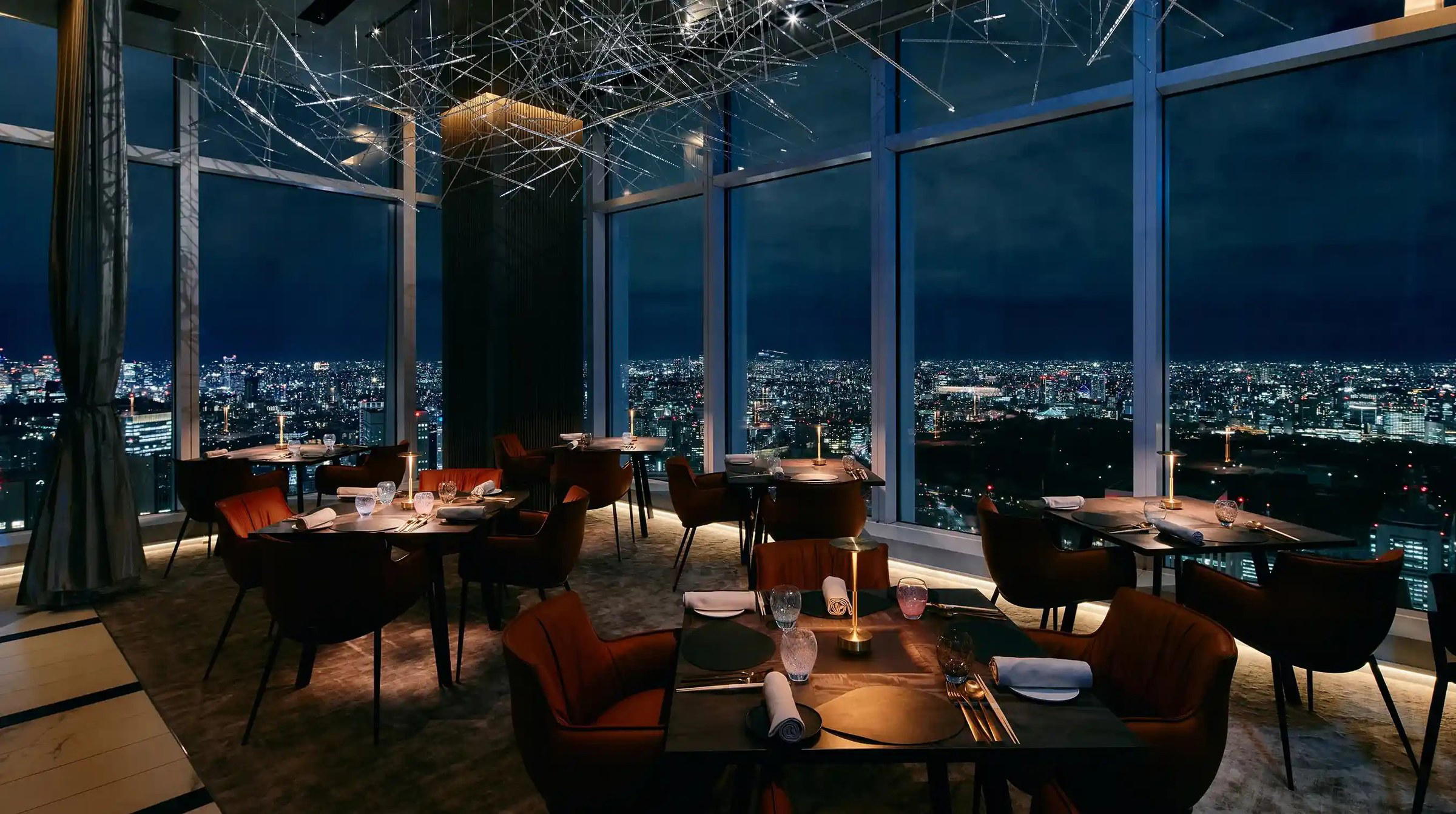
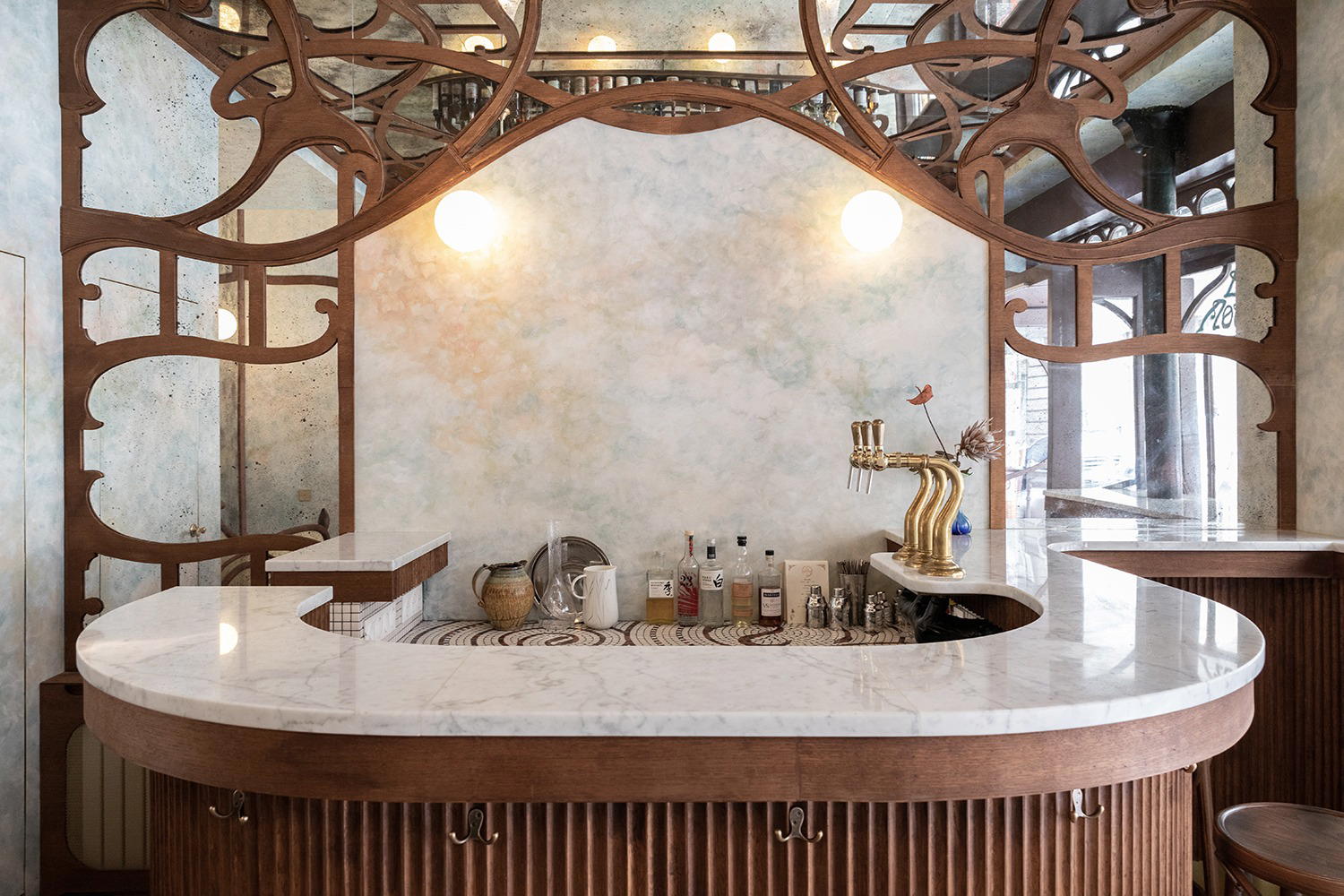
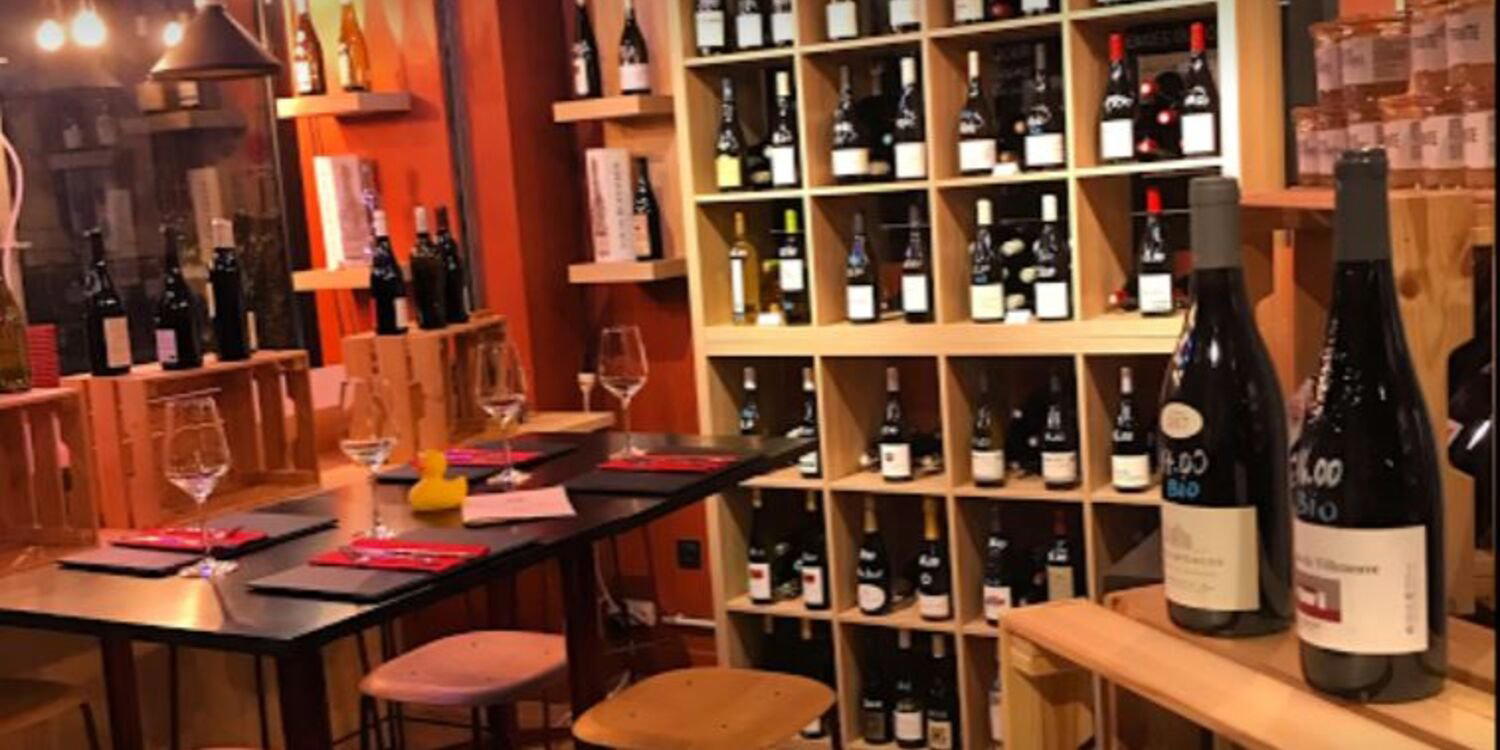
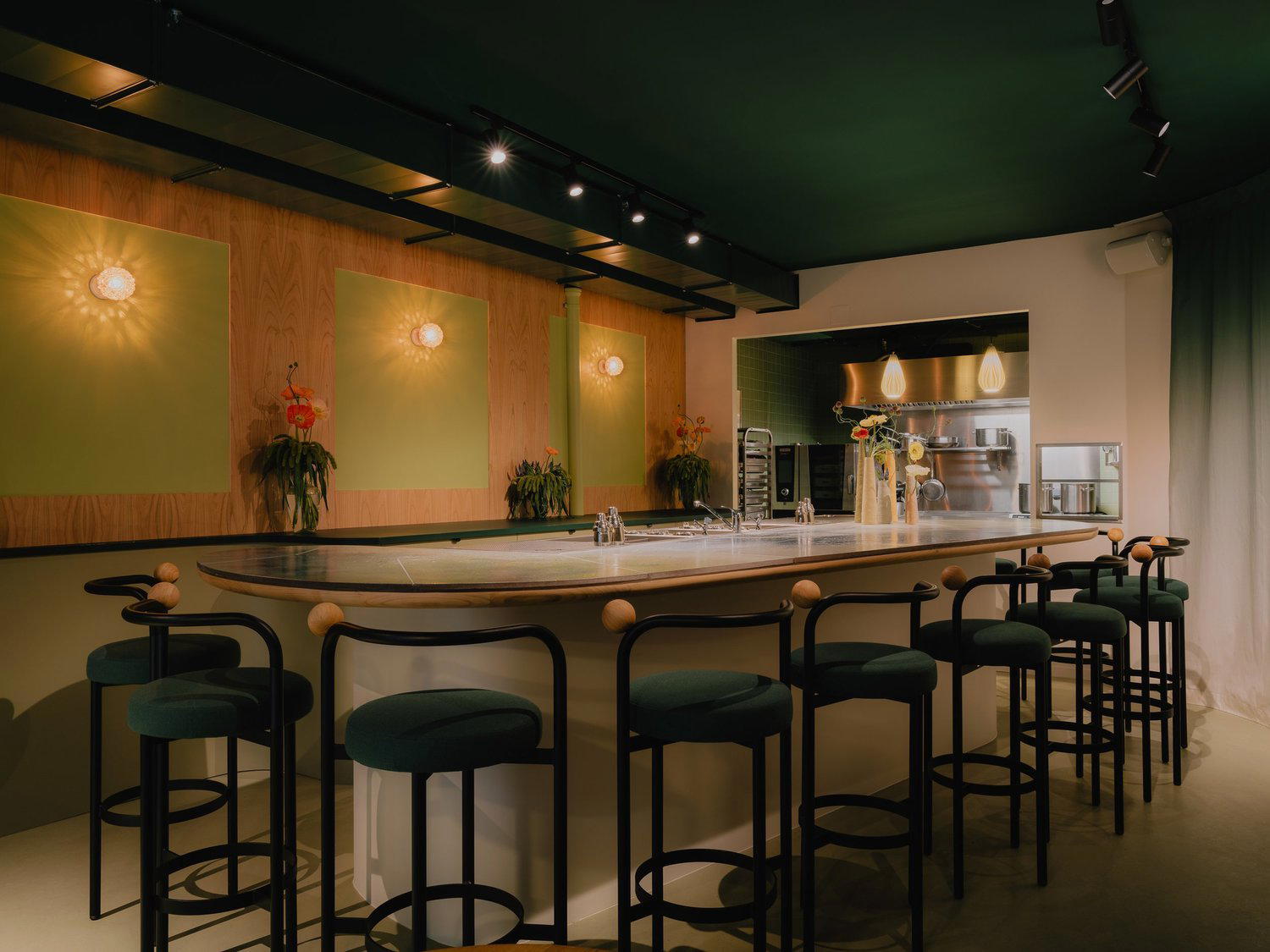
Bars in Paris
Browse all →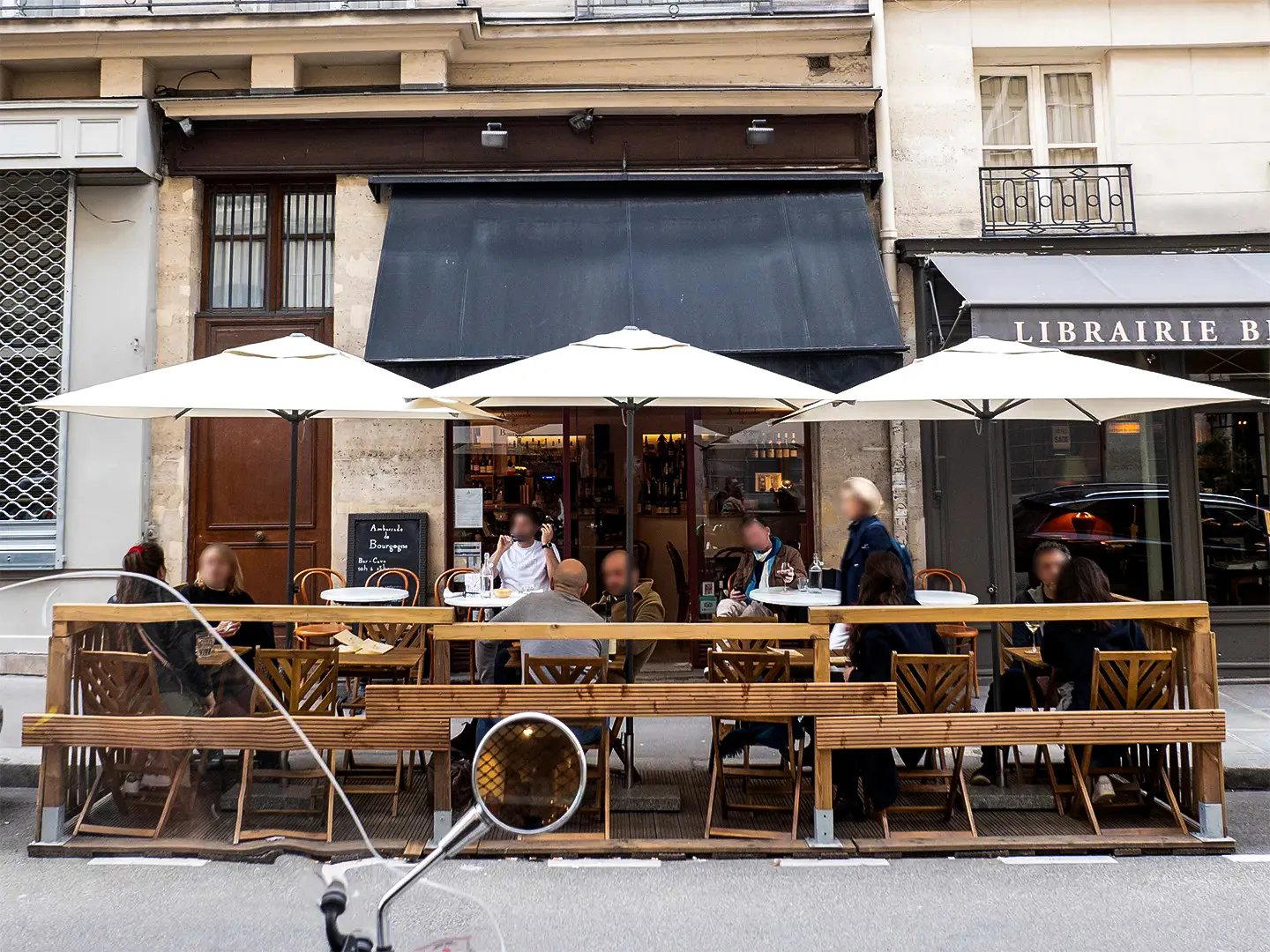
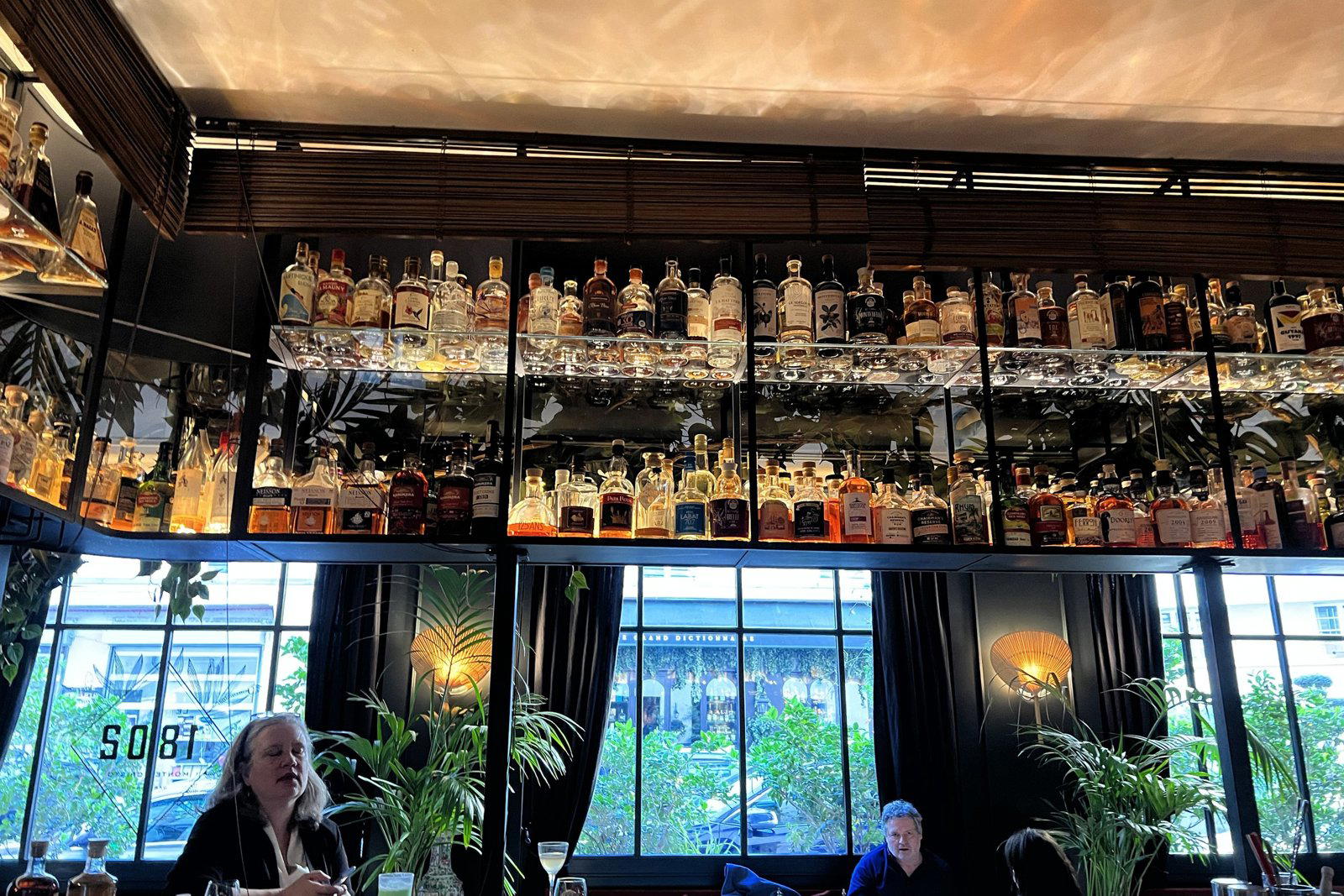
Hotels in Paris
Browse all →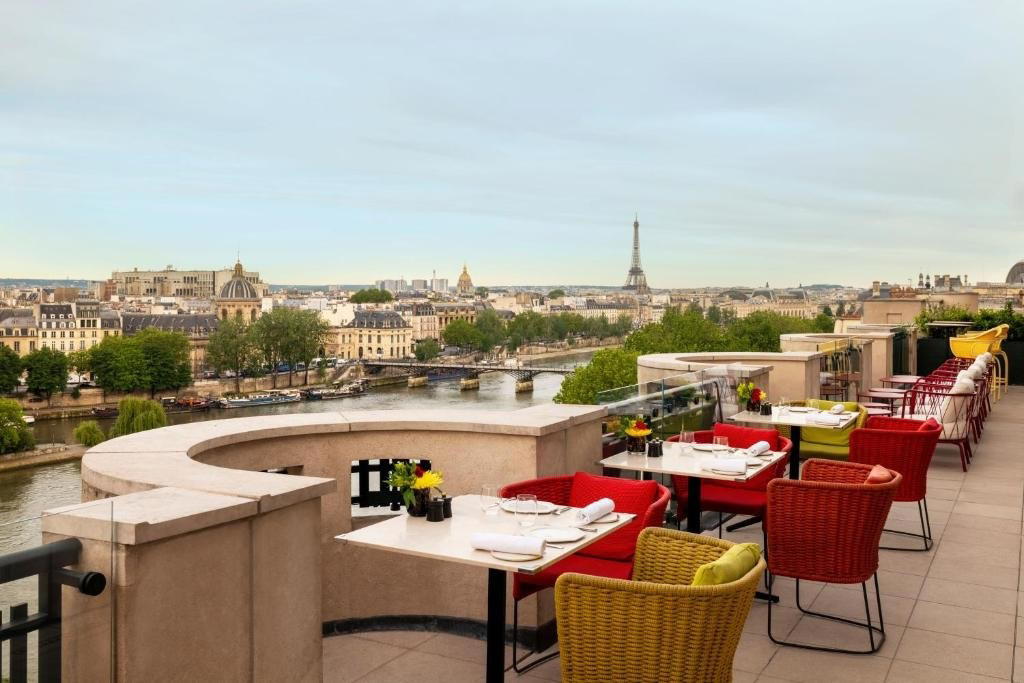





At a Glance
- Classic
- Cozy
- Rustic
- Date Night
- Business Dinner
- Casual Hangout
- Historic Building
- Extensive Wine List
- Local Sourcing
Current opening hours
- Monday
- 7–11:30 PM
- Tuesday
- 12–2:30 PM, 7–10:30 PM
- Wednesday
- 12–2:30 PM, 7–10:30 PM
- Thursday
- 12–2:30 PM, 7–10:30 PM
- Friday
- 12–2:30 PM, 7–10:30 PM
- Saturday
- 12–2:30 PM, 7–10:30 PM
- Sunday
- Closed
Hours can change for holidays and private events. Last verified .
Cozy classic bistro atmosphere with hearty, comforting dishes evoking French bourgeois tradition.