On Rue du Dragon in Saint-Germain-des-Prés, Didon occupies a quietly authoritative position in one of Paris's most considered dining neighbourhoods. The address places it among the sixth arrondissement's compact, chef-driven tables rather than the grand boulevard establishments of the eighth. For visitors building a serious Paris itinerary, it warrants attention alongside the neighbourhood's broader French dining tradition.
Pearl is the En Primeur Club membership app — saves, bookings, and concierge access live there. Same editors, same standards.
- Address
- 8 Rue du Dragon, 75006 Paris, France
- Phone
- +33181696372
- Website
- didonrestaurant.com
- Directions
- Get directions
 Saves & bookings on Pearl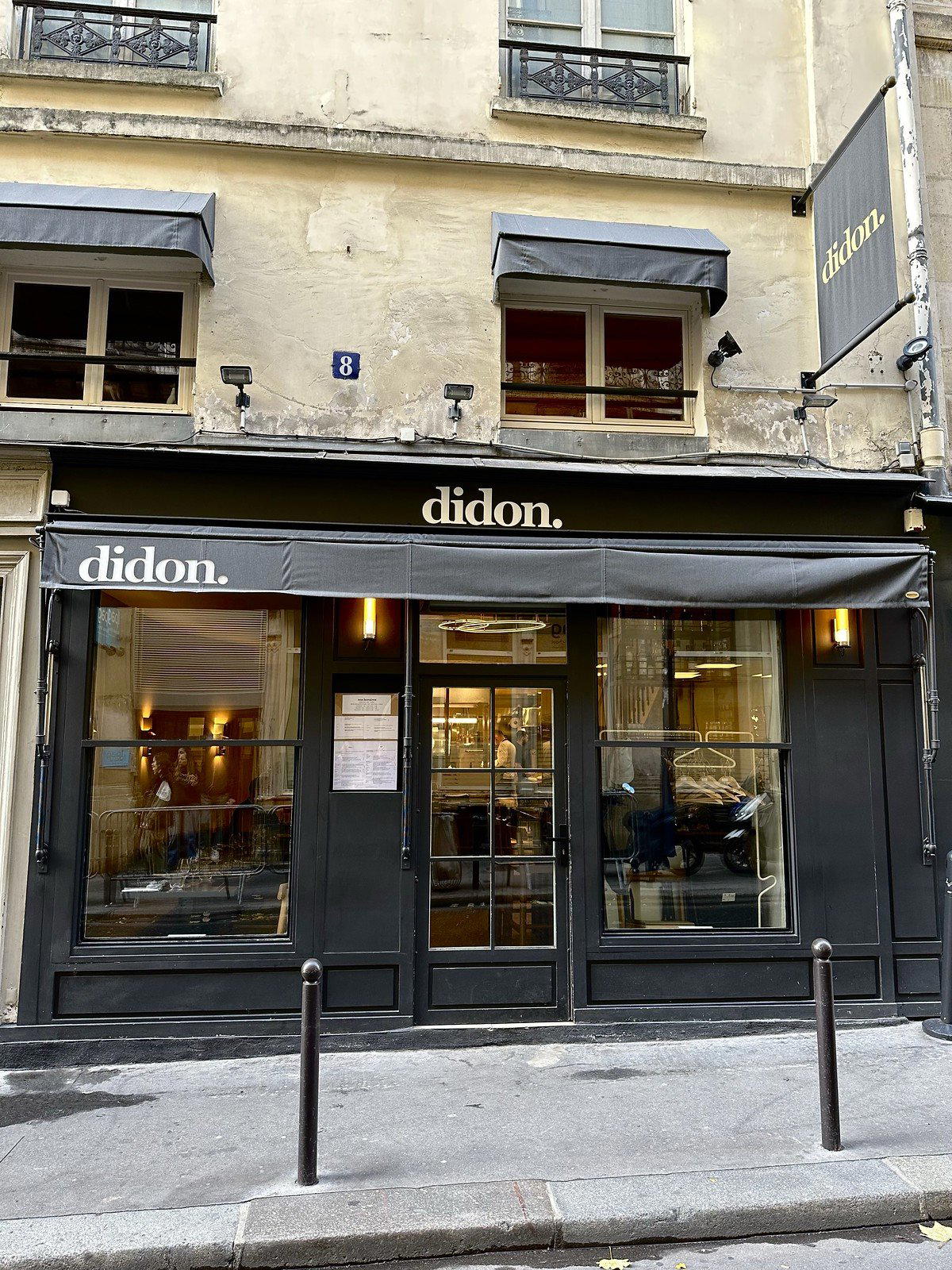
Saint-Germain and the Art of the Seated Meal
Didon is a restaurant in Paris's 6th arrondissement serving Bistronomic French with Lebanese Accents at about $85 per person. The sixth arrondissement has long functioned as a counterweight to the more ceremonial dining rooms of the eighth. Where the avenue des Champs-Élysées corridor produces grand hotel restaurants with formal service hierarchies, places like Le Cinq at the Four Seasons George V, Saint-Germain-des-Prés operates at a different register. The neighbourhood favours smaller rooms, more personal pacing, and a meal structure that rewards attention rather than spectacle. Rue du Dragon, where Didon sits at number 8, is characteristic of this: a short street connecting Boulevard Saint-Germain to Rue de Rennes, lined with the kind of addresses that attract Parisians rather than hotel concierge referrals.
The ritual of dining in this part of the city carries its own logic. Courses arrive without urgency. The gap between a first and second course is not a service failure but a deliberate pause, the kind built into rooms where the kitchen is cooking to order rather than expediting from a bank of pre-prepared components. This is the tradition Didon enters, and understanding that tradition is the right frame for any visit.
A Street with Editorial Weight
Rue du Dragon is not a destination street in the way that certain addresses in the Marais or the first arrondissement have become pilgrimage points. It is residential in character, with the particular quality of Saint-Germain streets that feel simultaneously central and removed from the tourist circuit. The dining culture here connects directly to the French tradition of the neighbourhood restaurant taken seriously: a place that earns regular custom through consistency rather than novelty.
That tradition has deep roots across France. The discipline of the seated, multi-course meal, with its specific codes around bread service, wine pacing, and the sequence from cold to hot to cheese to dessert, is one of the country's most durable culinary exports. Restaurants at different price points participate in it, from the three-Michelin-starred L'Ambroisie on the Place des Vosges to the provincial traditions preserved at places like Auberge de l'Ill in Illhaeusern and Georges Blanc in Vonnas. The Saint-Germain table occupies the middle of that range: technically serious, without the institutional weight of France's grande maison circuit.
The Dining Ritual in Practice
French dining ritual, at its most considered, is built around a set of unspoken agreements between kitchen and table. The meal has a shape, not imposed by a tasting menu format but negotiated through the card, the service team's reading of the table, and the pace the room is allowed to breathe at. In Saint-Germain this tends to mean that the aperitif moment is given its proper weight, that a glass of something cold and precise precedes the decision-making, and that the first courses are designed to open rather than overwhelm.
The contrast with Paris's more theatrical end of the market is instructive. Operations like Alléno Paris au Pavillon Ledoyen or the technically intricate format at Kei are built around chef-driven progression where the diner follows a prescribed sequence. The neighbourhood restaurant in the sixth operates differently: the diner assembles the meal, and the kitchen's job is to execute each selection with the same care regardless of combination. This demands a different kind of kitchen discipline, one less visible in the room but no less demanding.
For visitors used to the tasting menu format, this is worth adjusting to. Choosing three courses from a card in a Paris bistro or brasserie of serious intent is not a lesser version of the haute cuisine experience, it is a different tradition with its own rigour, connected to the everyday French relationship with eating well rather than eating ceremonially. The Arpège model, where the vegetable-forward menu is built around precise seasonal sourcing, represents one end of the spectrum. The Saint-Germain neighbourhood table sits at another, where the cuisine is rooted rather than conceptual.
France's Dining Geography and the Paris Address
Paris concentrates French dining talent in ways that can obscure the quality distributed across the country's regions. The provincial table at its most committed, Mirazur in Menton, Bras in Laguiole, Flocons de Sel in Megève, or Troisgros in Ouches, operates with an intimacy of sourcing and a specificity of terroir that Paris addresses can rarely replicate. What Paris offers instead is density: the ability to eat at several different registers of the same culinary tradition within a single neighbourhood, in a single week.
The sixth arrondissement concentrates this. Within walking distance of Rue du Dragon, the dining range runs from the corner brasserie to rooms that would merit serious critical attention in any European city. For visitors building a Paris itinerary around food, the neighbourhood rewards the kind of planning that alternates between different registers rather than chasing a single tier.
Internationally, the French seated meal tradition has exported well. Le Bernardin in New York maintains the French service cadence and the classical technique hierarchy as precisely as most Paris addresses. The format has also influenced more experimental successors: Lazy Bear in San Francisco applies communal-table service to a progression that owes something to the French idea of the meal as a shaped experience. The reference points are wide, but the source tradition remains the French seated room.
Planning a Visit
Didon's address on Rue du Dragon places it within easy reach of the Saint-Germain-des-Prés Metro station (line 4) and Sèvres-Babylone (lines 10 and 12), making the table direct to reach from most central Paris arrondissements. The street itself is quiet, with limited vehicle traffic, so arrival on foot from Boulevard Saint-Germain takes under two minutes. For visitors combining dinner with the neighbourhood's cultural density, the nearby Musée d'Orsay, the Musée Maillol, or the galleries clustered around Rue de Seine, the timing of a meal in this quarter typically works better as an evening anchor than a midday stop, since the neighbourhood pedestrian traffic thins considerably after 8pm.
Reputation First
Comparable venues nearby, for context on price, style, and recognition.
| Venue | Cuisine | Price | Notes |
|---|---|---|---|
| DidonThis venue — the venue you are viewing | Bistronomic French with Lebanese Accents | $$$ | Not listed |
| La Société | French Brasserie | $$$ | Saint-Germain-des-Prés |
| L'Absinthe | Modern French Bistro | $$$ | 1st Arrondissement |
| Le Minet Galant | Traditional French Bistro | $$$ | Opéra |
| Le Grand Cafe | Modern French Brasserie | $$$ | 8th Arrondissement |
| Aux Crus de Bourgogne | Classic French Bistro with Burgundian Specialties | $$$ | Montorgueil |
Continue exploring
More in Paris
Restaurants in Paris
Browse all →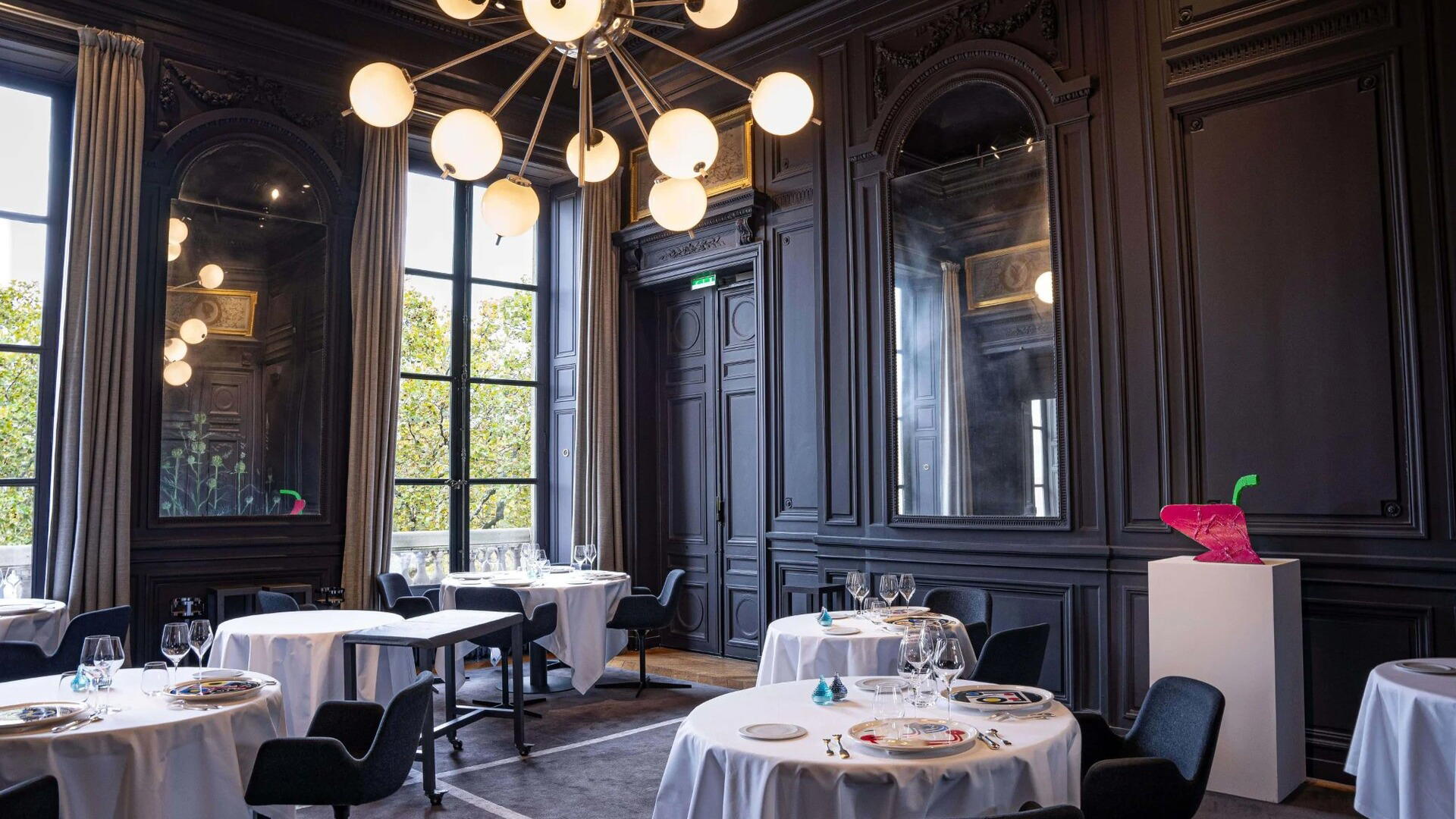
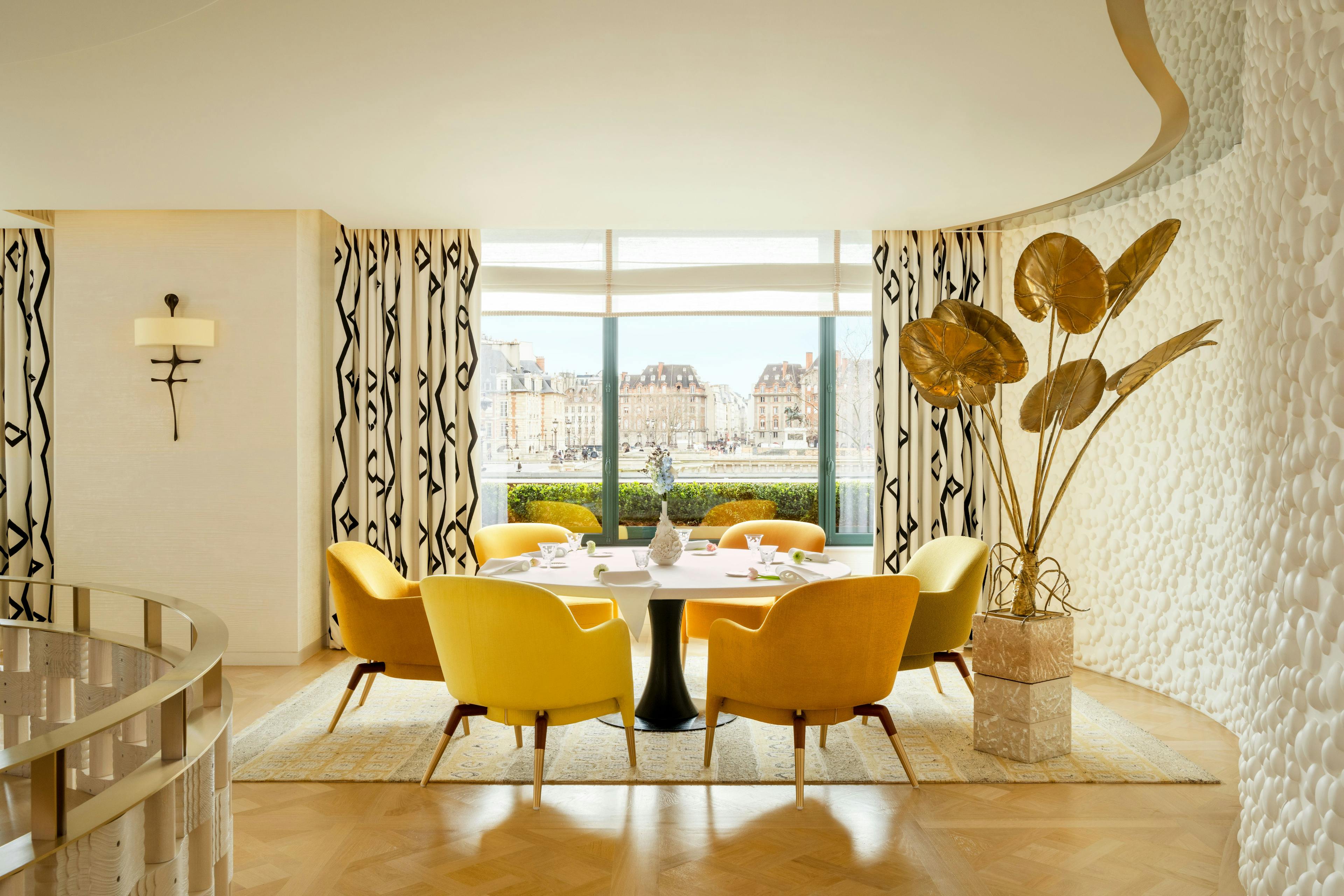
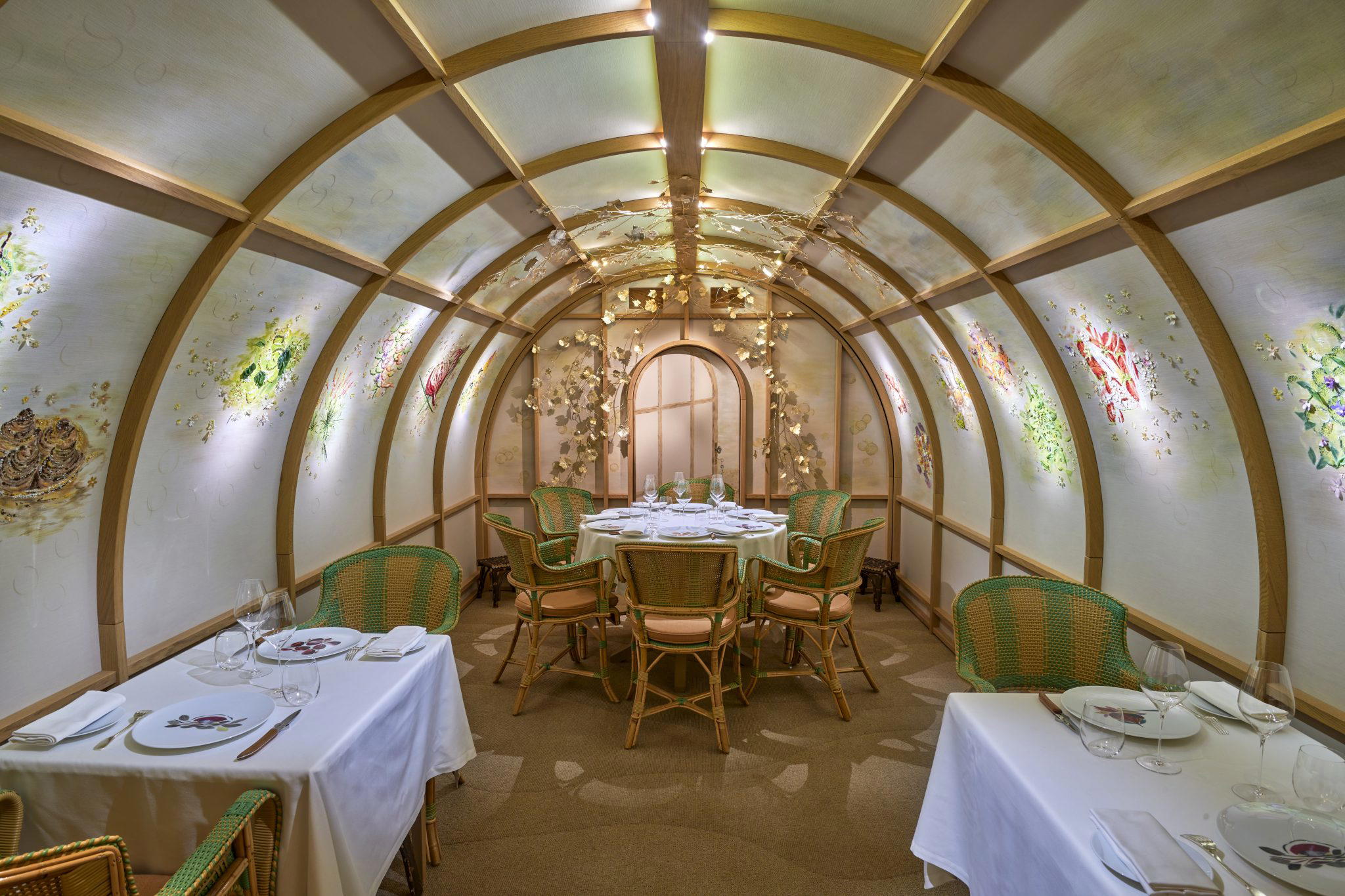
Bars in Paris
Browse all →
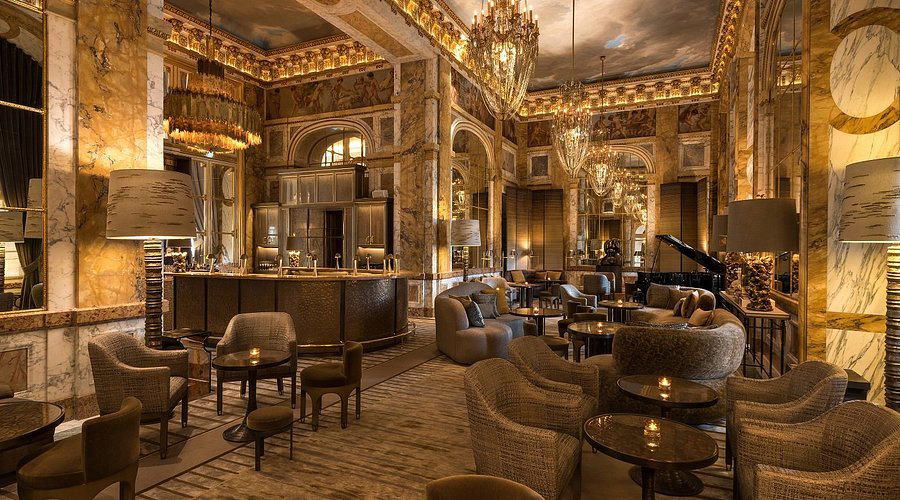
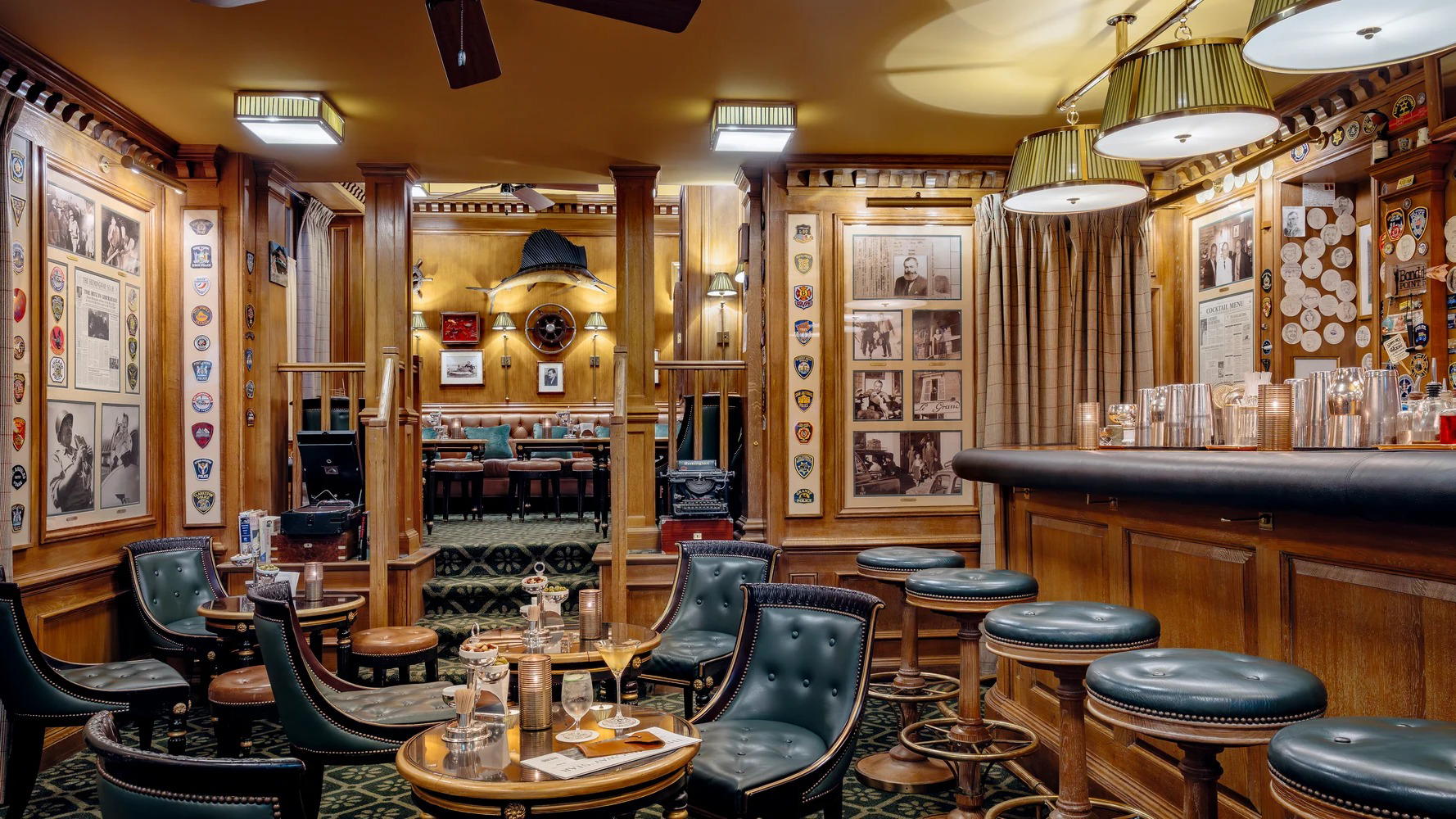
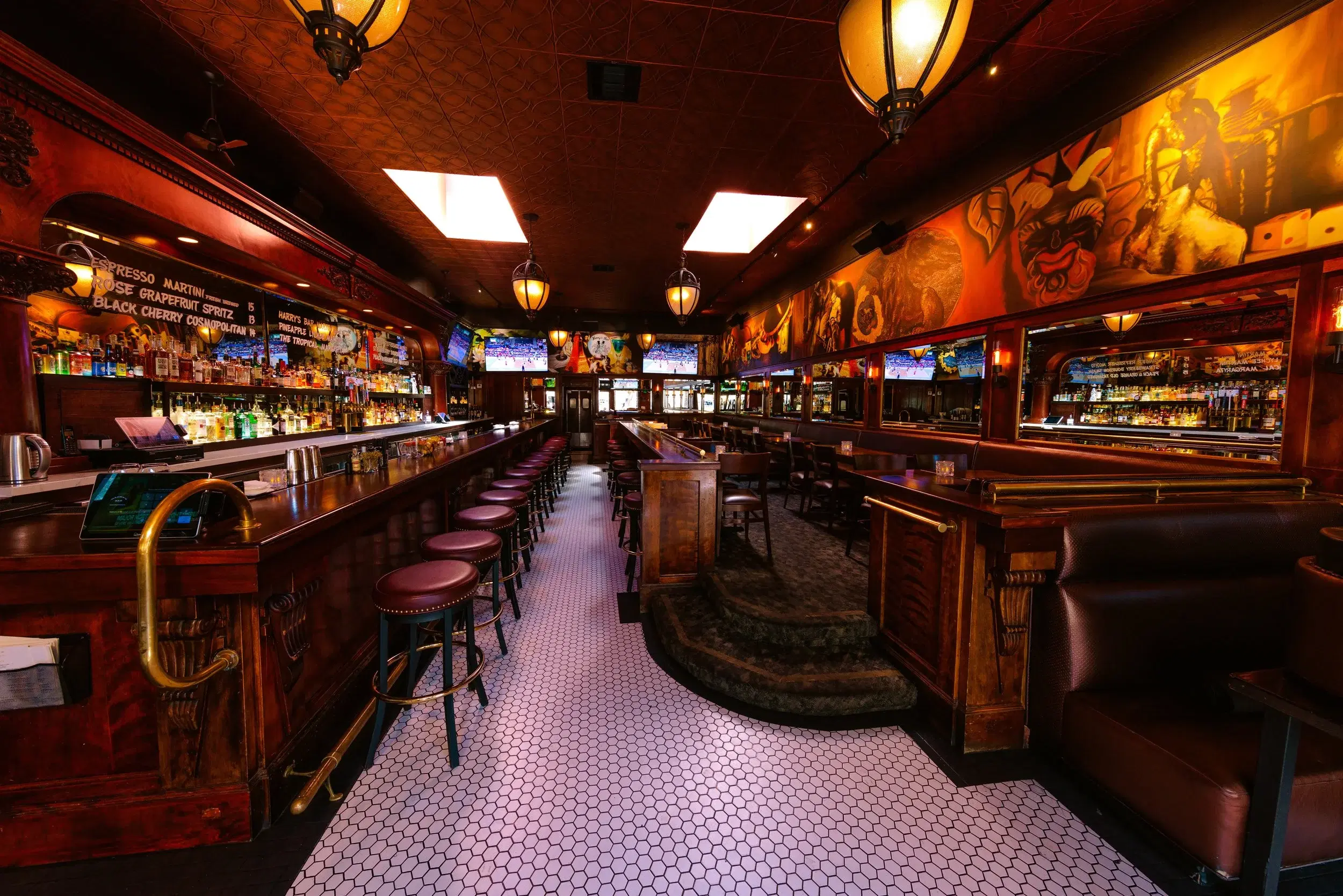
Hotels in Paris
Browse all →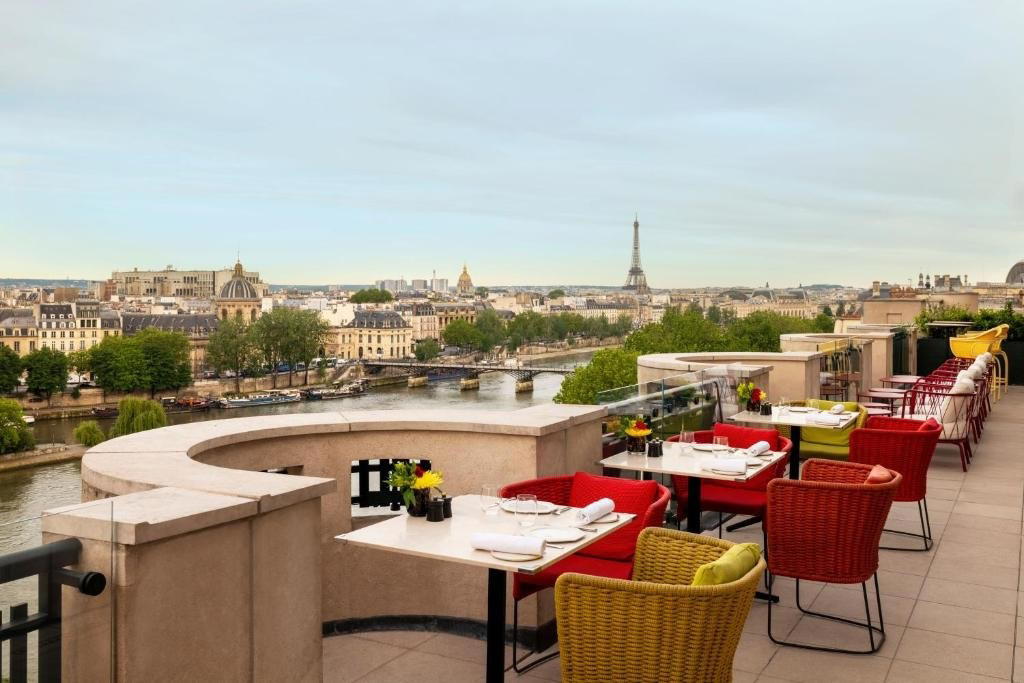

At a Glance
- Elegant
- Cozy
- Sophisticated
- Date Night
- Group Dining
- Special Occasion
- Open Kitchen
- Standalone
- Extensive Wine List
- Local Sourcing
- Street Scene
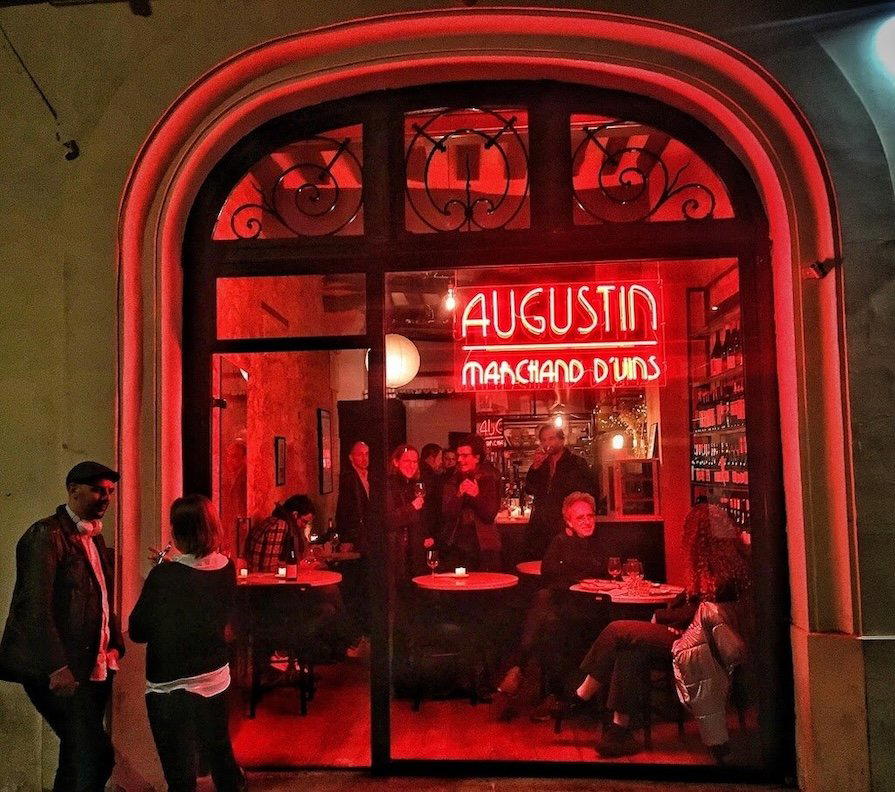
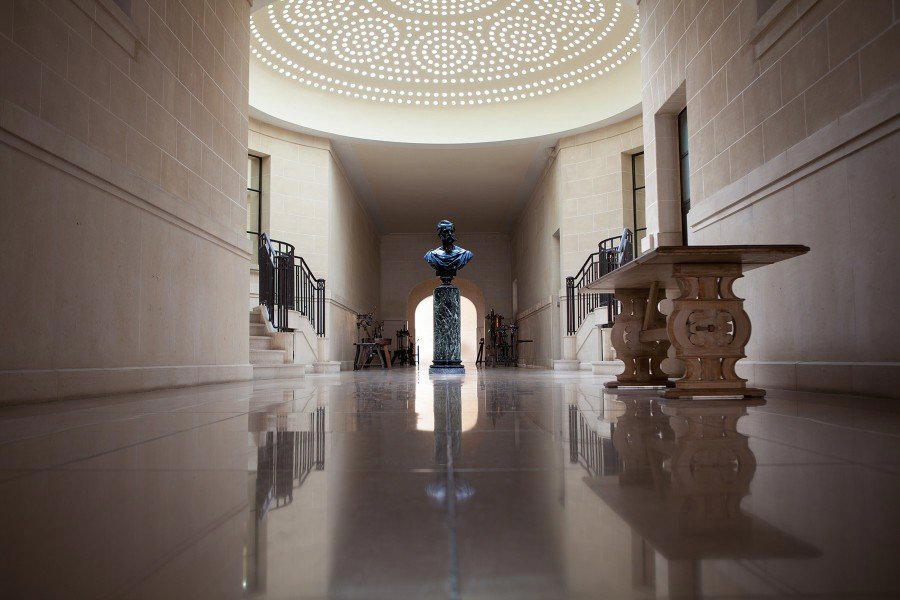
Subtle and warm decoration mixed with modern, pure lines across two levels; upstairs overlooks either the street or the kitchen below, creating an intimate yet refined atmosphere.