Le Clos du Roy
Le Clos du Roy occupies a stone address on Rue de la Petite Fontaine in the heart of Saint-Émilion's UNESCO-listed medieval village, placing it directly within one of Bordeaux's most concentrated fine-dining corridors. Positioned alongside peers like Logis de la Cadène and Les Belles Perdrix, it draws visitors who pair serious wine itineraries with table reservations. Booking ahead is advisable, particularly during the en primeur and harvest seasons.
Pearl is the En Primeur Club membership app — saves, bookings, and concierge access live there. Same editors, same standards.
- Address
- 12 Rue de la Petite Fontaine, 33330 Saint-Émilion, France
- Phone
- +33557243583
- Website
- leclosduroy.fr
- Directions
- Get directions
 Saves & bookings on Pearl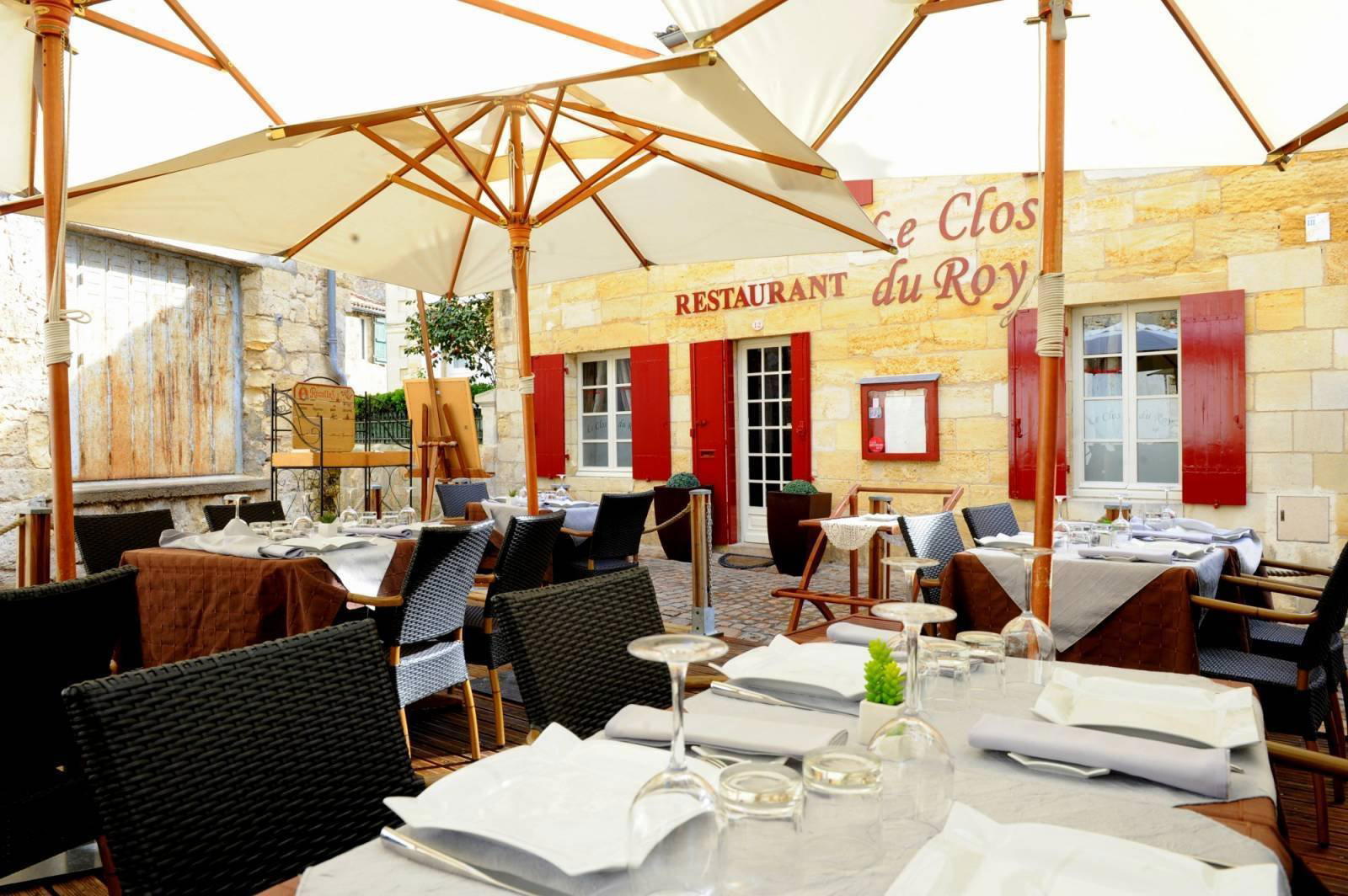
Dining Inside the Limestone
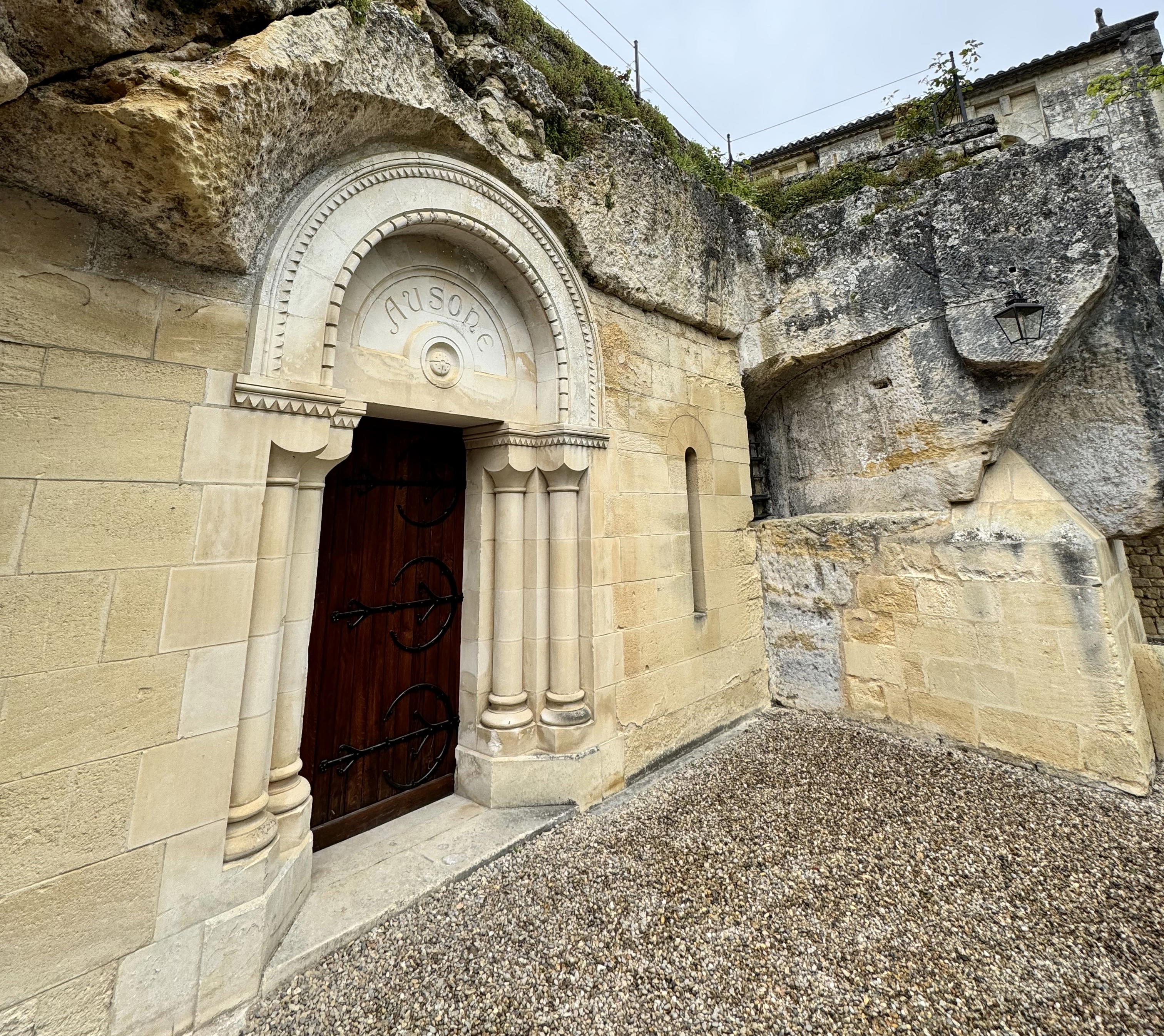
Saint-Émilion does not ease you into its atmosphere — it arrives all at once. The medieval village, carved into and above a plateau of Jurassic limestone, is a UNESCO World Heritage Site that doubles as one of France's most concentrated wine tourism destinations. Walking Rue de la Petite Fontaine, where Le Clos du Roy is addressed at number 12, means moving through streets that have hosted wine merchants, pilgrims on the route to Santiago de Compostela, and, in the modern era, a steady procession of visitors who arrive specifically to sit at a table and drink something serious. The physical environment sets expectations before you open a menu: stone walls, narrow passages, and an architectural density that few French wine villages match.
That context matters for understanding where Le Clos du Roy sits in Saint-Émilion's dining hierarchy. The village has developed a fine-dining corridor over the past two decades, with a cluster of restaurants now competing for visitors who treat the dinner reservation as an extension of the cellar visit. Peers in that corridor include Logis de la Cadène, which operates at the €€€€ tier with a modern cuisine approach, and La Table de Pavie, which takes a creative format at the same price bracket. Les Belles Perdrix de Troplong Mondot extends that offer to a château dining setting just outside the village walls. Le Clos du Roy operates within this competitive set, drawing the kind of visitor who plans Saint-Émilion around both the appellation and the table.
What French Regional Dining Means in a Wine Village
The cultural logic of dining in Saint-Émilion is inseparable from the wine. Bordeaux's Right Bank has long positioned itself around the table as much as the cellar — a tradition that stretches back to when négociants and château owners entertained buyers in formal dining rooms. Contemporary Saint-Émilion has inherited that tradition and adapted it for a broader audience: the village now functions as a destination where wine tourism and gastronomy are treated as a single itinerary rather than separate activities. Restaurants in this context are not incidental to the visit; they are, for many visitors, the point.
French regional dining at this level tends to follow a specific logic. The kitchen draws on Aquitaine's larder, duck, foie gras, cèpes, river fish, Arcachon oysters, and frames those ingredients through a contemporary technique that does not abandon the classical reference points. This is not the kind of modernism that requires explanation; it is cooking that reads as familiar in structure but precise in execution. The wine list, in a village like Saint-Émilion, is understood to be the primary critical document: a restaurant here that cannot field a serious selection of Right Bank appellations is not taken seriously by the visitor who has arrived specifically for that world. For a wider frame on how France's most awarded kitchens handle the relationship between regional identity and technique, the contrast with destination restaurants like Mirazur in Menton or Bras in Laguiole is instructive, both anchor their menus in a specific terroir while operating at a scale and recognition level that Saint-Émilion's village restaurants do not attempt to match.
Positioning Within Saint-Émilion's Table Hierarchy
Saint-Émilion's dining options span a wider range than the fine-dining concentration might suggest. At the accessible end, L'Envers du Décor holds a traditional cuisine position at the €€ tier, functioning as a wine-bar-adjacent address for visitors who want a serious list without a formal dining commitment. L'Huitrier Pie operates at €€€ with a modern cuisine approach, sitting between the entry and premium tiers. The €€€€ restaurants, including Le Clos du Roy alongside Logis de la Cadène, La Table de Pavie, and Château Grand Barrail, represent the village's premium dining cohort, where the expectation is a multi-course format, substantial wine investment, and a kitchen operating with regional produce at a higher level of finish.
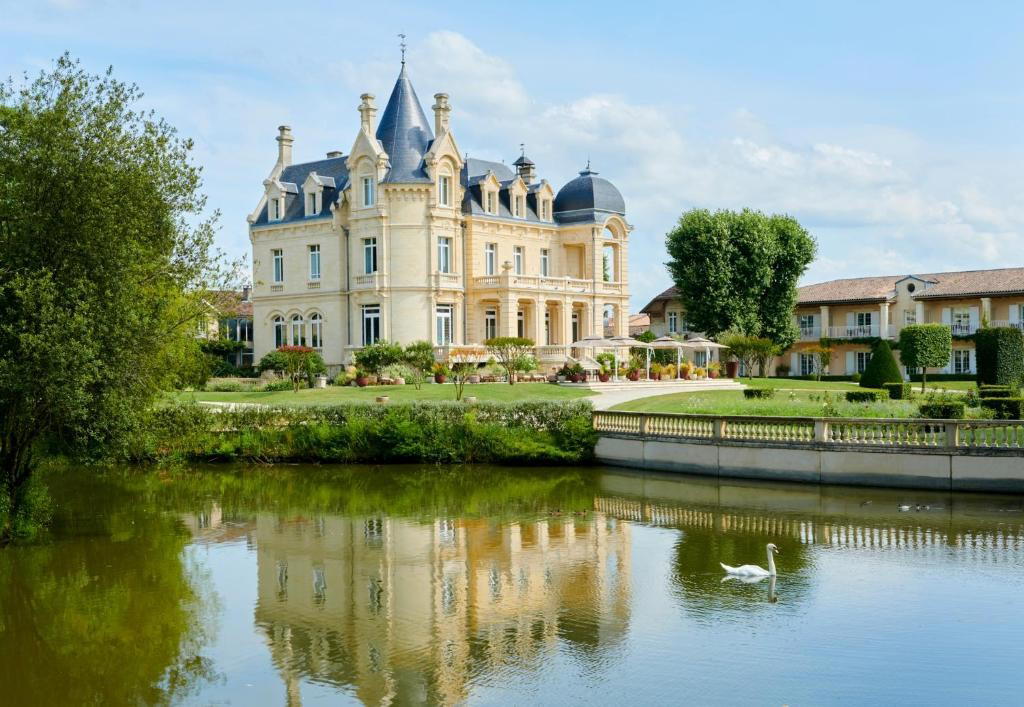
For visitors planning around wine commitments, the Hotel Grand Barrail offers an integrated château-hotel-restaurant option that positions Saint-Émilion dining within an overnight stay. Le Clos du Roy, at its village-centre address, appeals to a different use case: the visitor already based in Bordeaux or staying in the village who wants a dinner anchored in the medieval streetscape rather than in château grounds. Both are legitimate strategies for the same appellation; the choice depends on whether the setting or the table itself takes priority.
Our full Saint-Émilion restaurants guide maps the village's complete dining range across formats and price tiers.
The Broader French Fine-Dining Reference Frame
Saint-Émilion's premium restaurants operate in a country where the critical reference points are well-established and demanding. The French fine-dining tradition that Le Clos du Roy's address places it adjacent to includes houses operating at a significantly higher recognition level: Alléno Paris au Pavillon Ledoyen, Troisgros - Le Bois sans Feuilles in Ouches, Auberge de l'Ill in Illhaeusern, and Paul Bocuse - L'Auberge du Pont de Collonges in Collonges-au-Mont-d'Or. Those houses carry documented Michelin recognition at the highest tier and operate as national reference points for what French regional cooking can achieve at scale. Village restaurants in Saint-Émilion are not competing at that level, and are not trying to. The appeal is different: proximity to the appellation, a specific geographic atmosphere, and the integration of wine into the meal as a primary rather than supporting element.
For travellers comparing the Saint-Émilion dining experience to other French regional formats, Flocons de Sel in Megève, AM par Alexandre Mazzia in Marseille, Assiette Champenoise in Reims, and Au Crocodile in Strasbourg each illustrate how French fine dining adapts its identity to a specific regional terroir and visitor profile. The Reims comparison is particularly apt: like Saint-Émilion, Champagne's capital has built a dining culture that exists in direct dialogue with the wine geography around it.
Planning Your Visit
Le Clos du Roy sits at 12 Rue de la Petite Fontaine in the centre of Saint-Émilion village, within walking distance of the monolithic church and the main Place du Marché. The village is approximately 40 kilometres east of Bordeaux by road, a journey of around 35 to 40 minutes depending on traffic. Trains from Bordeaux Saint-Jean reach Saint-Émilion station in around 35 minutes, though the station sits at the base of the hill and requires a short uphill walk or taxi transfer into the village itself. For visitors combining the dinner with a château visit programme, the en primeur week in April and the harvest period in September and October represent the highest-demand windows: restaurant reservations during those periods should be secured well in advance, as the village operates at capacity across all price tiers. Outside those windows, particularly in late spring and early autumn, availability at premium addresses tends to be more accessible, and the village crowd is notably lighter.
How Le Clos du Roy Saint-Emilion compares with similar nearby venues.
| Venue | Cuisine | Price |
|---|---|---|
| Logis de la Cadène | Modern Cuisine | €€€€ |
| Le Tertre | Modern Cuisine | €€ |
| La Table de Pavie | Creative | €€€€ |
| L'Envers du Décor | Traditional Cuisine | €€ |
| L'Huitrier Pie | Modern Cuisine | €€€ |
Continue exploring
More in Saint-Émilion
Restaurants in Saint-Émilion
Browse all →
Bars in Saint-Émilion
Browse all →
Hotels in Saint-Émilion
Browse all →
At a Glance
- Elegant
- Cozy
- Romantic
- Classic
- Date Night
- Special Occasion
- Group Dining
- Terrace
- Historic Building
- Wine Cellar
- Extensive Wine List
- Local Sourcing
- Street Scene
Current opening hours
- Monday
- Closed
- Tuesday
- Closed
- Wednesday
- 10 AM–9:30 PM
- Thursday
- 10 AM–9:30 PM
- Friday
- 10 AM–9:30 PM
- Saturday
- 10 AM–9:30 PM
- Sunday
- 10 AM–9:30 PM
Hours can change for holidays and private events. Last verified .
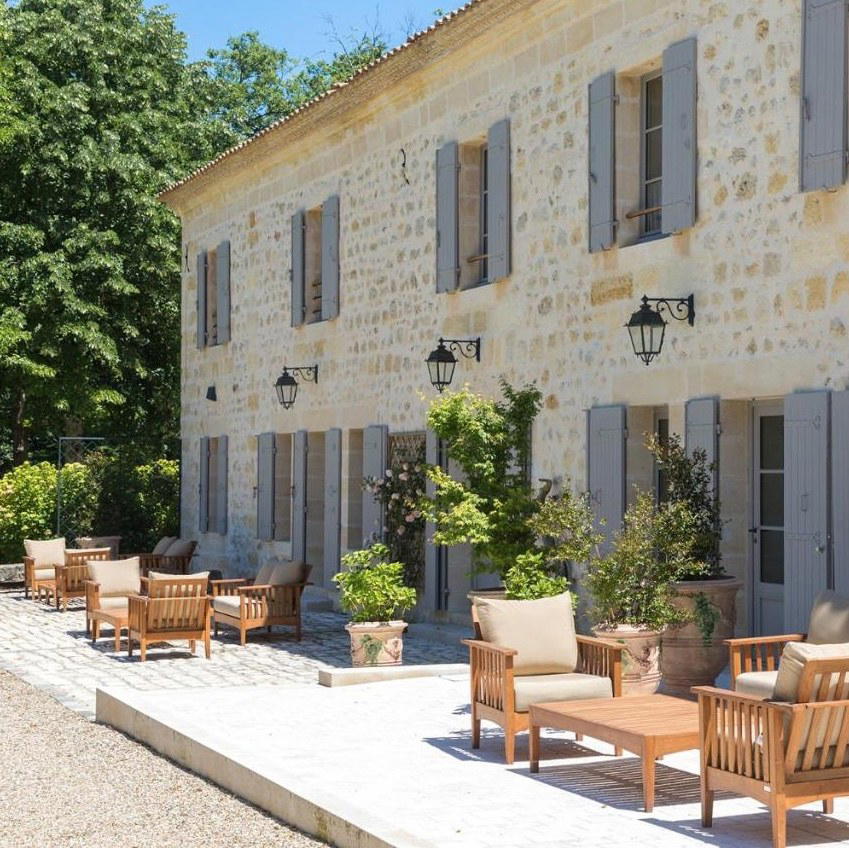
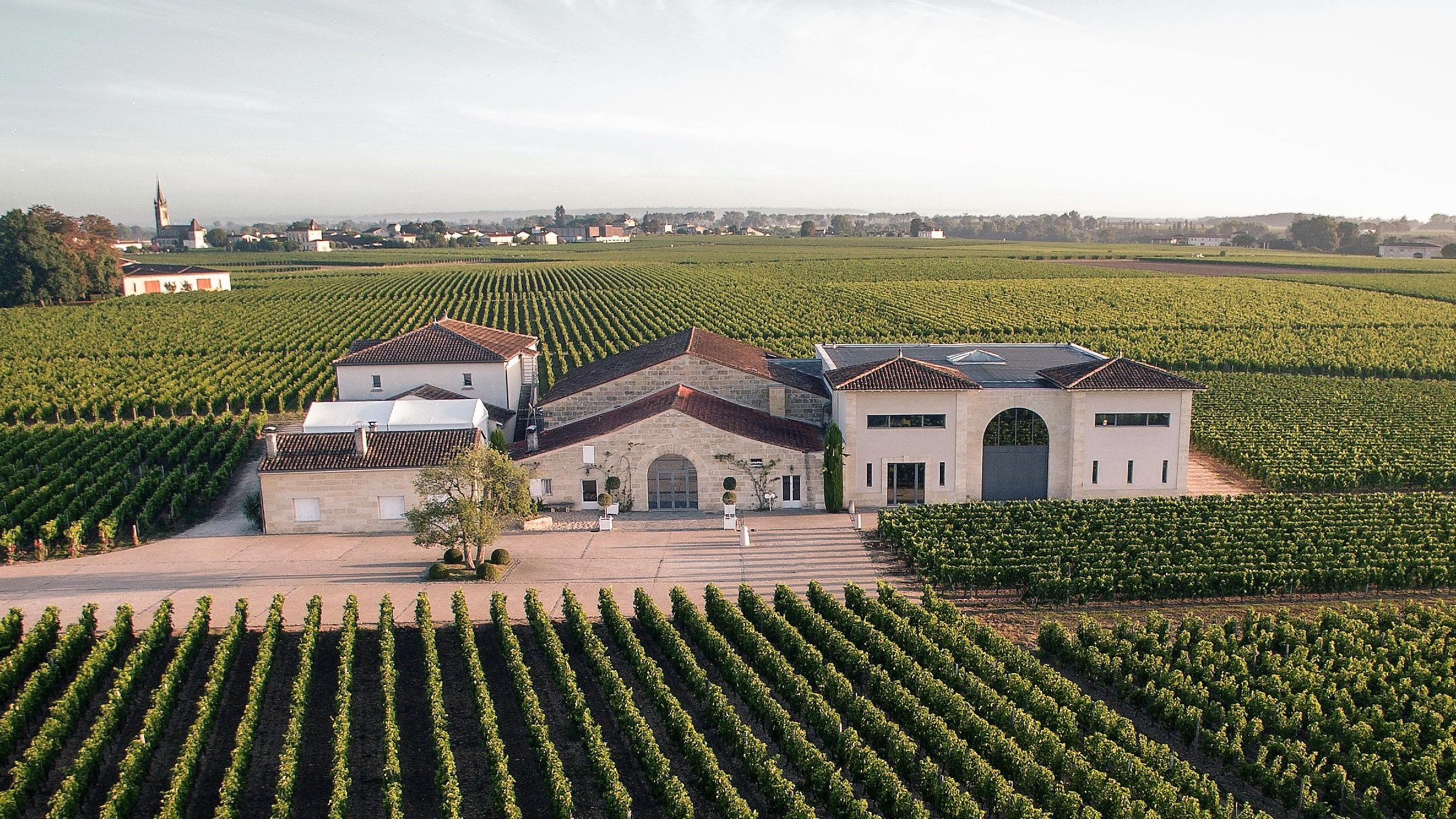
Chic and convivial atmosphere in a stone house with terrace or indoor seating, warm welcome and discreet service.
Know Before You Go
- Getting there
- 12 Rue de la Petite Fontaine, 33330 Saint-Émilion, France