Positioned on Rue Saint-Martin in the 4th arrondissement, Le Cirque operates within Paris's densely competitive fine dining circuit, where classical French technique and contemporary ambition frequently share the same postcode. The address places it within walking distance of the Pompidou Centre, in a neighbourhood where dining registers range widely. Advance planning is advised for any visit to this part of central Paris.
Pearl is the En Primeur Club membership app — saves, bookings, and concierge access live there. Same editors, same standards.
- Address
- 141 Rue Saint-Martin, 75004 Paris, France
- Phone
- +33142783500
- Website
- restaurant-le-cirque.fr
- Directions
- Get directions
 Saves & bookings on Pearl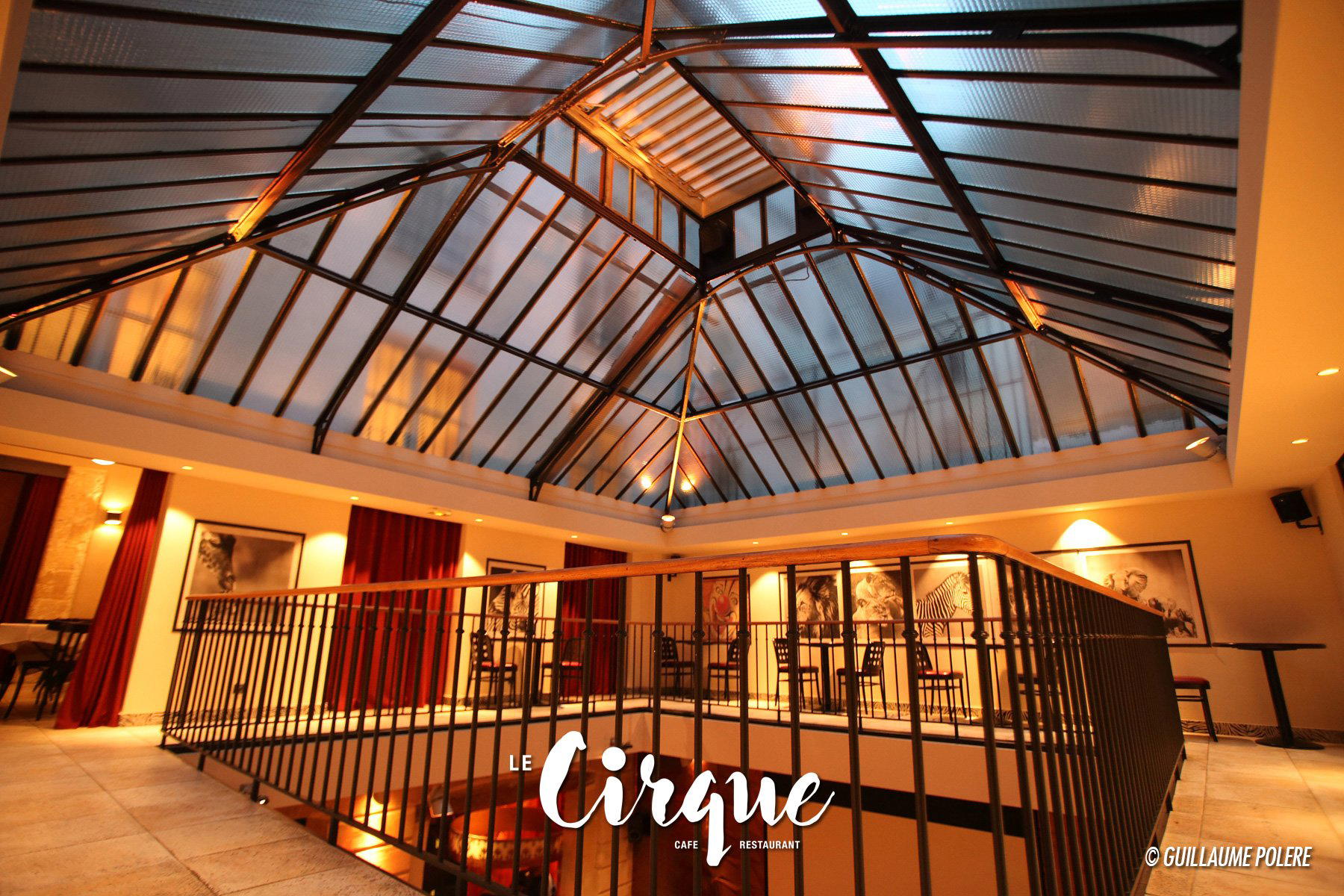
French Fine Dining and the Weight of Address
The 4th arrondissement has never been a quiet neighbourhood for restaurants. Rue Saint-Martin, where Le Cirque holds its address at number 141, runs through one of Paris's most visited central corridors, a few minutes' walk from the Centre Pompidou and the Marais grid. That location places any serious dining room in an interesting position: the foot traffic is enormous, the competition across price tiers is relentless, and the expectations carried by diners arriving from both sides of the Atlantic are rarely modest. Fine dining in this part of Paris does not exist in isolation from the city's broader culinary history, and understanding that history is a reasonable starting point for any visit.
French haute cuisine as a codified tradition dates to the late 17th and early 18th centuries, when the dissolution of aristocratic households pushed trained cooks into the public market and established the restaurant as an institution. By the 19th century, Paris had become the reference point against which all other Western culinary capitals measured themselves. That inheritance is still present in the city's top tier today, visible in the seasonal rigour of establishments like L'Ambroisie on the Place des Vosges, which has held three Michelin stars for decades and treats classical French technique as a living discipline rather than a museum piece. The same seriousness operates at Le Cinq at the Four Seasons Hôtel George V, where the kitchen operates within a grand hotel format that itself has a century-long presence in the 8th arrondissement.
The Name Le Cirque and Its Transatlantic Weight
The name Le Cirque carries specific cultural freight in the world of fine dining. Sirio Maccioni's Le Cirque in New York, which opened in 1974, became one of the defining restaurant addresses of late 20th-century American fine dining, shaping what French-inflected luxury service looked like in the United States for two generations of diners. Figures who passed through that kitchen went on to anchor serious programs elsewhere, including Eric Ripert, whose work at Le Bernardin in New York City represents arguably the most sustained expression of classical French seafood technique operating in the United States today. The Maccioni-era Le Cirque also contributed to the conversation around tasting menu formats and the choreography of service that now define the upper tier globally.
A Paris address carrying that name therefore arrives with a specific set of associations for any diner who knows the reference. Whether the Paris iteration operates in direct lineage with the New York original or represents a separate project using the same name is a question that the available record does not currently answer in full. What the address on Rue Saint-Martin does confirm is a location in one of Paris's most historically layered dining neighbourhoods, where the bar for credibility is set by proximity to serious competition across multiple categories and price points.
Where Le Cirque Sits in the Paris Fine Dining Circuit
Paris's premium restaurant tier has become increasingly stratified over the past decade. At the apex sit the multi-star addresses that function as destination dining on an international scale: Alléno Paris au Pavillon Ledoyen and Arpège both operate at three Michelin stars, with the latter's vegetable-forward tasting menu now exerting genuine influence on how high-end French kitchens approach sourcing. Below that tier sits a dense layer of two-star and ambitious one-star rooms, many of which have shifted toward contemporary interpretations of classical frameworks. Kei, for example, operates a French-Japanese synthesis at the Michelin two-star level, demonstrating the degree to which Paris's fine dining conversation now accommodates non-French technical traditions within an essentially French structural framework.
A venue on Rue Saint-Martin in the 4th is not geographically adjacent to the 8th arrondissement cluster that houses many of Paris's highest-profile tables, but proximity to the Marais places it within a neighbourhood that has developed a serious independent dining identity over the past two decades. For a broader orientation to the city's full range, our full Paris restaurants guide maps the scene across arrondissements and price tiers.
French Fine Dining Beyond the Capital
For diners building a France itinerary around serious restaurant experiences, the Paris circuit is only one part of the picture. The regional tradition is, in several respects, where French cuisine's deepest roots remain visible. Paul Bocuse's Auberge du Pont de Collonges near Lyon holds a place in the historical record that no Paris room can replicate in quite the same terms. Auberge de l'Ill in Illhaeusern in Alsace represents a multigenerational model of family-run fine dining that is structurally different from the chef-driven urban format that dominates Paris. Further south, Mirazur in Menton has held the number one position on the World's 50 Best list and operates in a Mediterranean register that reflects both French and Argentine influence through its chef. Bras in Laguiole pioneered the biodynamic and terroir-first approach in the Aubrac highlands long before that vocabulary became standard in fine dining discourse. Flocons de Sel in Megève and Troisgros in Ouches extend that regional argument further, as does Auberge du Vieux Puits in Fontjoncouse and Au Crocodile in Strasbourg. In the south, AM par Alexandre Mazzia in Marseille and Assiette Champenoise in Reims round out a national picture that rewards movement beyond the capital. For a very different register of ambition, Atomix in New York City offers a point of comparison on how non-European fine dining traditions are redefining the global conversation.
Planning a Visit
Le Cirque is located at 141 Rue Saint-Martin, 75004 Paris, in the 4th arrondissement, accessible from the Rambuteau or Hôtel de Ville metro stations. Given the limited publicly available data on this address at the time of writing, including hours, pricing, and booking procedures, contacting the venue directly or checking current reservation platforms before visiting is strongly advised. For any fine dining address in central Paris operating at a serious level, reservations made well in advance of intended visit dates are the standard approach, particularly for Thursday through Saturday evenings. Current hours, formats, and availability should always be confirmed with the restaurant.
How Le Cirque Paris compares with similar nearby venues.
| Venue | Cuisine | Price |
|---|---|---|
| Matka | Polish | €€ |
Continue exploring
More in Paris
Restaurants in Paris
Browse all →
Bars in Paris
Browse all →
Hotels in Paris
Browse all →
At a Glance
- Lively
- Cozy
- Classic
- Brunch
- Casual Hangout
- Terrace
- Open Kitchen
- Street Scene
Current opening hours
- Monday
- 8 AM–2 AM
- Tuesday
- 8 AM–2 AM
- Wednesday
- 8 AM–2 AM
- Thursday
- 8 AM–2 AM
- Friday
- 8 AM–2 AM
- Saturday
- 8 AM–2 AM
- Sunday
- 8 AM–2 AM
Hours can change for holidays and private events. Last verified .
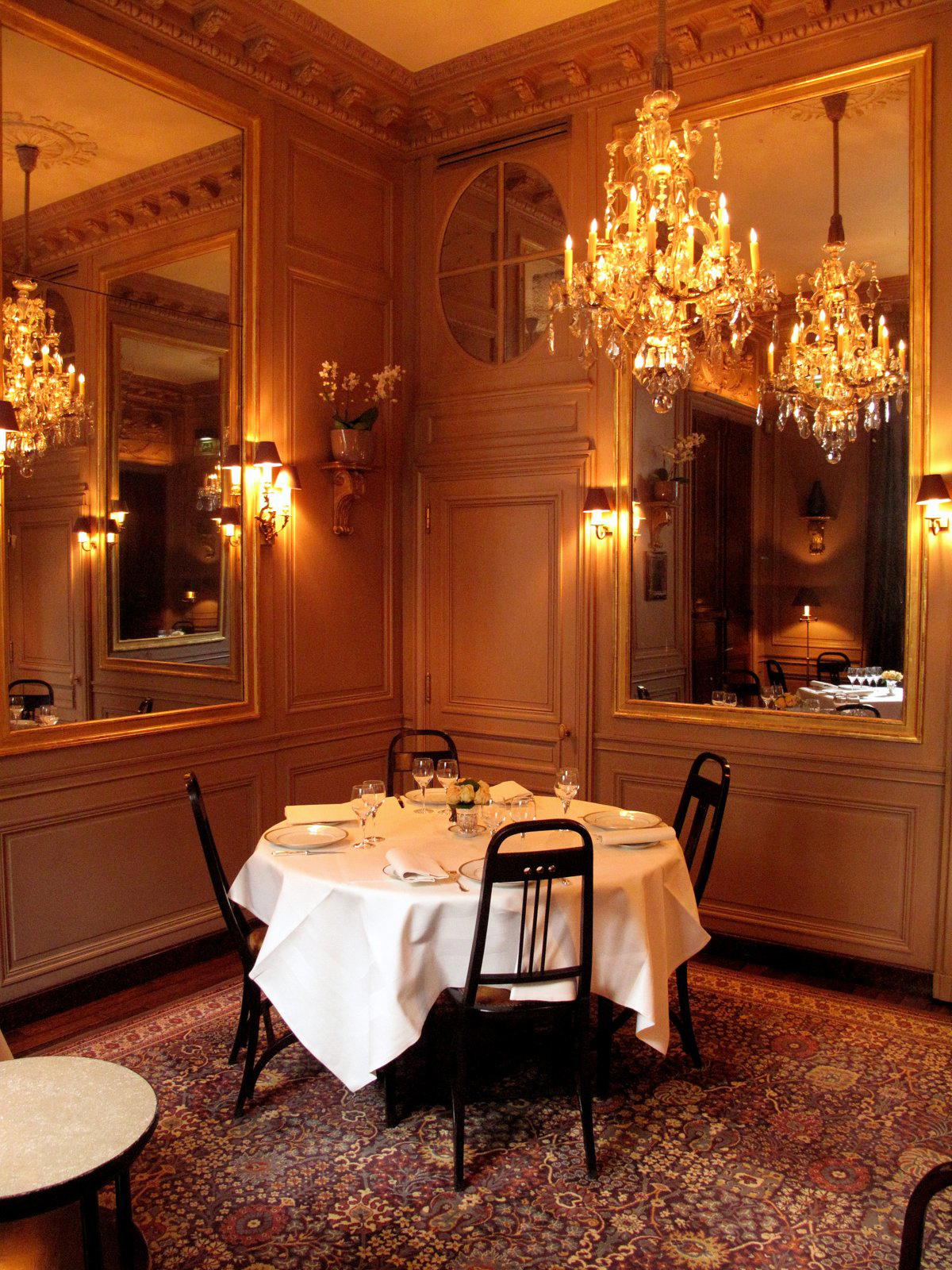
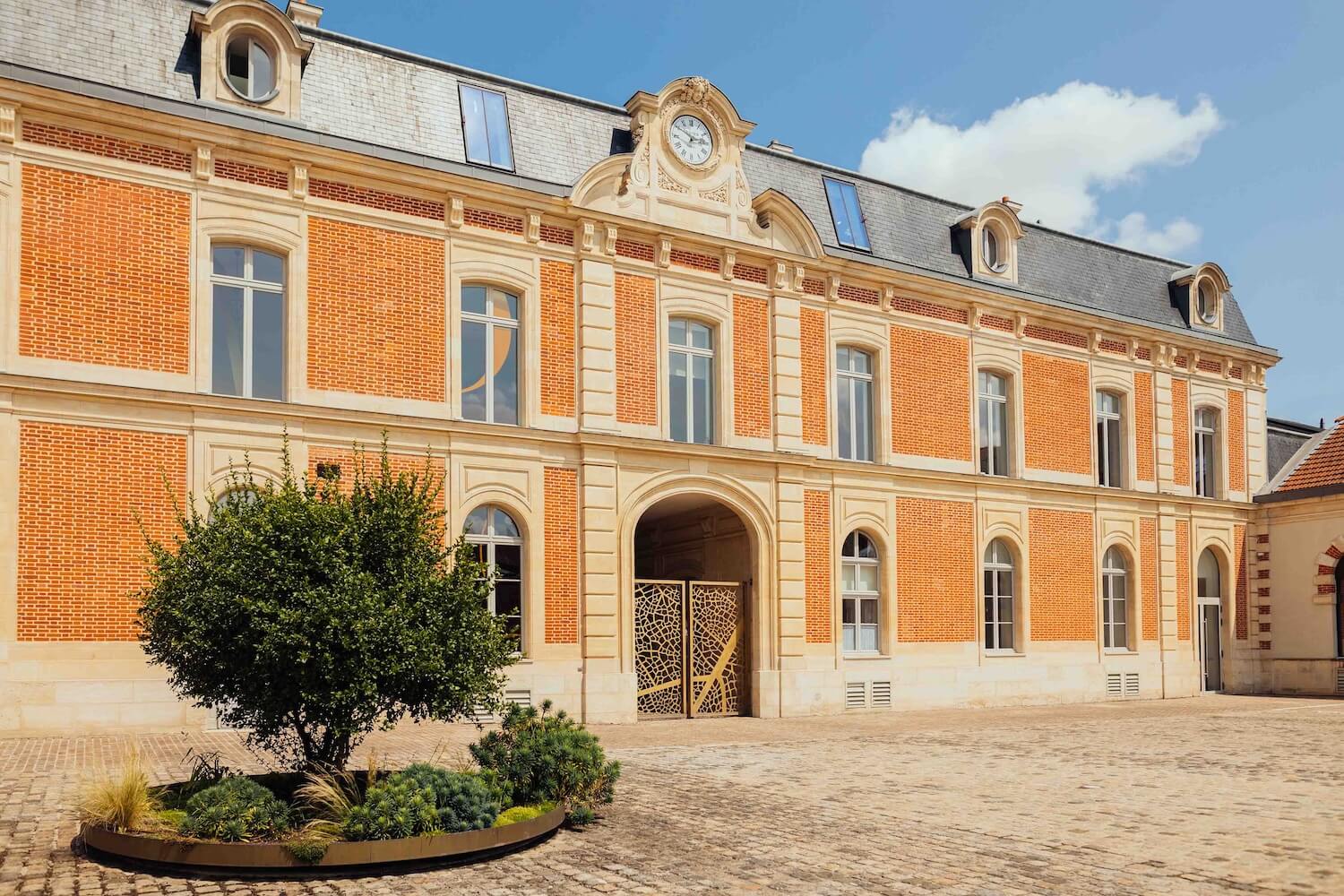
Cozy atmosphere of an 18th-century mansion with warm terrace seating and lively, contemporary circus theme.
Know Before You Go
- Getting there
- 141 Rue Saint-Martin, 75004 Paris, France