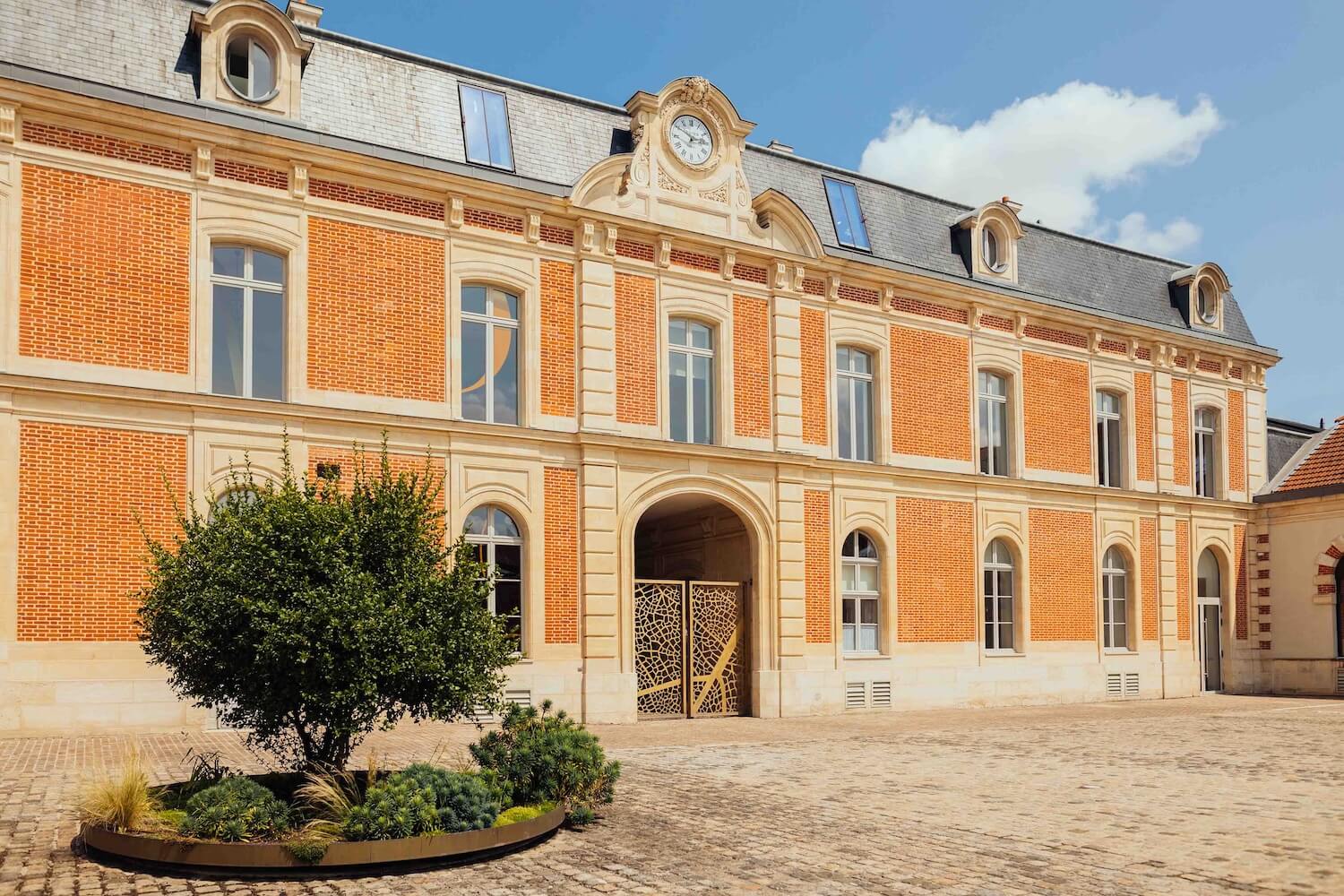
On Rue Saint-Benoît in the 6th arrondissement, Bel Ami Café occupies a literary address in the heart of Saint-Germain-des-Prés, where the neighbourhood's tradition of café culture meets a wine-forward approach to the Paris afternoon. Positioned between the grand-table formality of nearby three-star rooms and the utilitarian brasserie, it holds a middle register that the 6th does particularly well.
Pearl is the En Primeur Club membership app — saves, bookings, and concierge access live there. Same editors, same standards.
- Address
- 7 Rue Saint-Benoît, 75006 Paris, France
- Phone
- +33142615353
- Website
- hotelbelami-paris.com
- Directions
- Get directions
 Saves & bookings on Pearl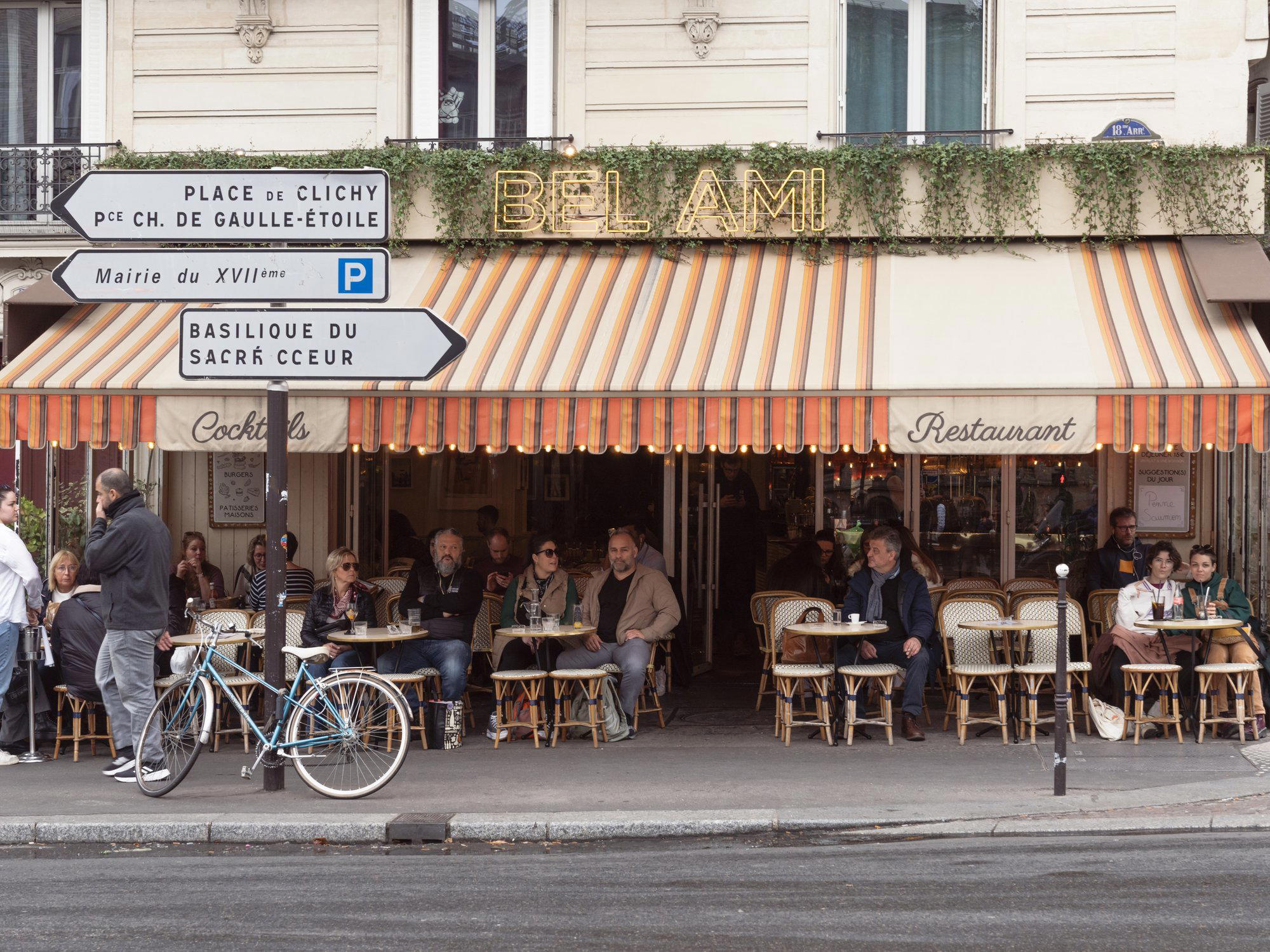
Saint-Germain's Middle Register
Rue Saint-Benoît sits one block from Boulevard Saint-Germain, which means it inherits the neighbourhood's density of serious eating and drinking without carrying the Boulevard's tourist-facing pressure. The cafés and smaller dining rooms along this street have historically served the literary and publishing crowd that defined Saint-Germain-des-Prés from the postwar decades onward. That context still shapes expectations: a room on this address is measured against a tradition of considered, unfussy hospitality rather than against the theatrical ambition of the grand-table circuit.
Paris's 6th arrondissement now contains two overlapping dining tiers. At the formal end, rooms such as L'Ambroisie and Le Cinq at the Four Seasons Hôtel George V operate at the €€€€ ceiling with Michelin recognition to match. At the other end, tourist-facing brasseries on the main boulevards trade on postcard Paris rather than kitchen depth. Bel Ami Café at 7 Rue Saint-Benoît occupies the quieter middle ground between those poles, where the wine list and the quality of a simple plate matter more than tablecloth formality or Instagram staging.
The Wine Argument on Rue Saint-Benoît
Saint-Germain has always been a neighbourhood where the wine conversation travels between tables. The area's proximity to the 7th and its proximity to several independent wine importers and natural-wine advocates means that smaller cafés and bistros in the 6th have, over the past decade, developed wine programs that outrun their room size. A focused list in a compact café setting is now a recognisable format in this part of Paris, one that positions the room against the city's broader natural and low-intervention wine movement rather than against the deep Burgundy and Bordeaux cellars of the grand rooms.
In that context, what a café-scale venue on this street selects and pours by the glass carries editorial weight. The curation philosophy — whether it runs toward regional Loire producers, biodynamic Burgundy négociants, or the southern appellations that have attracted sommelier attention in recent years — tells a visitor more about where a room sits in the Paris wine conversation than any single label. Peer venues in the 6th and 7th that have built reputations around glass-program depth include addresses that draw the wine trade for lunch precisely because the by-the-glass selection changes with producer arrivals. It is a model that rewards the regular over the occasional visitor.
Café Culture as Editorial Tradition
The café as a serious food and wine venue is a specifically Parisian institutional form, distinct from the Italian bar model and distinct from the Anglo-American gastropub. In the 6th, that form reached its postwar peak with the cafés around Place Saint-Germain-des-Prés and has since been diluted by commercial pressure on the main square while surviving in better form on the side streets. Rue Saint-Benoît, named for the Benedictine abbey that once occupied this part of the Left Bank, has preserved enough of that secondary-street character to remain a credible address for the format.
For comparison within France's broader fine-dining geography, the distance between a Saint-Germain café and a destination restaurant like Mirazur in Menton or Flocons de Sel in Megève is not simply one of formality but of intention. The café form is built for daily use, for the two-hour lunch that returns to work, for the glass taken at the counter before dinner elsewhere. The destination restaurant is built for the dedicated occasion. Both are legitimate; they answer different questions. Bel Ami Café answers the daily-use question on an address with genuine historical weight.
That said, the French regional tradition of serious cooking in less formal settings is well-documented. Addresses like Auberge du Vieux Puits in Fontjoncouse, Bras in Laguiole, and Auberge de l'Ill in Illhaeusern demonstrate that regionality and informality are not mutually exclusive with ambition. The Paris café tradition draws on that same understanding: the plate does not need white-tablecloth framing to be taken seriously.
Positioning Against the Paris Creative Circuit
Visitors who arrive in Paris oriented toward the city's creative and contemporary dining circuit, rooms like Alléno Paris au Pavillon Ledoyen, Arpège, or Kei, will find that those experiences and a neighbourhood café visit on Rue Saint-Benoît serve entirely different functions in a Paris itinerary. The grand rooms require advance booking windows of weeks or months, formal dress consideration, and a three-hour commitment. The café visit is what you do the morning after, or the afternoon before, when the city asks to be taken at a slower pace.
For international visitors arriving from markets where the café format is less developed, the comparison point might be the counter-dining tradition that has developed in New York and San Francisco. Rooms like Le Bernardin in New York City and Lazy Bear in San Francisco occupy the formal end of those cities' spectrums; their equivalent of the Paris café, the intentional, wine-forward, daily-rhythm room, is a different category altogether, and one that Paris still executes with more institutional confidence than most cities.
Planning Your Visit
Bel Ami Café is located at 7 Rue Saint-Benoît, 75006 Paris, in the Saint-Germain-des-Prés quarter of the 6th arrondissement. The nearest Métro stop is Saint-Germain-des-Prés on Line 4, approximately two minutes on foot. The address sits within walking distance of the major Left Bank museums and the Seine riverbank, making it a practical stop within a broader 6th-arrondissement afternoon. Dress: Saint-Germain café dress runs toward smart-casual; the neighbourhood's literary history has always favoured presentation over formality. Booking: Walk-in is the traditional mode for café visits in this part of Paris, though demand at smaller rooms can run ahead of capacity during peak lunch hours from Thursday through Saturday.
For a broader view of where Bel Ami Café sits within Paris's full dining geography, see our full Paris restaurants guide. Those planning a France itinerary beyond Paris will find useful context in our coverage of Les Prés d'Eugénie in Eugénie-les-Bains, Georges Blanc in Vonnas, Troisgros in Ouches, Paul Bocuse in Collonges-au-Mont-d'Or, and La Table du Castellet in Le Castellet.
Continue exploring
More in Paris
Restaurants in Paris
Browse all →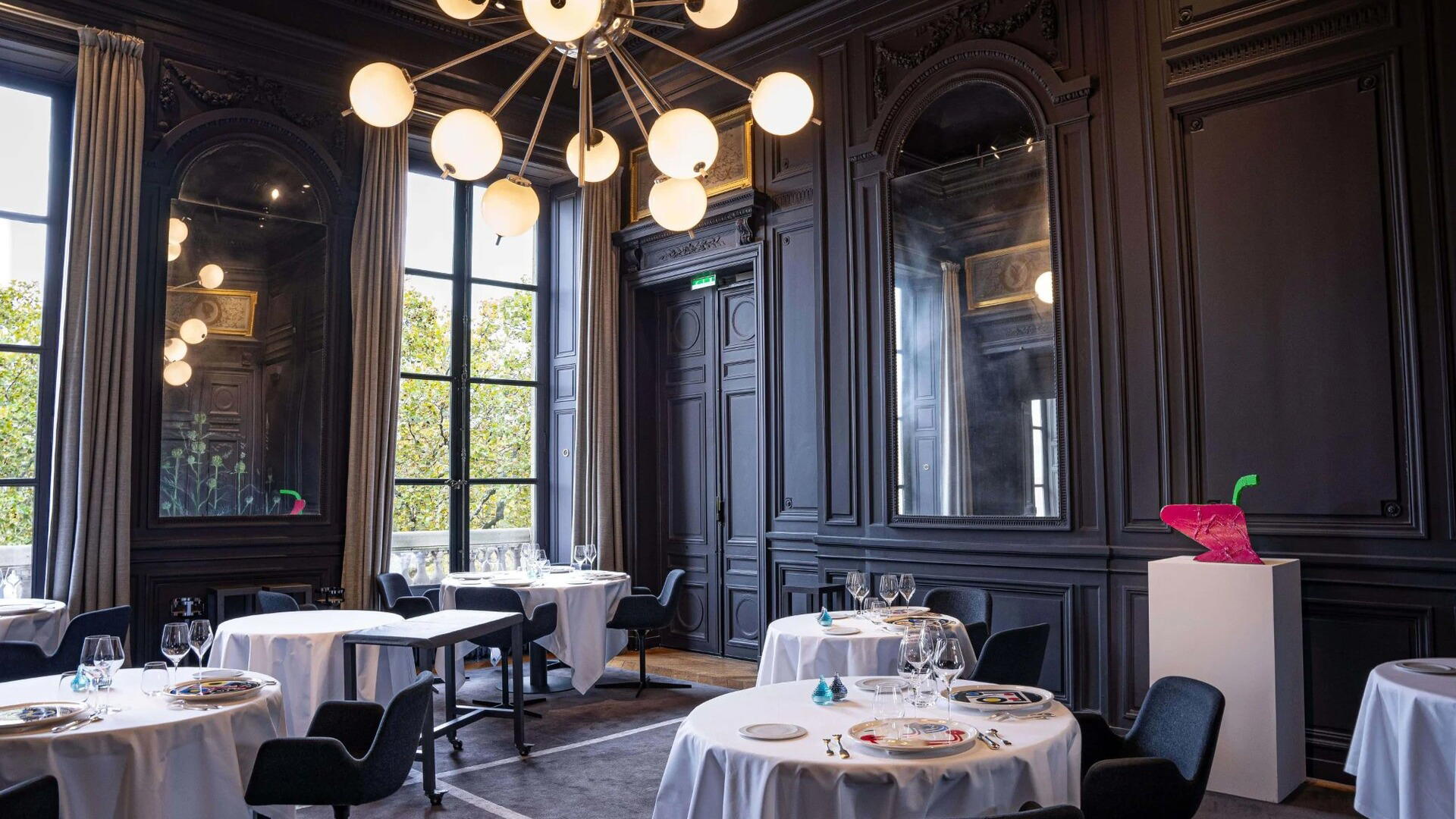
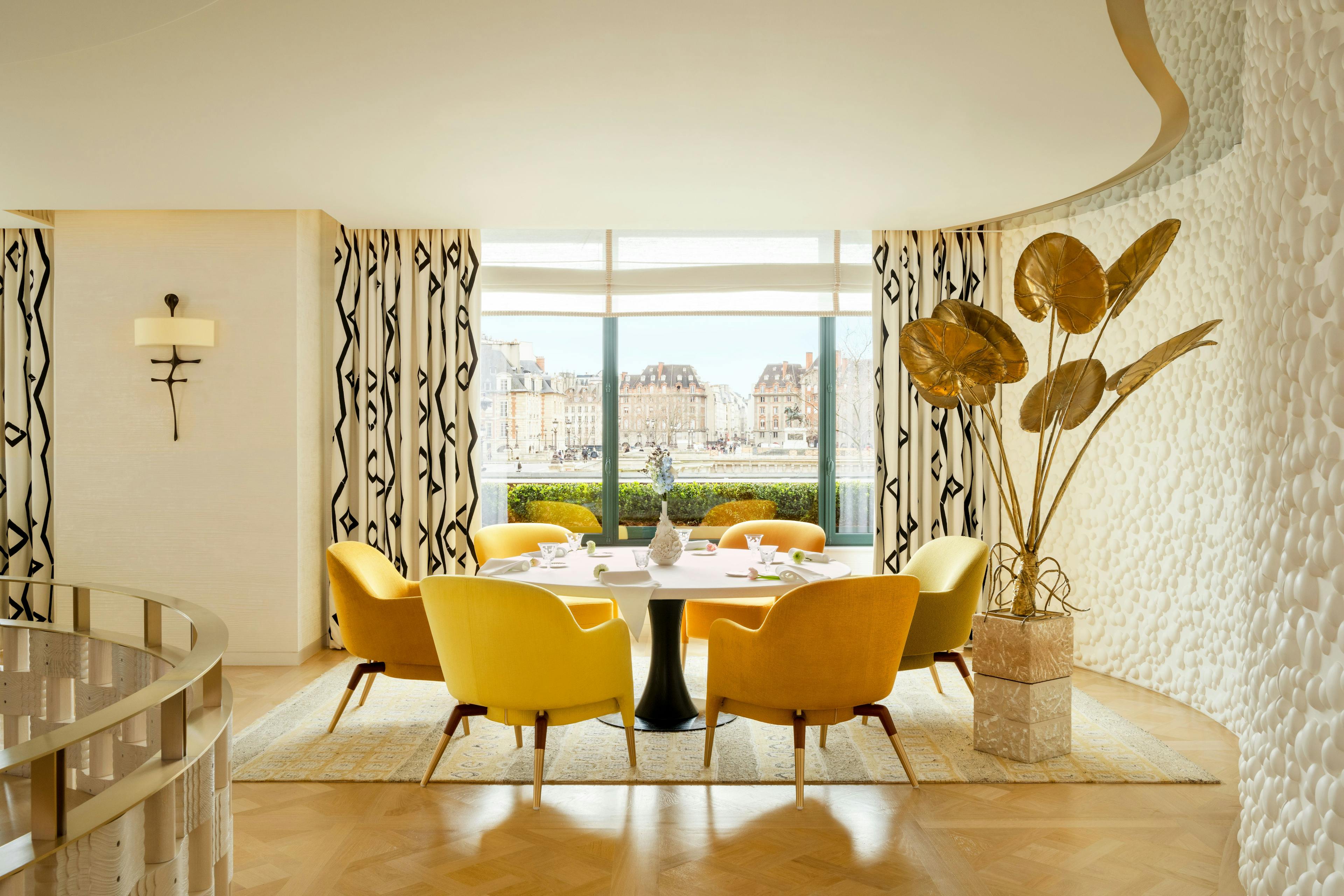
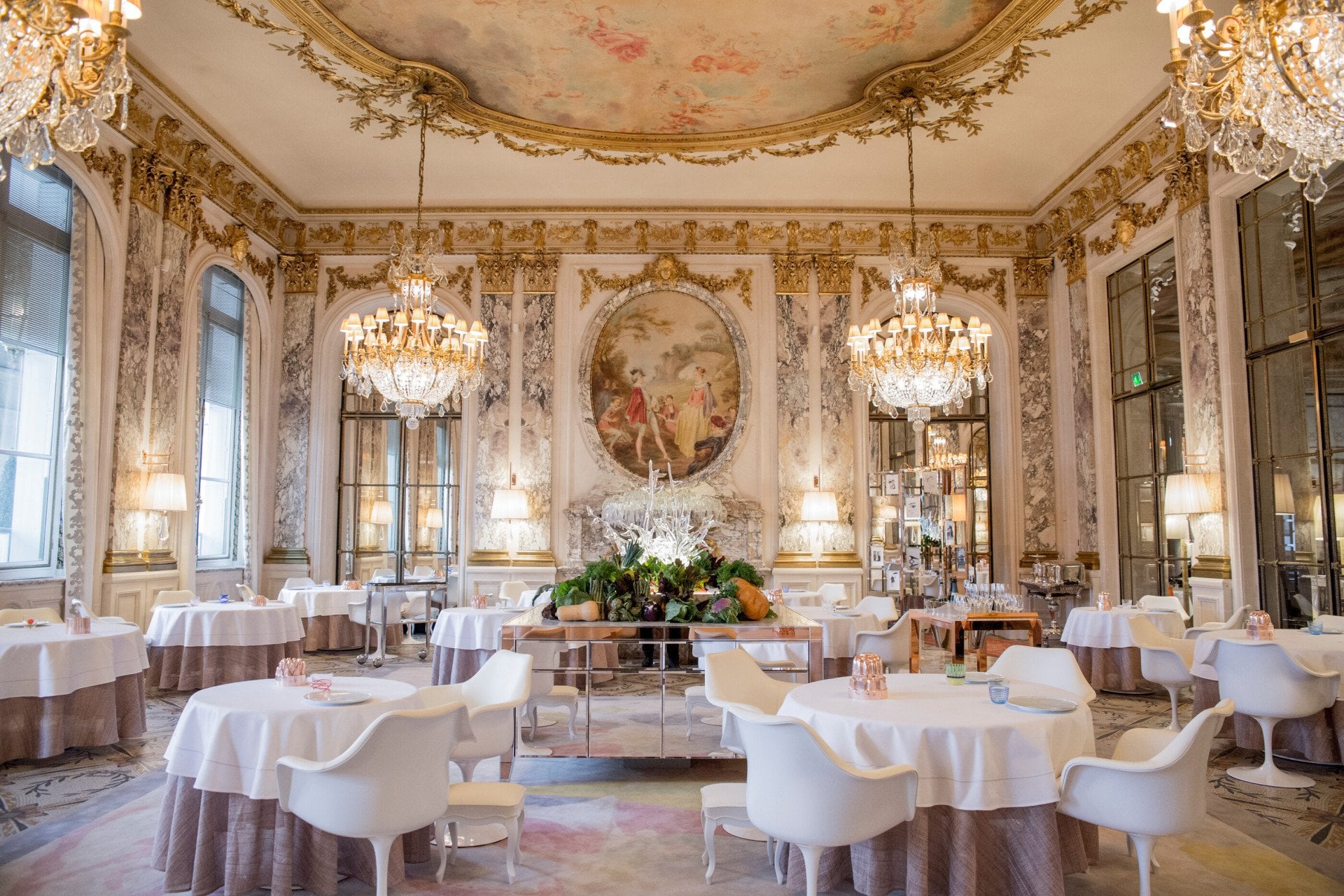
Bars in Paris
Browse all →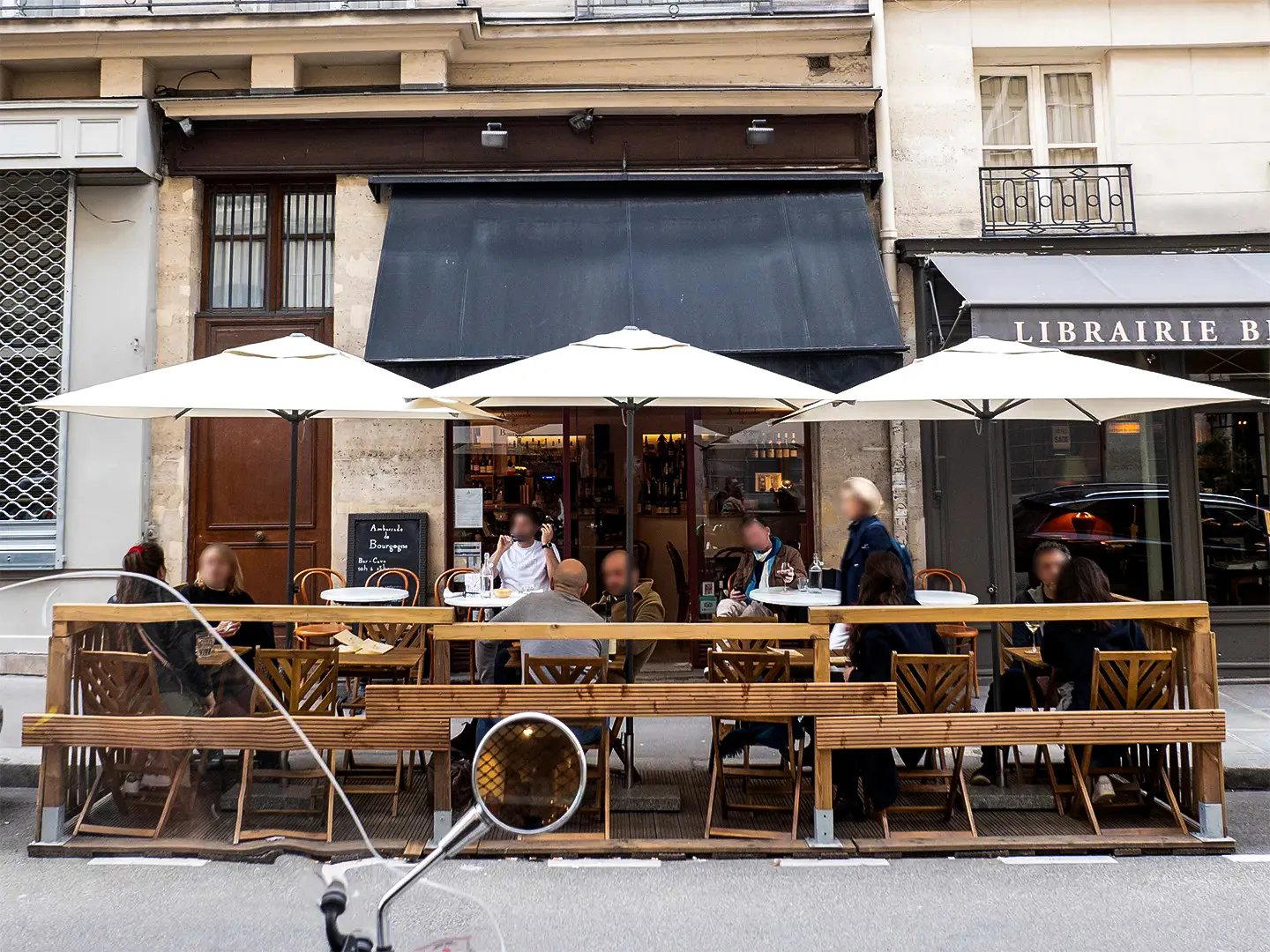
Hotels in Paris
Browse all →



At a Glance
- Lively
- Trendy
- Cozy
- Brunch
- Casual Hangout
- Hotel Restaurant
- Terrace
- Craft Cocktails
- Local Sourcing
- Street Scene
Current opening hours
- Monday
- Closed
- Tuesday
- Closed
- Wednesday
- Closed
- Thursday
- Closed
- Friday
- Closed
- Saturday
- Closed
- Sunday
- 12–3 PM
Hours can change for holidays and private events. Last verified .
Bright and cozy with natural light from large bay windows, eclectic decor, and a warm, inviting feel.
Know Before You Go
- Getting there
- 7 Rue Saint-Benoît, 75006 Paris, France