Canard et Champagne occupies a covered arcade address in the 2nd arrondissement, placing it inside the Passage des Panoramas, one of Paris's oldest surviving galeries. The format centres on duck preparations paired with Champagne, a combination that reads as deliberately narrow in scope but signals confidence in the pairing. For visitors to the Right Bank arcade circuit, it functions as a tightly focused alternative to the broader brasserie offer nearby.
Pearl is the En Primeur Club membership app — saves, bookings, and concierge access live there. Same editors, same standards.
- Address
- 57 Pass. des Panoramas, 75002 Paris, France
- Phone
- +33983300686
- Website
- frenchparadox.paris
- Directions
- Get directions
 Saves & bookings on Pearl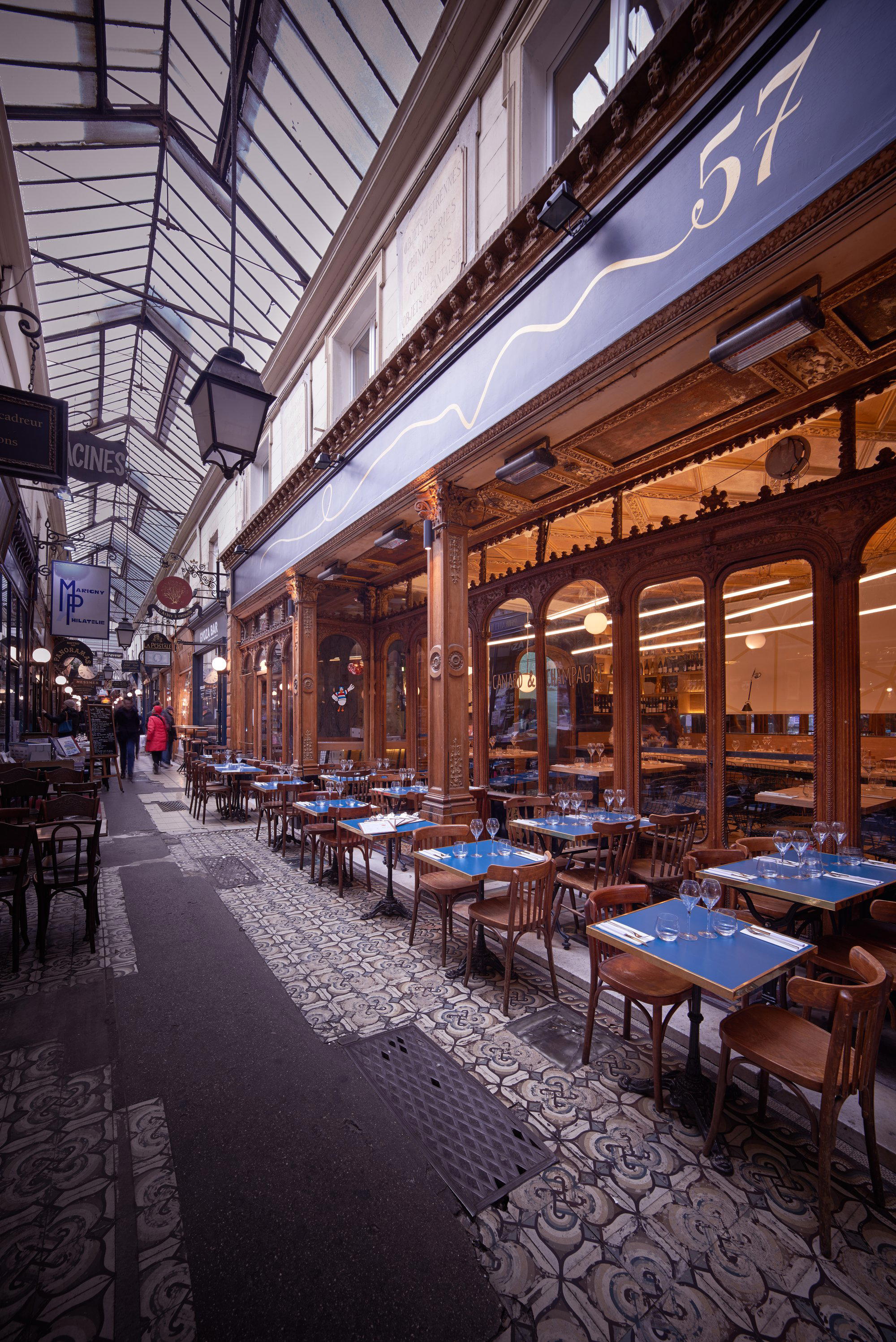
An Arcade Address with a Specific Argument to Make
The Passage des Panoramas predates Haussmann's renovation of Paris by several decades. Opened in 1800, it was among the first covered arcades in the city and, for a period in the nineteenth century, among the more commercially active streets in the capital. Today the galerie runs between the Boulevard Montmartre and the Rue Saint-Marc in the 2nd arrondissement, threading through a mix of philatelic dealers, crêperies, and restaurants. The foot traffic here is different from that on the grands boulevards outside: slower, more deliberate, oriented toward curiosity rather than convenience. That context matters for understanding what a restaurant like Canard et Champagne is doing in this location.
Paris has many restaurants built around a single protein and a single wine category, the format has precedent in the city's bistrot tradition, where a house speciality anchors the menu and repetition becomes a form of quality signal. Duck, specifically, has a long institutional presence in French cooking, from the confit preparations of the southwest to the pressed duck at Tours d'Argent. Champagne pairings at the table-rather than-aperitif level have become more common over the past decade as producers and sommeliers have pushed the category beyond its celebratory-occasion positioning. Canard et Champagne sits at the intersection of both trends: a format that narrows the menu deliberately, and a wine pairing that takes Champagne seriously as a food wine rather than an arrival drink.
How the Format Has Evolved in This Corner of Paris
The evolution of the Passage des Panoramas as a dining destination tracks a broader Parisian pattern in which covered arcades, the Galerie Vivienne, the Passage Jouffroy, the Passage des Panoramas itself, have moved from relative obscurity into active curation. A decade ago, the arcade's restaurant offer was thinner and more incidental to the experience of walking through. The shift toward named restaurants with defined concepts represents a reinvention of what the arcade can commercially support.
Within that context, the duck-and-Champagne pairing format represents a deliberate positioning decision. Rather than competing with the multi-course tasting menus that dominate the attention of international visitors at tables like Alléno Paris au Pavillon Ledoyen or Arpège, a focused concept in an arcade setting competes on specificity and atmosphere rather than on prestige or ceremony. That is a meaningful distinction in a city where the formal dining register is well served by institutions like L'Ambroisie on the Place des Vosges or Le Cinq at the Four Seasons George V. The Passage des Panoramas address signals a different kind of meal: more casual in register, specific in focus, and embedded in a physical setting that carries its own narrative.
The evolution of single-product restaurant concepts in Paris over the past fifteen years has also been shaped by a broader re-evaluation of what French cuisine means at different price points. The high-formality palace dining tradition, represented by three-star rooms with brigade service and printed menus, coexists with a younger restaurant culture that takes shorter menus, open kitchens, and narrow product focus as indicators of seriousness rather than limitation. Canard et Champagne reads within that second tradition, where restraint of scope is its own form of argument. Comparable focused formats have appeared successfully in other French cities and internationally, from the product-driven counter restaurants of Lyon to the single-subject dining format at places like Lazy Bear in San Francisco, though the execution and ambition vary considerably across that range.
Duck as a Subject, Not Just a Protein
French duck cookery has regional depth that extends well beyond the duck confit of Gascony or the magret preparations associated with Périgord. The bird appears across the regional canon: in the pressed-duck preparation at the Tour d'Argent, in the duck foie gras preparations of Alsace (documented at generational houses like Auberge de l'Ill in Illhaeusern), and in the braised preparations that appear in the bistrot tradition from Burgundy through the Languedoc. A restaurant format that places duck at the centre of the menu is, in that sense, engaging with a large and well-documented tradition rather than inventing one.
The Champagne pairing argument is more contemporary. Champagne's acidity and effervescence perform specific functions with fatty preparations, cutting through rendered duck fat in a way that heavier red wines do not, and amplifying rather than suppressing the richness of the meat. The positioning of Champagne as a food wine rather than a pre-dinner drink has been advanced both by growers in the region and by sommeliers across France and internationally. A restaurant format that centres this pairing is making a wine-forward argument that would be legible to an educated dining public and differentiating for a broader tourist audience encountering the combination for the first time.
The Arcade Setting as Context
Arriving at 57 Passage des Panoramas means entering through one of the arcade's several street-level openings and walking through a covered corridor that retains much of its nineteenth-century structure: iron and glass roof, mosaic flooring, narrow frontages. The physical character of the space is not incidental to the dining experience, it shapes the pace, the noise level, and the sense of occasion. Arcade dining in Paris tends toward the convivial rather than the ceremonial, and the setting reinforces a meal format that pairs well with that register.
For visitors covering the Right Bank dining circuit, the Passage des Panoramas sits within walking distance of the grands boulevards and the theatre district, making it a logical evening destination before or after other engagements in the area. The arcade's concentration of specialist retailers also makes it worth approaching as a destination in its own right rather than purely as a restaurant address.
For context on how French regional cooking handles duck and poultry across different registers, the generational houses are instructive: Georges Blanc in Vonnas, Bras in Laguiole, and Les Prés d'Eugénie in Eugénie-les-Bains each show how French kitchens have treated classical ingredients with evolving technique across decades. The contrast with a focused arcade concept in Paris is, in its own way, an illustration of how broadly the French dining tradition accommodates different scales and registers of seriousness.
Planning Your Visit
Canard et Champagne is located at 57 Passage des Panoramas in the 2nd arrondissement. The nearest Métro access is via the Grands Boulevards station (lines 8 and 9). The arcade itself has multiple entry points and operates on foot-traffic hours that differ from a standalone street address; arriving via the Rue Saint-Marc or Boulevard Montmartre entrances both deposit you into the covered corridor within a short walk of the address. Current hours are Mon to Fri 12 to 2:30 PM and 7 to 10:30 PM; Sat and Sun 12 to 10:30 PM. Reservations are recommended, and the price tier is moderate.
Where the Accolades Land
Comparable venues nearby, for context on price, style, and recognition.
| Venue | Cuisine | Price | Notes |
|---|---|---|---|
| Canard et ChampagneThis venue — the venue you are viewing | Classic French Duck & Champagne Bistro | $$ | Not listed |
| Dépôt Légal | Modern French Bistro | $$ | Vivienne |
| Lézard Café | Classic French Brasserie | $$ | Montorgueil |
| Le Rubis | Traditional French Bistro | $$ | 2nd arrondissement |
| Café Mélia | Traditional French Bistro | $$ | Le Marais |
| Wepler | Classic French Brasserie & Seafood | $$ | 18th Arrondissement |
At a Glance
- Cozy
- Classic
- Intimate
- Date Night
- Casual Hangout
- Special Occasion
- Historic Building
- Extensive Wine List
- Local Sourcing
- Street Scene
Current opening hours
- Monday
- 12–2:30 PM, 7–10:30 PM
- Tuesday
- 12–2:30 PM, 7–10:30 PM
- Wednesday
- 12–2:30 PM, 7–10:30 PM
- Thursday
- 12–2:30 PM, 7–10:30 PM
- Friday
- 12–2:30 PM, 7–10:30 PM
- Saturday
- 12–10:30 PM
- Sunday
- 12–10:30 PM
Hours can change for holidays and private events. Last verified .
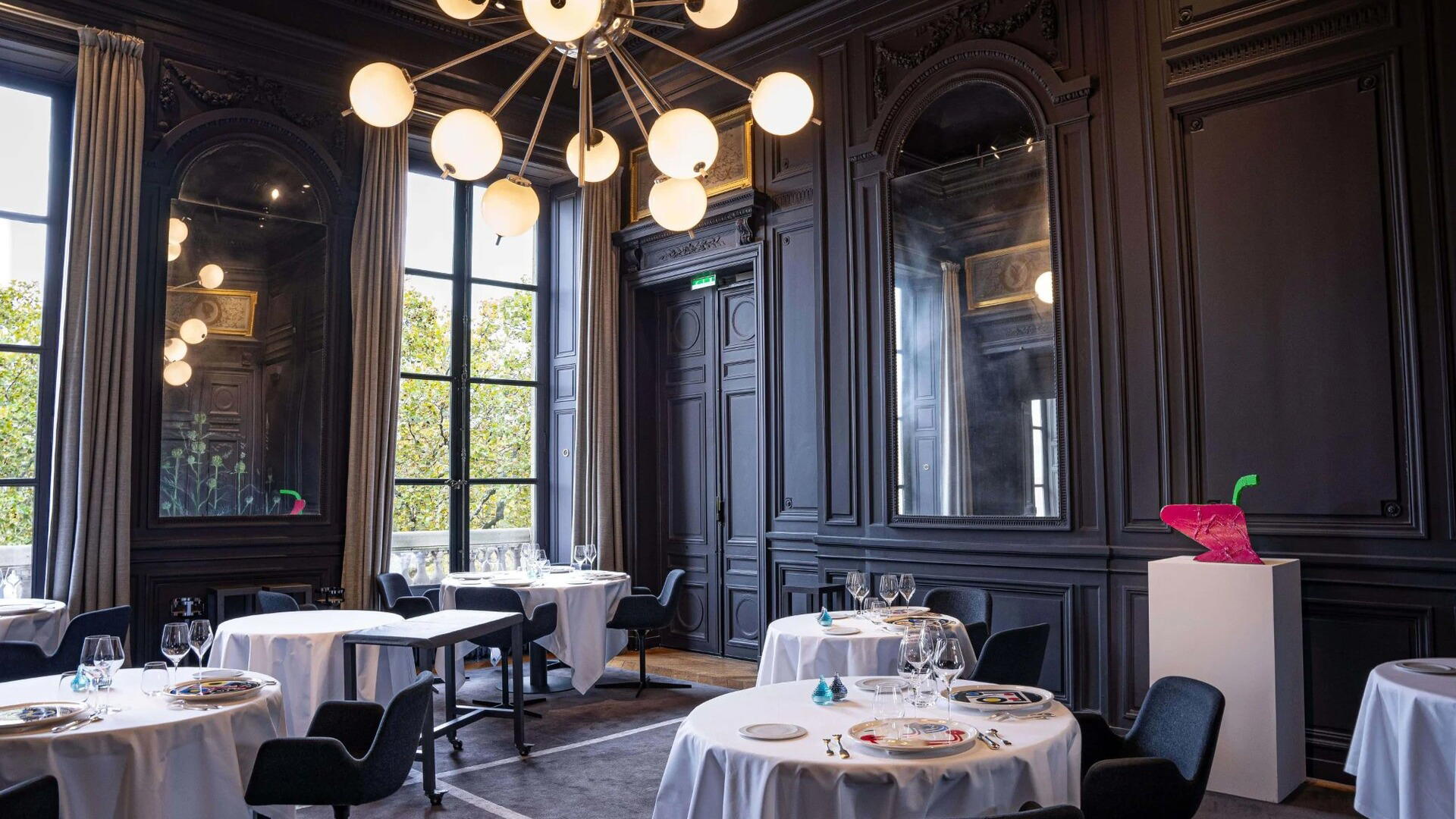
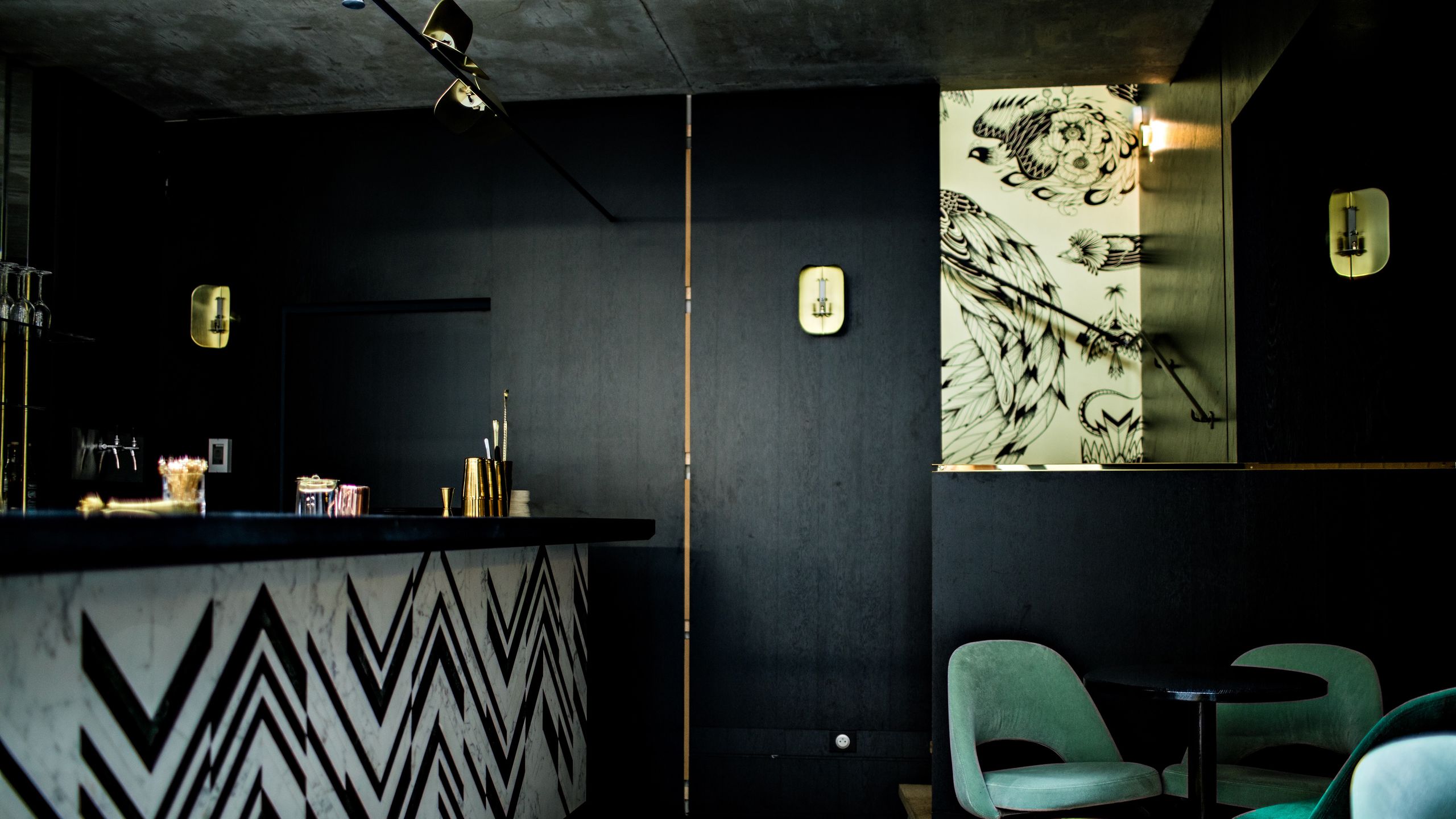
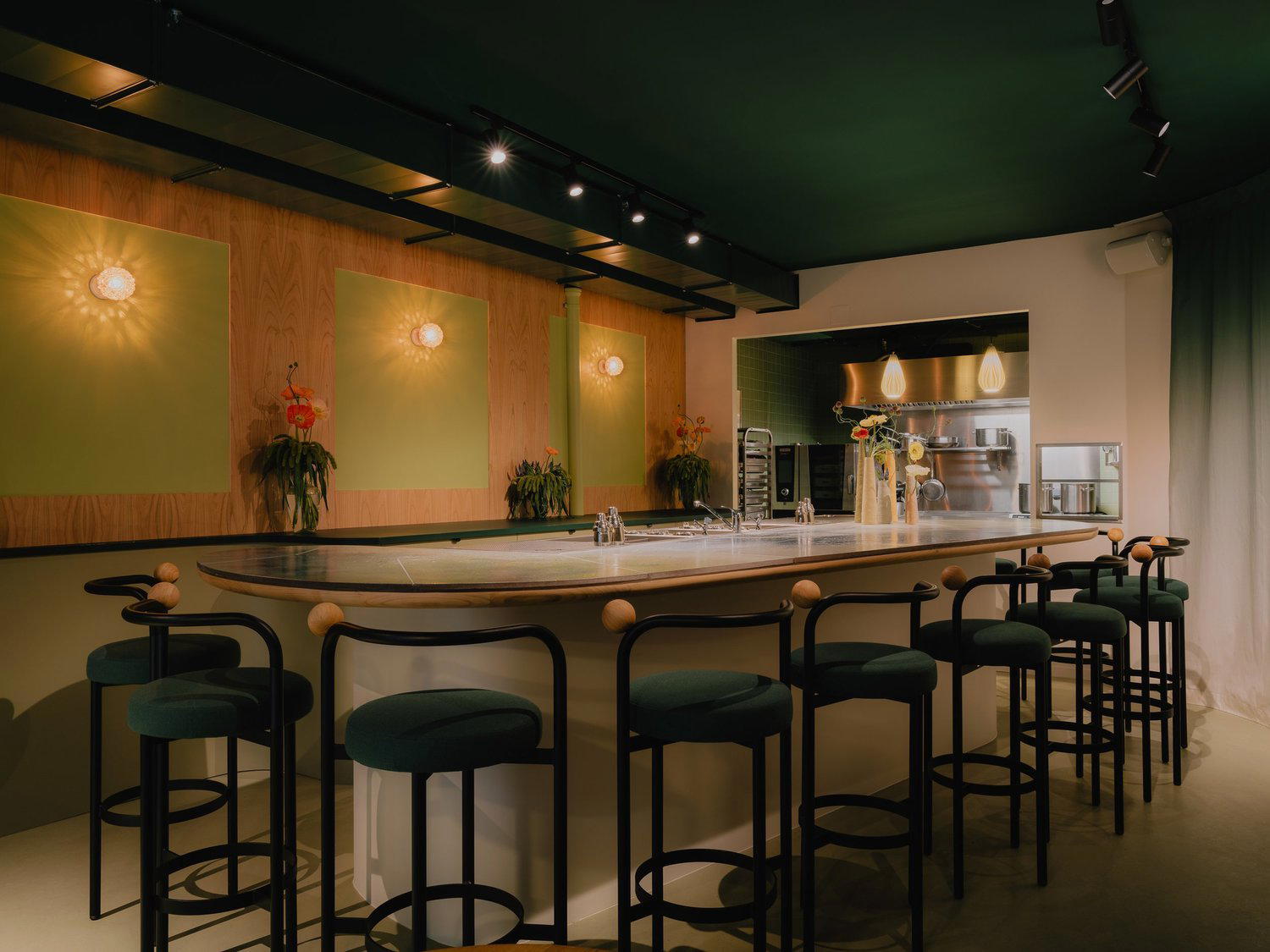
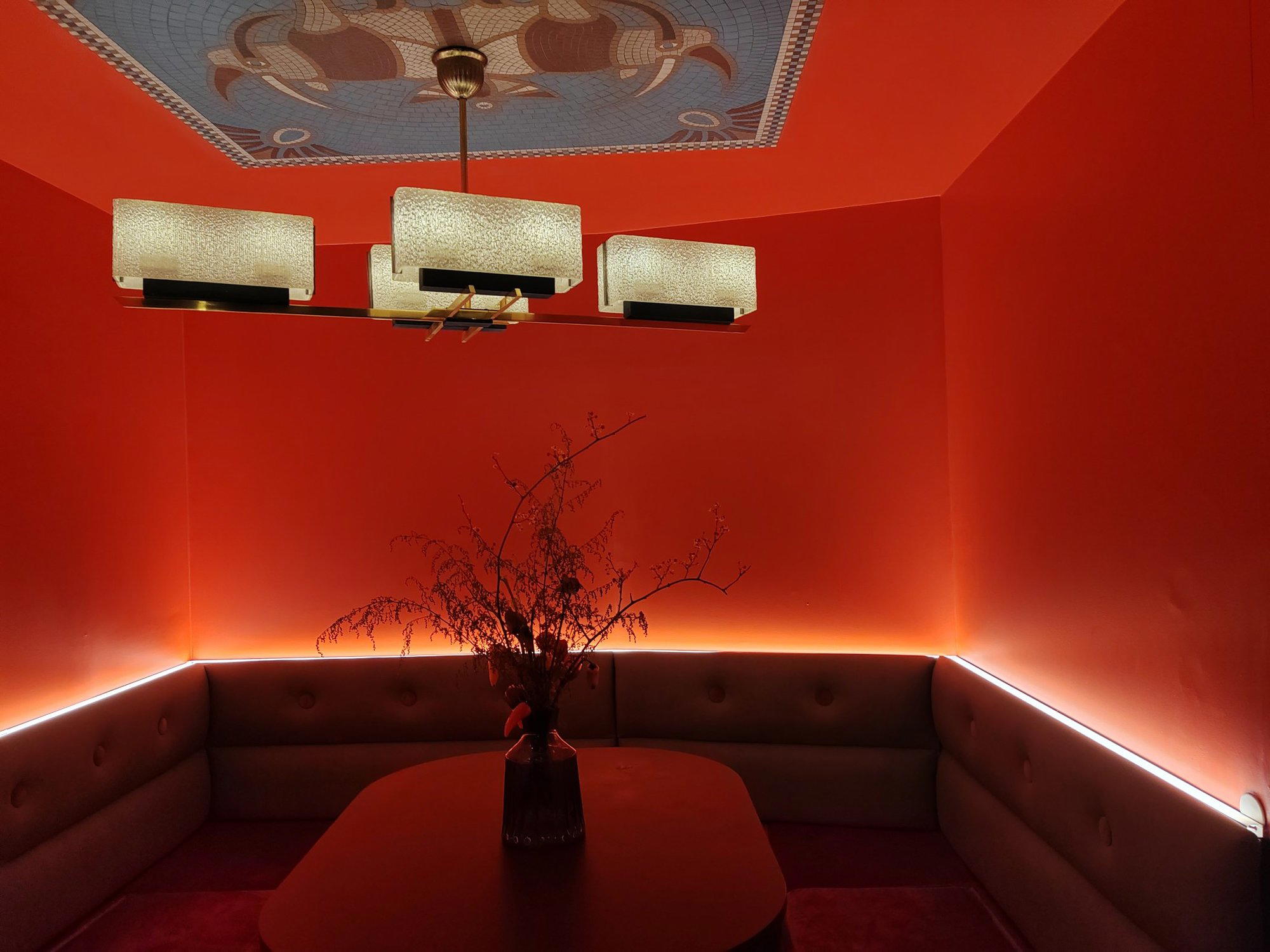
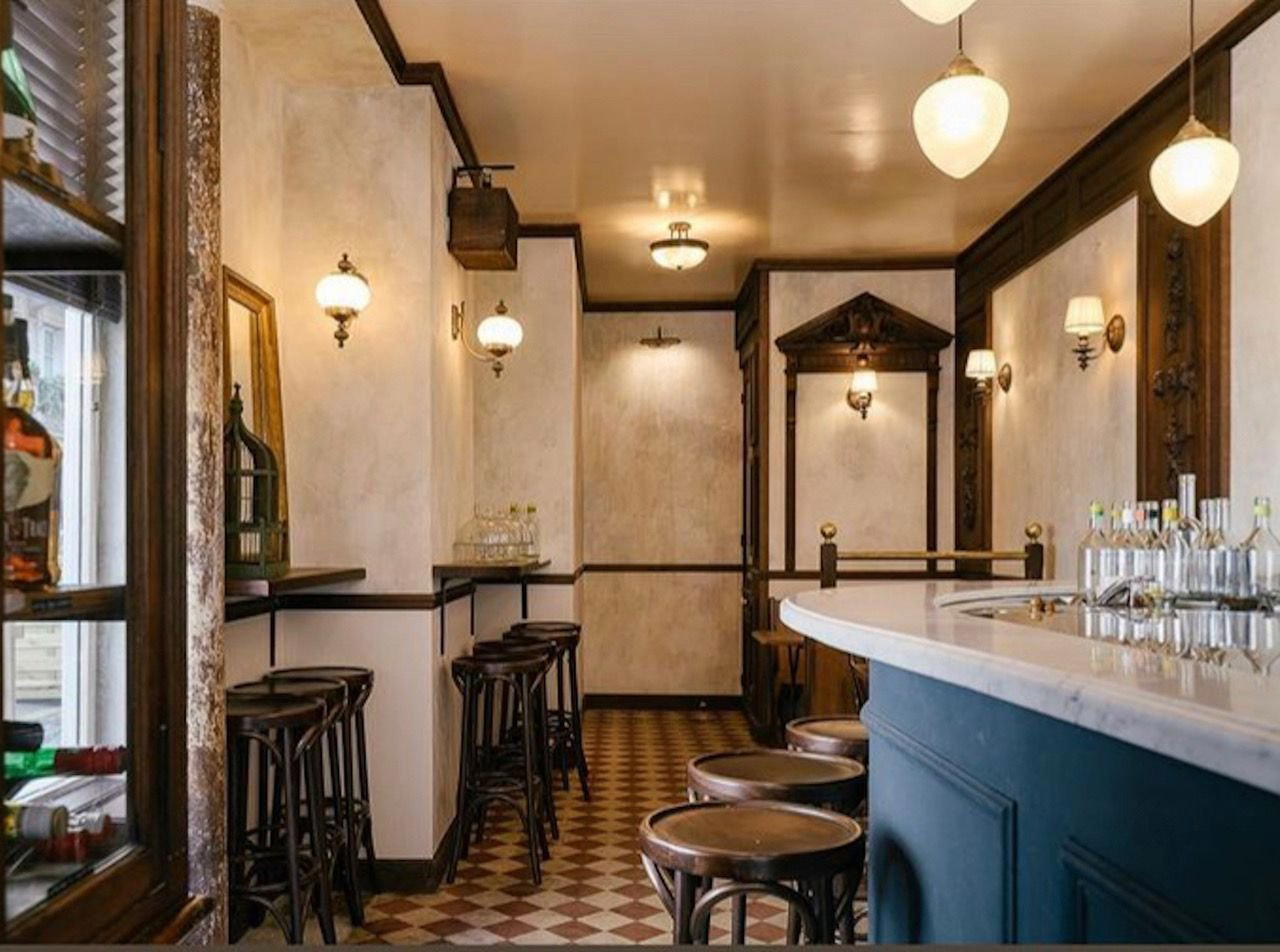
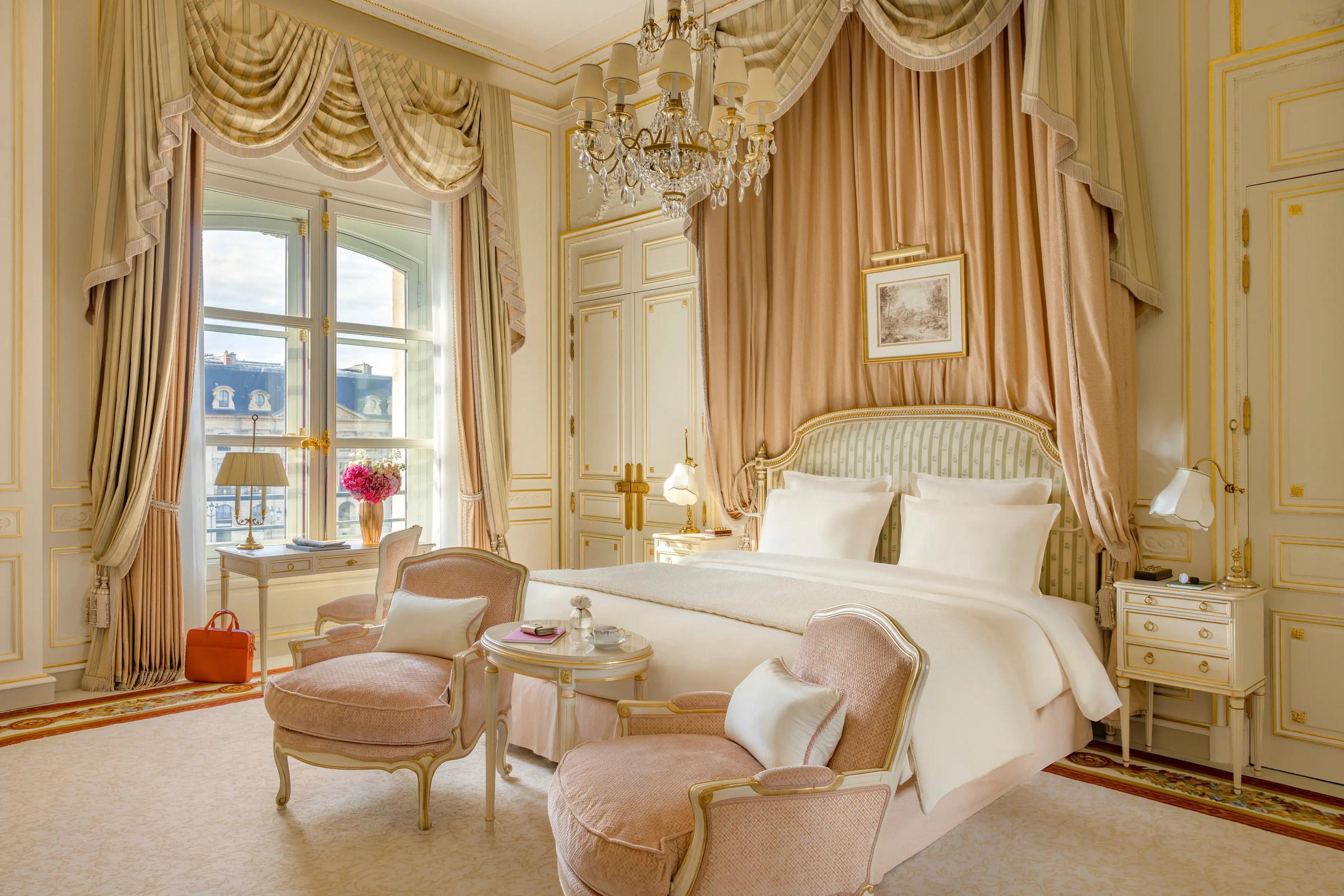
Modern playful interior in a moody historic passage with black-and-white marble floors, communal table, and warm convivial atmosphere.