Bouillon Racine occupies one of Paris's most intact Art Nouveau dining rooms on Rue Racine in the 6th arrondissement, a block from the Odéon theatre. The kitchen works in the tradition of the historic bouillon format: generous, ingredient-led French cooking at democratic prices. For visitors looking beyond the starred circuit, it is one of the city's most architecturally significant places to eat.
Pearl is the En Primeur Club membership app — saves, bookings, and concierge access live there. Same editors, same standards.
- Address
- 3 Rue Racine, 75006 Paris, France
- Phone
- +33144321560
- Website
- bouillonracine.fr
- Directions
- Get directions
 Saves & bookings on Pearl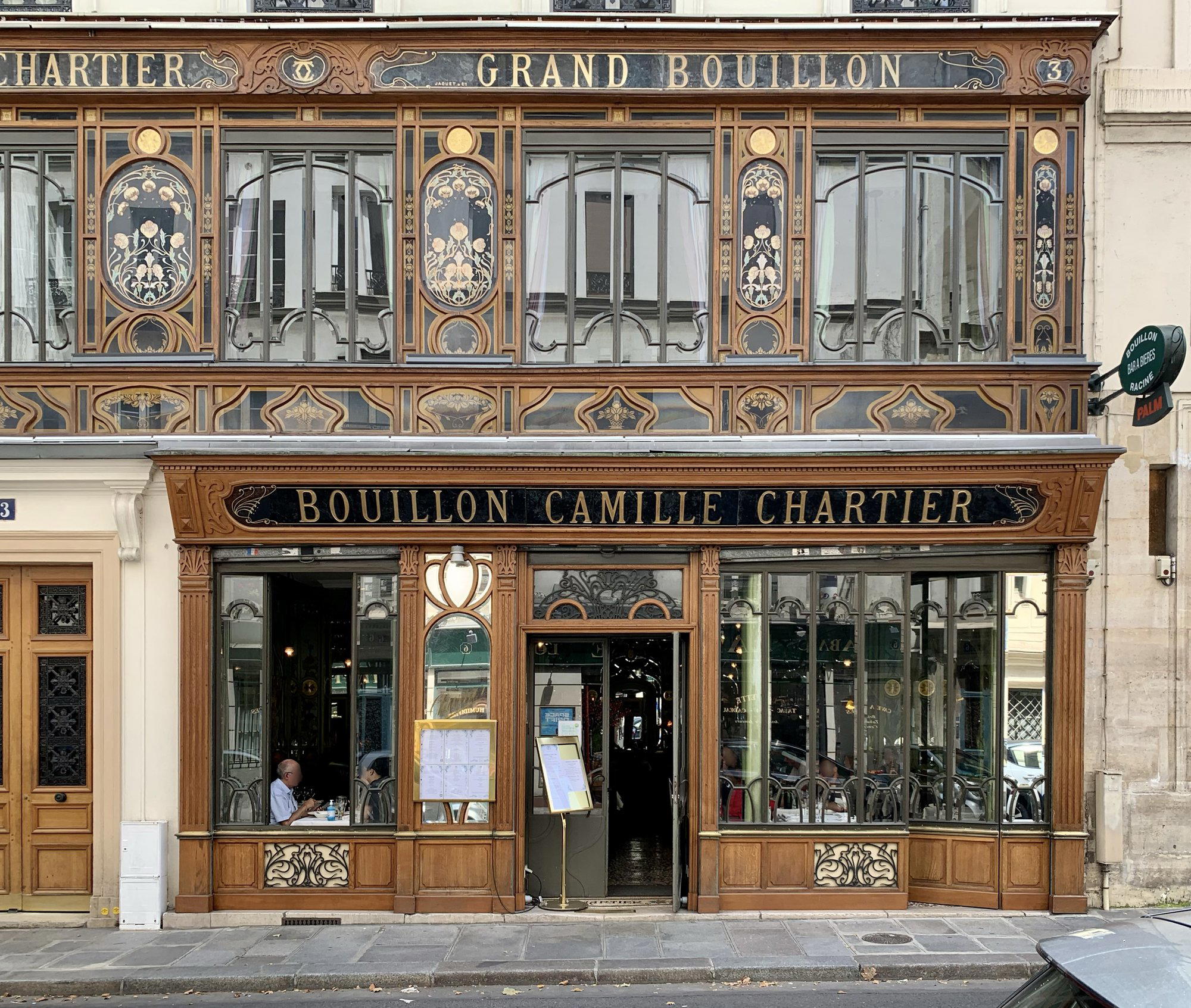
The Bouillon Tradition and What It Means in Contemporary Paris
Paris's bouillon restaurants are among the more misunderstood institutions in French dining. Originating in the nineteenth century as worker canteens serving affordable broth-based meals to labourers and market traders, they were eventually eclipsed by the rise of the bistro and the brasserie. The format has since returned with considerable force: several major bouillons operate across the city today, drawing long queues from both locals and visitors who have grown skeptical of the tourist-priced bistro circuit. It belongs to this revival but occupies a distinct position within it. Where some operators have scaled the concept for volume, Rue Racine sits inside a 1906 building whose interior has been classified as a historical monument by the French state, a designation that shapes both the atmosphere and the constraints under which the kitchen operates.
A Room That Predates the Menu
The Art Nouveau interior at Bouillon Racine is the first thing that demands attention, and it earns that attention without apology. Ceramic wall panels, mirrored ceilings, carved woodwork, and floral glass details fill a two-floor dining room that was originally built for the Belgian brewing company Léopold Mouton. The room has the dense, layered quality of spaces that were designed before minimalism became a default register for fine dining. Approaching the building from Rue Racine, a short walk from the Odéon theatre and the Luxembourg Gardens, the facade announces itself clearly: this is not a reinvented concept or a heritage pastiche, but a space that has genuinely survived. The historical monument classification means the interior cannot be substantially altered, which is especially consequential preservation decision in French restaurant architecture of the past century. Whatever the kitchen produces, it produces it inside a room that was built to impress workers, not critics, a fact that gives the dining experience a democratic charge that no amount of design investment could replicate.
Ingredient Sourcing in the Bouillon Format
The bouillon tradition was always ingredient-forward in a pragmatic sense: the original canteens built menus around what was affordable, seasonal, and local because economics demanded it. Contemporary operators who revive the format face a different set of pressures, they must source with credibility while maintaining prices low enough to honour the format's democratic premise. This tension between cost discipline and ingredient quality defines the editorial challenge of any serious bouillon kitchen in Paris today. French classical cooking at the mid-market level has become increasingly reliant on industrial supply chains, particularly for proteins and dairy, and the bouillon format offers a meaningful corrective when it commits to regional sourcing. The proximity of the 6th arrondissement to established Parisian market networks, including the Marché Saint-Germain a short walk away, means that ingredient access is a genuine structural advantage for kitchens in this neighbourhood, not merely a marketing claim. Dishes rooted in French regional tradition, from pot-au-feu variants to preparations built on seasonal vegetables and slower cuts, carry more weight when the sourcing geography is coherent and the supply chain is short.
Across the broader French dining spectrum, ingredient provenance has become the axis on which kitchens at every price point now position themselves. At the three-star level, restaurants like Arpège have made vegetable sourcing from a dedicated kitchen garden the centrepiece of their identity, while Alléno Paris au Pavillon Ledoyen has built a programme around extraction-led techniques applied to precisely sourced French produce. Further afield, estate-rooted approaches appear at Bras in Laguiole, where the surrounding Aubrac plateau is the direct source of the kitchen's ingredient philosophy, and at Mirazur in Menton, where the kitchen's garden and the Mediterranean coastline are the primary reference points. The bouillon format operates at a completely different price register, but the underlying logic, food that is traceable and regionally coherent, is the same.
Where Bouillon Racine Sits in the Paris Dining Order
The Paris dining market has stratified sharply. At one end, three-Michelin-star rooms like L'Ambroisie on Place des Vosges and Le Cinq at the Four Seasons George V operate at price points that have effectively removed them from casual consideration. Technically ambitious mid-range options like Kei occupy a hybrid position, applying Japanese precision to French classical frameworks. The bouillon format sits well below all of these, but it does not compete with them, it serves a different decision entirely. The visitor choosing Bouillon Racine is not trading down from a starred room; they are opting into a specific tradition that the starred circuit cannot replicate. No amount of technique or investment produces the particular experience of eating classical French food inside a monument historique at a price point that makes repetition plausible. That is the competitive proposition, and it is a credible one. For a broader orientation to the Paris dining scene across price points and formats, the EP Club Paris restaurants guide maps the full range.
The 6th arrondissement itself reinforces this positioning. Saint-Germain-des-Prés has long carried the cultural weight of Parisian intellectual life, the publishing houses, the cafés where Sartre and de Beauvoir worked, the galleries that still function on Rue de Seine. Rue Racine is a short street that connects Boulevard Saint-Germain to Place de l'Odéon, and its pedestrian scale makes it feel removed from the commercial pressure of the main boulevard.
For comparison with French regional cooking at a higher price point, the Auberge de l'Ill in Illhaeusern, Georges Blanc in Vonnas, and Les Prés d'Eugénie in Eugénie-les-Bains represent the grand provincial tradition that the bouillon format draws from, formal, produce-led, and deeply embedded in French culinary geography. The bouillon is its urban, democratic counterpart.
Planning Your Visit
Address: 3 Rue Racine, 75006 Paris. Nearest metro: Odéon (lines 4 and 10), approximately two minutes on foot. Budget: The bouillon format is structured for democratic pricing; expect to spend substantially less per head than at any of the starred addresses in the same arrondissement. Dress: No formal code applies; the room's grandeur does not translate into a dress expectation. Timing: Lunch service is generally quieter than dinner across Paris's mid-market format restaurants; the architectural detail is best appreciated in daylight, which enters the Rue Racine facade from the west in the afternoon.
Cost Snapshot
Comparable venues nearby, for context on price, style, and recognition.
| Venue | Cuisine | Price | Notes |
|---|---|---|---|
| Bouillon RacineThis venue — the venue you are viewing | Not listed | $$ | Not listed |
| Chez Gladines Saint Germain | Quartier Latin, Basque Bistro | $$ | Not listed |
| KOKORO | Not listed | $$ | Quartier Latin, Franco-Japanese Fusion Bistro |
| La Tour Montlhéry - Chez Denise | Les Halles, Classic French Bistro | $$ | Not listed |
| Le Comptoir des Petits Champs | Not listed | $$ | Louvre/Palais-Royal, Modern French Bistro |
| Ferdi | Not listed | $$ | Louvre / Palais-Royal, French Brasserie with Latin American & Mediterranean Influences |
Continue exploring
More in Paris
Restaurants in Paris
Browse all →
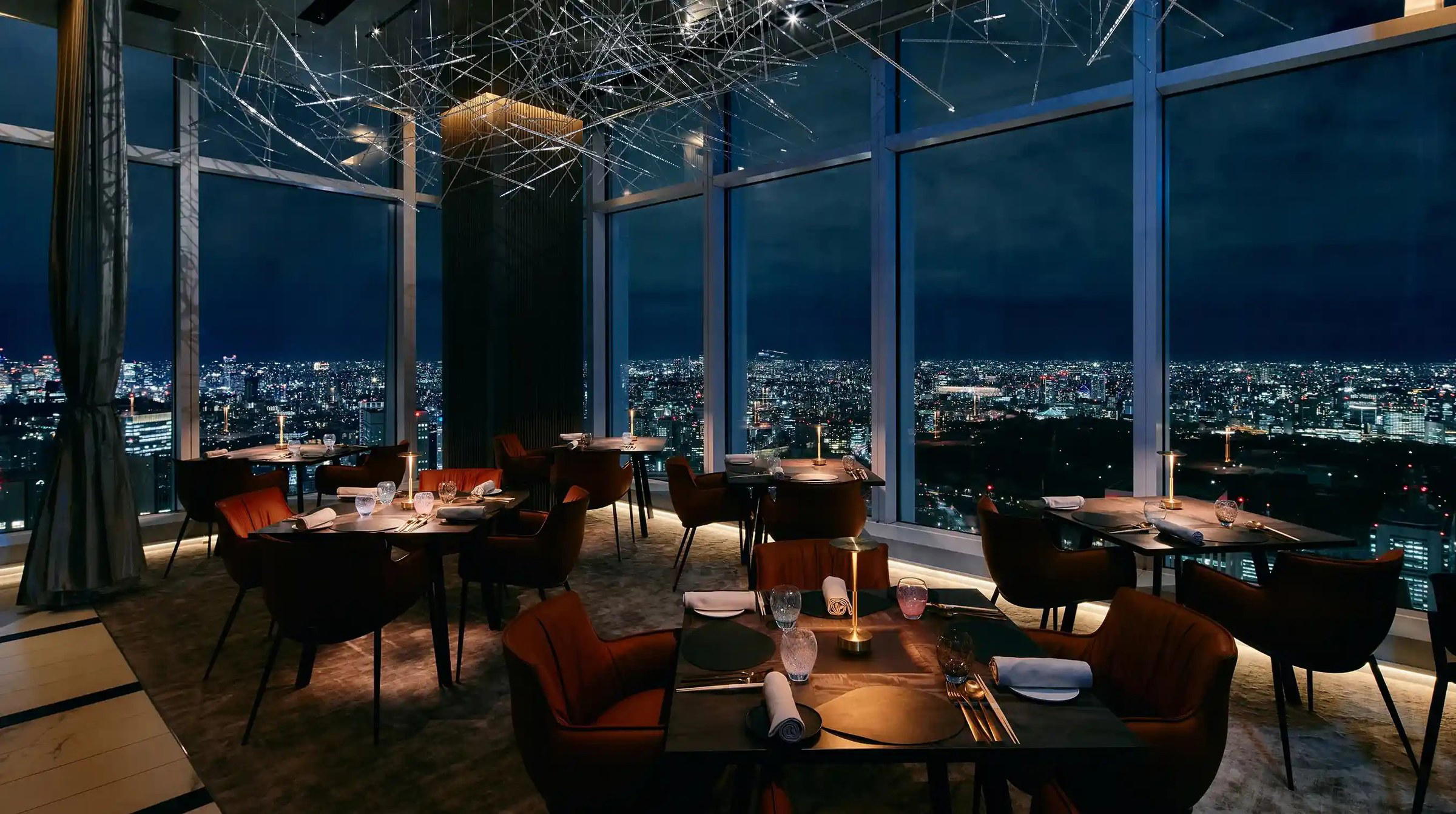
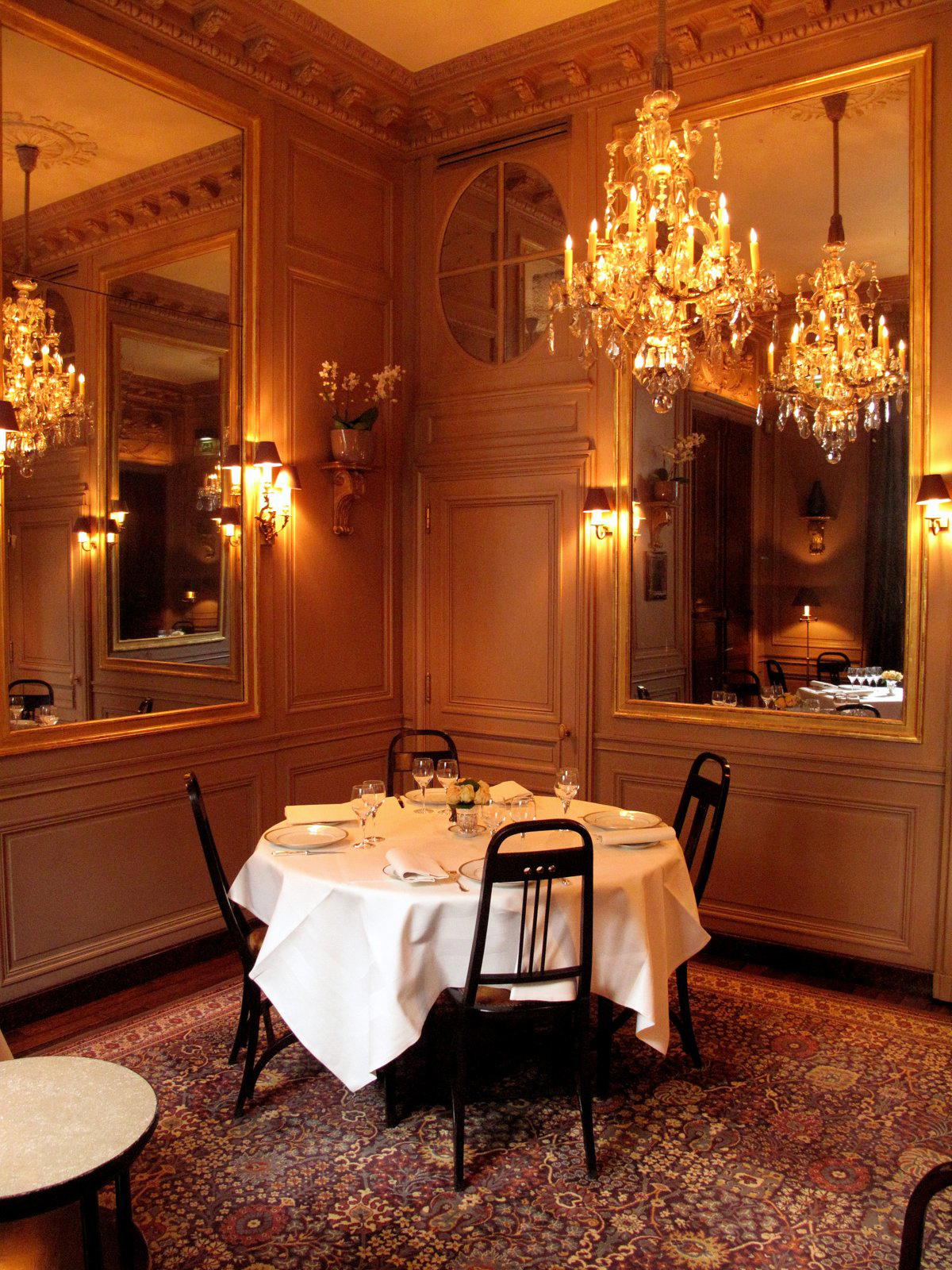
Bars in Paris
Browse all →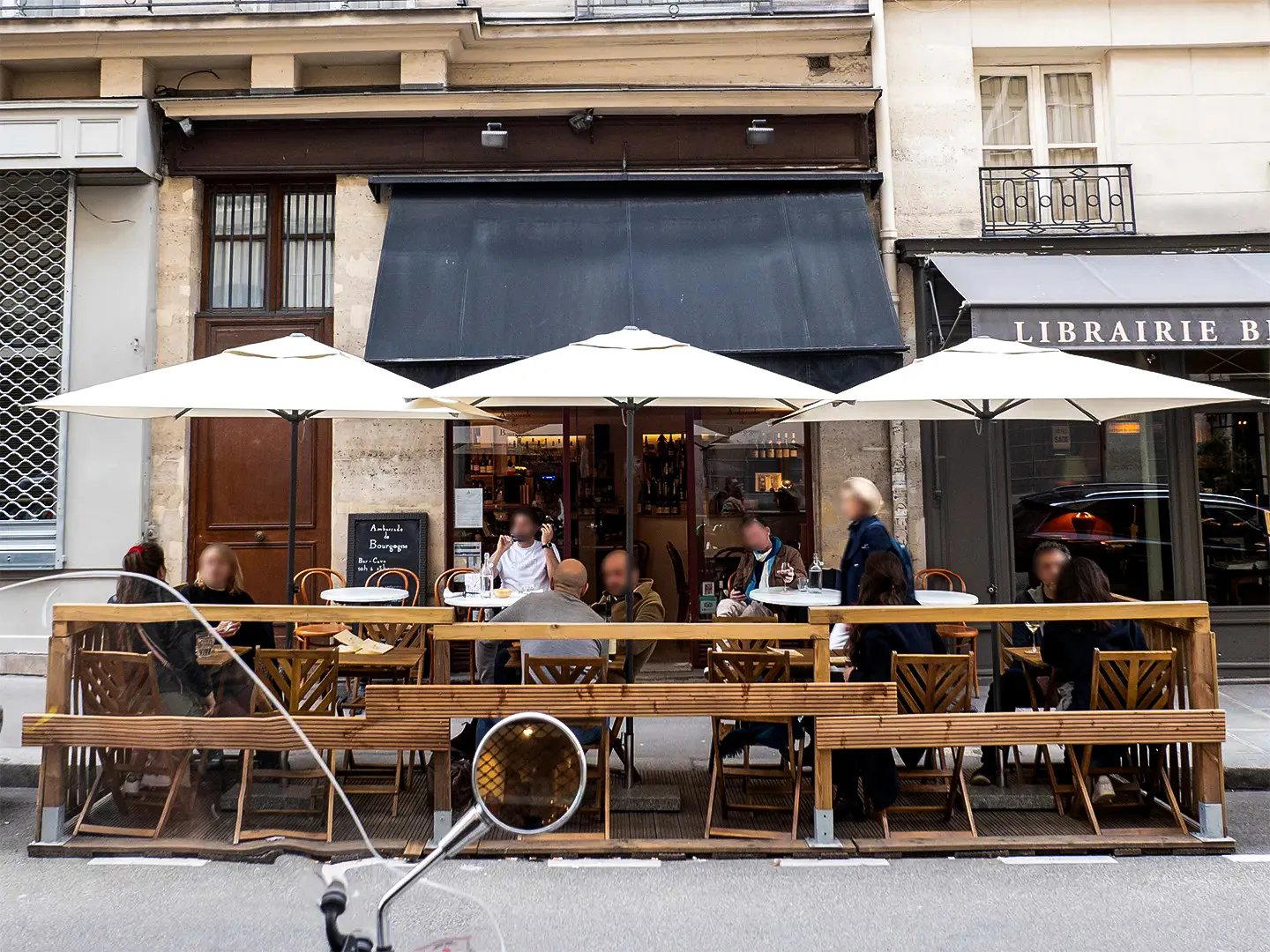
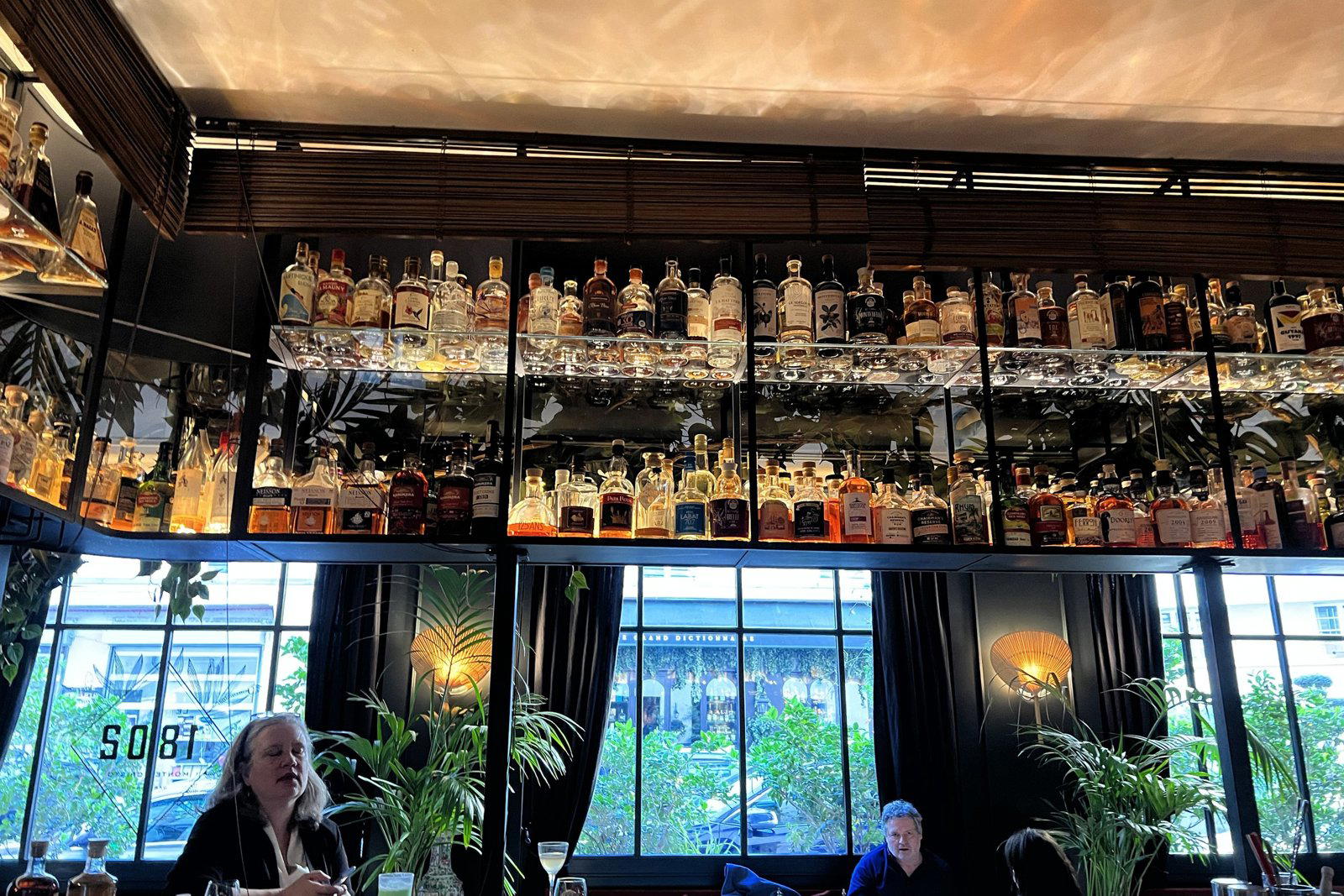
Hotels in Paris
Browse all →
Wineries in Paris
Browse all →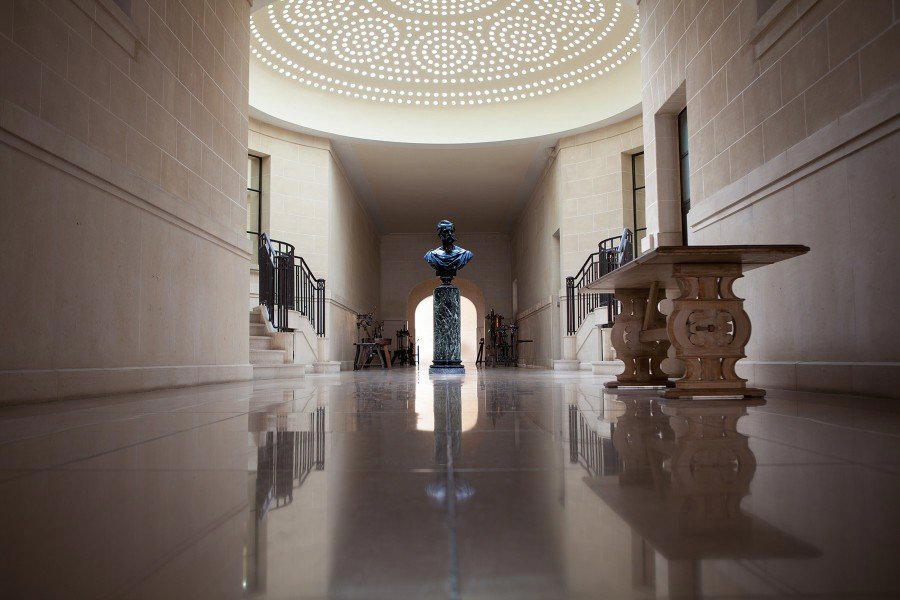
At a Glance
- Classic
- Elegant
- Historic
- Cozy
- Well Known
- Date Night
- Special Occasion
- Historic Building
- Extensive Wine List
Current opening hours
- Monday
- 12–11 PM
- Tuesday
- 12–11 PM
- Wednesday
- 12–11 PM
- Thursday
- 12–11 PM
- Friday
- 12–11 PM
- Saturday
- 12–11 PM
- Sunday
- 12–11 PM
Hours can change for holidays and private events. Last verified .
Enchanting old-world atmosphere with flowery walls, etched mirrors, opaline glass, fretted woodwork, and wrought iron furnishings evoking 1900s Paris.