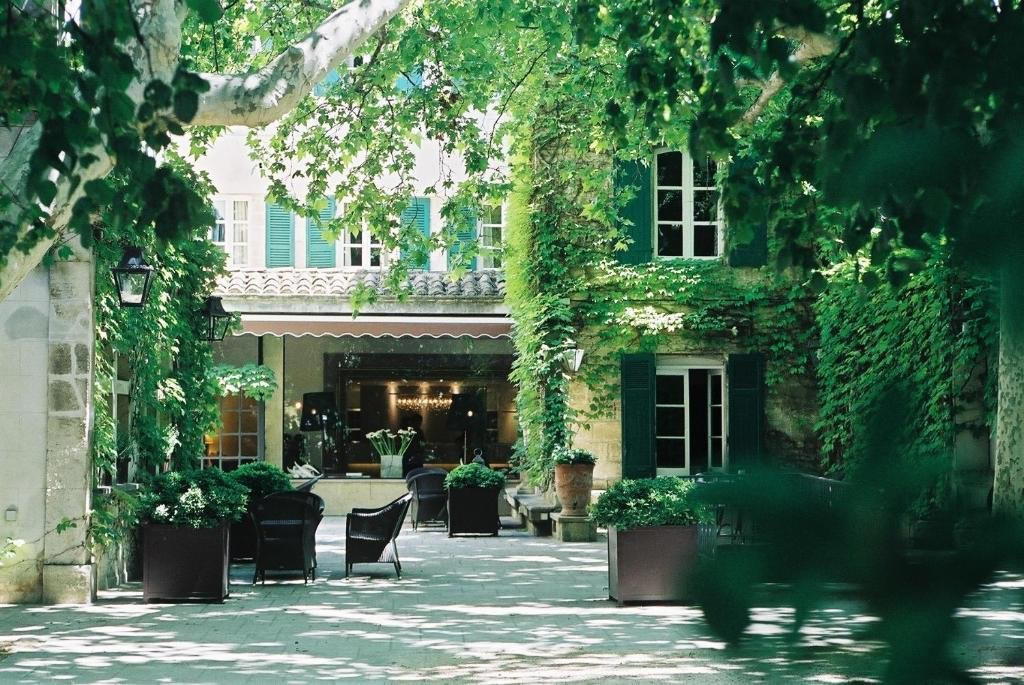
Situated along the Route d'Avignon on the edge of Graveson, Le bistrot sous les platanes occupies the kind of southern French setting where plane trees filter the afternoon light and the pace of a meal follows the season rather than the clock. In a region where the market garden tradition runs deep, the bistrot format here draws on the Alpilles and Crau plain produce that defines Provençal cooking at its most grounded.
Pearl is the En Primeur Club membership app — saves, bookings, and concierge access live there. Same editors, same standards.
- Address
- 518 Rte d'Avignon, 13690 Graveson, France
- Phone
- +33749860670
- Website
- bistrotsouslesplatanes.fr
- Directions
- Get directions
 Saves & bookings on Pearl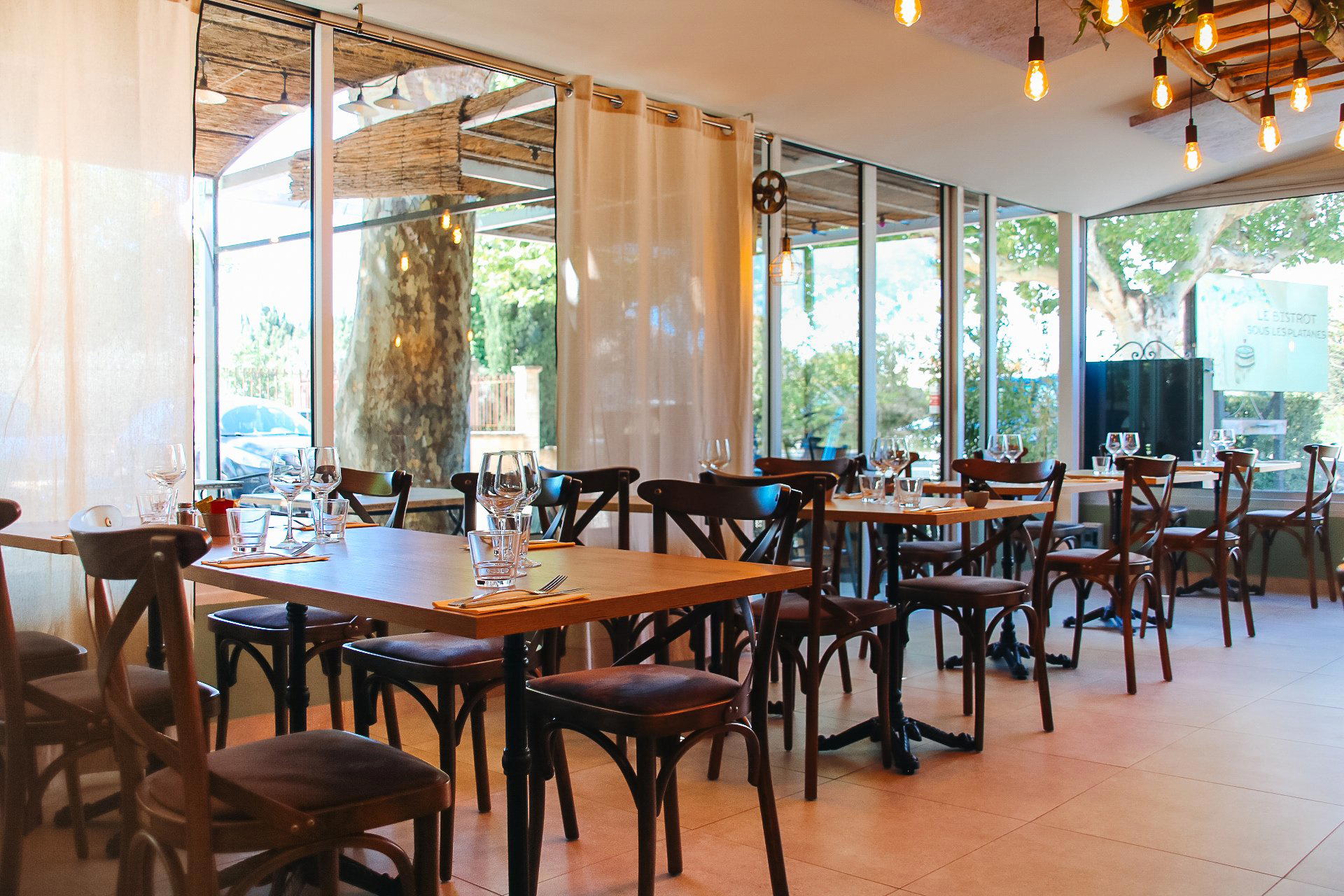
Plane Trees, Provençal Produce, and the Bistrot Tradition
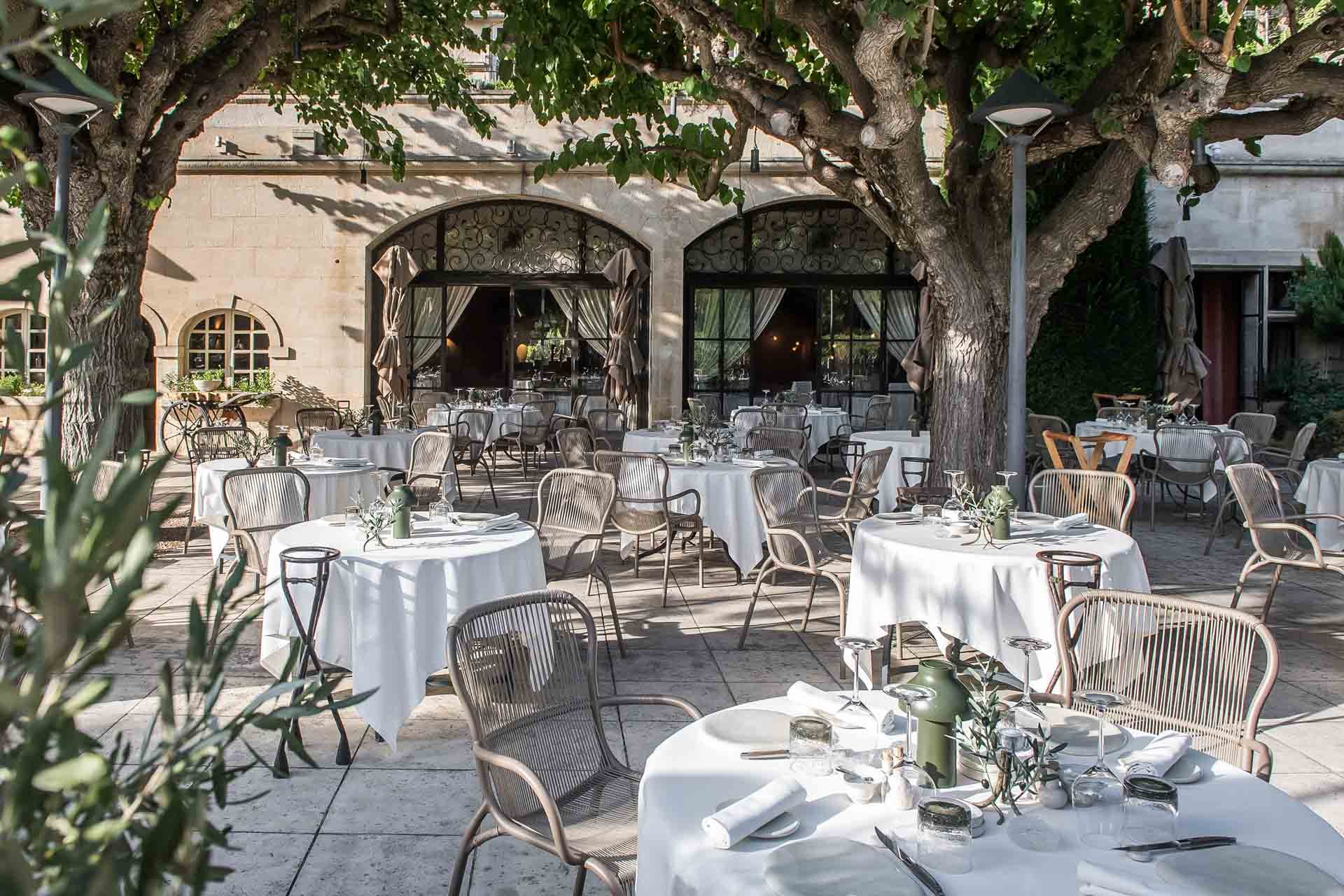
There is a specific quality of light in the Bouches-du-Rhône in summer that changes how you experience a meal eaten outdoors. Under the broad canopy of mature plane trees, with the faint ticking of cicadas and the dry warmth of the Alpilles air, food and setting become inseparable. Le bistrot sous les platanes, positioned on the Route d'Avignon at the edge of Graveson, operates in exactly that register. The address itself, a road connecting this quiet Alpilles village to the commerce of Avignon to the north, signals what the place is: a stop for people who know the area, not a destination engineered for passing tourists.
Graveson sits within among the more ingredient-rich agricultural corridors in France. The Crau plain, just to the south, produces lamb with protected designation status (Agneau de Sisteron is raised nearby, and Agneau de la Crau carries its own appellation). The market gardens of the Alpilles and the Camargue rice fields are within close reach. The Rhône valley wine appellations, Châteauneuf-du-Pape, Gigondas, Vacqueyras, are a short drive in any direction. A bistrot in this position either connects to that supply chain or operates at a disadvantage to the landscape it sits within. The sous les platanes format, rooted in the outdoor bistrot tradition of southern France, is implicitly about that connection: the food on the table should read as an expression of what is growing and grazing nearby.
The Ingredient Logic of the Alpilles
The Provence–Alpes–Côte d'Azur region has produced some of France's most ingredient-driven cooking at its highest register. Mirazur in Menton built its three-Michelin-star reputation partly on biodynamic gardens that feed directly into the menu. L'Oustau de Baumanière in Les Baux, just a few kilometres from Graveson through the Alpilles, has maintained its position in the upper tier of French cooking for decades by treating the local terrain as raw material. What these larger, more celebrated addresses demonstrate is that this corner of France has the agricultural density to support serious cooking at every price point. The bistrot tier, properly executed, draws on the same supply chains at a more democratic register.
The logic of Provençal bistrot cooking at its most direct runs something like this: olive oil from the Vallée des Baux (which holds its own AOC), vegetables from the surrounding market gardens, stone fruit from the Luberon and Durance valley, fish from the Mediterranean coast accessible via Arles and Marseille. Where the three-star houses in the region demonstrate ambition, the leading bistrot addresses demonstrate restraint and honesty, the garlic aioli that requires good olive oil and patience, the slow-braised lamb that requires the right animal and time. These are not lesser achievements; they are a different set of priorities entirely.
Across France, the bistrot tradition has been under pressure from two directions simultaneously: the rise of the gastro-bistrot format that borrows fine-dining technique while maintaining informal pricing, and the erosion of genuinely local sourcing in places that rely on central wholesale suppliers. Addresses that hold the middle ground, informal in setting, honest about sourcing, committed to regional product, are more valuable than their price tier implies. The outdoor bistrot format, particularly under plane trees in a village setting in the south of France, is a mode of eating the country does better than almost anywhere in the world.
Graveson in the Wider Provençal Dining Picture
Graveson is not a dining destination in the way that Arles or Saint-Rémy-de-Provence draw visitors specifically for their restaurant scenes. It is a small agricultural commune in the Alpilles, with the quiet character of a place that exists for its own residents rather than for the tourism economy. That quality is, in dining terms, an asset. The bistrot here competes within the village rather than against a curated field of destination restaurants, which tends to keep the format honest.
The broader Provençal dining picture has sharpened considerably in recent years. AM par Alexandre Mazzia in Marseille has pushed the regional creative ceiling, while addresses like Auberge du Vieux Puits in Fontjoncouse demonstrate how deep the French south's appetite for serious restaurant cooking runs even in remote locations. The wider French fine-dining frame extends to Bras in Laguiole in the Aubrac, Troisgros - Le Bois sans Feuilles in Ouches, and the multi-generational heritage of Auberge de l'Ill in Illhaeusern, all of which demonstrate that France's leading restaurant cooking remains distributed across its regions rather than concentrated in Paris. In this context, the village bistrot is not a lesser expression of French food culture; it is the foundation on which all of it rests.
For comparison with the northern end of the French dining spectrum, Alléno Paris au Pavillon Ledoyen in Paris and Assiette Champenoise in Reims operate at the highest technical register. The Graveson bistrot occupies the other end of that scale, which is not a criticism. The formats serve different purposes, and the outdoor midday meal under plane trees in the Alpilles is a purpose that no amount of Michelin stars can replicate.
Visiting: Timing, Context, and Practical Notes
The plane tree setting at Le bistrot sous les platanes is at its leading from late spring through early autumn, when the trees are in full canopy and outdoor dining in the south of France reaches its natural peak. The Route d'Avignon address (518 Rte d'Avignon, 13690 Graveson) places it on the main artery connecting Graveson to Avignon, accessible by car from Avignon in under 20 minutes, and from Saint-Rémy-de-Provence in a comparable drive through the Alpilles foothills. Graveson is not served by any direct rail connection, so a car is the functional choice for visitors based in the larger regional centres.
The bistrot's position within Graveson's quiet rhythm means expectations should be calibrated accordingly: this is not a place that operates like the high-volume restaurant floors of Georges Blanc in Vonnas or the oceanic precision of Christopher Coutanceau in La Rochelle. It is a southern French bistrot in a plane-tree setting in an Alpilles village, and that is precisely what recommends it.
Comparable Spots, Quickly
Comparable venues nearby, for context on price, style, and recognition.
| Venue | Cuisine | Price | Notes |
|---|---|---|---|
| Le bistrot sous les platanesThis venue — the venue you are viewing | Traditional French Bistro | $$ | Not listed |
| Le Signal 2108 | Bistronomic French with Regional Specialties | $$ | Signal Mountain |
| La Table des Gourmands | French Bistro | $$ | Mormoiron |
| La Farigoule | Traditional Provençal French | $$ | center of town |
| Abri du Ventoux | Traditional French Provençal | $$ | Centre village (Malaucène) |
| L'Oiseau sur sa Branche | French Bistro with Local Products | $$ | Saoû |
Continue exploring
More in Graveson
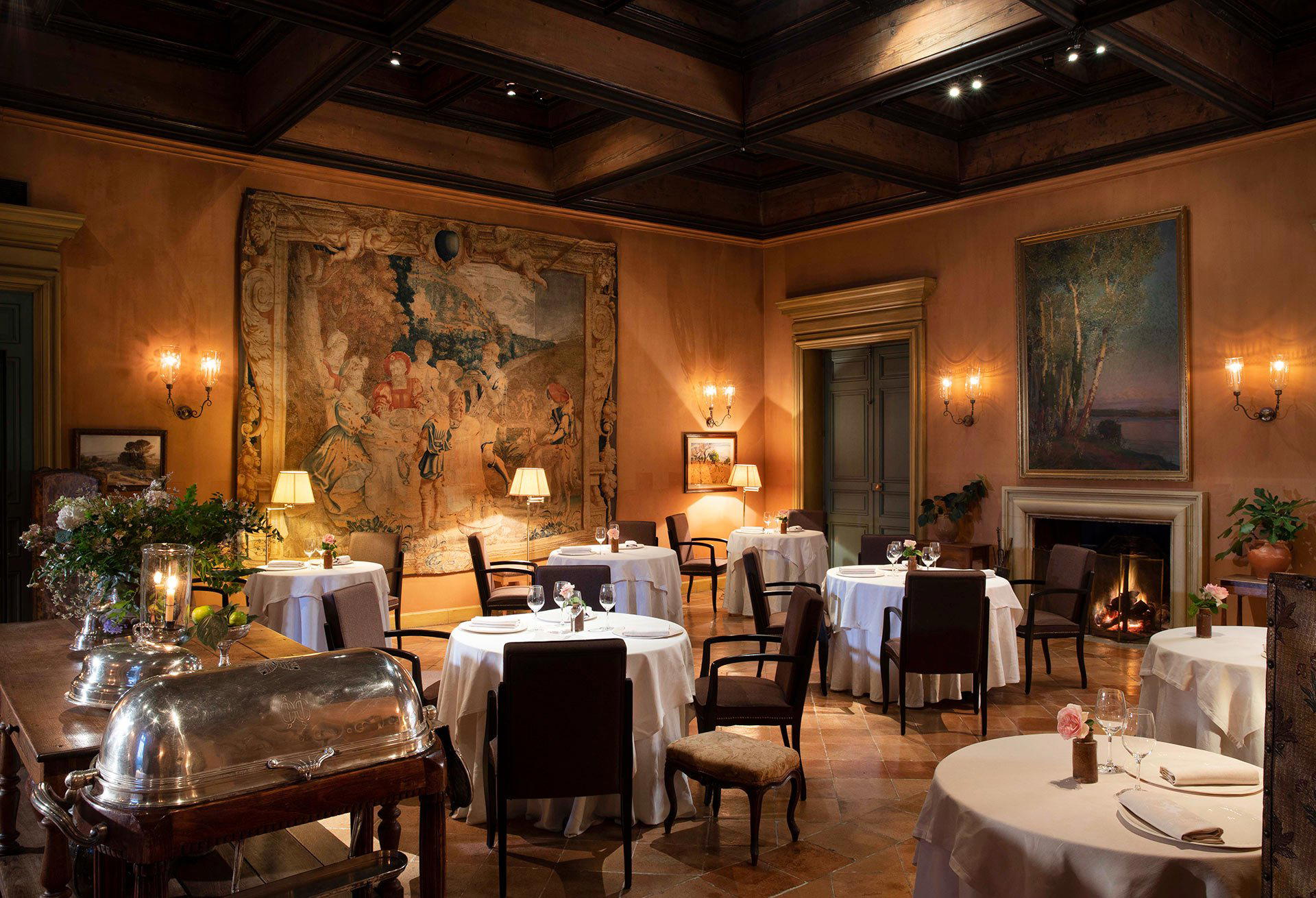
Restaurants in Graveson
Browse all →
Bars in Graveson
Browse all →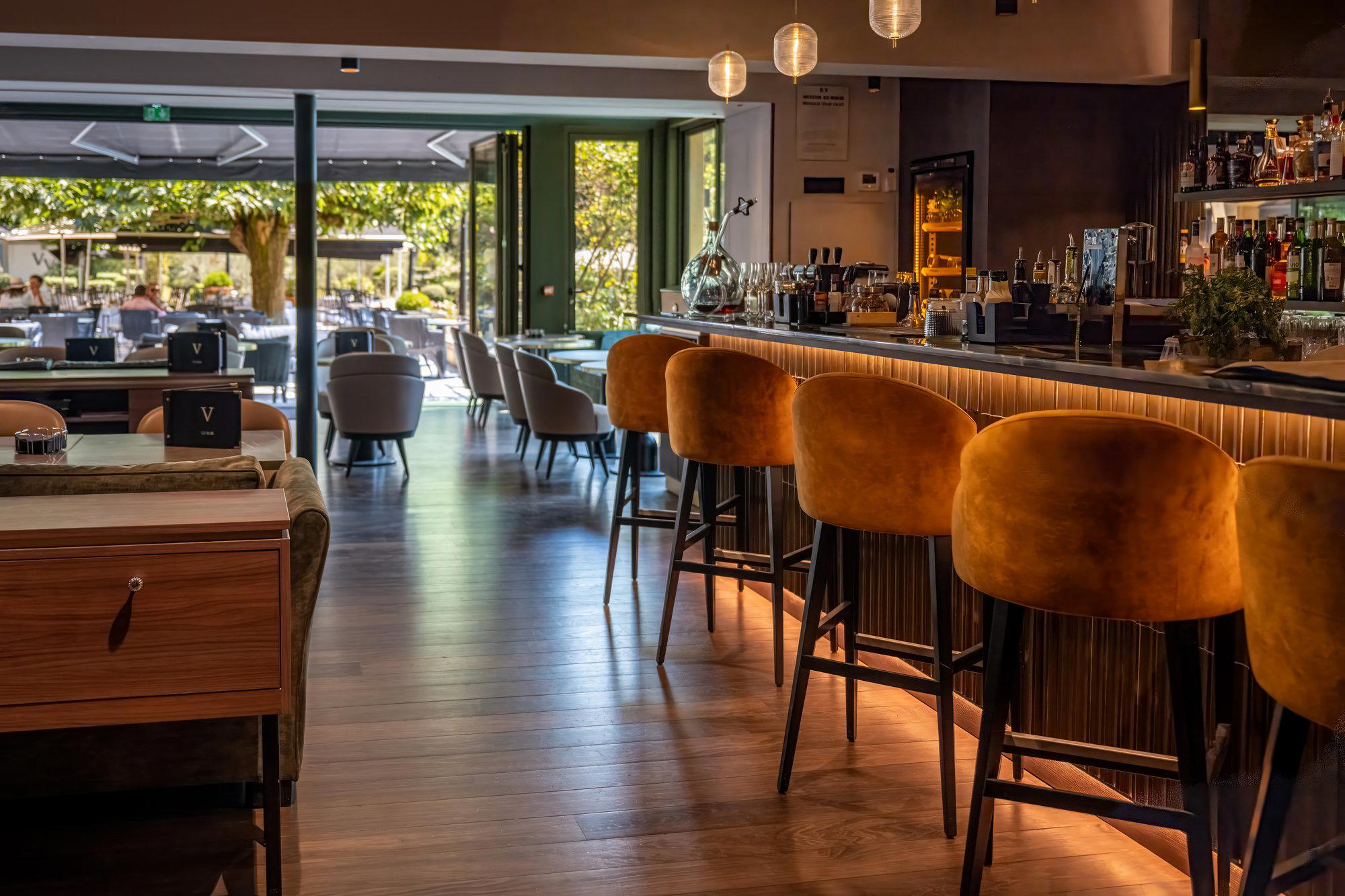
Hotels in Graveson
Browse all →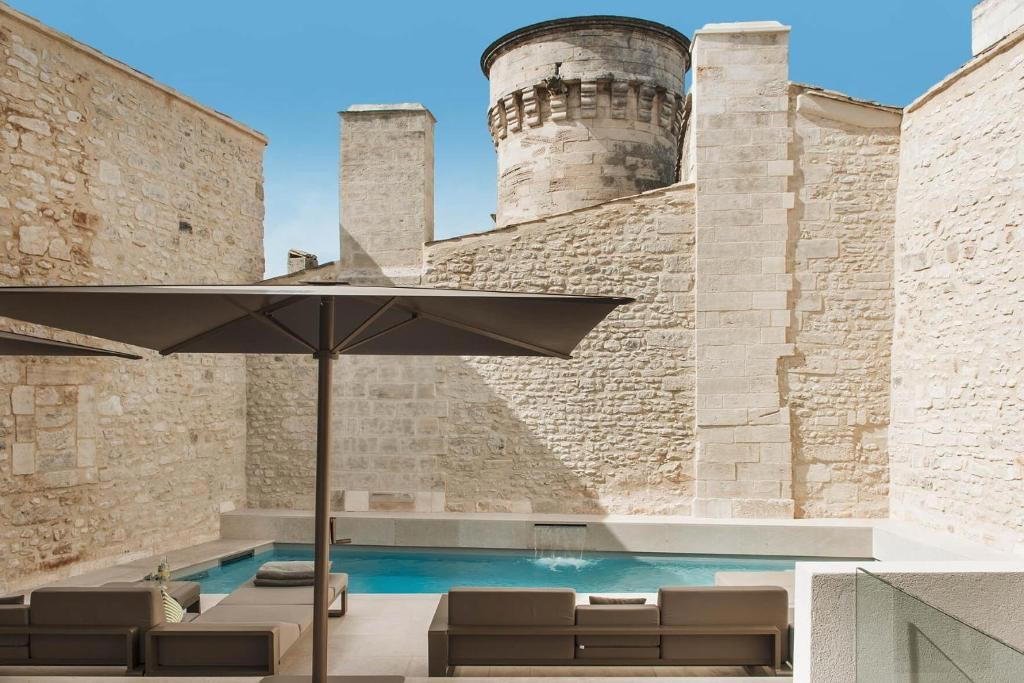
At a Glance
- Rustic
- Cozy
- Classic
- Casual Hangout
- Family
- Terrace
- Local Sourcing
Current opening hours
- Monday
- Closed
- Tuesday
- 11 AM–2 PM
- Wednesday
- 11 AM–2 PM
- Thursday
- 11 AM–2 PM, 6–9:30 PM
- Friday
- 11 AM–2 PM, 6–9:30 PM
- Saturday
- 11 AM–2 PM, 6–9:30 PM
- Sunday
- Closed
Hours can change for holidays and private events. Last verified .
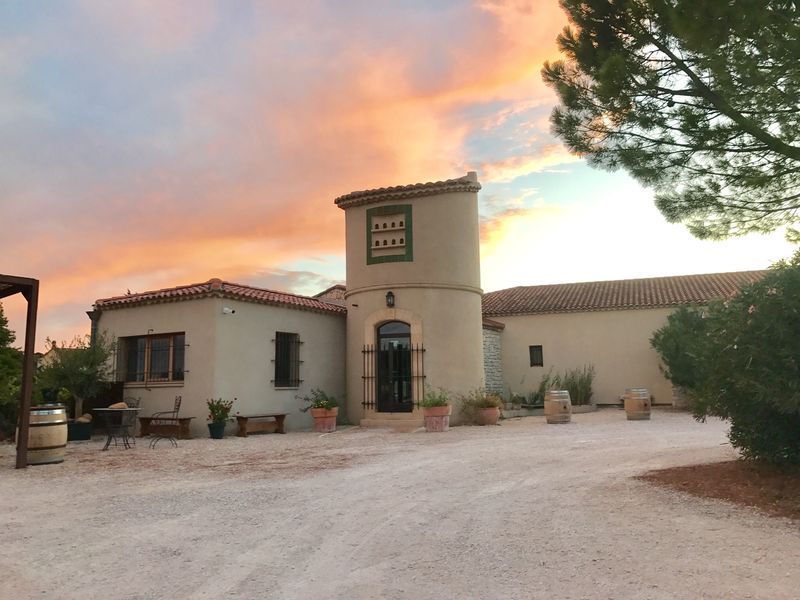
Relaxed and friendly atmosphere in a traditional Provençal setting with terrace dining.