

Michelin Plate · James Beard Award Semi Finalist
Our verdict
Chef Angie Mar's Greenwich Village dining room brings haute French technique into conversation with her Chinese heritage, set against sapphire walls and velvet banquettes. The menu runs from pistachio-draped terrines to rich Madeira-spiked jus and a celebrated 45-day aged burger served exclusively at the bar. A Michelin Plate holder that sits at the formal end of New York's French revival.

Pearl is the En Primeur Club membership app, where members save venues, book tables and use the concierge.
Sapphire, Velvet, and the Weight of a Sauce
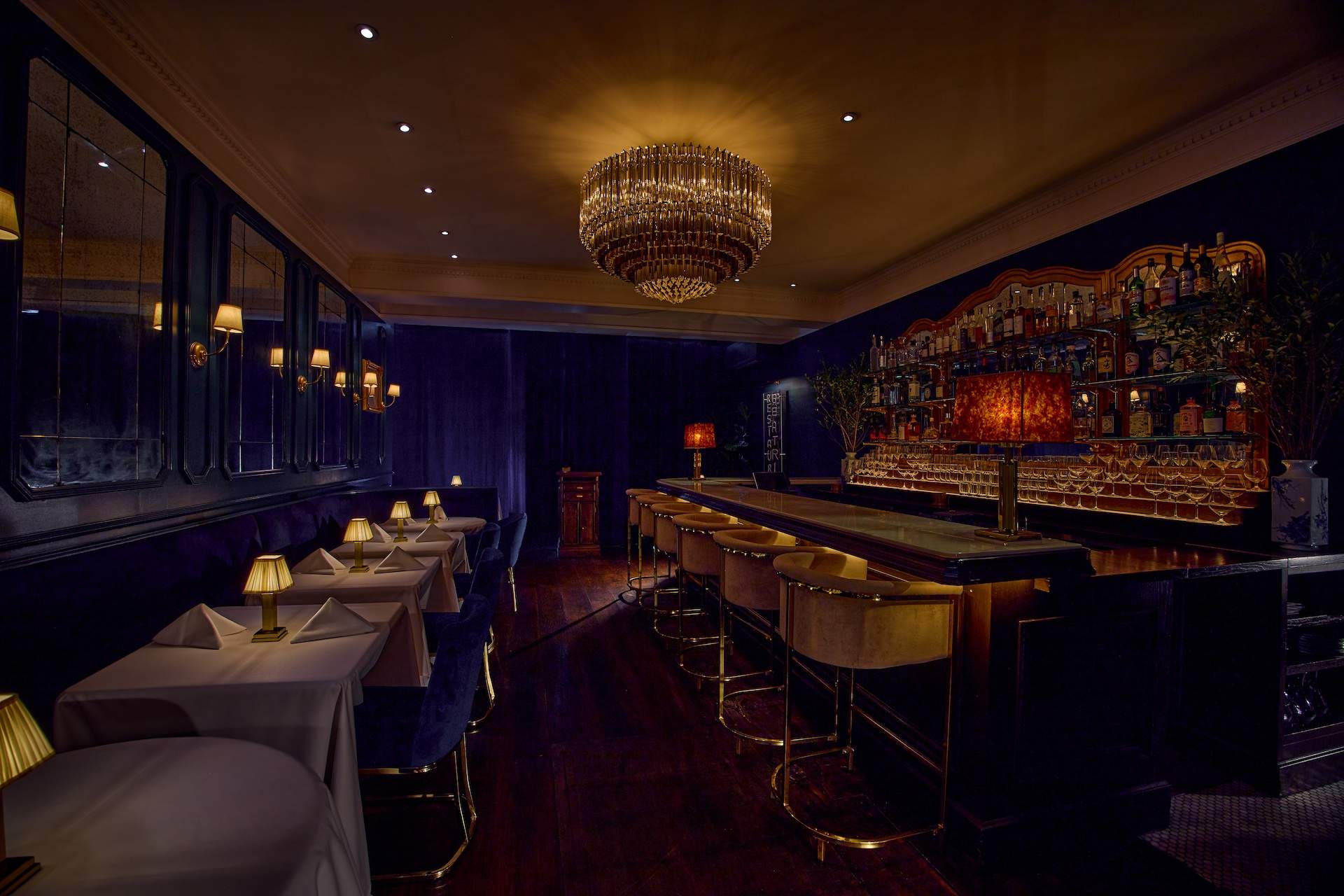
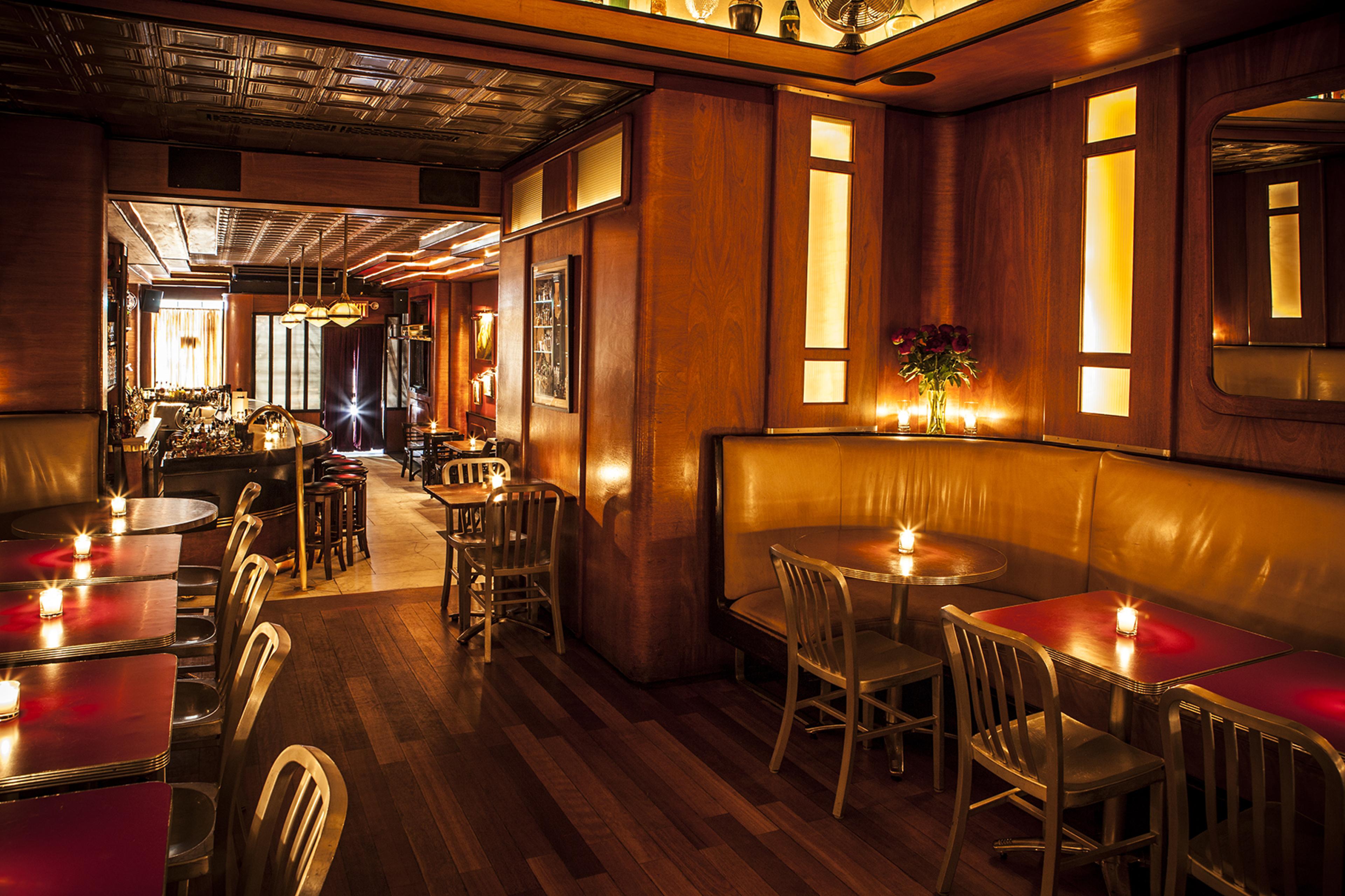
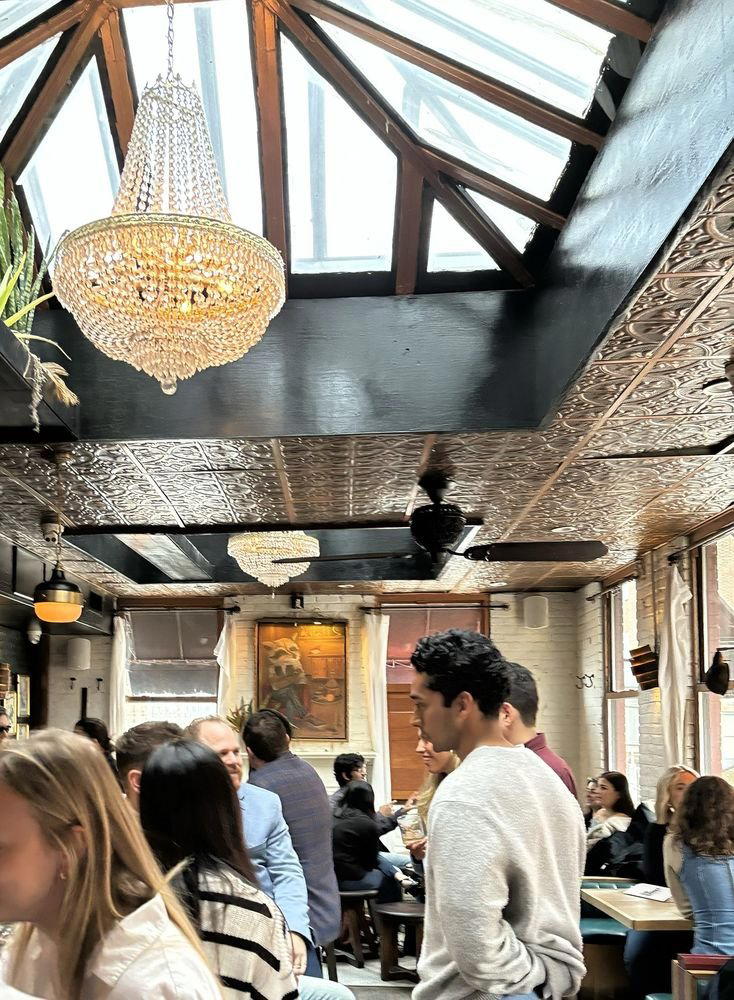
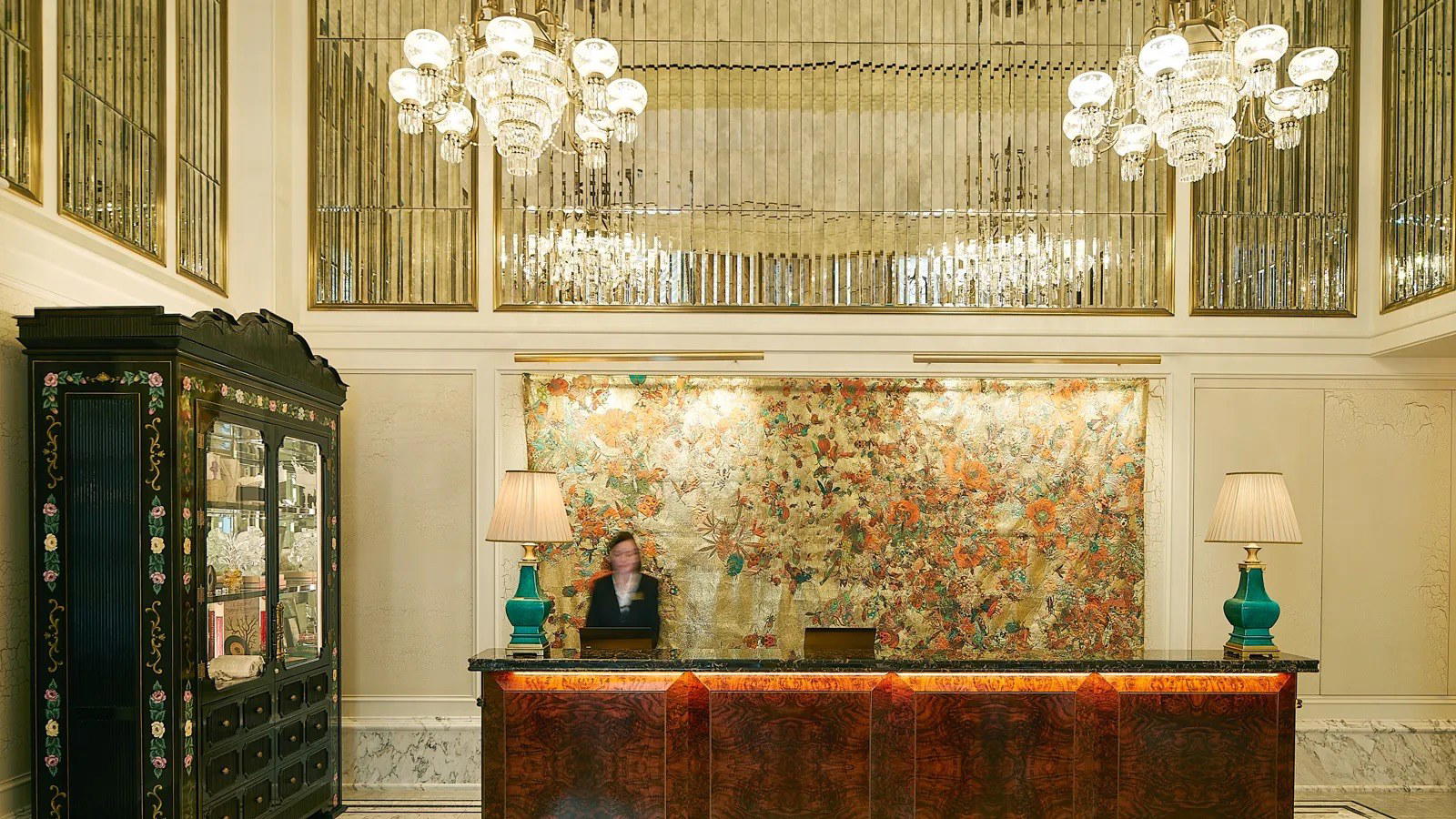
Greenwich Village has long hosted New York's more intimate version of fine dining, the kind where the room does as much work as the kitchen. The neighbourhood's townhouse scale resists the grand-hotel formality of Midtown addresses like Le Bernardin or Eleven Madison Park, and the better rooms here lean into that contrast. Le B, at 283 West 12th Street, belongs to that tradition. The dining room glimmers in sapphire hues, upholstered in velvet banquettes, and dressed with white tablecloths and jacketed staff. It is a room that announces intention before a single plate arrives: this is a place for occasions, handled seriously.
The broader context matters here. New York's French restaurant tier has fragmented over the past decade. At one end sit the long-established three-star institutions and their contemporary successors. At another sit the brasserie revivals and bistro correctives, places like Le Veau d'Or, which draw on nostalgia and neighbourhood permanence. Le B occupies a distinct position: formal in register, personal in direction, and shaped by a chef whose training and lineage sit outside the conventional French kitchen hierarchy. That combination places it in a competitive set defined less by star count and more by the seriousness of its craft and the specificity of its point of view.
What the Menu Actually Argues
Classic French cooking in America carries specific expectations: sauce work as the measure of a kitchen, technique over improvisation, and a menu architecture that moves through cold, warm, and principal courses with deliberate pacing.
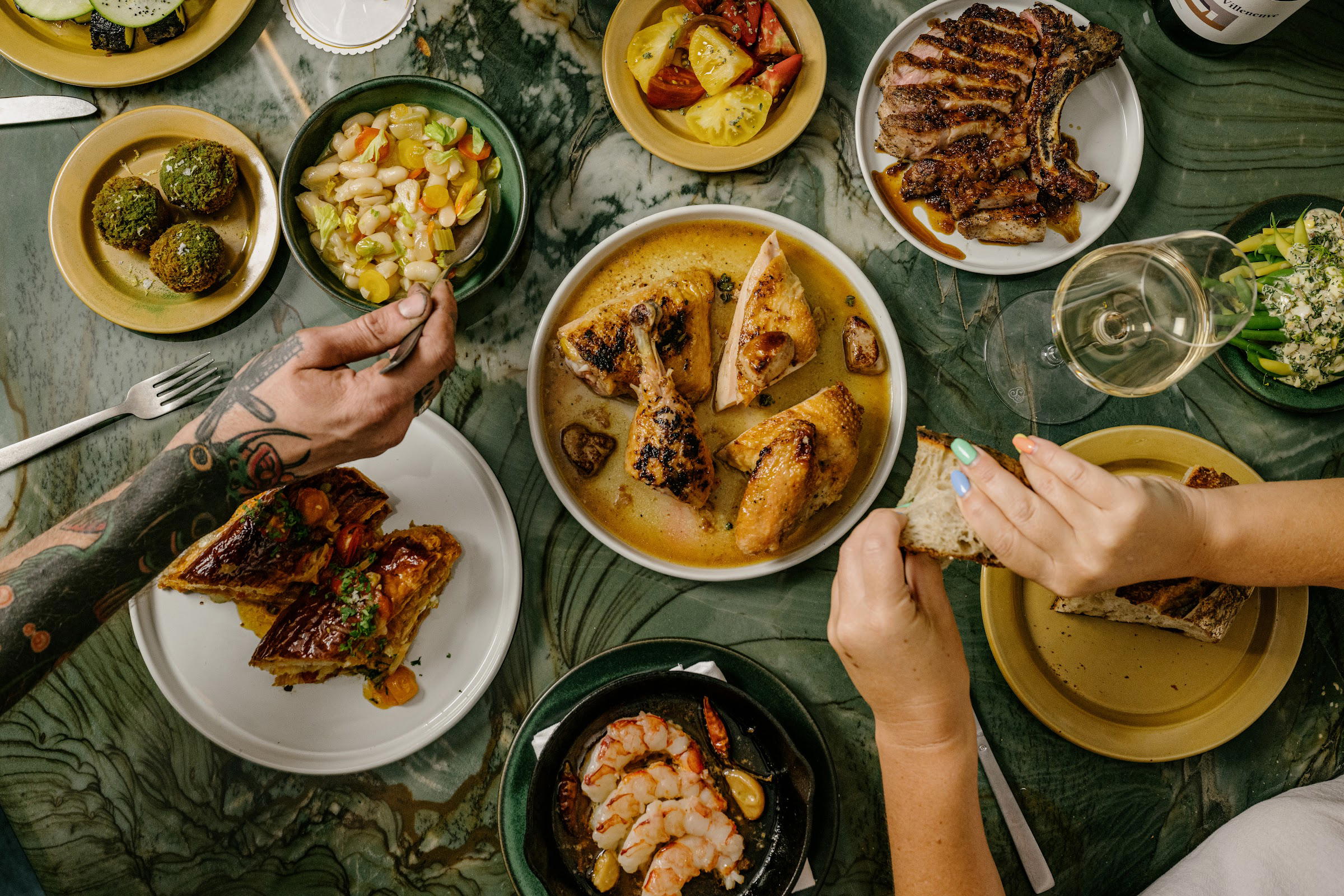
The terrine of pork and duck, draped in pistachio and garnished with kumquat confit, represents the cold-course discipline that separates serious charcuterie programs from decorative ones. A terrine at this level requires days of preparation and precise seasoning across proteins with different fat structures. The kumquat confit introduces a restrained acidic note that functions as counterweight rather than garnish. It is the kind of opening that signals what follows will be similarly considered.
The principal courses build on that foundation through sauce work specifically. The chou farcie with rabbit arrives with a Madeira-spiked pork jus, a sauce that bridges the dish's stuffed-cabbage rusticity with a classical reduction. The seafood wellington is dressed with Sauternes and tarragon cream, a pairing that asks the kitchen to balance sweetness, herbaceous freshness, and the richness of pastry-encased fish without any element collapsing the others. These are not flourishes. They are the technical demonstrations that anchor Le B's claim on the haute French tradition it references.
Elsewhere on the menu, lobster blanquette, poached foie gras, and pig's trotter represent the full register of French luxury ingredients, from the delicate to the aggressively rich. That range, across a single menu, is itself an editorial statement about what the kitchen considers possible within a coherent framework. Internationally, the tradition Le B is working within has practitioners at similar levels of formality and ambition, including Waterside Inn in Bray and Cheval Blanc by Peter Knogl in Basel.
The Floor and the Bar as Distinct Experiences
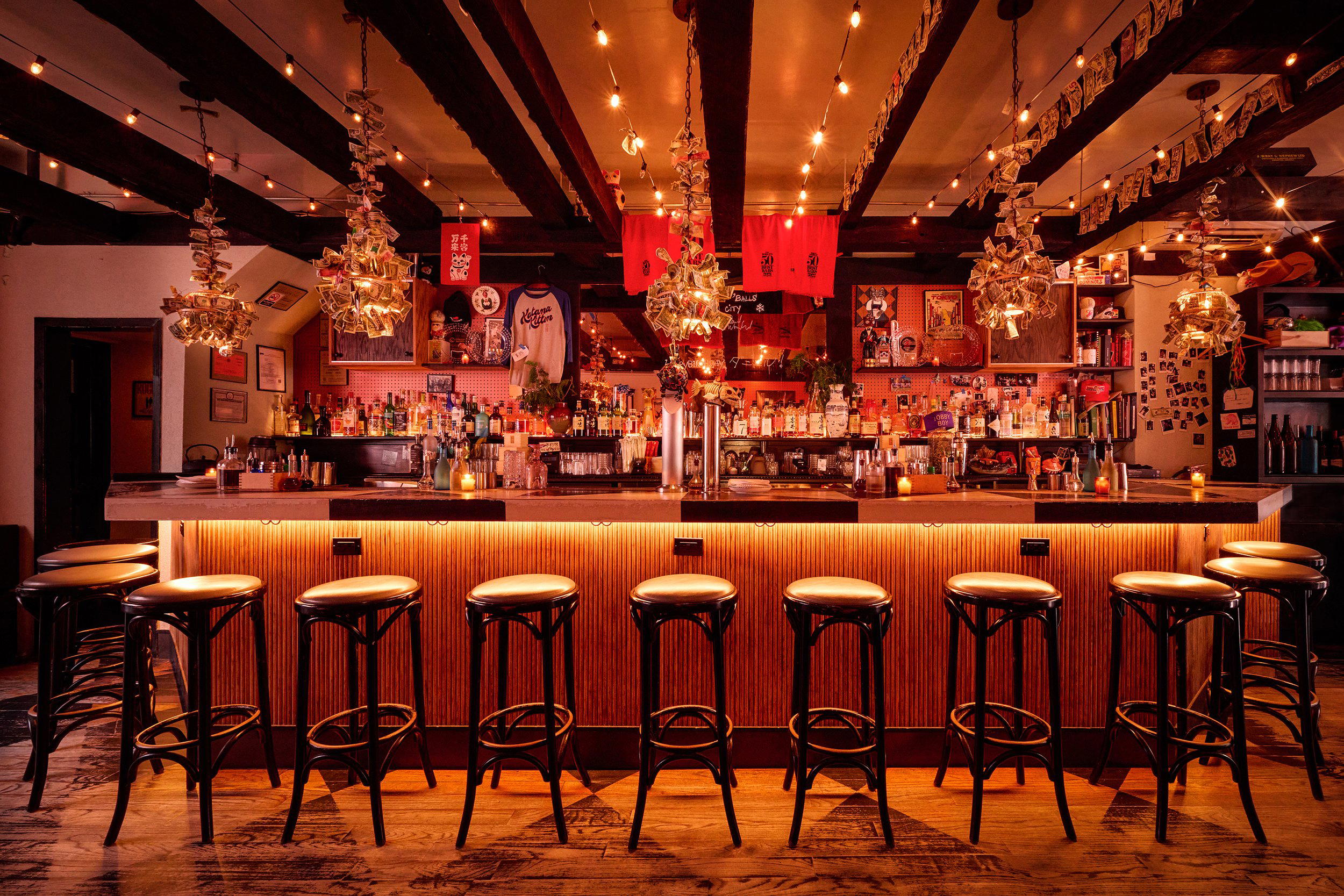
The editorial angle here is partly structural: Le B operates as two different restaurants within the same address. The dining room runs at full formal register, with tasting menus available alongside à la carte choices. The bar operates under a different logic entirely, with one specific offering available nowhere else in the room: the chef's 45-day aged burger.
This format split is more than a pricing decision. In the current generation of serious American restaurants, the chef's counter or bar has become a space where kitchens test ideas, compress service into tighter interactions, and reach guests who want proximity to the cooking without committing to a two-and-a-half-hour arc. At Lazy Bear in San Francisco or Alinea in Chicago, the counter or abbreviated format serves a similar function: a different mode of access to the same kitchen. At Le B, the 45-day dry-aged burger at the bar is both a crowd-pleasing concession and a demonstration of the kitchen's protein-aging program applied outside the formal menu. It is an object that makes the bar worth a visit on its own terms.
This matters for front-of-house calibration. Running two service modes simultaneously, one formal and tasting-led, one bar-casual and single-item, requires the kind of team coordination where floor staff need fluency in both registers. The transition between a guest settling in for a four-course à la carte and a guest at the bar ordering one thing and leaving an hour later is not instinctive. The dining room's sapphire formality and the bar's more compressed energy ask different things from the same team on the same shift.
Where Le B Sits in New York's French Conversation
New York's top-tier French table currently runs through a handful of distinct approaches. The seafood-anchored classicism of Le Bernardin represents one lineage. The plant-forward contemporary reframing of Eleven Madison Park represents another. Precision-driven Asian-influenced tasting formats, as at Atomix, sit adjacent to the French conversation without being inside it. Le B's position, holding a 2024 Michelin Plate while operating at a $$$$ price point in one of the city's most desirable dining neighbourhoods, suggests a kitchen working at the level where formal recognition is plausible but not yet awarded at the star tier.
Formal French rooms at high price points consistently attract polarised scores: guests who expected a brasserie energy or more casual pacing often register their surprise as dissatisfaction. A room that jackets its staff and runs white tablecloths in 2024 Greenwich Village is making a deliberate choice that not every diner in its postcode will read as they would have in 1985. That divergence in expectations, rather than any failure of execution, tends to explain score distributions like this one. For comparison, restaurants anchored in similarly precise formats, including Masa and The French Laundry in Napa, attract their own subset of guests for whom formality is the point rather than the obstacle.
The cuisine's Chinese heritage reference, embedded in the menu's kumquat and flavour-register choices rather than announced as a fusion concept, connects Le B to a broader pattern in American fine dining where chefs bring biographical reference points to classical European frameworks without subordinating the framework to autobiography. Providence in Los Angeles and SingleThread Farm in Healdsburg work through comparable logic in their respective traditions.
Planning a Visit
Le B is at 283 West 12th Street in Greenwich Village. The price range is $$$$, placing it among New York's top-tier dining spend. Tasting menus and à la carte are both available in the dining room; the 45-day aged burger is a bar-only item. The room suits celebratory occasions and formal date nights by design. For a broader picture of where Le B fits across New York's dining scene, see our full New York City restaurants guide, alongside resources for hotels, bars, wineries, and experiences across the city. For American fine dining at comparable ambition levels beyond New York, Emeril's in New Orleans offers a useful point of reference.
Quick reference: 283 W 12th St, Greenwich Village, New York. Price range $$$$. Michelin Plate 2024. Bar serves 45-day aged burger exclusively.
What Do Regulars Order at Le B?
The pistachio-draped pork and duck terrine with kumquat confit functions as the reliable opening across the menu, offering a clear demonstration of the kitchen's charcuterie discipline. Among principal courses, the chou farcie with rabbit in Madeira-spiked pork jus and the seafood wellington with Sauternes and tarragon cream are the dishes that most directly express the kitchen's sauce-led approach. At the bar, the 45-day aged burger is the single item available exclusively in that format, and it draws guests who want access to the kitchen's aging program outside the formal dining room context. The restaurant holds a Michelin Plate (2024) and operates at $$$$ pricing, with both tasting menus and à la carte available in the main room.
Nearby-ish Comparables
A small set of peers for context, based on recorded venue fields.
| Venue | Cuisine | Price | Awards | Notes |
|---|---|---|---|---|
| Le BThis venue (the venue you are viewing) | Modern French Fine Dining | $200–300 | Michelin Plate · James Beard Award Semi Finalist | Not listed |
| Le Bernardin | French Seafood Fine Dining | $300–500 | 3 Michelin Stars · World's 50 Best #13 | French, Seafood |
| Atomix | Modern Korean Tasting Menu | $300–500 | 2 Michelin Stars · World's 50 Best #7 | Modern Korean, Korean |
| Masa | Seasonal Hokkaido Tempura Omakase | $150–200 | Tabelog 100 #34 | Sushi, Japanese |
| Per Se | French Fine Dining Tasting Menu | $300–500 | 3 Michelin Stars · World's 50 Best #40 | French, Contemporary |
| Eleven Madison Park | Contemporary Plant-Based Fine Dining | $300–500 | 3 Michelin Stars · World's 50 Best #4 | French, Vegan |
Recognition history
Dated appearances from independent guides and award organizations, with the underlying list record or original source where available.
Michelin Plate
Michelin
James Beard Award Semi Finalist
James Beard Award
Full recognition history (3 entries)
Michelin Plate
Michelin


Continue exploring
More in New York City
Restaurants in New York City
All restaurants in New York City →
Bars in New York City
All bars in New York City →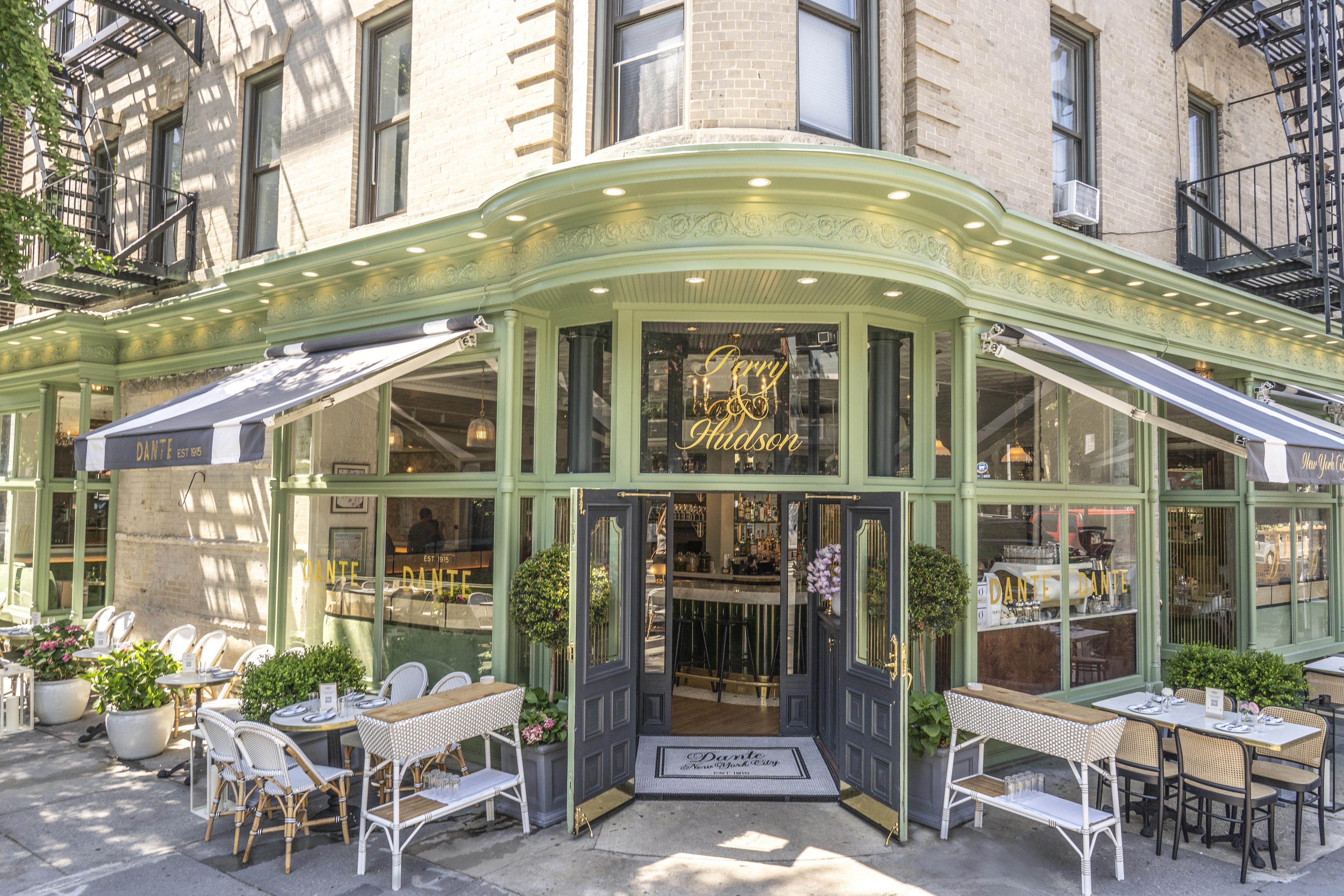




Details
- Elegant
- Sophisticated
- Intimate
- Ornate
- Date Night
- Special Occasion
- Open Kitchen
- Extensive Wine List
- A La Carte
Current opening hours
- Monday
- Closed
- Tuesday
- 5 PM–1 AM
- Wednesday
- 5 PM–1 AM
- Thursday
- 5 PM–1 AM
- Friday
- 5 PM–1 AM
- Saturday
- 5 PM–1 AM
- Sunday
- Closed
Hours can change for holidays and private events. Hours as of .
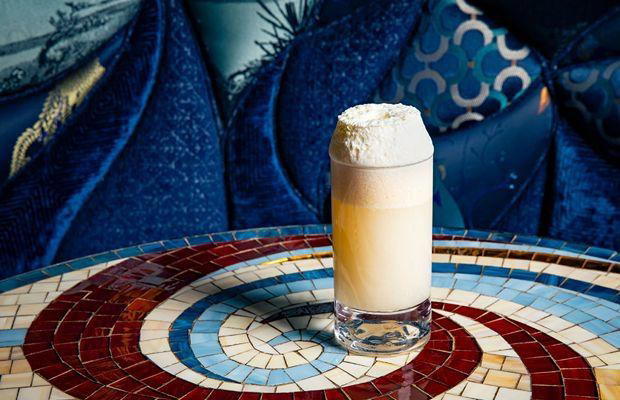
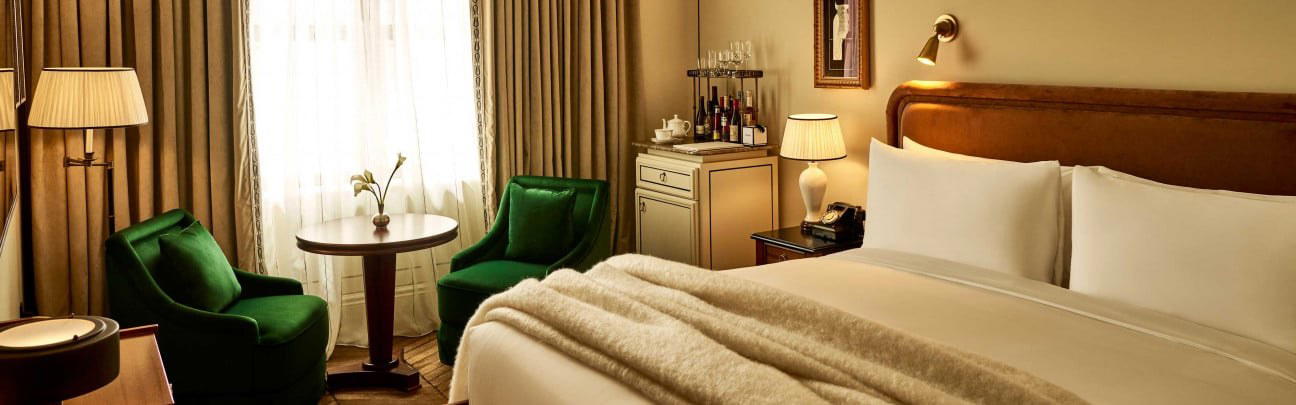
Intimate and ornate space with sapphire hues, velvet banquettes, white tablecloths, and jacketed staff creating a sophisticated, celebratory atmosphere.