Set on Eguisheim's medieval castle square, Caveau d'Eguisheim draws visitors into the heart of Alsatian wine country dining. The address at 3B Place du Château Saint-Léon places it within one of France's most picturesque wine villages, where the tradition of the cave-restaurant format remains closely tied to local viticulture and seasonal regional produce. For those exploring the Alsace Route des Vins, it represents a direct encounter with the region's winstub heritage.
Pearl is the En Primeur Club membership app — saves, bookings, and concierge access live there. Same editors, same standards.
- Address
- 3B Pl. du Château Saint-Léon, 68420 Eguisheim, France
- Phone
- +33389418572
- Website
- caveau-eguisheim.fr
- Directions
- Get directions
 Saves & bookings on Pearl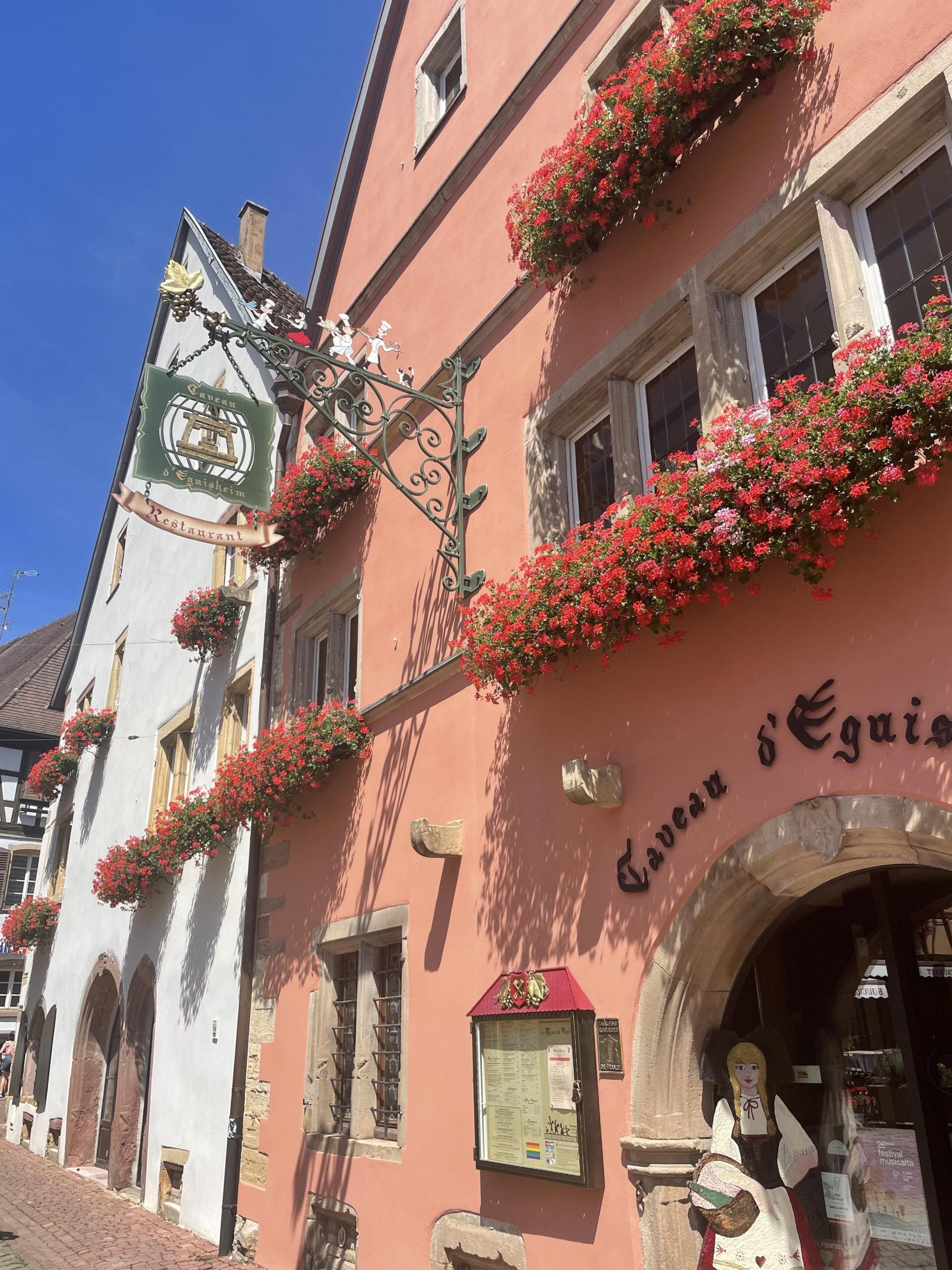
Where Stone Walls Meet the Vine: Eguisheim's Cave Dining Tradition
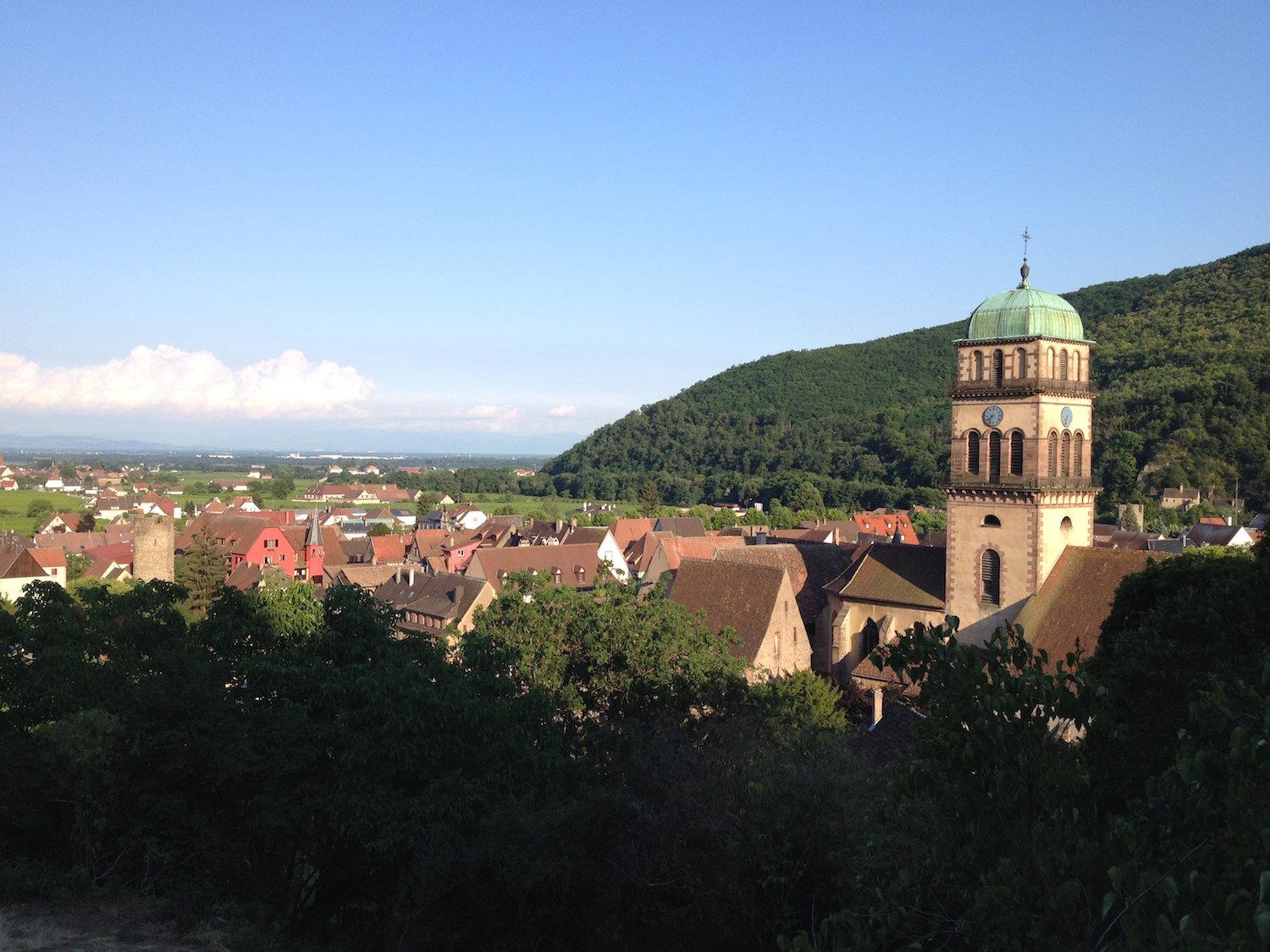
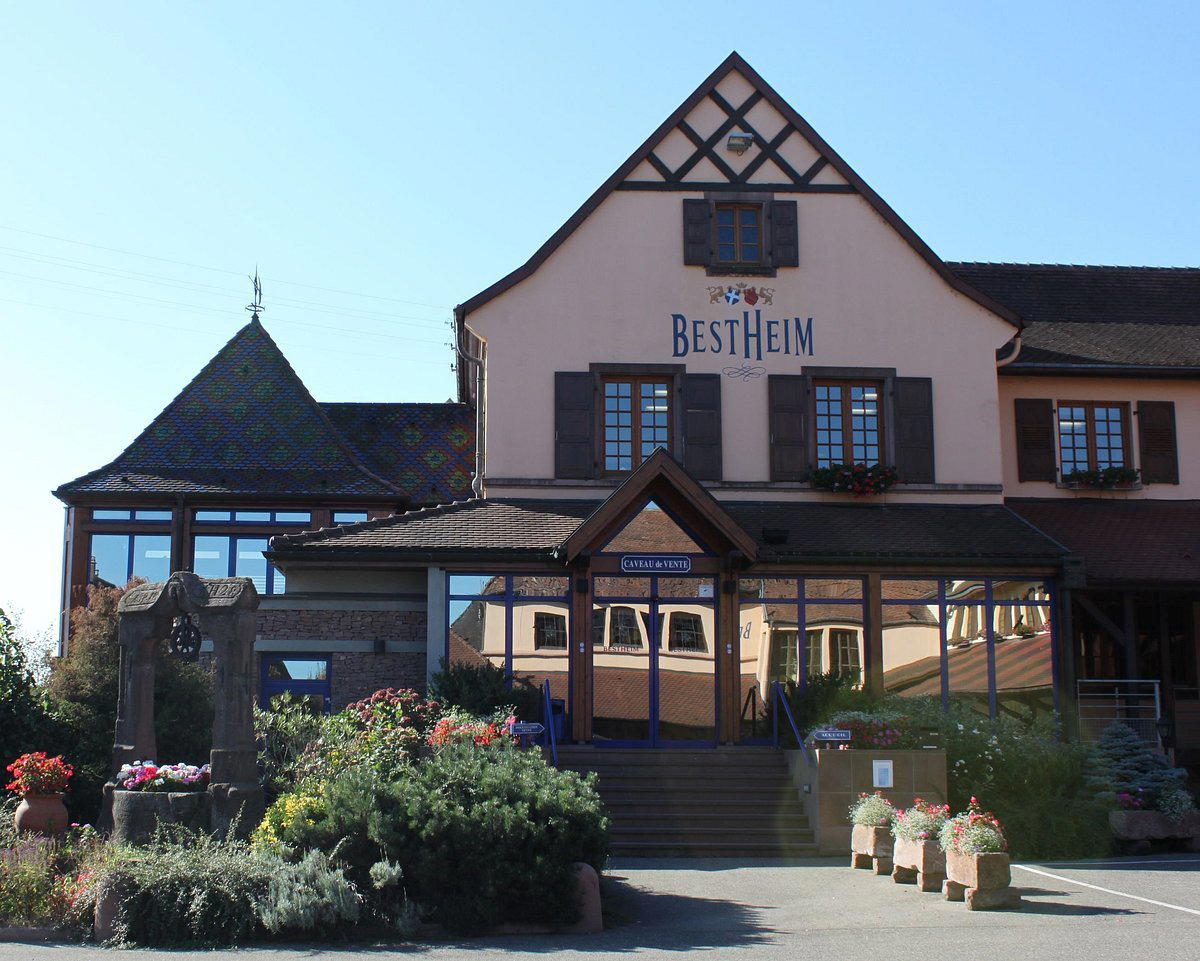
Approaching the Place du Château Saint-Léon in Eguisheim, the architecture does most of the contextual work. The circular medieval village organises itself around this central square with a coherence that most French towns spend centuries failing to achieve. The Caveau d'Eguisheim occupies number 3B on that square, which means arriving here is less about finding a restaurant and more about landing at the geographic and cultural centre of one of Alsace's most celebrated wine communes.
The caveau format, distinct from both the winstub and the gastronomic restaurant, occupies a specific niche in Alsatian dining culture. Historically tied to wine producers who opened their cellars to visitors for tastings accompanied by regional food, the caveau operates as a point of direct contact between the vineyard and the table. In Eguisheim, where Grand Cru vineyards such as Eichberg and Pfersigberg frame the village perimeter, that connection carries real agricultural weight rather than decorative heritage branding.
Sourced from the Slope: Alsace's Ingredient Geography
Understanding what arrives on the table at any serious Alsatian establishment requires understanding the regional sourcing logic that the cuisine is built around. The Alsace plain, bracketed by the Vosges to the west and the Rhine to the east, produces a specific agricultural vocabulary: choucroute from cultivated Alsatian cabbage varieties, foie gras from the region's long tradition of goose farming, freshwater fish from the Ill and its tributaries, and game from the Vosges forests during autumn months. These are not import categories but locally sourced staples with documented regional identities.
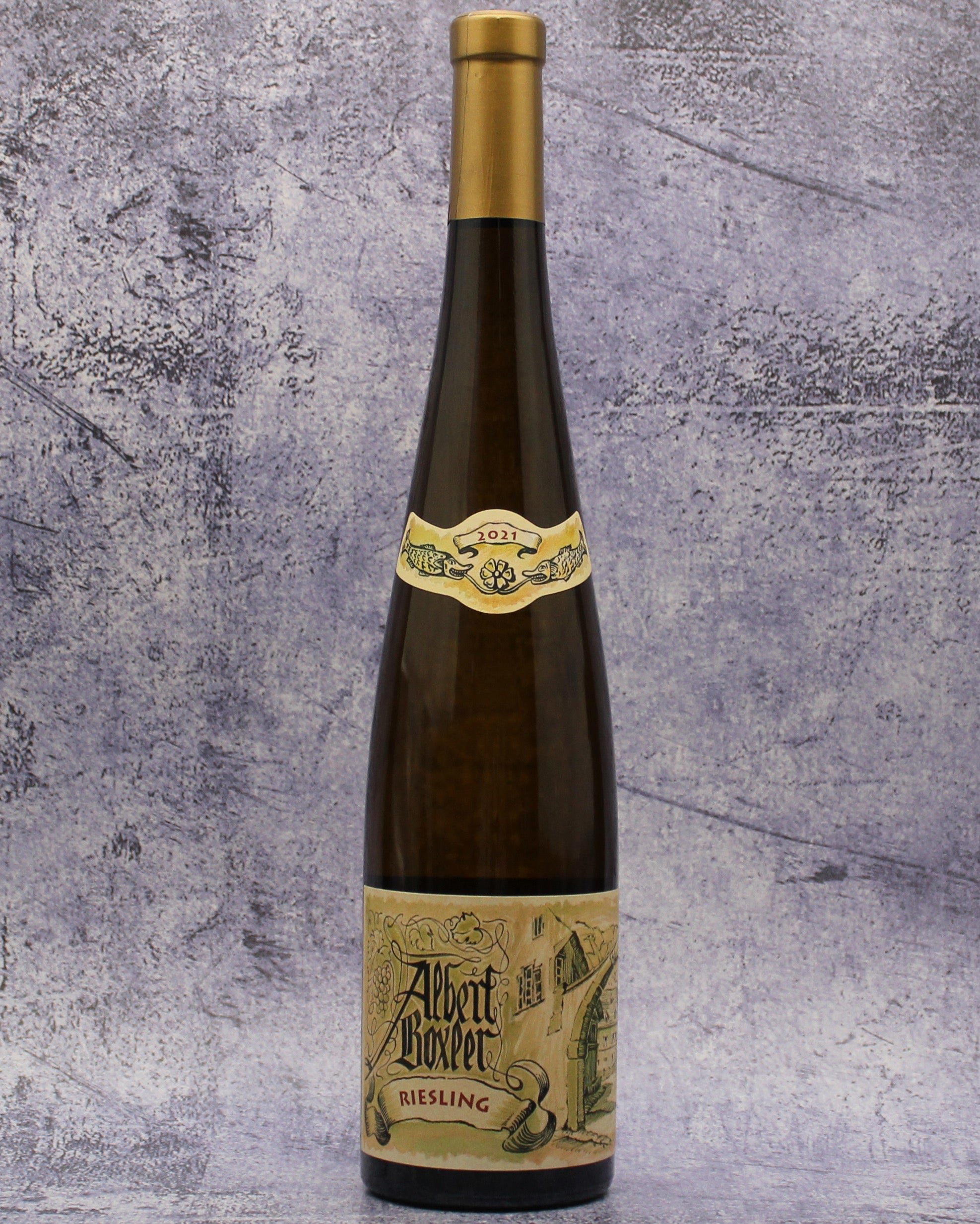
Eguisheim itself sits within the Haut-Rhin department, where viticulture concentrates on the mid-slope exposures of the Vosges foothills. The wines that accompany Alsatian cave dining, typically Riesling, Gewurztraminer, Pinot Gris, and Pinot Blanc, are grown within walking distance of the village. That proximity between vineyard and table is the structural argument that cave-restaurants in Alsace have been making for generations, long before farm-to-table became an editorial category elsewhere. Establishments like Auberge de l'Ill in Illhaeusern have held this regional sourcing logic to a three-Michelin-star standard for decades; the caveau format applies the same principle at a more accessible register.
The Eguisheim Restaurant Scene: A Three-Tier Reading
Eguisheim's dining options organise into a legible hierarchy for visitors. At the traditional end, Au Vieux Porche operates within the classic Alsatian framework at the €€ tier, anchoring the village's winstub-adjacent offering. Le Pavillon Gourmand represents the modern cuisine register, also at €€, signalling a lighter, more contemporary interpretation of regional produce. Caveau Heuhaus offers another reference point in the cave dining tradition. Caveau d'Eguisheim on the castle square occupies the caveau format within this matrix, where location on the village's central square rather than a side street carries implicit positioning weight.
For a broader frame on what Alsace's most serious kitchens do with regional sourcing at the highest level, the comparison set widens considerably. French regional cooking at the three-star tier, from Troisgros in Ouches to Bras in Laguiole, demonstrates how tightly sourced, territory-specific cooking can sustain decades of critical recognition. The caveau format makes no claim on that register, but it participates in the same foundational argument: that French regional cuisine draws authority from place.
Alsatian Dishes and Their Source Logic
The canonical dishes of the Alsatian table each have a sourcing story worth knowing before sitting down. Choucroute garnie, the discussed, requires lacto-fermented cabbage (from the Krautergersheim area, the acknowledged choucroute capital of France) combined with cured pork cuts, sausages, and often local Riesling in the braising liquid. Baeckeoffe, the slow-braised meat and potato casserole sealed in a terrine with Alsatian white wine, was historically assembled the night before a Monday wash day and left at the baker's oven. Tarte flambée (flammekueche), now served across the region, originated as a test for wood-fired oven temperature, its thin dough base crisping in seconds under fromage blanc, lardons, and onions.
These dish histories matter in a caveau context because they anchor the cuisine to specific local production cycles rather than borrowed technique. Visiting the village square in Eguisheim and eating these preparations inside a stone-walled caveau while drinking wine grown on the hillside above the village is to experience the dish and its sourcing logic simultaneously. The format does not require elaboration to make its point.
Situating the Visit: Route des Vins Timing and Context
The Alsace Route des Vins runs approximately 170 kilometres between Thann in the south and Marlenheim in the north, with Eguisheim positioned in the southern third, between Colmar (approximately 7 kilometres north) and Rouffach. The village draws significant visitor traffic during summer and the late-autumn harvest period. Visitors arriving outside peak summer and harvest windows will find the village quieter and the experience of the central square more concentrated.
Colmar serves as the practical base for most visitors to this section of the route, with its own dining scene ranging from traditional winstubs in the old town to more ambitious contemporary addresses. Day visitors from Colmar can reach Eguisheim in under fifteen minutes by car. Those planning broader Alsace itineraries should note that the regional wine culture extends well beyond the village, with producers across the Haut-Rhin and Bas-Rhin offering cellar visits that complement caveau dining. For international reference points on what serious French terroir-driven cooking looks like at the other end of the ambition register, Flocons de Sel in Megève, Mirazur in Menton, and Alléno Paris au Pavillon Ledoyen each demonstrate what French sourcing discipline produces under sustained critical attention.
For planning purposes, Eguisheim's central square tends to fill at weekend lunchtimes during the main tourist season. Confirm availability before arrival, particularly during the harvest festival period and December's Christmas market season. Our full Eguisheim restaurants guide covers the complete range of options across price tiers and formats.
Across the French regional dining map, cave and cellar restaurants occupy a category that differs from those fine-dining addresses. The value of a caveau visit is its specificity: a regional cuisine in its home architecture, drinking the wine that grows outside the window.
A Quick Peer Check
Comparable venues nearby, for context on price, style, and recognition.
| Venue | Cuisine | Price | Awards | Notes |
|---|---|---|---|---|
| Caveau d'EguisheimThis venue — the venue you are viewing | Traditional Alsatian Brasserie | $$$ | Not listed | Not listed |
| Caveau Heuhaus | Traditional Alsatian Winstub | $$ | Not listed | Eguisheim |
| Le Pavillon Gourmand | Traditional Alsatian French | $$$ | Michelin Plate | Eguisheim |
| Au Vieux Porche | Traditional Alsatian French | $$ | Michelin Plate | Eguisheim |
| Maison Blanche | Modern French Fine Dining | $$$ | Not listed | 8th arrondissement |
| Atelier de Candale | Seasonal French wine‑country restaurant in the vineyards | $$$ | Not listed | Saint-Laurent-des-Combes / Saint-Émilion vineyards |
Continue exploring
More in Eguisheim
Restaurants in Eguisheim
Browse all →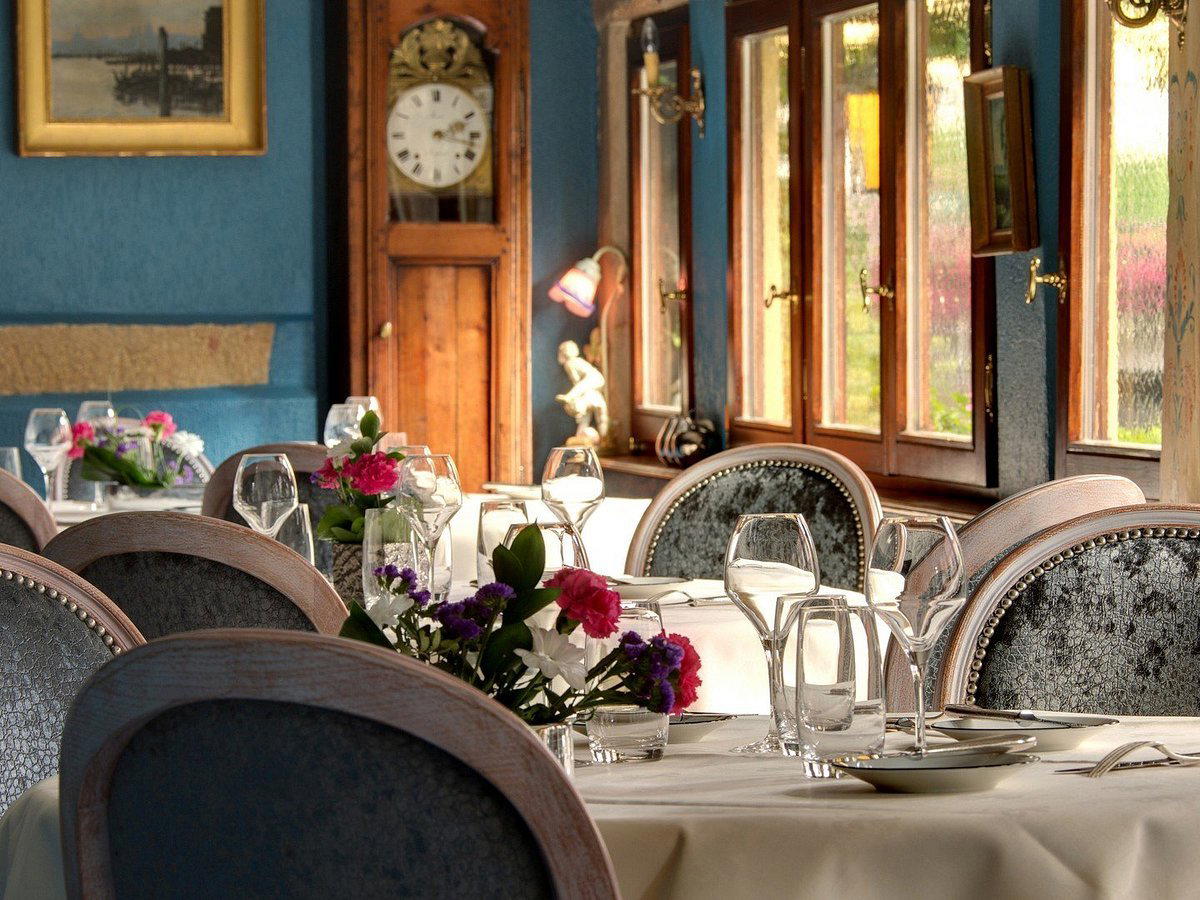
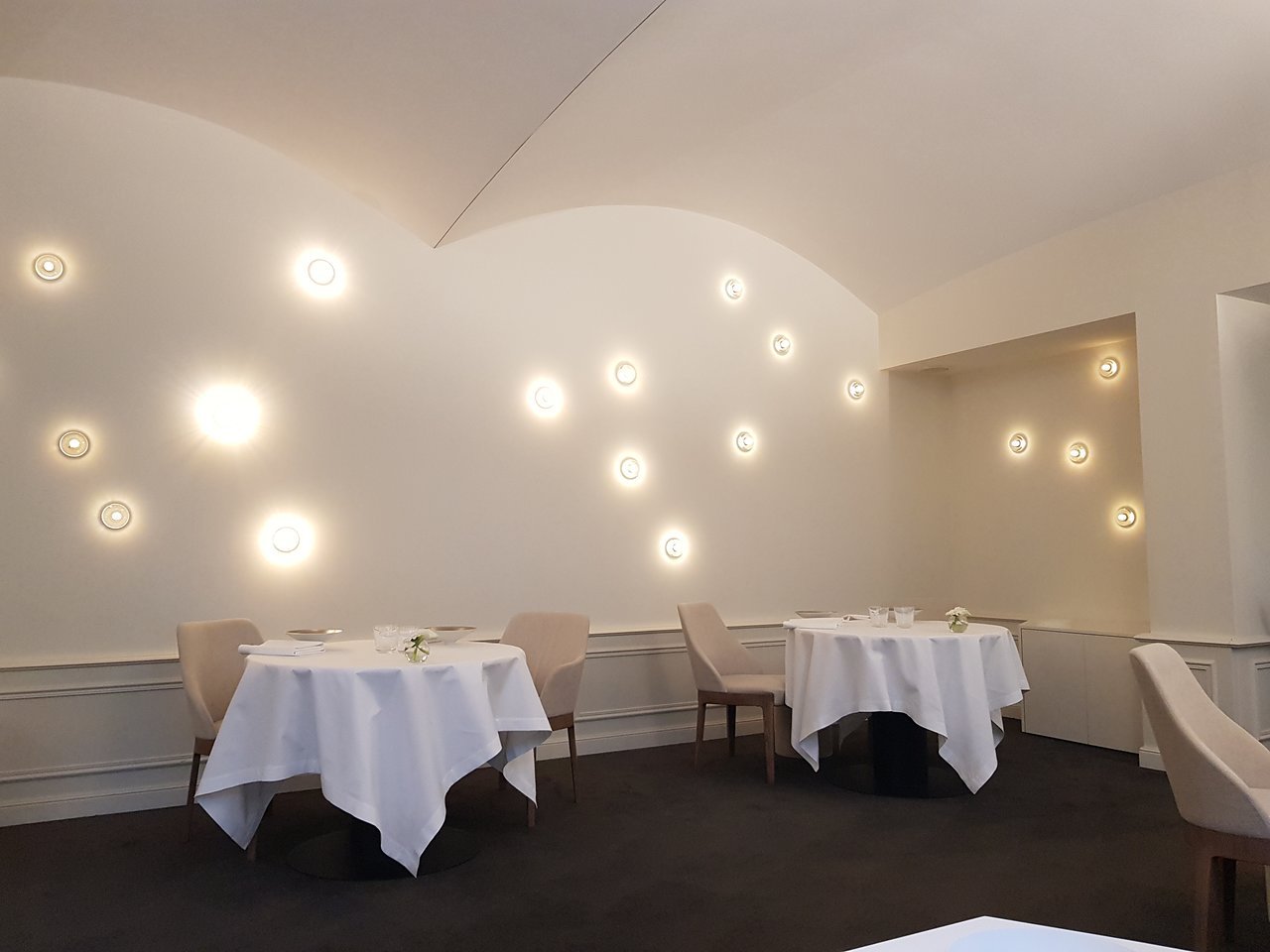
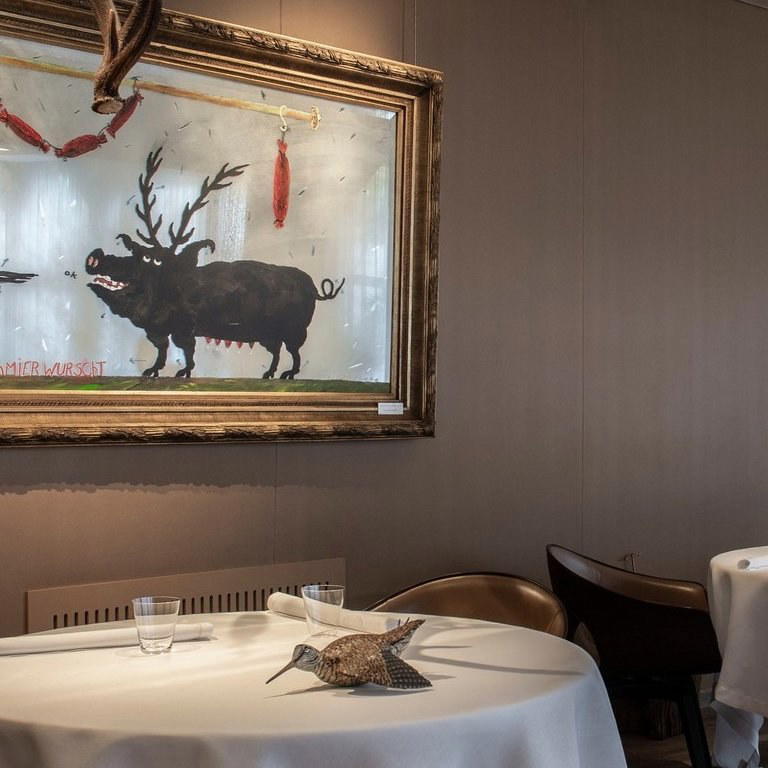
Bars in Eguisheim
Browse all →


Hotels in Eguisheim
Browse all →
At a Glance
- Rustic
- Cozy
- Classic
- Romantic
- Date Night
- Family
- Group Dining
- Celebration
- Special Occasion
- Terrace
- Historic Building
- Wine Cellar
- Extensive Wine List
- Local Sourcing
Current opening hours
- Monday
- 11:30 AM–2:30 PM, 6:30–9:30 PM
- Tuesday
- 11:30 AM–2:30 PM, 6:30–9:30 PM
- Wednesday
- 11:30 AM–2:30 PM, 6:30–9:30 PM
- Thursday
- 11:30 AM–2:30 PM, 6:30–9:30 PM
- Friday
- 11:30 AM–2:30 PM, 6:30–9:30 PM
- Saturday
- 11:30 AM–9:30 PM
- Sunday
- 11:30 AM–9:30 PM
Hours can change for holidays and private events. Last verified .
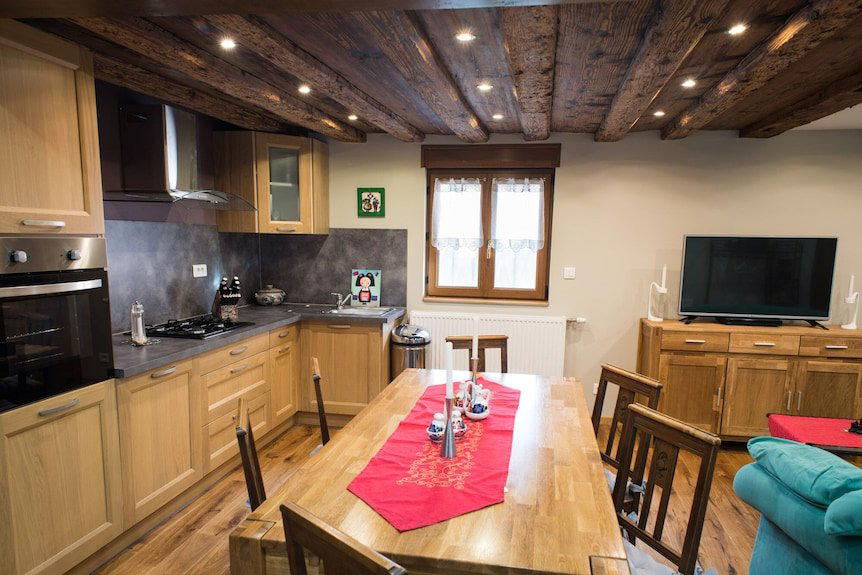
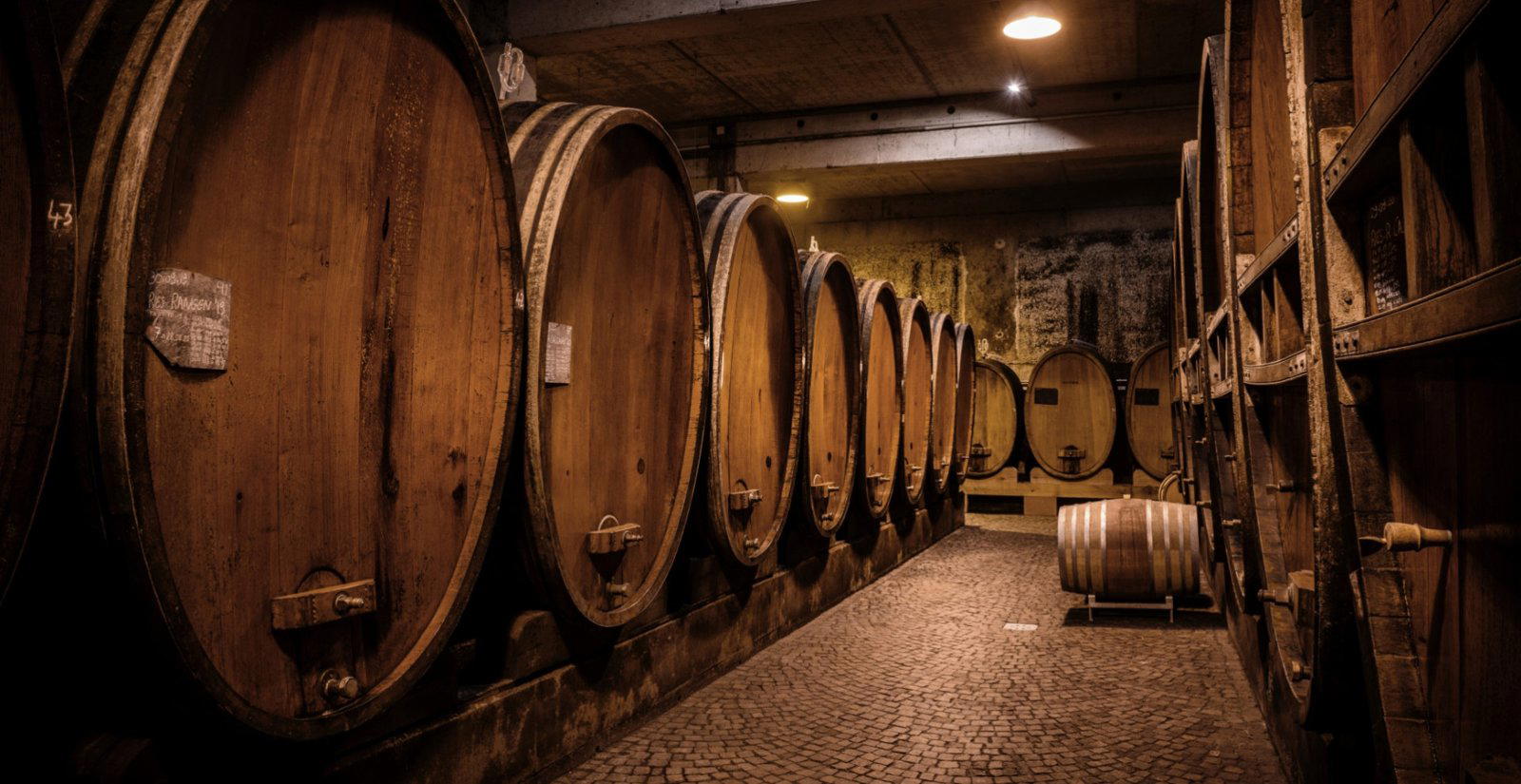
Warm and inviting with rustic charm, combining exposed stonework, woodwork, and subdued lighting in a historic cellar setting that evokes traditional Alsatian hospitality.