Our verdict
Afternoon Tea in Changzhou: Where the French Salon Tradition Meets a City Finding Its Tempo The lobby lounge as a distinct hospitality format has a long and specific lineage. In Paris, the salon de thé evolved alongside the brasserie and the...

Pearl is the En Primeur Club membership app, where members save venues, book tables and use the concierge.
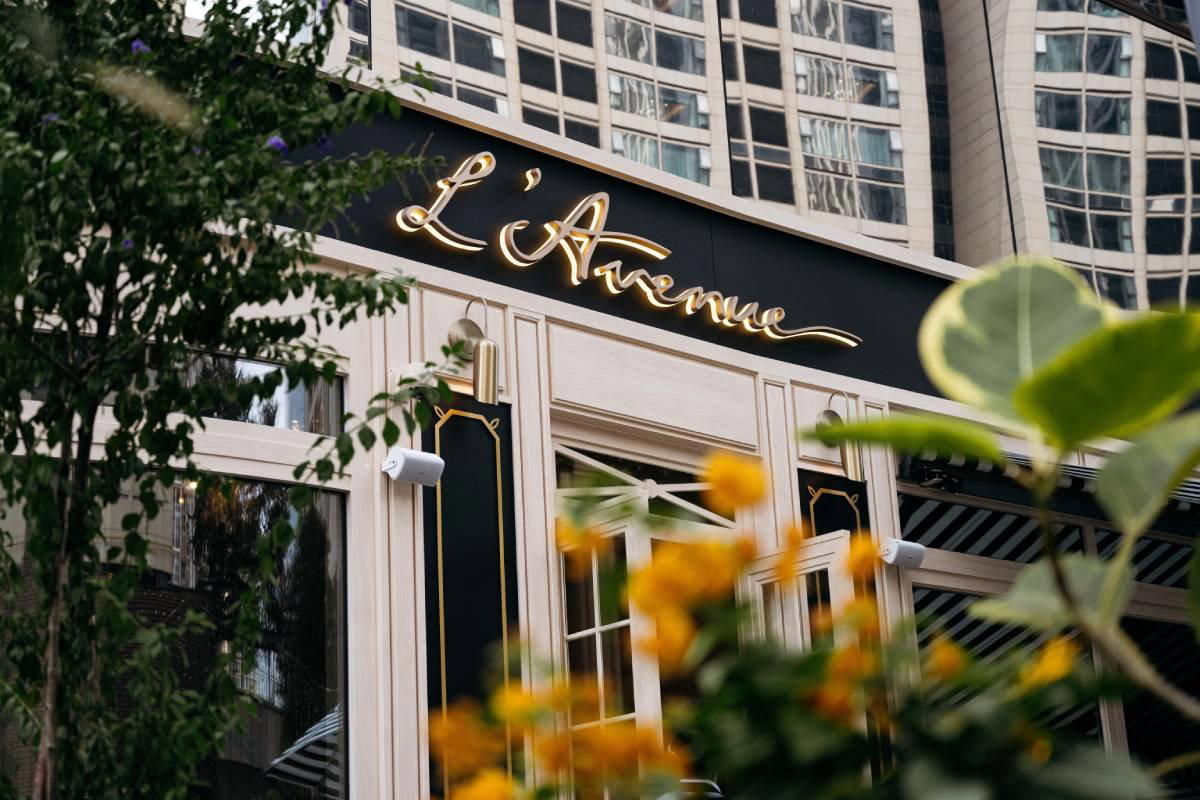
Afternoon Tea in Changzhou: Where the French Salon Tradition Meets a City Finding Its Tempo
The lobby lounge as a distinct hospitality format has a long and specific lineage. In Paris, the salon de thé evolved alongside the brasserie and the bistro as a counterpoint to the formality of the grand restaurant, a place where time slowed, conversation stretched, and the afternoon acquired a structure it otherwise lacked. That tradition, transplanted to hotel lobbies across Asia, has produced something genuinely its own: a format that draws on French afternoon ritual while adapting to local rhythms and expectations. L'avenue Lobby Lounge in Changzhou occupies this territory, offering a French-inspired afternoon tea in a city whose dining scene has expanded steadily as its industrial economy has matured.
Changzhou sits between Nanjing and Shanghai on the southern bank of the Yangtze Delta corridor, and that geography matters for understanding what its premium hospitality venues are doing. Travellers and residents with regular exposure to Shanghai's restaurant density or the more developed leisure culture of Suzhou arrive with calibrated expectations. A lobby lounge in this context is not filling a gap so much as holding a position, providing a format that business hotels and premium city properties across the region have learned to anchor their daytime identity around. For context on what the broader Changzhou dining scene looks like, the full Changzhou restaurants guide maps the city's key options across cuisine types.
The Bistro Tradition and What It Actually Means
French casual dining is widely referenced and rarely understood outside France. The bistro, properly speaking, emerged as a workingman's format in 19th-century Paris, defined less by any particular dish than by an ethos of directness: honest portions, a short menu executed well, and the understanding that the food existed to support the occasion rather than be the occasion itself. The salon de thé drew from a parallel but distinct tradition, rooted in bourgeois domestic ritual, where the afternoon tea service became a social event with its own choreography of tiered stands, small pastries, and carefully poured cups.
What French-inspired venues in Asia have largely adopted is a synthesis of both traditions, the casualness of the bistro combined with the deliberate presentational quality of the salon. The emphasis falls on setting the scene, on making the afternoon feel purposeful without requiring a formal commitment. This is the cultural logic behind the lobby lounge format at its most considered, and it explains why the French reference point, even when lightly applied, carries more weight than a purely generic tea service would. For a more pastry-focused take on French influence in Changzhou, Croissanterie applies a Jiangnan seasonal lens to its French bakery approach, offering an instructive comparison for how the culinary reference can be handled differently depending on format.
The Setting and What It Signals
Lobby lounges operate on a different set of spatial logic than standalone restaurants. The entry experience is more gradual, the boundary between guest and passerby more permeable, and the ambient noise level more variable depending on the property's occupancy and the time of day. The French bistro tradition, with its acceptance of ambient energy as part of the appeal, translates reasonably well into this format, better, arguably, than a quieter Japanese tea room aesthetic would. The afternoon tea service provides structure to what can otherwise feel like an underutilised space between meal services.
In terms of where L'avenue Lobby Lounge sits within Changzhou's dining options, the city's Western-influenced venues occupy a relatively compact tier. La Strada Italian Restaurant operates in the adjacent European comfort-food space, while Mélange Bistro takes a global approach that diffuses the European reference across multiple traditions. L'avenue's French orientation, specifically applied to the afternoon tea format, gives it a more defined position in that competitive set. The city also has strong Chinese dining options worth knowing about: Astral Lake Chinese Restaurant focuses on Jiangnan and Shunde specialties, while Songyun represents a different local register entirely.
How This Compares to the Regional Premium Tier
To understand where afternoon tea and French-inspired formats sit in the broader Chinese premium dining scene, it helps to look at what is happening in the larger cities nearby. Shanghai's lobby lounge culture is considerably more developed, with properties competing on pastry sourcing, tea provenance, and the detail level of their tiered presentations. 102 House in Shanghai demonstrates how far the format can be pushed in a city where leisure dining has had longer to develop. Further afield, venues like Chef Tam's Seasons in Macau and Ru Yuan in Hangzhou illustrate the range of premium daytime dining options across the region. At the top end of fine dining globally, the gap to places like Le Bernardin in New York City or Atomix in New York City is significant in format and ambition, though these are different categories entirely.
Chinese cities of Changzhou's size and trajectory tend to follow a recognisable pattern: the international hotel brands establish the Western dining reference points, the local independent scene develops in parallel, and over time the two start to calibrate against each other. In Suzhou, for instance, Dingshan·Jiangyan represents how a city slightly further along that curve handles premium local dining. In Nanjing, Dai Yuet Heen shows what a more developed Cantonese fine dining tier looks like in a comparable Yangtze Delta city. L'avenue in Changzhou is operating in an earlier phase of that development, which shapes both its positioning and its role in the local hospitality ecosystem.
Planning a Visit
For those visiting Changzhou on business or passing through the city, the lobby lounge format is typically most accessible for afternoon appointments or between-meeting pauses, and French-inspired tea services in hotel settings across China generally run from mid-morning through early evening. The French-inspired format suggests a dress standard somewhere between smart-casual and business-casual, consistent with international hotel lobby norms in Chinese tier-two cities. For broader context on where this venue fits in Changzhou's dining scene, the city guide covers the full range of options across price points and cuisine types.
Frequently asked questions
Can I bring kids to L'avenue Lobby Lounge?
Lobby lounge formats in Chinese premium hotels are generally accommodating for families, and the afternoon tea setting at L'avenue suits a slower pace that works well with children. The French-inspired menu format, with its structured tiers and lighter portions, tends to translate better for younger guests than a full tasting menu. That said, check the venue's official channels to confirm seating arrangements for groups with children.
Do they take walk-ins at L’avenue Lobby Lounge?
Reservations are recommended for L’avenue Lobby Lounge in Changzhou. Confirm current policy via the venue's official channels.
What kind of setting is L'avenue Lobby Lounge?
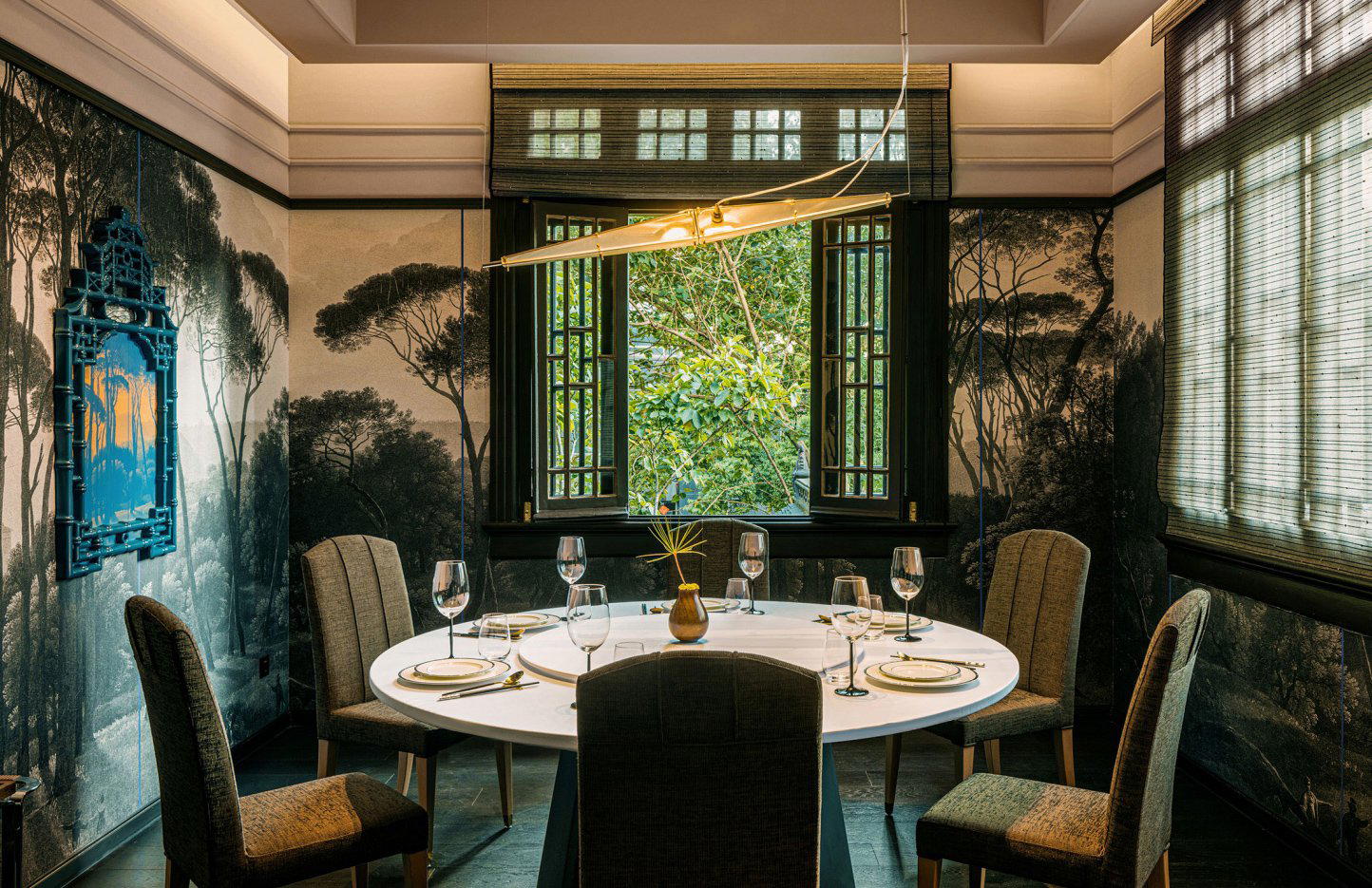
L'avenue operates as a lobby lounge, which means the spatial logic differs from a standalone restaurant: the transition from arrival to seating is gradual, and the room functions simultaneously as a through-passage and a destination. The French-inspired positioning in Changzhou places it within a specific tier of hotel dining that prioritises ambient comfort over theatrical presentation. Expect upholstered seating, ambient lighting calibrated for extended stays, and a pace that accommodates afternoon appointments as naturally as evening ones.
Budget and Context
Comparable venues nearby, for context on price, style, and recognition.
| Venue | Cuisine | Price | Awards | Notes |
|---|---|---|---|---|
| L’avenue Lobby LoungeThis venue (the venue you are viewing) | Lobby Lounge | Not listed | Not listed | Not listed |
| Mélange Bistro | Global Fusion Bistro | $30–50 | Not listed | Hi-Tech District, Global Fusion Bistro |
| Astral Lake Chinese Restaurant | Changzhou-Shunde Chinese | Not listed | Not listed | Xinbei District, Changzhou-Shunde Chinese |
| La Strada Italian Restaurant | Authentic Italian Street Café | Not listed | Not listed | Xinbei District, Authentic Italian Street Café |
| Songyun | Contemporary Chinese Fine Dining | Not listed | Black Pearl 1 Diamond | Tianning District, Contemporary Chinese Fine Dining |
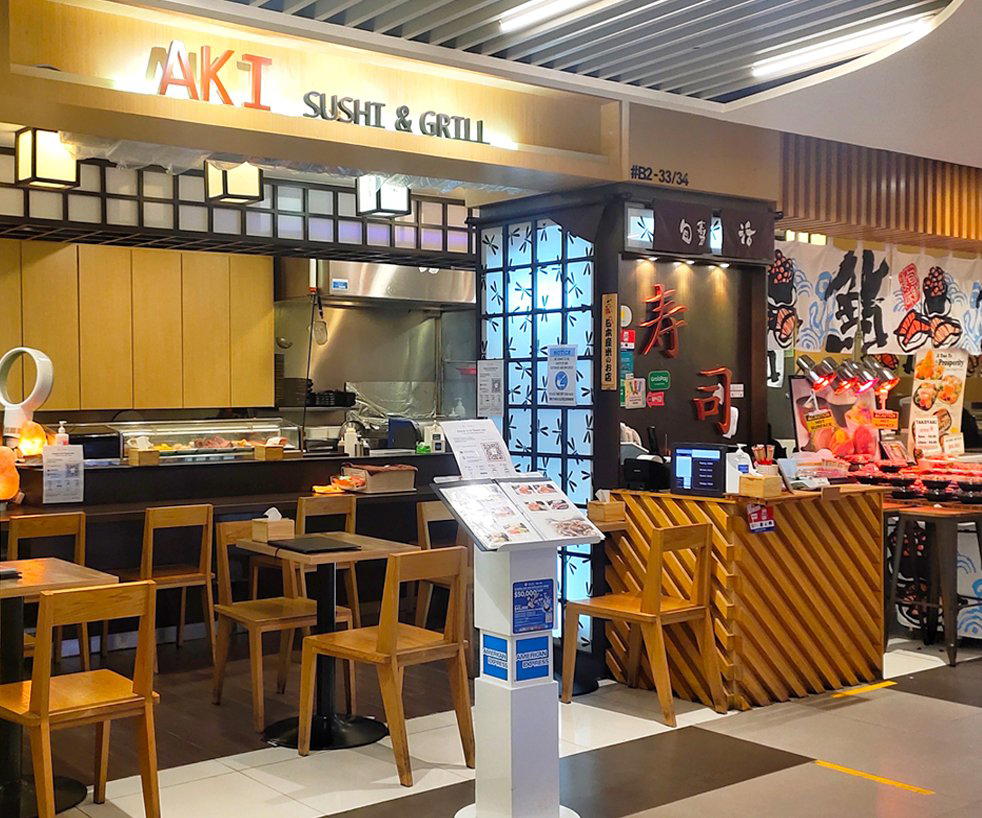
| Sushi Aki | Sushi restaurant | Not listed | Black Pearl 1 Diamond | Not listed |
Continue exploring
More in Changzhou
Details
- Elegant
- Sophisticated
- Business Dinner
- Casual Hangout
- Hotel Restaurant
- A La Carte
Elegant setting with sophisticated lighting well-suited for business and leisure.