Our verdict
Croissanterie brings classical French pastry technique into conversation with Jiangnan seasonal produce, occupying a niche that has few direct competitors in Changzhou. The format sits closer to a serious European boulangerie than to the international-brand bread chains that dominate most Chinese city centres. For Changzhou, where Western bakery culture is still consolidating, that positioning carries weight.

Pearl is the En Primeur Club membership app, where members save venues, book tables and use the concierge.
The menu
What to order
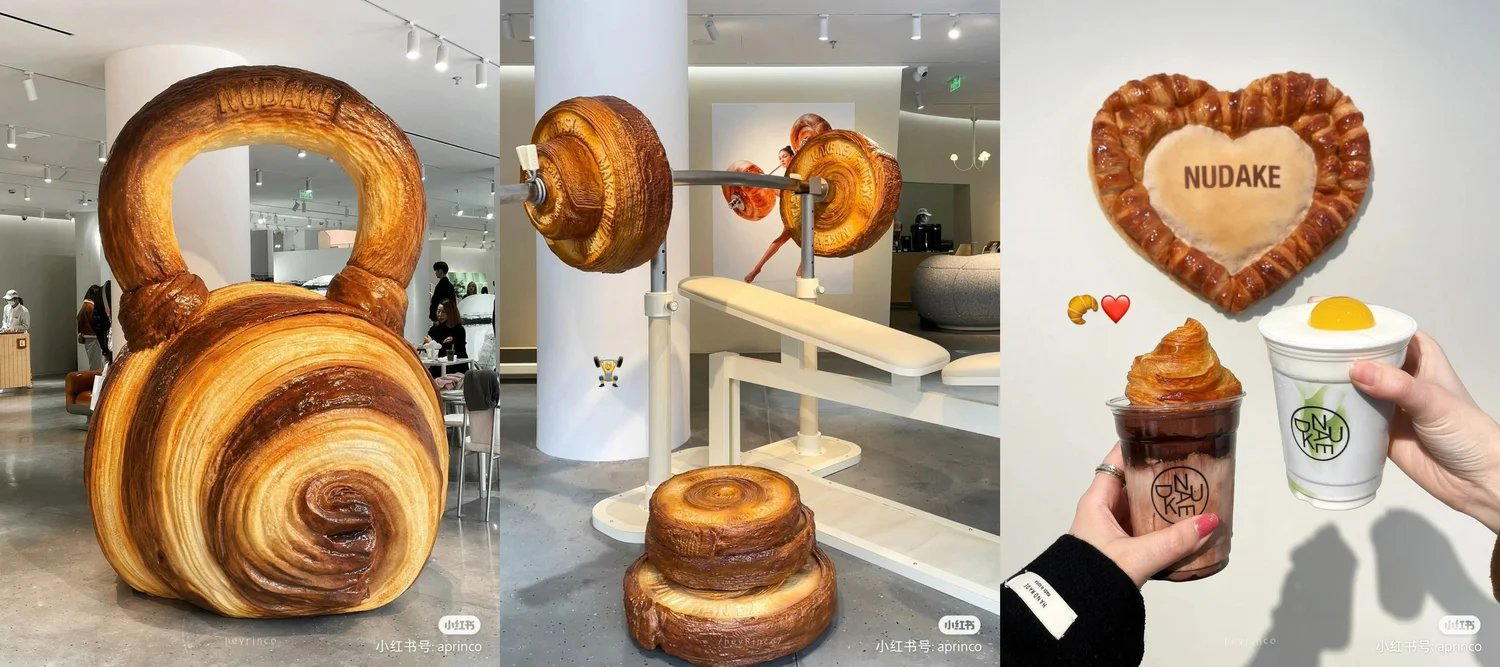
- Seasonal croissants
- Ham and egg croissant
Where French Technique Meets the Jiangnan Calendar
Walk into most Chinese city-centre bakeries and the reference points are immediately legible: Japanese-inflected milk bread, Korean-style cream buns, and laminated pastry that prioritises visual drama over crumb structure. Changzhou is no exception to that pattern. Which makes Croissanterie's positioning, French pastry craft inflected with Jiangnan seasonal thinking, something worth paying attention to. The tension between classical French method and local ingredient logic is not decorative here; it is the operational premise.
That tension is the same one playing out at serious pastry addresses across East Asia. In cities like Shanghai, the split between Euro-technique houses and locally adapted formats has sharpened considerably over the past decade. 102 House in Shanghai represents one version of that conversation: deep culinary identity rooted in place, even when the techniques travel. Croissanterie's approach in Changzhou draws from a comparable logic, though at a different scale and in a city where the audience for serious French pastry is still forming.
The Classical French Pastry Tradition and Why It Travels Badly
Classical French boulangerie is arguably the most technique-dependent of all Western food formats. Laminated dough, the foundation of croissants, kouign-amann, and mille-feuille, tolerates almost no shortcuts: butter temperature, fold count, proofing time, and oven humidity all determine the final result. These variables are hard to control in high-humidity subtropical climates, and they demand a level of technical investment that most operators in second-tier Chinese cities have historically found difficult to justify commercially.
The fact that a venue operating under this framework has established itself in Changzhou rather than in one of the major export-facing cities (Shanghai, Beijing, Guangzhou) is editorially significant. It suggests either a local demand signal strong enough to support the format, or an operator willing to develop that demand, or both. For comparison, look at how Jiangnan-facing fine dining has consolidated in nearby cities: Ru Yuan in Hangzhou and Dingshan·Jiangyan in Suzhou both operate in markets where culinary identity and regional ingredient awareness are well established. Changzhou sits in the same geographic and cultural corridor, but its premium dining scene is at an earlier stage of articulation.
Jiangnan Seasonality as Editorial Material
The Jiangnan region, the lower Yangtze delta, roughly from Nanjing to Shanghai and south toward Hangzhou, has one of China's most ingredient-specific culinary calendars. Spring brings shepherd's purse, water bamboo shoots, and the brief window for fresh hairy crab roe. Autumn pivots to persimmons, chestnuts, and the mature crab season proper. A pastry format that takes those seasonal signals seriously is doing something structurally different from a venue that simply swaps out a flavour paste.
This is where the EA-FR-03 tension, classical technique against modern local adaptation, becomes most productive as an editorial lens. The question is not whether French pastry can incorporate Chinese flavours (that experiment has been running for years, with mixed results). The question is whether the seasonal logic of Jiangnan agriculture can genuinely inform the structural decisions of French baking: the fillings, yes, but also the fermentation choices, the fat sources, the timing of the menu itself. That level of integration is harder to execute and harder to assess from the outside, but it is the standard against which serious operators in this hybrid format are measured.
For broader context on how Jiangnan seasonal produce operates in a fine-dining register, Astral Lake Chinese Restaurant in Changzhou, which works across Jiangnan and Shunde specialties, offers a useful local comparison point. The ingredient logic overlaps even when the technique and format diverge entirely.
Changzhou's Western Dining Cohort
Changzhou's premium and near-premium Western dining options currently cover a reasonably varied range of formats. La Strada Italian Restaurant occupies the sit-down European dining slot. L'avenue Lobby Lounge addresses the afternoon tea and French-inspired light dining category. Mélange Bistro takes a global-international approach. And Songyun represents the city's Chinese fine dining register.
Within that cohort, Croissanterie occupies a distinct sub-category: the specialised French pastry and boulangerie format, which has no direct peer in the immediate competitive set. That specificity is a strength in markets where differentiation matters, and a risk in markets where the customer base for the format is still narrow. Changzhou's population and economic profile, a Tier 2 city with a significant manufacturing and technology sector, situated between Nanjing and Shanghai on the high-speed rail corridor, suggests a growing middle-to-upper income segment with exposure to food culture from the larger cities on either side.
For reference on what serious French pastry technique looks like at the top of the global register, Le Bernardin in New York City demonstrates the French classical approach applied with absolute precision, a standard that shapes expectations across the international tier. Closer to home, the cross-cultural technique dialogue visible at Atomix in New York illustrates how Eastern-Western hybrids can achieve genuine critical standing when the integration is structural rather than cosmetic. Neither comparison is direct, but both illuminate the framework within which Croissanterie's ambitions can be assessed.
Elsewhere in China's French-adjacent dining scene, Fleurs Et Festin in Xiamen represents a comparable experiment in bringing European pastry and dining sensibility into a Chinese coastal city context. Chef Tam's Seasons in Macau and Imperial Treasure Fine Chinese Cuisine in Guangzhou frame the broader regional conversation about culinary identity and technique transfer. Xin Rong Ji in Beijing, Xin Rong Ji in Chengdu, Dai Yuet Heen in Nanjing, and Jiangnan Wok·Rong in Fuzhou all operate within the Jiangnan-influenced culinary orbit, each reflecting how regional identity is being coded differently across cities of varying scale and appetite. The broader Changzhou restaurants guide maps where Croissanterie sits within the city's evolving dining picture.
Planning Your Visit
For a specialised pastry venue in a Tier 2 Chinese city, the practical expectation is counter service or limited seating, with peak demand during weekend morning hours when the laminated pastry selection is freshest. Visiting earlier in the day is standard practice at serious boulangeries globally, and the same logic applies here: the croissants that come out of the morning bake are structurally different from those that have sat for several hours.
Frequently asked questions
How does Croissanterie differ from other Western bakeries in Changzhou?
Most Western-facing bakeries in Changzhou, and across Chinese tier-two cities generally, work within a Japanese or Korean-inflected soft-bread tradition: milk bread, cream-filled buns, and brioche-adjacent formats. Croissanterie's stated framework is classical French boulangerie, specifically the laminated dough category, cross-referenced with Jiangnan seasonal produce from the lower Yangtze delta.
What's the best thing to order at Croissanterie?
Croissanterie's identity is built around laminated French pastry, croissants are the reference point here, not milk bread or cream buns. Given the Jiangnan seasonal inspiration that defines its editorial approach, pastries incorporating local seasonal ingredients are the logical order of priority. Confirm the current lineup directly with the venue, as the offering shifts with the regional calendar.
Do I need a reservation for Croissanterie?
Croissanterie is a French pastry and bakery format, which typically operates on a walk-in basis rather than a reservation model. That said, production quantities for laminated dough are finite by nature, serious croissant bakeries sell out early and do not restock mid-day. Arriving in the morning window is the practical approach; check the venue's official channels to confirm current policy.
What has Croissanterie built its reputation on?
Croissanterie occupies a specific position in Changzhou's Western dining cohort: a French pastry format that draws on Jiangnan seasonal ingredients rather than defaulting to the Japanese or Korean bakery references that dominate most Chinese city-centre bakeries. The combination of classical French lamination technique and lower-Yangtze delta produce is its defining premise.
Is Croissanterie good value for money?
As a reference point, specialty French laminated pastry in Chinese tier-two city markets typically sits above mass-market bakery pricing, reflecting the labour and ingredient cost of proper beurrage and slow fermentation. Whether that represents value depends on what benchmark you bring, against a convenience-chain croissant, certainly; against a Paris boulangerie, the comparison shifts.
Category Peers
Comparable venues nearby, for context on price, style, and recognition.
| Venue | Cuisine | Price | Awards | Notes |
|---|---|---|---|---|
| CroissanterieThis venue (the venue you are viewing) | French Croissant Bakery with Jiangnan Fusion | Not listed | Not listed | Not listed |
| Mélange Bistro | Global Fusion Bistro | $30–50 | Not listed | Hi-Tech District |
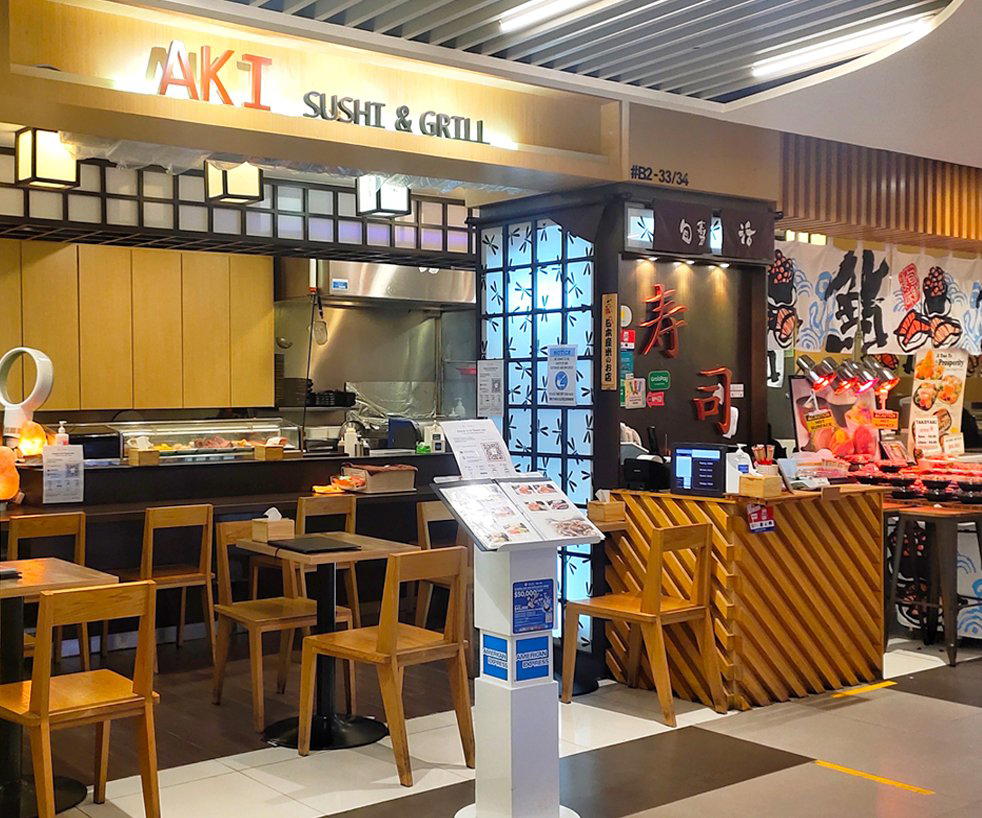
| Sushi Aki | Sushi restaurant | Not listed | Black Pearl 1 Diamond | Not listed |
| La Strada Italian Restaurant | Authentic Italian Street Café | Not listed | Not listed | Xinbei District |
| Songyun | Contemporary Chinese Fine Dining | Not listed | Black Pearl 1 Diamond | Tianning District |
| L’avenue Lobby Lounge | Lobby Lounge | Not listed | Not listed | Xinbei District |
Continue exploring
More in Changzhou
Details
- Modern
- Brunch
- Casual Hangout
- Hotel Restaurant
- A La Carte
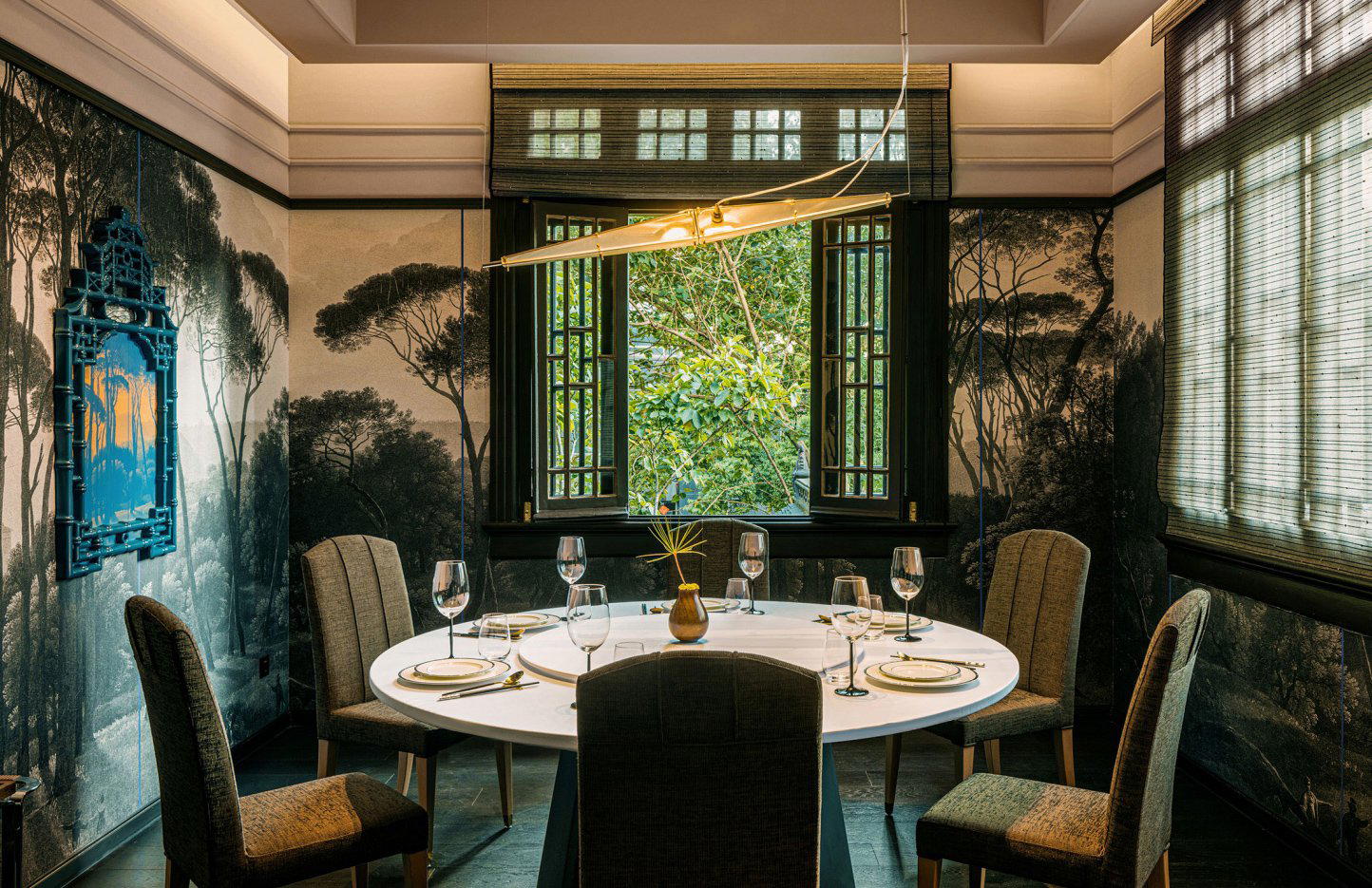
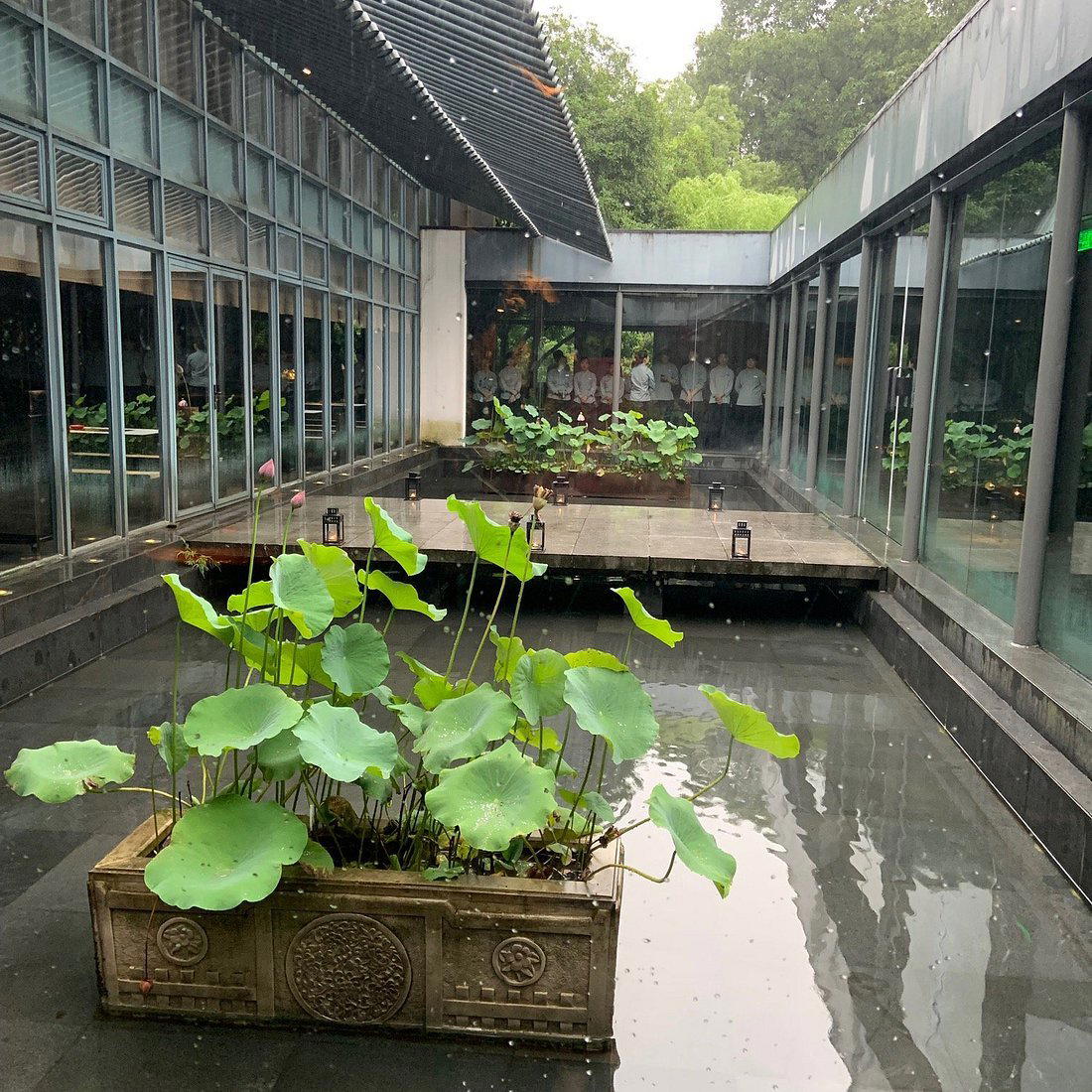
French-style Jiangnan fusion in a luxury hotel setting.