Our verdict
Among Changzhou's Chinese restaurants, Astral Lake draws on two distinct regional traditions: the delicate, sugar-forward cooking of Jiangnan and the precision-driven Cantonese craft of Shunde. The result is a table that speaks to both local identity and a broader southern Chinese culinary conversation, making it a reference point for communal dining in the city.

Pearl is the En Primeur Club membership app, where members save venues, book tables and use the concierge.
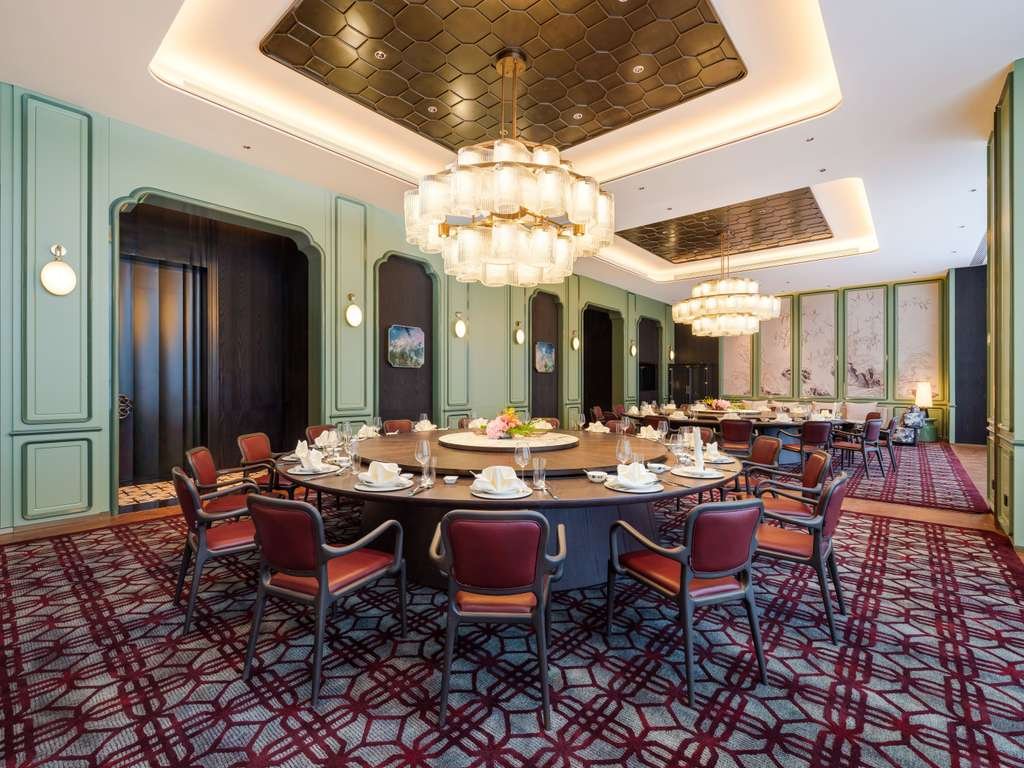
Two Traditions, One Table
Changzhou sits in the geographic and cultural middle of Jiangnan, the region that stretches across the Yangtze Delta and encompasses some of China's most disciplined cooking traditions. The cuisine here has historically been defined by sweetness deployed as a seasoning rather than an indulgence, by freshwater fish given more care than most cities give to beef, and by a seasonality so precise that the window for certain ingredients is measured in weeks rather than months. Astral Lake Chinese Restaurant operates within that tradition while adding a second layer: Shunde, the Cantonese district in Guangdong that culinary scholars frequently cite as the birthplace of Cantonese cooking in its most refined form. That dual identity is not a marketing decision so much as a structural one, it tells you immediately that the kitchen is working across two demanding and distinct frameworks simultaneously.
The Logic of the Lazy Susan
In the context of Jiangnan and Shunde cooking, the lazy Susan is not incidental furniture. It is the organizing principle of the meal. Dishes arrive sequenced by temperature, texture, and weight, and the table's rotation determines the order in which each person encounters a braised pork belly, a steamed fish, or a winter melon soup. The choreography of a well-run shared Chinese table is its own form of hospitality intelligence: cold dishes anchor the opening, proteins arrive mid-meal when appetite is at full attention, and gentler, broth-based preparations close the sequence. At restaurants that handle both Jiangnan and Shunde traditions, this sequencing carries additional complexity, because the two cuisines approach flavor accumulation differently. Jiangnan cooking tends toward a slow build of sweetness and umami, while Shunde technique often relies on clarity, stocks that are clean, not rich, and a restraint in seasoning that puts the ingredient itself at the center. Balancing both across a single shared meal requires a kitchen with clear hierarchy and practiced timing.
For context, the communal banquet format has been the primary vehicle for serious Chinese cooking for centuries, and cities in the Yangtze Delta have historically hosted some of its most elaborate expressions. Changzhou, while less internationally recognized than Suzhou or Hangzhou, has maintained a local dining culture that prizes this format. For a closer look at how these traditions translate across the region, Ru Yuan in Hangzhou and Dingshan·Jiangyan (Xiangcheng) in Suzhou offer useful regional comparisons within the broader Jiangnan corridor.
Where Astral Lake Sits in Changzhou's Dining Scene
Changzhou's restaurant scene has been shaped in recent years by an influx of international concepts alongside a continued investment in Chinese fine dining. The city's higher-end Chinese tables compete less with each other than with the pull of Shanghai and Nanjing for business travelers and tourists. Within Changzhou itself, the Chinese restaurant tier that Astral Lake occupies operates alongside a cohort of international venues: La Strada Italian Restaurant handles the Italian position, Mélange Bistro covers global formats, and L'avenue Lobby Lounge serves afternoon tea and French-inspired fare. The presence of Croissanterie, which draws on Jiangnan seasonal inspiration for its French pastry program, suggests that the city's dining conversation has become genuinely cross-cultural. Astral Lake belongs to the Chinese anchor of that conversation, representing a cuisine that does not need to borrow from other traditions to justify its place at the premium end of the market.
Among broader regional peers, the Shunde dimension of Astral Lake's cuisine connects it to a conversation happening at the highest levels of Chinese dining. Chef Tam's Seasons in Macau and Imperial Treasure Fine Chinese Cuisine in Guangzhou represent the Cantonese tradition at a Michelin-recognized level. For Jiangnan parallels, Xin Rong Ji (Xinyuan South Road) in Beijing and Xin Rong Ji in Chengdu show how that regional identity travels. Songyun, also in Changzhou, represents a local peer worth considering when planning a multi-night itinerary in the city.
What to Understand Before You Go
Restaurants that handle serious Jiangnan and Shunde menus in a shared-table format tend to operate with a different rhythm than restaurants organized around individual plating. Portion counts, dish timing, and even table size depend on group composition. Smaller groups of two or three will encounter the menu differently than a table of eight or ten, where the full sequence of a Chinese banquet can be deployed with greater range. This is worth factoring into how you plan the visit. A larger group allows the kitchen to show more range across both traditions; a smaller table will yield a tighter, more focused meal that may sit more naturally within one regional register than the other.
For a broader map of the city's dining options, our full Changzhou restaurants guide covers the range of venues across cuisines and formats.
For those traveling across the region, Dai Yuet Heen in Nanjing, Jiangnan Wok·Rong in Fuzhou, and Fleurs Et Festin in Xiamen offer additional points of reference across the southern Chinese coastal and inland culinary corridor. And for those comparing the Chinese fine dining format against Western counterparts at a similarly serious level, Le Bernardin in New York City and Atomix in New York City illustrate how tasting-menu precision translates across culinary traditions, a useful lens when thinking about what the Jiangnan and Shunde formats are achieving on their own terms.
One additional reference point: 102 House in Shanghai represents a sophisticated take on Chinese dining in the city most internationally associated with the Jiangnan tradition, and serves as a benchmark for the category's ceiling within the region.
Frequently asked questions
How does Astral Lake Chinese Restaurant combine Jiangnan and Shunde cooking on one menu?
Jiangnan cuisine, shaped by the Yangtze Delta's freshwater produce and mild seasoning traditions, and Shunde cooking, a Cantonese sub-style from Guangdong known for precise technique with fish and milk-based dishes, sit at opposite ends of China's culinary geography. Astral Lake in Changzhou positions itself at the intersection of both, which is a structurally unusual proposition for a single kitchen. The shared-table format typical of the venue means diners can move across both regional traditions in a single sitting.
What's the signature dish at Astral Lake Chinese Restaurant?
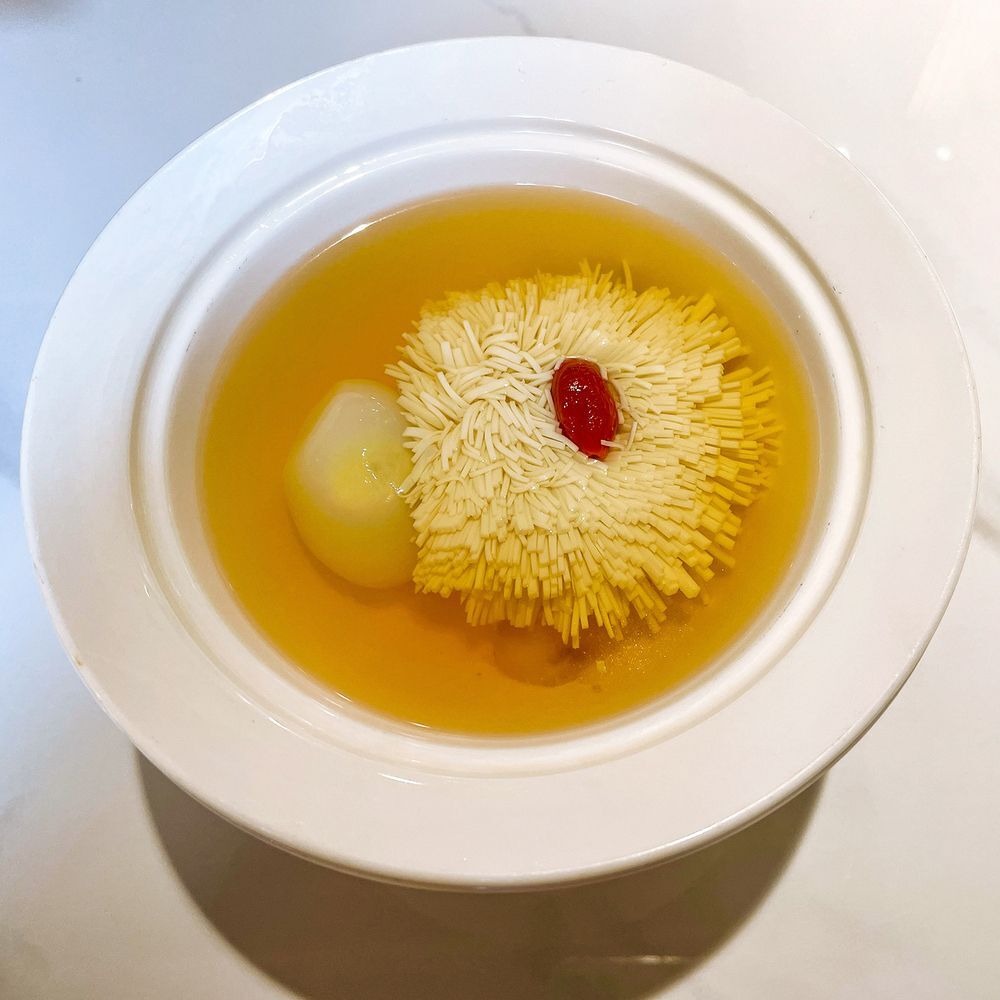
Astral Lake's menu draws from two distinct regional traditions: Jiangnan cooking from the Yangtze Delta and Shunde specialties from Guangdong province. These two schools prioritize very different techniques and ingredients, so no single dish defines the menu.
Do I need a reservation for Astral Lake Chinese Restaurant?
Restaurants in Changzhou that run serious Jiangnan and Shunde menus at a shared-table format tend to fill on weekends and during peak meal periods, particularly for larger groups. Booking ahead is advisable.
What do critics highlight about Astral Lake Chinese Restaurant?
No formal critical record or award documentation for Astral Lake is currently on file, which is not unusual for regional Chinese restaurants operating outside the Michelin circuit cities. What sets the venue apart in Changzhou's context is the pairing of two geographically and stylistically distinct Chinese regional cuisines on a single menu, a combination that is uncommon even within Jiangnan's well-developed dining scene.
A Tight Comparison
Comparable venues nearby, for context on price, style, and recognition.
| Venue | Cuisine | Awards | Notes |
|---|---|---|---|
| Astral Lake Chinese RestaurantThis venue (the venue you are viewing) | Changzhou-Shunde Chinese | Not listed | Not listed |
| Croissanterie | French Croissant Bakery with Jiangnan Fusion | Not listed | Hi-Tech District, French Croissant Bakery with Jiangnan Fusion |
| L’avenue Lobby Lounge | Lobby Lounge | Not listed | Xinbei District, Lobby Lounge |
| YuXiuFang | Elegant Chinese Fine Dining | Black Pearl 1 Diamond | Zhonglou District, Elegant Chinese Fine Dining |
| La Strada Italian Restaurant | Authentic Italian Street Café | Not listed | Xinbei District, Authentic Italian Street Café |
| Songyun | Contemporary Chinese Fine Dining | Black Pearl 1 Diamond | Tianning District, Contemporary Chinese Fine Dining |
Continue exploring
More in Changzhou
Details
- Elegant
- Scenic
- Business Dinner
- Group Dining
- Private Event
- Private Dining
- A La Carte
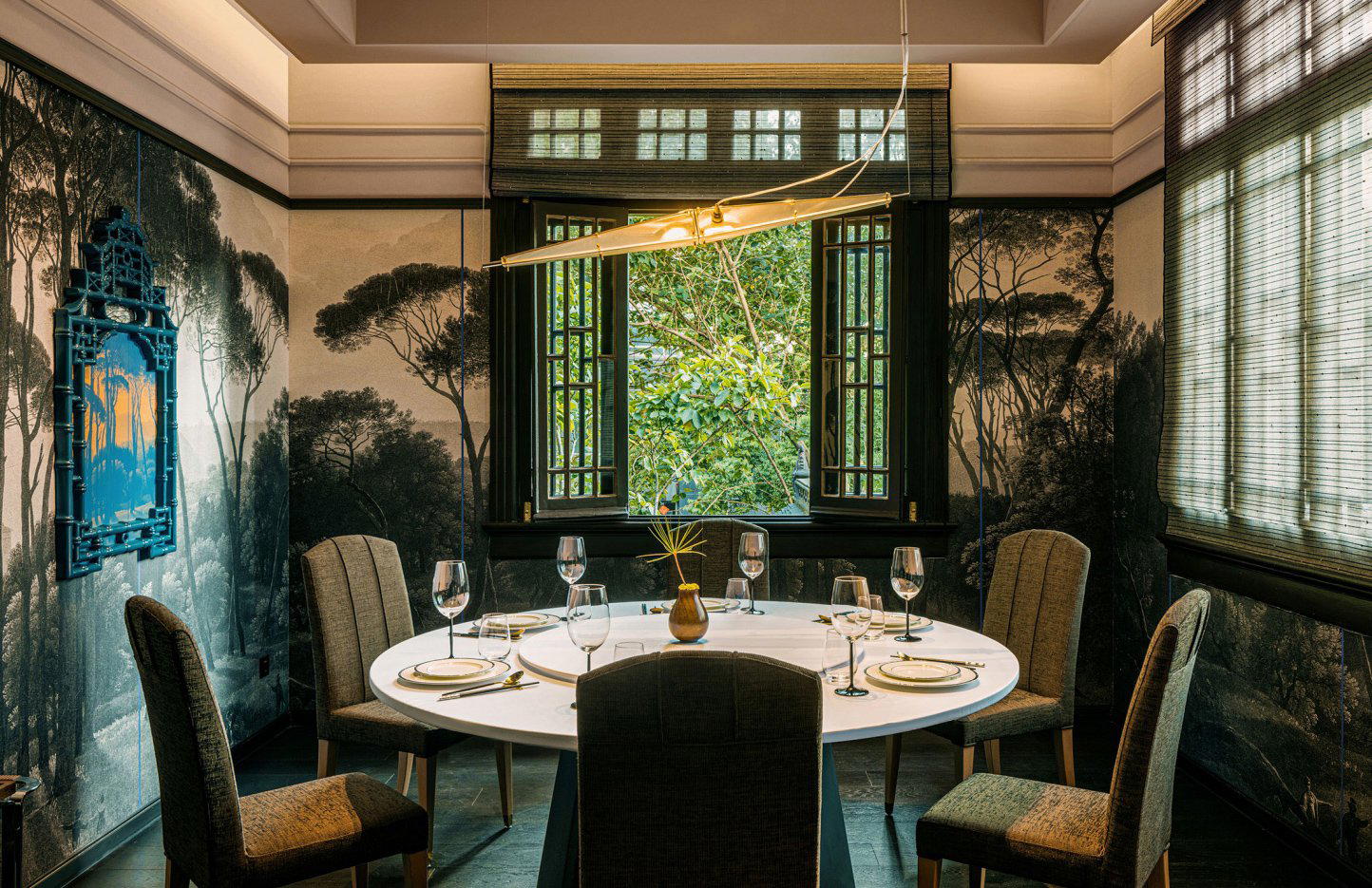
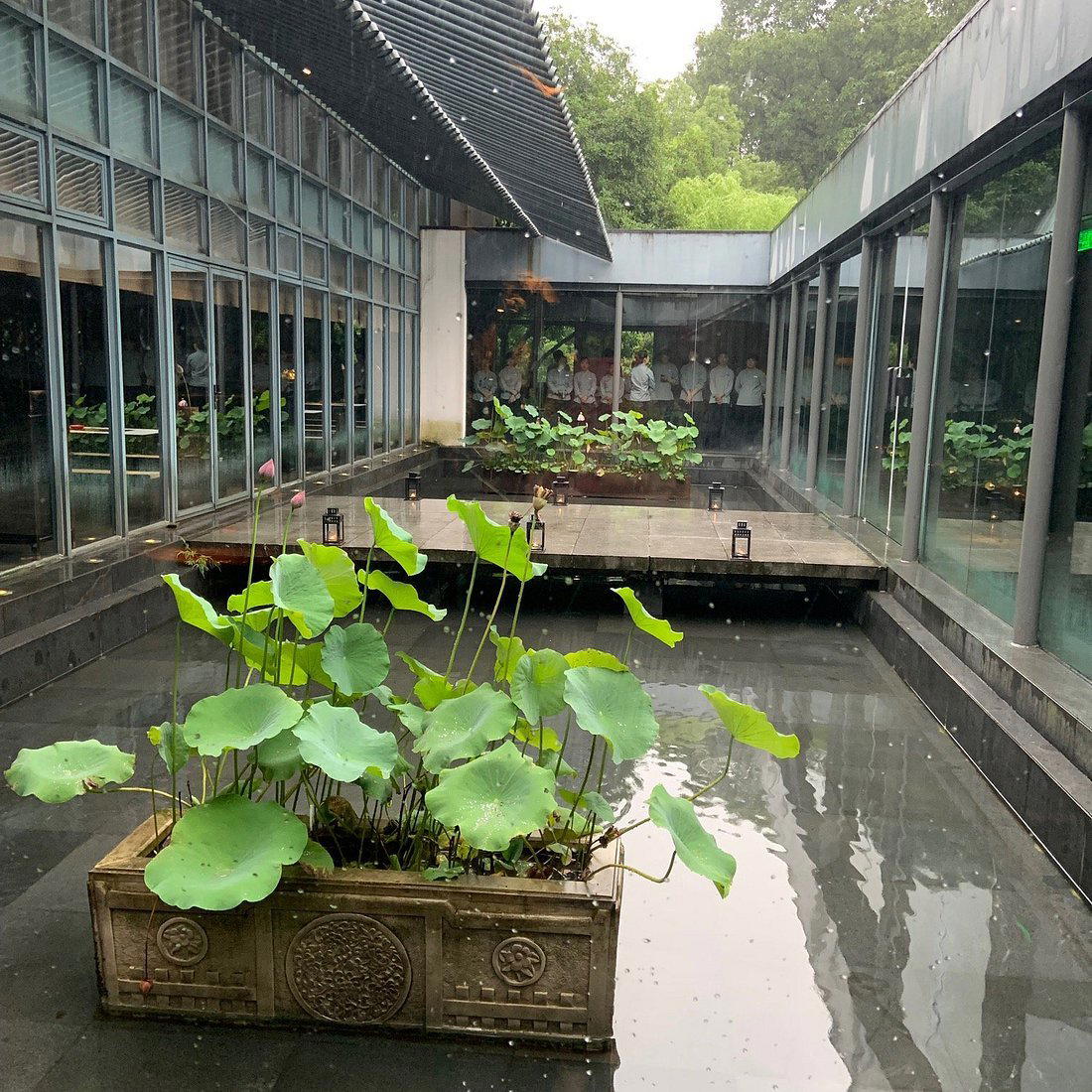
Evokes Changzhou gardens with elegant atmosphere suitable for business entertaining and private gatherings.