
Black Pearl 1 Diamond
Our verdict
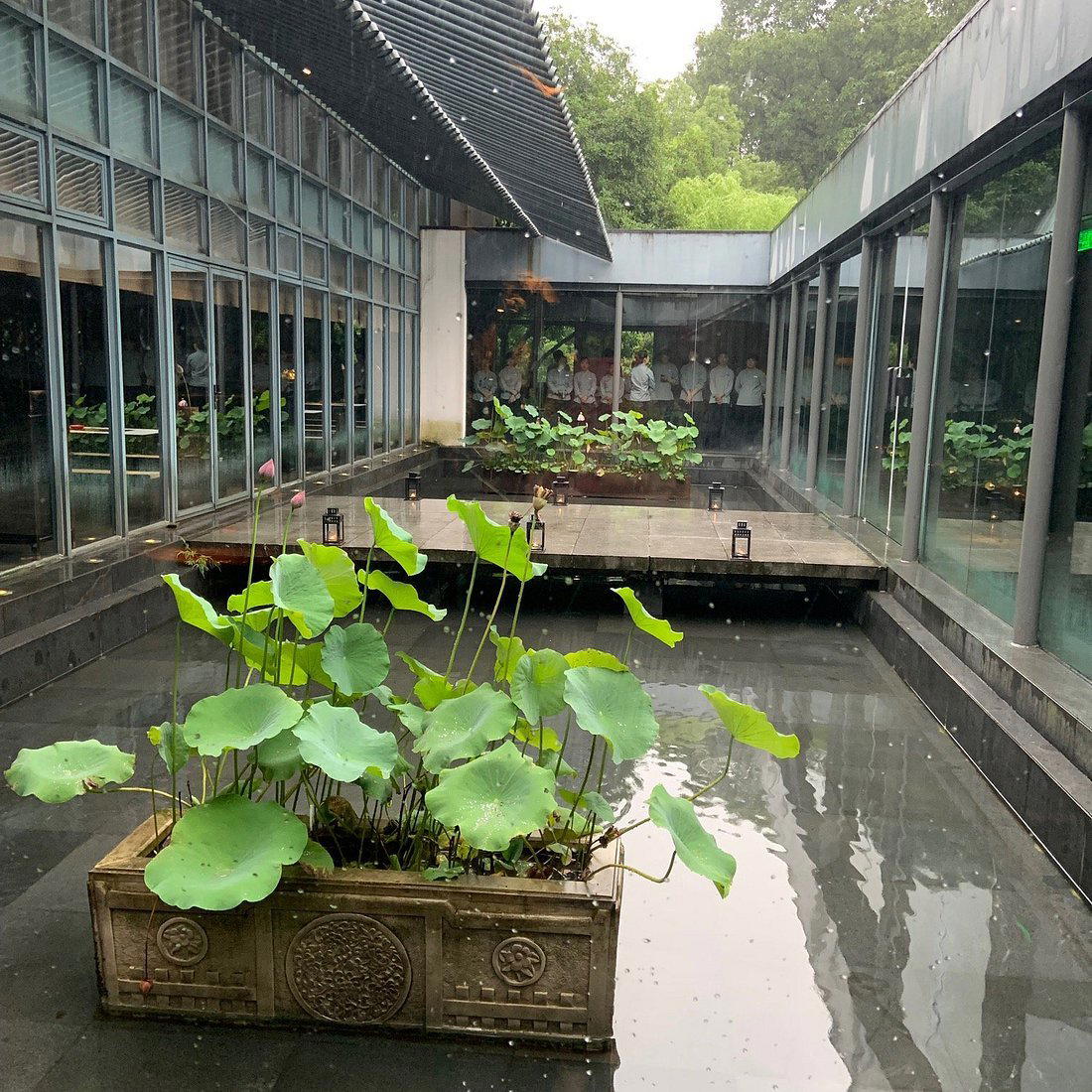
YuXiuFang holds a Black Pearl 1 Diamond (2025) in Changzhou's Zhonglou District, placing it among a small tier of recognised fine dining addresses in a city more often associated with transit than destination eating. Located on Huaide North Road, it represents the gradual deepening of serious restaurant culture in China's mid-tier cities, where regional culinary traditions are finding new formal expression.

Pearl is the En Primeur Club membership app, where members save venues, book tables and use the concierge.
Changzhou's Place in the Eastern China Dining Map
For most travellers, Changzhou registers as a stop between Nanjing and Shanghai rather than a destination in its own right. That framing is becoming harder to sustain. Over the past several years, a small but coherent tier of formally recognised restaurants has emerged in cities across Jiangsu province, reflecting a broader pattern in Chinese dining: fine dining recognition is no longer concentrated in tier-one cities. Black Pearl, the mainland Chinese restaurant guide published by Dianping, has been instrumental in surfacing these addresses, applying a diamond-based ranking system that functions as a regional counterpart to the better-known international guides. YuXiuFang's 2025 Black Pearl 1 Diamond places it within that newly mapped tier, alongside recognised addresses in cities like Suzhou (see Dingshan·Jiangyan (Xiangcheng) in Suzhou) and Nanjing (see Dai Yuet Heen in Nanjing).
The significance of that credential is easier to read in context. Black Pearl 1 Diamond recognition in a secondary city like Changzhou signals something different from the same award in Beijing or Shanghai. It marks a restaurant as the most formally credentialed address in a competitive set that is still developing, which carries both weight and expectation. Compare that positioning to how Xin Rong Ji (Xinyuan South Road) in Beijing or 102 House in Shanghai operate within far denser peer sets, and the distinction becomes clear: YuXiuFang occupies a different kind of authority in Changzhou than a similarly awarded venue would in a tier-one market.
The Cultural Register of Jiangsu Fine Dining
Jiangsu cuisine, grouped under the broad designation of Su cuisine, one of the eight classical Chinese culinary traditions, is built around subtlety rather than heat or pungency. Braised and slow-cooked techniques, precise knife work, and a preference for natural sweetness from fresh ingredients define the regional mode. Cities within the province each carry distinct emphases: Nanjing leans toward duck preparations and salt-preserved methods; Suzhou reads sweeter and more delicate; the cooking of northern Jiangsu, closer to the Yangtze estuary, places greater weight on seafood and freshwater fish. Changzhou sits within this regional framework, historically positioned between the refined outputs of Suzhou and the more assertive flavours of Zhenjiang, producing a local table that rewards attention.
This culinary inheritance matters because it shapes what formal dining looks like in the region. Unlike Cantonese fine dining, which has deep international familiarity through venues like Imperial Treasure Fine Chinese Cuisine in Guangzhou, or the Taizhou style practised at Xin Rong Ji in Chengdu, Jiangsu fine dining operates in a register that is less exported and therefore less legible to international visitors. The codes are quieter: the excellence lives in restraint, in the quality of stock, in the calibration of sweetness against salt. Understanding that register is the precondition for reading a restaurant like YuXiuFang accurately.
Across East and Southeast Asia, this pattern repeats at different scales. The leading expression of a regional cuisine's high end often sits in a mid-tier city precisely because the culinary culture there is less subject to international demand signals. Ru Yuan in Hangzhou illustrates a parallel case: a city with deep culinary heritage that has, over time, generated a credentialed fine dining tier operating largely on its own terms.
Zhonglou District and the Address
YuXiuFang is located at 15 Huaide North Road in Zhonglou District, one of Changzhou's central urban areas. Zhonglou carries the older commercial and cultural tissue of the city, it is not a newly developed district built around hospitality infrastructure, which means dining here sits within a lived urban context rather than a purpose-built food zone. That distinction matters for how a meal reads. Restaurants in established neighbourhoods operate without the ambient gloss of hotel dining or new-development food streets; the food carries the weight of the place's own character.
For visitors arriving from Shanghai or Nanjing, Changzhou is accessible via high-speed rail on the Beijing-Shanghai line, with journey times under an hour from either city. That proximity makes a day or evening visit practical for a traveller already in the region, and YuXiuFang represents a credentialed reason to make that stop deliberate rather than incidental. Those planning a broader visit to the city can consult our full Changzhou restaurants guide for additional context, alongside our full Changzhou hotels guide, our full Changzhou bars guide, our full Changzhou wineries guide, and our full Changzhou experiences guide.
Where YuXiuFang Sits in the Changzhou Fine Dining Tier
Within Changzhou's recognised restaurant scene, YuXiuFang holds the most formally documented credential currently available. Its closest peer in the city's fine dining conversation is Songyun, which occupies a different register within the local scene. The distinction between these two addresses reflects the general pattern in developing fine dining cities: before a city generates multiple Diamond or star-level addresses, the gap between recognised and unrecognised venues is wide, and each awarded restaurant operates more as a category anchor than as a competitor in a crowded field.
For comparison, consider how a venue like Chef Tam's Seasons in Macau or Fleurs Et Festin in Xiamen functions within its respective city's dining tier: awarded restaurants in smaller markets carry an outsized representative weight. YuXiuFang is not competing for attention against twenty peers; it is defining what formal dining means in Changzhou at this moment. That is a different kind of significance, and it is worth approaching the restaurant with that frame in mind.
For further context on how regional Chinese fine dining compares across cuisines and formats, Jiangnan Wok·Rong in Fuzhou offers a useful regional parallel, while internationally minded reference points like Le Bernardin in New York City or Atomix in New York City illustrate how formal credential systems function across very different culinary traditions and market scales.
Planning Your Visit
The restaurant is located at 15 Huaide North Road, Zhonglou District, Changzhou, Jiangsu. Given the Black Pearl recognition and the relatively limited supply of credentialed fine dining in Changzhou, advance reservation is advisable, particularly for weekend evenings. Dress expectations at Black Pearl-recognised venues in mainland China tend toward smart casual at minimum, with more formal dress appropriate for the occasion.
Frequently asked questions
Is YuXiuFang good for families?
Black Pearl 1 Diamond recognition in China's Meituan-Dianping guide signals a formal dining standard, but Chinese fine dining venues at this tier frequently operate private dining rooms suited to family groups. The Zhonglou District address and the cultural conventions of Jiangsu hospitality both lean toward inclusive table arrangements rather than strictly couples-only formats.
Is YuXiuFang better for a quiet night or a lively one?
The Black Pearl 1 Diamond credential, awarded in 2025, places YuXiuFang in a category where the room typically runs formal and composed rather than convivial. Changzhou's fine dining tier draws guests focused on the food itself, and Zhonglou's older commercial character reinforces that register. Expect a considered, low-key atmosphere rather than anything approaching a social scene.
Does YuXiuFang have a Michelin star or similar recognition?
YuXiuFang has received recognition including: Black Pearl 1 Diamond (2025).
What dish is YuXiuFang famous for?
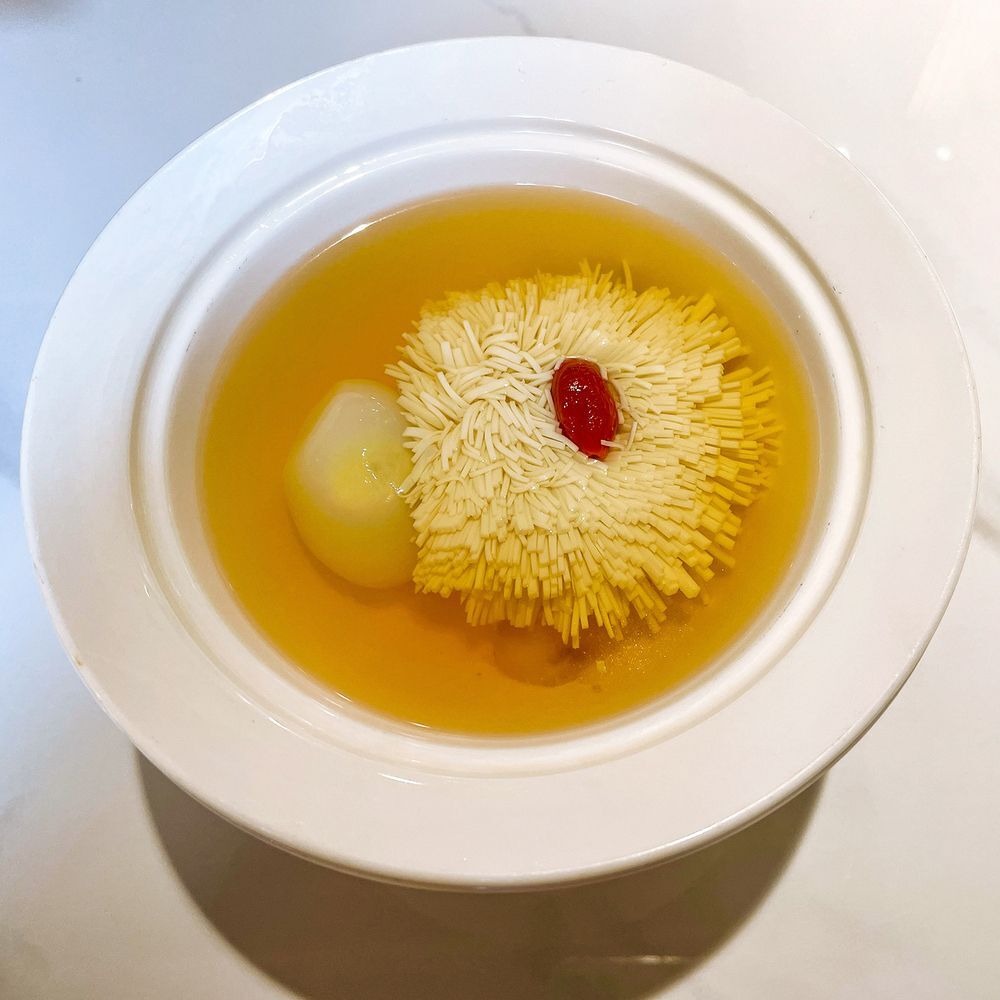
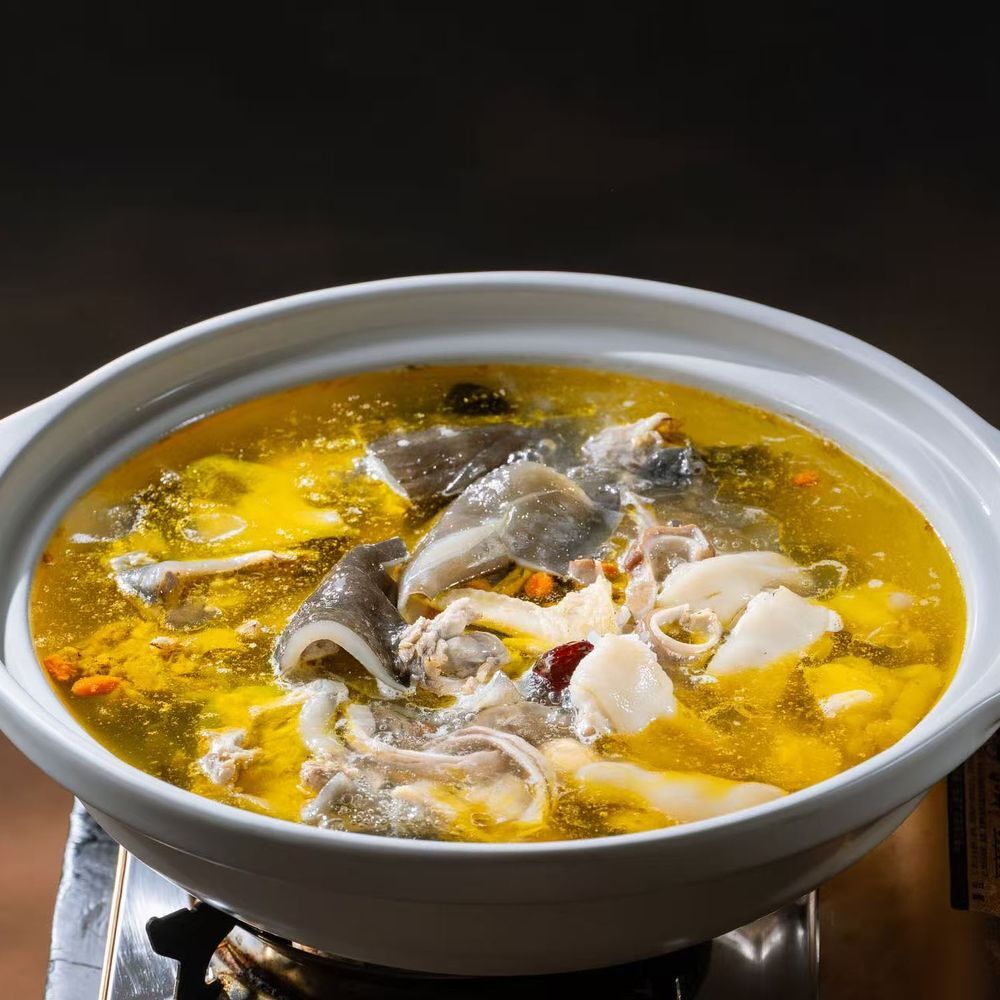
The Black Pearl 1 Diamond designation and the regional setting within Jiangsu province suggest a kitchen working within the Su cuisine tradition, which prizes precise seasoning, freshwater ingredients, and technique-driven preparation over bold or assertive flavours.
What's YuXiuFang's location?
YuXiuFang is located at 15 Huaide N Rd, Zhonglou District, Changzhou, Jiangsu, China, 213016, Changzhou.
Is YuXiuFang reservation-only?
Walk-in availability at Black Pearl-recognised venues in cities of Changzhou's scale is limited, particularly on weekends and around public holidays. Securing a reservation in advance is the practical approach, especially given that YuXiuFang currently holds the most formally documented dining credential in the city for 2025.
Booking and Cost Snapshot
Comparable venues nearby, for context on price, style, and recognition.
| Venue | Cuisine | Awards | Notes |
|---|---|---|---|
| YuXiuFangThis venue (the venue you are viewing) | Elegant Chinese Fine Dining | Black Pearl 1 Diamond | Not listed |
| Astral Lake Chinese Restaurant | Changzhou-Shunde Chinese | Not listed | Xinbei District, Changzhou-Shunde Chinese |
| L’avenue Lobby Lounge | Lobby Lounge | Not listed | Xinbei District, Lobby Lounge |
| Songyun | Contemporary Chinese Fine Dining | Black Pearl 1 Diamond | Tianning District, Contemporary Chinese Fine Dining |
| Sushi Aki | Sushi restaurant | Black Pearl 1 Diamond | Not listed |
| La Strada Italian Restaurant | Authentic Italian Street Café | Not listed | Xinbei District, Authentic Italian Street Café |
Recognition history
Dated appearances from independent guides and award organizations, with the underlying list record or original source where available.
Black Pearl 1 Diamond
Black Pearl
Full recognition history (2 entries)
Black Pearl 1 Diamond
Black Pearl
Continue exploring
More in Changzhou
Details
- Elegant
- Scenic
- Business Dinner
- Special Occasion
- Garden
- Garden
- A La Carte
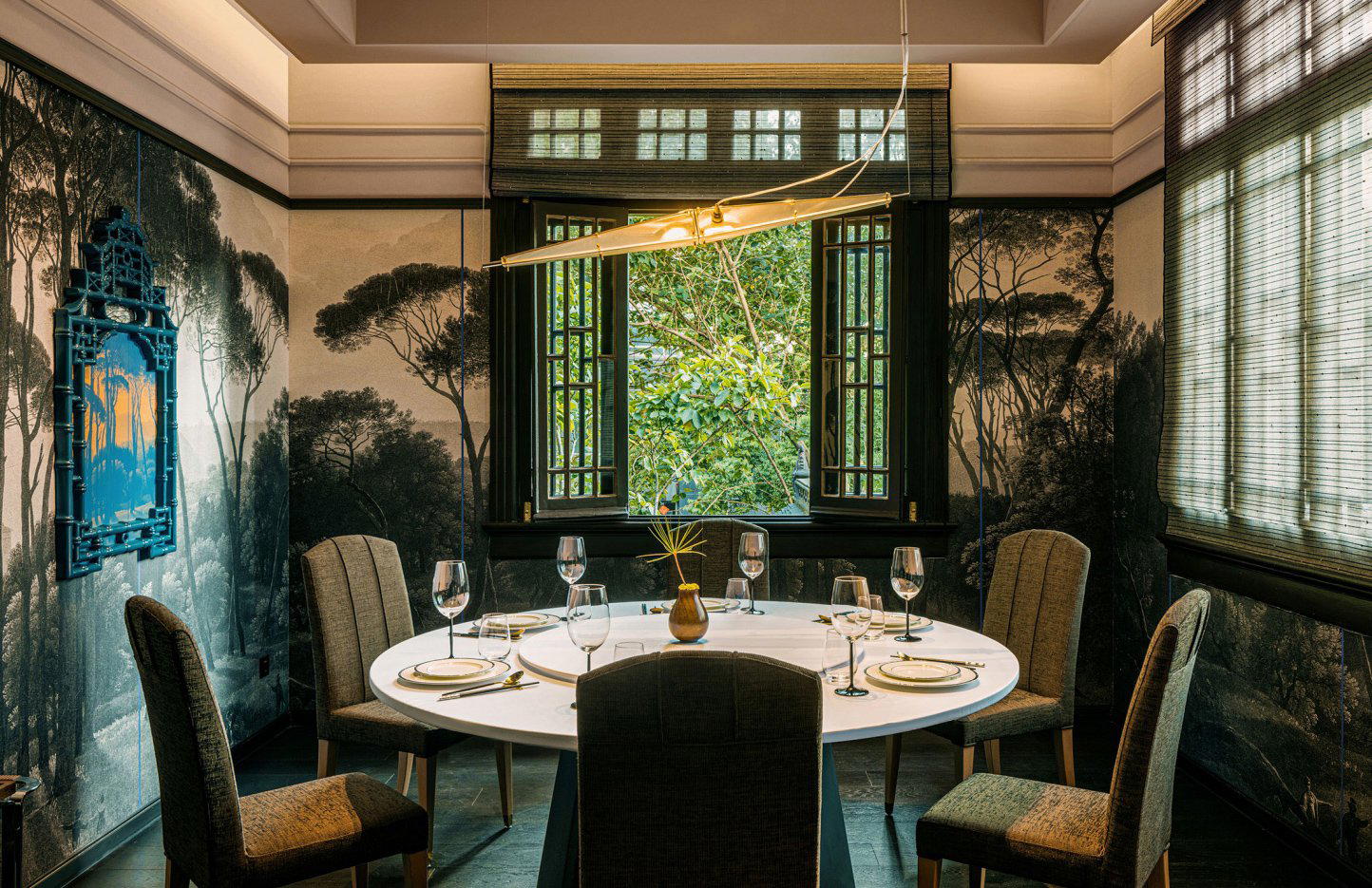
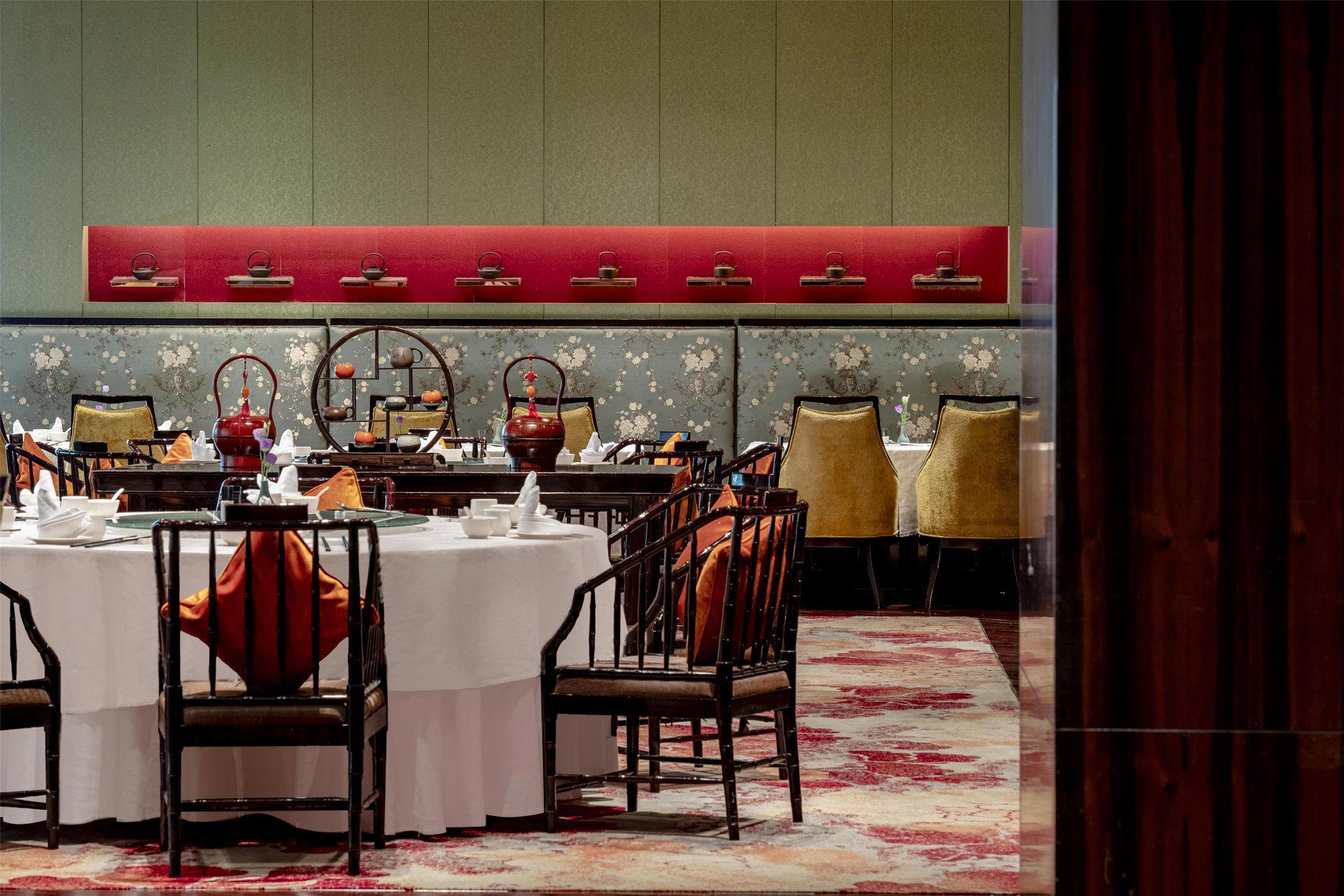
Elegant environment with garden views and meticulous service.