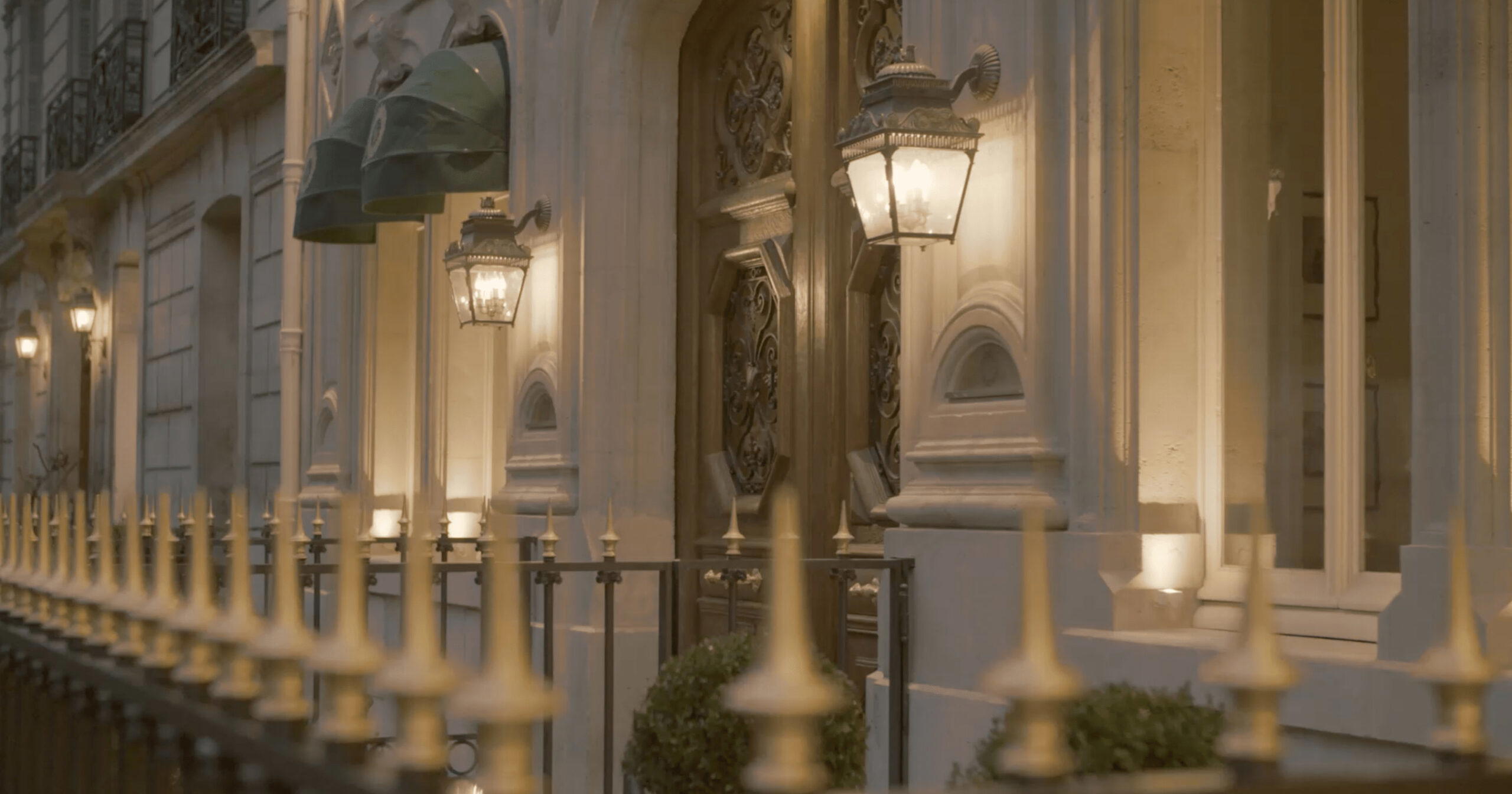
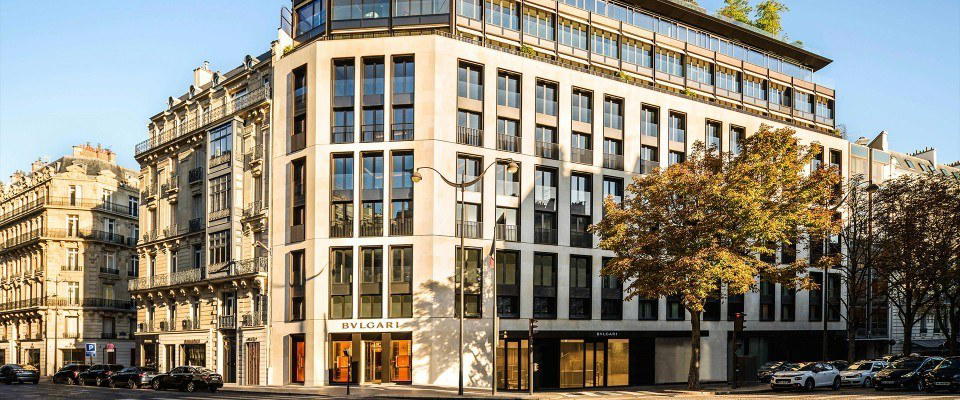
L'Aventure occupies a discreet address on Avenue Victor Hugo in Paris's 16th arrondissement, placing it within reach of the Arc de Triomphe and a neighbourhood long associated with restrained, bourgeois dining.
Pearl is the En Primeur Club membership app — saves, bookings, and concierge access live there. Same editors, same standards.
- Address
- 4 Av. Victor Hugo, 75116 Paris, France
- Phone
- +33188400505
- Website
- laventurehotel.com
- Directions
- Get directions
 Saves & bookings on Pearl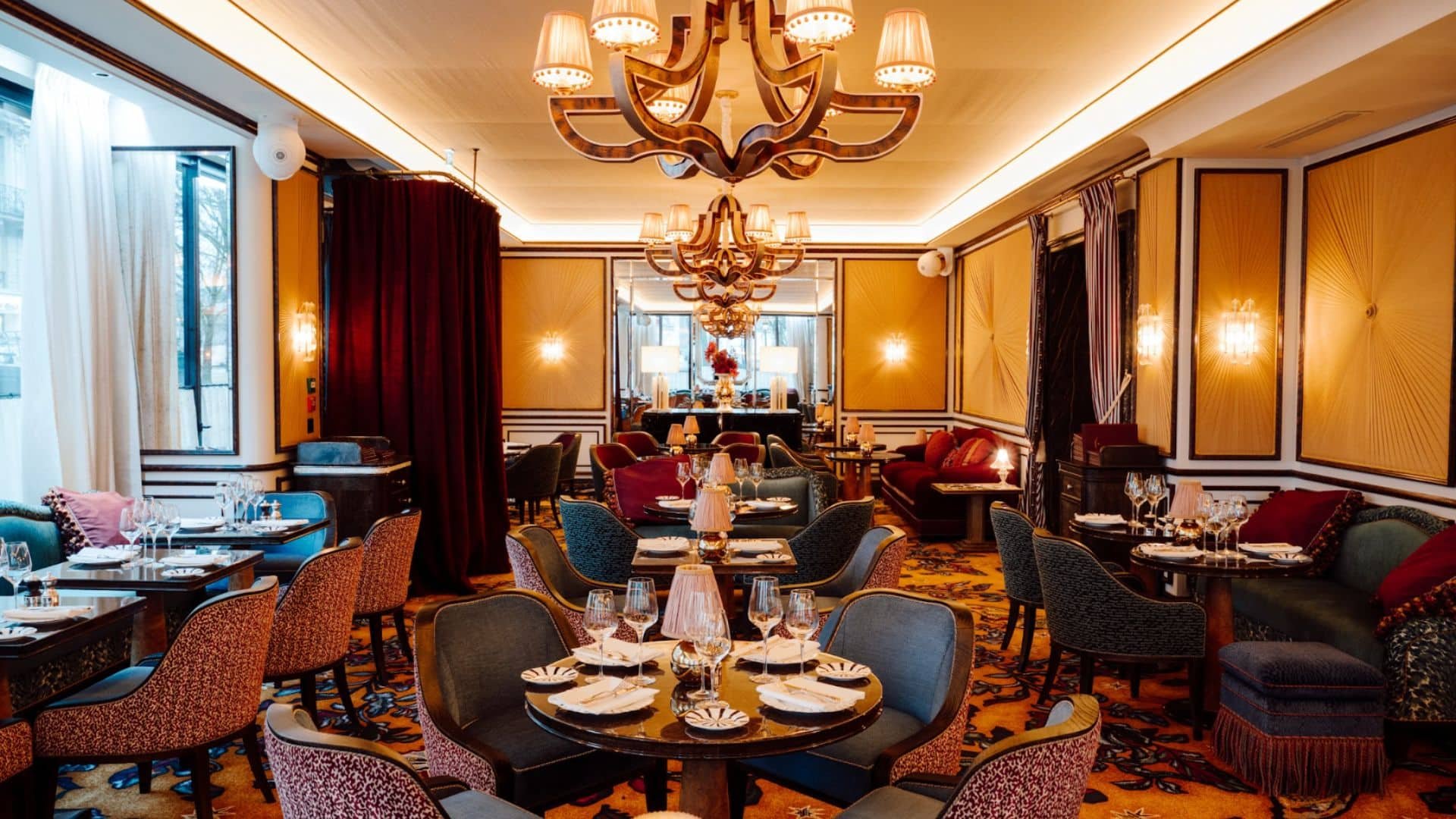
Avenue Victor Hugo and the 16th's Quieter Dining Register
Paris's 16th arrondissement operates on a different frequency from the more theatrically celebrated dining corridors of the 1st or 8th. The avenues here, wide, tree-lined, populated by old-money apartments and long-established professional addresses, tend to attract restaurants that earn loyalty through consistency rather than spectacle. Avenue Victor Hugo, where L'Aventure sits at number 4, exemplifies this pattern. The street runs southwest from the Place de l'Étoile, and the restaurants along it occupy a register that rarely courts press attention but accumulates repeat clientele over years. That relative quietness is not absence of ambition; it is, in the 16th, often a marker of a different kind of confidence.
In a city where sustainability has become a structuring concern for serious kitchens, the 16th's traditional emphasis on supplier relationships and seasonal discipline gives restaurants in this neighbourhood a head start. The arrondissement's restaurants have long sourced from established market networks, Rungis proximity remains a practical advantage, and the area's scale allows for the kind of direct producer contact that larger, higher-turnover operations find harder to sustain. L'Aventure, at this address, sits within that broader context.
Sustainability as a Frame for French Fine Dining
Across French haute cuisine, the conversation around environmental responsibility has moved from peripheral marketing to structural practice. Restaurants at the level of Bras in Laguiole, which returned its Michelin stars partly in protest at the inspection pressure they generate, or Mirazur in Menton, which operates a biodynamic kitchen garden feeding its tasting menus, have made ecological commitment a central editorial and operational fact. Further afield, Flocons de Sel in Megève and Troisgros in Ouches have each built sourcing maps that treat the surrounding terroir as a living document rather than a fixed supplier list.
In Paris itself, the pressure is different. Urban kitchens cannot grow their own produce; they must build relationships instead. Alléno Paris au Pavillon Ledoyen has publicly committed to reducing waste through fermentation and extraction techniques that use the entirety of a product. Arpège, under Alain Passard, made the pivot to vegetable-forward cooking over two decades ago and maintains its own kitchen gardens outside the city. These are not gestures, they represent genuine supply-chain restructuring. Smaller restaurants in the 16th, operating with tighter margins and less media exposure, often pursue similar goals without the accompanying press cycles.
The broader French regulatory context reinforces this direction. Restaurants that had already invested in traceable sourcing found compliance direct; those relying on opaque wholesale chains faced more disruption. This legislative baseline has, in effect, raised the floor for what counts as responsible sourcing in any serious French kitchen.
The 16th in Context: A Competitive comparable set
Placing L'Aventure within Paris's wider fine dining hierarchy requires some cartography. The city's top tier is well-documented: L'Ambroisie on the Place des Vosges, Le Cinq at the Four Seasons George V, and Kei near the Palais-Royal each occupy distinct positions within the upper tier, operating with reservation systems, dress codes, and seasonal tasting formats. These are destination restaurants, drawing international travel specifically for the meal.
The 16th's mid-to-upper tier operates differently. Restaurants here serve a primarily local and Parisian clientele, often on shorter booking windows, with pricing that reflects the neighbourhood's expectations rather than international tourist tolerances. The comparison with Au Crocodile in Strasbourg or Auberge de l'Ill in Illhaeusern is instructive: both represent regional French tables with deep local roots and decades of accumulated reputation, where the clientele relationship is built over years rather than single-visit reviews. The restaurant, on Avenue Victor Hugo, reads as a restaurant in that same relational register, even within a capital city context.
Internationally, comparisons might extend to Le Bernardin in New York, a French-rooted institution that has built environmental sourcing into its fish procurement, or Atomix, which takes a different approach through the discipline of its ingredient selection and format control.
What the Address Tells You
Restaurant addresses in Paris carry meaning beyond postcode prestige. Avenue Victor Hugo sits within easy walking distance of the Arc de Triomphe and connects the Place de l'Étoile to the Porte Dauphine. The restaurants along this stretch have historically served the professional and residential population of the western 16th rather than the tourist circuits of central Paris. That positioning tends to self-select a clientele with specific expectations: technical competence, seasonal awareness, and service that does not perform for first-time visitors.
For context on what serious French cooking outside Paris looks like at its most considered, Auberge du Vieux Puits in Fontjoncouse, Assiette Champenoise in Reims, and AM par Alexandre Mazzia in Marseille each represent the regional pole of French fine dining, less urban pressure, different sourcing logistics, and in Mazzia's case, a genuinely distinct culinary vocabulary. The Paris version of this seriousness, concentrated on avenues like Victor Hugo, is quieter but not less committed. The historic benchmark remains Paul Bocuse's Auberge du Pont de Collonges, which demonstrated for decades that longevity and consistency can outweigh novelty as markers of a restaurant's actual value.
Planning Your Visit
| Detail | The restaurant | L'Ambroisie | Le Cinq |
|---|---|---|---|
| Location | 16th arr., Ave Victor Hugo | 4th arr., Place des Vosges | 8th arr., George V |
| Price tier | Not publicly documented | €€€€ | €€€€ |
| Booking window | Several weeks ahead | Several weeks ahead | |
| Dress code | Smart dress expected | Formal dress expected | |
| Neighbourhood character | Residential, quieter register | Heritage, Place des Vosges | Grand hotel, international |
The practical advice is direct: contact the restaurant by telephone to confirm current operation before building an itinerary around it. Avenue Victor Hugo is well-served by the Charles de Gaulle-Étoile metro interchange (lines 1, 2, 6) and the Victor Hugo station on line 2.
Pricing, Compared
Comparable venues nearby, for context on price, style, and recognition.
| Venue | Cuisine | Price | Notes |
|---|---|---|---|
| L'AventureThis venue — the venue you are viewing | Not listed | $$$$ | Not listed |
| La Galerie | Not listed | $$$$ | 8e Arr. – Élysée, Modern French Bistro |
| Jules | Not listed | $$$$ | Champ de Mars / Eiffel Tower, Modern French Fine Dining |
| L'Avenue | Élysée, Modern French Brasserie | $$$$ | Not listed |
| Restaurant Cuisine l'E7 | Gaillon, Modern French Bistro | $$$$ | Not listed |
| Peninsula | Avenue Kléber, French Hotel Bistro | $$$$ | Not listed |
Continue exploring
More in Paris
Restaurants in Paris
Browse all →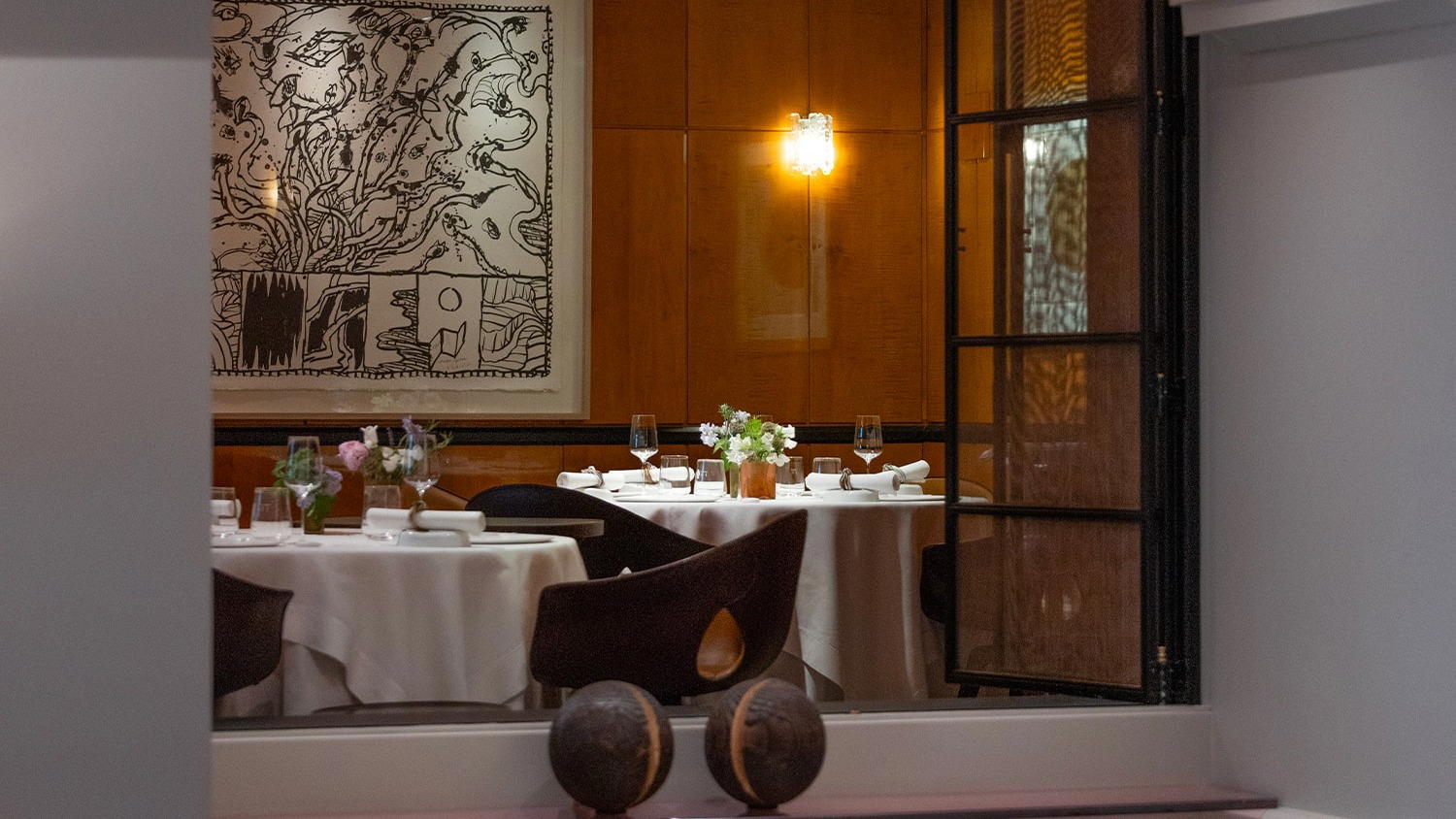

Bars in Paris
Browse all →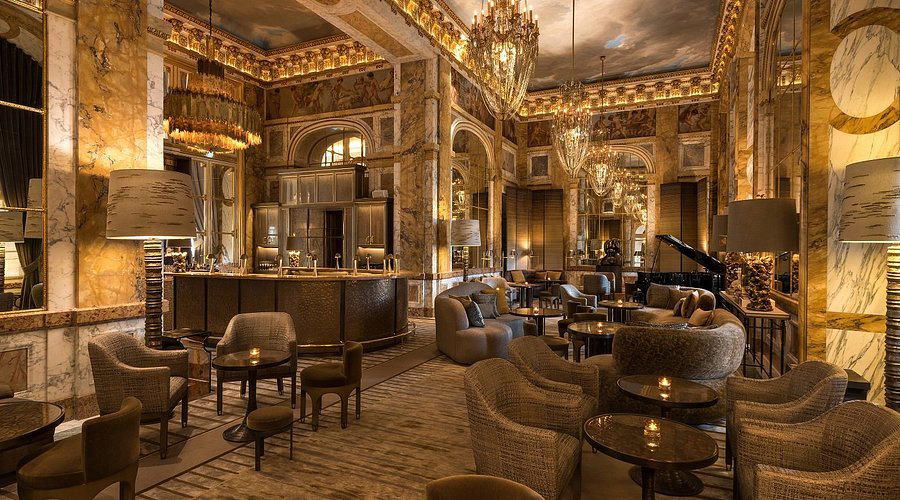
Hotels in Paris
Browse all →
At a Glance
- Elegant
- Sophisticated
- Intimate
- Trendy
- Date Night
- Special Occasion
- Business Dinner
- Open Kitchen
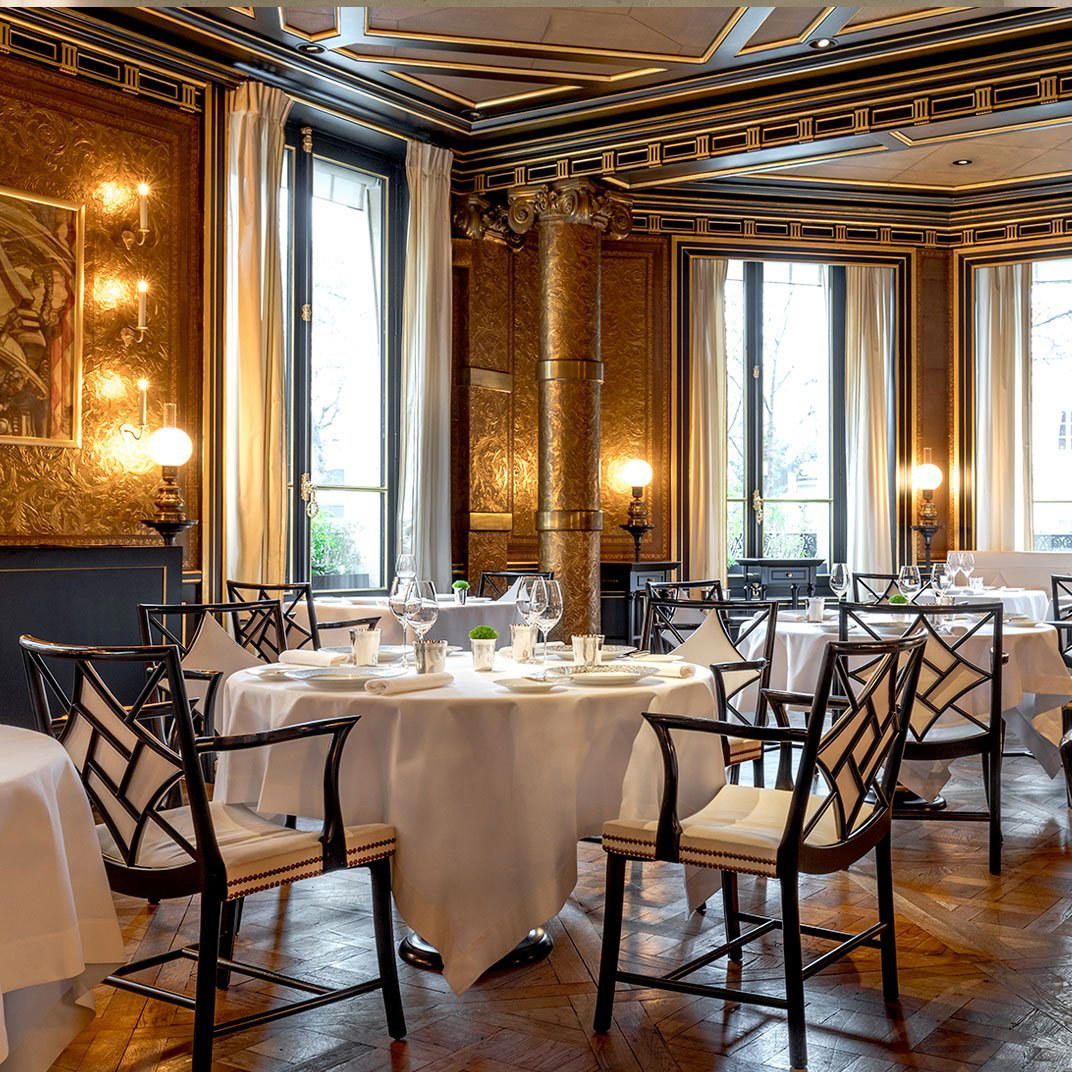
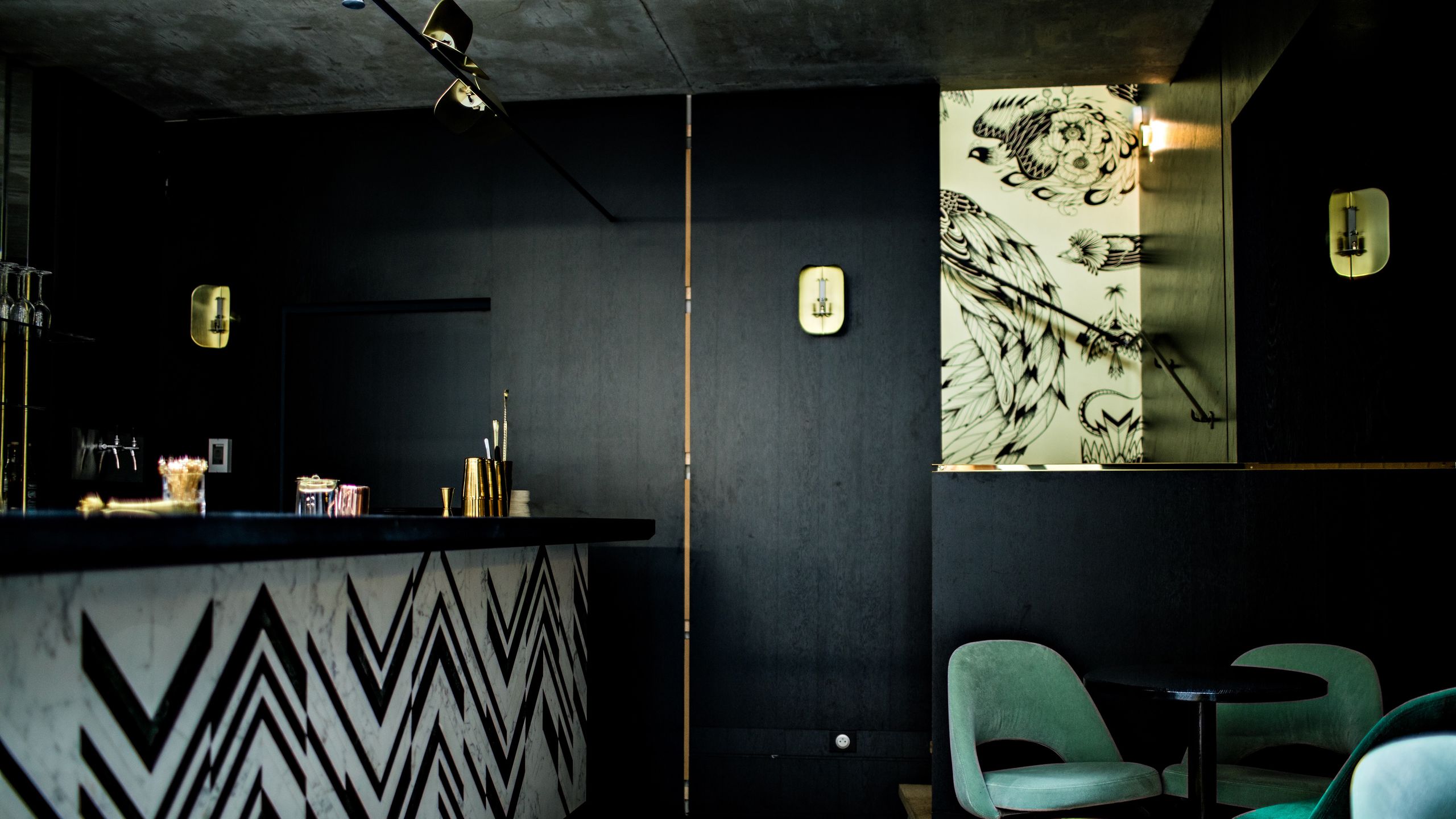
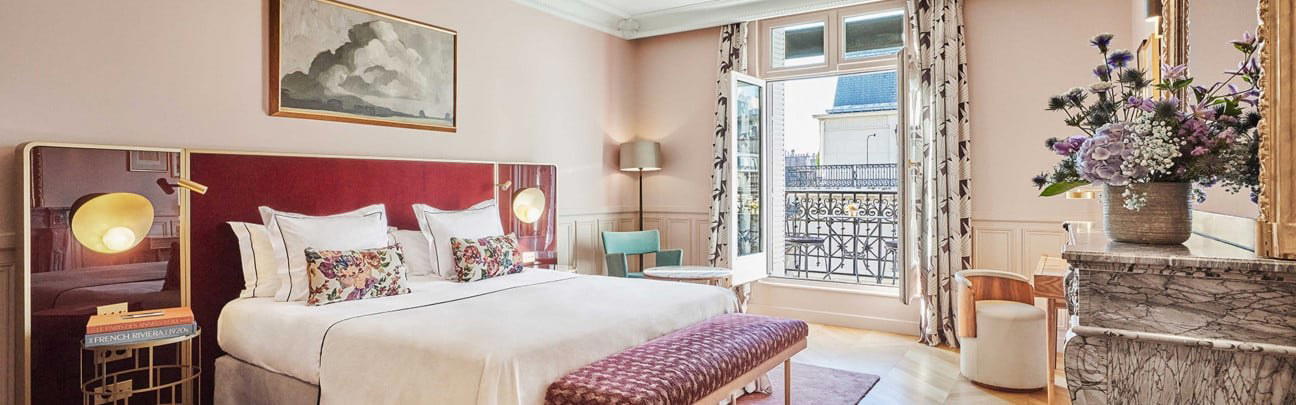
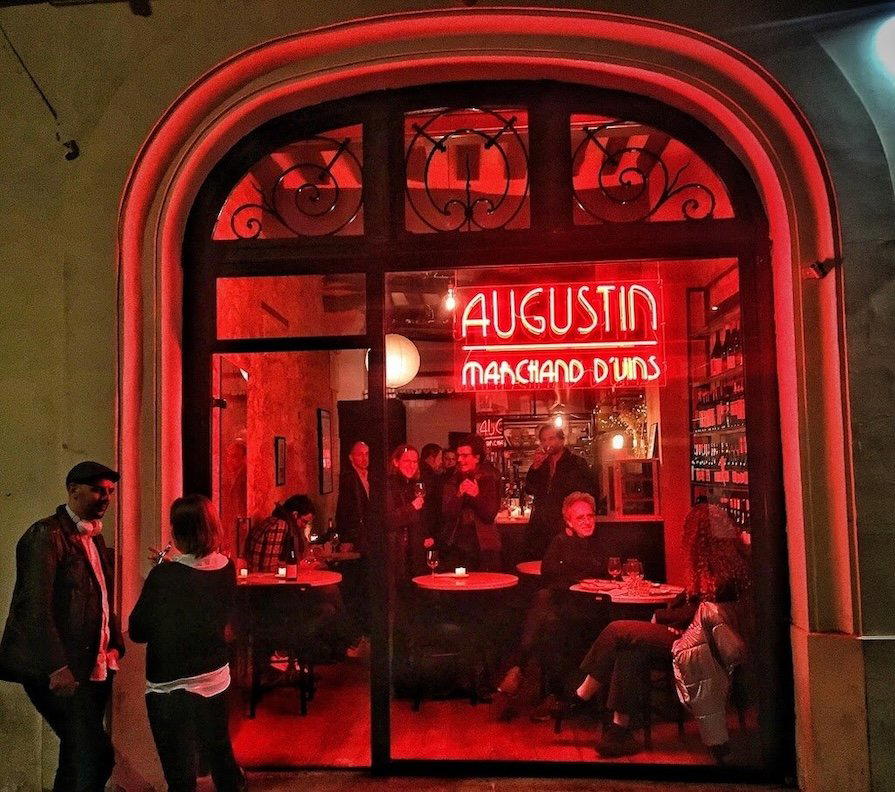
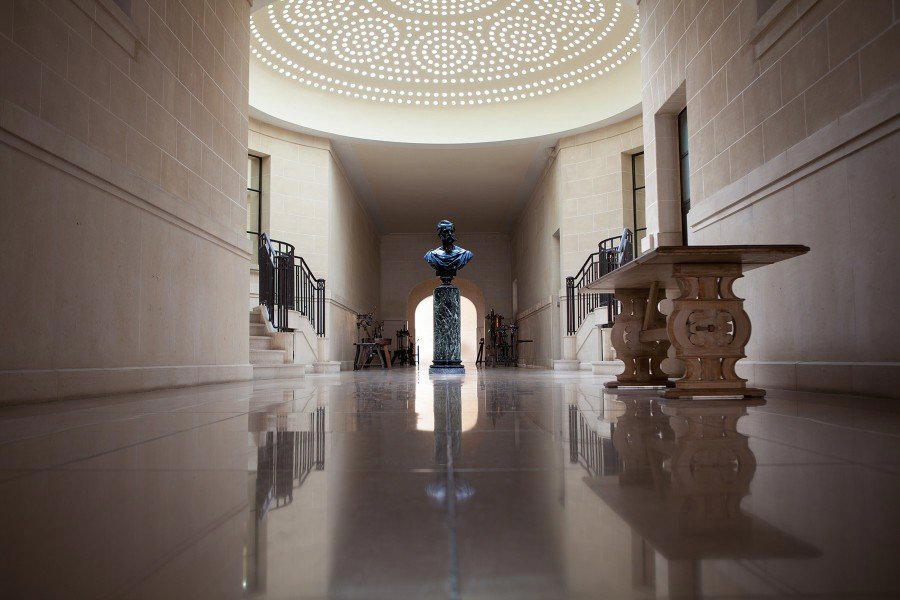
Hushed atmosphere with deep velvets, mythological mosaics, and chic unostentatious decor that transforms into a spectacular intimate club at night.