Our verdict
On Rue Monge in the 5th arrondissement, Jules occupies a stretch of Paris where the Latin Quarter's academic bustle gives way to quieter residential streets. The address places it in a neighbourhood defined by centuries of intellectual life, market culture, and a dining tradition that favours substance over spectacle. Specific menu and format details should be confirmed directly with the venue.

Pearl is the En Primeur Club membership app, where members save venues, book tables and use the concierge.

The menu
What to order
- Scallop Soufflé with Oscietra Caviar
- Caramelised Calf Sweetbread Grenobloise
- Chocolate Soufflé
What the 5th Arrondissement Asks of a Restaurant
The Latin Quarter has never been short of places to eat, but it has always been demanding about what eating means. This is a neighbourhood shaped by the Marché Monge a few steps away, by the rhythms of the Sorbonne, and by a street-level pragmatism that tends to distrust theatre for its own sake. Rue Monge, specifically, sits at the edge of that character: close enough to the tourist-dense corridors around Notre-Dame to feel their pull, but residential enough that the people eating on any given Tuesday are largely people who live there. That context matters when reading any address at 119 bis.
Jules occupies that address. What can be said is that the 5th arrondissement imposes a particular standard on its restaurants: consistency over spectacle, neighbourhood credibility over destination marketing, and a relationship with the market calendar that the arrondissement's own Marché Monge makes almost unavoidable for any cook paying attention.
The Atmosphere a Parisian Side Street Produces
Walking Rue Monge from the Place Monge end, the street narrows and the scale drops. The Haussmann geometry that dominates the Right Bank loosens here into something older and less regularised. Facades are closer together, the light shifts depending on the hour, and the ambient sound is more likely to be a delivery cart or a neighbour's window than a tour group. For a restaurant operating in this environment, the physical setting does a portion of the atmosphere work before a single cover is laid.
That kind of street-level calm is not accidental in Paris dining. It is, in fact, what a significant portion of the city's most enduring neighbourhood restaurants depend on. The grandes tables, places like L'Ambroisie on the Place des Vosges or Le Cinq at the Four Seasons George V, operate in settings designed to signal arrival. The neighbourhood restaurant operates on a different register: the setting should feel like it belongs to the street, and the street should feel like it has earned its restaurant.
How the 5th Fits into Paris Dining More Broadly
Paris dining has, over the past decade, fractured into increasingly distinct tiers. At the leading sit the multi-Michelin houses, places like Arpège in the 7th or Alléno Paris au Pavillon Ledoyen in the 8th, where the price-to-ambition ratio is understood going in and the booking process is a project in itself. Below them sits a mid-tier that has grown considerably more interesting: kitchens with serious technique, no particular interest in Michelin validation, and a clientele that returns because the food is worth returning for. Kei in the 1st represents one version of that ambition, using a Franco-Japanese approach to occupy a space between formal and contemporary.
The 5th sits somewhat outside these dynamics. It has its prestige addresses and its tourist traps in roughly equal measure, but it also has a backbone of genuinely local eating that doesn't announce itself. For visitors consulting our full Paris restaurants guide, the 5th rewards the kind of attention that the more obvious arrondissements don't require.
France's wider dining tradition also provides useful context here. The country's greatest tables are spread across its geography: Mirazur in Menton, Troisgros in Ouches, Flocons de Sel in Megève, and the foundational Paul Bocuse outside Lyon. Regional anchors like Auberge de l'Ill in Illhaeusern, Bras in Laguiole, Auberge du Vieux Puits in Fontjoncouse, Au Crocodile in Strasbourg, and Assiette Champenoise in Reims each represent a different model of French culinary ambition, and AM par Alexandre Mazzia in Marseille has become one of the more discussed kitchens in the south. Paris, in this national context, is not automatically the centre of gravity it once was. That shift has made the city's neighbourhood restaurants more interesting, not less, because they no longer need to compete with a monolithic idea of what Parisian dining should be.
For international reference, Le Bernardin in New York and Atomix represent what happens when French-rooted technique meets a different city's competitive pressure. The comparison is instructive: Paris kitchens with similar foundations don't necessarily follow the same trajectory, because the local audience and the expectation of continuity differ significantly.
Reading the Rue Monge Address
Location in Paris is rarely neutral. The 5th arrondissement's Rue Monge corridor places a restaurant in proximity to a working market, a dense residential population, and a visitor flow that skews toward the culturally engaged rather than the trophy-seeking. That combination tends to produce restaurants that price against their neighbours rather than against destination tables, and that earn repeat visits through consistency rather than singular events.
Is Jules a good option for a quiet dinner away from the main tourist corridors?
The Rue Monge address places Jules in a part of the 5th arrondissement that sits at a meaningful distance from the densest tourist traffic around Saint-Michel and the Île de la Cité. The street has a residential character reinforced by its proximity to Marché Monge, which draws a predominantly local clientele. For visitors seeking a Paris dinner that doesn't feel staged for out-of-towners, this part of the arrondissement is a reasonable starting point, though confirming the current format and atmosphere directly with the venue is advisable before making it the centrepiece of an evening.
Frequently asked questions
Where is Jules located?
Jules is located at 119 bis Rue Monge, 75005 Paris, France, Paris.
What's the best thing to order at Jules?
The restaurant sits close to Marché Monge, one of Paris's working covered markets, which makes a market-driven seasonal menu plausible, but ordering based on the day's specials is the sensible approach at any 5th arrondissement address in this position.
How hard is it to get a table at Jules?
No booking-difficulty data is confirmed for Jules at 119 bis Rue Monge. In this part of the 5th, smaller neighbourhood restaurants without major award profiles tend to be more accessible than the heavily-booked bistronomie names elsewhere in Paris, though weekend evenings in the Latin Quarter fill quickly across the board.
What has Jules built its reputation on?
Its address on Rue Monge, within a dense residential corridor of the 5th arrondissement, situates it in a neighbourhood that historically rewards consistent, unpretentious cooking over spectacle, which is a reputation built slowly and locally rather than through awards cycles.
Is Jules allergy-friendly?
For any Paris restaurant, contacting the venue directly before booking is the most reliable approach, French kitchens vary considerably in how they handle substitutions, and assumptions based on cuisine category alone are unreliable.
Should I splurge on Jules?
The Rue Monge corridor in the 5th arrondissement generally supports a range of price points, from casual lunch spots near Marché Monge to more considered evening tables, without confirmed pricing, a direct check before booking is the practical step.
Cuisine Lens
Comparable venues nearby, for context on price, style, and recognition.
| Venue | Cuisine | Price | Notes |
|---|---|---|---|
| JulesThis venue (the venue you are viewing) | Modern French Fine Dining | $200–300 | Not listed |
| Mariage Frères | French Tea Salon and Restaurant | $50–100 | Quartier Latin |
| La Bauhinia | French-Asian Fine Dining | $100–150 | 16th Arr. |
| Ledoyen | Modern French Fine Dining | $300–500 | Champs-Élysées |
| Monsieur George | Modern French Fine Dining | $150–200 | 8th Arr. |
| Le Georges | Modern French Fusion with Rooftop Views | Not listed | 4th arrondissement |
Jules
Featured Guides
Continue exploring
More in Paris
Restaurants in Paris
All restaurants in Paris →
Bars in Paris
All bars in Paris →
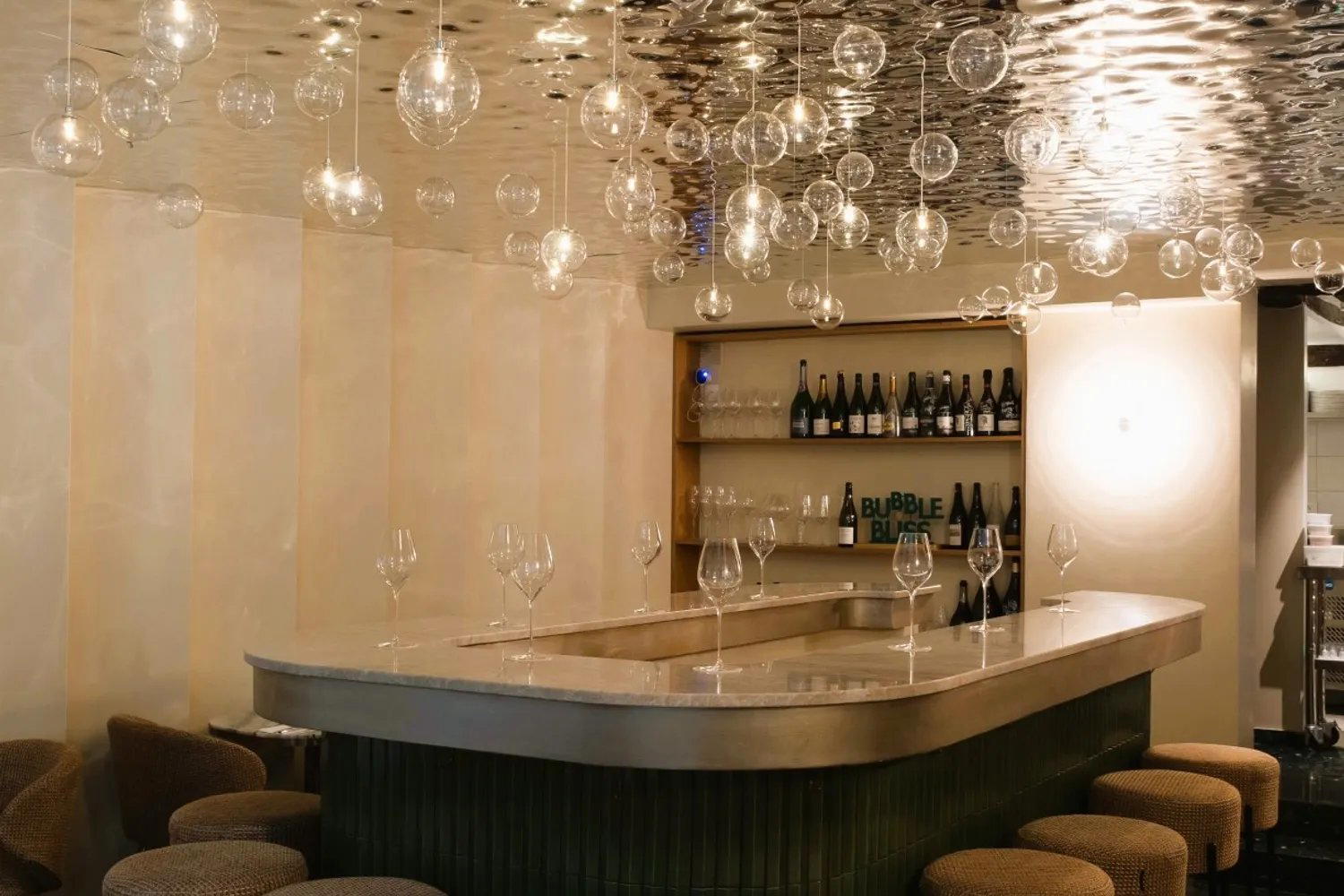
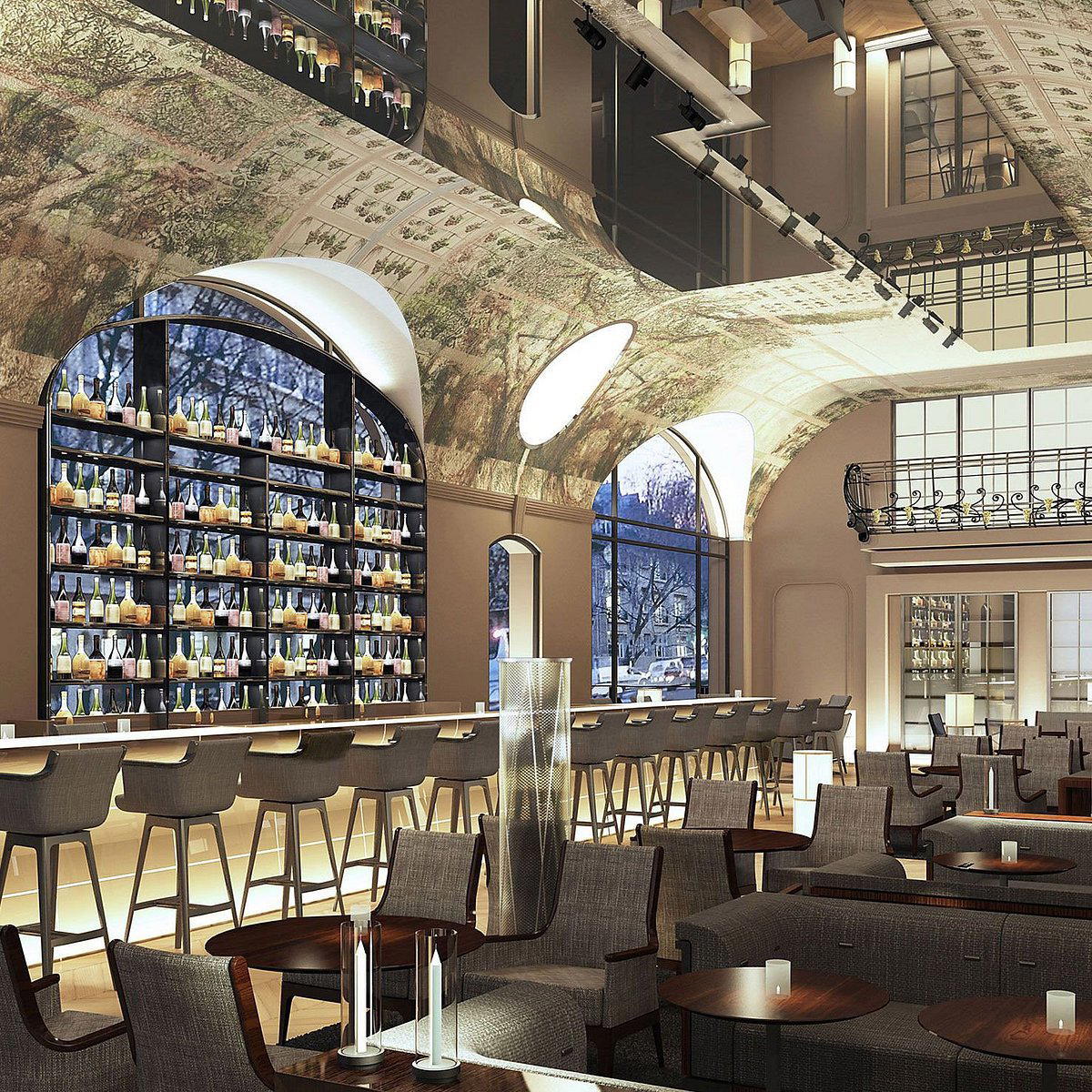
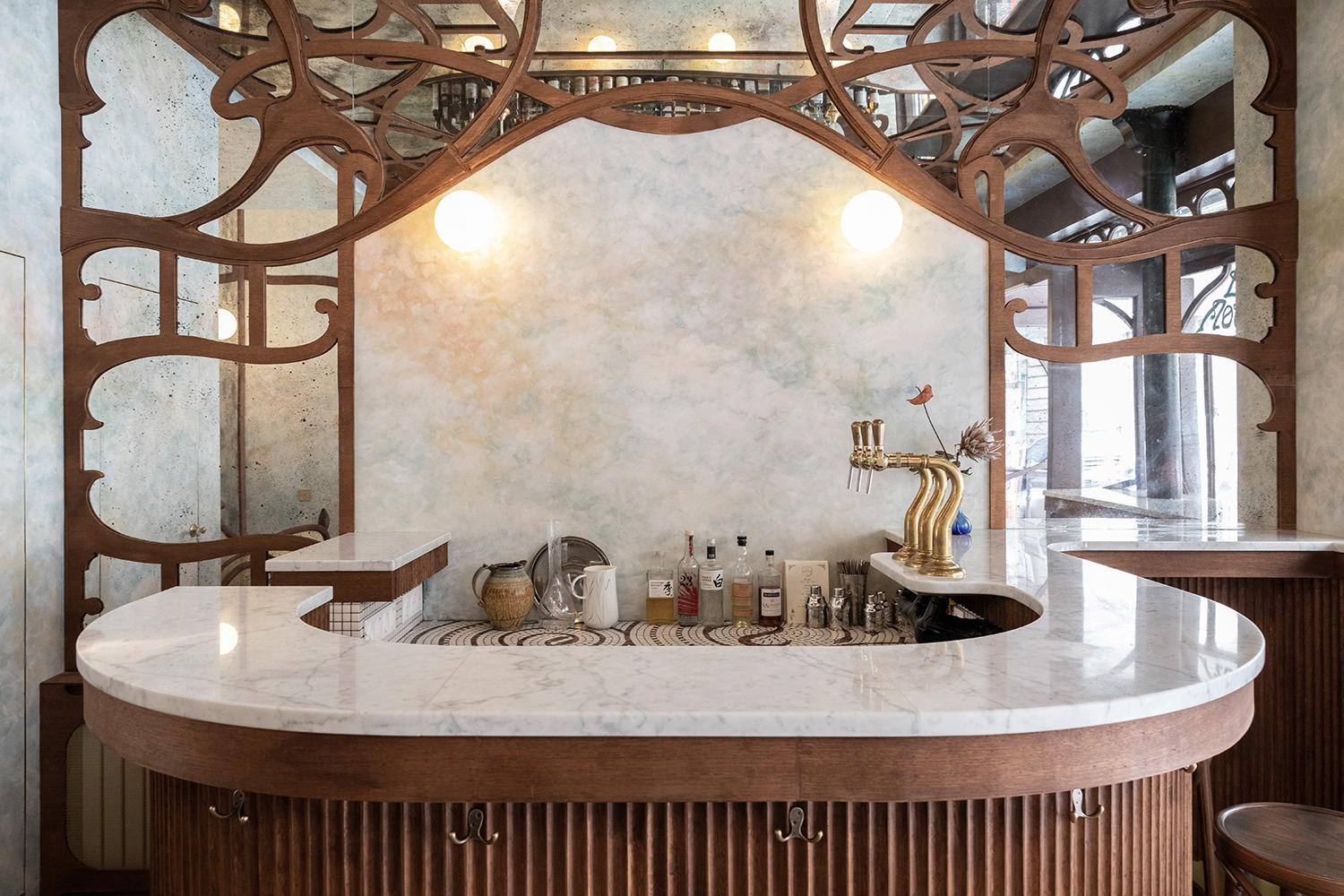
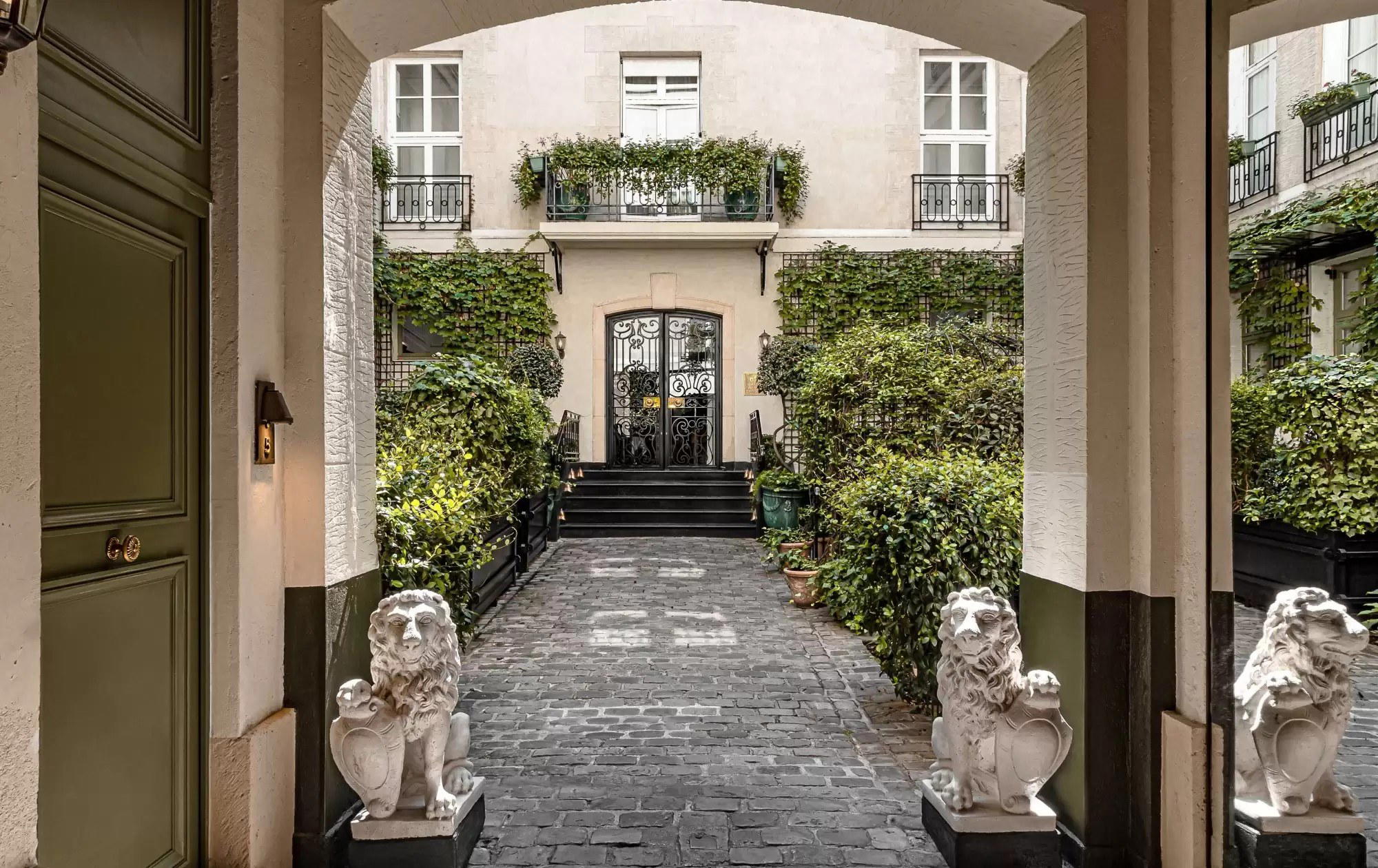
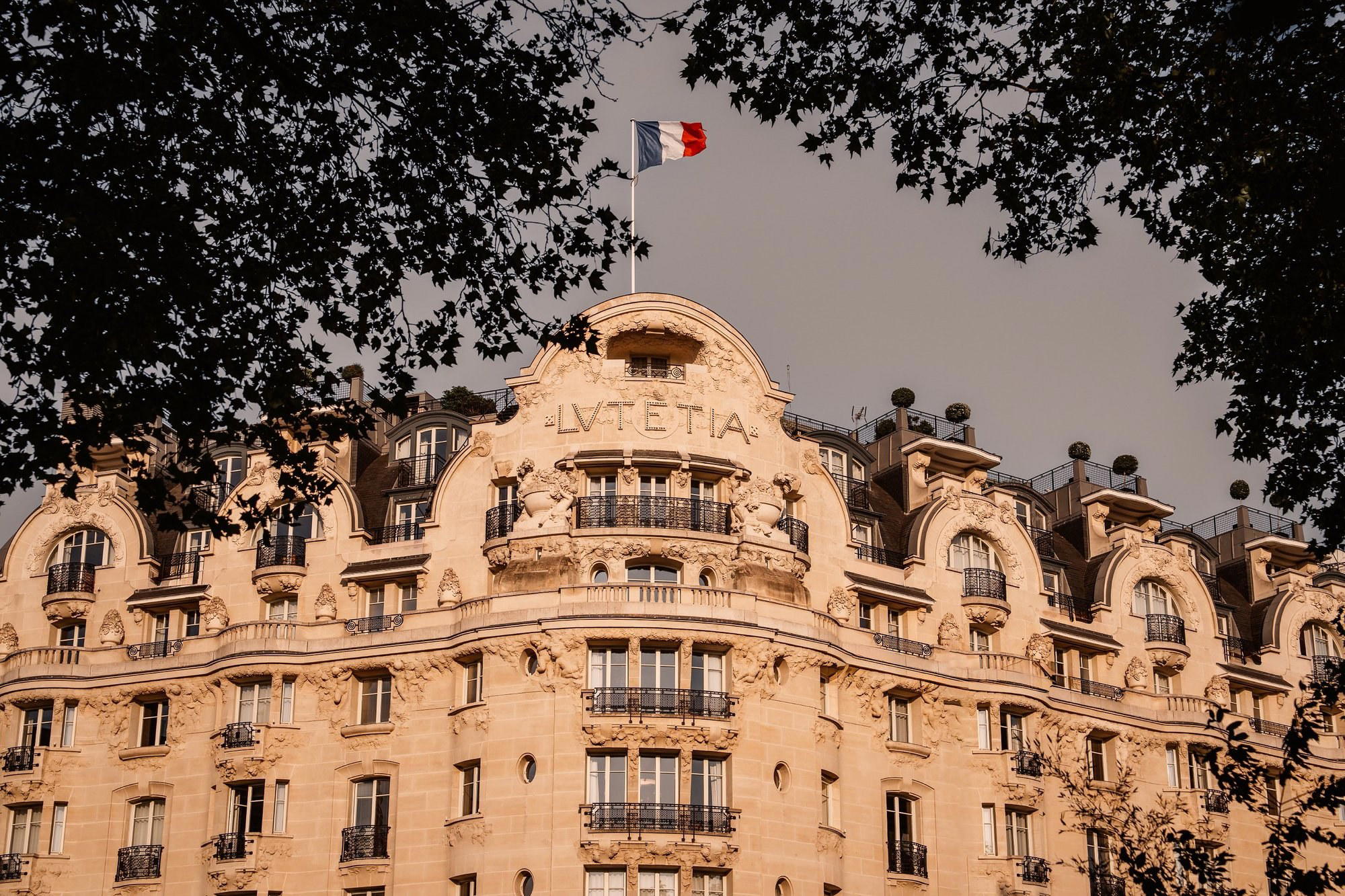
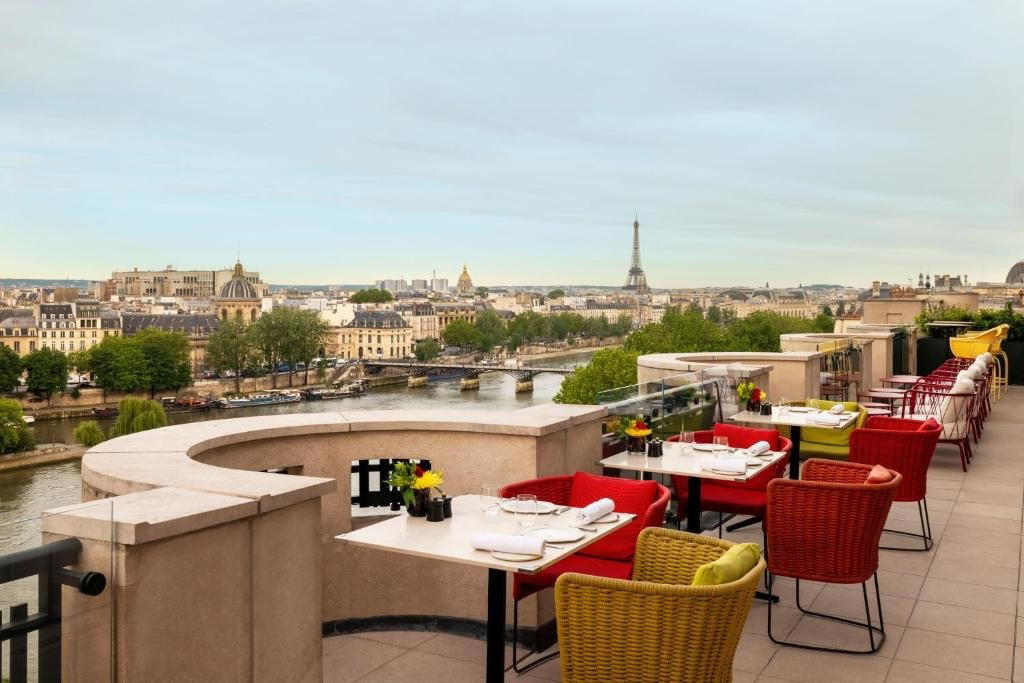
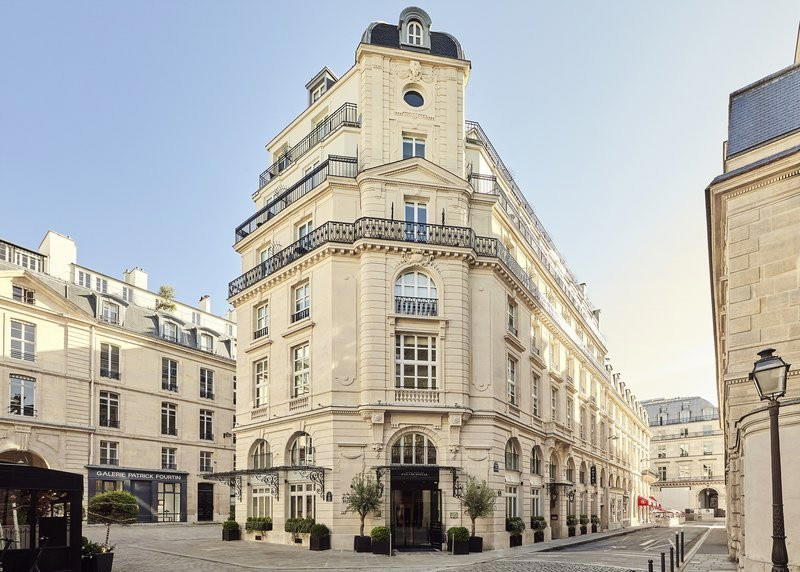
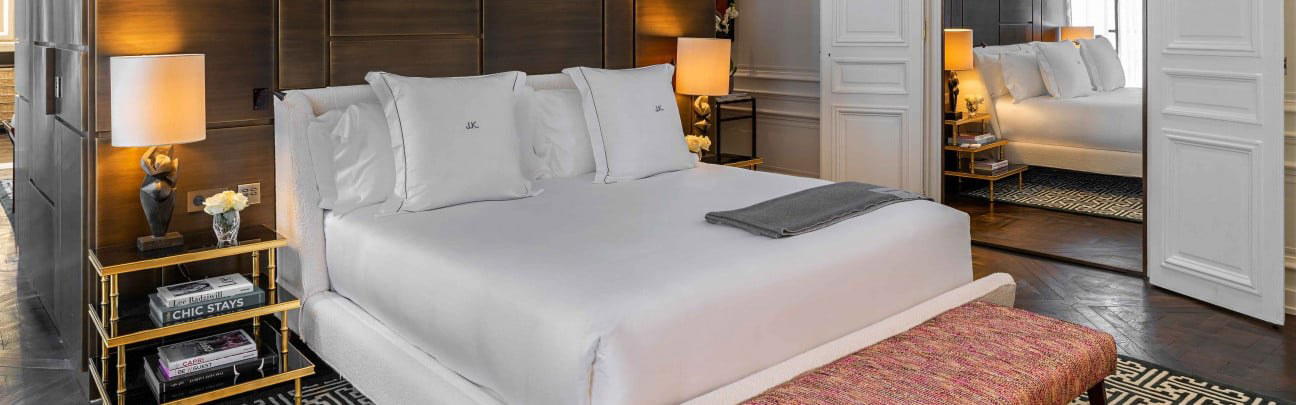
Jules
The wine
- Wine program
- Deep wine list
- Extensive wine list
- Sommelier-led
Details
- Elegant
- Sophisticated
- Well Known
- Scenic
- Special Occasion
- Date Night
- Celebration
- Panoramic View
- Historic Building
- Design Destination
- Extensive Wine List
- Sommelier Led
- Local Sourcing
- Skyline
- Prix Fixe
- Tasting Menu
Current opening hours
- Monday
- 8 AM–2 AM
- Tuesday
- 8 AM–2 AM
- Wednesday
- 8 AM–2 AM
- Thursday
- 8 AM–2 AM
- Friday
- 8 AM–2 AM
- Saturday
- 10 AM–2 AM
- Sunday
- 10 AM–2 AM
Hours can change for holidays and private events. Hours as of .
Refined and elegant with far-reaching views through iron fretwork windows, sunlight-filled small dining rooms, and polished multilingual service.