
Positioned steps from the Arc de Triomphe on Avenue Kléber, the Peninsula Paris occupies a tier of grand-hotel dining where classical Haussmann architecture meets serious contemporary kitchen ambition. Florent Martin leads the food programme within a property that has, since opening, positioned itself among the more considered addresses in the 16th arrondissement's luxury corridor.
Pearl is the En Primeur Club membership app — saves, bookings, and concierge access live there. Same editors, same standards.
- Address
- 19 Avenue Kléber, Paris
- Phone
- +331 58 12 67 50
- Website
- peninsula.com
- Directions
- Get directions
 Saves & bookings on Pearl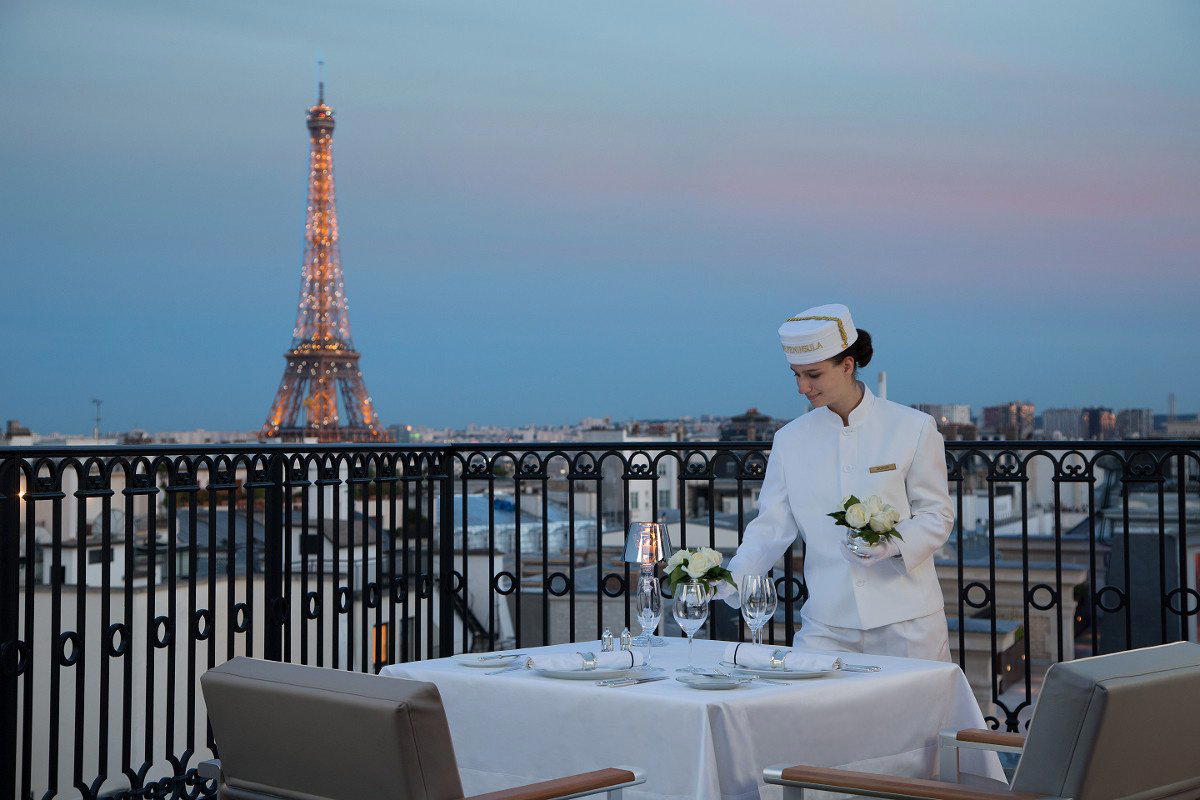
The Grand Hotel Dining Tier: Where the Peninsula Sits
Paris has two distinct categories of hotel restaurant worth serious attention. The first is the celebrated stand-alone name that happens to share a roof with guest rooms: Le Cinq at the Four Seasons Hôtel George V is the clearest example, a three-Michelin-star room that draws non-guests as reliably as residents. The second is a newer model: the hotel that treats its food and beverage programme as a genuine expression of place and sourcing philosophy rather than a hospitality amenity. The Peninsula Paris, which opened on Avenue Kléber in one of the city's most architecturally preserved Haussmann buildings, belongs to the second category.
The 8th and 16th arrondissements have long been the geography of grand-hotel luxury in Paris, running from the George V axis westward toward Trocadéro. The Peninsula entered this corridor with a level of investment in both the physical restoration and the kitchen programme that placed it immediately in peer conversation with the city's established palace-hotel addresses.
Avenue Kléber and the Approach
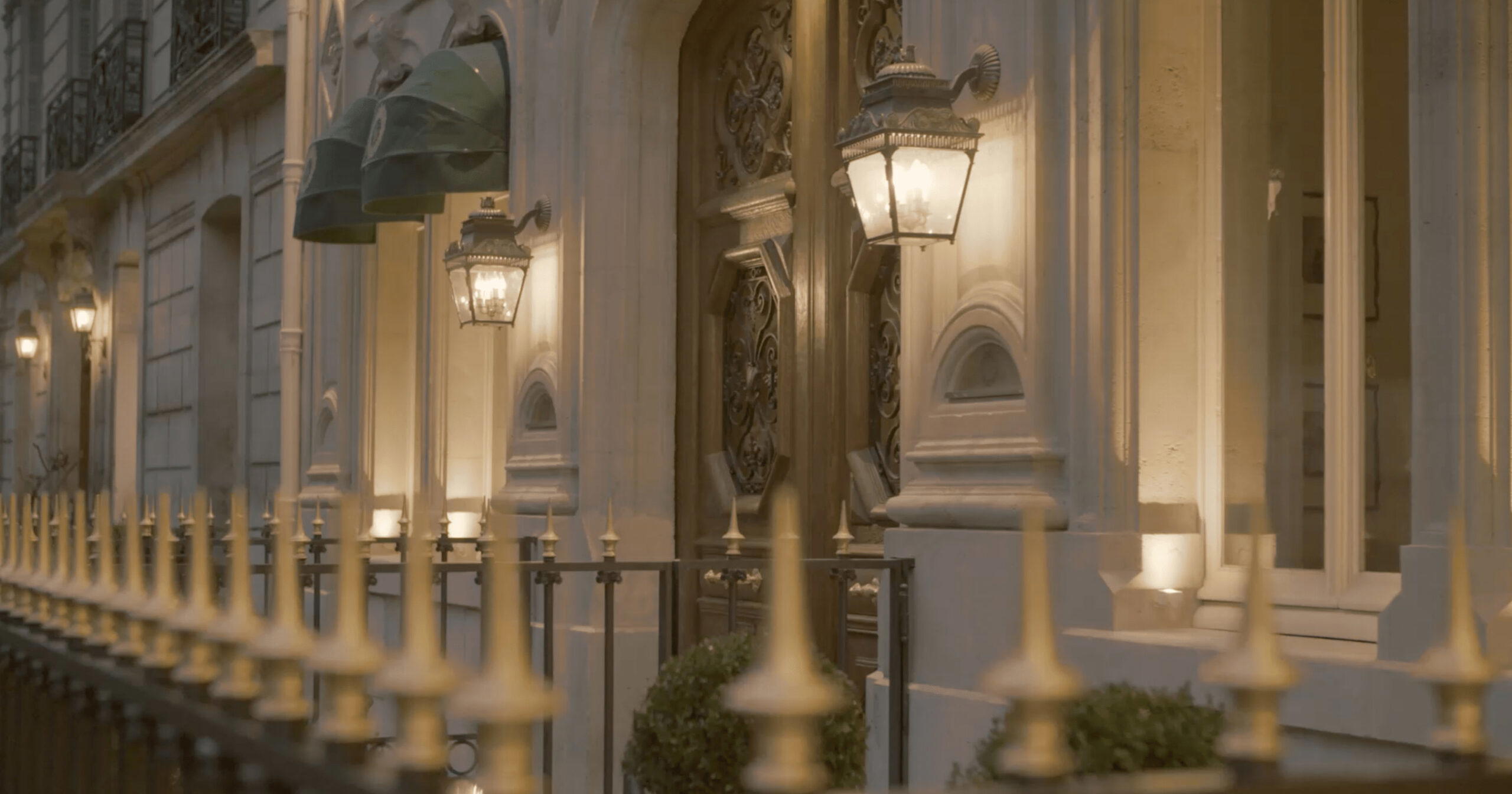
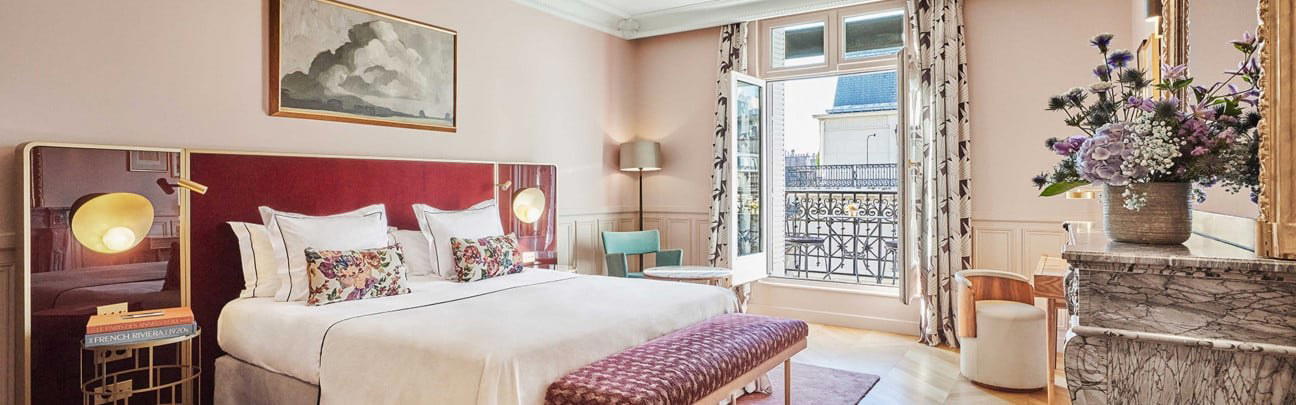
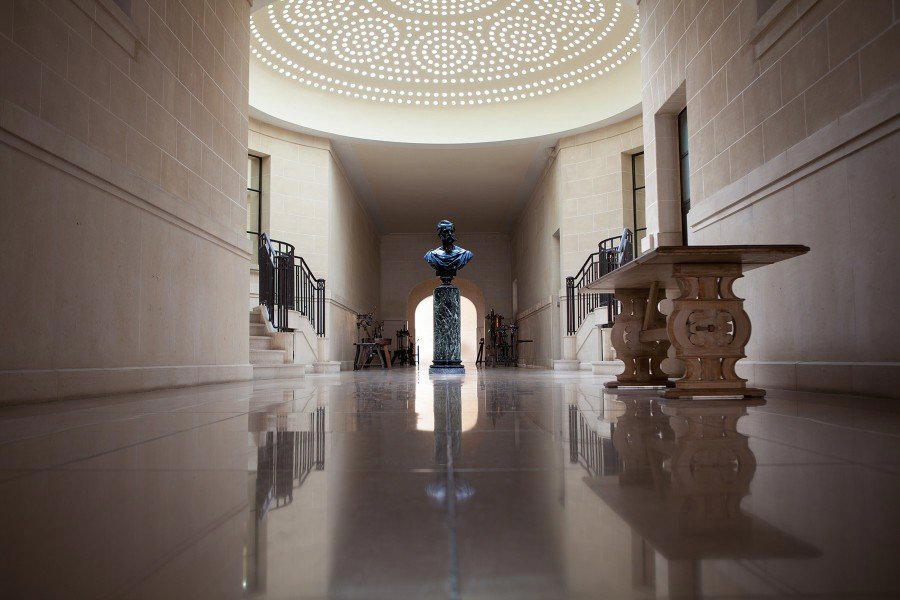
The building at 19 Avenue Kléber arrives with a certain inevitability. The Haussmann facades along this stretch of the 16th are among the more intact in Paris, and the property's exterior gives little away beyond scale and pale stone. Inside, the restoration made a deliberate choice to preserve the bones of the original architecture while layering contemporary detail into the interior volumes. The result is a dining environment that reads as genuinely Parisian rather than as a generic luxury hotel transplanted to a French postcode. The city's palace-hotel tradition has always understood that envelope matters: guests at Taillevent, Lasserre, or the older brasserie houses on the grands boulevards were always paying, in part, for the room itself.
Florent Martin and the Kitchen's Direction
In the context of Paris hotel dining, the name attached to the kitchen functions as a signal of the culinary reference points the property has chosen. Florent Martin leads the food programme at the Peninsula Paris, positioning the restaurant within a broader French fine-dining tradition that spans the city's formal addresses. This is relevant context: Paris hotel kitchens at the palace tier tend to draw on the same pools of training and lineage that produced the city's independent Michelin rooms. The creative kitchen work visible at Alléno Paris au Pavillon Ledoyen or the classical discipline at L'Ambroisie sets the benchmark against which serious hotel kitchens in this city measure themselves.
France's broader fine-dining conversation has increasingly moved toward questions of sourcing and environmental accountability. Properties like Bras in Laguiole, where the kitchen's relationship with the Aubrac plateau is foundational rather than decorative, or Mirazur in Menton, with its biodynamic garden programme, have demonstrated that a clearly articulated sourcing philosophy raises the credibility of any fine-dining address. Hotel restaurants in Paris have been slower to make this shift explicit, but the Peninsula's positioning as a sanctuary for food and wine engagement suggests an intention to operate at the level of programme depth, not merely comfort.
The Sustainability Dimension in Paris Hotel Dining
One consequential shift in French fine dining over the past decade is not technical innovation but ethical sourcing. The generation of chefs who trained under the houses at Troisgros or under the influence of Paul Bocuse inherited a product-first doctrine that has, in its most evolved contemporary form, become a sourcing-first doctrine. The difference matters: product-first selects the leading available ingredient; sourcing-first asks where it came from, how it was grown, and what the kitchen's relationship with the producer looks like across seasons.
For a hotel kitchen in the 16th arrondissement, operating at palace-tier volume and serving an international guest base, building this kind of sourcing depth requires deliberate infrastructure. The leading Paris addresses in this regard maintain direct relationships with small producers in the Île-de-France market garden belt, in Brittany for seafood, and in the Loire or Rhône valleys for meat. Arpège, where Alain Passard's vegetable programme has been documented in serious culinary literature for two decades, remains the standard-setter for how a Paris kitchen can make sourcing the central editorial statement of its menu. Hotel kitchens that aspire to comparable credibility need to make that sourcing visible to guests, not simply reference it in menu copy.
The Peninsula Paris operates in this context. What the property's ambition signals is that it is competing on that dimension, which is a meaningful distinction from hotel restaurants that treat food as amenity rather than argument.
The Competitive Set and Practical Considerations
At the palace-hotel tier in Paris, the comparable set is small and well-defined. The George V, the Meurice, the Bristol, and the Ritz each anchor a neighbourhood and a culinary identity. The Peninsula's position near the Arc de Triomphe places it within easy reach of both the 8th arrondissement's major restaurant addresses and the quieter residential streets of the 16th. For visitors weighing the Peninsula against the independent fine-dining rooms in this part of the city, Kei, for instance, which brings a Franco-Japanese discipline to the €€€€ tier, the hotel's programme offers the additional layer of a full hotel setting.
The property sits a short walk from the Arc de Triomphe, which places it on the western edge of the main tourist axis but well within reach of the 8th's restaurant concentration. Reservations are recommended.
France's regional fine-dining constellation, from Flocons de Sel in Megève to Auberge de l'Ill in Illhaeusern, provides the larger context within which Paris hotel kitchens position themselves. The Peninsula's position places it in that national conversation, even if its urban hotel format operates under different constraints than a destination restaurant in the provinces.
Credentials Lens
Comparable venues nearby, for context on price, style, and recognition.
| Venue | Cuisine | Price | Notes |
|---|---|---|---|
| PeninsulaThis venue — the venue you are viewing | French Hotel Bistro | $$$$ | Not listed |
| Le Georges | Modern French Fusion with Rooftop Views | $$$$ | 4th arrondissement |
| ONYX | Refined French Bistronomy | $$$$ | 9th arrondissement |
| Mariage Frères | French Tea Salon & Patisserie | $$$$ | Quartier Latin |
| La Verrière | Franco-Japanese Fusion | $$$$ | Montparnasse |
| Verjus | Modern French Fine Dining | $$$$ | 1st arrondissement |
Recognition history
Dated appearances from independent guides and award organizations, with the underlying list record or original source where available.
Star Wine List
Star Wine List
Continue exploring
More in Paris
Restaurants in Paris
Browse all →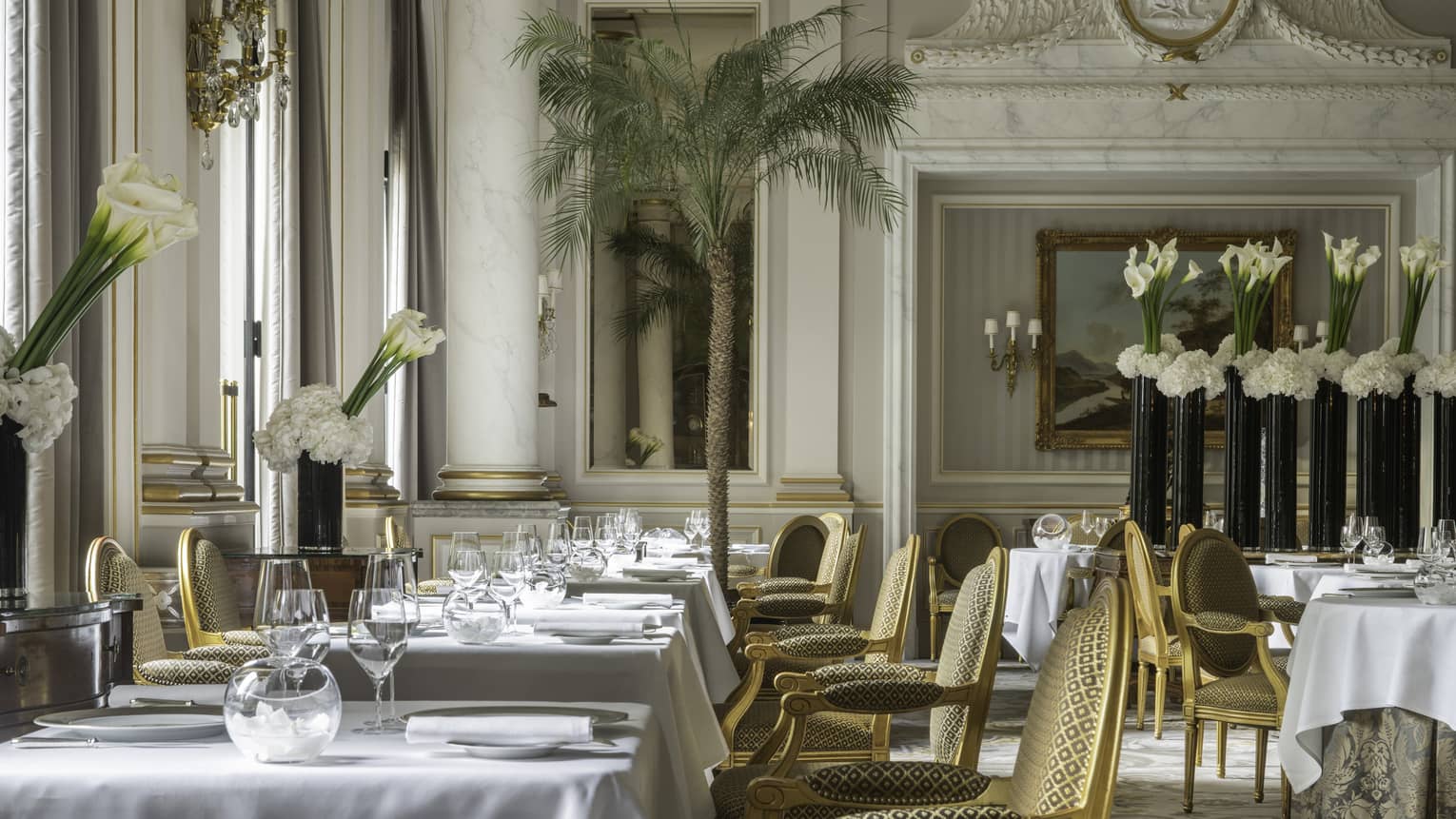

Bars in Paris
Browse all →
Hotels in Paris
Browse all →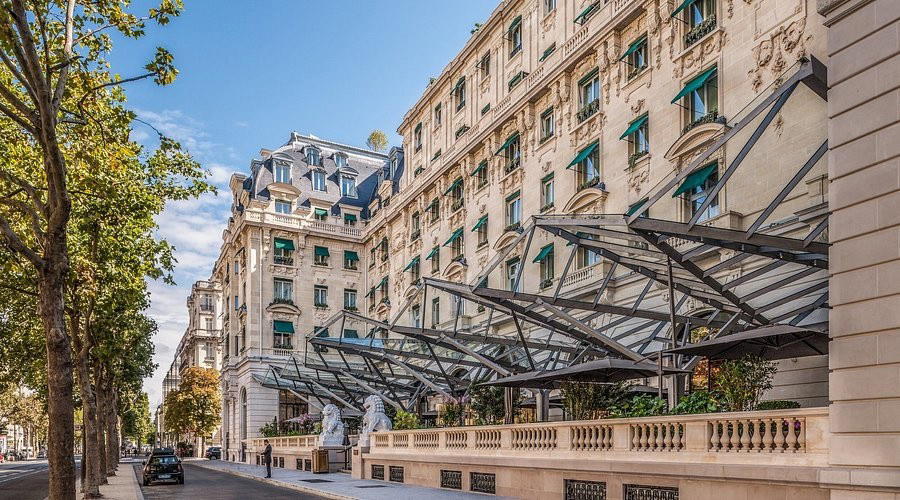



At a Glance
- Elegant
- Sophisticated
- Classic
- Date Night
- Business Dinner
- Special Occasion
- Hotel Restaurant
- Terrace
- Craft Cocktails
- Skyline
Current opening hours
- Monday
- 12–2 PM, 7–10 PM
- Tuesday
- 12–2 PM, 7–10 PM
- Wednesday
- 12–2 PM, 7–10 PM
- Thursday
- 12–2 PM, 7–10 PM
- Friday
- 12–2 PM, 7–10 PM
- Saturday
- 12–2 PM, 7–10 PM
- Sunday
- 12–2 PM, 7–10 PM
Hours can change for holidays and private events. Last verified .
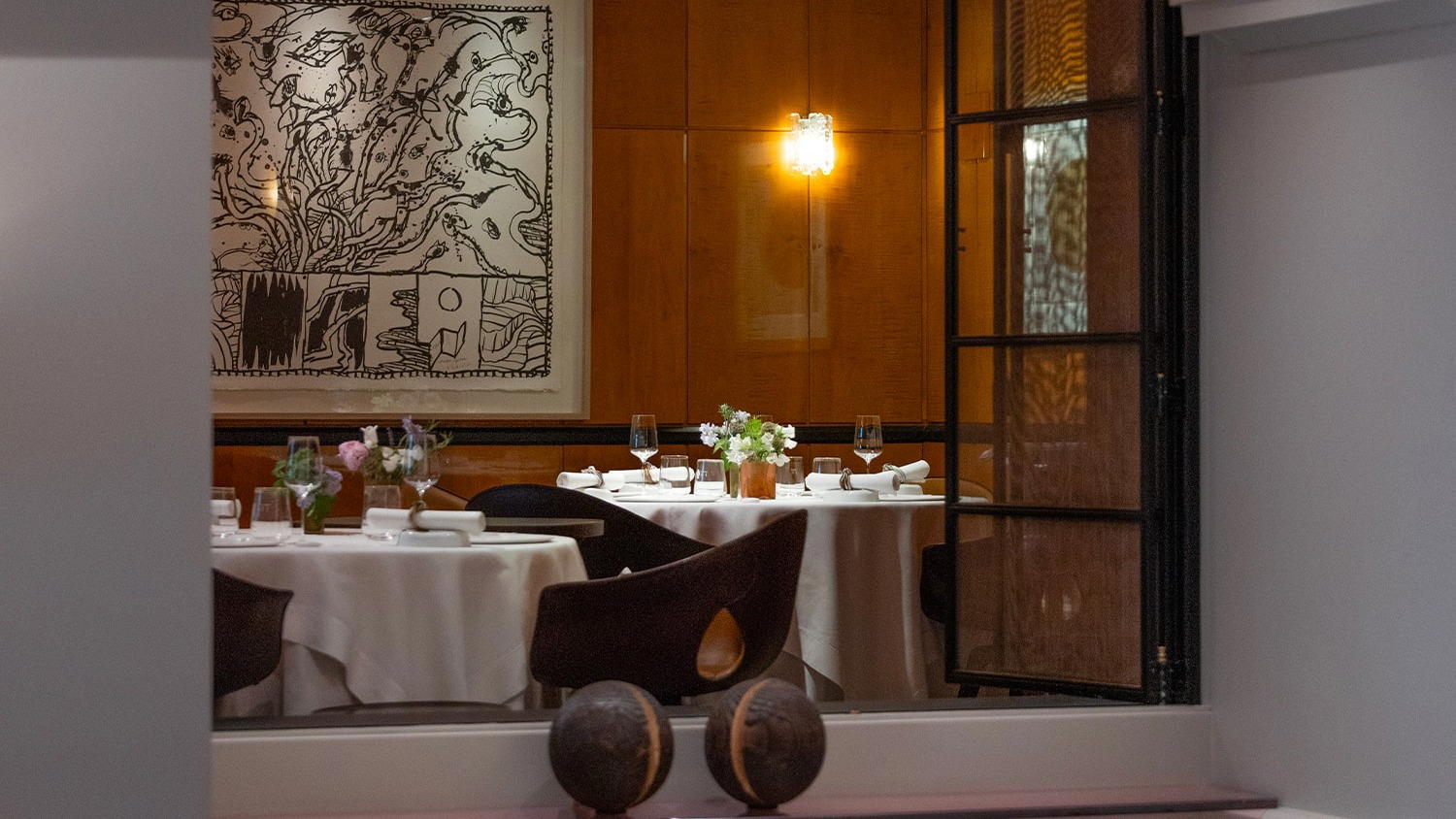
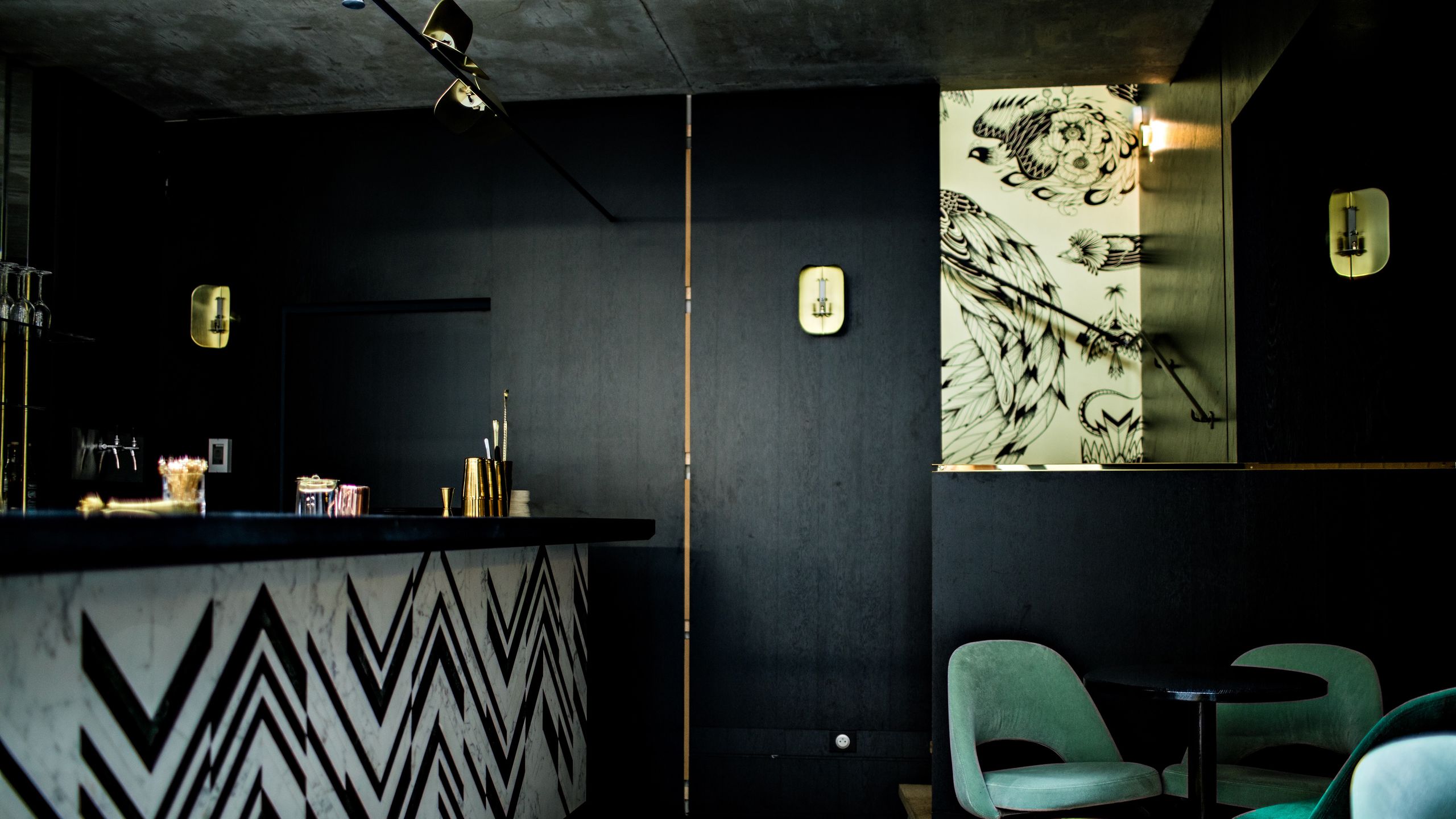
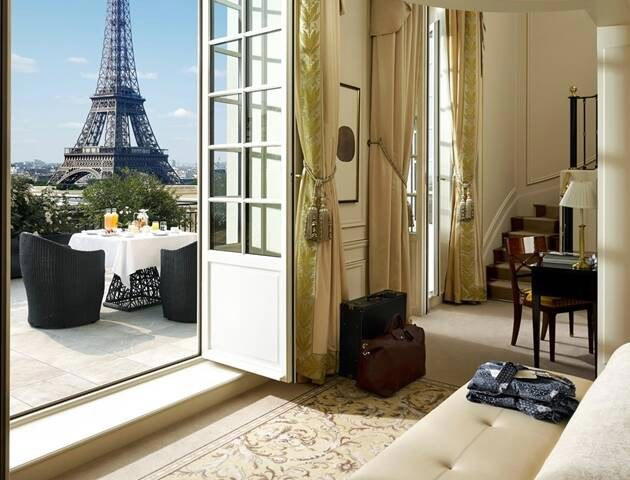
Elegant and chic atmosphere with beautiful decor, terrace seating, and mood music at conversational volume.