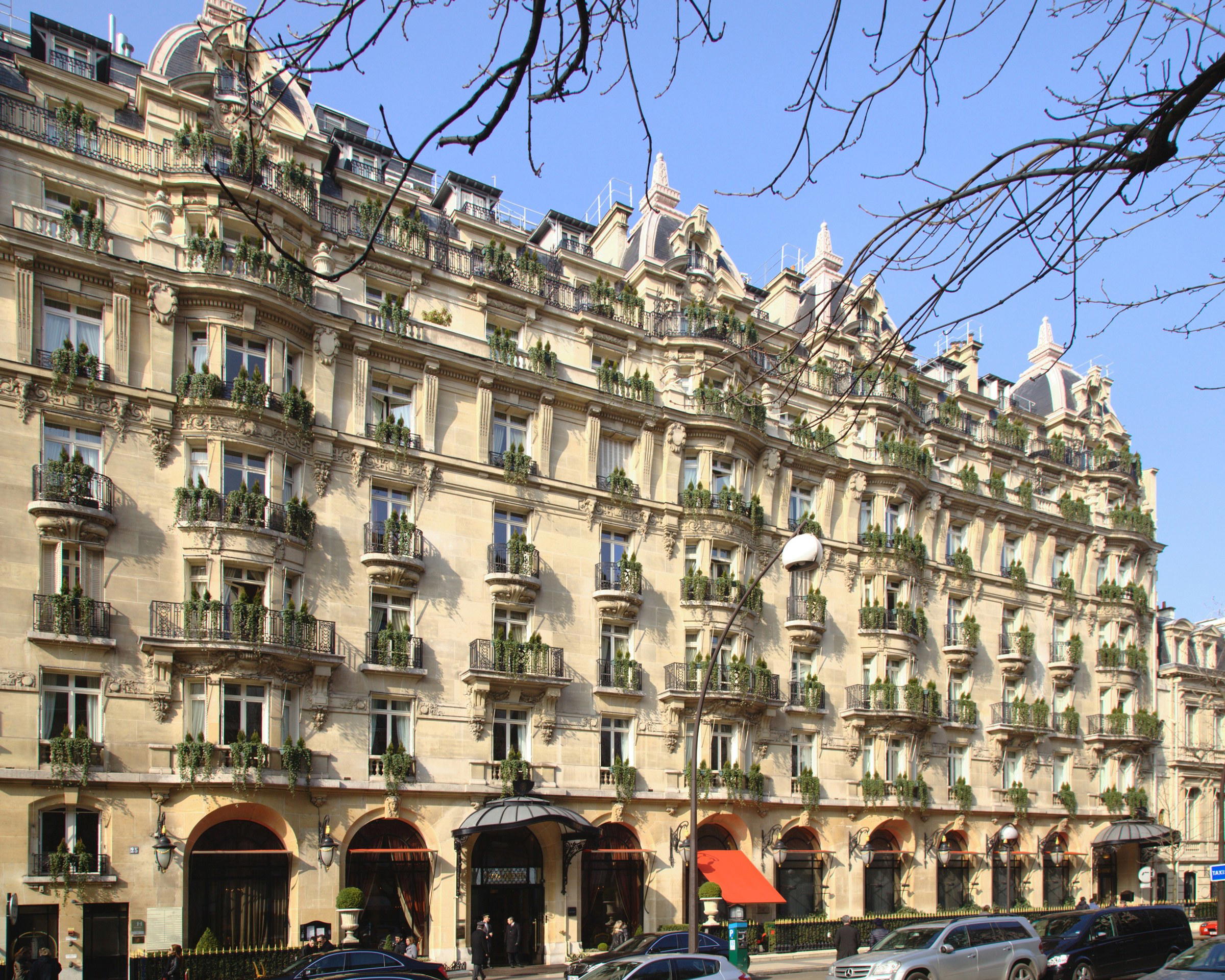
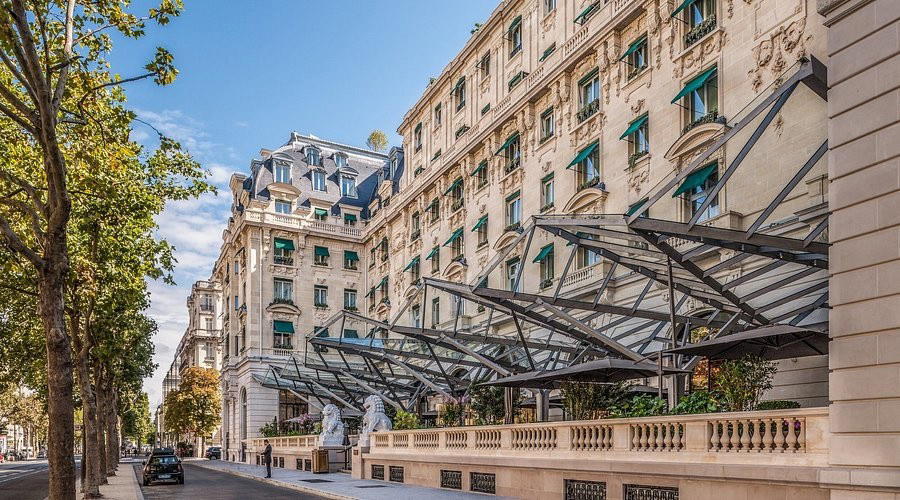
La Galerie sits on Avenue George V in Paris's 8th arrondissement, placing it within one of the city's most closely watched dining corridors. With the Four Seasons Hôtel George V and its three-Michelin-starred Le Cinq nearby, the address carries significant competitive weight. Visitors to this stretch expect serious cooking and a room that matches it.
Pearl is the En Primeur Club membership app — saves, bookings, and concierge access live there. Same editors, same standards.
- Address
- 31 Av. George V, 75008 Paris, France
- Phone
- +33149527006
- Website
- fourseasons.com
- Directions
- Get directions
 Saves & bookings on Pearl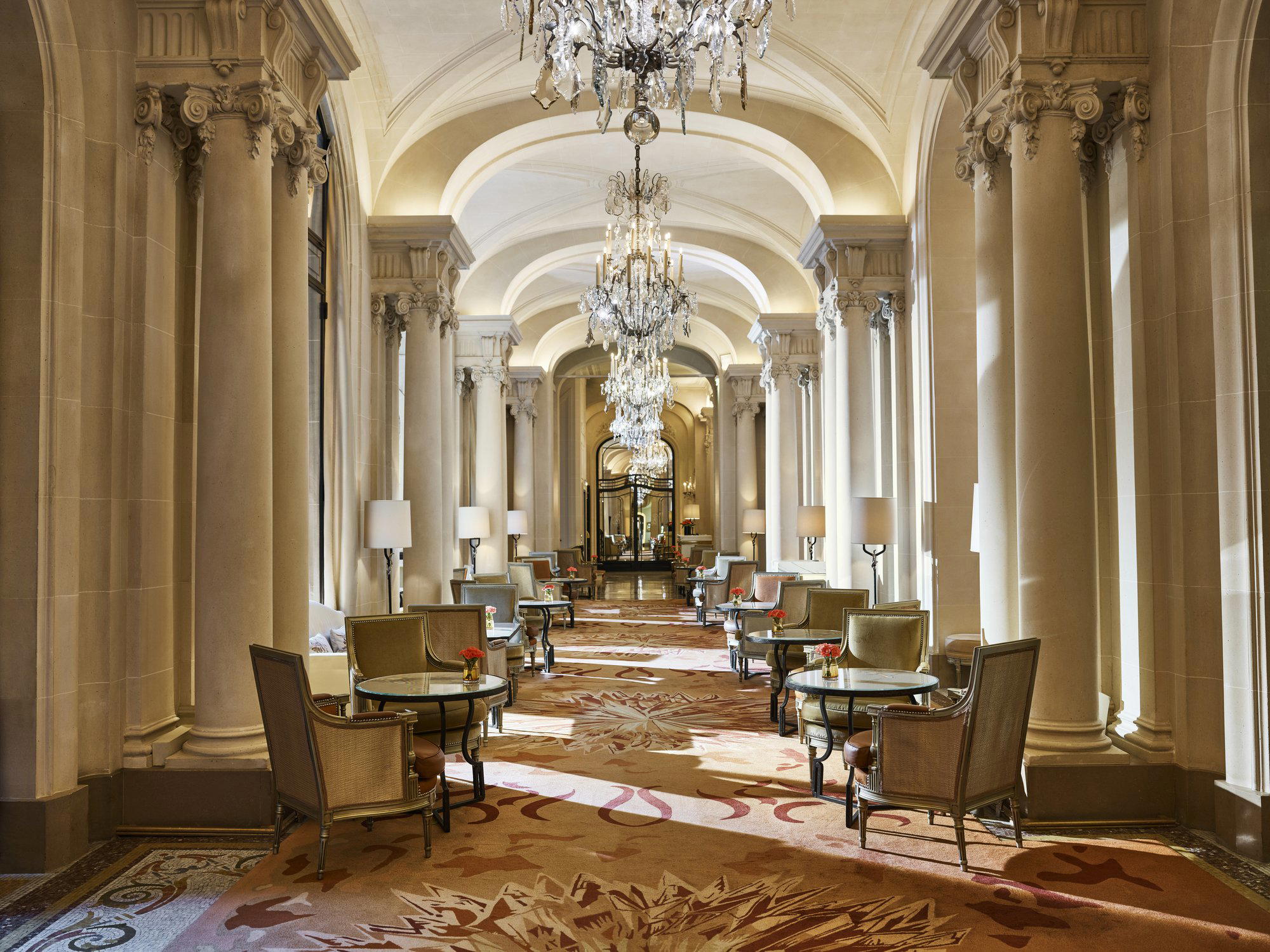
Avenue George V and the Weight of an Address
La Galerie is a modern French bistro in Paris's 8th arrondissement at 31 Av. The 8th arrondissement has long been the address of record for Franco-international luxury, a corridor where hotel dining rooms and stand-alone restaurants compete within one of the tightest comparable venues in European gastronomy. Le Cinq at the Four Seasons Hôtel George V, a few steps from La Galerie at number 31, holds three Michelin stars and sets a ceiling that every nearby table operates beneath. That proximity defines the competitive environment before a dish ever arrives.
Within that context, La Galerie occupies a specific register: a hotel restaurant format on one of Paris's most formally observed avenues, drawing from an international clientele that stays within the 8th and a local dining public that knows precisely how crowded this tier has become. Understanding where the room sits relative to its peers is the starting point for any considered visit.
French Fine Dining and the Sustainability Shift
The broader conversation around French haute cuisine has changed substantially over the past decade. What was once a system defined almost entirely by classical technique and prestige ingredients has opened, sometimes reluctantly, to questions of sourcing, waste, and environmental accountability. The pressure has come from multiple directions: chefs at properties like Mirazur in Menton, named the world's number one restaurant in 2019, built entire menus around biodynamic garden production. Bras in Laguiole has anchored its identity to the Aubrac plateau's agricultural rhythms for decades. Even Troisgros in Ouches has restructured its supply chain around regional producers in ways that would have read as radical in earlier generations of French kitchen management.
That shift matters for any dining room operating in the luxury tier of a major city. Guests arriving on Avenue George V in 2024 are more likely than their counterparts a decade ago to ask where a fish was caught, how bread waste is handled, or whether the cheese course sources regionally. These are no longer niche questions. They are increasingly the frame through which high-end dining experiences are evaluated, and restaurants in this bracket ignore them at reputational cost.
French regional producers have provided the raw material for this transition. The infrastructure of small-farm sourcing, sustainable fishing quotas in Atlantic and Mediterranean waters, and the AOC system's implicit quality controls around geography and method all give Paris kitchens tools that many other capital cities lack. The 8th arrondissement's dining rooms, by virtue of their price points and international visibility, are among the more scrutinised on those metrics. Alléno Paris au Pavillon Ledoyen and Arpège, the latter having pioneered vegetable-forward haute cuisine long before it became commercially advantageous, both operate within this accountability framework.
How the Room Functions in the George V Corridor
Hotel dining rooms in Paris's luxury corridor operate differently from standalone restaurants. The guest mix leans international, booking patterns track hotel occupancy rather than local reservation cycles, and the kitchen must serve a range of daypart and occasion types that a focused chef's table format would never accept. That breadth is both the challenge and, at its leading, the discipline. Rooms in this category that succeed do so by maintaining kitchen consistency across formats rather than by optimising a single tasting-menu experience.
The comparison set for a room at 31 Avenue George V includes not only Le Cinq next door but also the broader tier of Paris dining that has been shaped by internationally trained chefs bringing methods from outside the classical French canon. Kei, which holds three Michelin stars and applies Japanese precision to French ingredients, represents one direction that tier has moved. L'Ambroisie on Place des Vosges holds the opposite end of that spectrum: unwavering classical French, three stars since 1988, no concessions to contemporary trend. Between those poles sits most of the interesting work in Parisian fine dining.
Paris in a Wider French Dining Frame
One useful way to calibrate expectations for any Paris dining experience is to map it against the regional houses that set French culinary standards outside the capital. Auberge de l'Ill in Illhaeusern has held three Michelin stars continuously since 1967, longer than any other restaurant in France, and operates in a deeply rooted Alsatian tradition. Assiette Champenoise in Reims and Au Crocodile in Strasbourg represent the dense regional talent that Paris kitchens have historically drawn from. Auberge du Vieux Puits in Fontjoncouse and Flocons de Sel in Megève operate in formats so geographically specific that no Paris room can replicate them. That regional richness is the backbone of what Paris hotel kitchens import when they build supply chains and kitchen teams.
For international visitors using Paris as a base, the capital's dining rooms exist within this national network rather than above it. Paul Bocuse's Auberge du Pont de Collonges near Lyon remains a reference point for what French institutional dining looked like before the sustainability and sourcing debates reshaped it. AM par Alexandre Mazzia in Marseille represents the opposite: a deeply personal, technically dense style that could only have emerged from Mediterranean port culture. Neither maps directly onto a Paris hotel dining room, but both clarify what range exists within the French system.
For readers making transatlantic comparisons, the French emphasis on sourcing discipline and kitchen hierarchy has direct counterparts in high-end American dining. Le Bernardin in New York City, a four-star New York Times house with four Michelin stars, operates a French-derived seafood program that applies similar sourcing rigour in a different market context. Atomix in New York, which holds two Michelin stars and topped the North America's 50 Best list, shows how tasting-menu formats have evolved away from classical French frameworks entirely.
Cost and Credentials
Comparable venues nearby, for context on price, style, and recognition.
| Venue | Cuisine | Price | Notes |
|---|---|---|---|
| La GalerieThis venue — the venue you are viewing | Not listed | $$$$ | Not listed |
| Mariage Frères | Not listed | $$$$ | Quartier Latin, French Tea Salon & Patisserie |
| Baronne | Not listed | $$$$ | 8th arrondissement, Modern French Grill |
| Bustronome | Not listed | $$$$ | 16th Arr., Contemporary French Fine Dining |
| Atelier Carnem | Quartier Latin, French Steakhouse | $$$$ | Not listed |
| Sphère | Not listed | $$$$ | 8ème arrondissement, Modern French Gastronomy with Japanese Influences |
Continue exploring
More in Paris
Restaurants in Paris
Browse all →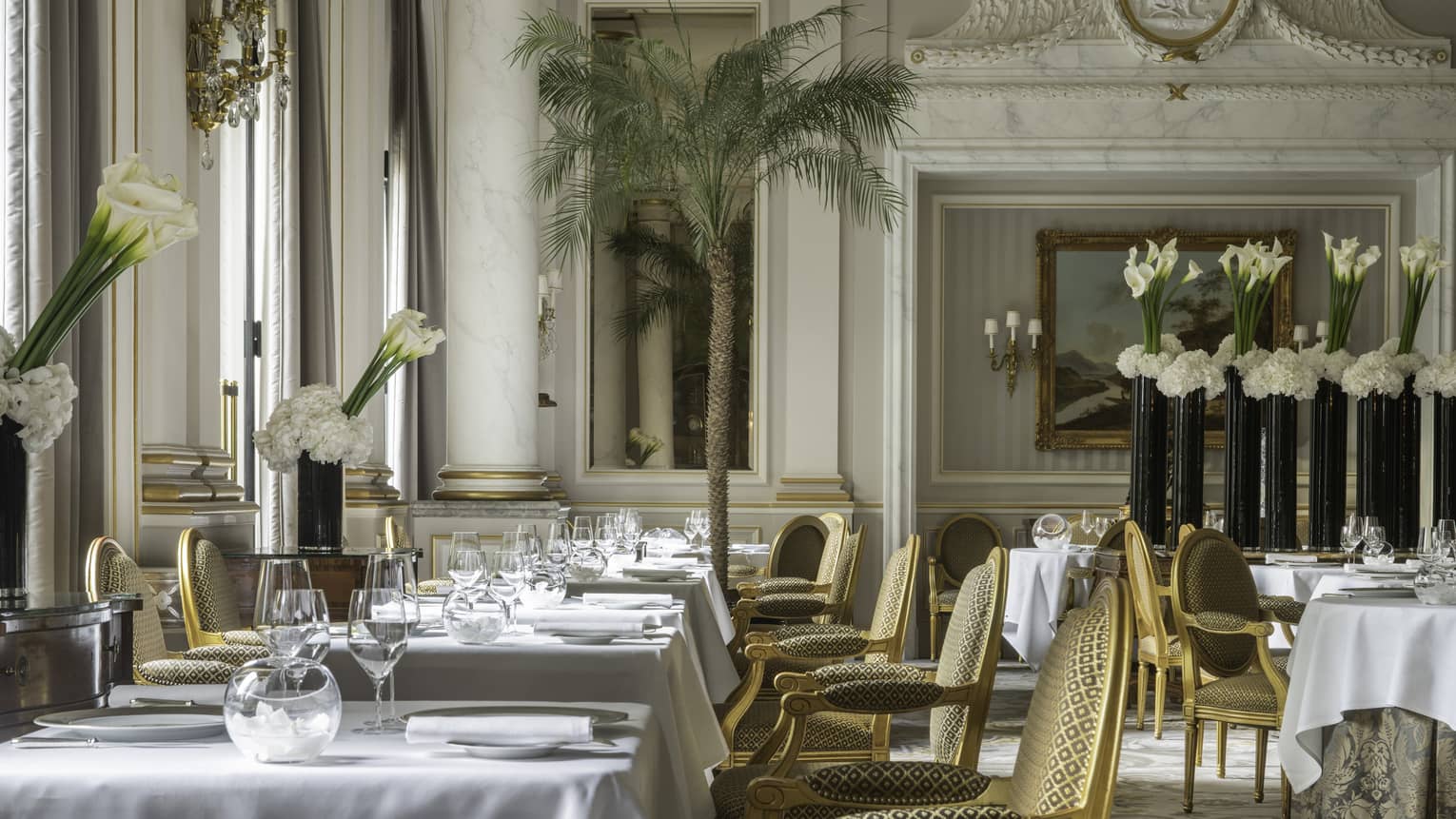

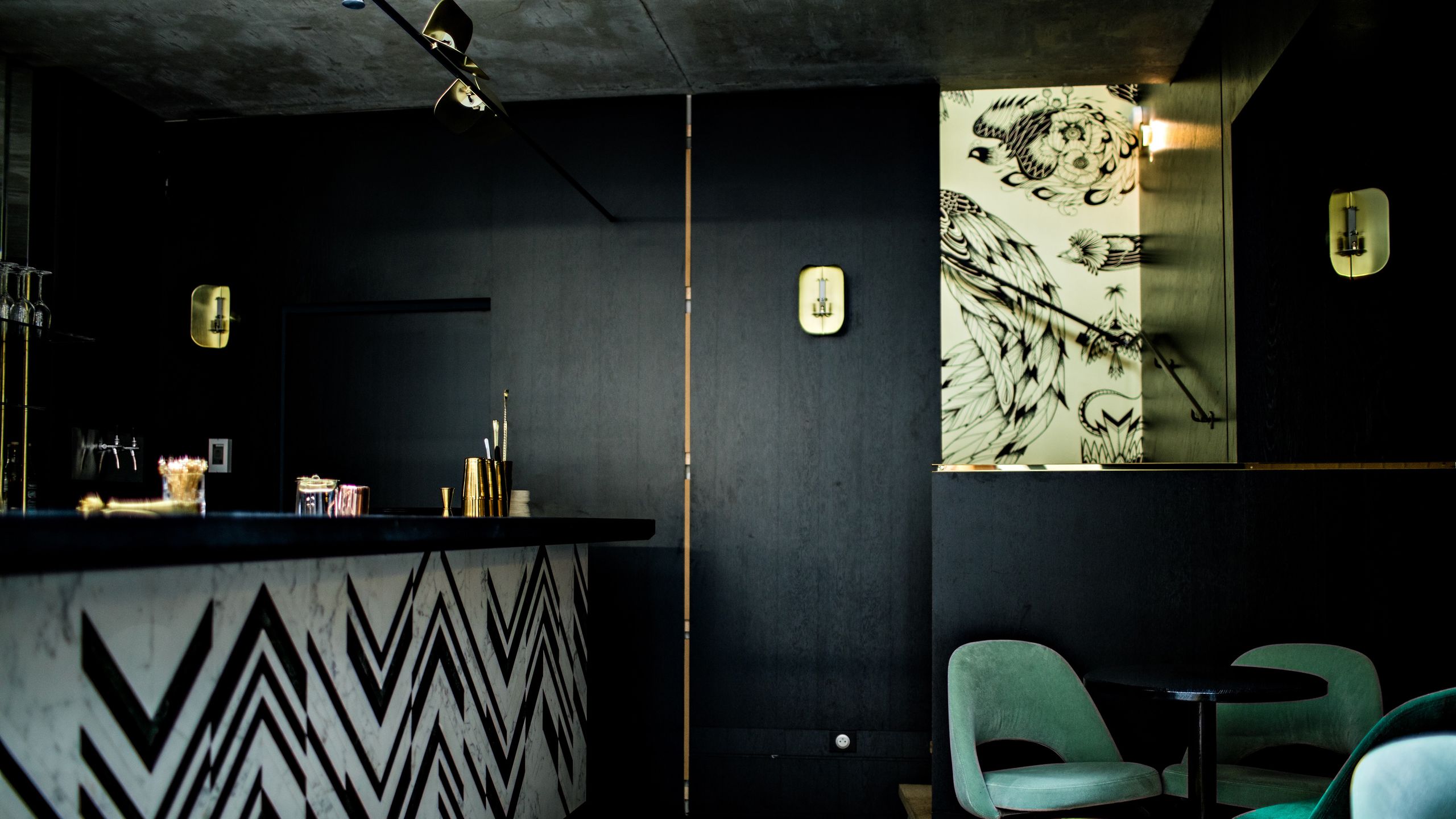
Bars in Paris
Browse all →
Hotels in Paris
Browse all →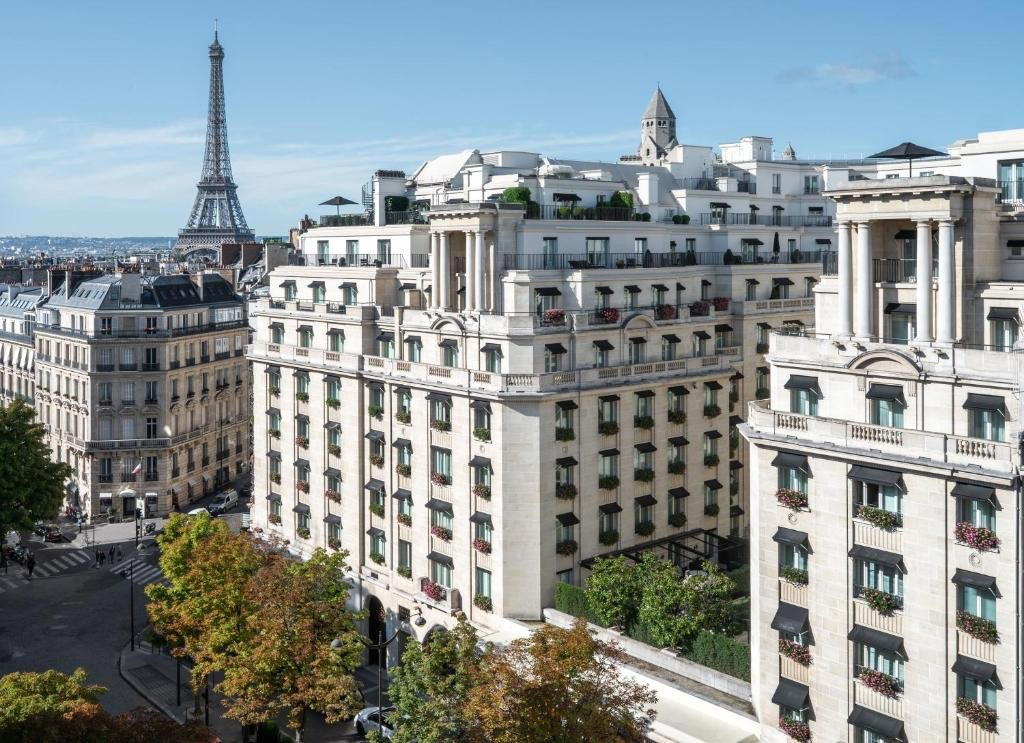



At a Glance
- Elegant
- Sophisticated
- Classic
- Brunch
- Special Occasion
- Hotel Restaurant
Current opening hours
- Monday
- 8 AM–11 PM
- Tuesday
- 8 AM–11 PM
- Wednesday
- 8 AM–11 PM
- Thursday
- 8 AM–11 PM
- Friday
- 8 AM–11 PM
- Saturday
- 8 AM–11 PM
- Sunday
- 8 AM–11 PM
Hours can change for holidays and private events. Last verified .
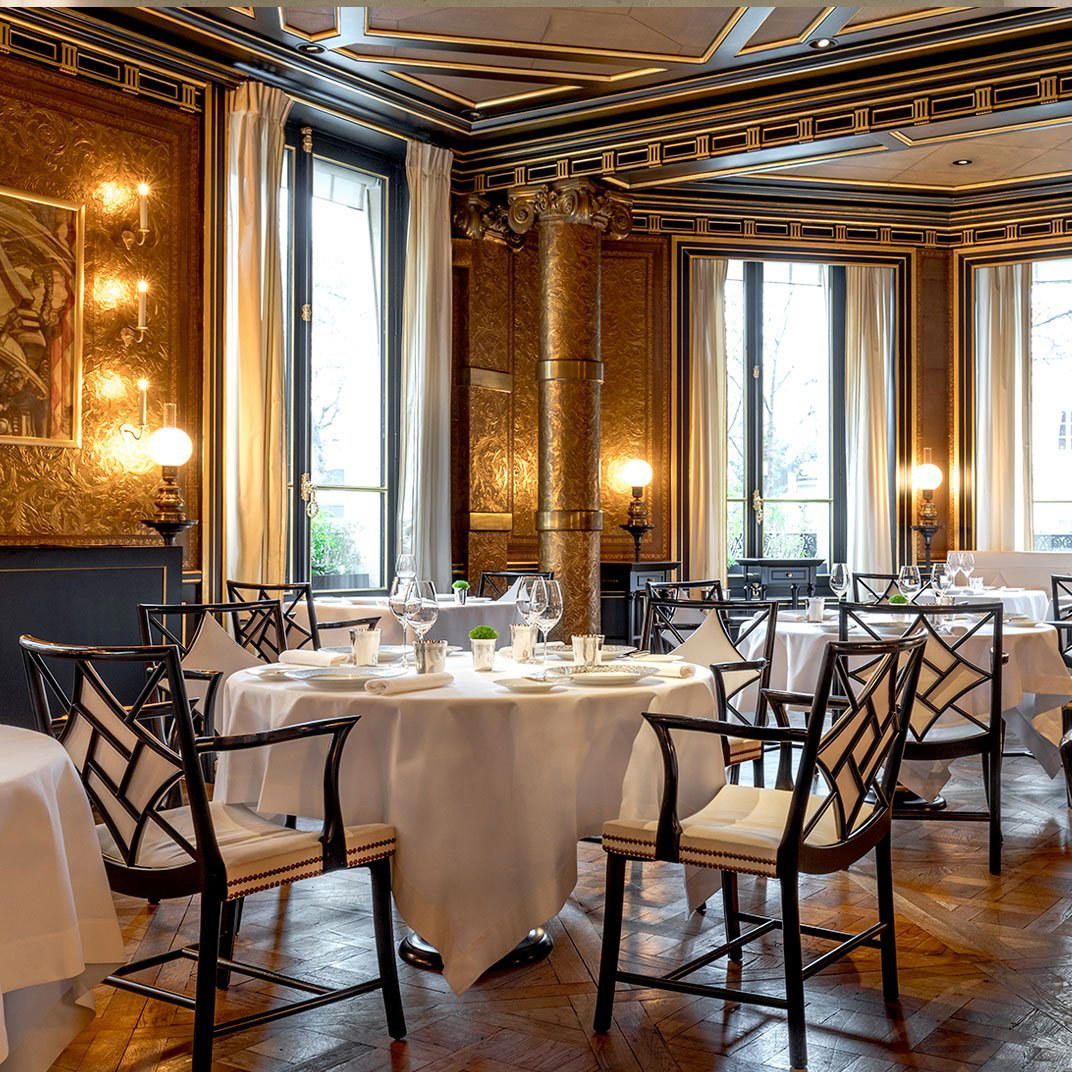
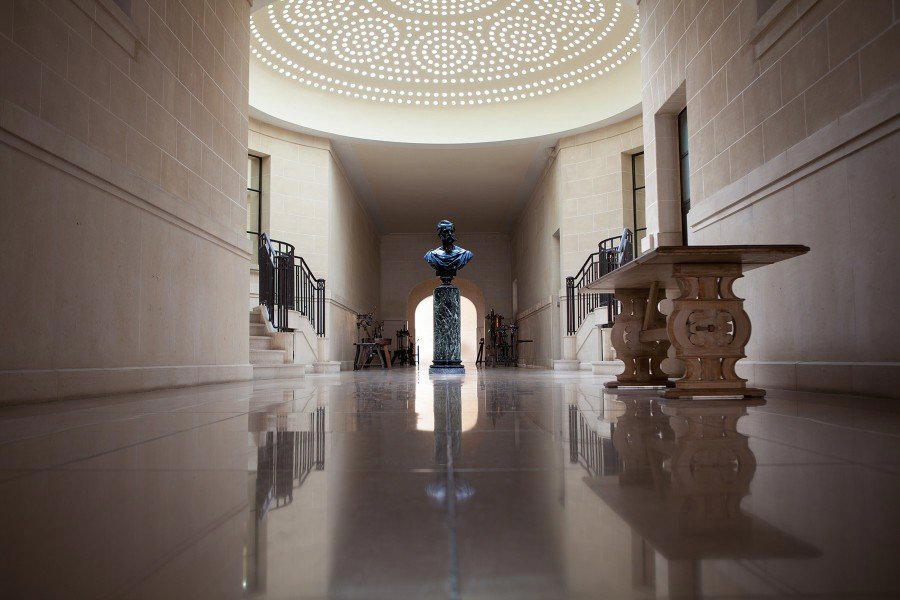
Timeless elegance with magnificent Flanders tapestries, precious objects, soft piano melodies, dramatic floral arrangements, and a chic, warm atmosphere.