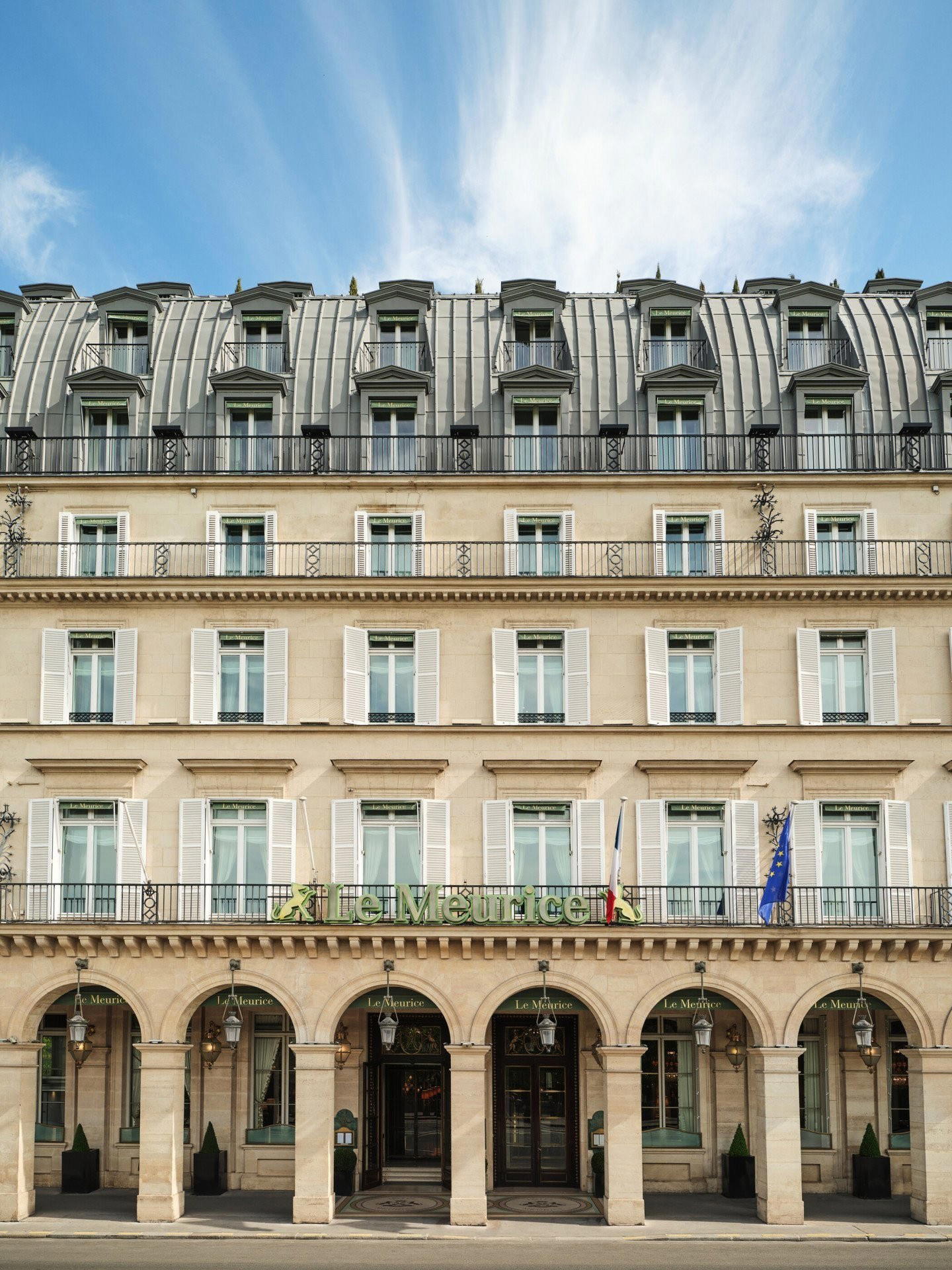
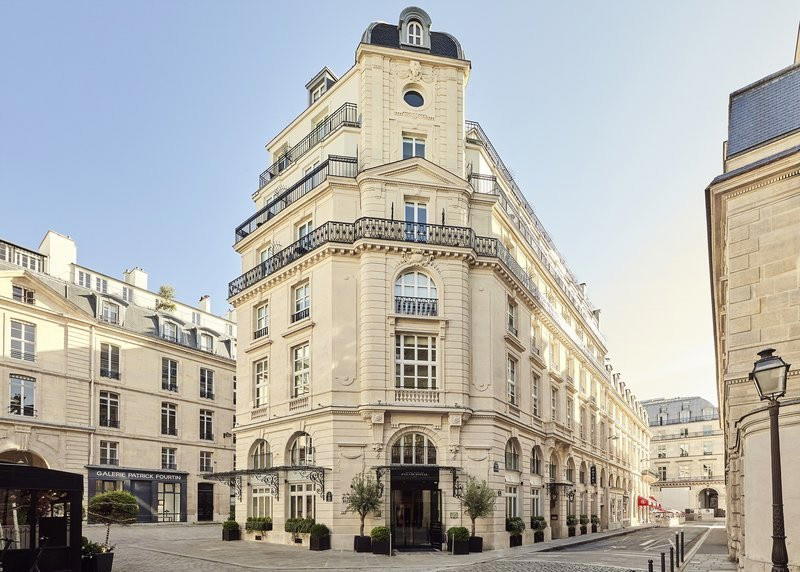
Located on Avenue de l'Opéra in Paris's 2nd arrondissement, Restaurant Cuisine l'E7 sits in one of the city's most historically loaded dining corridors, where the question of sourcing has defined serious French kitchens for generations. The address places it squarely among a tier of Paris restaurants where ingredient provenance is not a marketing footnote but the organising principle of the menu.
Pearl is the En Primeur Club membership app — saves, bookings, and concierge access live there. Same editors, same standards.
- Address
- 39 Av. de l'Opéra, 75002 Paris, France
- Phone
- +33142615690
- Website
- hoteledouard7-paris.fr
- Directions
- Get directions
 Saves & bookings on Pearl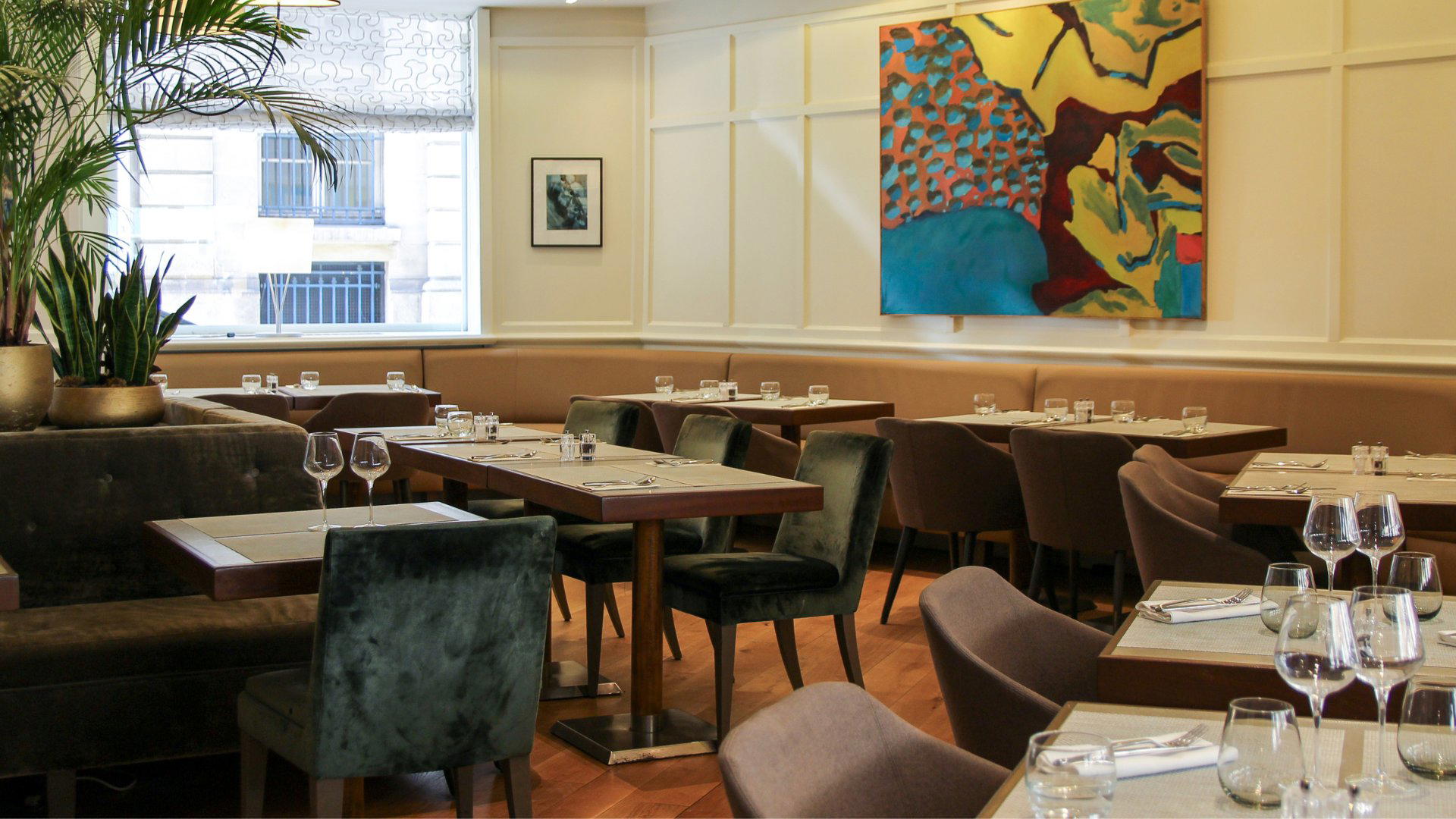
Avenue de l'Opéra and the Sourcing Imperative in Paris Fine Dining
The stretch of Avenue de l'Opéra running through Paris's 2nd arrondissement has long operated as a corridor where tradition and ambition intersect. The neighbourhood sits between the grand department stores of Boulevard Haussmann to the north and the financial density of the 1st arrondissement to the south, drawing a clientele that tends to know what it is paying for. It is not a district that rewards vague cooking. Restaurants here compete against particularly scrutinised addresses in France, and the kitchens that hold ground do so by committing to a clear editorial position on the plate. In Paris's upper tier, that position increasingly organises itself around one question above all others: where does the food come from, and can you prove it?
That question has reshaped serious French dining over the past two decades more than any single technique or trend. Kitchens at addresses like Arpège built reputations by treating ingredient sourcing as the primary creative act, with the garden at Rue de Varenne becoming as central to the restaurant's identity as the kitchen itself. Further along the prestige spectrum, Alléno Paris au Pavillon Ledoyen approaches sourcing through a different lens, using extraction techniques to concentrate the argument of a single ingredient across multiple courses. What both approaches share is the premise that provenance is not decoration but structure.
Restaurant Cuisine l'E7: The Address in Context
Restaurant Cuisine l'E7 occupies 39 Avenue de l'Opéra, a location that carries the weight of the surrounding neighbourhood's dining expectations. The 2nd arrondissement is not a district where anonymity is easily sustained. Tables at the summit end of this part of Paris attract critics, regular international visitors, and a local professional class with long culinary memories. That audience tends to read menus carefully and to ask the questions that sourcing-led kitchens have to be ready to answer: which farm, which region, which season, and why now.
The sourcing conversation in Paris fine dining has a geographic logic that runs well beyond the city limits. Some of France's most closely watched kitchens draw their primary ingredients from properties that read almost like a map of the country's agricultural regions. Bras in Laguiole has spent decades building a vocabulary around the Aubrac plateau's herbs, roots, and dairy. Flocons de Sel in Megève places Alpine terroir at the centre of its menu architecture. Mirazur in Menton works a kitchen garden model that has become among the more discussed in contemporary French cooking. These are not outliers. They represent a broader consolidation of sourcing as the primary discipline in French fine dining, one that kitchens in Paris increasingly have to respond to, whether they are rooted in classic technique like L'Ambroisie or working in the contemporary French register occupied by Kei.
What Sourcing-Led Cooking Demands of a Paris Kitchen
A kitchen that organises itself around ingredient provenance operates under a different set of pressures than one built around a fixed classical canon. The menu has to move with availability, which means the team must maintain supplier relationships close enough to know what is coming before it arrives. In practice, this puts serious pressure on purchasing discipline. Particularly respected sourcing-led kitchens in France tend to work with a relatively small number of producers over long periods, building the kind of reciprocal knowledge that allows a chef to request a specific maturity or cut that would not be available through standard wholesale channels.
Paris is not naturally a producing region, which means that every ingredient arriving in a 2nd arrondissement kitchen from outside the city carries a story of selection and transport. That story is increasingly part of what diners in this tier expect to hear. At Le Cinq at the Four Seasons George V, the sourcing narrative operates within the context of a grand hotel kitchen where scale and consistency must be maintained alongside provenance. Standalone restaurants have more flexibility but less structural support. The tradeoff defines much of the operational character of serious independent kitchens in the city.
Further afield, kitchens like Troisgros in Ouches and Auberge de l'Ill in Illhaeusern benefit from proximity to specific regional supply chains that Paris restaurants cannot replicate. What Paris kitchens can do is curate across those regions, drawing from Brittany, the Loire, Provence, and the Alps simultaneously, assembling a menu that reads as a précis of French agricultural geography rather than a reflection of a single terroir. That curatorial model is increasingly the dominant framework for serious cooking in the capital.
The Broader French Fine Dining Reference Frame
Any kitchen operating in Paris at a serious level sits inside a reference frame that includes both the institutional monuments of French gastronomy and the newer generation of kitchens rewriting its terms. Paul Bocuse's Auberge du Pont de Collonges established the template for French fine dining's relationship with regional identity in the late twentieth century. Auberge du Vieux Puits in Fontjoncouse and Assiette Champenoise in Reims represent the depth of serious cooking outside the capital. Au Crocodile in Strasbourg carries the weight of Alsatian tradition. AM par Alexandre Mazzia in Marseille has built a reputation as among the more discussed kitchens in southern France. Against that national context, a Paris address on Avenue de l'Opéra carries both the advantage of visibility and the pressure of proximity to the highest concentration of serious diners and critics in the country.
For international reference, the sourcing discipline that defines the upper tier of French cooking has analogues in other cities. Le Bernardin in New York has sustained a sourcing argument around fish quality for decades. Atomix in New York approaches ingredient provenance through a Korean fine dining lens that has attracted significant critical attention. The comparison is not direct, but it illustrates that the sourcing conversation in fine dining is not a French invention. It is a global standard that Paris kitchens helped establish and now have to keep pace with.
Planning Your Visit
Restaurant Cuisine l'E7 is located at 39 Avenue de l'Opéra in the 2nd arrondissement, accessible from the Opéra metro station on lines 3, 7, and 8, placing it within easy reach of central Paris. Given the neighbourhood's concentration of business and hotel traffic, booking in advance is advisable, particularly for evening sittings midweek and for any Friday or Saturday service.
Booking and Cost Snapshot
Comparable venues nearby, for context on price, style, and recognition.
| Venue | Cuisine | Price | Notes |
|---|---|---|---|
| Restaurant Cuisine l'E7This venue — the venue you are viewing | Gaillon, Modern French Bistro | $$$$ | Not listed |
| ONYX | Not listed | $$$$ | 9th arrondissement, Refined French Bistronomy |
| L'Aventure | Not listed | $$$$ | 16th arrondissement, Modern French with Japanese influences |
| Mariage Frères | Not listed | $$$$ | Quartier Latin, French Tea Salon & Patisserie |
| Bustronome | Not listed | $$$$ | 16th Arr., Contemporary French Fine Dining |
| Café de l’Homme | Trocadéro, Modern French Fine Dining | $$$$ | Not listed |
Continue exploring
More in Paris
Restaurants in Paris
Browse all →
Bars in Paris
Browse all →
Hotels in Paris
Browse all →
At a Glance
- Elegant
- Sophisticated
- Intimate
- Modern
- Date Night
- Business Dinner
- Special Occasion
- Hotel Restaurant
Current opening hours
- Monday
- 12–2 PM, 7–10 PM
- Tuesday
- 12–2 PM, 7–10 PM
- Wednesday
- 12–2 PM, 7–10 PM
- Thursday
- 12–2 PM, 7–10 PM
- Friday
- 12–2 PM, 7–10 PM
- Saturday
- Closed
- Sunday
- Closed
Hours can change for holidays and private events. Last verified .
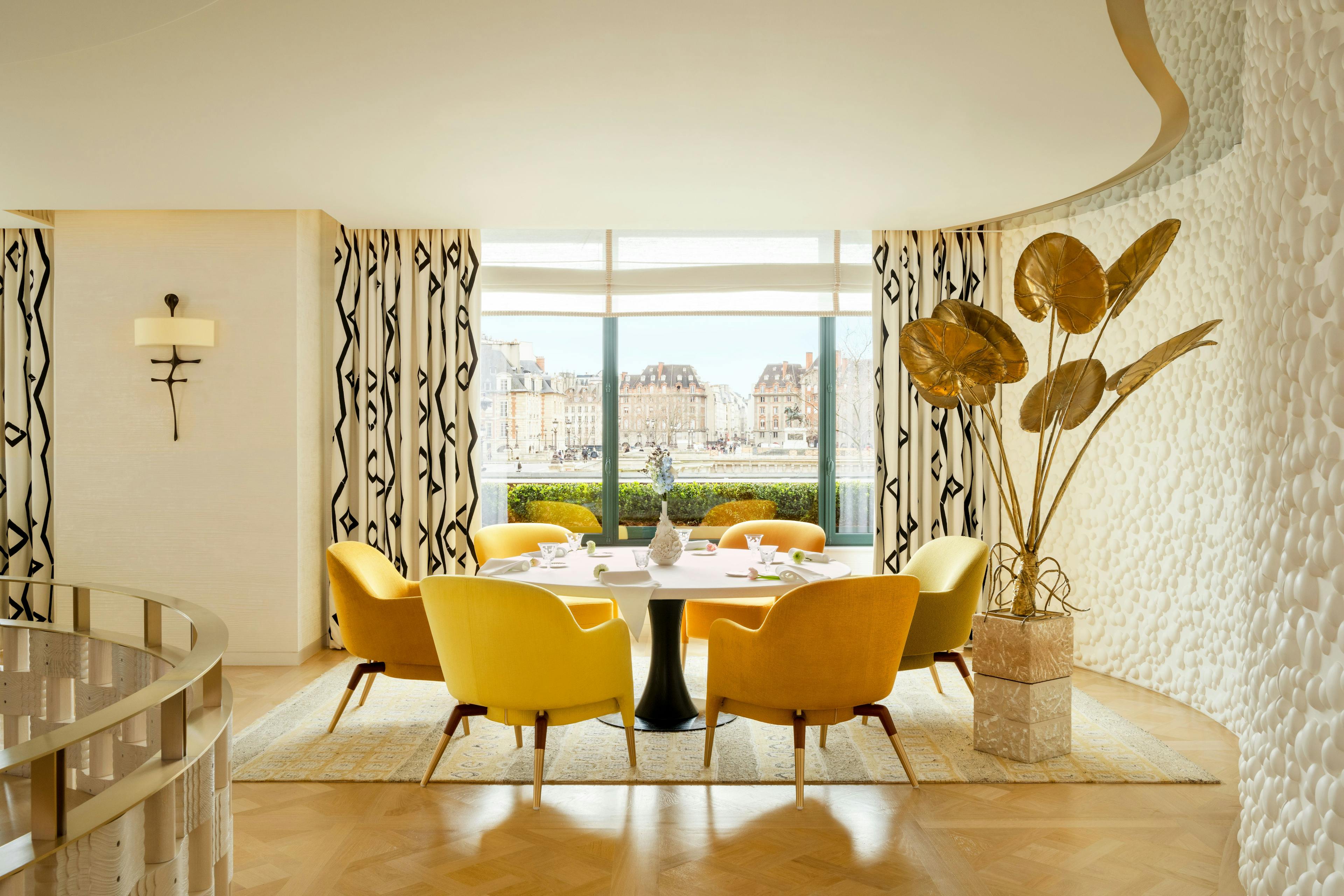
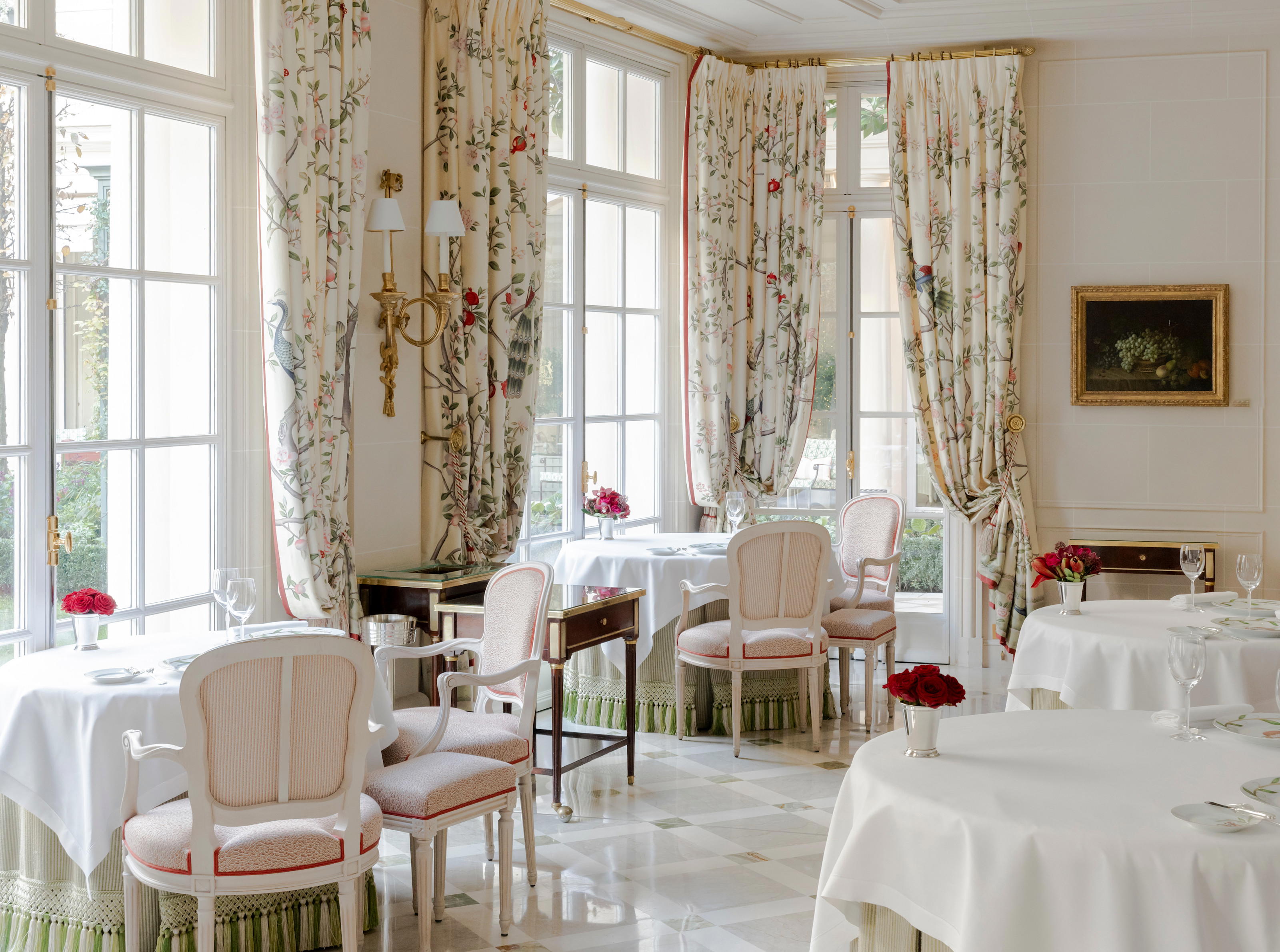
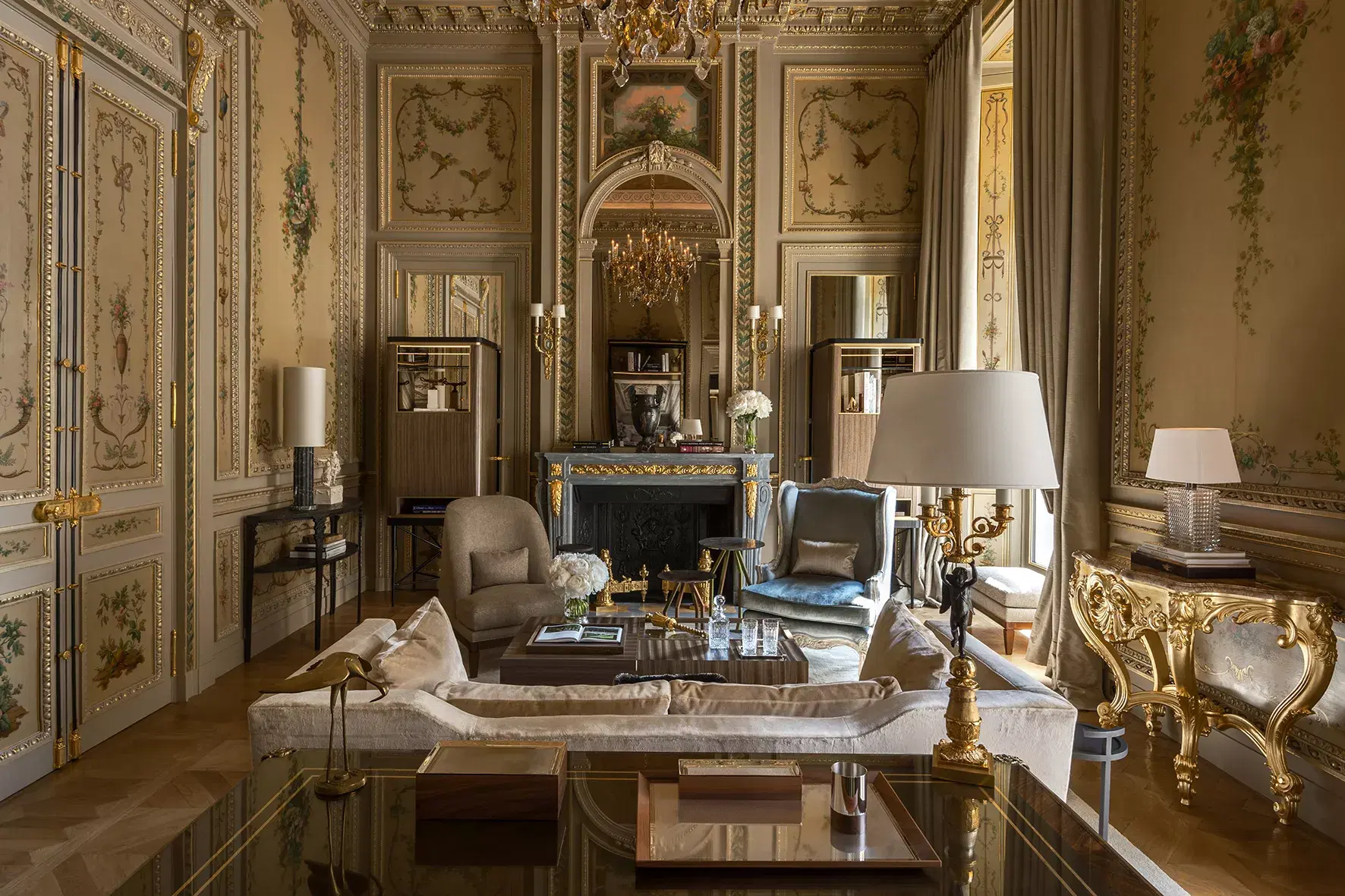
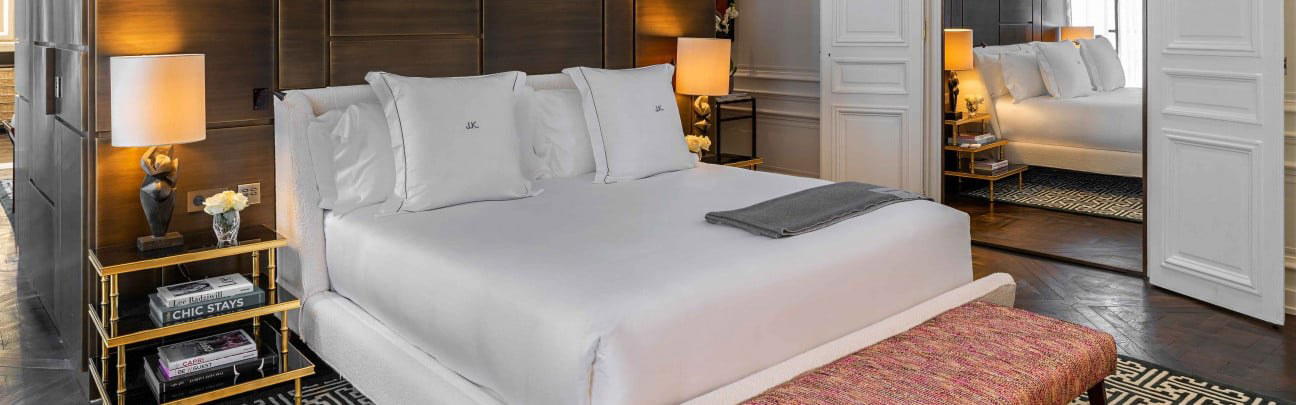
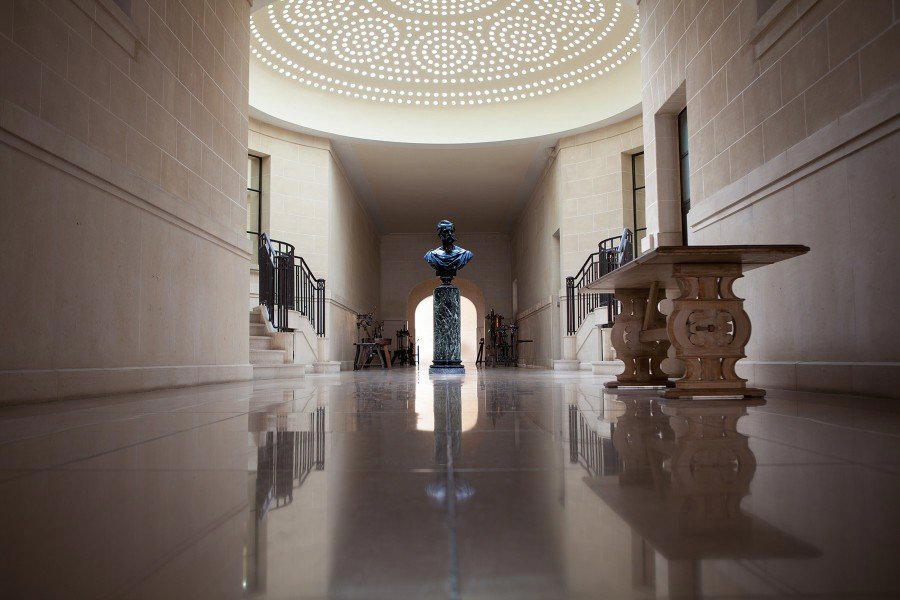
Tons clairs, lumières tamisées et touches d’art contemporain créent un cadre intime et feutré, blending Haussmannian charm with modern design.