
Positioned on the waterfront edge of Balat, one of Istanbul's oldest and most architecturally layered districts, Balat Sahil Restaurant occupies a stretch of the Golden Horn where the city's Byzantine and Ottoman histories converge at the water's edge. The address alone places it in a different register from Istanbul's higher-profile dining corridors, making it a reference point for anyone tracking the neighbourhood's gradual emergence as a serious dining destination.
Pearl is the En Primeur Club membership app — saves, bookings, and concierge access live there. Same editors, same standards.
- Address
- Balat, Mürselpaşa Cd. No:245, 34087 Fatih/İstanbul, Türkiye
- Phone
- +90 212 525 61 85
- Directions
- Get directions
 Saves & bookings on Pearl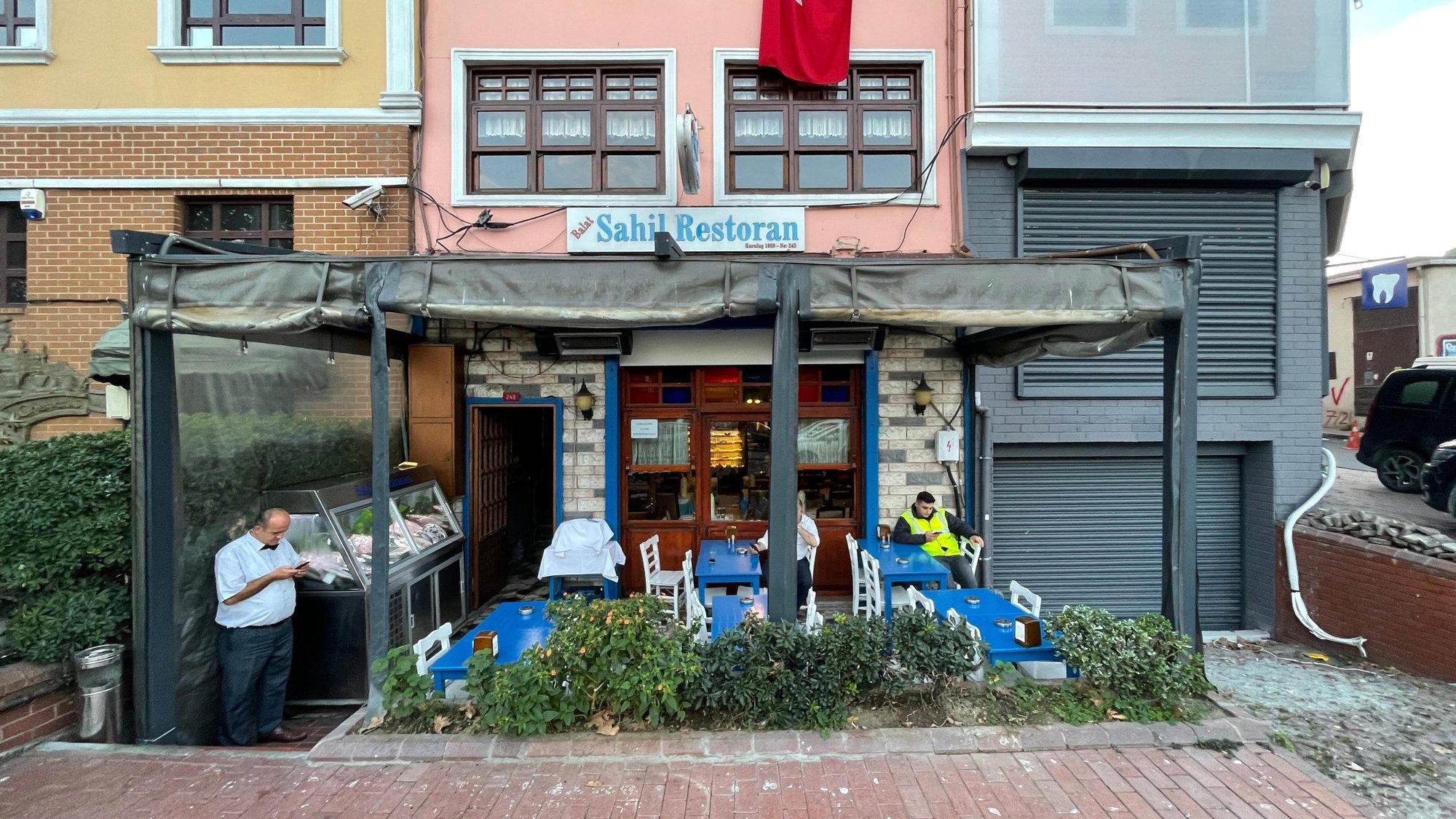
Where the Golden Horn Sets the Terms
There is a particular quality to eating beside the Golden Horn that no rooftop in Beyoğlu can replicate. The water here does not glitter for tourists; it works. Fishing boats, ferry traffic, and the low industrial hum of Fatih's shoreline set the physical context for Balat Sahil Restaurant, which sits on Mürselpaşa Caddesi at the point where Balat's steep residential streets dissolve into the waterfront. The approach on foot, coming down from the neighbourhood's painted Ottoman houses and crumbling Byzantine walls, makes the arrival feel earned rather than engineered.
That sense of arrival matters in Istanbul's current dining conversation. The city's premium restaurant tier — places like Turk Fatih Tutak, Mikla, and Neolokal — clusters around the refined geometry of Beyoğlu, Karaköy, and the Bosphorus-facing terraces. Balat Sahil occupies a different spatial register entirely: low to the water, embedded in a residential district that has historically resisted the polish of the city's hospitality infrastructure. For a reader calibrating where this address sits relative to Istanbul's dining poles, that contrast is the first useful data point.
The Physical Container: Architecture as Argument
Balat's urban fabric is among the most studied in Istanbul, a dense palimpsest of Greek, Jewish, Armenian, and Ottoman building traditions layered across a hillside that has been continuously inhabited for over a millennium. Restaurants that establish themselves in this district inherit that context whether they choose to or not. The physical container of a waterfront space on Mürselpaşa Caddesi means low ceilings relative to the sky, proximity to the water's surface, and a sightline that runs across the Horn toward the mosques and minarets of the Fatih ridge on the opposite bank.
In cities where premium dining has largely moved toward architectural spectacle, see the glass-and-steel formats that define comparable addresses in Dubai or even Istanbul's own Maçka corridor, waterfront restaurants in working-class historic districts make a different kind of spatial argument. The building is not the statement; the location is. That logic places Balat Sahil in a peer category that includes coastal neighbourhood institutions along Turkey's broader Aegean and Mediterranean arc: places like Poyraz Sahil Balık Restaurant in Beykoz and Maçakızı in Bodrum, where the relationship between building and water defines the experience more than interior design decisions do.
Turkey's waterfront dining tradition has always privileged position over décor. From the meyhane tables pushed to the edge of Bosphorus-facing terraces to the simple fish restaurants lining the Aegean harbours of Fethiye and Göcek, the logic is consistent: the water earns its place as the primary design element, and interiors function as frames rather than destinations. Balat Sahil's address on the Golden Horn puts it squarely within that tradition.
Balat as a Dining Neighbourhood
Understanding Balat Sahil requires understanding what Balat has become over the past decade. The neighbourhood spent much of the twentieth century in managed decline, its historic building stock deteriorating, its population largely composed of low-income families who remained after successive waves of demographic displacement. That history is now being read differently. Balat attracts photographers, architects, and design-conscious visitors who arrive specifically for the authenticity that over-restored neighbourhoods lose. The restaurants that have emerged here are not the same as those that opened in Karaköy's gallery district or along Cihangir's café strip. They are, by necessity and by the logic of their clientele, more grounded.
This neighbourhood positioning matters when comparing Balat Sahil to Istanbul's higher-profile dining rooms. Venues like Arkestra and Casa Lavanda operate within the city's more established hospitality circuits. Balat's waterfront address sits outside that circuit, which is precisely why it registers differently for a certain category of traveller, one who has already done the rooftop Bosphorus dinner and is looking for something with more neighbourhood grain.
Across Turkey, this pattern repeats. Some of the most compelling dining addresses are embedded in overlooked urban pockets or working waterfronts: Narımor in Izmir, Aravan Evi in Ürgüp, and Nahita Cappadocia all operate on the same principle: that place precedes polish, and that context is itself a form of hospitality.
Planning a Visit
Balat Sahil Restaurant is located at Mürselpaşa Caddesi No:245 in the Fatih district of Istanbul. The address is within walking distance of several of Balat's most photographed streets and is accessible via the Haliç ferry line, which stops along the Golden Horn and offers one of the more coherent ways to approach the neighbourhood. The area is dense with cafés, antique shops, and historic churches, making the surrounding district worth a half-day rather than a targeted dinner-only visit. For a broader map of where Balat Sahil sits relative to Istanbul's other dining options, our full Istanbul restaurants guide provides neighbourhood-level context across the city.
Readers planning a wider Turkish itinerary might also consider Kokorecci Asim Usta in Bornova or Agora Pansiyon in Milas for a sense of how regional food traditions diverge from Istanbul's more cosmopolitan dining scene. For international comparison points, venues where the relationship between physical setting and culinary ambition produces a specific kind of dining coherence, Le Bernardin in New York City and Lazy Bear in San Francisco illustrate how space and intention align in rooms that have thought carefully about what the physical container communicates.
A compact comparison to help you place this venue among nearby peers.
| Venue | Price | Notes |
|---|---|---|
| Balat Sahil RestaurantThis venue — the venue you are viewing | Not listed | Not listed |
| Turk Fatih Tutak | ₺₺₺₺ | Modern Turkish, ₺₺₺₺ |
| Mikla | ₺₺₺₺ | Modern Turkish, Mediterranean Cuisine, ₺₺₺₺ |
| Neolokal | ₺₺₺₺ | Modern Turkish, Turkish, ₺₺₺₺ |
| Arkestra | ₺₺₺₺ | Fusion, ₺₺₺₺ |
| Nicole | ₺₺₺₺ | Modern Turkish, Modern Cuisine, ₺₺₺₺ |
Recognition history
Dated appearances from independent guides and award organizations, with the underlying list record or original source where available.
Gault & Millau Türkiye 1 Toque
Gault & Millau · Gault & Millau Türkiye 2026 - 1 Toque
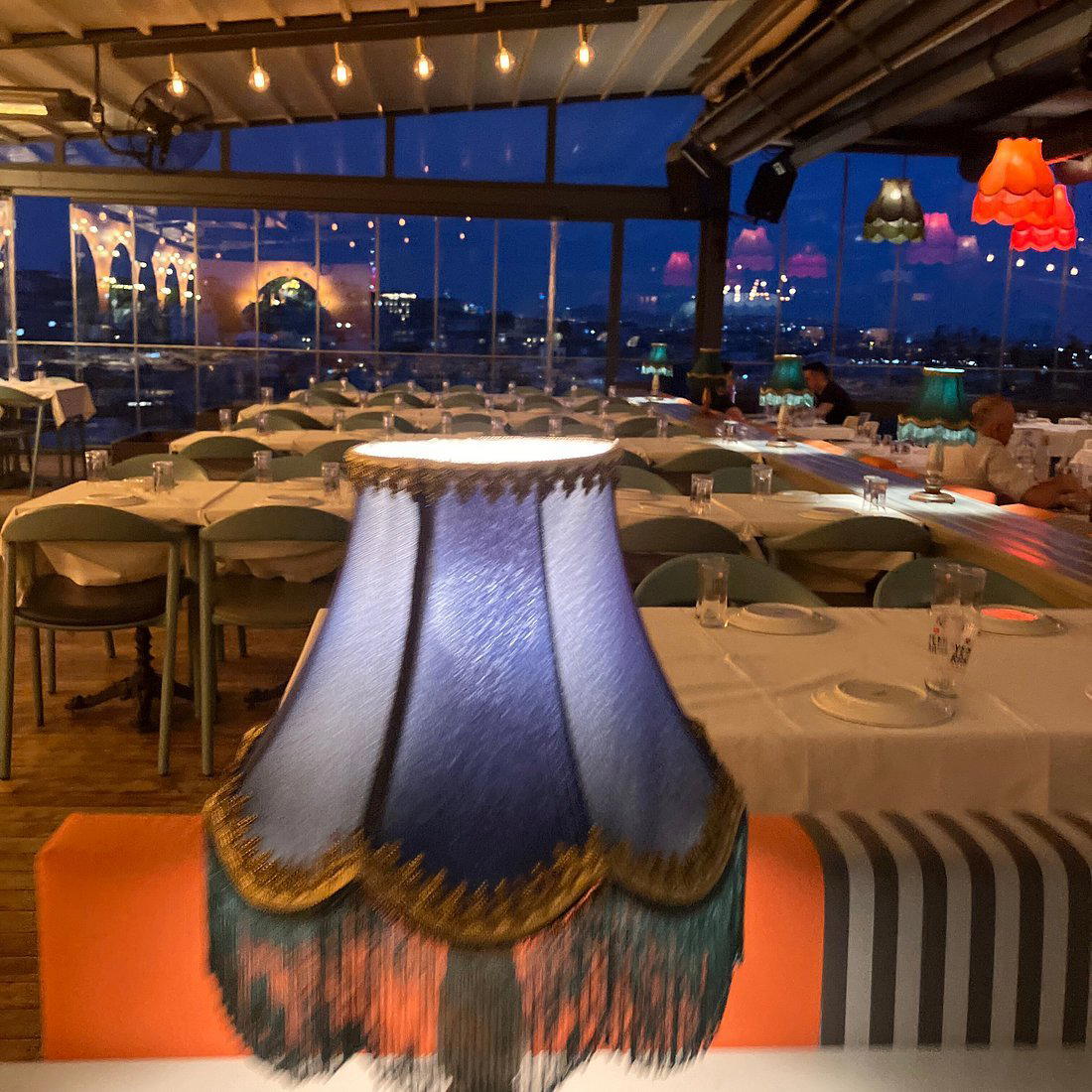
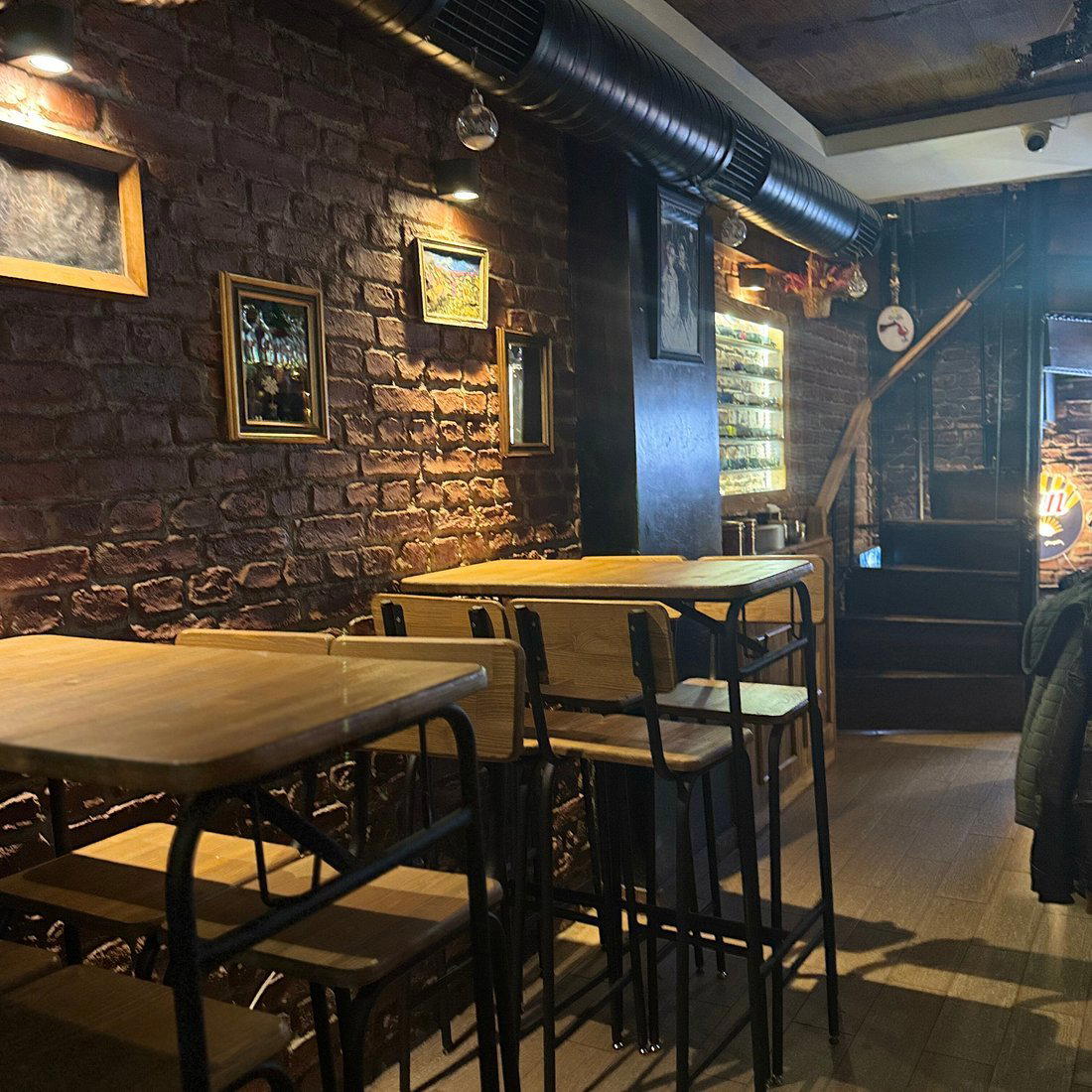
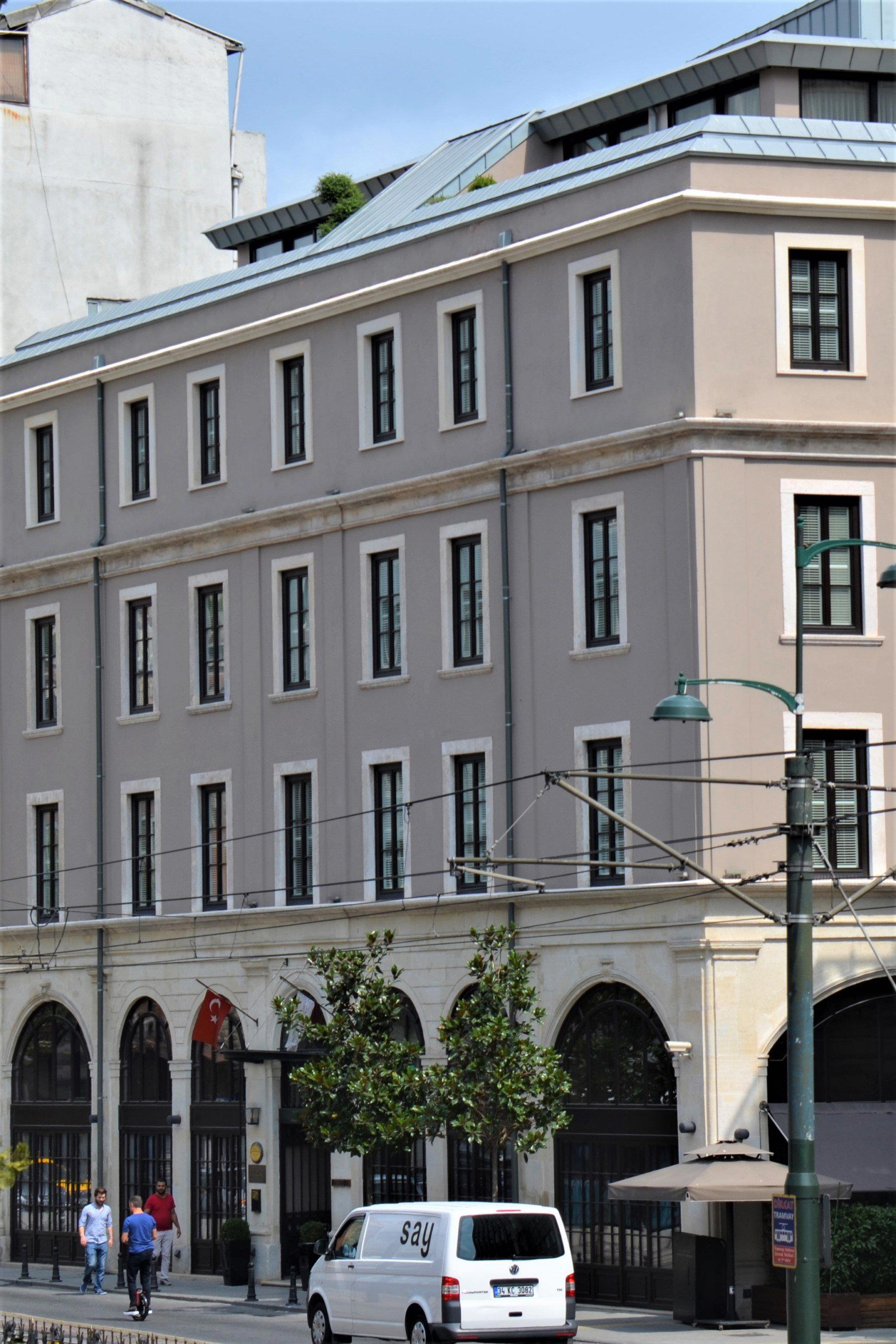
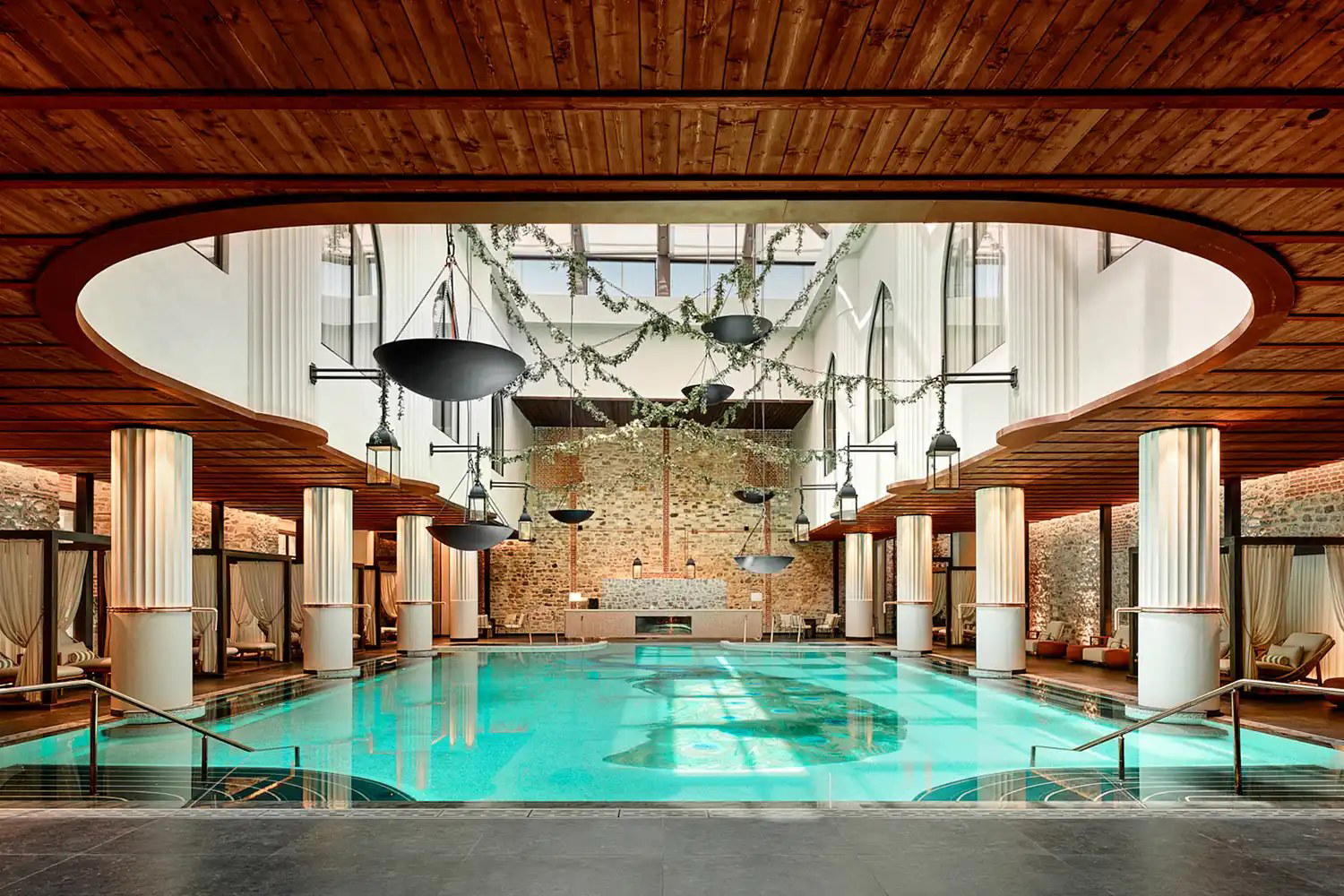
At a Glance
- Classic
- Well Known
- Cozy
- Group Dining
- Casual Hangout
- Special Occasion
- Waterfront
- Extensive Wine List
- Local Sourcing
- Waterfront
Current opening hours
- Monday
- Closed
- Tuesday
- 1:30 PM–12 AM
- Wednesday
- 1:30 PM–12 AM
- Thursday
- 1:30 PM–12 AM
- Friday
- 1:30 PM–12 AM
- Saturday
- 1:30 PM–12 AM
- Sunday
- 1:30 PM–12 AM
Hours can change for holidays and private events. Last verified .
Shabby taverna exterior with sky blue chairs leading to a cozy interior of blue-and-white walls, historical photos, kitschy wicker wallpaper, and shelves of rakı bottles, creating a charming, lived-in atmosphere.
Know Before You Go
- Getting there
- Balat, Mürselpaşa Cd. No:245, 34087 Fatih/İstanbul, Türkiye