Divella Bistro Restaurant sits on Akbıyık Caddesi in Istanbul's Cankurtaran quarter, one of the oldest residential streets running between the Blue Mosque and the Sea of Marmara. The address places it inside the layered historical fabric of Sultanahmet, where the city's dining culture intersects with its deepest architectural memory. For visitors working through Istanbul's restaurant scene, it represents an entry point into neighbourhood-level eating rather than the destination-dining tier.
Pearl is the En Primeur Club membership app — saves, bookings, and concierge access live there. Same editors, same standards.
- Address
- Cankurtaran mah. akbıyık caddesi, Adliye Sk. no
- Phone
- +905528802131
- Website
- divellabistro.net
- Directions
- Get directions
 Saves & bookings on Pearl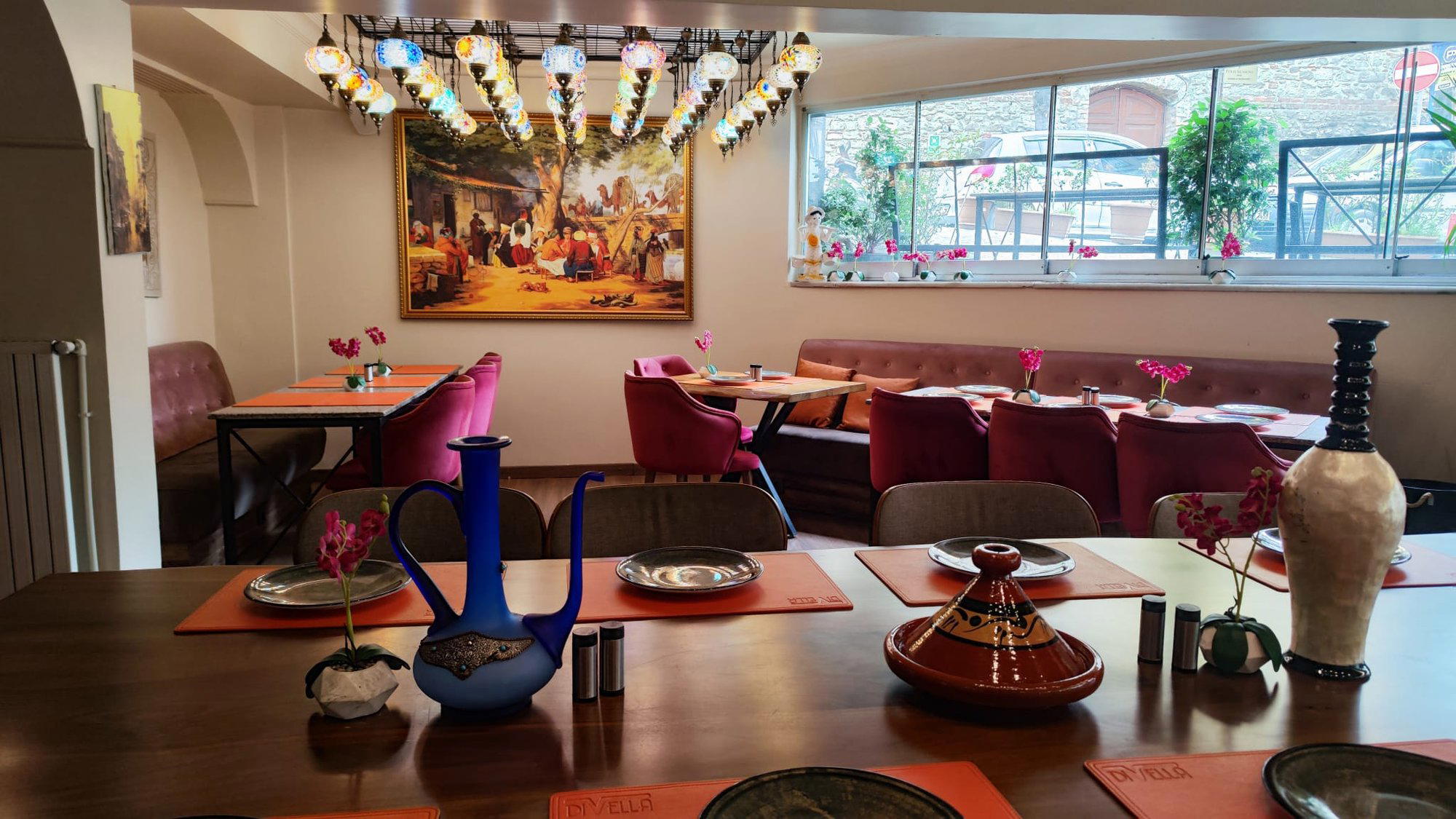
Eating in the Shadow of Sultanahmet: What the Cankurtaran Quarter Tells You About Istanbul Dining
Akbıyık Caddesi runs through Cankurtaran in a way that most visitors only experience sideways, glimpsed from a taxi window between the Blue Mosque and the waterfront. The street sits inside one of Istanbul's oldest residential pockets, where Byzantine-era foundations underpin Ottoman-era stonework, and the neighbourhood has spent the last two decades shifting from purely residential to a mix of guesthouses, local eateries, and the kind of bistro format that serves both long-term residents and historically-minded travellers. Divella Bistro Restaurant sits on Adliye Sokak, a side address off that corridor, embedded in this layered urban texture rather than positioned on a prominent waterfront or a curated dining strip.
That address is the first thing to understand about what this place is. Istanbul's premium dining conversation in 2024 runs through a different set of postcodes: Karaköy, Galata, and the Bosphorus-facing addresses in Kuruçeşme and Arnavutköy. Operations like Turk Fatih Tutak, Mikla, and Neolokal have anchored a Modern Turkish fine-dining tier priced at ₺₺₺₺ and oriented toward both international recognition and local gastronomy media. Cankurtaran is not that conversation. It is an older, quieter Istanbul, and the restaurants that survive here tend to do so on repeat neighbourhood custom and on tourists who have done enough research to step off the main Sultanahmet drag.
The Cultural Weight of the Sultanahmet Address
Eating in Sultanahmet has a complicated reputation among Istanbul regulars. The area around the Blue Mosque and Hagia Sophia draws the largest tourist volumes of any district in Turkey, and a significant slice of its food and beverage offer has historically calibrated itself to high turnover rather than to the cuisine. That pattern, well-documented in Turkish food media over the past decade, has pushed serious local diners toward the city's European side or the Anatolian shore. What it has also done is make genuine neighbourhood spots in adjacent streets like Cankurtaran more valuable by contrast, because they exist slightly outside the tourist orbit even when geographically close to it.
The bistro format that Divella occupies is a recognisable category in this context: smaller, more informal operations that draw from the surrounding residential population as much as from visiting guests. In European cities, this tier is well understood. In Istanbul, where the gap between street-level lokanta culture and high-end Modern Turkish restaurants is pronounced, the mid-tier bistro occupies a genuinely interesting position. Venues like Casa Lavanda and Arkestra represent different answers to what that middle tier can look like across the city.
How Istanbul's Historical Districts Shape a Meal
Understanding why someone chooses Cankurtaran over the Beyoğlu dining strip comes down to the particular rhythm of a Sultanahmet visit. A day spent between Hagia Sophia, the Topkapı Palace, and the Basilica Cistern is physically dense and cognitively heavy in a way that Karaköy evenings simply are not. The appetite at the end of that kind of day is often for proximity and calm rather than for a considered tasting menu or a Bosphorus-view reservation that requires advance planning. The neighbourhood bistro in this context performs a specific and legitimate function: it is where history-saturated visitors decompress rather than perform.
Turkey's wider restaurant scene offers sharp contrasts to this Sultanahmet register. Coastal operations like Maçakızı in Bodrum or Mezegi in Fethiye occupy a beach-luxury mode, while inland venues such as Nahita Cappadocia in Nevsehir and Aravan Evi in Ürgüp tie food tightly to Anatolian landscape and ingredient traditions. The Aegean registers differently again, with places like Narımor in Izmir reflecting that coast's olive-oil-forward, vegetable-led kitchen sensibility. Istanbul, by comparison, is a city of plural identities, and Sultanahmet specifically holds the version most anchored in historical tourism rather than in the contemporary food culture that drives the city's restaurant press coverage.
Seasonal Considerations for Visiting Cankurtaran
The Sultanahmet district follows Istanbul's general tourism calendar with some amplification. April through June brings the clearest weather and manageable crowd levels before the summer peak; September and October offer similar conditions on the other side of the high season. July and August push visitor volumes to their annual maximum, with the area around the Blue Mosque and Hagia Sophia becoming genuinely pressured during midday hours. For restaurant visits in this neighbourhood, that seasonal curve matters practically: the quieter shoulder months allow for more considered meals and less competition for tables in smaller operations. Istanbul in January and February is cold and rain-prone by Anatolian standards, but the city's hospitality infrastructure runs year-round, and winter visits carry the advantage of a Sultanahmet that belongs more entirely to its residents. Seafood-focused operations elsewhere in Istanbul, from Poyraz Sahil Balık in Beykoz to coastal spots further afield, follow the fish calendar more strictly; a neighbourhood bistro in Cankurtaran operates on a more consistent seasonal footing.
Placing Divella in the Broader Istanbul Picture
For visitors building a full Istanbul itinerary, the city's dining range runs from the street-level specificity of operations like Kokorecci Asim Usta in Bornova at the focused, single-product end, through neighbourhood bistros in historical districts, up to destination fine dining at the ₺₺₺₺ Modern Turkish tier and internationally recognised operations that draw comparisons with venues at the level of Le Bernardin in New York or Lazy Bear in San Francisco for their programme ambition. Divella Bistro sits in the neighbourhood tier of that range, defined by its Cankurtaran address rather than by any specific culinary programme or recognised award. Venues at Divia by Maksut Aşkar in Marmaris or Ahãma in Göcek and Agora Pansiyon in Milas illustrate how Turkey's restaurant offer spreads across coastal and regional contexts; Istanbul's Sultanahmet represents a specific urban-historical register within that national picture.
Practical Notes
Divella Bistro Restaurant is located on Adliye Sokak off Akbıyık Caddesi in the Cankurtaran quarter of Sultanahmet, reachable on foot from the Blue Mosque in under ten minutes and from the Sirkeci tram stop in roughly fifteen. Divella Bistro Restaurant is open Monday through Saturday from 11:00 AM to 11:45 PM and on Sunday from 11:00 AM to 11:55 PM. Given the neighbourhood's tourist volume, visiting outside peak midday hours on summer weekdays tends to produce a more relaxed experience.
Comparable Spots
Comparable venues nearby, for context on price, style, and recognition.
| Venue | Cuisine | Price | Notes |
|---|---|---|---|
| Divella Bistro RestaurantThis venue — the venue you are viewing | Ottoman Turkish Bistro | $$ | Not listed |
| Karakoy Gulluoglu | Traditional Turkish Baklava | $$ | Karakoy |
| Şehzade Cağ Kebap | Authentic Turkish Cağ Kebab | $$ | Hocapasa |
| Ticarethane Sk. No:8 | Turkish with International Flair | $$ | Alemdar |
| Constantine's Ark Restaurant & Cafe | Traditional Turkish Mezze & Ottoman | $$ | Hocapasa |
| Aret'in Yeri | Turkish Meze & Seafood | $$ | Huseyinaga |
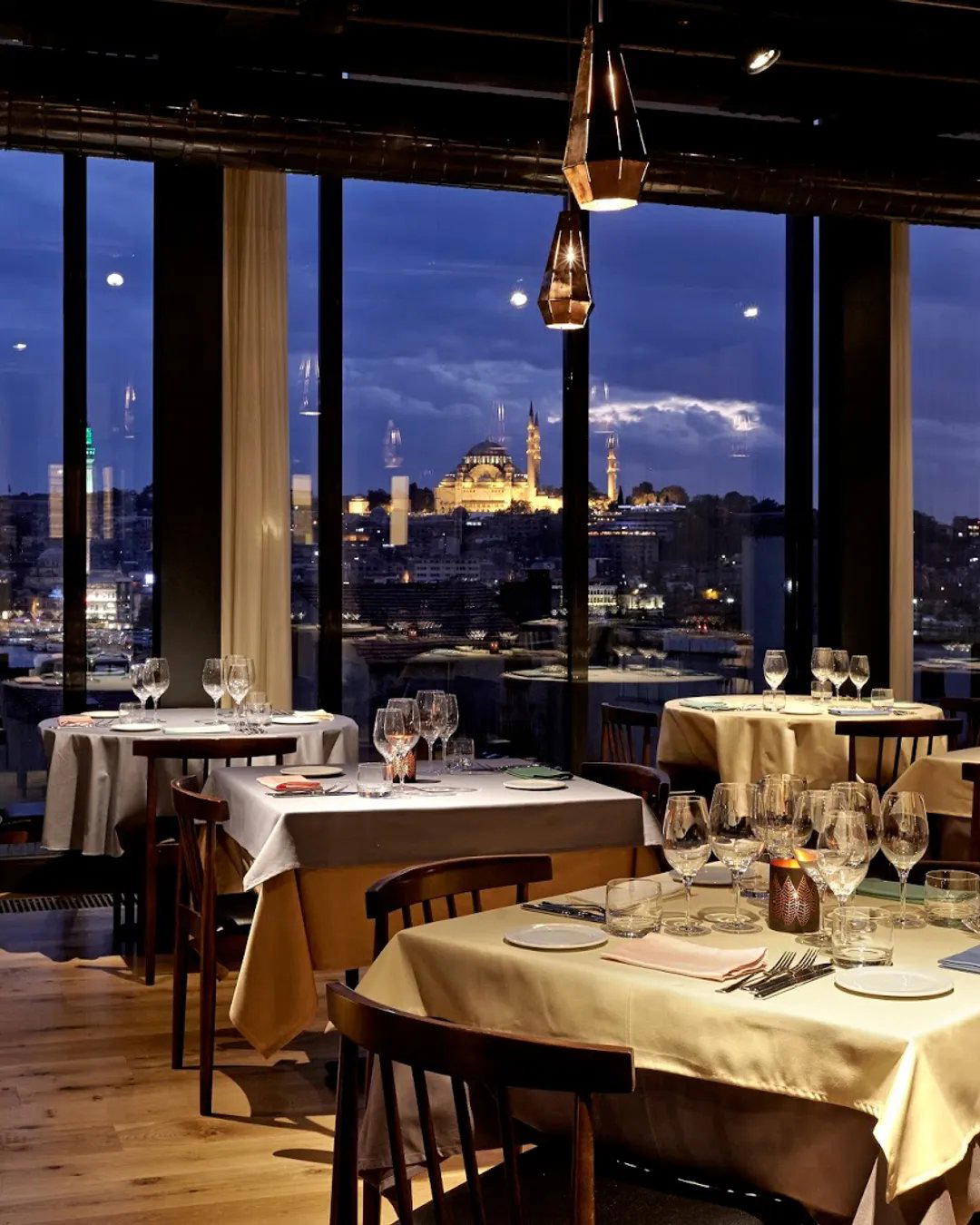
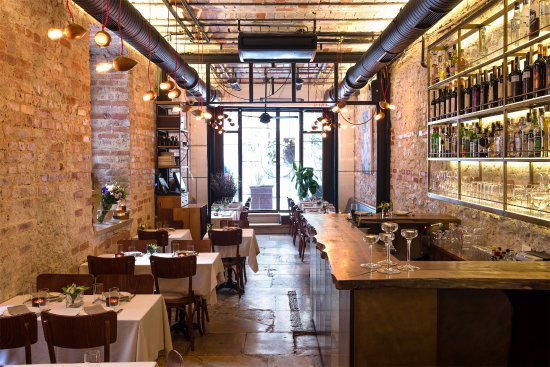
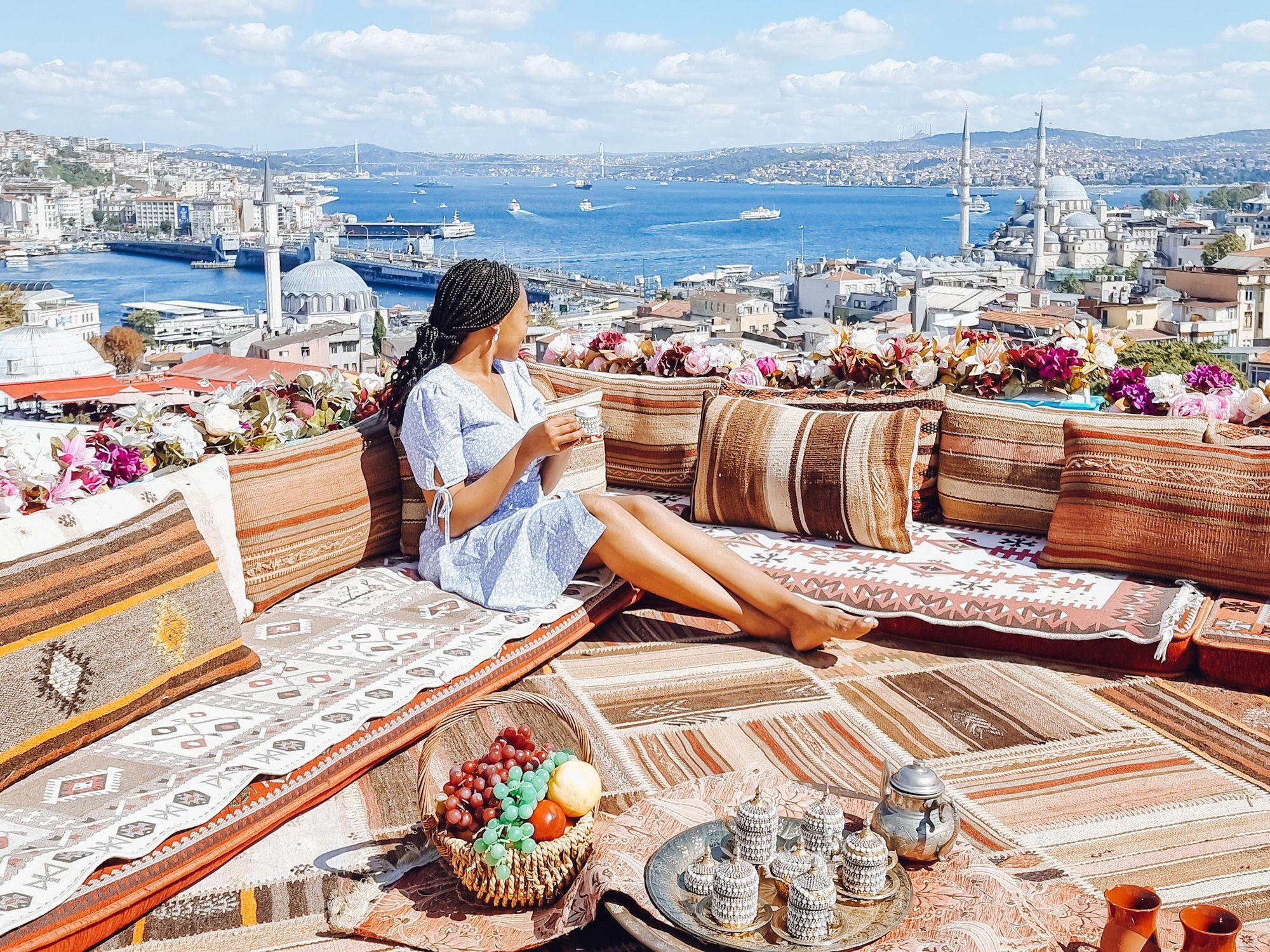

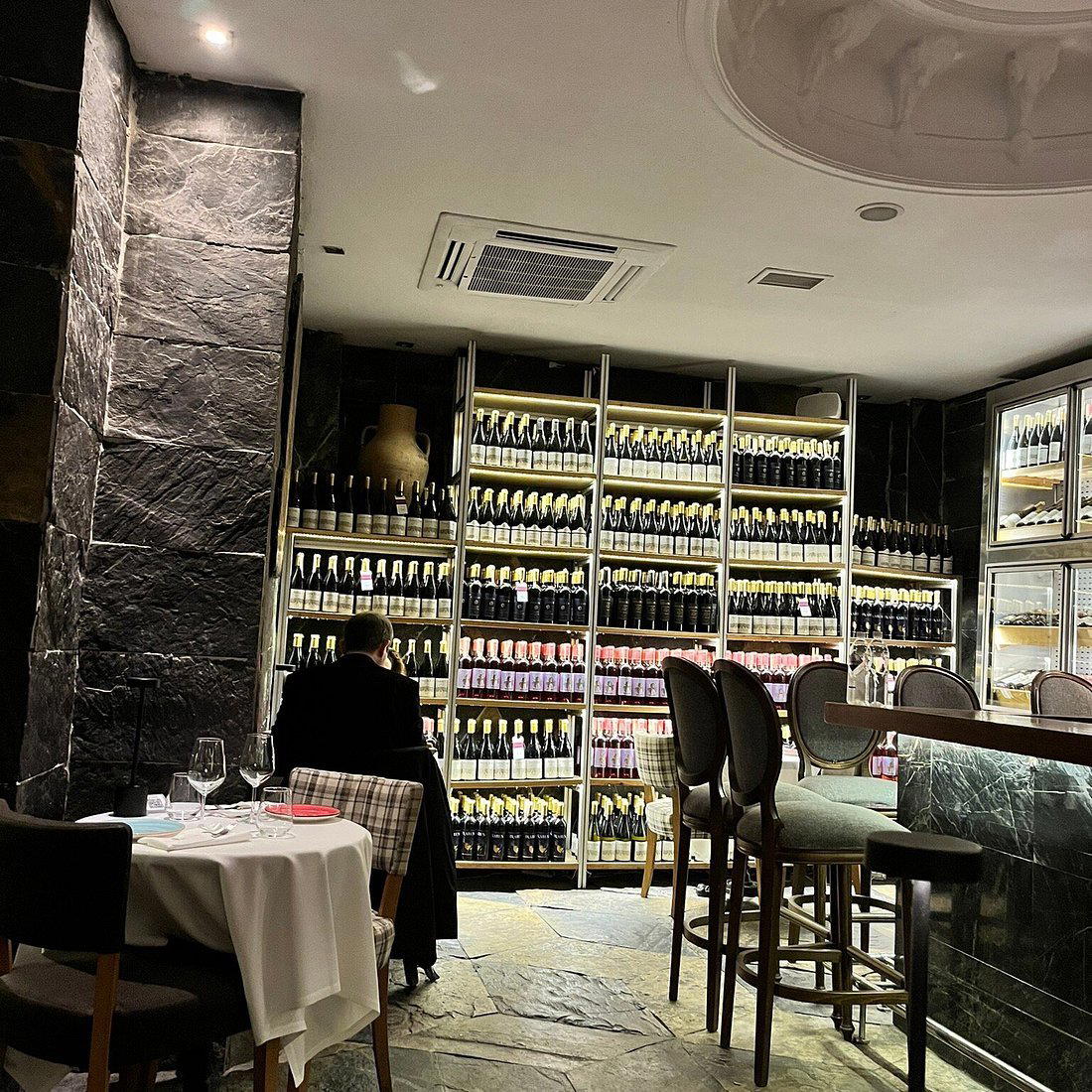
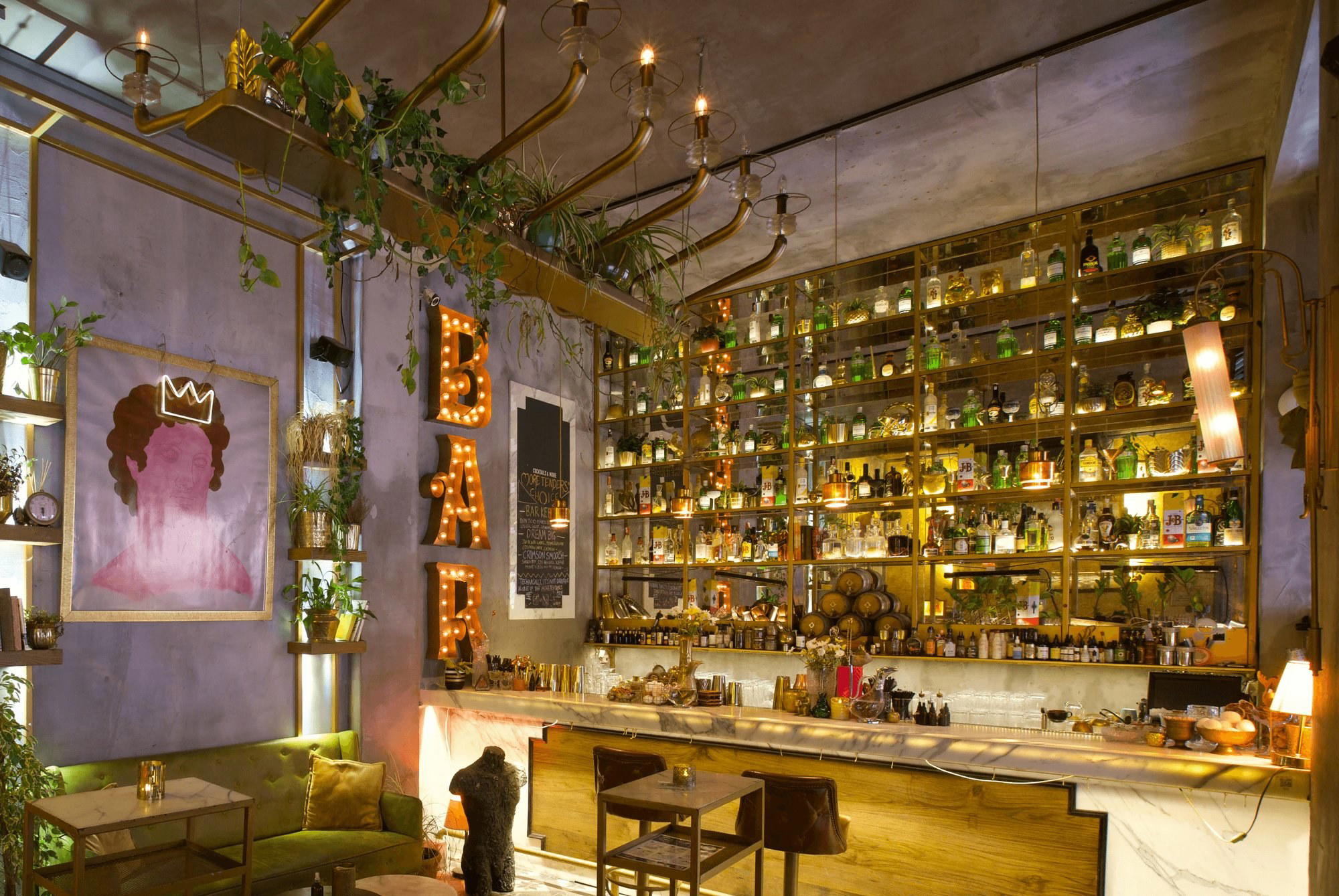
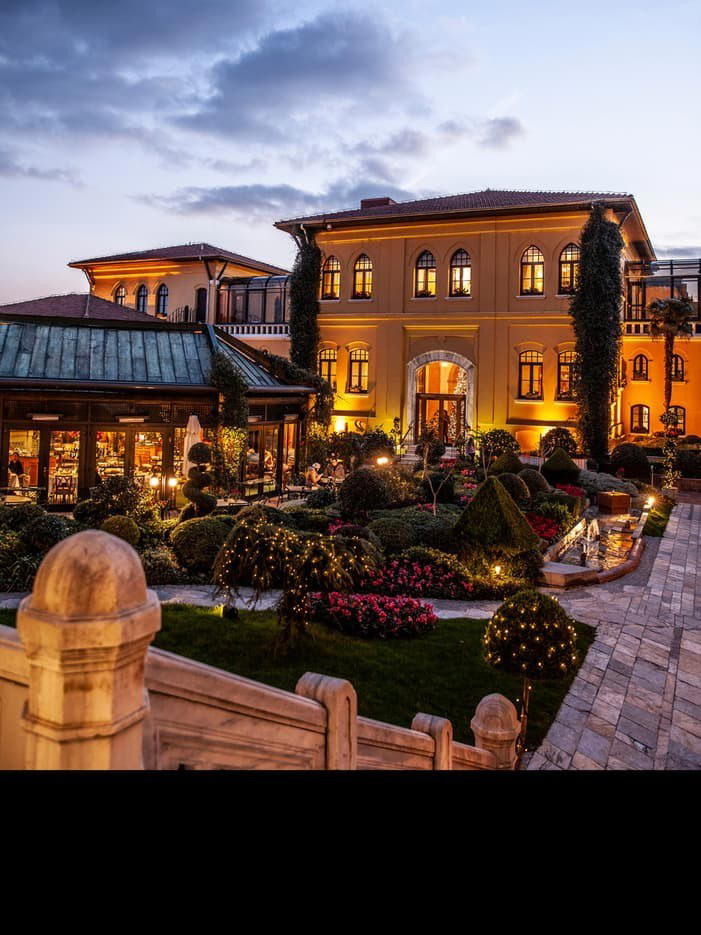
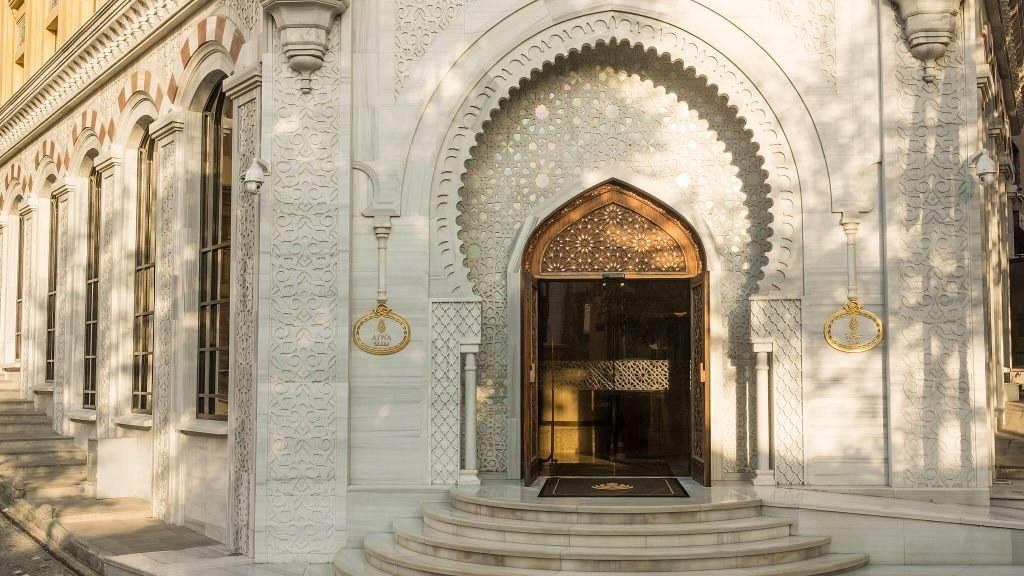
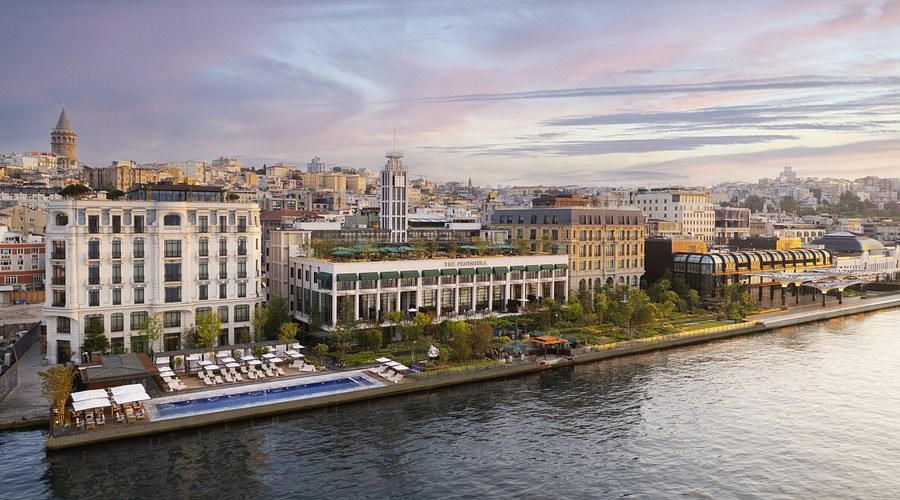
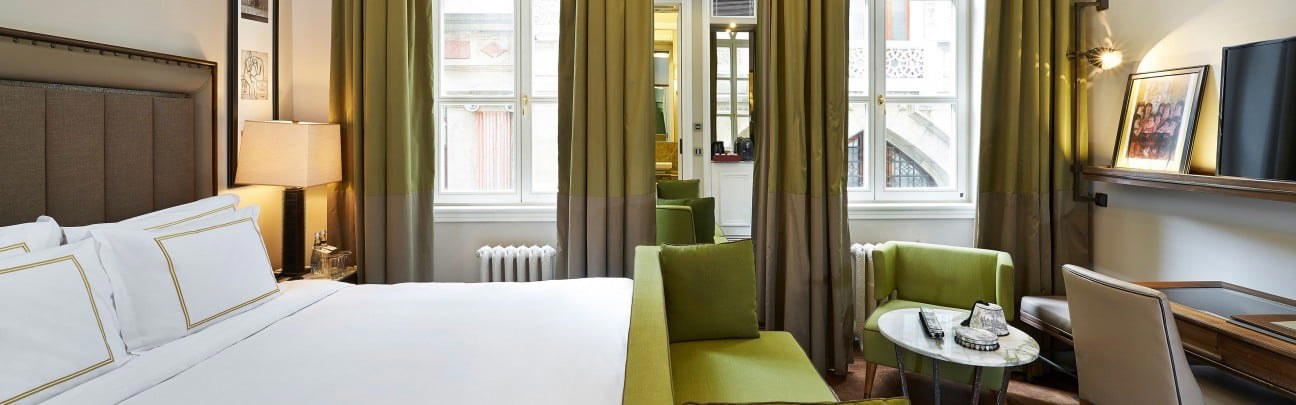
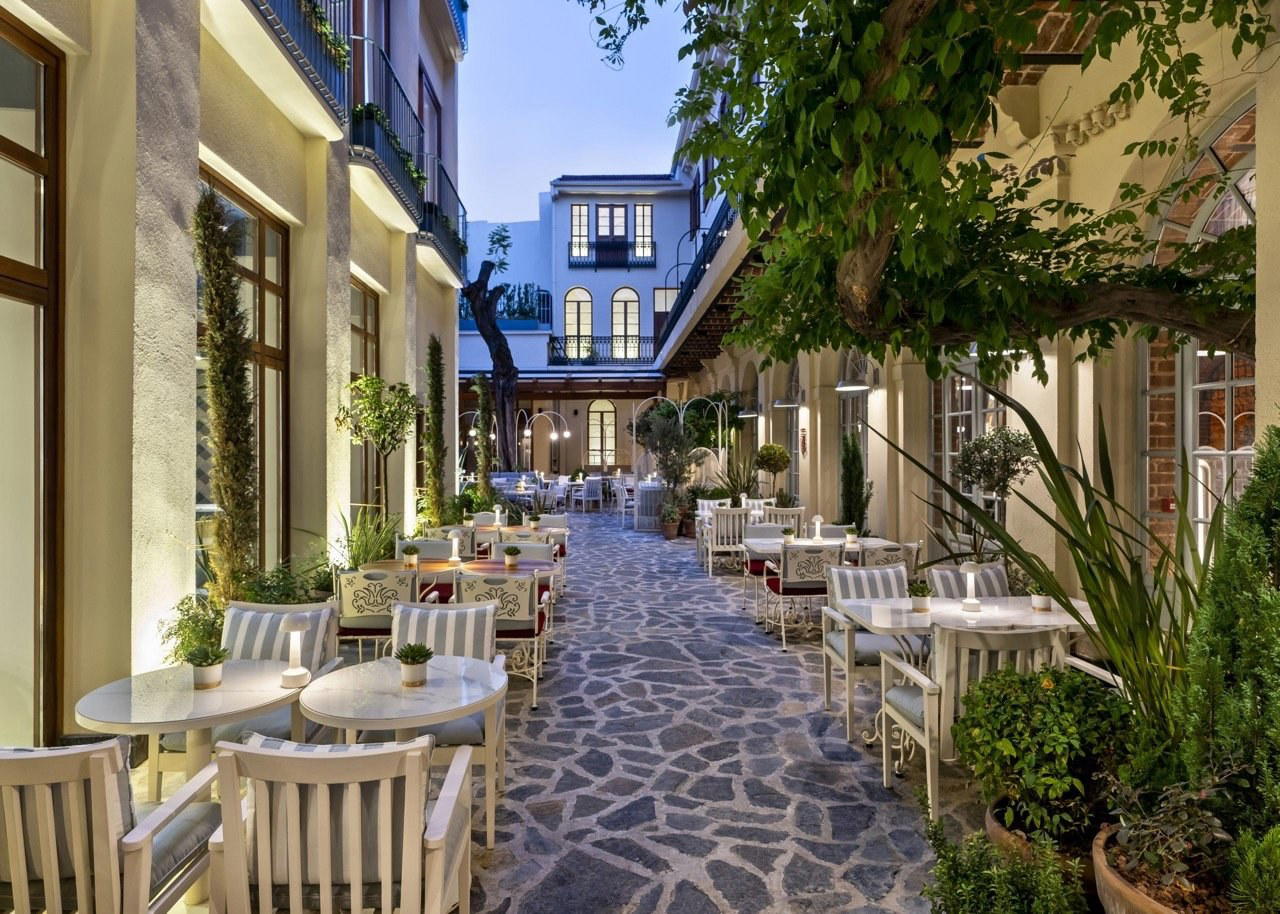
At a Glance
- Cozy
- Elegant
- Historic
- Date Night
- Family
- Casual Hangout
- Historic Building
- Terrace
- Street Scene
Current opening hours
- Monday
- 11 AM–11:45 PM
- Tuesday
- 11 AM–11:45 PM
- Wednesday
- 11 AM–11:45 PM
- Thursday
- 11 AM–11:45 PM
- Friday
- 11 AM–11:45 PM
- Saturday
- 11 AM–11:45 PM
- Sunday
- 11 AM–11:55 PM
Hours can change for holidays and private events. Last verified .
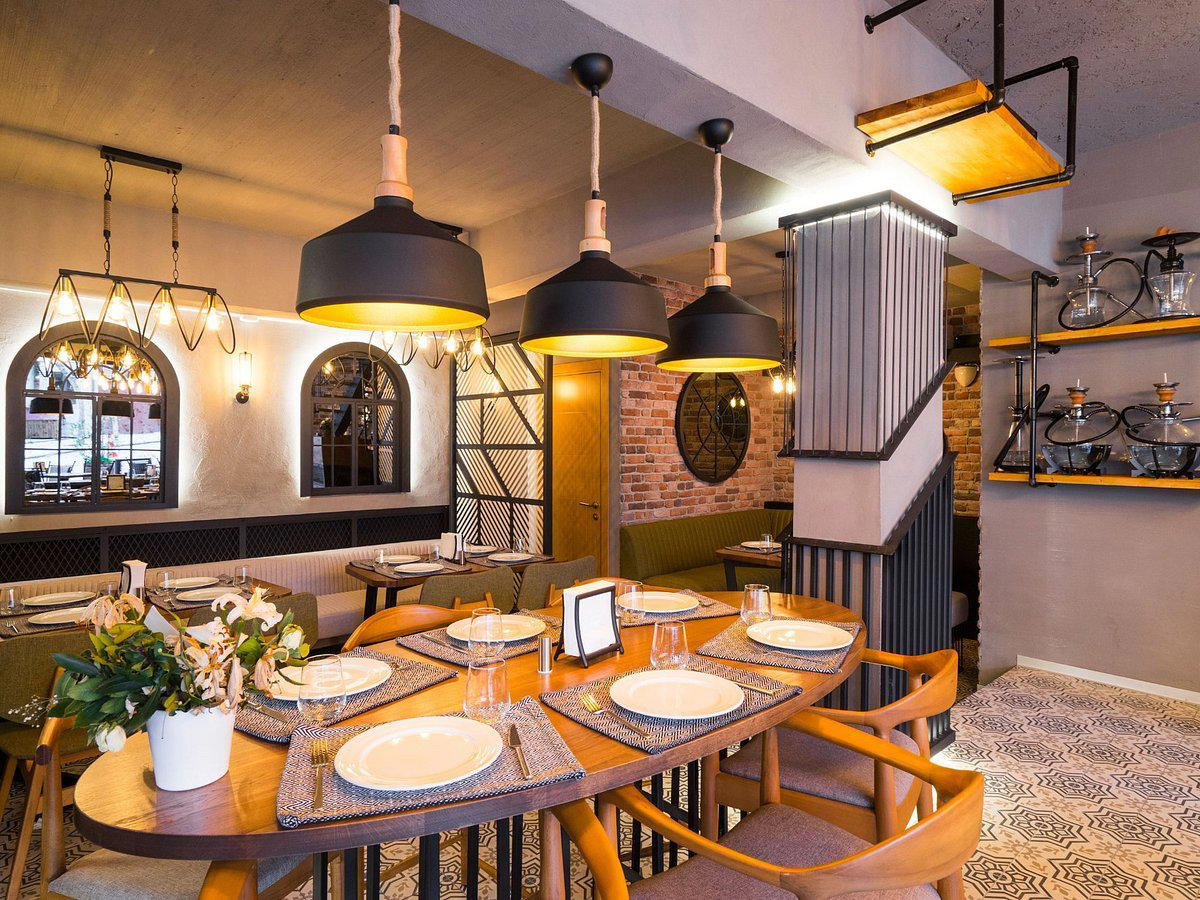
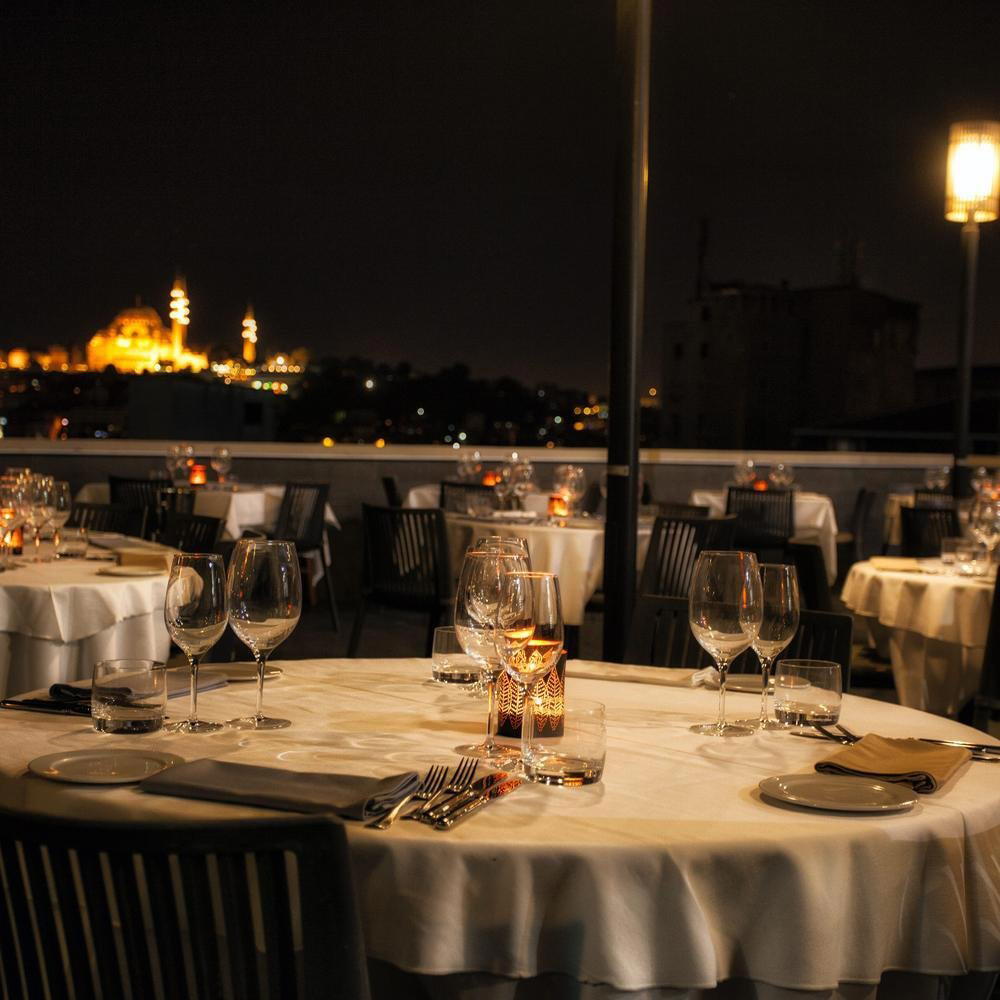
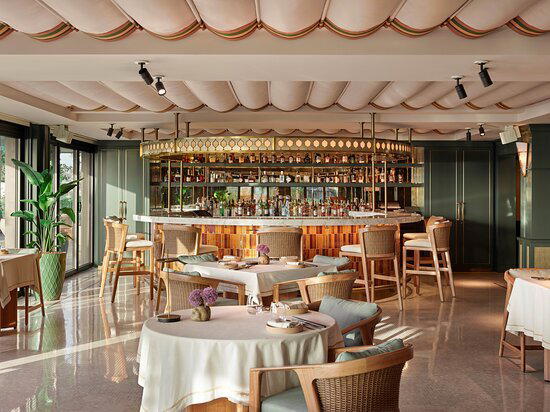
Warm, relaxed, and welcoming with cozy historical charm.