On Mariahilfer Strasse in Vienna's seventh district, laolao occupies a stretch of the city where independent dining concepts have gradually displaced generic retail. The venue sits within a neighbourhood that has developed a clear identity around casual-serious eating, and its address places it in direct conversation with the broader shift in how Viennese diners are spending their evenings away from the first-district fine-dining corridor.
Pearl is the En Primeur Club membership app — saves, bookings, and concierge access live there. Same editors, same standards.
- Address
- Mariahilfer Str. 126, 1070 Wien, Austria
- Phone
- +434315224916
- Website
- laolao.at
- Directions
- Get directions
 Saves & bookings on Pearl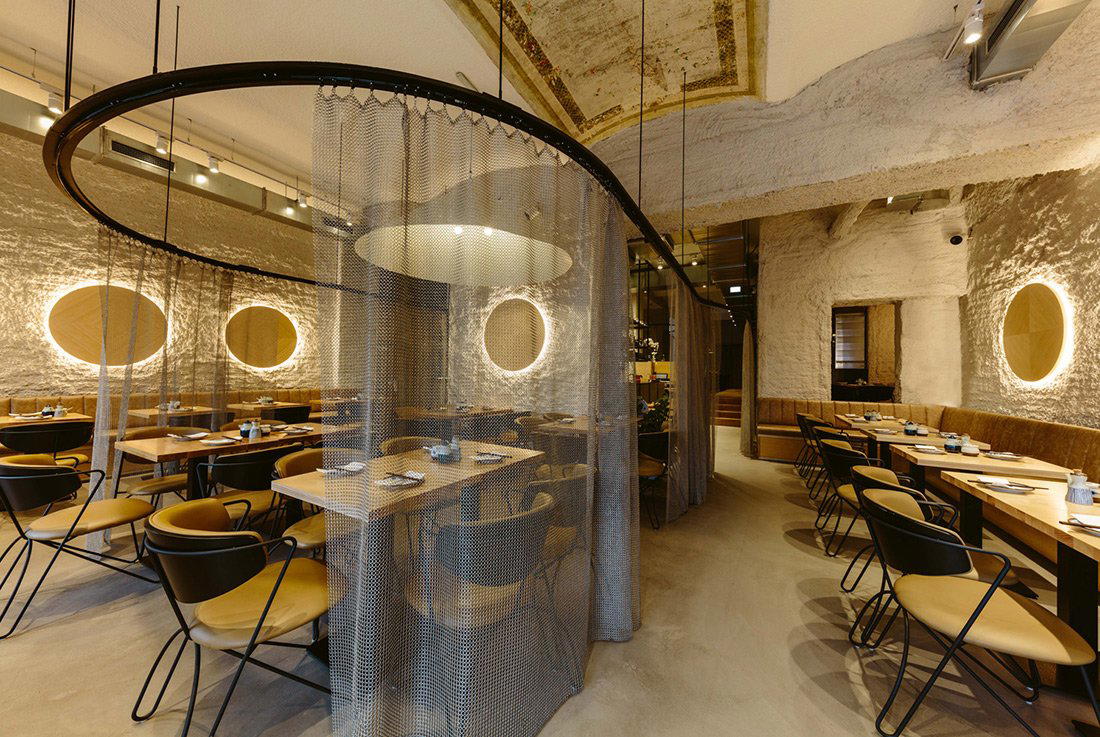
Mariahilfer Strasse and the Seventh District's Changing Dining Register
Vienna's seventh district has undergone a quiet but deliberate repositioning over the past decade. Mariahilfer Strasse, long associated with mid-market retail and department stores, has seen a parallel dining culture emerge on and around its main artery, one that operates at a different register from the white-tablecloth formality of the first district. laolao, at number 126, sits within this context: an address that signals neighbourhood confidence rather than institutional prestige. In a city where fine dining has historically clustered around the Ringstrasse and the Stadtpark, the seventh district represents a different proposition, one built on repeat local custom and a more conversational relationship between kitchen and guest.
That shift matters for how you approach an evening here. The venues that have taken root in this part of Neubau tend to operate with smaller teams, tighter menus, and a more integrated front-of-house dynamic than the larger establishments anchoring Vienna's formal dining tier. Places like Steirereck im Stadtpark or Amador function at a scale and formality that is deliberately separated from the guest. Here, the separation is narrower, and the experience of the room is shaped more directly by the people running it on any given night.
The Team Dynamic as the Room's Architecture
In smaller Viennese dining rooms of this type, the coordination between kitchen, floor, and drinks is not a backstage operation, it is the visible structure of the meal. When a venue operates without the buffer of a large brigade or a formal dining room manager, the relationship between whoever is cooking, whoever is pouring, and whoever is taking the order becomes the primary texture of the guest experience. This is a pattern observable across Vienna's mid-tier independents, from Doubek to the more technically oriented Konstantin Filippou, though the latter operates at a considerably different price point and with Michelin recognition.
At laolao, on Mariahilfer Strasse, the team dynamic is the room's architecture. Without a large front-of-house apparatus, the flow of the meal depends on internal rhythm and communication in a way that larger establishments can mask through process. This is where the distinction between a well-run small venue and a merely informal one becomes apparent to a regular diner: the former makes the coordination invisible, the latter makes it slightly anxious. The seventh district has enough of both to make the comparison meaningful.
Across Austria's broader restaurant scene, the venues that have built sustained reputations, whether Döllerer in Golling an der Salzach, Obauer in Werfen, or Griggeler Stuba in Lech, share a common trait: the front-of-house and kitchen operate as a single conversational unit rather than as separate departments. That integration is harder to achieve in a city setting, where staff turnover runs higher and the guest demographic shifts more rapidly from evening to evening.
Vienna's Independent Mid-Tier: Where laolao Sits
Vienna's dining map, read carefully, divides into three broad tiers. At the leading sit the Michelin-recognised establishments: Mraz and Sohn with its longstanding creative Austrian identity, Konstantin Filippou with its modern European precision, and Steirereck, which occupies a category of its own in terms of both reputation and setting. Below that sits a mid-tier of serious independents operating without formal award recognition but with a clear culinary point of view and a local following that is harder to manufacture than any review. laolao's address on Mariahilfer Strasse places it in that second tier, in a neighbourhood where the competition for consistent evening trade is real and where the difference between a venue that lasts and one that closes within eighteen months is often a question of team cohesion.
That is not a small distinction. Vienna's seventh and sixth districts have seen a steady churn of casual-serious concepts over the past five years, with enough turnover to suggest that location and concept are necessary but not sufficient. The venues with staying power in this part of the city tend to be the ones where the relationship between service and kitchen produces something a regular guest can feel, even if they cannot quite articulate it: a pace that fits the room, a drinks list that reflects the food's logic, a floor team that knows when to be present and when to leave the table alone.
For comparison, the integration challenges facing Vienna's mid-tier independents mirror what the Austrian fine-dining scene outside the capital has long addressed through smaller scale and family operation. Landhaus Bacher in Mautern an der Donau, Kräuterreich by Vitus Winkler, and Ikarus in Salzburg each operate with a degree of team integration that urban independents often struggle to replicate. The urban version requires deliberate cultivation.
Contextualising the Address
Mariahilfer Strasse 126 sits in the outer reach of the seventh district, close to the fifteenth district boundary. The neighbourhood here is less gallery-dense than the streets around Spittelberg, and the pedestrian traffic is more mixed in character. That location affects the dining demographic: less tourist-adjacent than the inner seventh, more reliant on a regulars base that arrives with some knowledge of what the venue is doing. In Vienna's dining culture, that separation from the tourist corridor can work in a venue's favour, drawing a guest who has chosen the destination rather than stumbled onto it.
Austria's regional dining benchmark outside Vienna is set by places like Restaurant 141 by Joachim Jaud in Mieming, Schwarzer Adler in Hall in Tirol, Ois in Neufelden, and Gourmetrestaurant Tannenhof in Sankt Anton am Arlberg, all of which operate in tighter communities and with different team dynamics than a city-centre independent. Internationally, the team-integration model finds its most studied expression in New York, where Le Bernardin and Atomix have each built reputations partly on the visible coherence of their floor-kitchen relationship.
Planning a Visit
laolao is located at Mariahilfer Strasse 126, 1070 Wien. The address is accessible by U3 (Zieglergasse or Westbahnhof) and places the venue within walking distance of the sixth and fifteenth district boundaries. laolao is open daily from 12 to 10 PM and is walk-in friendly.
Peers You’d Cross-Shop
Comparable venues nearby, for context on price, style, and recognition.
| Venue | Cuisine | Price | Notes |
|---|---|---|---|
| laolaoThis venue — the venue you are viewing | Hand-Pulled Chinese Noodles | $$ | Not listed |
| Hu | Chinese Dumpling House | $$ | Staatsoper |
| Sunny | Pan-Asian with Chinese & Thai | $$ | Rudolfsheim |
| Feine Sichuan-Küche | Authentic Sichuan Chinese | $$ | Breitensee |
| Binter | Tyrolean Alpine Street Food | $$ | Neubau |
| Maschu Maschu | Middle Eastern Falafel Specialist | $$ | Mariahilf |
Continue exploring
More in Vienna
Restaurants in Vienna
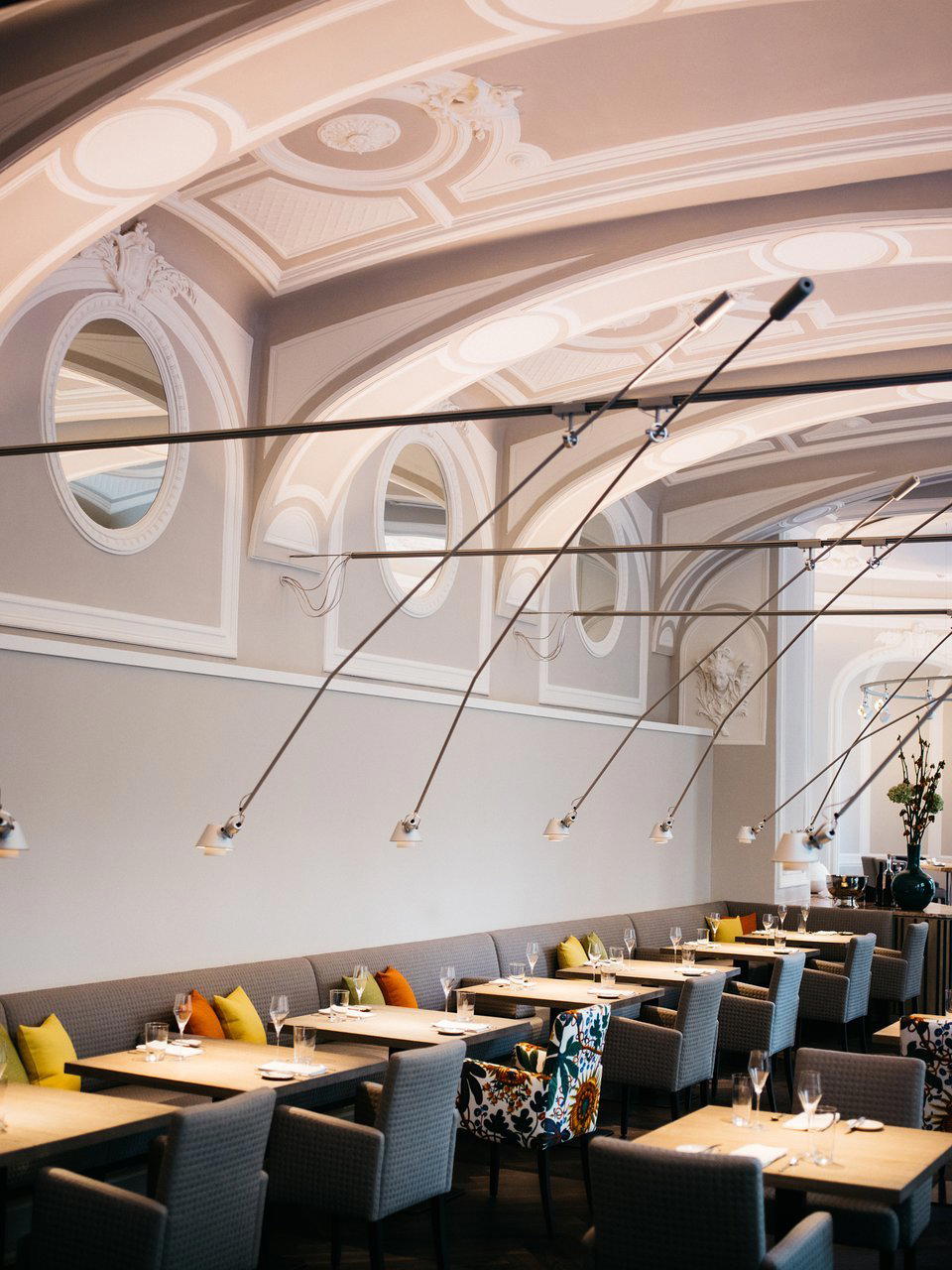
Browse all →![[aend] restaurant in Vienna](https://cdn.enprimeurclub.com/storage/v1/object/public/images/locations/recsVyRkMfzCxPmp0/hero2.jpg?width=3840&quality=75)
Bars in Vienna
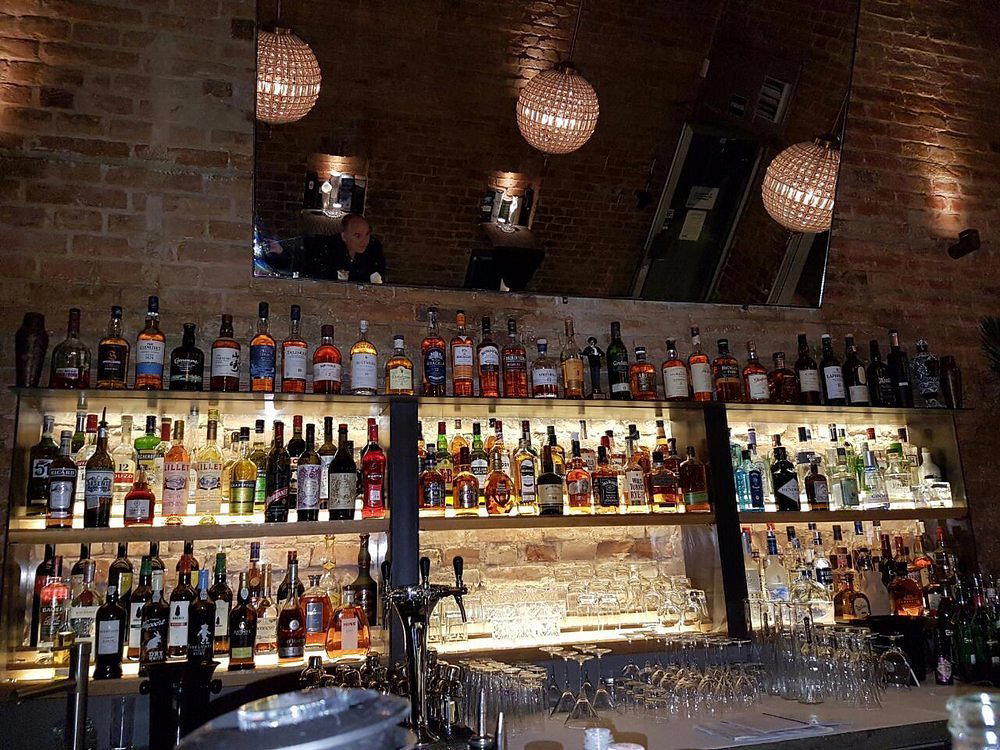
Browse all →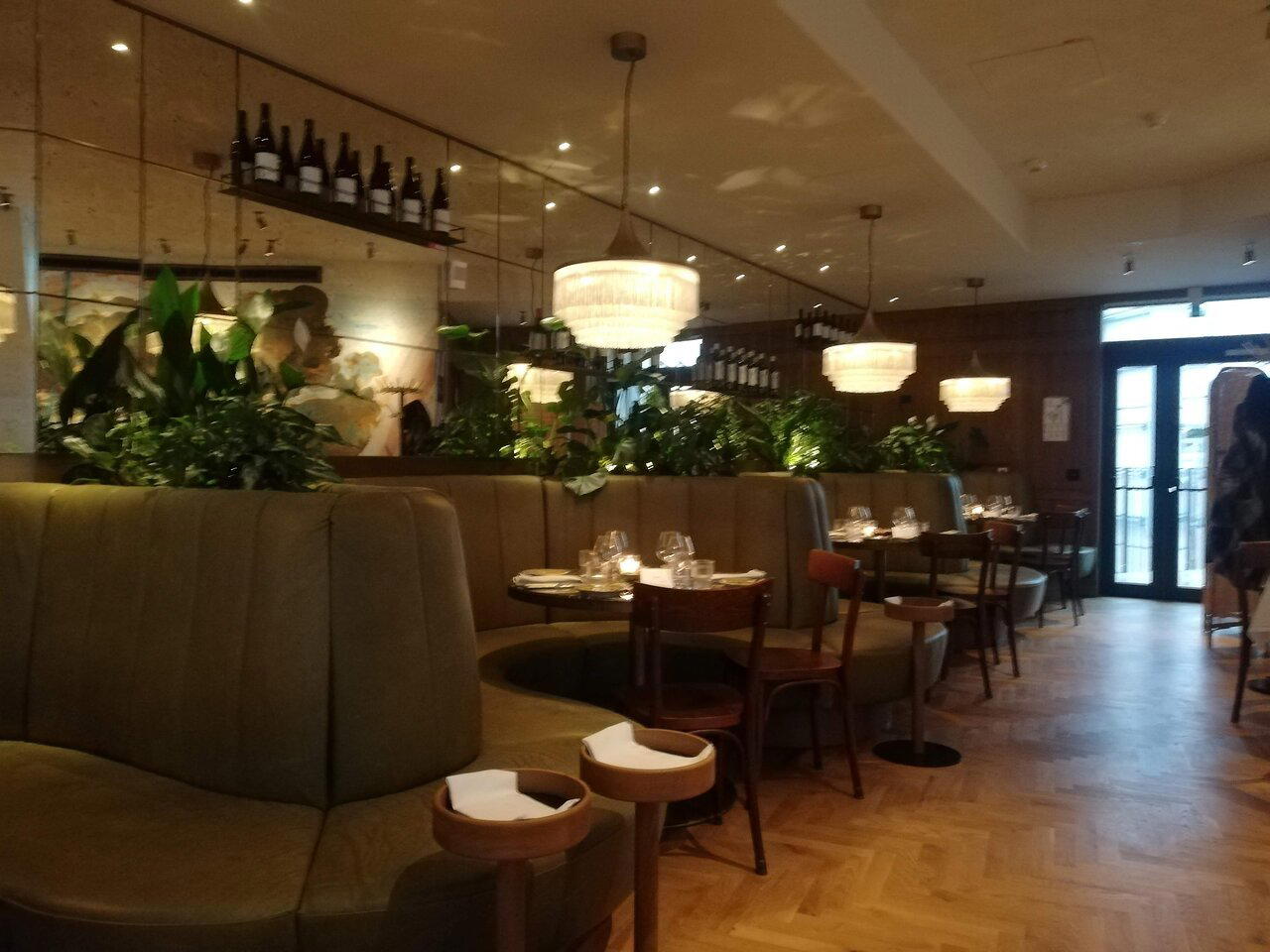

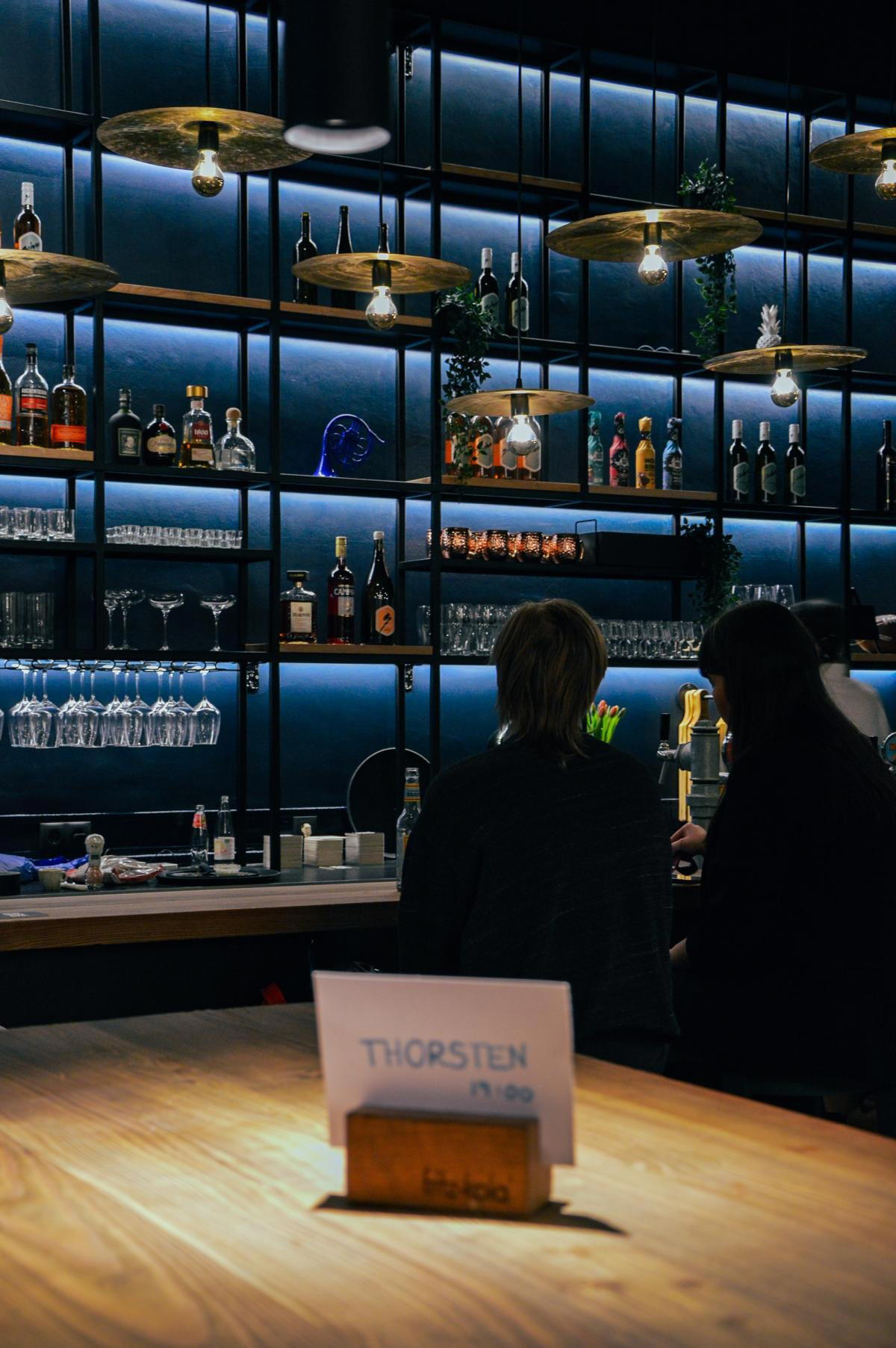
Hotels in Vienna
Browse all →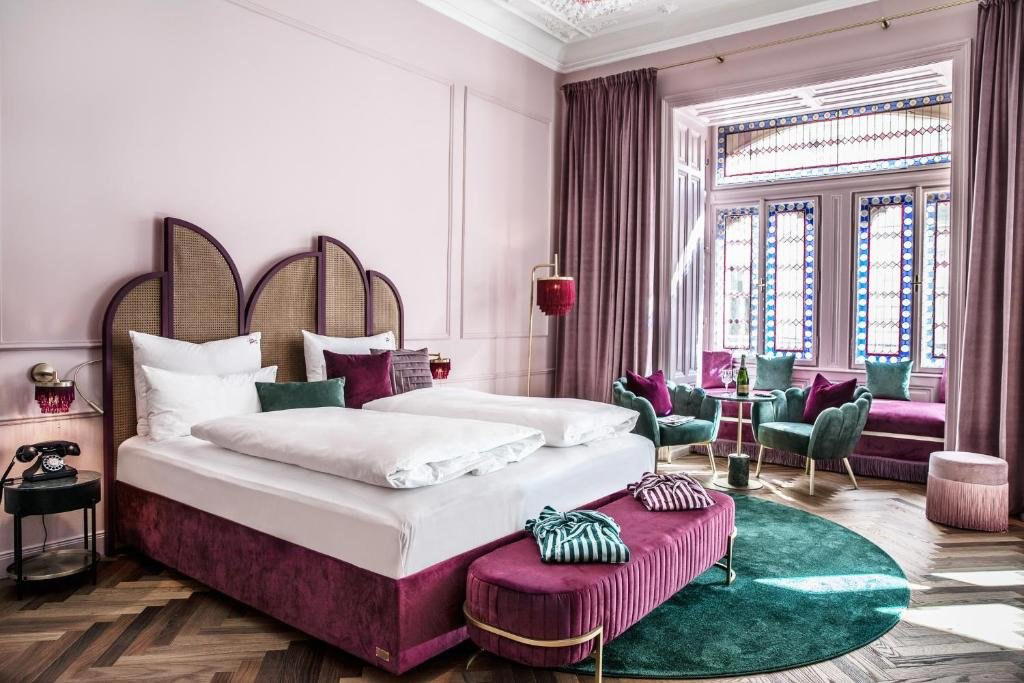
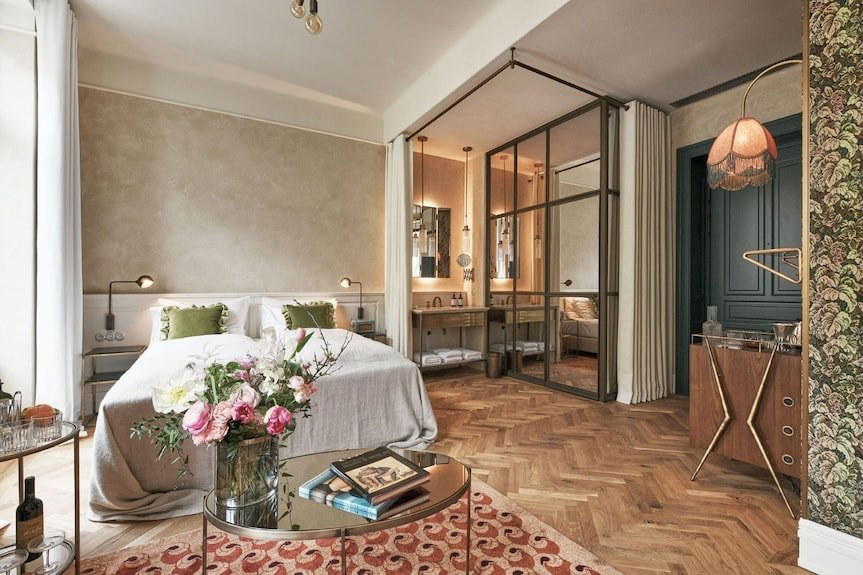
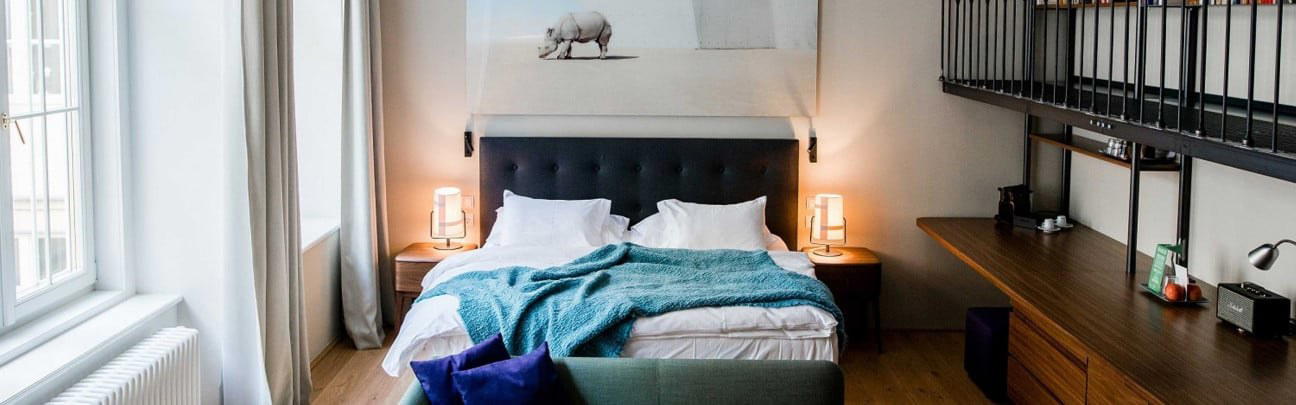
At a Glance
- Modern
- Cozy
- Casual Hangout
- Open Kitchen
Current opening hours
- Monday
- 12–10 PM
- Tuesday
- 12–10 PM
- Wednesday
- 12–10 PM
- Thursday
- 12–10 PM
- Friday
- 12–10 PM
- Saturday
- 12–10 PM
- Sunday
- 12–10 PM
Hours can change for holidays and private events. Last verified .
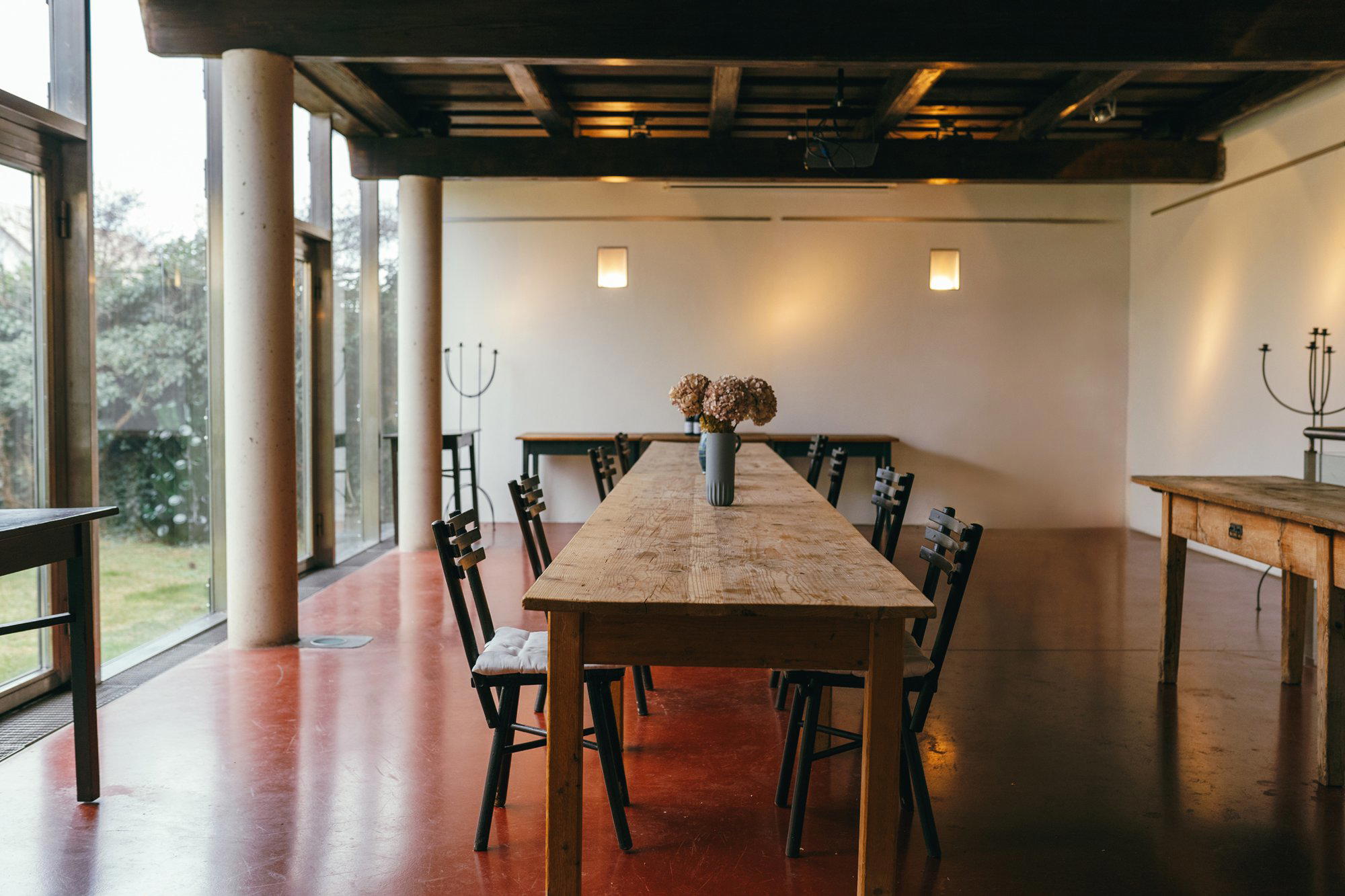
Modern furnishings with raw materiality, clear lines, warm tones, and differentiated seating including hidden niches and corners.