Positioned on Place Antonelle in the heart of Arles, L'Antonelle occupies a dining tier that sits above the city's casual bistro circuit and below the region's multi-starred establishments. The address places it within walking distance of the city's Roman amphitheatre and the galleries that define Arles as a cultural destination. Verify current hours and booking conditions directly before visiting.
Pearl is the En Primeur Club membership app — saves, bookings, and concierge access live there. Same editors, same standards.
- Address
- 9 Pl. Antonelle, 13200 Arles, France
- Phone
- +33638629332
- Website
- antonellelebistrot.eatbu.com
- Directions
- Get directions
 Saves & bookings on Pearl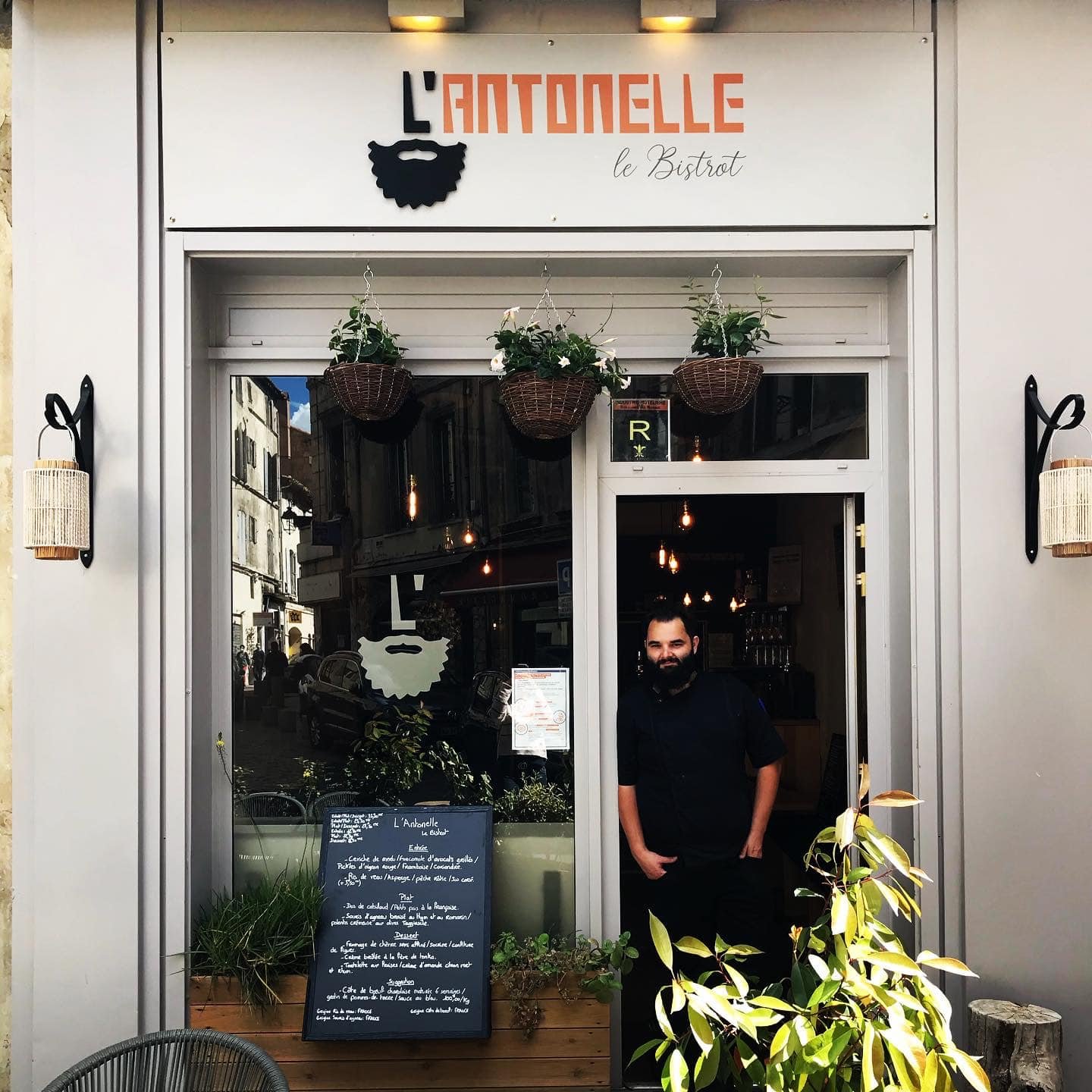
Arles at the Table: Where the Roman South Meets Contemporary Dining
Arles has never been a city that shouts about its restaurants. The town that gave the world Van Gogh's yellow house and among the stronger-preserved Roman amphitheatres in Europe tends to let its stones do the talking, which means its dining scene can take visitors by surprise. In recent years, however, the city's restaurant culture has developed a more deliberate character, with a cluster of addresses on and around the old town's squares drawing guests who have come specifically to eat rather than simply to fuel a sightseeing circuit. L'Antonelle, at 9 Place Antonelle, sits inside this shift, occupying a square that carries genuine historical weight.
The address matters because Place Antonelle is not a tourist thoroughfare. It functions as a neighbourhood pivot point, the kind of square where the geometry of the old city becomes legible and where a restaurant can draw from both passing trade and a loyal local clientele without depending entirely on either. That dual audience tends to sharpen a kitchen's focus. Venues that rely only on tourists can afford a degree of complacency; those that need to satisfy residents who will return next Tuesday cannot. In this sense, L'Antonelle's location is an editorial fact about how it must operate, not merely a logistical detail.
The Provençal Dining Tier: Context Before the Plate
To understand where L'Antonelle fits, it helps to map Arles's restaurant spectrum. At the leading end sits Alléno Paris au Pavillon Ledoyen in Paris, not a local comparison, but a useful calibration point for what multi-starred French fine dining demands. Closer to home, Mirazur in Menton and AM par Alexandre Mazzia in Marseille represent the southern French ambition that has pulled serious dining attention toward the Mediterranean arc in recent years. Arles itself houses Les Maisons Rabanel in the creative, multi-starred tier, which means the city is not without high-end reference points.
The mid-tier in Arles, where L'Antonelle operates alongside addresses such as Chardon (Modern Cuisine) and Gaudina, is shaped by the same forces that define mid-market dining across Provence: proximity to serious local produce, pressure from an informed tourist audience, and competition from casual formats that do one or two things with precision. Drum Café (Farm to table) and Chez Bob represent the more casual end of that spectrum, while Allora adds an Italian inflection to the city's table. The presence of these distinct formats means that a restaurant occupying the middle ground must be more specific in what it offers, not simply adequate across the board.
The Logic of Collaboration at the Mid-Market Level
France's dining tradition has long framed the chef as the singular creative force, with service and wine playing subordinate roles. That model remains intact at the country's most celebrated tables, Troisgros - Le Bois sans Feuilles in Ouches, Auberge de l'Ill in Illhaeusern, and Bras in Laguiole each project a coherent creative identity that extends beyond the kitchen. At restaurants operating below that tier, however, the more meaningful differentiator is often how well the kitchen, the front-of-house, and any wine program function as a coordinated unit rather than as separate departments loosely sharing a building.
In a city the size of Arles, with its compressed old-town geography and limited staffing pool, this coordination challenge is real. A sommelier who can read the room and pitch the Rhône valley's Grenache-based reds to a table of Dutch tourists with no Provençal wine vocabulary is performing a different kind of work than one simply reciting appellations. A front-of-house team that can shift register between a businesss lunch at 12:30 and a table of American guests celebrating an anniversary at 20:00 is generating value that never appears on a menu.
The Rhône and its southern tributaries supply some of France's most food-accommodating wines: Costières de Nîmes, just west of Arles, produces whites and rosés that sit comfortably alongside the region's fish and vegetable preparations, while the Grenache-heavy reds from Châteauneuf-du-Pape and the broader southern Rhône give a kitchen working with lamb, game, or aged cheeses a serious range to draw from. Any wine program in Arles that ignores this geography in favour of generic French selections is leaving a substantial editorial point unmade. For comparative reference on how wine integration functions at the highest level of French restaurant culture, Assiette Champenoise in Reims and Au Crocodile in Strasbourg demonstrate how region-specific cellar depth anchors a dining proposition across price tiers.
Seasonal Logic and the Provençal Kitchen
Provence's culinary calendar moves with particular clarity. Spring brings asparagus from the Vaucluse and the first courgette flowers; summer loads the markets with tomatoes, aubergines, and stone fruit that need minimal intervention; autumn shifts toward game, mushrooms, and the truffle season that edges into winter. A restaurant on Place Antonelle with access to the Saturday market at Boulevard des Lices, one of the largest and most supplier-rich markets in the south of France, is working from a logistical advantage that kitchens in Paris or Lyon can only approximate through overnight delivery.
This seasonal structure also shapes how a mid-tier restaurant can credibly compete against both casual formats and fine-dining neighbours. A menu that rotates with the market rather than printing quarterly is a commitment to a different kind of kitchen discipline, one that requires the brigade to adapt rather than execute a fixed repertoire. The broader point is that any Arles restaurant ignoring this seasonal infrastructure would be working against its own geography.
Planning a Visit: What to Know Before You Go
The restaurant is at 9 Place Antonelle in Arles's old town, within walking distance of the Roman amphitheatre and the Fondation Vincent van Gogh Arles, making it a logical lunch or dinner stop for visitors already moving through the city's cultural circuit. Arles's compact centre means the square is accessible on foot from most of the city's hotels. The restaurant is recommended for reservations and follows these hours: Mon: 12–2 PM, 7:30–10 PM; Tue: Closed; Wed: Closed; Thu: 12–2 PM, 7:30–10 PM; Fri: 12–2 PM, 7:30–10 PM; Sat: 12–2 PM, 7:30–10 PM; Sun: 12–2 PM, 7:30–10 PM. Comparable mid-market French formats elsewhere in the country, from Paul Bocuse - L'Auberge du Pont de Collonges in Collonges-au-Mont-d'Or at the heritage end to Flocons de Sel in Megève at the contemporary alpine end, give some calibration for what French mid-to-upper dining formats can deliver when kitchen, wine, and service align. International diners accustomed to the precision of Le Bernardin in New York City or the tasting-menu rigour of Atomix in New York City will find Arles's dining scene operating at a different register, more embedded in its immediate geography, less focused on international recognition, and better understood on its own terms.
Price and Recognition
Comparable venues nearby, for context on price, style, and recognition.
| Venue | Cuisine | Price | Notes |
|---|---|---|---|
| L'AntonelleThis venue — the venue you are viewing | Roquette, Modern French Bistro | $$ | Not listed |
| Mimosa | Not listed | $$ | Rue de la République, French Fast Food & Salads |
| L'Essentiel Arles | Not listed | $$$ | centre ancien, Modern French Bistronomique |
| La Gueule du Loup | Historic Center, Modern Provençal Bistro | $$$ | Not listed |
| Chez Bob | Camargue, Traditional Provençal French | $$$ | Not listed |
| L Autruche | Not listed | $$ | Historic Center, Modern Southern French Market Bistro |
Continue exploring
More in Arles
Restaurants in Arles
Browse all →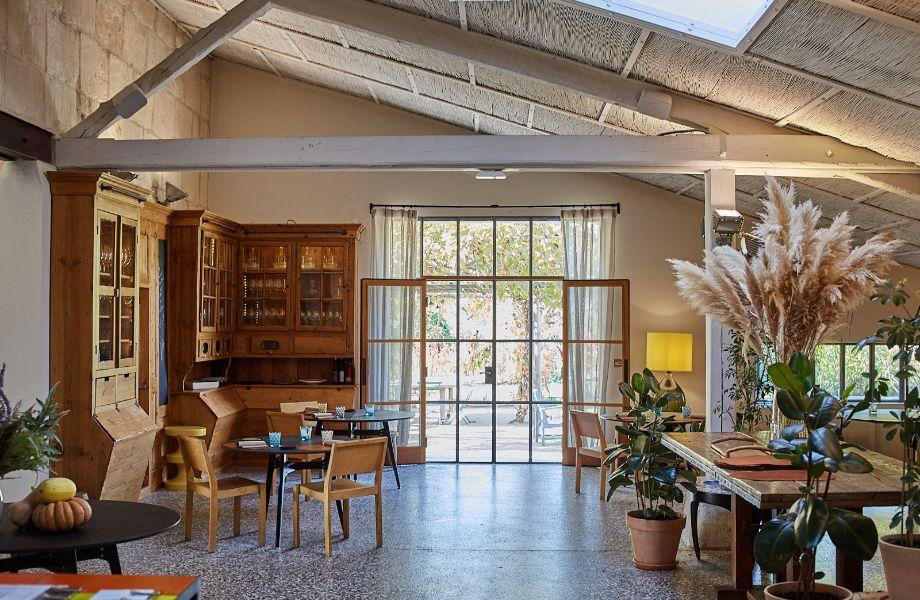
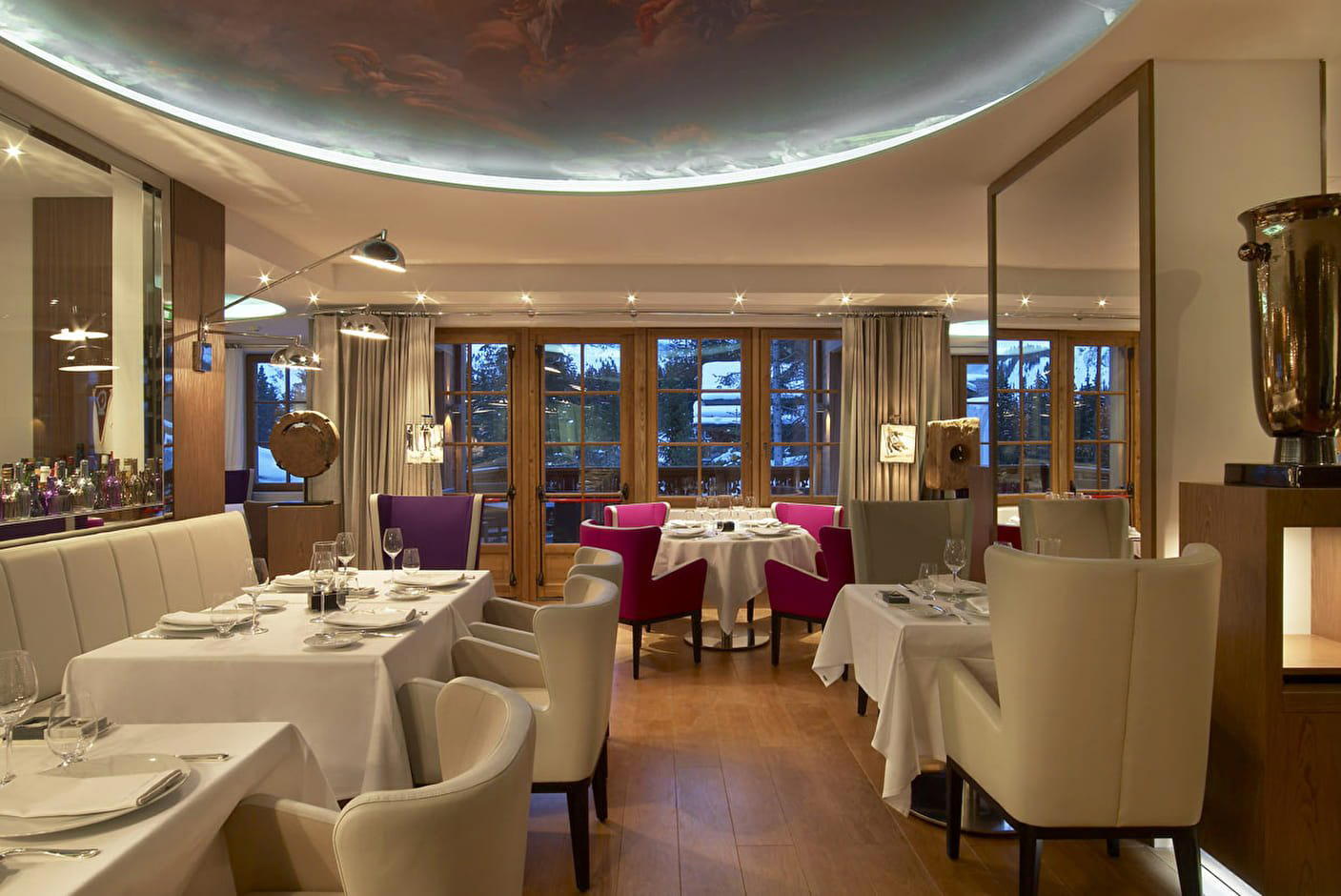
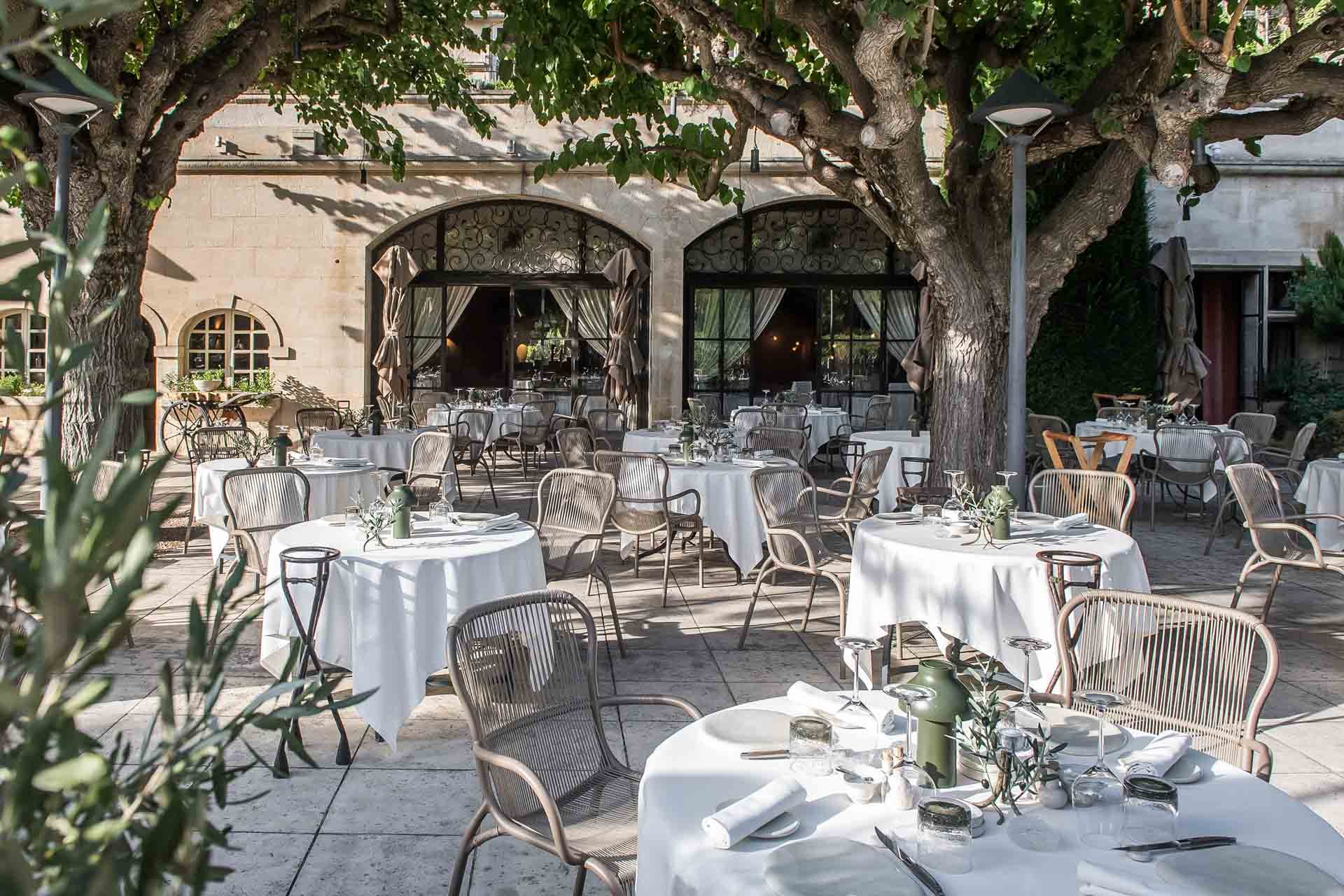
Bars in Arles
Browse all →
Hotels in Arles
Browse all →
At a Glance
- Intimate
- Cozy
- Classic
- Date Night
- Special Occasion
- Terrace
- Extensive Wine List
- Local Sourcing
- Street Scene
Current opening hours
- Monday
- 12–2 PM, 7:30–10 PM
- Tuesday
- Closed
- Wednesday
- Closed
- Thursday
- 12–2 PM, 7:30–10 PM
- Friday
- 12–2 PM, 7:30–10 PM
- Saturday
- 12–2 PM, 7:30–10 PM
- Sunday
- 12–2 PM, 7:30–10 PM
Hours can change for holidays and private events. Last verified .
Cozy and intimate atmosphere in a historic center location with cheerful service.