L'Angélus
Our verdict
L'Angélus serves French brasserie cooking at 139 Rue de la République in Guebwiller, with an extensive wine list and a street-scene view for lunch or dinner.

Pearl is the En Primeur Club membership app, where members save venues, book tables and use the concierge.

The menu
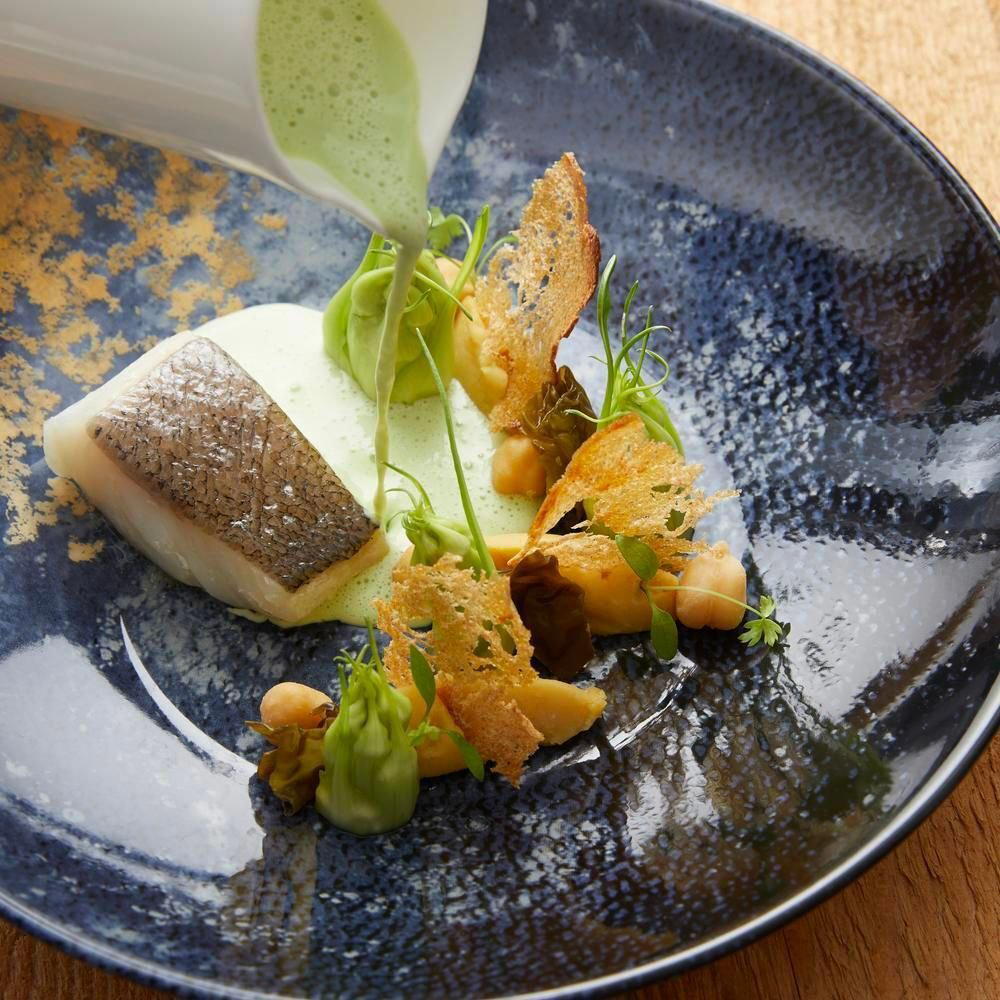
What to order
- Cordon Bleu
- Choucroute
- Magret de Canard
- Faux Filet de Bœuf
Alsace at the Table: What Guebwiller's Dining Scene Tells You About the Region
The southern end of Alsace's wine route, where the Lauch valley opens into the foothills of the Vosges, has always operated on different terms from Strasbourg's more tourist-facing circuit. Towns like Guebwiller carry a quieter culinary register: less visible internationally, but rooted in one of France's most coherent regional food traditions. Choucroute, baeckeoffe, tarte flambée, and the Alsatian canon of pork-led, riesling-soaked cookery evolved here over centuries of Franco-German cultural overlap, and it remains the backbone of how the region eats. L'Angélus, at 139 Rue de la République in Guebwiller, operates within that tradition and within a town that sits well off the radar of France's more-trafficked fine dining corridors.
To understand a restaurant in this part of Alsace, you need to understand what Alsatian dining means structurally. The region produces some of France's most food-serious households precisely because the cuisine is codified: there are rules about how a baeckeoffe is assembled, how a Munster is aged, how the local Pinot Gris or Gewurztraminer interacts with the richness of the plate. Restaurants operating in that tradition are assessed against those standards first. The comparison set for a table in Guebwiller is not Alléno Paris au Pavillon Ledoyen or the creative tasting menus of Mirazur in Menton. It is the established Alsatian maisons, the kind of address that earns loyalty through consistency and regional fidelity rather than novelty.
The Alsatian Fine Dining Tradition and Where Guebwiller Fits
Alsace has produced some of France's most enduring restaurants, and the province's relationship with serious cooking predates the modern Michelin era. Auberge de l'Ill in Illhaeusern, which has held three Michelin stars since 1967, represents the apex of what Alsatian haute cuisine looks like when it sustains itself across generations. Further afield, France's multi-generational fine dining houses, from Georges Blanc in Vonnas to Paul Bocuse in Collonges-au-Mont-d'Or, share a common trait: a sense that the dining room itself carries memory, that the room's architecture and its menu exist in dialogue with a specific place.
That same expectation shapes how diners read restaurants in smaller Alsatian towns. Guebwiller, with a population under twelve thousand and a location midway down the Route des Vins between Colmar and Mulhouse, is not a city that draws destination diners from Paris. What it draws is the regional audience: visitors exploring the wine villages of the Haut-Rhin, cyclists on the Route des Crêtes, and a local clientele that measures a restaurant's worth in decades rather than seasons. In that context, an address on the Rue de la République carries the weight of the town's main commercial artery, the kind of placement that signals institutional presence rather than boutique ambition.
For broader context on what Guebwiller's dining circuit offers, the EP Club Guebwiller restaurants guide maps the full range of options in the town. Nearby, Les Terrasses represents a different register of the local offer.
French Regional Cooking and the Question of Evolution
Across France, the tension between regional fidelity and contemporary technique has been one of the defining conversations in dining over the past two decades. Kitchens like Bras in Laguiole and Flocons de Sel in Megève resolved it by rooting modernist technique firmly in terroir. Others, like AM par Alexandre Mazzia in Marseille, pushed the regional idiom into territory far from its origins. Alsace, by contrast, has tended toward conservation: the region's most respected tables often find their authority in doing the canon well rather than dismantling it.
This creates a specific kind of dining experience that is not fashionable in the way that Paris's creative-cuisine tier, represented by addresses like Assiette Champenoise in Reims or Au Crocodile in Strasbourg, tends to be. The value proposition is different. You are not paying for a chef's singular vision or a tasting menu that documents a culinary argument. You are paying for cooking that understands its own tradition, and for the specific pleasure of eating well in a town that has not been optimised for visitors. That is a distinct offer, and for certain travellers it is precisely the point.
The same logic applies when you compare the Alsatian regional dining circuit to internationally recognised houses elsewhere. Tables like Christopher Coutanceau in La Rochelle, L'Oustau de Baumanière in Les Baux, or Auberge du Vieux Puits in Fontjoncouse all operate from a position of regional authority, drawing their credibility from place before anything else. The transatlantic equivalent, fine French technique applied at serious addresses like Le Bernardin in New York City or the Korean-French dialogue happening at Atomix in New York City, operates from entirely different premises. The contrast is clarifying: provincial French dining at its finest is about depth of place, not breadth of influence.
Practical Notes for Visiting
Guebwiller is accessible from Colmar in under thirty minutes by road and sits within easy reach of Basel and Mulhouse. The town is not a high-traffic tourist destination, which means parking is not the ordeal it can be in Colmar or Strasbourg. L'Angélus is located on the main artery, Rue de la République, which makes it findable without specific navigation. The Alsatian dining calendar tends to peak during vendanges (the grape harvest, typically October) and during the Christmas market season from late November through December, when the region draws visitors from across France and from Germany and Switzerland.
Frequently asked questions
What's L'Angélus's location?
L'Angélus is located at 139 Rue de la République, 68500 Guebwiller, France.
How does L'Angélus pair with the Alsace wine route if you're basing yourself in Guebwiller for a day?
Guebwiller sits at the southern end of the Alsace wine route, roughly 25 kilometres from Colmar, placing L'Angélus within reach of grand cru vineyards including Kitterlé and Kessler. A meal here pairs logically with a morning at the surrounding cellars, as the region's dry rieslings and pinot gris were historically developed to accompany exactly the kind of pork-forward, fermented-cabbage cooking the Alsatian table is built on. The town itself is low-traffic compared to Riquewihr or Kaysersberg, which means the experience is less compressed.
What do regulars order at L'Angélus?
At Alsatian restaurants of this type in Guebwiller, regulars anchor their orders in the regional canon: choucroute garnie, baeckeoffe, and preparations built around pork, riesling-based sauces, and freshwater fish from the Vosges streams. These dishes define the southern Alsace table and are the reason diners return rather than experiment. Expect portions that reflect the region's agricultural roots rather than contemporary restraint.
Can I walk in to L'Angélus?
Walk-in availability at French regional restaurants in Guebwiller depends heavily on the day of the week and the time of year. The Alsace wine route draws concentrated weekend traffic between April and November, which tightens tables across the town. Arriving at lunch on a weekday outside peak season gives you the best chance without a reservation, though contacting the restaurant in advance remains the safer approach.
What's L'Angélus best at?
L'Angélus operates within the tradition that defines southern Alsace: cooking tied to the Lauch valley's produce and the wine route's hospitality rhythm rather than trends from Strasbourg or Paris. That positioning means the kitchen's strength lies in regional fidelity, the kind of address where the choucroute or baeckeoffe is made with the same logic it has been for decades. It is the category of restaurant Alsace built its dining reputation on before Michelin arrived.
Cost Snapshot
Comparable venues nearby, for context on price, style, and recognition.
| Venue | Cuisine | Price | Notes |
|---|---|---|---|
| L'AngélusThis venue (the venue you are viewing) | French Brasserie | $20–30 | Not listed |
| Les Terrasses | Alsatian Bistronomic French | $30–50 | Guebwiller, Alsatian Bistronomic French |
| Le 1617 | Classic French Bistronomic | $30–50 | Rodern, Classic French Bistronomic |
| Caveau d'Eguisheim | Traditional Alsatian Brasserie | $50–100 | Eguisheim, Traditional Alsatian Brasserie |
| L'Essentiel | Modern French Bistro | $30–50 | . Colmar center, Modern French Bistro |
| Les Jardins de Sophie | French Regional Fine Dining | Not listed | Xonrupt-Longemer, French Regional Fine Dining |
Continue exploring
More in Guebwiller
Restaurants in Guebwiller
All restaurants in Guebwiller →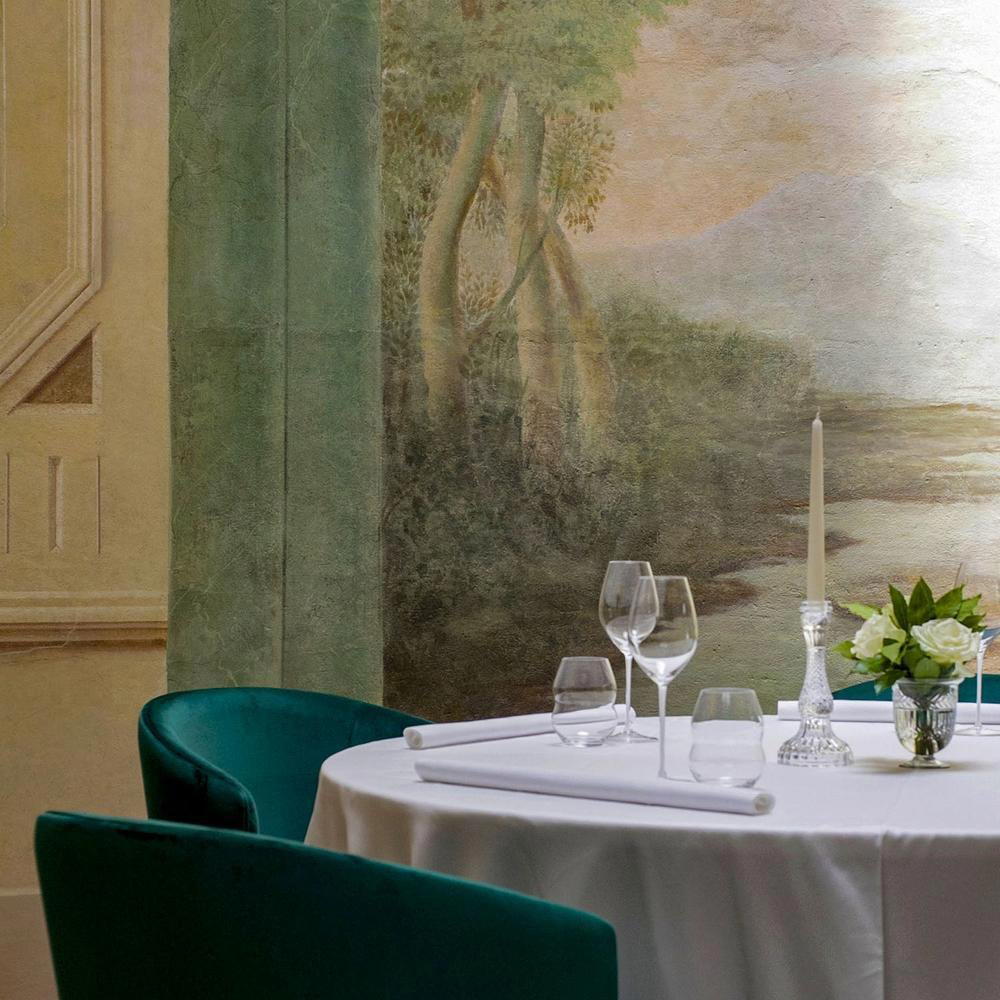
Bars in Guebwiller
Browse all →

Details
- Classic
- Cozy
- Casual Hangout
- Family
- Terrace
- Extensive Wine List
- Street Scene
- A La Carte
Current opening hours
- Monday
- Closed
- Tuesday
- 8:30 AM–10 PM
- Wednesday
- 8:30 AM–10 PM
- Thursday
- 8:30 AM–10 PM
- Friday
- 8:30 AM–10 PM
- Saturday
- 8:30 AM–10 PM
- Sunday
- 9 AM–5 PM
Hours can change for holidays and private events. Hours as of .
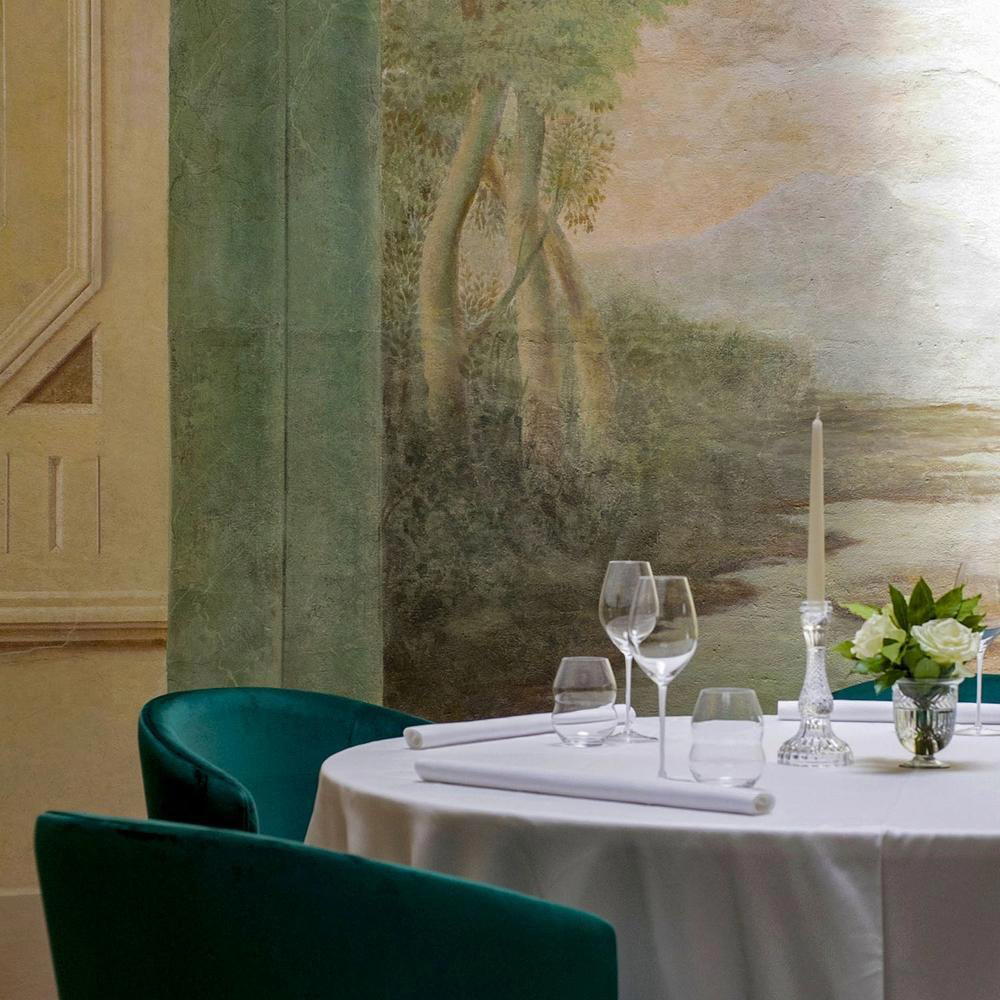
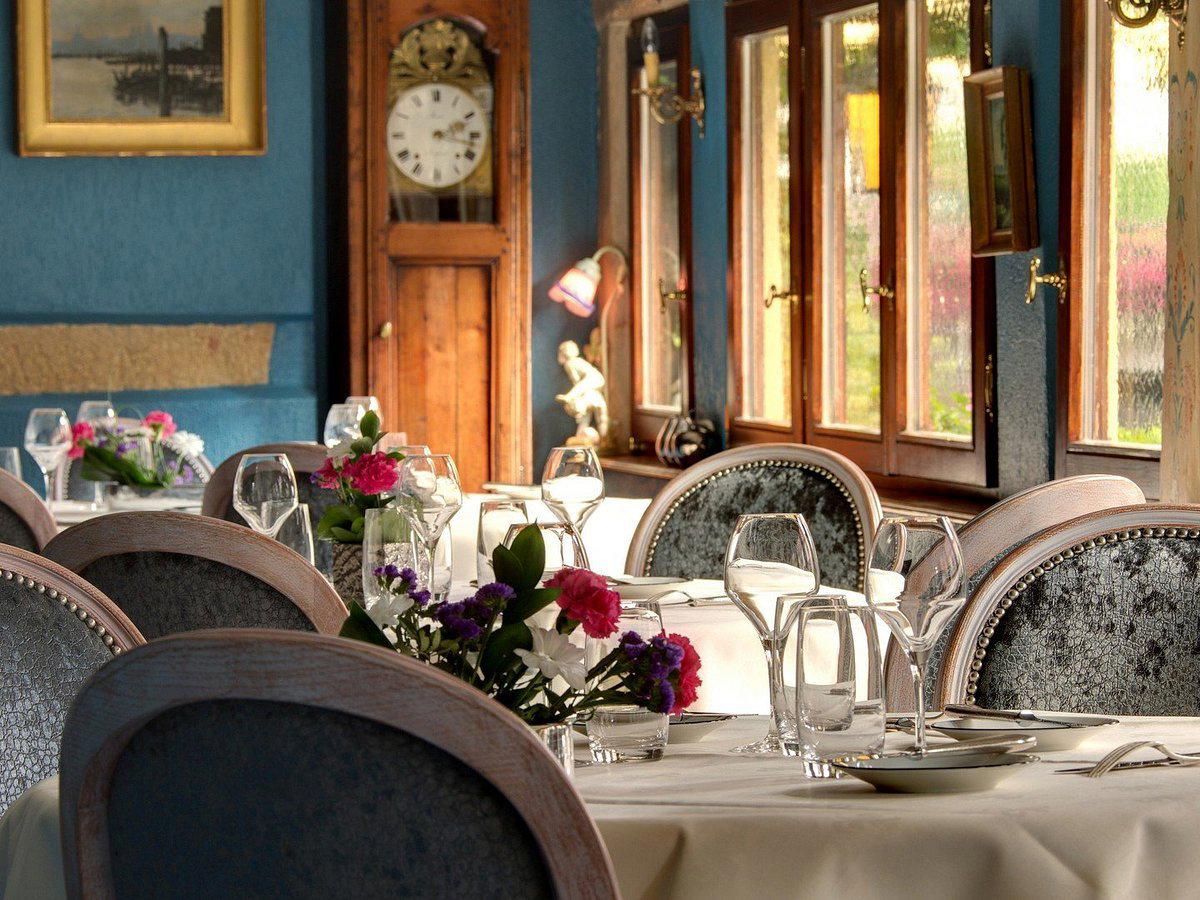
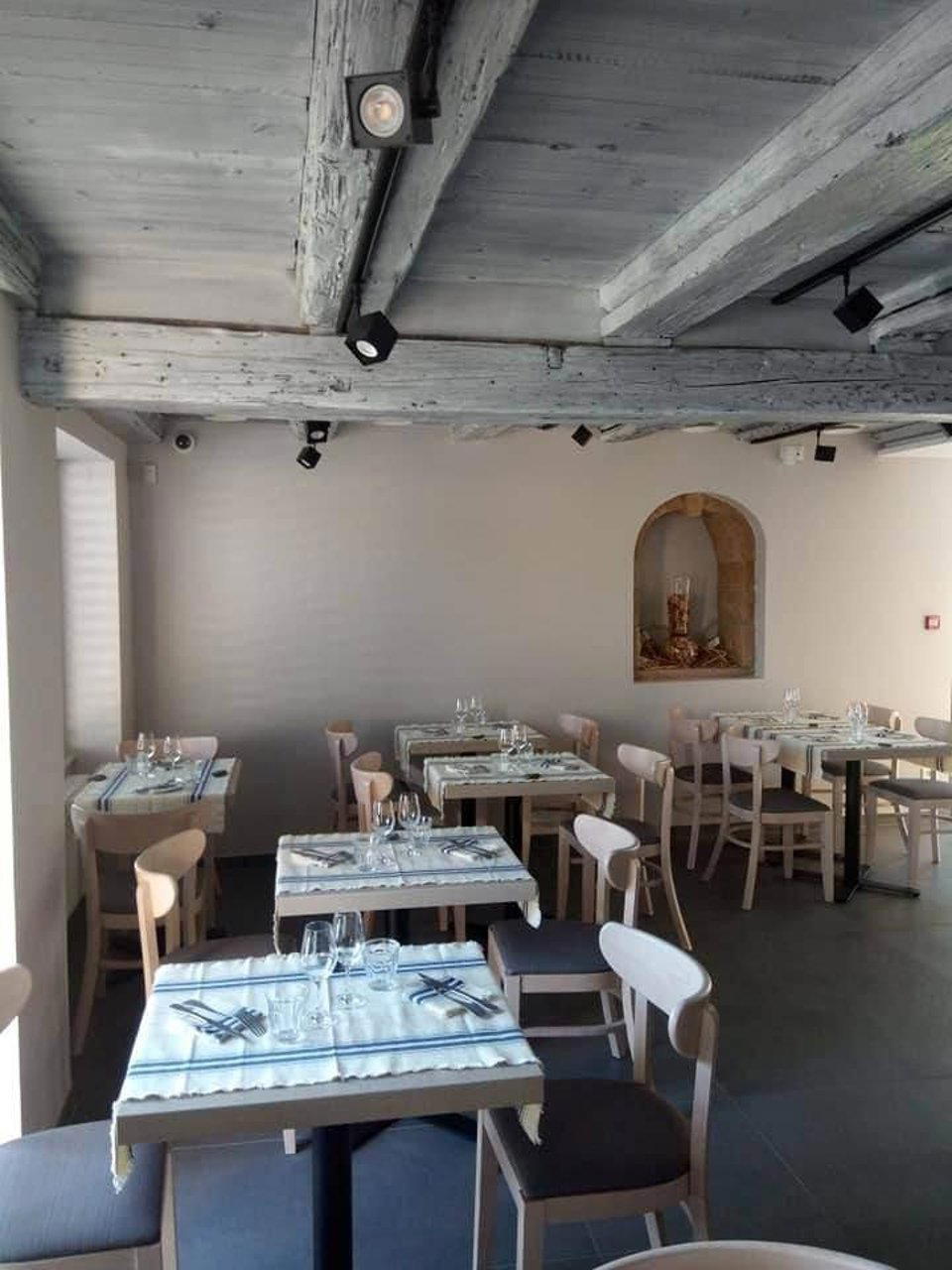
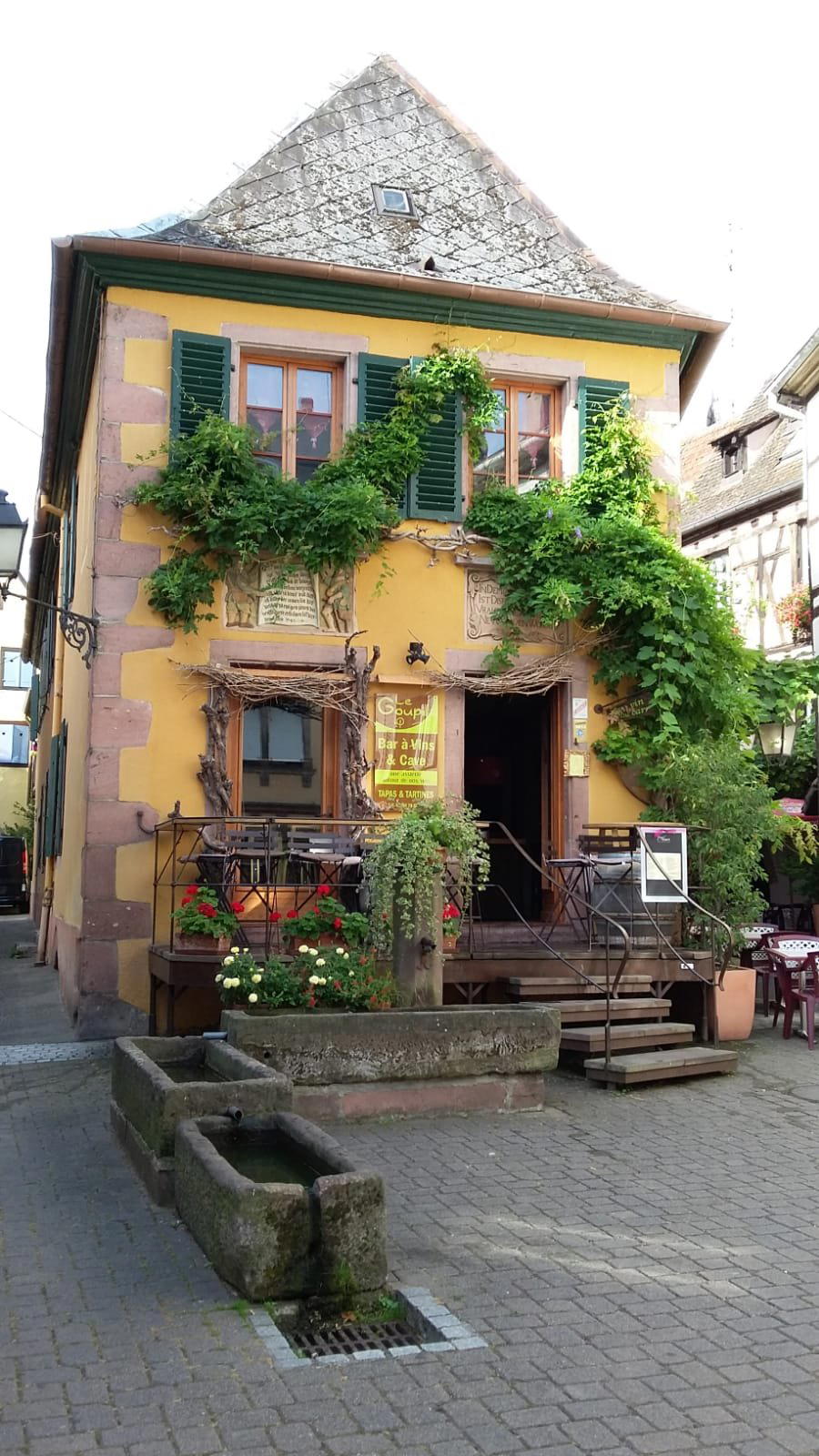
Casual brasserie atmosphere with terrace seating overlooking the street, friendly service, and a relaxed vibe suitable for everyday dining.