Grand Hotel Les Trois Rois

Falstaff Bar - 96 Falstaff Points
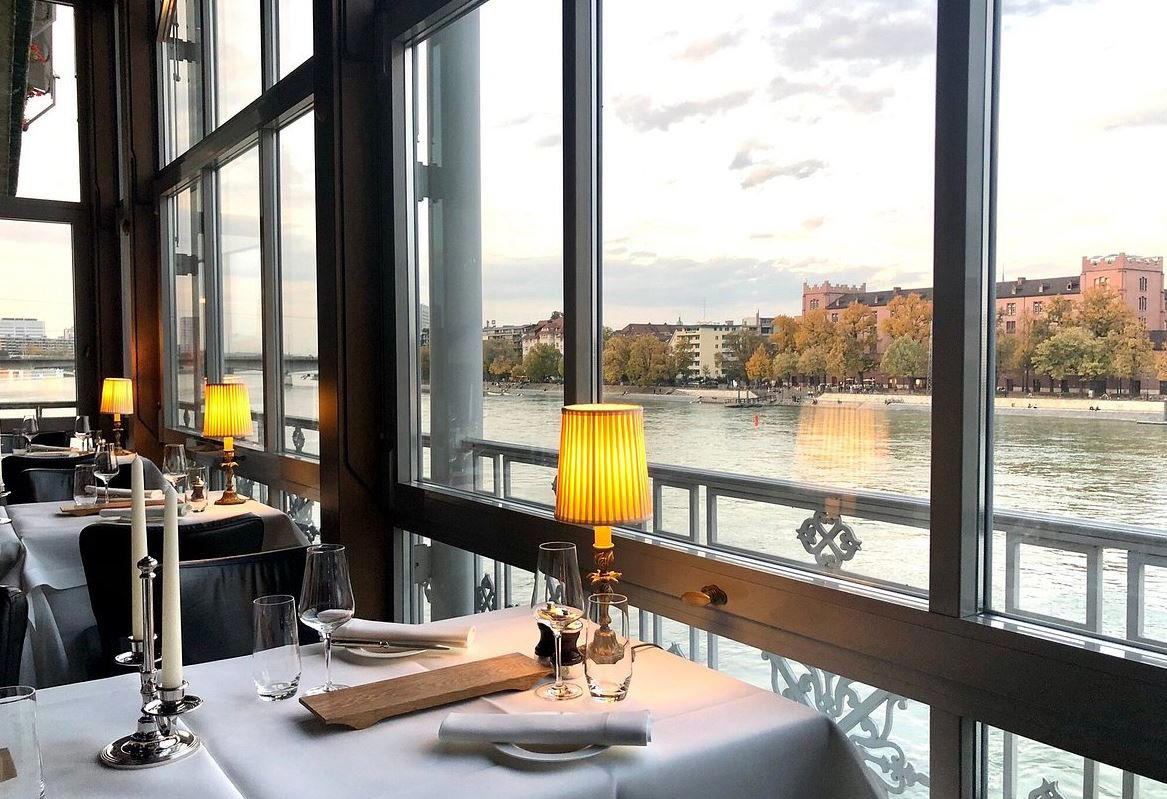
Positioned on Basel's Rhine embankment at Blumenrain 8, Grand Hotel Les Trois Rois is one of Switzerland's most storied five-star addresses, where the bar programme sits within a broader tradition of grand hotel drinking culture that prizes discretion, technique, and longevity. The hotel's location places it at the intersection of Basel's Old Town and the river, making it a reference point for serious travellers assessing the city's premium hospitality tier.

Pearl is the En Primeur Club membership app, where members save venues, book tables and use the concierge.
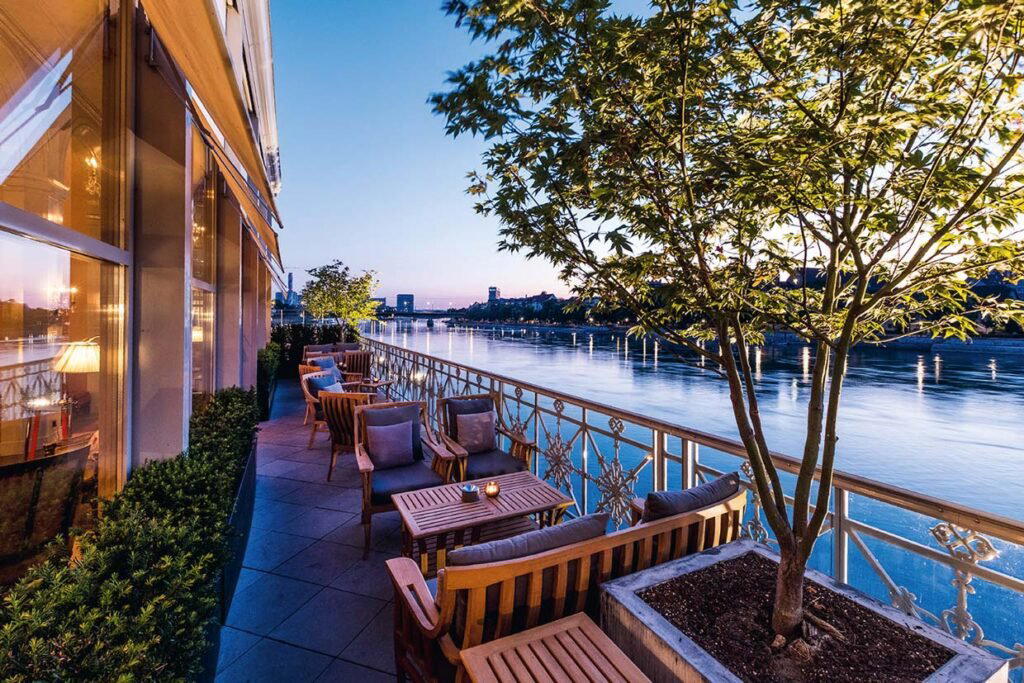
The Rhine Embankment and the Grand Hotel Bar Tradition
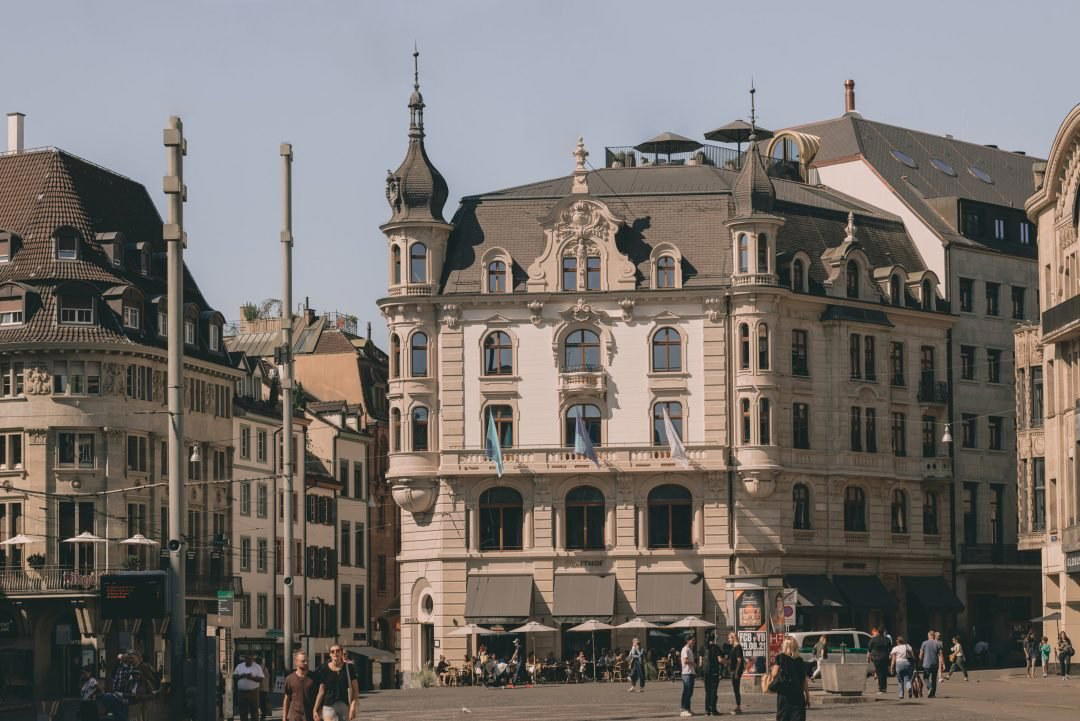
There is a specific register of bar that only grand European hotels can sustain: unhurried, technically precise, insulated from trend cycles by the weight of the building itself. Basel's Rhine embankment produces exactly that atmosphere. Approaching Grand Hotel Les Trois Rois along Blumenrain, the building reads as architecture before it reads as hospitality, a formal façade facing the water, the kind of address that has been receiving guests across multiple political eras and several generations of cocktail culture. The bar inside inherits that gravity.
Switzerland's grand hotel bar tradition differs from the metropolitan cocktail bar scene that has reshaped cities like Zurich and Geneva over the past decade. Where the latter moved toward high-concept, bartender-forward programmes with seasonal menus and technique showcases, the former tends to hold a different compact with the guest: consistency over novelty, depth of spirits list over rotating specials, service cadence that matches the pace of a multi-night stay rather than a single evening out. Grand Hotel Les Trois Rois sits squarely in that tradition, and understanding the difference matters when positioning it against Basel's broader drinking options.
Basel's Drinking Scene and Where This Hotel Bar Sits
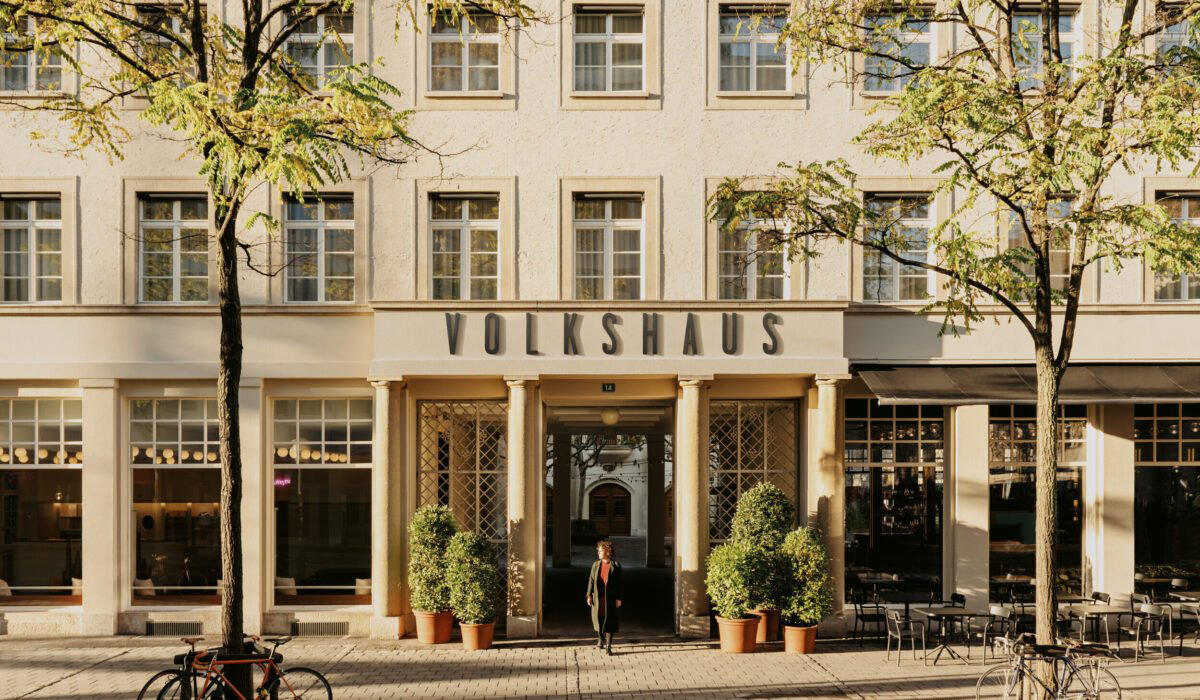
Basel's bar scene has developed in two distinct directions. One is the neighbourhood-rooted, culture-adjacent drinking culture clustered around institutions like Brasserie, Bar und Event Volkshaus Basel and Restaurant Kunsthalle, where the aesthetic is civic and democratic, tied to Basel's self-image as a city of art fairs and public culture. The other direction is the quieter, premium tier: smaller wine-focused rooms like Winebar Consum and destination hotel bars where the guest profile is international and the drinks list reads less as a manifesto and more as a deep archive.
Grand Hotel Les Trois Rois occupies the second category without apology. Its position on the Rhine, a short walk from the Mittlere Brücke and within the medieval core of the city, means it draws a guest who has already made peace with the price of staying in Basel's leading hotel tier. That guest is not comparison-shopping against Gianottis Wilderei for a casual drink; they are settling into an extended evening that begins with the view and continues through the spirits list at a deliberate pace.
The Cocktail Programme in Context
Grand hotel bars in this category tend to organise their cocktail programmes around two pillars: a classical canon executed without compromise, and a shorter list of house signatures that give the programme a local or seasonal anchor without disrupting the overall register. The quality signal in this tier is rarely the most inventive drink on the menu. It is the Martini: how cold, how precise the dilution, how attentive the service timing. A hotel bar that handles the Martini correctly has earned the right to be taken seriously on everything else.
The spirits archive at properties of this standing typically runs deep on Cognac, aged Scotch, and Swiss spirits, the last of which has become a more considered category as Swiss distilleries have developed national recognition over the past two decades. A bar in Basel, at this price point and with this address, would be expected to carry a meaningful selection of Swiss whiskies and fruit eau-de-vie alongside the standard international depth. For guests arriving from comparable properties elsewhere in Switzerland, the reference points shift: a visit to Champagner Bar in Saas Fee or Grande Café & Bar in Zurich offers a sense of how Swiss premium hotel bars calibrate their lists differently depending on their guest mix and setting.
What separates this tier from the broader Swiss bar scene, including places like Vieil Ouchy in Lausanne or 169 West in Zürich, is not simply price or address. It is the relationship between the bar and the wider hotel operation. Guests at Les Trois Rois are likely also dining in-house, using the concierge, and treating the bar as one component of a full-stay experience rather than a standalone destination. That integration shapes how the programme is staffed, paced, and priced.
Practical Considerations for Planning a Visit
Grand Hotel Les Trois Rois is located at Blumenrain 8, 4001 Basel, directly on the Rhine embankment in the heart of the Old Town. The address is walkable from Basel SBB main station in under fifteen minutes and sits within easy reach of the Art Basel venues at Messe Basel, making timing around the June fair and the December Art Basel Cities programming a relevant consideration for availability and atmosphere. The hotel's position at this intersection of cultural calendar and Rhine geography means that during peak art fair weeks, the bar operates at a different intensity than the rest of the year, with an international guest profile that pulls in visitors from comparable grand hotel properties across Europe.
For guests assessing the Swiss premium hotel bar circuit more broadly, the property competes in the same tier as the leading Zurich and Geneva addresses, not against the neighbourhood bar culture that characterises Basel's more casual drinking scene. Reservations or at minimum early evening arrival are advisable during Art Basel and the Christmas period. Outside those windows, the bar functions with the measured pace that defines this category: a setting that rewards staying rather than passing through.
Travellers building a wider Swiss itinerary might also consider that the premium bar register extends well beyond the major cities. Properties like Jamming Corner in Unterseen and Puregold Bar & Lounge in Glattpark reflect how Switzerland's drinking culture has dispersed into smaller centres, while international reference points like Bar Leather Apron in Honolulu illustrate how the grand hotel bar format travels across different hospitality contexts. For a full picture of what Basel itself offers across price points and formats, see our full Basel restaurants guide.
Side-by-Side Snapshot
| Venue | Cuisine | Price | Awards |
|---|---|---|---|
| Grand Hotel Les Trois RoisThis venue (the venue you are viewing) | This venue | $50–100 | Falstaff Bar - 96 Falstaff Points |
| Gianottis Wilderei | Not listed | $50–100 | Star Wine List · Falstaff Restaurant - 93 Falstaff Points |
| Winebar Consum | Not listed | $30–50 | Star Wine List · Falstaff Wine Bar - 89 Falstaff Points |
Recognition history
Dated appearances from independent guides and award organizations, with the underlying list record or original source where available.
Falstaff Bar - 96 Falstaff Points
Falstaff
Continue exploring
More in Basel
Bars in Basel
All bars in Basel →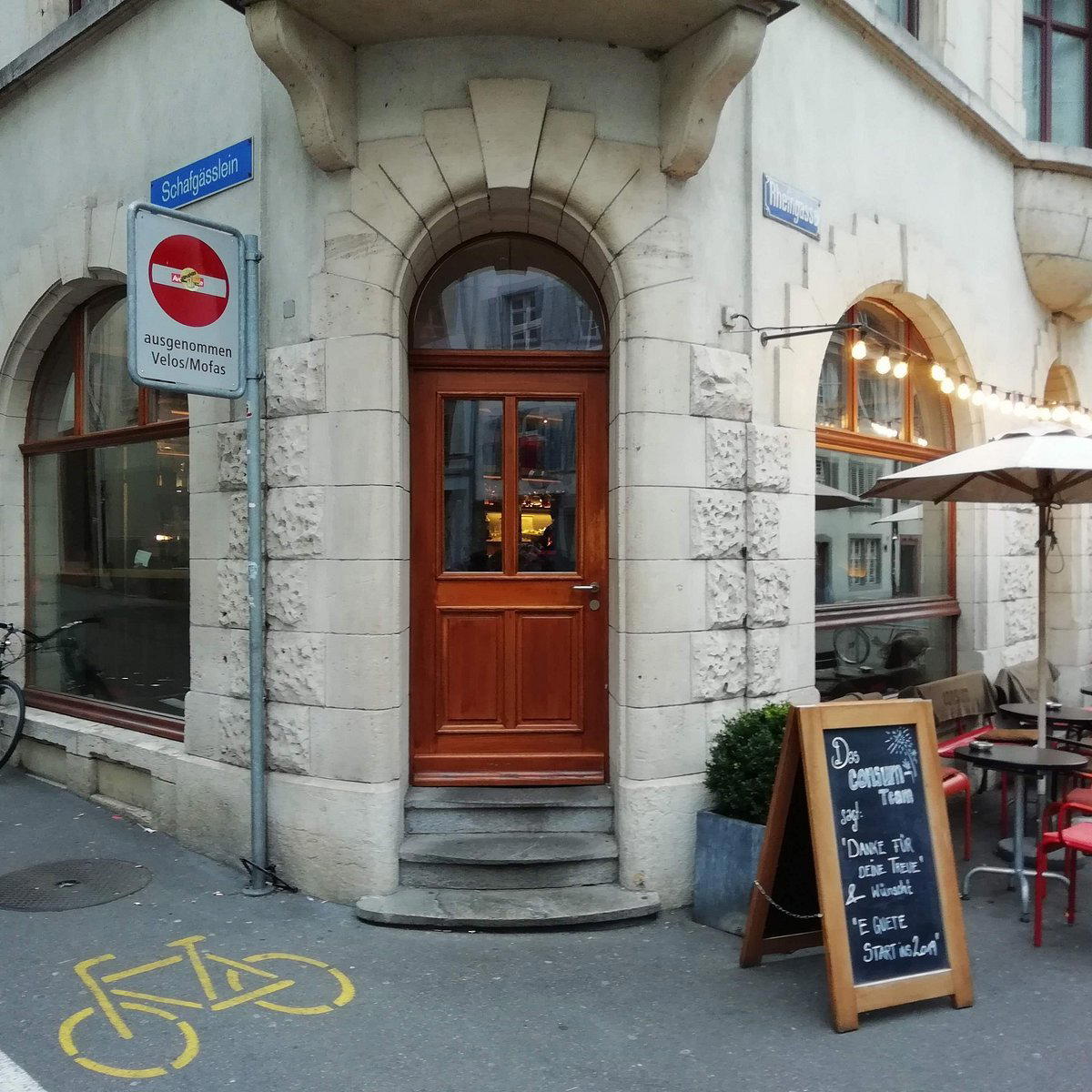
Restaurants in Basel
All restaurants in Basel →
Hotels in Basel
All hotels in Basel →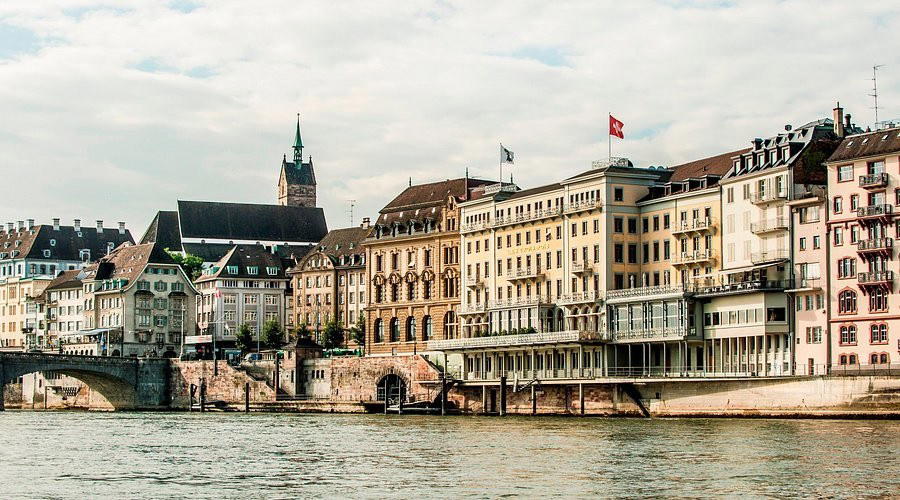

Grand Hotel Les Trois Rois
The drinks
- Craft cocktails
- Classic cocktails
- Zero-proof drinks
Signature drinks: Le Roi Roth, Gin and Tonic, Pisco Sour.
Details
- Elegant
- Romantic
- Sophisticated
- Classic
- Quiet
- Date Night
- After Work
- Celebration
- Special Occasion
- Live Music
- Waterfront
- Historic Building
- Hotel Bar
- Terrace
- Seated Bar
- Lounge Seating
- Outdoor Terrace
- Booth Seating
- Classic Cocktails
- Craft Cocktails
- Conventional Wine
- Low Abv
- Zero Proof
- Waterfront
Refined and timeless with high ceilings, comfortable armchairs, a large fireplace, and soft lighting enhanced by live piano music in the evenings, creating a sophisticated yet relaxed atmosphere.