Les Terrasses
Our verdict
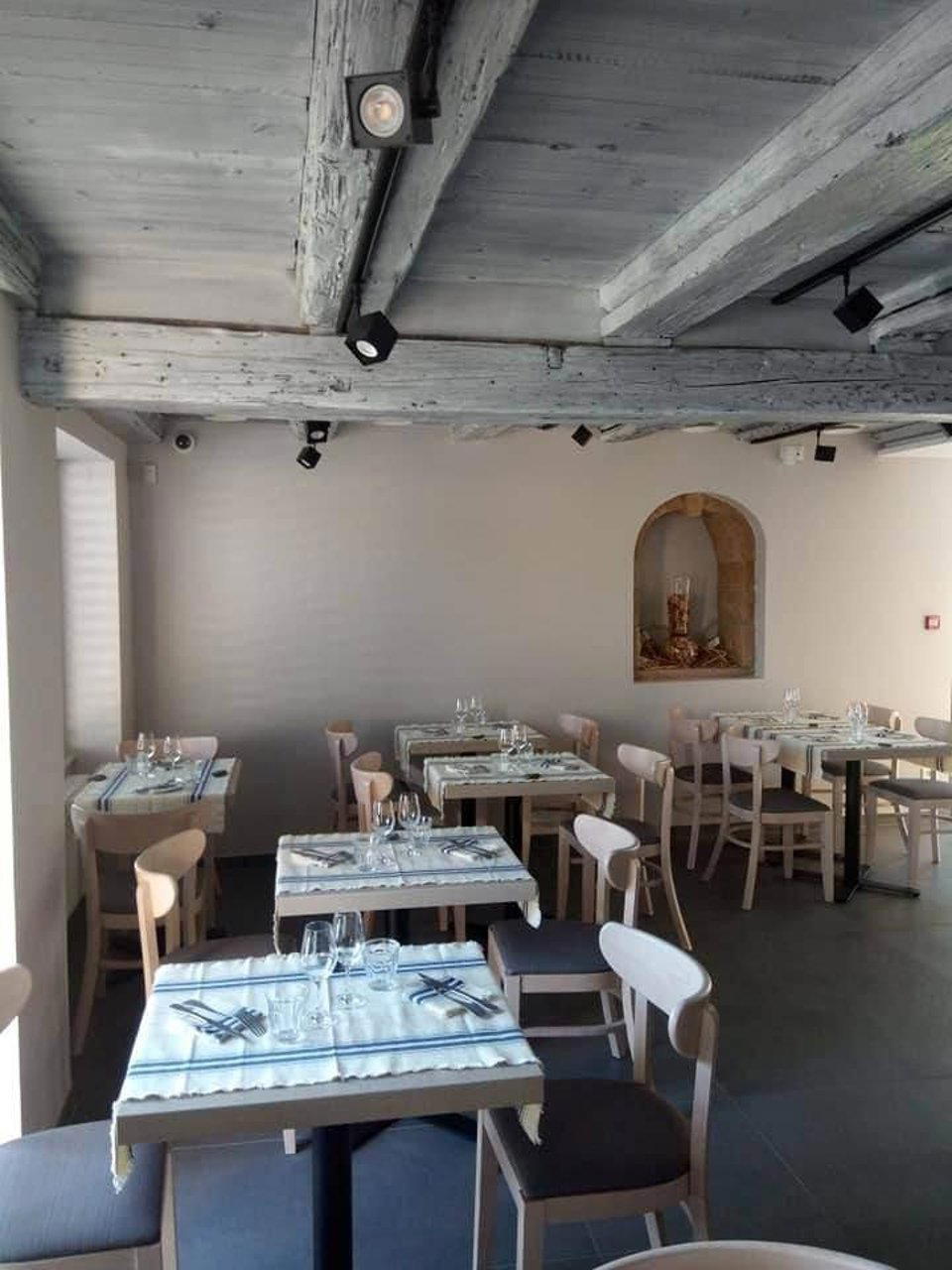
Situated on Rue de la République in the heart of Guebwiller, Les Terrasses occupies a position where Alsatian culinary tradition and the agricultural abundance of the Haut-Rhin converge. The restaurant draws from a region shaped by Vosges foothills, Grand Cru vineyards, and a cross-border food culture that few French departments can match. For travellers moving through southern Alsace, it represents a grounded alternative to the region's more publicised dining circuit.

Pearl is the En Primeur Club membership app, where members save venues, book tables and use the concierge.

The menu
What to order
- Ceviche de bar aux agrumes et gingembre
- Filet de sanglier choux rouges aux marrons et knepfles maison
Where Southern Alsace Sets the Table
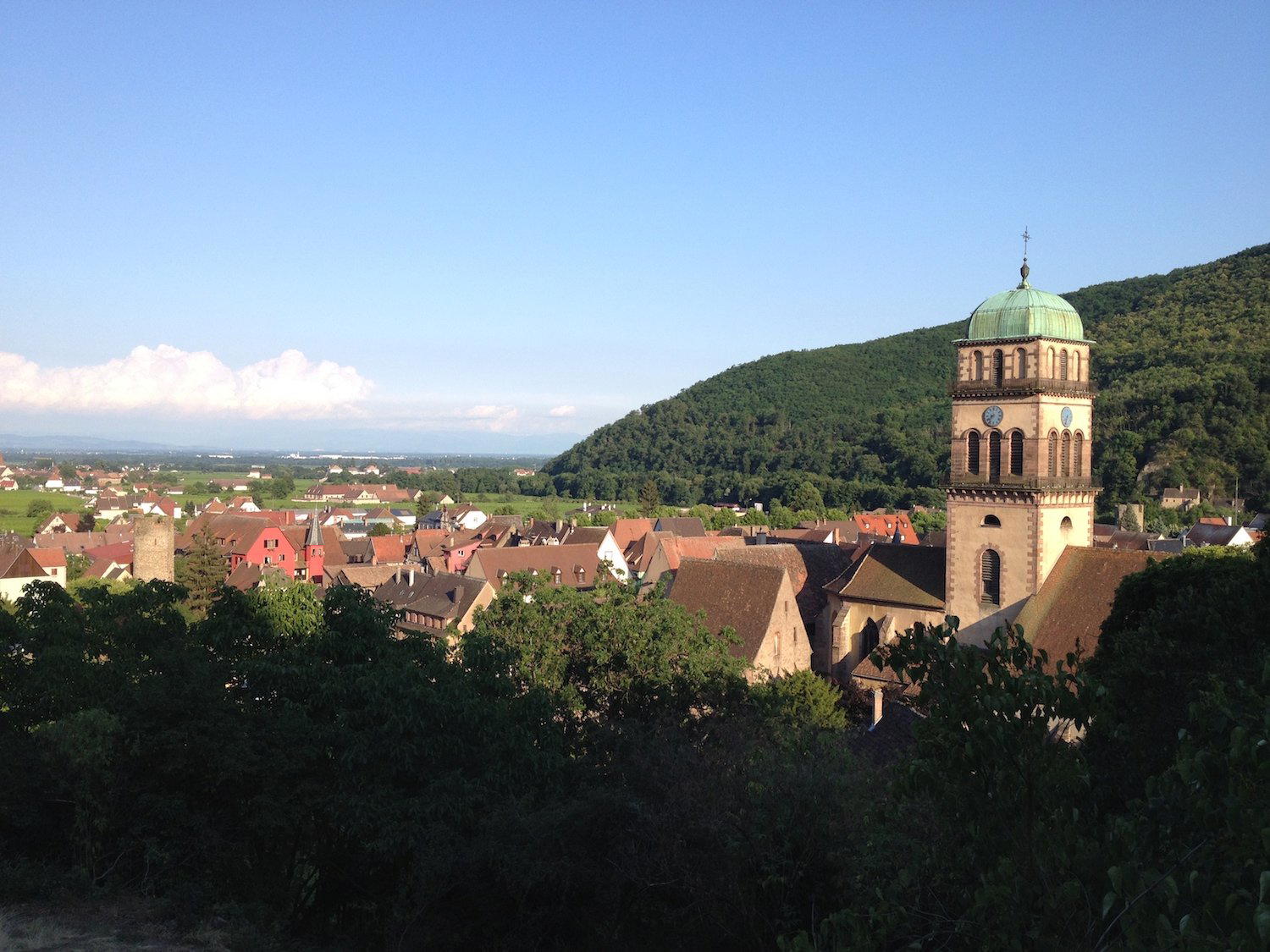
Guebwiller sits at the point where the Vosges mountains press closest to the Rhine plain, a geography that has shaped its food supply for centuries. The town is ringed by Grand Cru vineyards, Kitterlé, Kessler, Saering, Spiegel, and backed by forests and smallholdings that have historically supplied the restaurants and markets of the Haut-Rhin. It is a less-visited corner of Alsace than Colmar or Strasbourg, which means the dining here tends to serve a local rather than tourist economy, a distinction that usually shows in the sourcing.
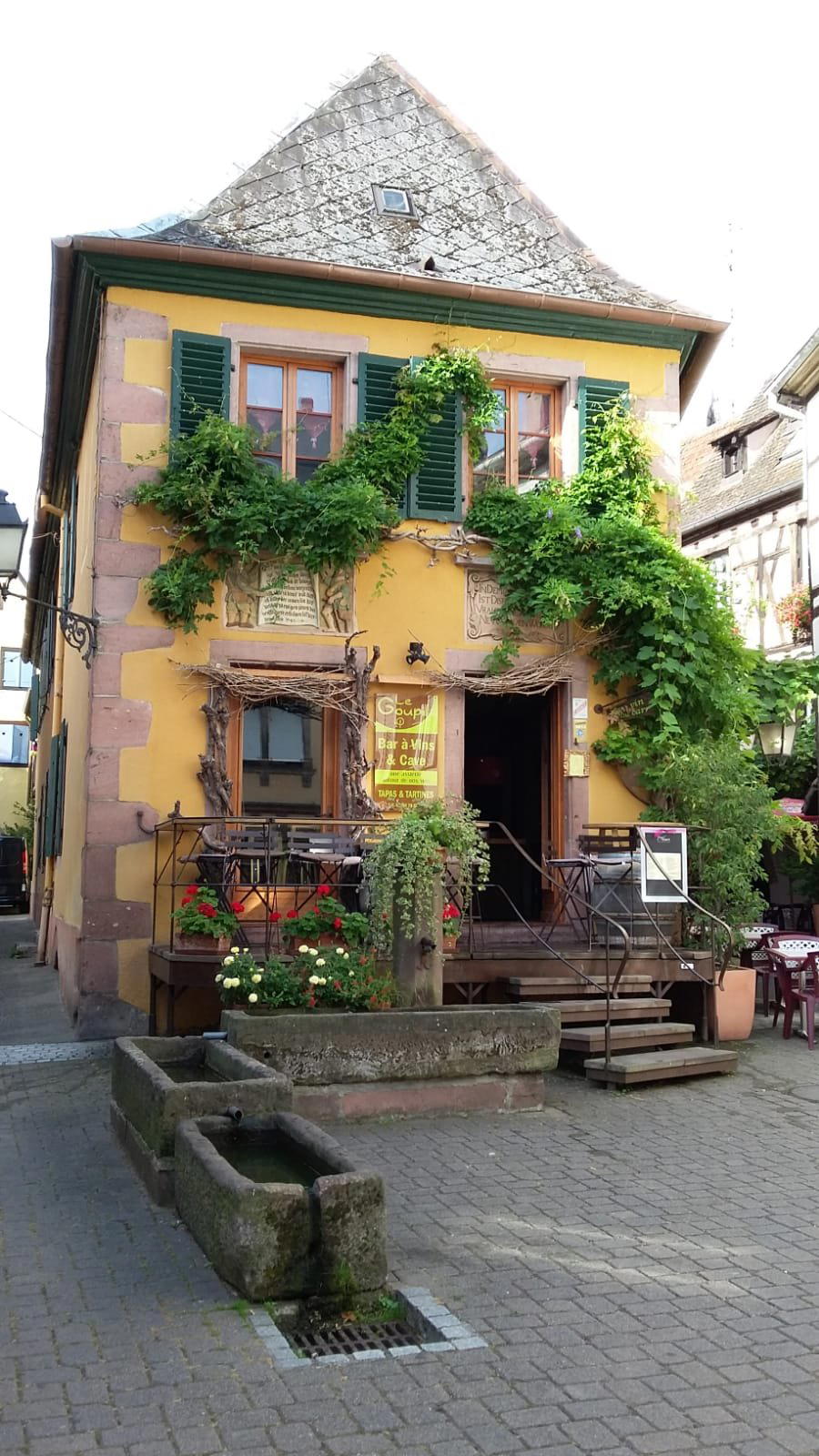
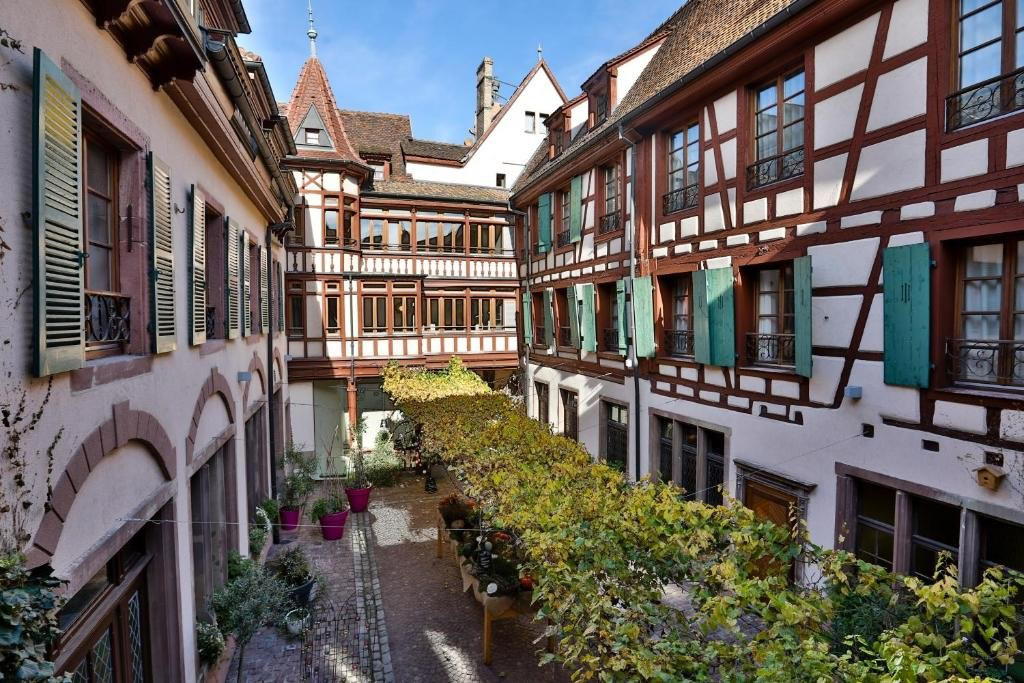
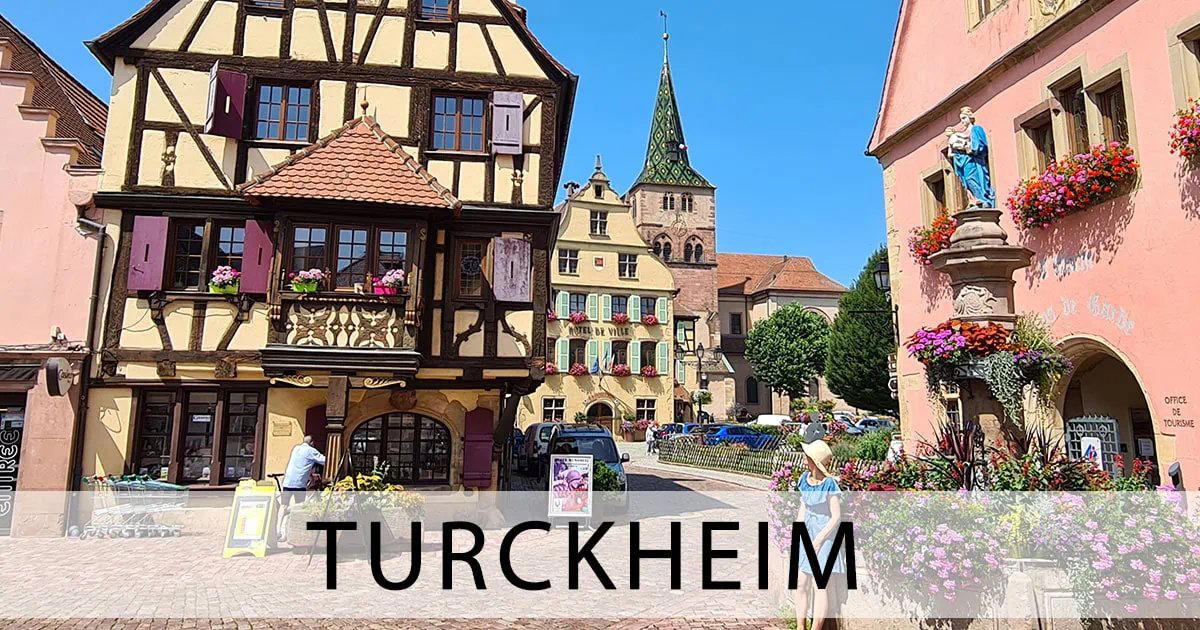
Les Terrasses, at 244 Rue de la République, occupies this context directly. The address places it on Guebwiller's main artery, a street that carries both the town's commercial life and its architectural character: a sequence of sandstone and half-timbered facades that set a register somewhere between workaday and genuinely handsome. Approaching from the south, the street opens gradually, the Vosges foothills visible at the far end of longer sight lines. It is the kind of physical setting that frames a meal before you have sat down.
The Ingredient Logic of the Haut-Rhin
Alsatian cuisine has always operated from a specific larder. The region's position between France and Germany produced a food culture that is neither fully one nor the other: charcuterie traditions drawn from the German side, classical French technique applied to local game and river fish, and a wine-growing culture that provides both the glass and the reduction. The Haut-Rhin, the southern half of the historic Alsace region, concentrates some of that larder's density. Munster cheese comes from valleys twenty kilometres to the north. Foie gras production is embedded in the regional food economy. The Ill river and its tributaries have historically yielded pike, trout, and crayfish for the region's kitchens.
This is the sourcing environment that a restaurant like Les Terrasses operates within. In a town of Guebwiller's scale, the supply chain between producer and kitchen tends to be shorter than in larger cities. That compression is not automatically a virtue, but in a region with this density of quality producers, it often translates into seasonal specificity on the plate. The vine-growing calendar, the hunting season, the rhythm of alpine and valley agriculture: these are the forces that have historically structured menus in southern Alsace, from the simpler winstubs to the more formally set tables.
For a sense of how that sourcing philosophy operates at the formal end of the French spectrum, kitchens like Bras in Laguiole and Mirazur in Menton have built reputations explicitly around terrain-driven ingredient work. In Alsace itself, Auberge de l'Ill in Illhaeusern remains the reference point for regional haute cuisine, operating continuously at three-star level while drawing from the Ill river valley. Les Terrasses works at a different scale and register, but it exists within the same regional food logic.
Dining in a Town That Feeds Itself
Guebwiller's dining scene is smaller and less stratified than Colmar's or Strasbourg's. That concentration has implications for a visitor: there is less redundancy in what is available, and the restaurants that persist in a market this size tend to do so because they have a genuine local following. Tourism supplements that base, but it does not drive it, which usually results in menus and formats calibrated to what the town's own population values rather than what passing visitors expect.
That dynamic positions Les Terrasses within a tier of French regional restaurants that operate below the major award circuits but within a well-defined culinary tradition. The contrast is worth understanding. At the formally recognised end of Alsatian and northeastern French dining, Au Crocodile in Strasbourg, or further afield, Assiette Champenoise in Reims, the expectation is multi-course precision with extensive wine service. At the other end, the regional winstub format offers tarte flambée and choucroute in a convivial, unlabelled register. Les Terrasses, from its address and context, likely occupies the territory between those poles: a table-service restaurant with enough seriousness to reward a considered visit, without the full apparatus of a destination tasting-menu house.
For broader reference across French regional cooking, Georges Blanc in Vonnas and L'Oustau de Baumanière in Les Baux illustrate how deep-rooted regional identity can sustain a restaurant across generations. Closer to the high-modernist end, Alléno Paris au Pavillon Ledoyen and Flocons de Sel in Megève show how mountain and terroir narratives translate at the three-star level. Les Terrasses operates without that formal apparatus, which makes the sourcing context around it all the more relevant as a frame for what the kitchen is likely doing.
Planning a Visit to Guebwiller
Guebwiller is accessible from Mulhouse (approximately 25 kilometres south) and Colmar (roughly 20 kilometres north), both of which have rail connections. The town is a practical base for exploring the southern Alsace wine route, with the Grand Cru vineyards of the Florival valley directly accessible on foot or by bicycle. The most productive seasons for the regional larder are late spring through early autumn, when local produce is at its densest and the wine harvest adds an additional layer of activity to the area. Visitors combining a meal at Les Terrasses with the broader dining circuit in the region should also consider L'Angélus, which operates in the same town and rounds out the local picture. For a full account of where to eat and drink in the area, our full Guebwiller restaurants guide covers the scene in more detail.
Current booking information, hours, and pricing for Les Terrasses are best confirmed directly via the address at 244 Rue de la République. Given the restaurant's position in a smaller market, reservations are advisable for weekend evenings, when local demand tends to concentrate.
Frequently asked questions
Is Les Terrasses good for families?
Guebwiller's dining scene is smaller and less formal than Colmar or Strasbourg, which tends to suit relaxed, multi-generational meals. Les Terrasses sits on the Rue de la République, the town's central artery, making it straightforwardly reachable without complex logistics.
Is Les Terrasses better for a quiet night or a lively one?
Guebwiller is a working Alsatian market town rather than a tourist hub, so the baseline tempo at its restaurants is generally measured rather than loud. Les Terrasses, positioned on the main Rue de la République, will see more foot traffic on weekend evenings than midweek. For confirmed atmosphere details, reaching out to the venue ahead of a visit is advisable.
What makes Les Terrasses a notable dining option in the southern Alsace region?
Les Terrasses is one of the few sit-down addresses in Guebwiller, a town positioned roughly 25 kilometres north of Mulhouse and 20 kilometres south of Colmar, placing it at the geographic centre of the Haut-Rhin wine and produce corridor. That location, rather than proximity to a major city's restaurant concentration, shapes the proposition: sourcing from the Vosges foothills and Rhine plain is a matter of geography as much as choice. For travellers moving between Mulhouse and Colmar, Guebwiller offers a less-trafficked stop with local character that the larger towns can no longer replicate.
What should I eat at Les Terrasses?
The Haut-Rhin larder that surrounds Guebwiller, foothills game, Rhine plain vegetables, and wines from vineyards pressing close to the Vosges, sets the ingredient logic for restaurants in this part of Alsace.
Where is Les Terrasses in Guebwiller?
Les Terrasses is located at 244 Rue de la République, 68500 Guebwiller, France, Guebwiller.
Is Les Terrasses reservation-only?
In smaller Alsatian towns like Guebwiller, where dining options are fewer than in Colmar or Strasbourg, tables at well-regarded addresses fill quickly, particularly on Friday and Saturday evenings. Contacting the venue at 244 Rue de la République ahead of your visit is the safest course.
Comparison Snapshot
Comparable venues nearby, for context on price, style, and recognition.
| Venue | Cuisine | Price | Notes |
|---|---|---|---|
| Les TerrassesThis venue (the venue you are viewing) | Alsatian Bistronomic French | $30–50 | Not listed |
| L'Angélus | French Brasserie | $20–30 | Rue de la République |
| La Palette | French-Alsatian Bistro | $30–50 | Wettolsheim |
| Le Rosenmeer | Alsatian French Gastronomic | Not listed | Rosheim |
| La Maison des Tanneurs | Traditional Alsatian Winstub | $30–50 | Centre |
| L'Essentiel | Modern French Gastronomic | $50–100 | centre historique |
Continue exploring
More in Guebwiller
Restaurants in Guebwiller
All restaurants in Guebwiller →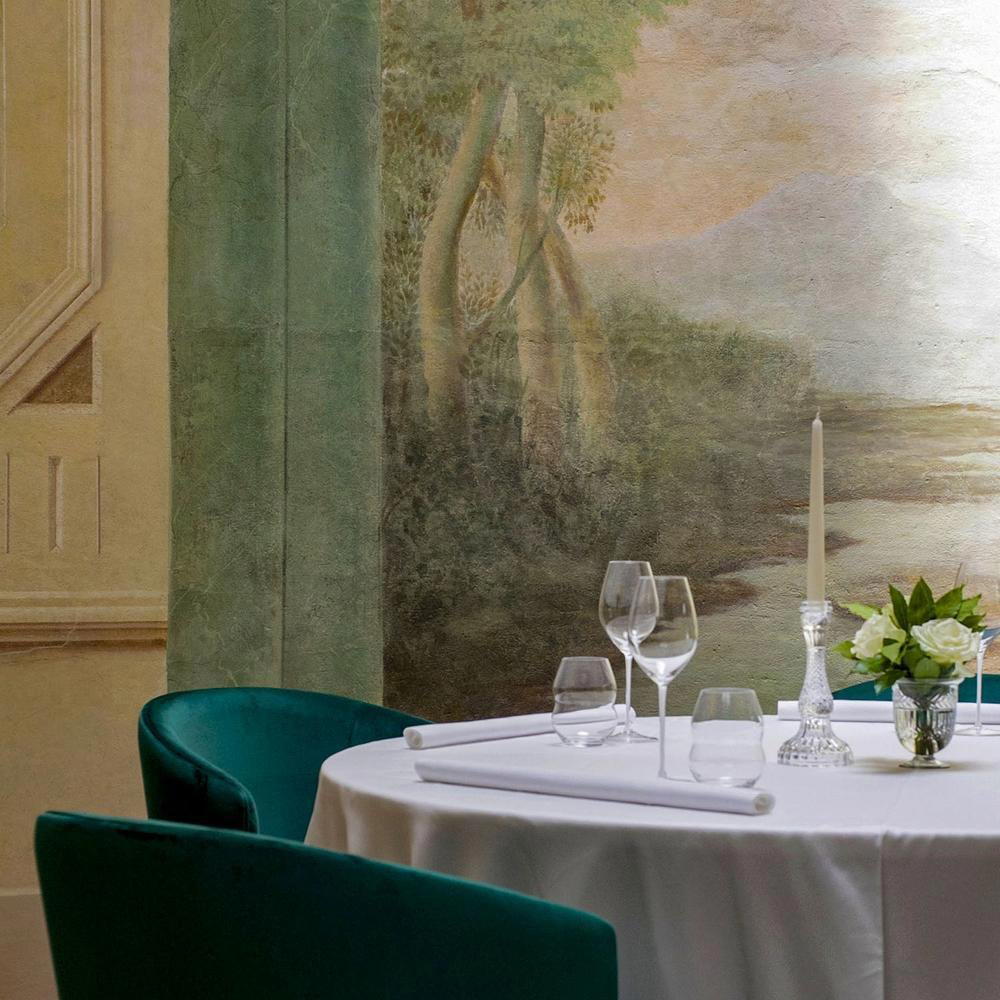
Bars in Guebwiller
Browse all →

Details
- Scenic
- Elegant
- Cozy
- Date Night
- Family
- Special Occasion
- Terrace
- Local Sourcing
- Garden
- A La Carte
Current opening hours
- Monday
- 12–2 PM, 6:30–9:30 PM
- Tuesday
- 12–2 PM, 6:30–9:30 PM
- Wednesday
- 12–2 PM, 6:30–9:30 PM
- Thursday
- Closed
- Friday
- 6:30–9:30 PM
- Saturday
- 6:30–10 PM
- Sunday
- 12–2 PM
Hours can change for holidays and private events. Hours as of .
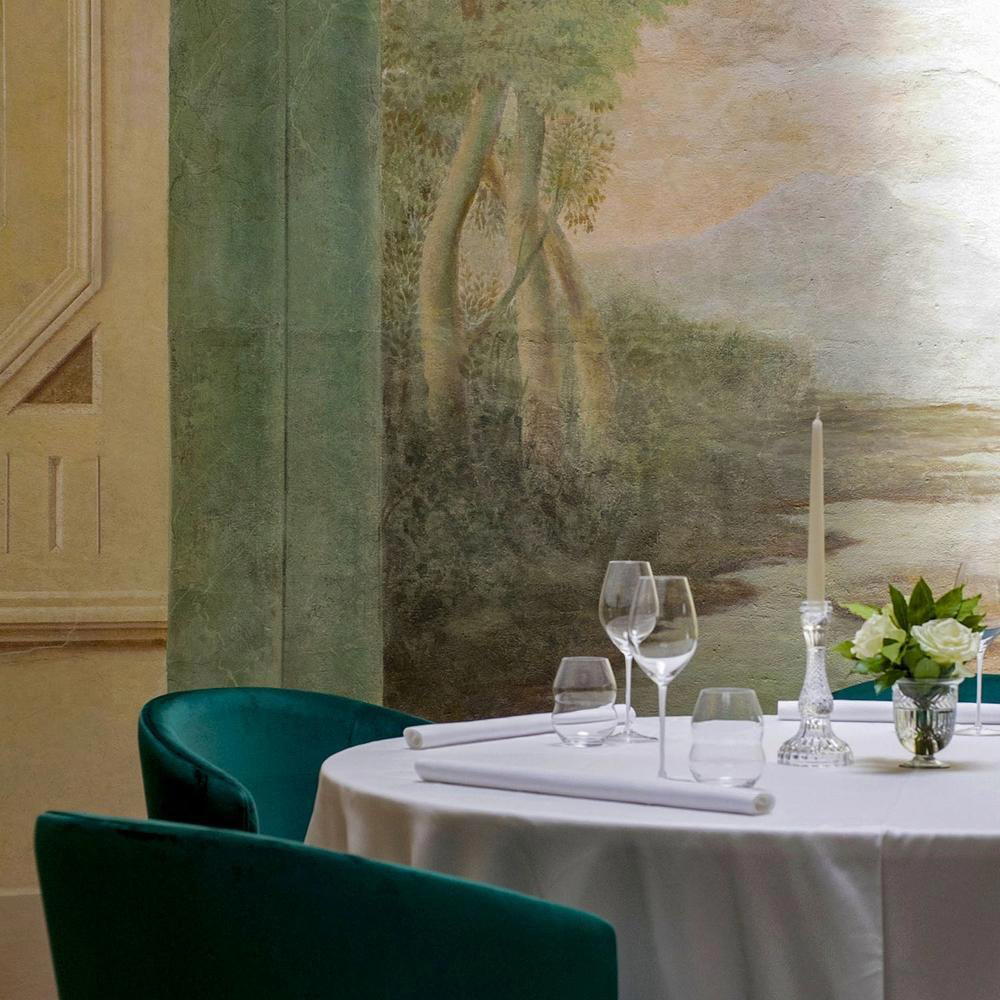
Lumineux et apaisant with vast bay windows offering notable lake panoramas, bucolic, calm, and verdoyant atmosphere.