Friesacher sits on Hellbrunnerstraße in Anif, a village just south of Salzburg that punches above its size in serious dining. The restaurant occupies a corner of Austria's broader tradition of ingredient-led regional cooking, where provenance and seasonal discipline carry more weight than spectacle. For visitors moving between Salzburg's centre and the surrounding alpine villages, it represents a locally grounded alternative to the city's more formal dining circuit.
Pearl is the En Primeur Club membership app — saves, bookings, and concierge access live there. Same editors, same standards.
- Address
- Hellbrunnerstraße 17, 5081 Anif, Austria
- Phone
- +434362468977
- Website
- friesacher.com
- Directions
- Get directions
 Saves & bookings on Pearl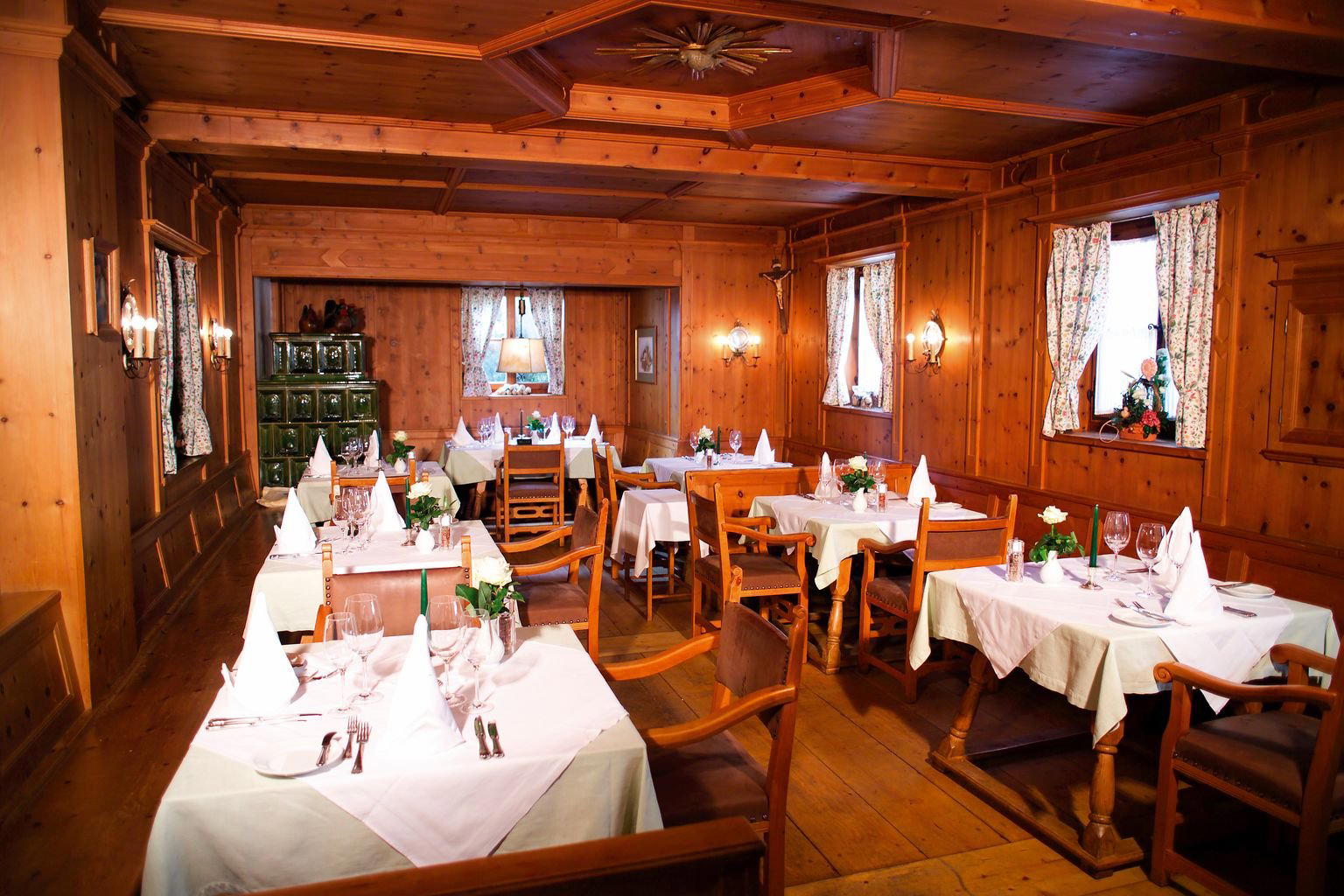
South of Salzburg, Where the Cooking Stays Grounded
The road south from Salzburg into Anif takes fewer than ten minutes, but the shift in register is immediate. The baroque grandeur of the city gives way to a quieter residential stretch, with the Untersberg massif pressing close on the western horizon. This is the terrain that defines a particular strand of Austrian cooking: produce drawn from short supply chains, kitchens that answer to a regional larder rather than a global one, and dining rooms where the room itself does not compete with the plate. Friesacher, at Hellbrunnerstraße 17, Anif, belongs to this tradition. The address places it in the orbit of Hellbrunn Palace, among the more frequently visited sites in the Salzburg area, which means the surrounding landscape carries both tourist traffic and a strong local identity, a combination that tends to sharpen rather than dilute a restaurant's sense of place.
The Salzburg Region's Approach to Ingredient Sourcing
Austrian regional cooking at its most considered is built on proximity. The Salzburg and Salzkammergut regions give kitchens access to alpine dairy, freshwater fish from cold mountain lakes and rivers, game from nearby forests, and a vegetable season that arrives late and leaves early, which creates genuine scarcity discipline. Restaurants that work seriously within these constraints tend to cook differently from those that source broadly: menus shift with supply rather than being engineered for consistency, and the gap between what grows locally and what reaches the plate is narrow enough to taste.
This sourcing logic is not distinctive to Anif, but it is well-represented in the village's dining circuit. Kombu and Maximilian's operate nearby, and between them Anif holds a concentration of serious cooking that is disproportionate to its population. The context matters because it tells you something about the guests who seek out this stretch of road: they are not here by accident, and the kitchens know it.
Further afield, the tradition that Friesacher connects to is well-documented across Austrian fine dining. Döllerer in Golling an der Salzach has built its identity on exactly this kind of alpine sourcing discipline, with a particular focus on what the Salzach valley and surrounding mountains provide. Obauer in Werfen has worked the same regional logic for decades, and Kräuterreich by Vitus Winkler in Sankt Veit im Pongau has made herb cultivation and foraging a structural part of its kitchen program. These are not outliers; they represent a mainstream of serious Austrian cooking that treats the local larder as a non-negotiable starting point rather than a marketing angle.
Where Friesacher Sits in the Regional comparable set
The Austrian fine dining tier that operates outside Vienna's gravitational pull has its own internal hierarchy. At one end sit multi-awarded destination restaurants that draw international visitors specifically for the cooking: Steirereck im Stadtpark in Vienna, which has held a position among Europe's most discussed restaurants for years, and Landhaus Bacher in Mautern an der Donau, which has earned sustained Michelin recognition over a long operating history. Further into the alpine regions, restaurants like Gourmetrestaurant Tannenhof in Sankt Anton am Arlberg, Stüva in Ischgl, and Griggeler Stuba in Lech operate within a ski-resort premium context that shapes both pricing and guest expectations.
Friesacher's position in this map is village-local rather than destination-driven in the international sense. That distinction matters for how you should approach a visit. You are not traveling to Anif solely for this restaurant in the way you might travel to Werfen for Obauer. You are, more likely, already in the Salzburg orbit and making a considered choice about where to eat within it. The village setting and the address suggest a dining room that serves the local community as much as it serves visitors, which in Austria is often the condition under which honest cooking happens.
For contrast at the creative edge of Austrian cooking, Taubenkobel in Schützen am Gebirge and Ikarus in Salzburg represent a different register entirely, one oriented toward formal experimentation. Schwarzer Adler in Hall in Tirol and Ois in Neufelden sit closer to the community-rooted model. Restaurant 141 by Joachim Jaud in Mieming demonstrates that the alpine villages west of Salzburg have developed their own serious dining identity alongside the Salzburg cluster. If you want to compare ingredient-led approaches across different contexts internationally, Le Bernardin in New York City and Lazy Bear in San Francisco show how sourcing philosophy translates across cuisines and formats.
Planning a Visit to Anif
Anif is reachable from Salzburg's centre by car in under fifteen minutes, or by a short regional bus connection. The village sits just inside the Austrian border with Germany, which means it is also a logical stop for visitors arriving from Munich by road. The Hellbrunnerstraße address places Friesacher close to the palace grounds, making it a natural pairing with an afternoon visit to Hellbrunn's gardens and water features, which remain one of the more underrated baroque attractions in the Salzburg region. For a broader picture of what the village offers across price points and formats, our full Anif restaurants guide maps the options across the local dining circuit.
Side-by-Side Snapshot
Comparable venues nearby, for context on price, style, and recognition.
| Venue | Cuisine | Price | Notes |
|---|---|---|---|
| FriesacherThis venue — the venue you are viewing | Austrian Farm-to-Table Fine Dining | $$$ | Not listed |
| Maximilian's | Classic Austrian Fine Dining | $$$ | Anif |
| Kombu | Japanese Fusion | $$$ | Anif |
| Bangkok | Traditional Austrian | $$$ | Schallmoos West |
| Kirchenwirt | Regional Austrian Seasonal Cuisine | $$$ | Straßwalchen |
| St. Peter Stiftskulinarium | Austrian-Mediterranean Fine Dining | $$$ | Linke Altstadt |
At a Glance
- Classic
- Cozy
- Elegant
- Rustic
- Date Night
- Business Dinner
- Family
- Special Occasion
- Hotel Restaurant
- Garden
- Historic Building
- Craft Cocktails
- Farm To Table
- Local Sourcing
- Garden
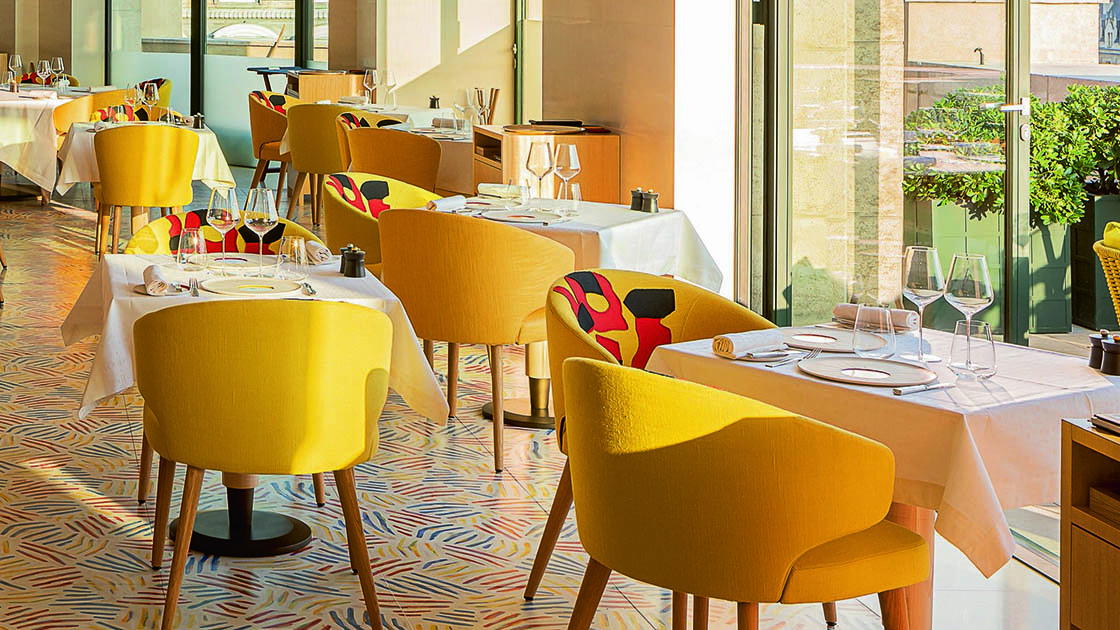
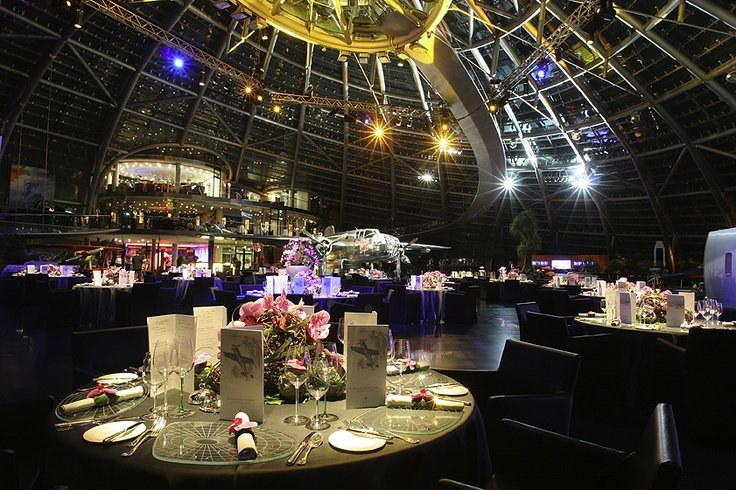
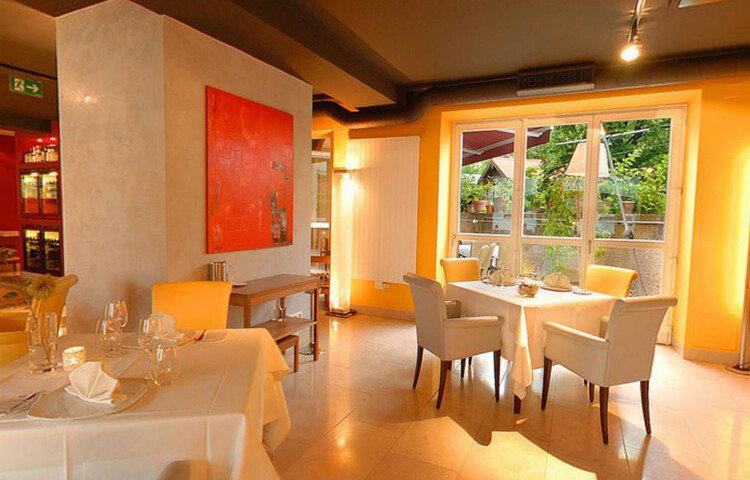
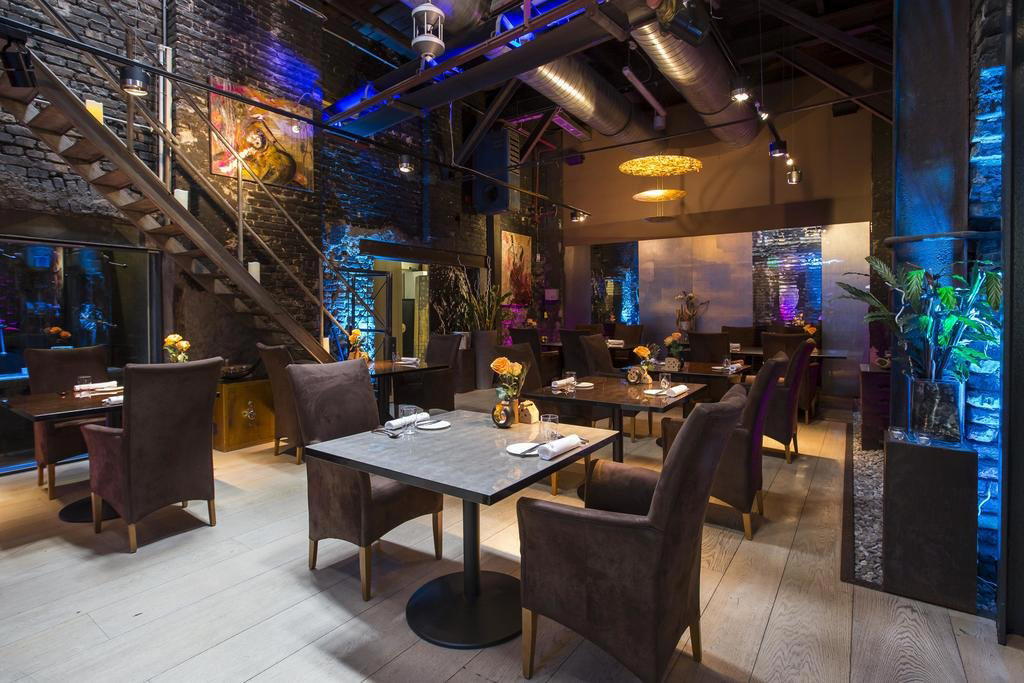
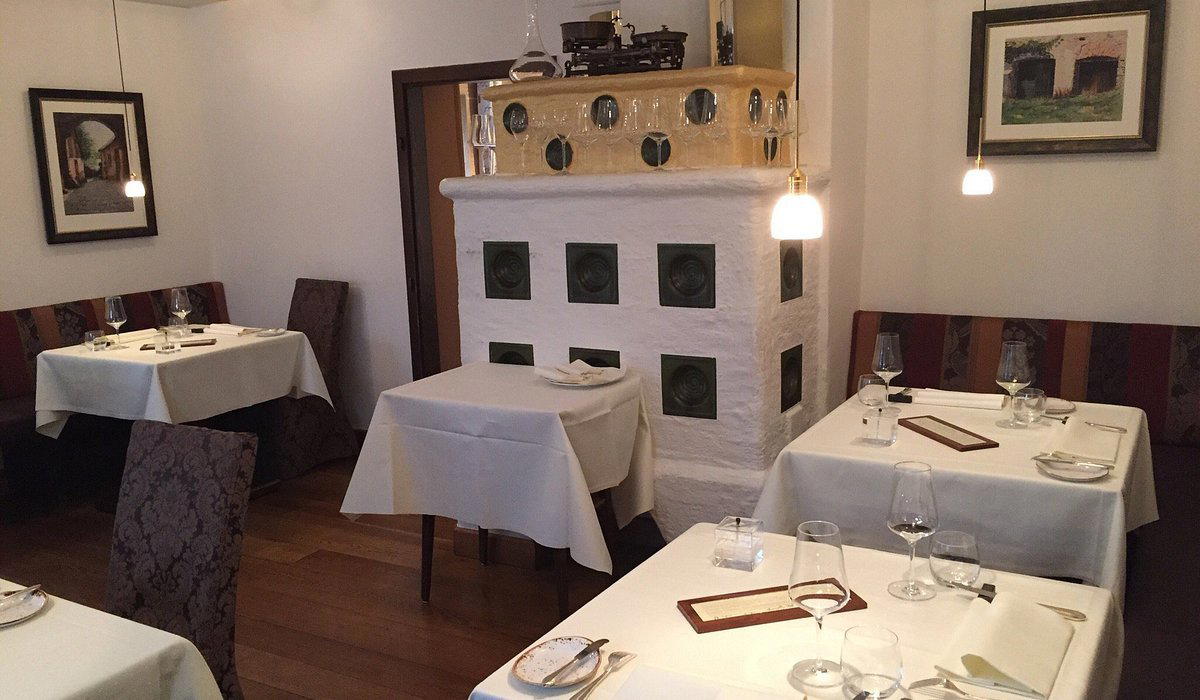
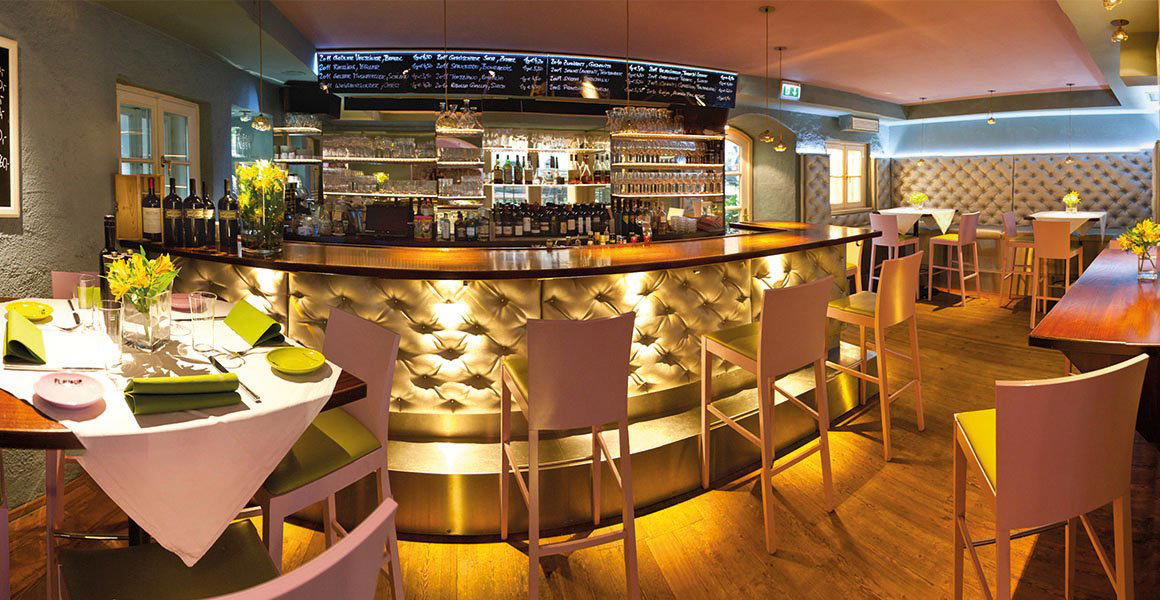
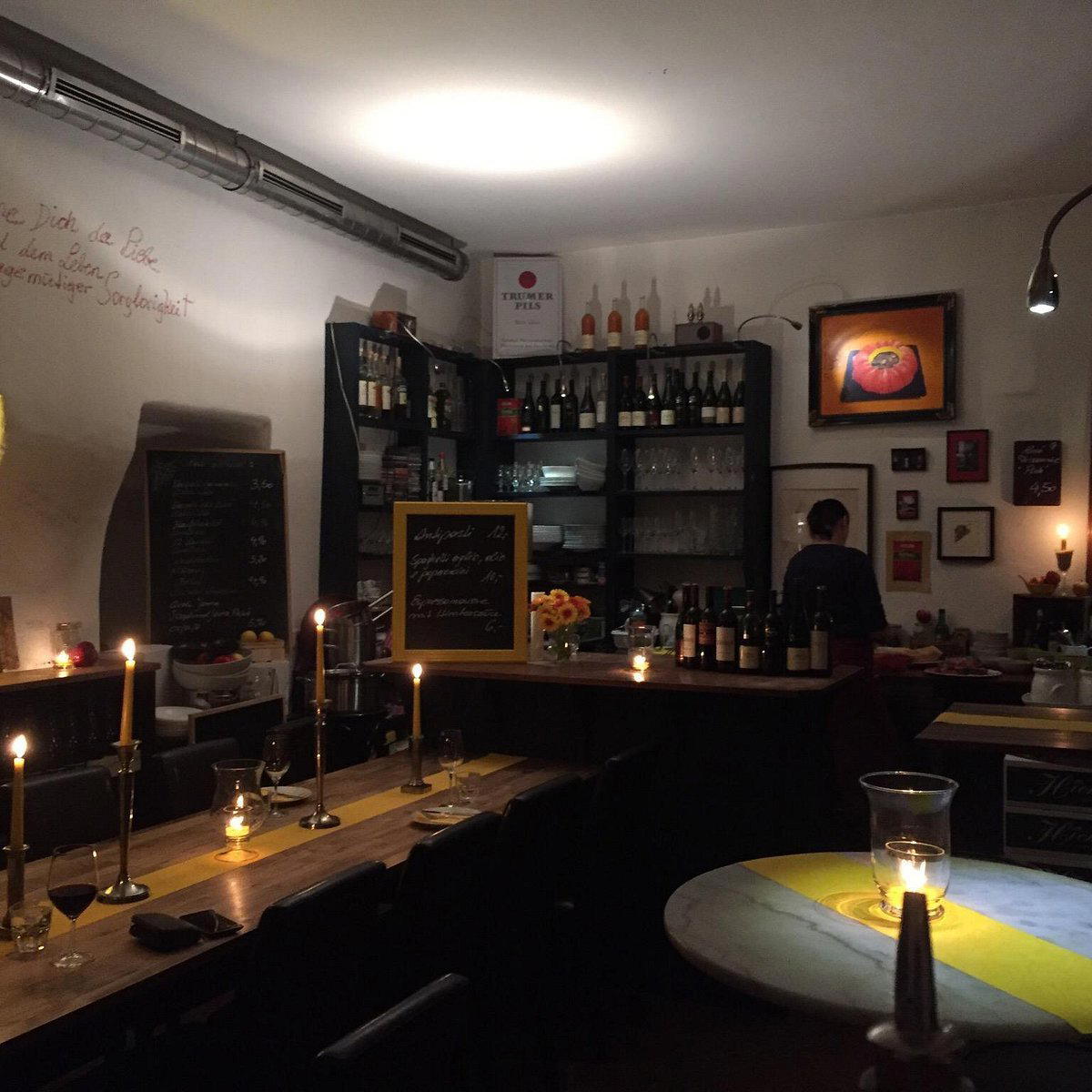
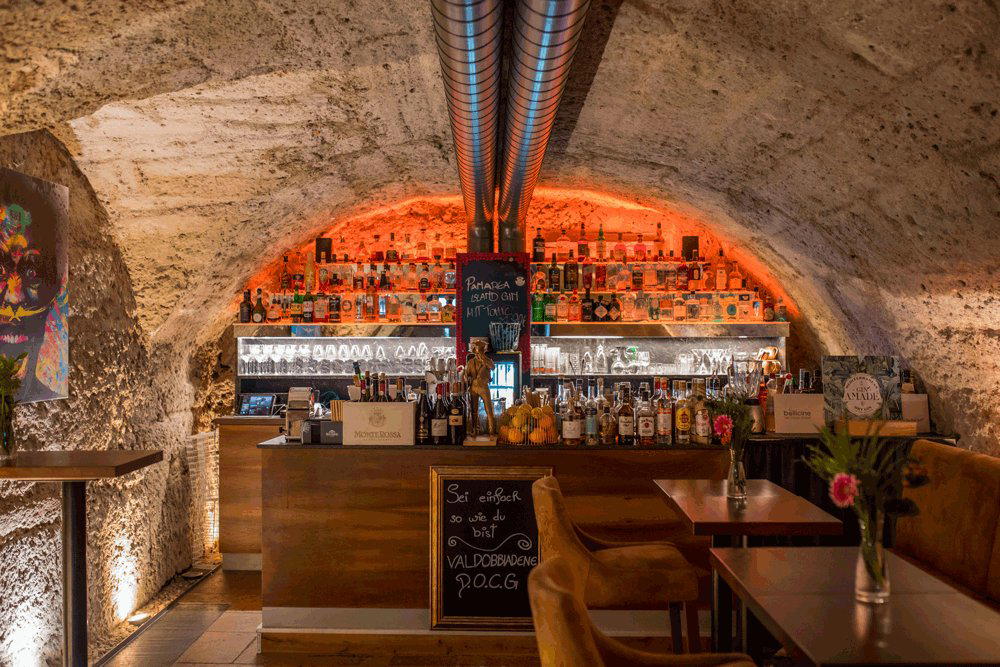
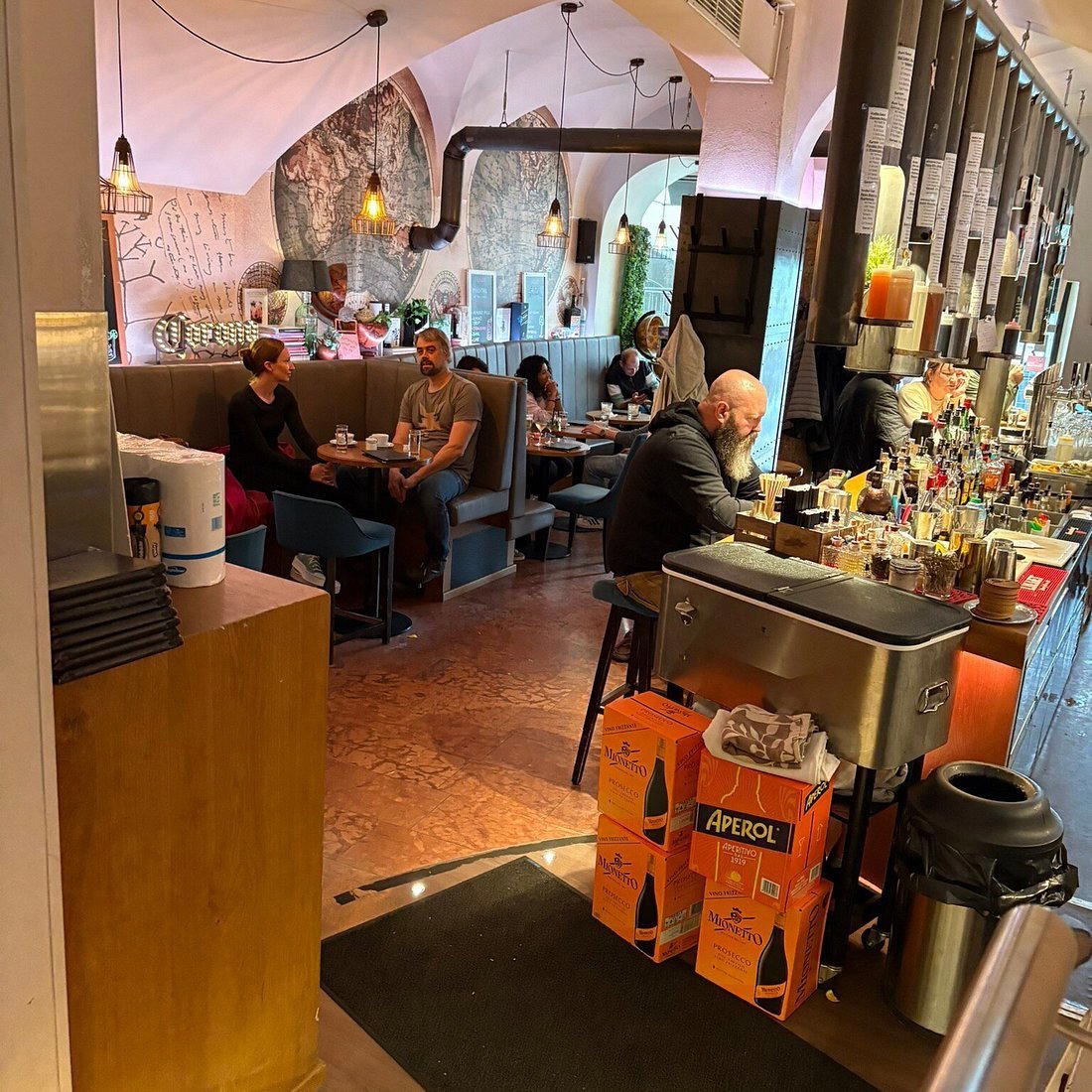
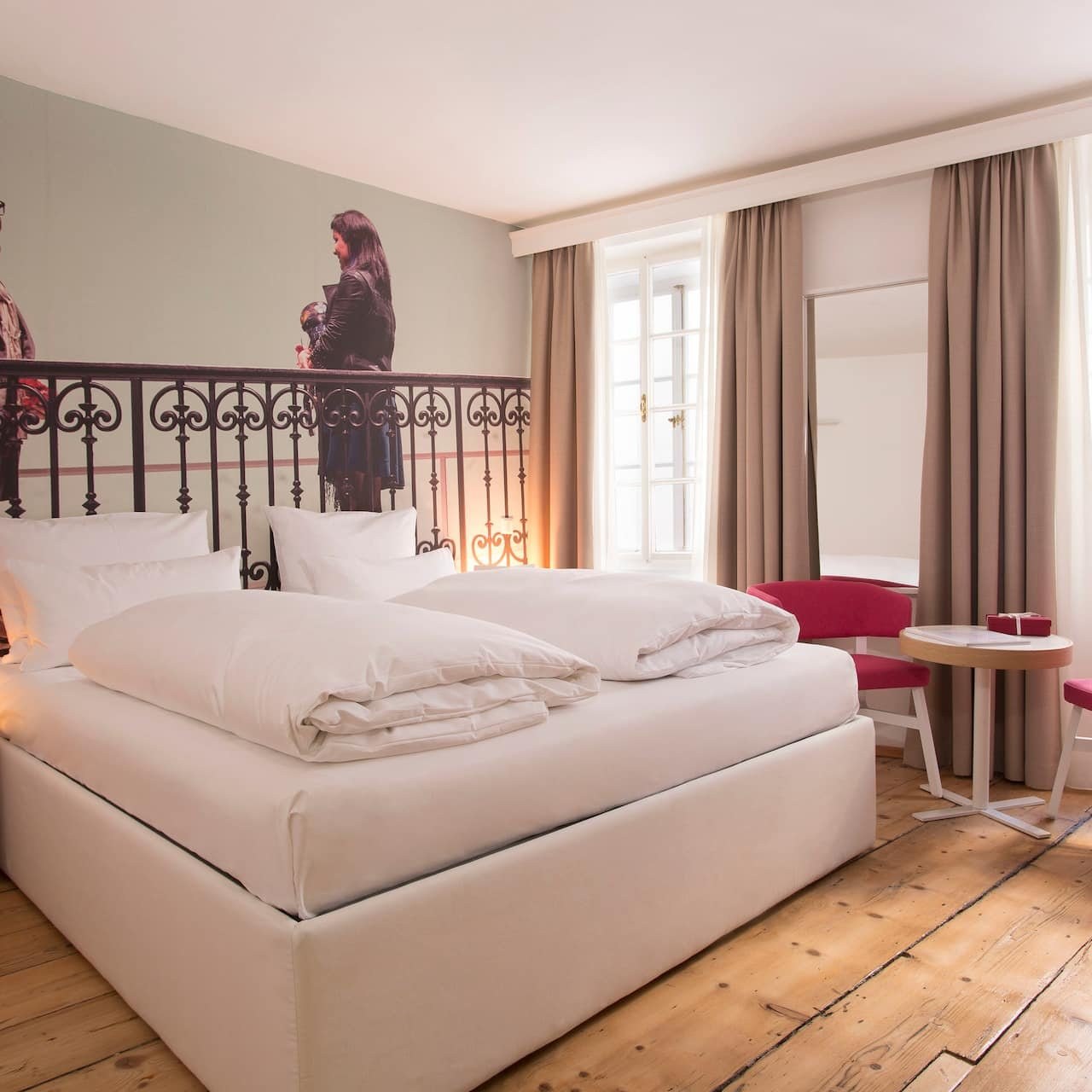
A traditional Austrian, homely hotel-restaurant atmosphere in green, peaceful surroundings, combining classic hospitality with renovated modern comfort.