

Wine Spectator Award of Excellence
Our verdict
Barbacoa serves Brazilian rodizio steakhouse dining with picanha, rack of lamb and ancho steak, backed by an extensive wine list and Wine Spectator recognition.

Pearl is the En Primeur Club membership app, where members save venues, book tables and use the concierge.
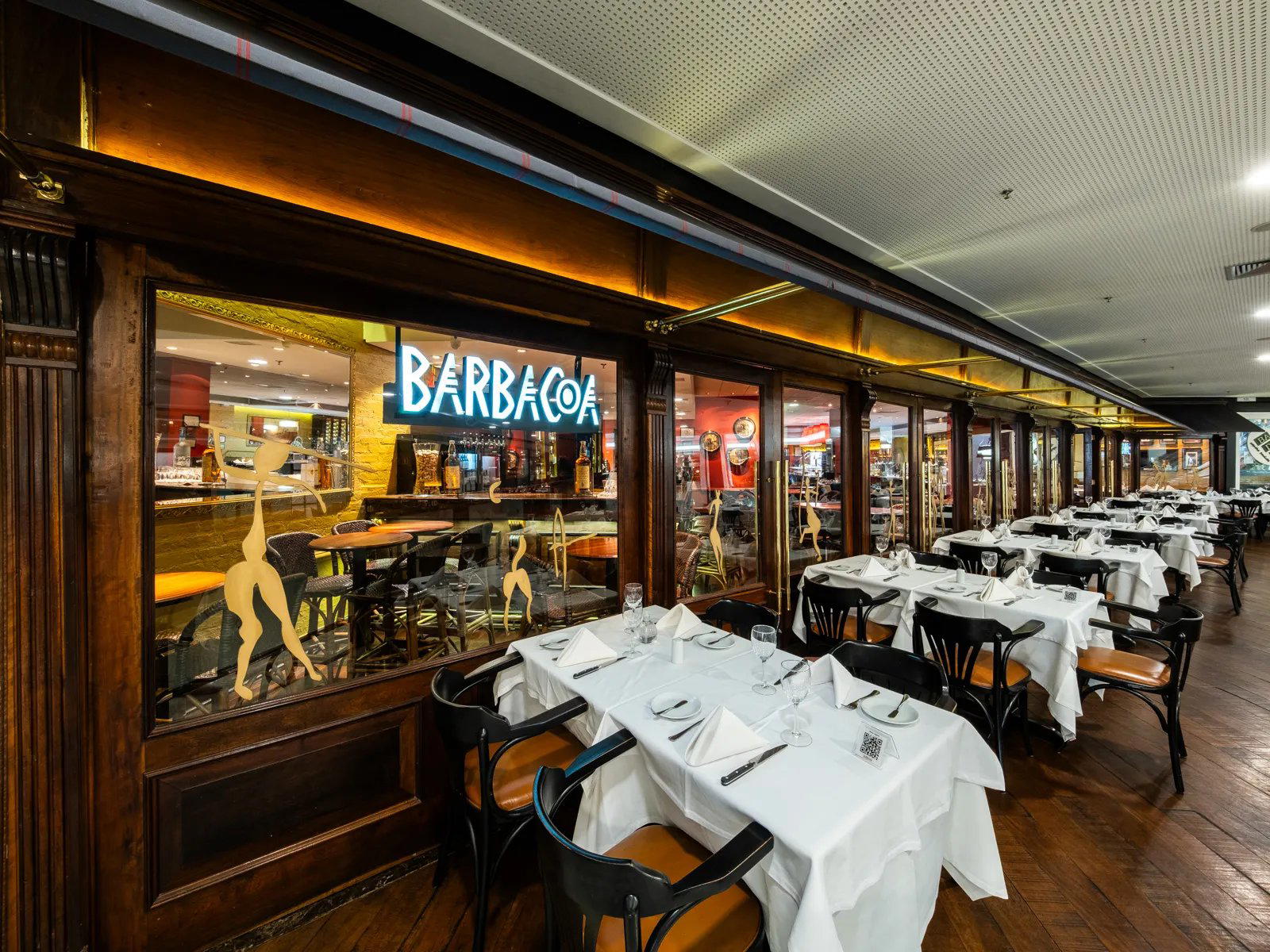
Itaim Bibi and the Grammar of Brazilian Grilling
Rua Dr. Renato Paes de Barros runs through one of São Paulo's most commercially dense corridors, where finance offices and upscale apartment towers share blocks with restaurants that serve a clientele accustomed to eating well on someone else's schedule. The address alone signals something about Barbacoa's positioning: this is Itaim Bibi, a neighbourhood where a restaurant's durability depends less on novelty and more on delivering a consistent, legible experience to repeat visitors. In that context, a churrascaria format is not a retreat to simplicity, it is a studied commitment to a tradition that São Paulo's dining culture has always treated as foundational.
Brazilian churrasco, in its formal restaurant expression, operates through a logic that differs substantially from the à la carte model that dominates São Paulo's higher-end creative cooking scene. The structure is additive and theatrical: cuts circulate, the pace is set by the kitchen's rotation rather than the diner's order, and the menu reveals itself through movement. Where tasting menus at places like D.O.M. or Tuju use sequence and contrast to build an argument, the churrascaria uses abundance and selection to create a different kind of editorial point, one about the depth of Brazil's meat culture and the craft embedded in its execution.
How the Menu Architecture Works
The rodízio format, which Barbacoa operates within, is among the more demanding menu structures for a kitchen to sustain at consistent quality. Every table receives the same rotating sequence of cuts, which means there is no hiding behind a single signature dish. The grill station's output is the product, repeated across every service, and the variance between a passable version and a sharply executed one comes down to fire control, resting discipline, and the point at which each cut is presented to the table.
This structure also functions as a legibility exercise for the diner. Unlike the increasingly elaborate tasting formats offered at Evvai or the creative Brazilian-international hybrids at Maní, a rodízio menu announces its terms upfront. There is no decoding required. What varies is how a given house interprets the canon: which cuts it prioritises, how it handles the transition from leaner to fattier proteins, how the side table is composed, and whether the bread and accompaniments are treated as afterthoughts or as structural counterweights to the main sequence.
At Barbacoa's Itaim Bibi address, the emphasis is on the kind of polished, urban churrasco that São Paulo's business dining circuit expects: more controlled than a roadside churrascaria, less experimental than what you might find at the creative end of our full São Paulo restaurants guide. That positioning is a deliberate choice about audience, not a limitation of ambition.
Placing Barbacoa in the São Paulo Dining Conversation
São Paulo's restaurant scene has, over the past decade, stratified considerably. At the creative apex, Brazilian cuisine is being reframed through contemporary technique, a conversation that includes not only D.O.M. and Tuju but extends to newer voices at Fame Osteria and beyond. Below that tier, a substantial mid-market of reliable, format-driven restaurants serves the city's professional class, which is enormous and eats out frequently.
Churrascarias occupy a specific and durable position in that mid-to-upper tier. They are not competing with the tasting-menu circuit for critical attention, but they are also not priced or positioned for the casual end of the market. The comparison set for Barbacoa is not D.O.M. or Oteque in Rio de Janeiro, it is the handful of polished, full-service churrascarias that serve São Paulo's business lunch and corporate dinner market. Within that peer group, location discipline and format consistency are the differentiating variables.
Itaim Bibi's density of corporate headquarters and high-income residents means the lunch service at addresses on this street tends to be among the most commercially demanding in the city. A restaurant that survives and repeats here is one that has solved for speed, consistency, and price tolerance in a particular way. That is a different kind of craft from what you find at Manu in Curitiba or Manga in Salvador, but it is not a lesser one.
For readers exploring Brazil's broader dining geography, the churrasco tradition extends well beyond São Paulo's polished urban expressions. Birosca S2 in Belo Horizonte represents a different regional register, while Orixás North Restaurant in Itacaré and State of Espírito Santo in Rio Bananal point to how Brazilian food traditions diverge dramatically once you leave the major urban centres. Even within São Paulo state, Mina in Campos do Jordão and Olivetto Restaurante e Enoteca in Campinas operate within quite different culinary frames. The format discipline that Barbacoa represents is a specifically São Paulo phenomenon.
Planning a Visit
Barbacoa sits on Rua Dr. Renato Paes de Barros in Itaim Bibi, one of the neighbourhood's main commercial arteries and well served by São Paulo's ride-share infrastructure. The area is walkable from Vila Olímpia and within easy reach of Faria Lima's financial district, making it a natural choice for business lunches or early dinners before the evening rush. Rodízio formats typically run at lunch and dinner with service structured around the kitchen's rotation rather than individual courses, so arriving at the beginning of a service window rather than mid-session gives the full sequence. Given the neighbourhood's corporate character, weekday lunches tend to be the busiest period; weekend dinners are generally more relaxed in pace.
For international visitors building a São Paulo itinerary across both creative and traditional registers, pairing a visit here with reservations at D.O.M. or Tuju gives a useful structural contrast. The same city that is generating some of South America's most ambitious tasting menus is also sustaining a tradition of grilled meat culture that requires no introduction and no explanation, and that contrast is, in itself, a legible picture of how São Paulo eats. Elsewhere in South America, similarly format-committed restaurants at the other end of the culinary spectrum, such as Le Bernardin in New York City or Lazy Bear in San Francisco, show how format discipline at the high end translates across very different cultural contexts. São Paulo's churrascaria tradition is, in that sense, its own kind of format rigour, one built on fire rather than technique, but no less demanding for it. Further south, Primrose in Gramado and Castelo Saint Andrews in Gramado illustrate how southern Brazil's European-inflected food culture produces a different kind of formality altogether.
Frequently asked questions
What's the address for Barbacoa?
Barbacoa is located at R. Dr. Renato Paes de Barros, 65 - Itaim Bibi, São Paulo - SP, 04530-000, Brazil, São Paulo.
How does Barbacoa fit into the broader São Paulo churrascaria scene?
Barbacoa occupies Itaim Bibi, the neighbourhood that arguably carries the highest concentration of São Paulo's expense-account dining, placing it in direct conversation with the city's most commercially serious restaurant corridor. Brazilian churrascaria in this part of the city competes on cut quality, sourcing, and service tempo rather than novelty, the rodízio format leaves little room to obscure gaps. For visitors mapping the São Paulo meat-dining scene, Itaim Bibi addresses on Rua Dr. Renato Paes de Barros are a reliable indicator of a venue operating for a demanding local repeat clientele.
What do regulars order at Barbacoa?
At a rodízio operation like Barbacoa in Itaim Bibi, the ordering logic is reversed, the kitchen comes to you, cycling through cuts until you signal otherwise. Regulars tend to pace themselves around the prime beef cuts rather than loading up early on lighter options, which is the standard strategic approach at any serious São Paulo churrascaria.
Can I walk in to Barbacoa?
Barbacoa sits on Rua Dr. Renato Paes de Barros, one of Itaim Bibi's busier commercial corridors, and foot traffic in the neighbourhood runs high, particularly at lunch when the surrounding finance and corporate offices turn out. Walk-ins are more viable at off-peak hours; for weekend dinners, advance contact with the venue directly is the safer approach.
What's the defining dish or idea at Barbacoa?
The defining idea is the rodízio structure itself, not any single cut, but the kitchen's ability to maintain consistent quality across a continuous rotation of grilled meats. In São Paulo's competitive churrascaria circuit, that consistency over the full course of a meal is where operations are genuinely differentiated.
Recognition Snapshot
Comparable venues nearby, for context on price, style, and recognition.
| Venue | Cuisine | Price | Awards | Notes |
|---|---|---|---|---|
| BarbacoaThis venue (the venue you are viewing) | Brazilian Rodizio Steakhouse | $30–50 | Wine Spectator Award of Excellence | Not listed |
| Dalva e Dito | Modern Brazilian Comfort Food | $50–100 | Not listed | Jardim Paulista |
| Urus Brazilian Steakhouse | Modern Brazilian Steakhouse with Ancestral Beef | Not listed | Not listed | Pinheiros |
| Rota do Acarajé | Bahian Brazilian | $20–30 | Not listed | Santa Cecilia |
| Rodeio | Traditional Brazilian Churrascaria | $50–100 | Not listed | Jardim Paulista |
| Jam Jardins Japanese Cusine | Japanese Fusion | Not listed | Not listed | Jardim Paulista |
Recognition history
Dated appearances from independent guides and award organizations, with the underlying list record or original source where available.
Opinionated About Dining Top Restaurants in South America Ranked #74
Opinionated About Dining
Wine Spectator Award of Excellence
Wine Spectator
Continue exploring
More in São Paulo
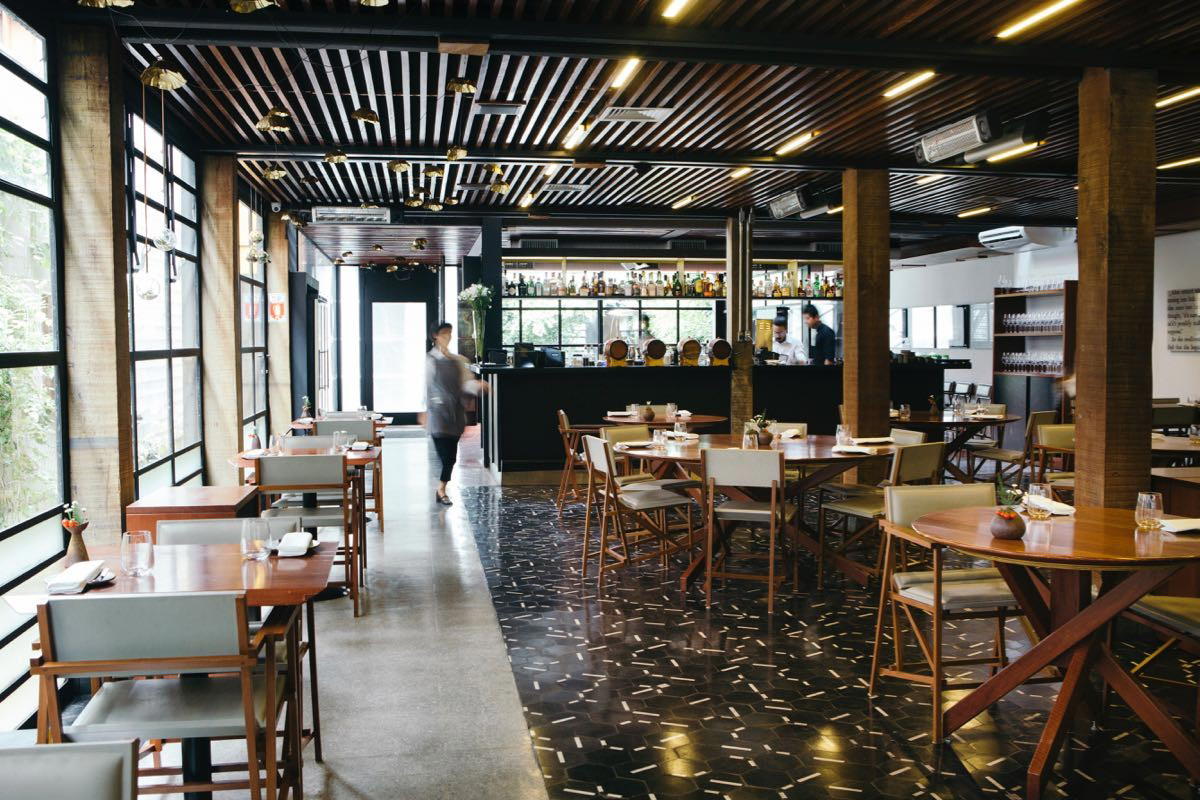
Restaurants in São Paulo
All restaurants in São Paulo →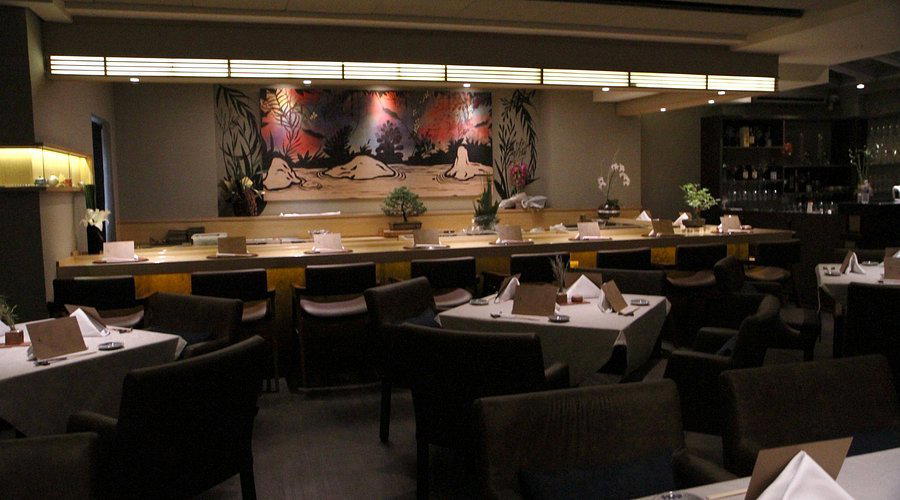
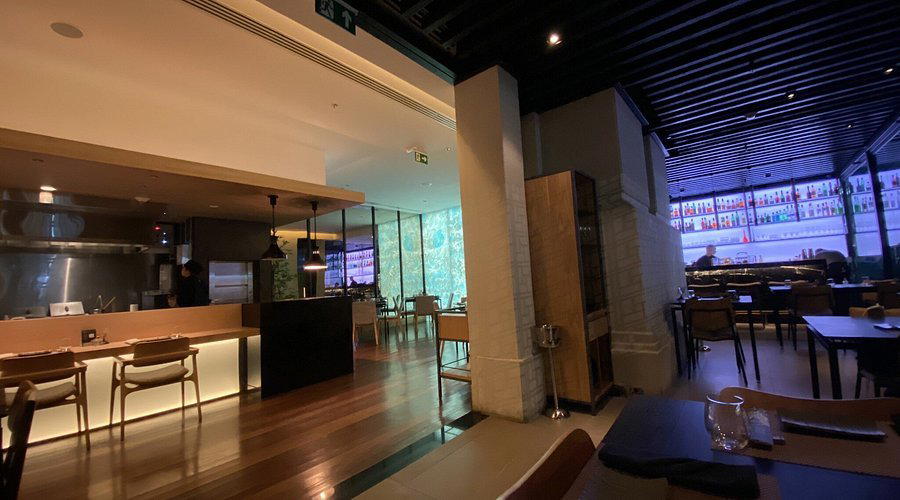
Bars in São Paulo
All bars in São Paulo →
Barbacoa
The wine
Barbacoa holds the Wine Spectator Award of Excellence, which Wine Spectator gives to lists of usually 90 or more selections.
- Wine Spectator
- Wine Spectator Award of Excellence
- Extensive wine list
Details
- Lively
- Elegant
- Group Dining
- Family
- Celebration
- Open Kitchen
- Extensive Wine List
- A La Carte
- Buffet
- Gluten Free Options
Current opening hours
- Monday
- 12–3 PM, 6–10:30 PM
- Tuesday
- 12–3 PM, 6–10:30 PM
- Wednesday
- 12–3 PM, 6–10:30 PM
- Thursday
- 12–3 PM, 6–10:30 PM
- Friday
- 11:30 AM–3 PM, 6–10:30 PM
- Saturday
- 11:30 AM–4 PM, 7–10:30 PM
- Sunday
- 11:30 AM–4 PM, 7–10 PM
Hours can change for holidays and private events. Hours as of .
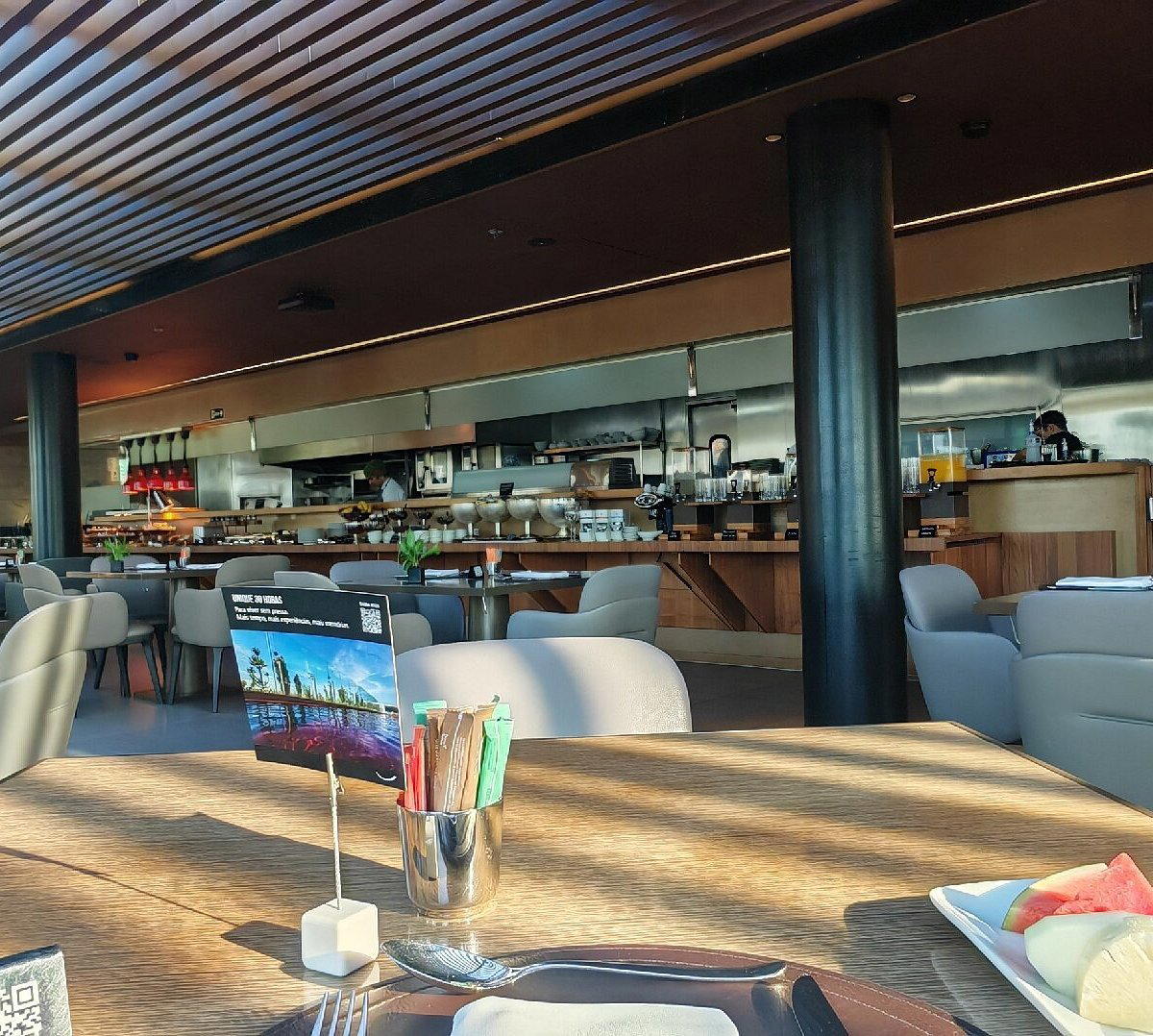
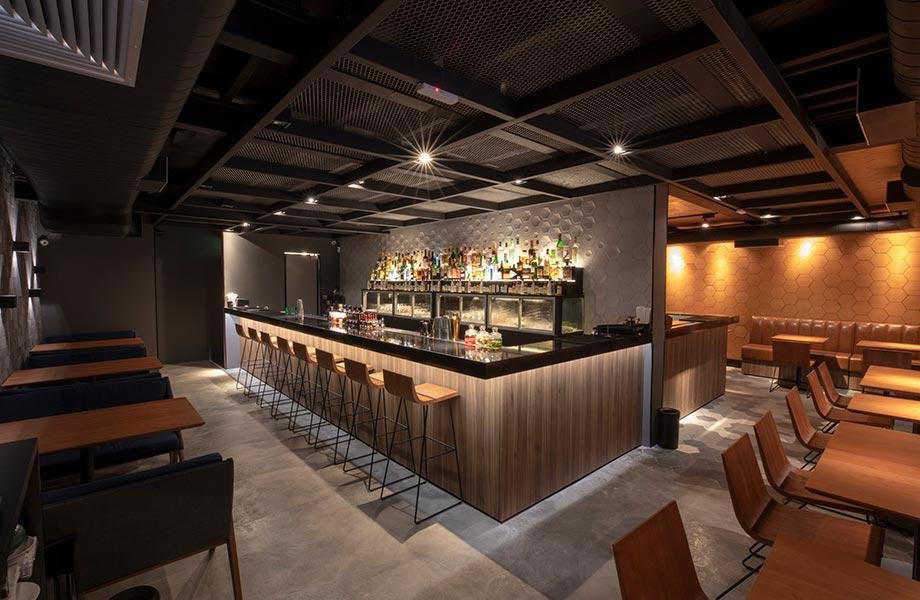
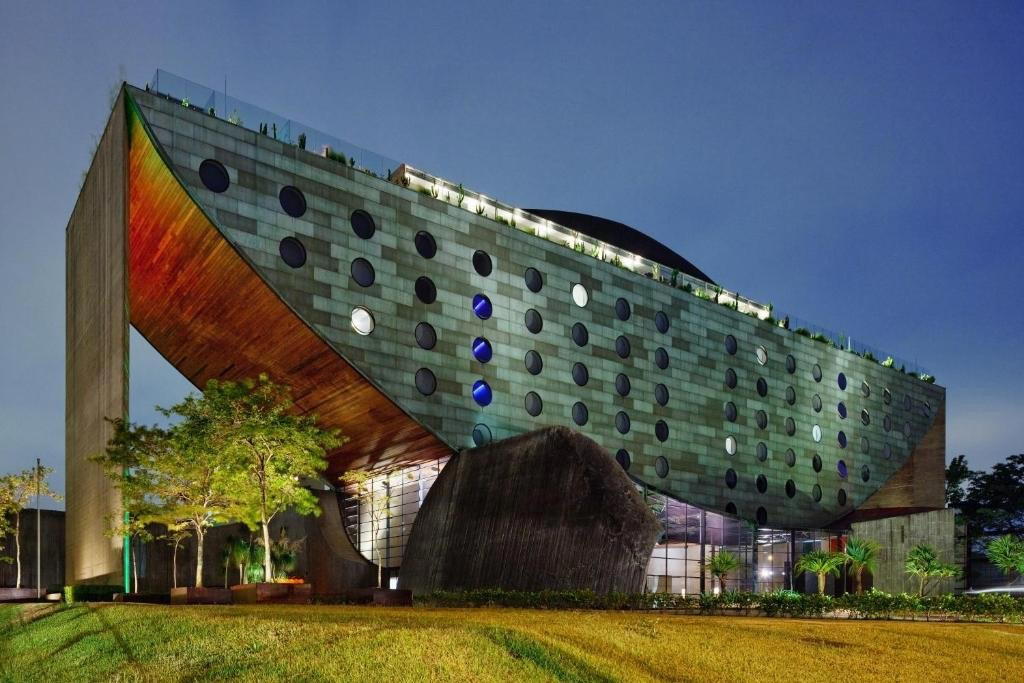
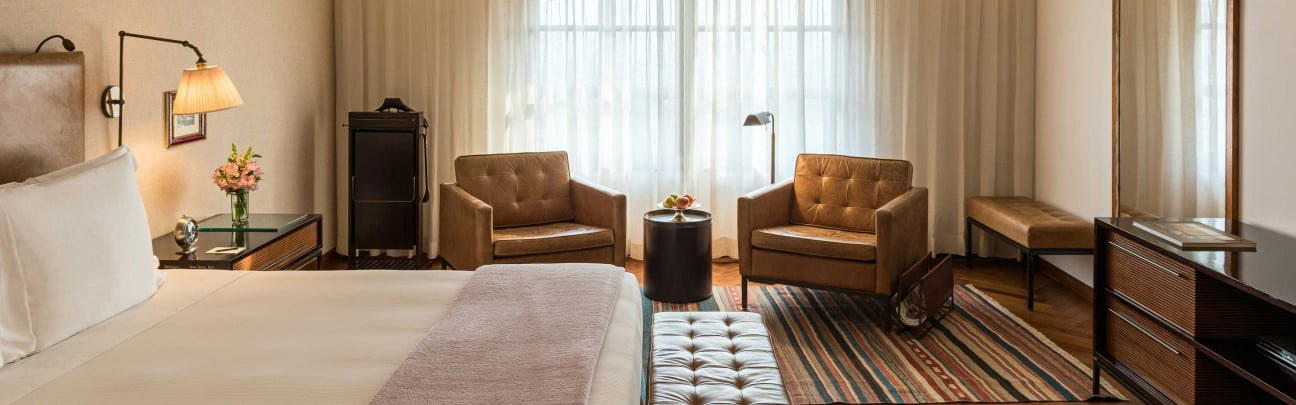
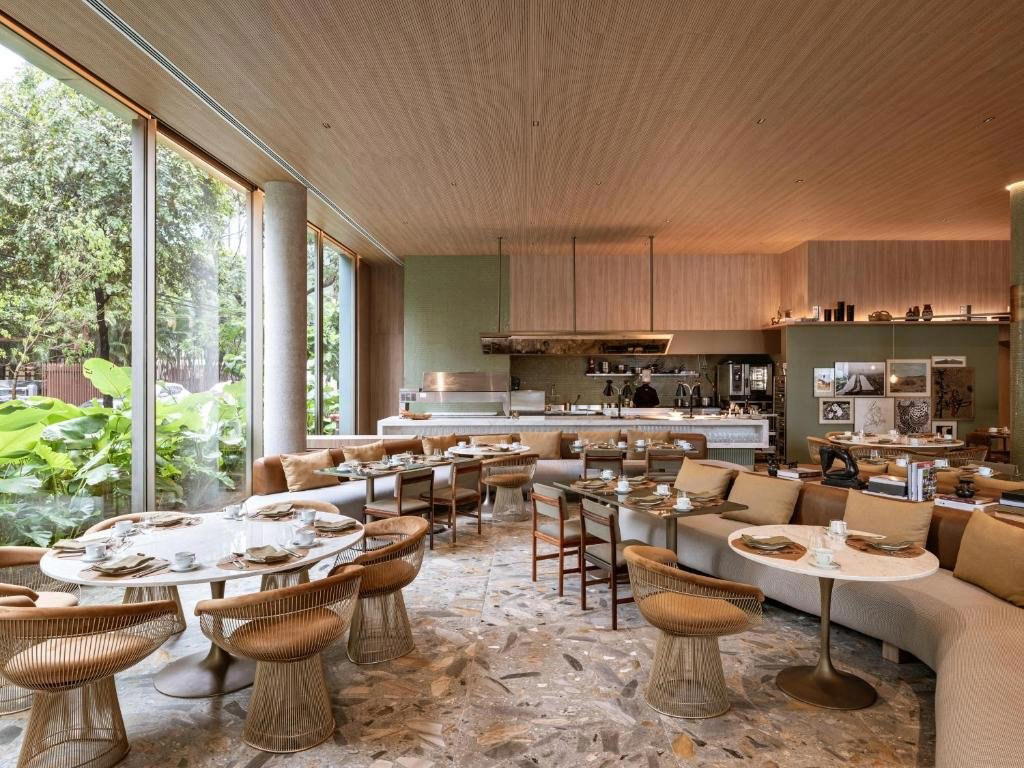
Elegant and inviting atmosphere with an older environment that feels lively and welcoming during busy periods.