What the Room Communicates
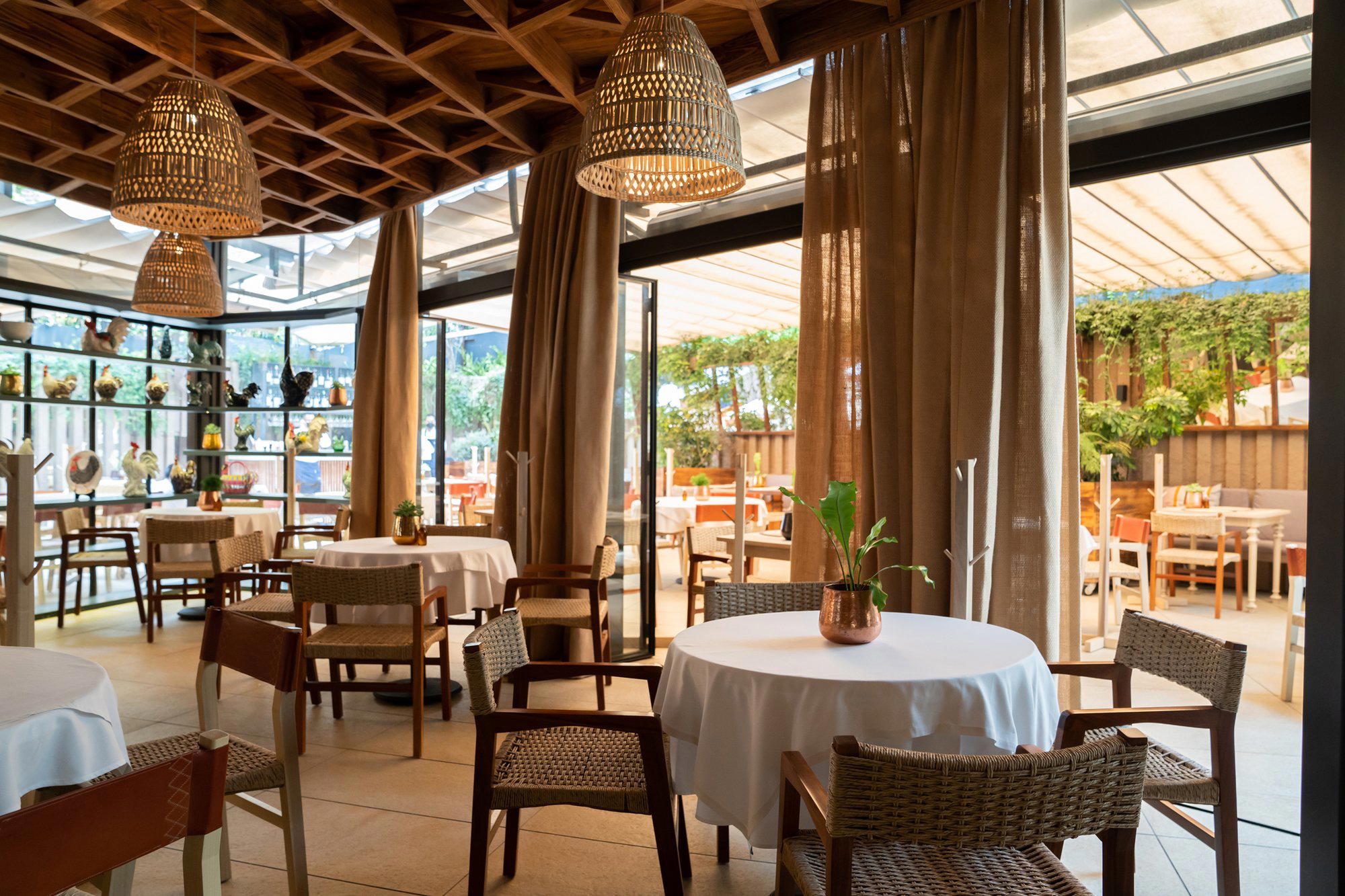
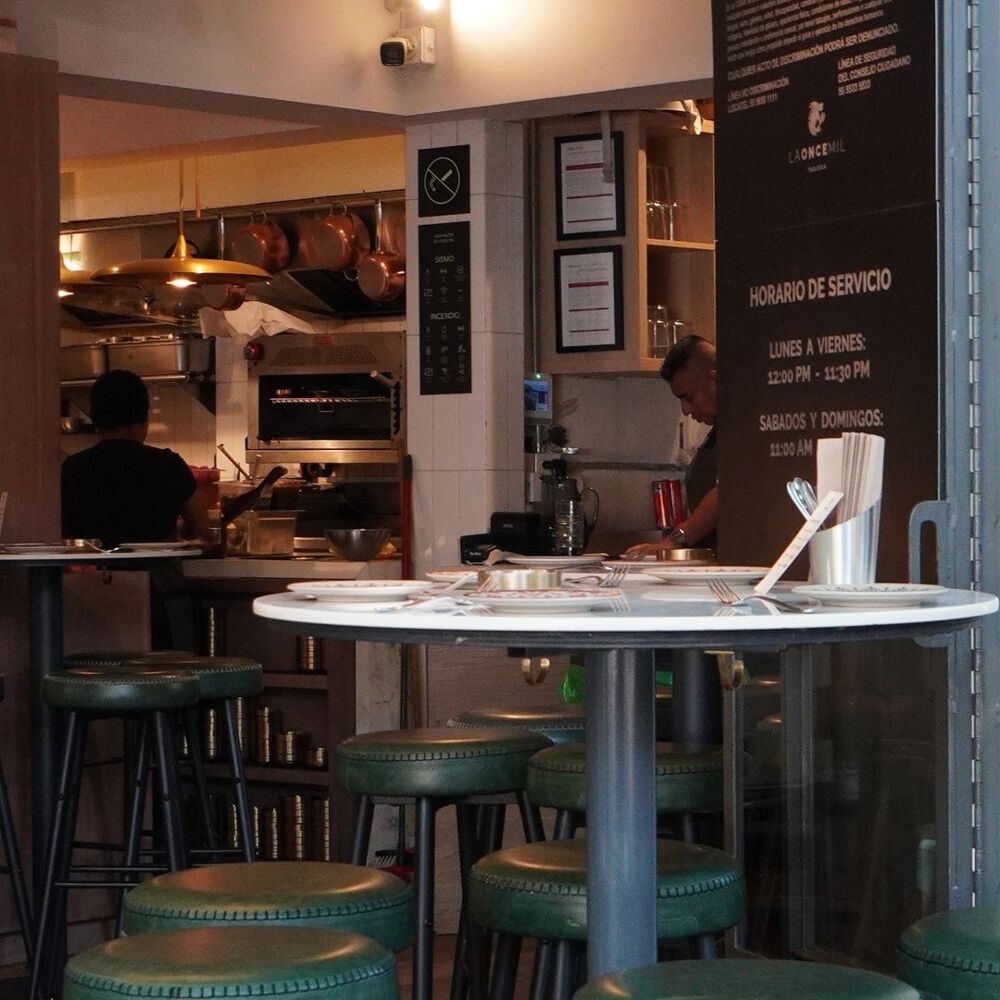
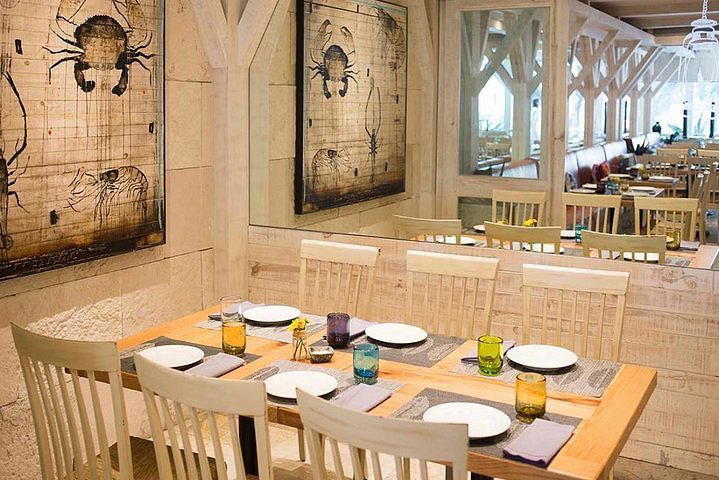
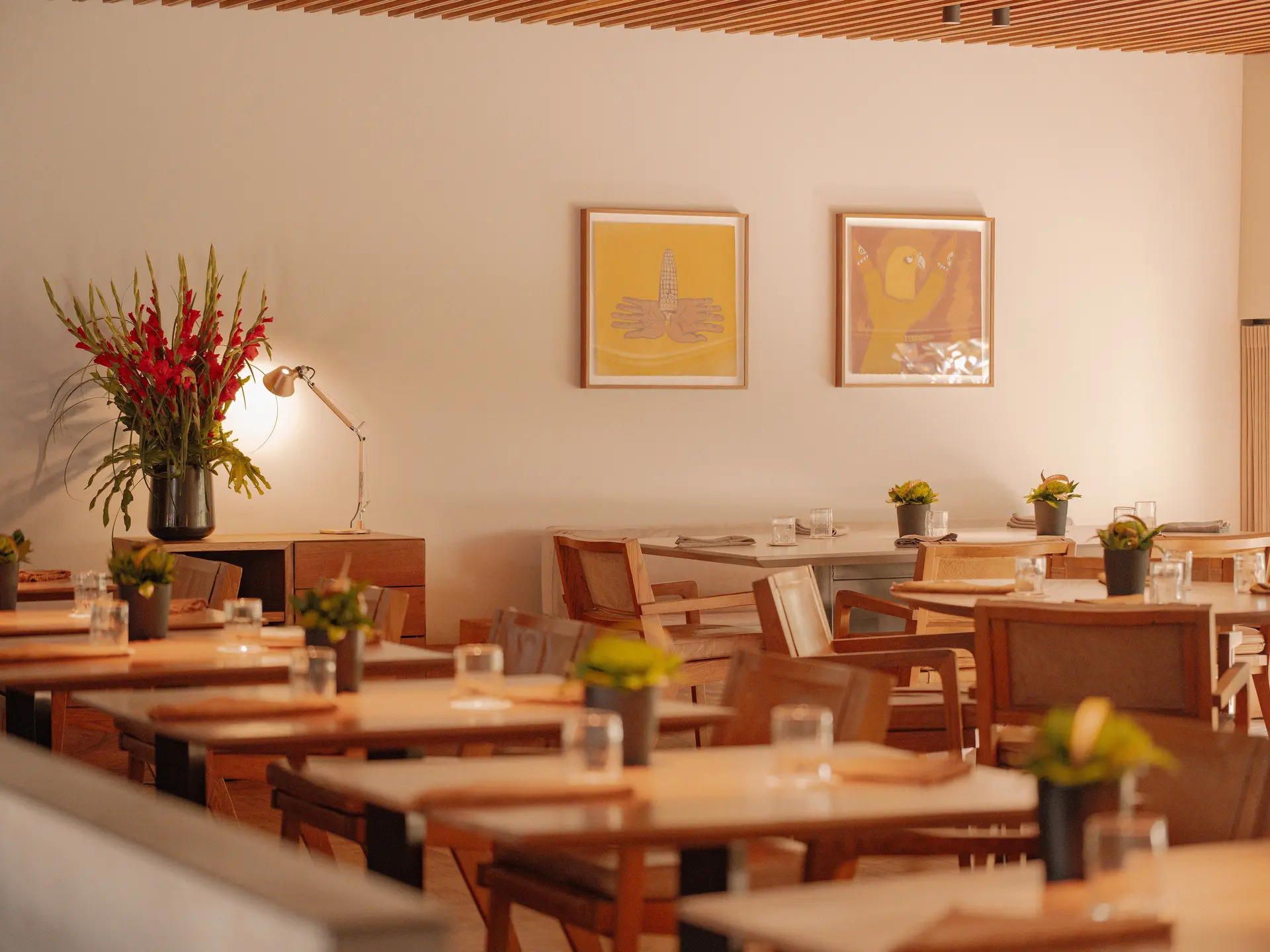
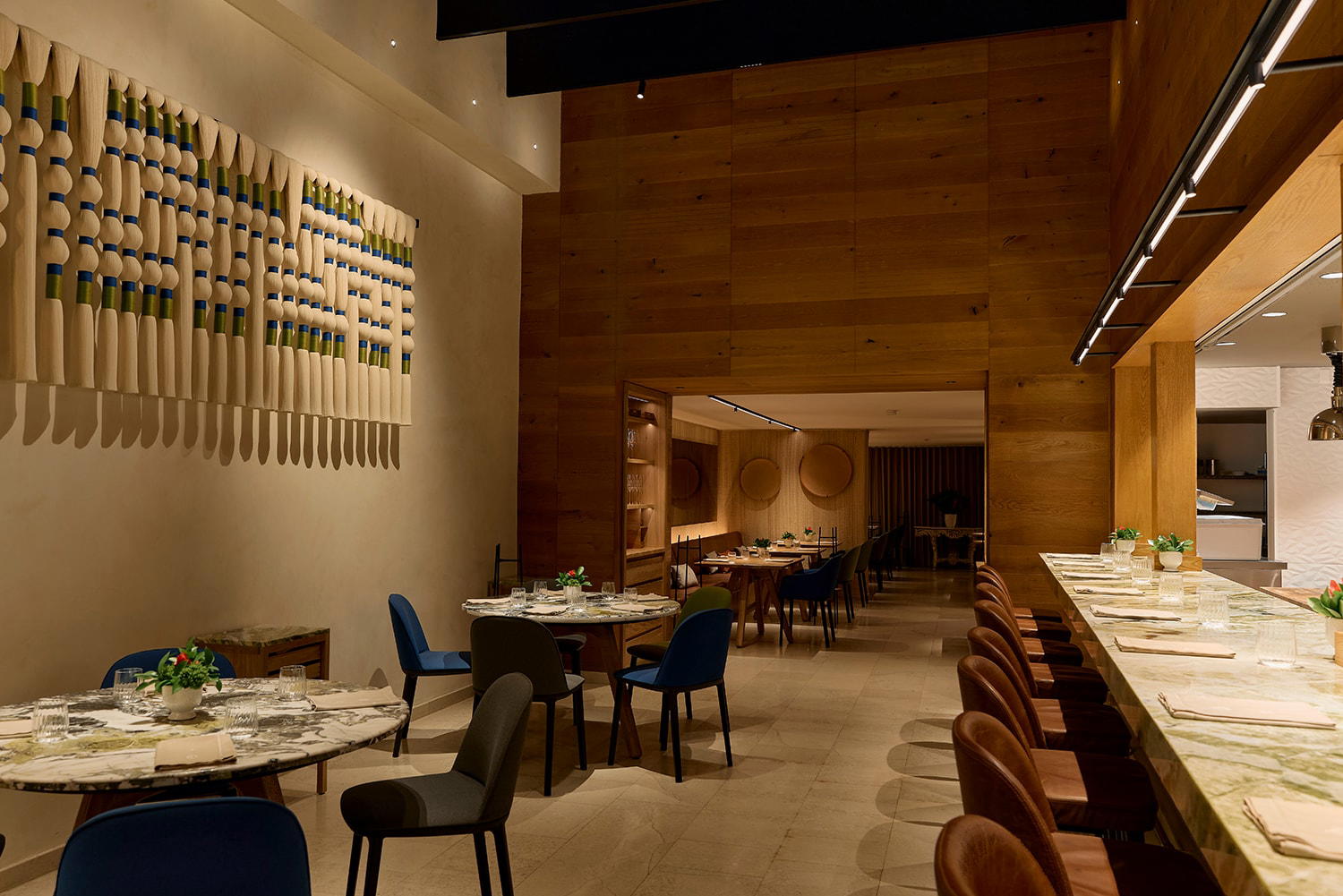
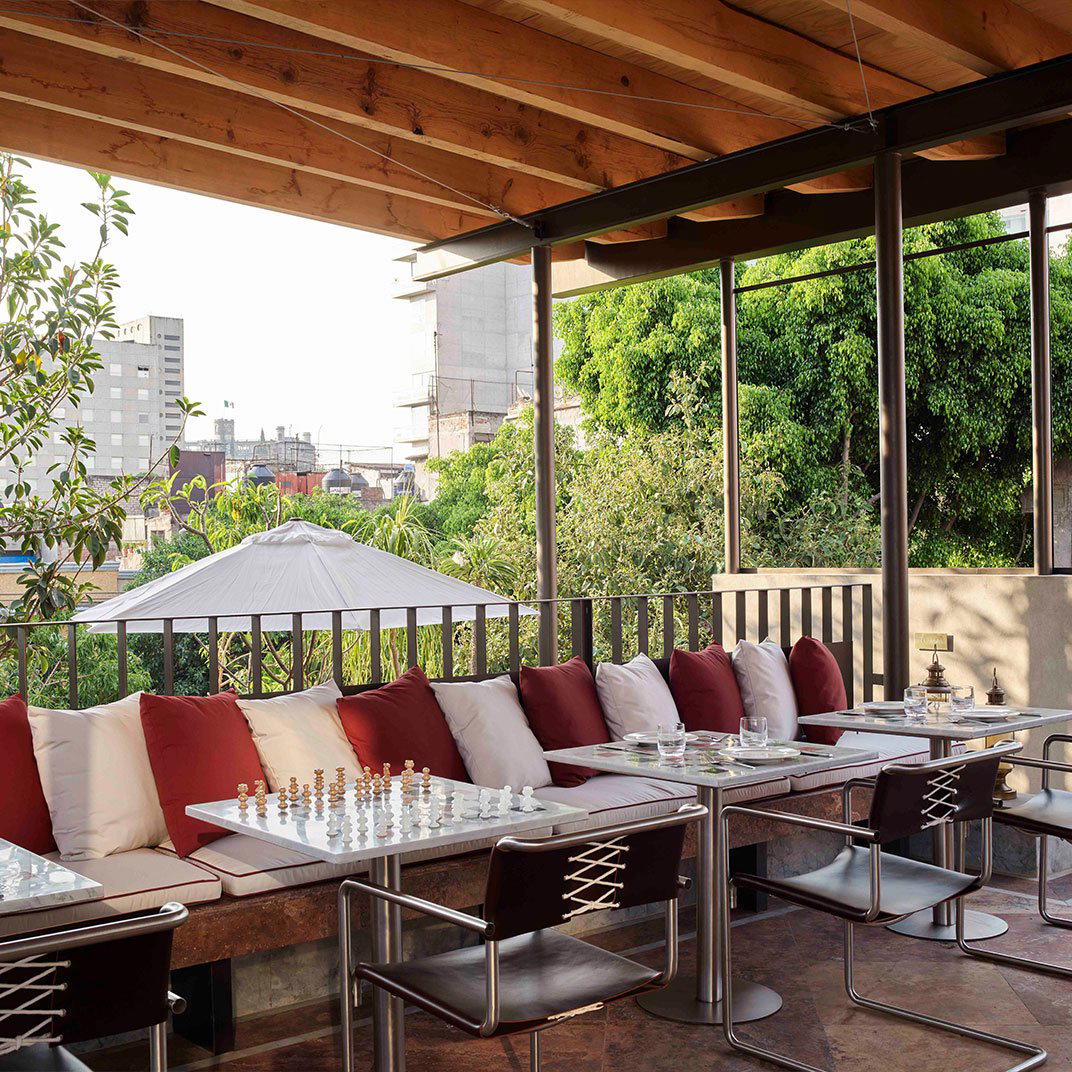
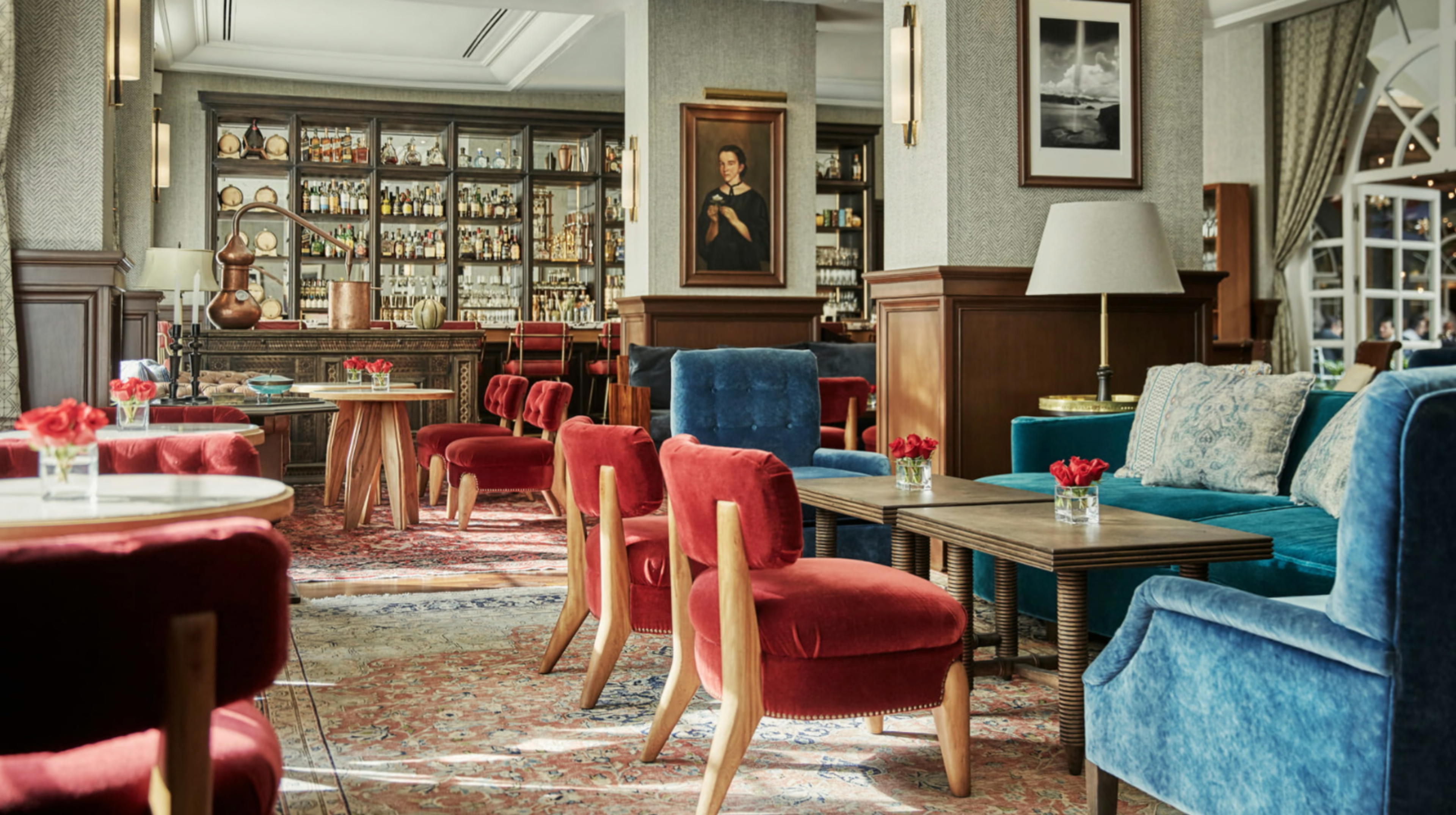
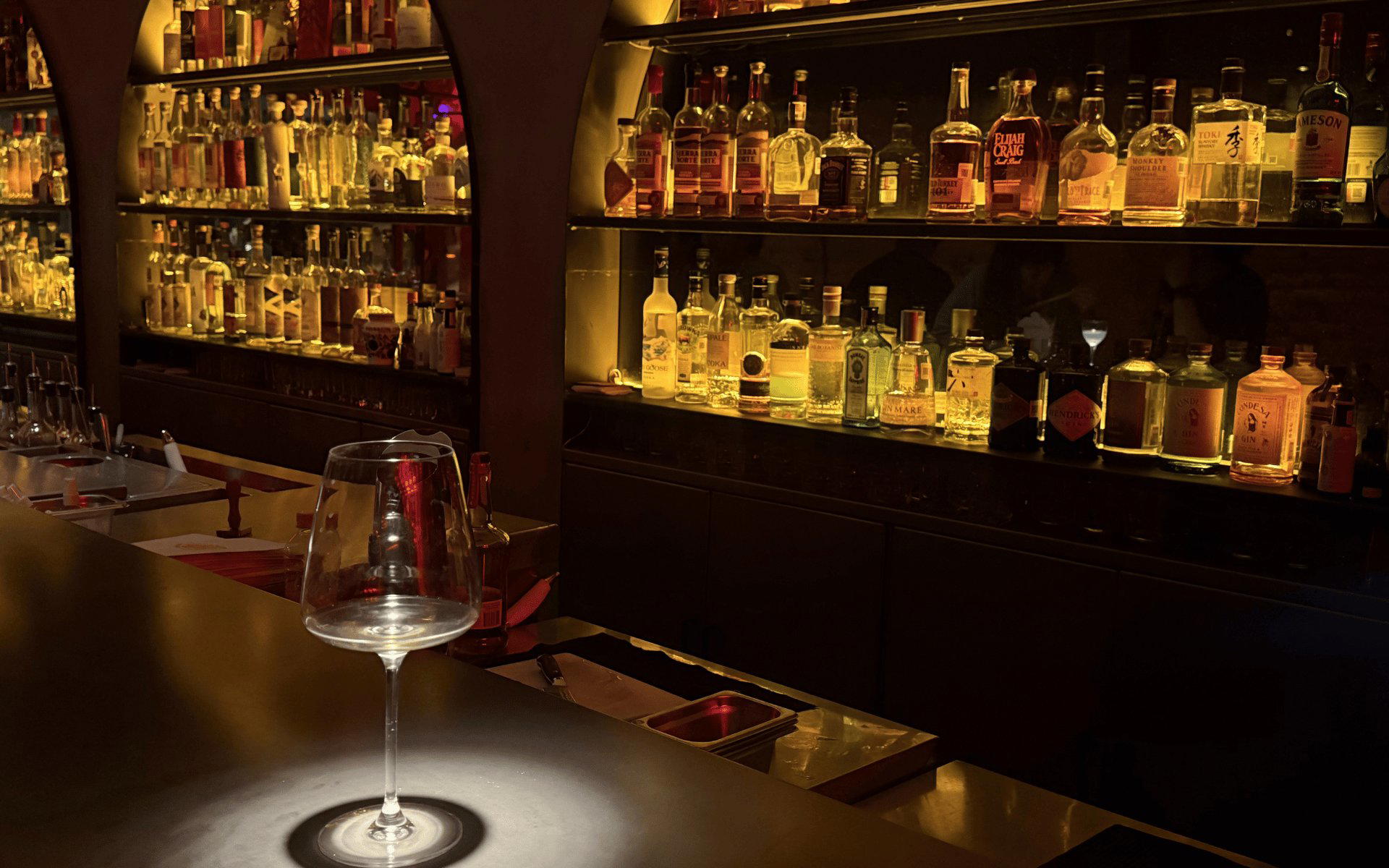
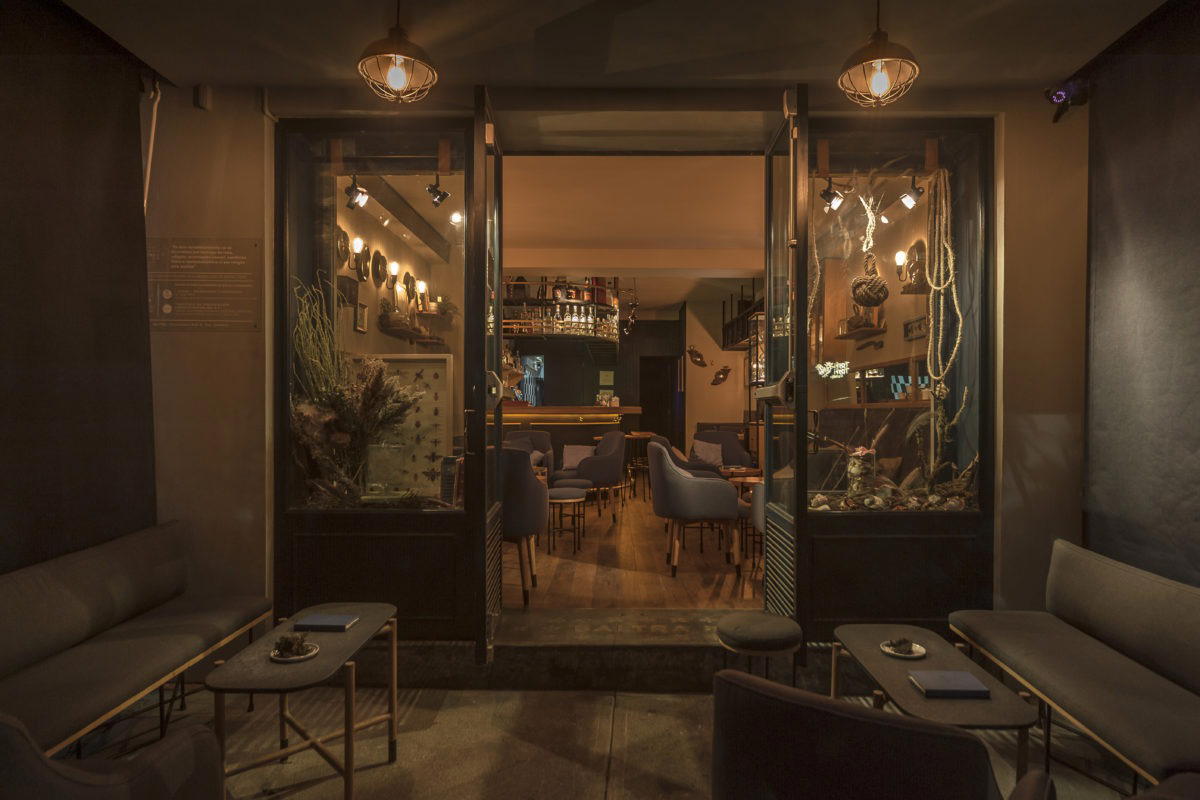
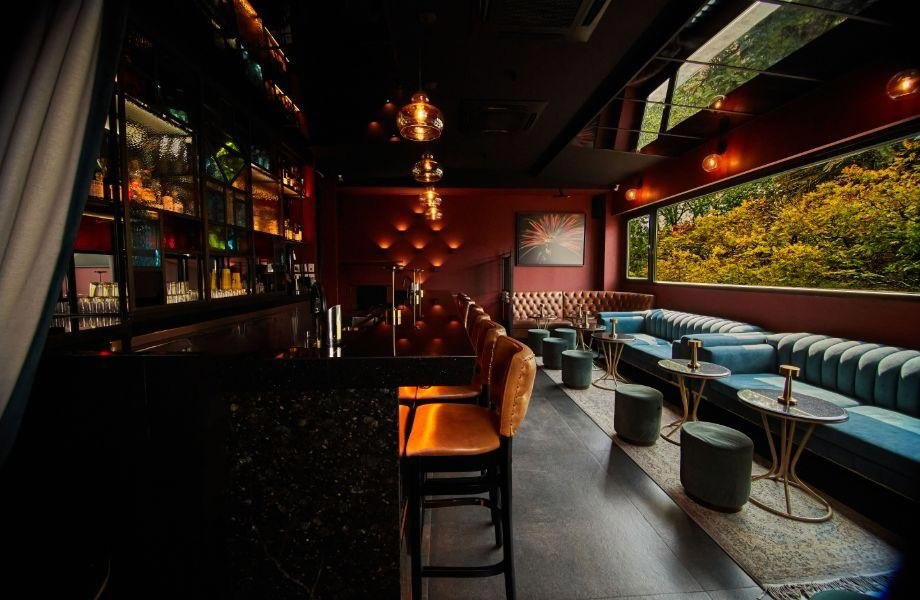
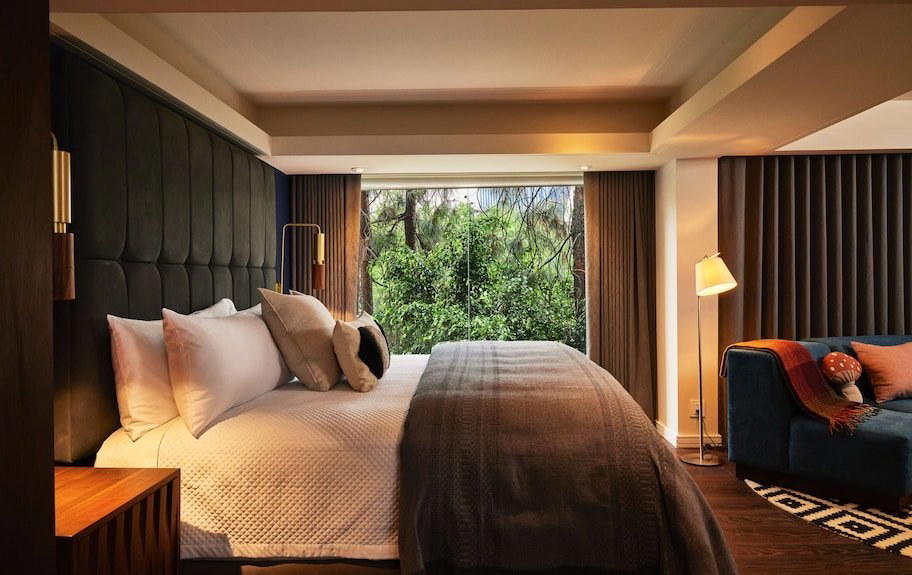
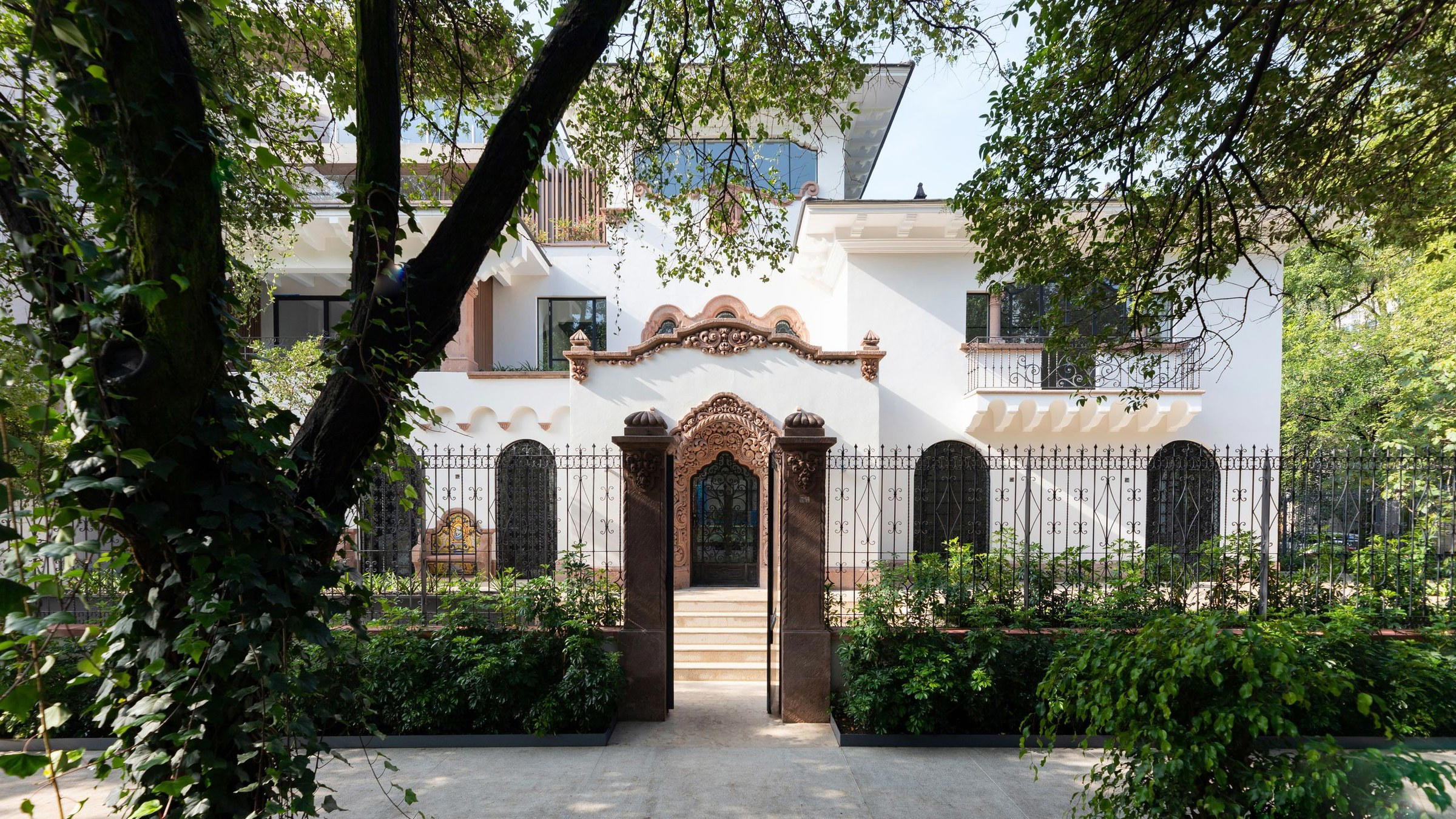
Mexico City's most accomplished destination restaurants outside the Polanco hotel circuit tend to share a set of atmospheric qualities: controlled scale, interior materials that reference local craft, and a sound level that permits conversation across the table without effort. These are deliberate design choices that place the meal at the centre rather than the spectacle of the room. In neighbourhoods like Lomas, the building stock itself often contributes, residential architecture absorbs sound differently from purpose-built commercial spaces, and the proportions of rooms tend toward the domestic rather than the theatrical.
The broader context here matters for any visitor calibrating expectations. Mexico City's dining scene has split, over the past decade, between restaurants that operate as international-press events and those that sustain a loyal local base without requiring global recognition to fill tables. The latter category is not lesser; in many cases it is more consistent. Sud 777 has sustained that kind of quiet authority in the city's southern reaches. LaMari's address places it in a similar logic of neighbourhood loyalty over visibility-driven traffic.
Cuisine and the Mexico City Seafood Question
The name LaMari is a plausible contraction of la marisquería, the seafood restaurant, a format with deep roots in Mexican coastal and capital dining culture. Mexico City's relationship with seafood is geographically paradoxical: the capital sits at altitude, hours from any coast, yet its marisquerías and ceviches occupy a central position in the city's food culture. The explanation is logistical and historical. Refrigeration and overnight transport networks, established across decades, have made fresh coastal product viable in the city since at least the mid-twentieth century. The format matured accordingly: Mexico City marisquerías developed their own internal grammar of aguachiles, campechanas, tostadas de atún, and whole fish preparations that now constitutes a recognised urban cuisine rather than a pale imitation of coastal eating.
At the upper end of this format, Mexico City seafood restaurants position themselves not against coastal originals but against the city's broader fine dining cohort. For international comparison, the technical discipline that institutions like Le Bernardin in New York City apply to fish cookery finds a different but structurally related expression in Mexico City's serious marisquerías, where the emphasis falls on sourcing clarity and technique applied to regional species. Across Mexico, the seafood fine dining argument is being made with increasing confidence: HA' in Playa del Carmen and Le Chique in Puerto Morelos represent the coastal anchors of that conversation, while the capital's serious seafood tables form the inland complement.
The Broader Mexican Restaurant Scene: Where LaMari Sits
To understand LaMari's position in the Mexico City dining order, it helps to map the scene's current shape. The internationally recognised tier, Pujol, Quintonil, operates with global press cycles, tasting menu formats, and price points that align with European fine dining. The creative mid-tier, including Rosetta and Em, works between those poles with shorter menus and neighbourhood integration. Below that, and sometimes overlapping with it, sits a large cohort of serious specialist restaurants, marisquerías, carnívoros, cantinas de autor, that serve a predominantly local clientele with deep expertise in a single format.
Across Mexico more broadly, the regional dining scene has developed significant depth. Alcalde in Guadalajara and Pangea in San Pedro Garza Garcia anchor the northern fine dining argument; Levadura de Olla in Oaxaca and Huniik in Merida work from deep regional ingredient traditions; Animalón in Valle de Guadalupe, Olivea in Ensenada, and Lunario in El Porvenir form the Baja wine country constellation. KOLI Cocina de Origen in Monterrey adds a northern urban anchor. The capital's specialist restaurants, LaMari among them, operate inside this national context, drawing on supply chains and culinary traditions that stretch coast to coast.
For visitors building a Mexico City itinerary, the full picture is covered in our full Mexico City restaurants guide. For those specifically interested in how international fine dining techniques map onto Korean-influenced tasting menus in New York, Atomix in New York City offers a useful comparative frame for how a specialist format can occupy a recognised critical tier, a trajectory that Mexico City's serious seafood tables are tracing in their own register.
Lomas de Chapultepec as a Dining Destination
The neighbourhood context repays some attention. Lomas de Chapultepec sits west of Bosque de Chapultepec, the large urban park that separates it from Polanco to the north and the Roma-Condesa corridor to the east. The area's restaurant culture has historically leaned toward established, family-run operations and specialist formats rather than chef-driven concept restaurants. That is shifting, and LaMari's presence on Monte Athos is part of a broader pattern of destination restaurants finding space in Lomas precisely because the neighbourhood offers quieter addresses, a clientele with purchasing power and restaurant literacy, and a physical environment that differs sharply from the denser, more tourist-facing streets of central neighbourhoods.
For visitors navigating Mexico City's geography, Lomas de Chapultepec is accessible from Polanco and the hotel corridor that runs along Presidente Masaryk, but it sits at one remove from the highest-traffic visitor circuits. That slight remove is part of its character, and part of what a restaurant positioned here is offering.
Know Before You Go
- Address: Monte Athos 395, Lomas de Chapultepec III Secc, Miguel Hidalgo, 11000 Ciudad de México, CDMX, Mexico
- Neighbourhood: Lomas de Chapultepec, western Mexico City, quieter and more residential than Roma, Condesa, or Polanco
- Booking: Contact details not currently published; verify directly via search or local concierge
- Pricing: Price tier; budget as you would for a neighbourhood specialist in an established western CDMX address
- Getting There: Accessible by car or rideshare from Polanco and the Chapultepec area; street parking availability varies by time of day
- Timing: Lomas restaurants tend to peak at traditional Mexican dining hours, afternoon comida (2–4pm) and evening service from 8pm onward