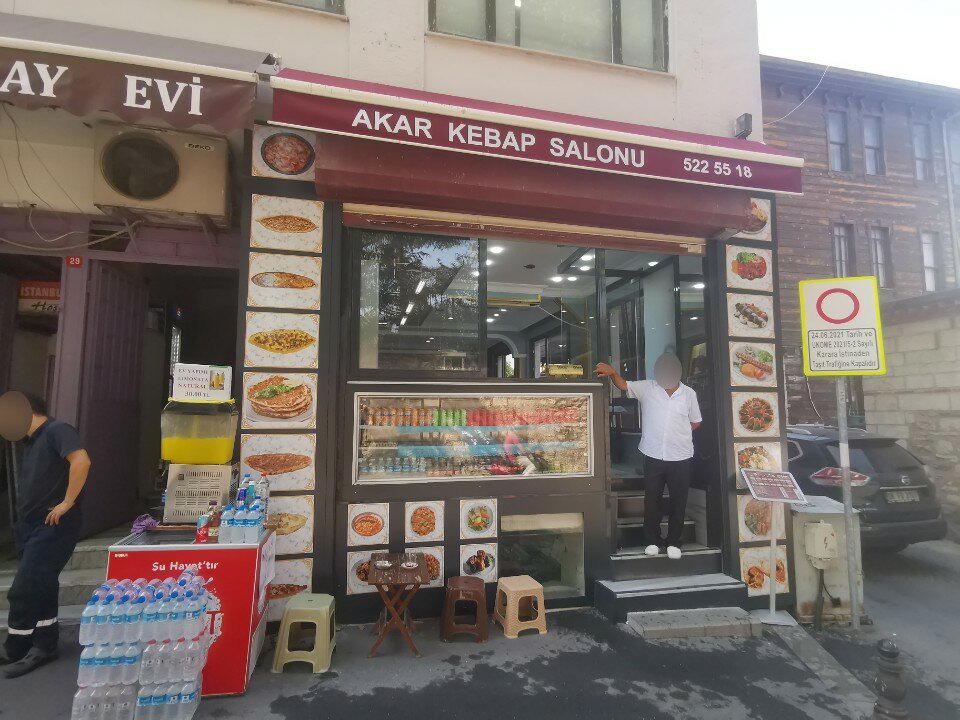
Akar Lokantası occupies a ground-floor address on Fevzipaşa Caddesi in the Karagümrük quarter of Fatih, one of Istanbul's most historically dense and least tourist-facing neighbourhoods. The lokanta format — a tradition of daily-changing, counter-served Anatolian cooking — places it firmly outside the modernist reinterpretation circuit that dominates Beyoğlu and Karaköy. For travellers willing to cross the Golden Horn, it offers direct contact with how the city actually feeds itself.
- Address
- Karagümrük, Fevzipaşa Cd. No:339, 34091 Fatih/İstanbul, Türkiye
- Phone
- +90 212 524 70 78
- Directions
- Get directions
Fevzipaşa Caddesi and the Fatih Way of Eating
Approach Akar Lokantası from the direction of the Byzantine land walls and the character of the street tells you what to expect before you reach the door. Fevzipaşa Caddesi runs through Karagümrük, a residential quarter in the Fatih district that has largely resisted the commercial renovation sweeping through more visible parts of the old city. The storefronts here serve the neighbourhood: hardware suppliers, small mosques, bakeries with sesame-dusted rings stacked in the window. A lokanta in this environment is not a destination restaurant in the Beyoğlu sense. It is, in function, closer to a canteen: a place where the cooking is done before you arrive and the decision-making is limited to what is left in the tray.
That format, the lokanta, is one of Istanbul's foundational food institutions. In a city that has spent the last decade producing modernist reinterpretations of Anatolian cuisine at the ₺₺₺₺ tier — restaurants like Turk Fatih Tutak, Mikla, and Neolokal — the lokanta operates at the opposite end of the formality spectrum without any reduction in culinary seriousness. Braised meats, legume stews, vegetable dishes slow-cooked in olive oil, rice or bulgur on the side: this is the everyday grammar of Turkish home cooking rendered for a communal setting. The measure of quality is not technique visible on the plate but technique embedded in the process: the depth of a lentil soup, the yielding texture of a slow-cooked lamb shank, the balance of spice in a tomato-based güveç.
Karagümrük: A Neighbourhood That Has Not Been Curated for Visitors
Fatih is Istanbul's most populous district and among its most historically layered. The Byzantine-era land walls run along its western edge; the district contains dozens of Ottoman mosques, the Vatan Caddesi arterial, and residential quarters whose character has changed very little in decades. Karagümrük specifically sits in the inner-city zone between the old walls and the commercial corridors of Aksaray and Bayrampaşa. It does not appear on most tourist itineraries, which is partly why eating here feels qualitatively different from eating in Sultanahmet or Karaköy.
For the visiting diner, the neighbourhood requires a small adjustment. English menus are not a standard feature of lokanta culture; the assumption is local familiarity. This is not a barrier so much as an orientation signal: point at trays, accept what is ladled, let the rhythm of the room guide the sequence. The absence of a formal menu structure actually accelerates the experience, decisions are made quickly, the pace is set by the kitchen rather than the table.
Istanbul's dining geography has a clear east-west axis of formality, with the Bosphorus-facing neighbourhoods and the Beyoğlu hill carrying the premium restaurant concentration. Arkestra and Casa Lavanda both operate in that more curated register. Akar sits well outside that axis, in a part of the city where the price of a full meal rarely tracks the prices tourists pay near the historic peninsula's centre. That asymmetry is structural, not coincidental: the lokanta model was built to feed workers and residents, not to price against the hospitality market.
The Lokanta Tradition in Context
Turkey's lokanta culture shares a lineage with the Greek estiatorio, the Italian trattoria at its most functional, and the French restaurant ouvrier: all are midday-focused formats built around seasonal availability and high-volume cooking in advance. What distinguishes the Anatolian variant is the range of the vegetable repertoire and the prominence of legumes. A typical counter might include a chickpea stew, a dolma, braised chard with rice, and two or three meat options, a spread that reflects the agricultural diversity of Anatolia more than any single region's signature dish.
This breadth places the lokanta in a different conversation from the fine-dining modernism that draws international press coverage. Where Neolokal or Turk Fatih Tutak use Anatolian ingredients as source material for composed tasting menus, the lokanta uses the same ingredients to produce the food those tasting menus are referencing. There is an argument that the latter is the more instructive starting point for anyone trying to understand what Turkish cooking actually is.
Beyond Istanbul, the same logic applies to regional cooking across Turkey. Narımor in Izmir, Nahita Cappadocia in Nevsehir, and Aravan Evi in Ürgüp each approach Anatolian culinary tradition from their own regional base. The lokanta model in Fatih is the Istanbul expression of that same underlying continuity: local, seasonal, and rooted in the practicalities of feeding a neighbourhood rather than staging an experience for a diner who has flown in for the weekend. For a broader read on where Istanbul's restaurant culture is moving, the EP Club Istanbul restaurants guide maps the full range from lokanta to tasting counter.
Planning a Visit to Akar Lokantası
Akar Lokantası is at Fevzipaşa Caddesi No:339 in Karagümrük, Fatih. The address is served by the Fatih and Karagümrük bus lines and is accessible from the city centre by tram to Aksaray followed by a short ride or walk. Lokanta hours in Istanbul typically run through the lunch service and into the early evening, with availability thinning as the day progresses, the leading selection is found before 13:00. No website or central booking line is listed; walk-ins are the standard. Dress is casual by neighbourhood default.
Travellers building a broader Turkish itinerary might pair this with Maçakızı in Bodrum or Mezegi in Fethiye for a contrast between Istanbul's dense urban dining culture and the Aegean coast's seafood-forward register. For reference points in different culinary traditions entirely, Le Bernardin in New York City and Lazy Bear in San Francisco illustrate how fixed-format counter dining operates at the opposite end of the formality axis.
Style and Standing
| Venue | Cuisine | Awards | Notes |
|---|---|---|---|
| Akar LokantasıThis venue — the venue you are viewing | This venue | Not listed | Not listed |
| Turk Fatih Tutak | Modern Turkish | Michelin 2 Star | ₺₺₺₺ |
| Mikla | Modern Turkish, Mediterranean Cuisine | Michelin 1 Star | ₺₺₺₺ |
| Neolokal | Modern Turkish, Turkish | Michelin 1 Star | ₺₺₺₺ |
| Arkestra | Fusion | Michelin 1 Star | ₺₺₺₺ |
| Nicole | Modern Turkish, Modern Cuisine | Michelin 1 Star | ₺₺₺₺ |
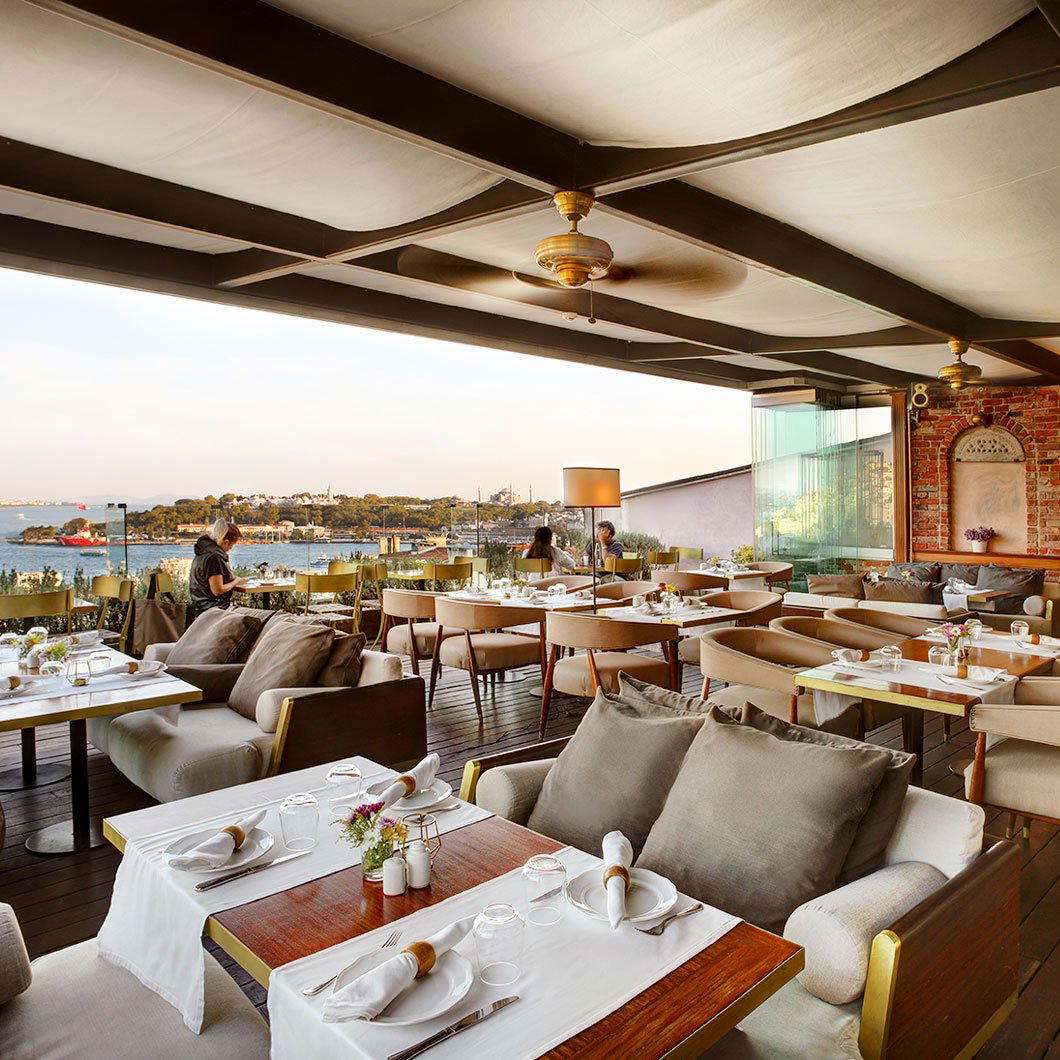
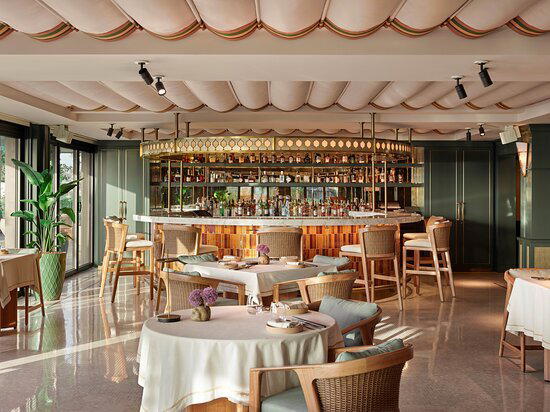
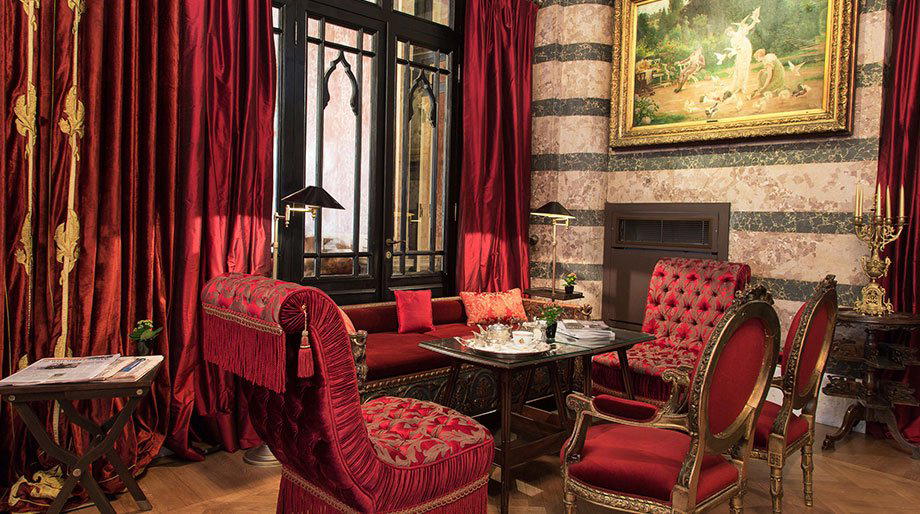
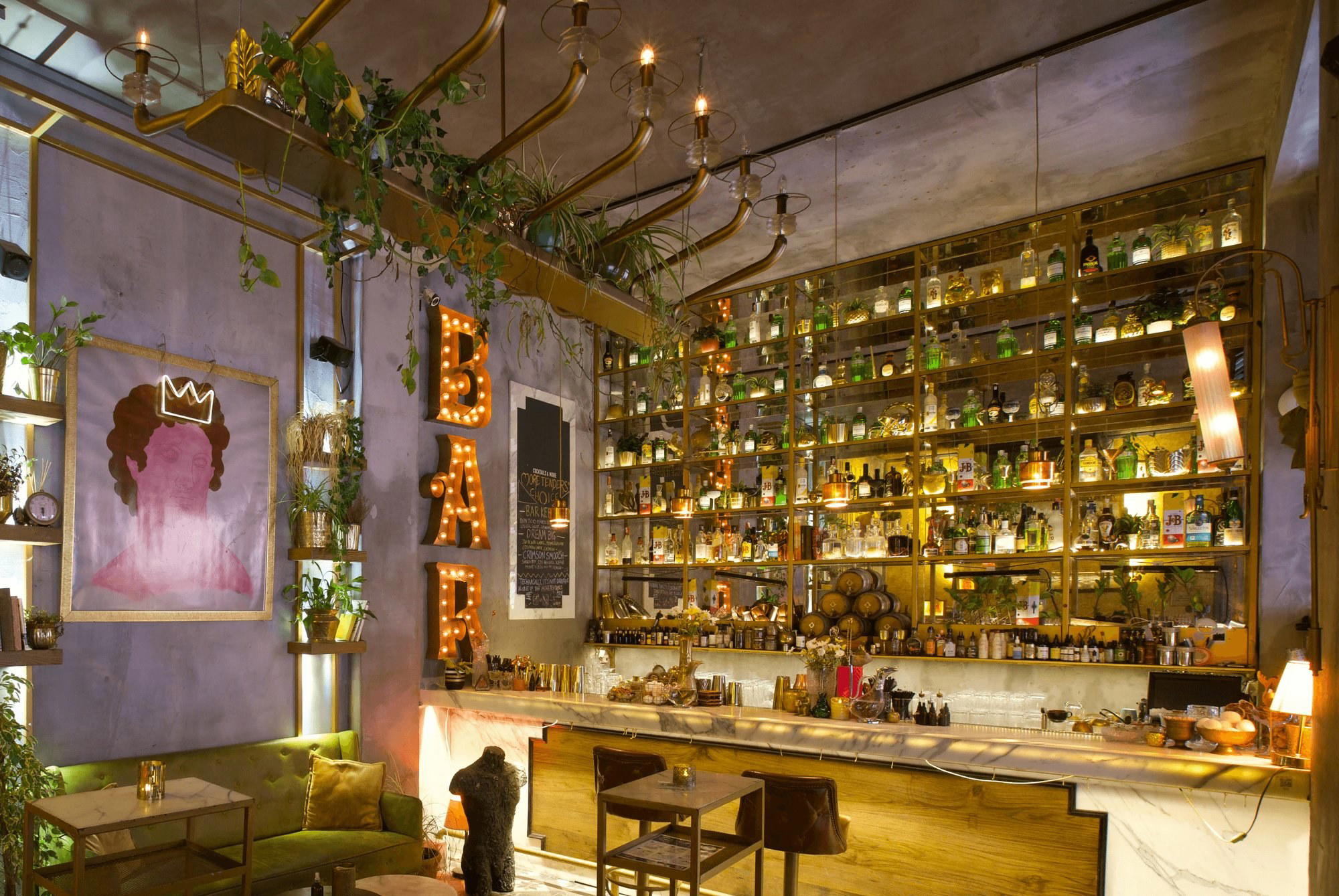
At a Glance
- Rustic
- Casual Hangout
Know Before You Go
- Getting there
- Karagümrük, Fevzipaşa Cd. No:339, 34091 Fatih/İstanbul, Türkiye