L'Accolade
On Bleecker Street in the West Village, L'Accolade occupies a stretch of Manhattan where French-inflected dining rooms have long coexisted with neighbourhood regulars and destination seekers alike. The address places it within walking distance of a concentrated set of serious independent restaurants, and the name itself signals a particular register: formal enough to suggest intention, European enough to imply technique. Practical details including hours, pricing, and booking are best confirmed directly with the restaurant.
 Discover on Pearl
Pearl is the En Primeur Club membership app — saves, bookings, and concierge access live there. Same editors, same standards.
- Address
- 302 Bleecker St, New York, NY 10014
- Website
- accolade-ny.com
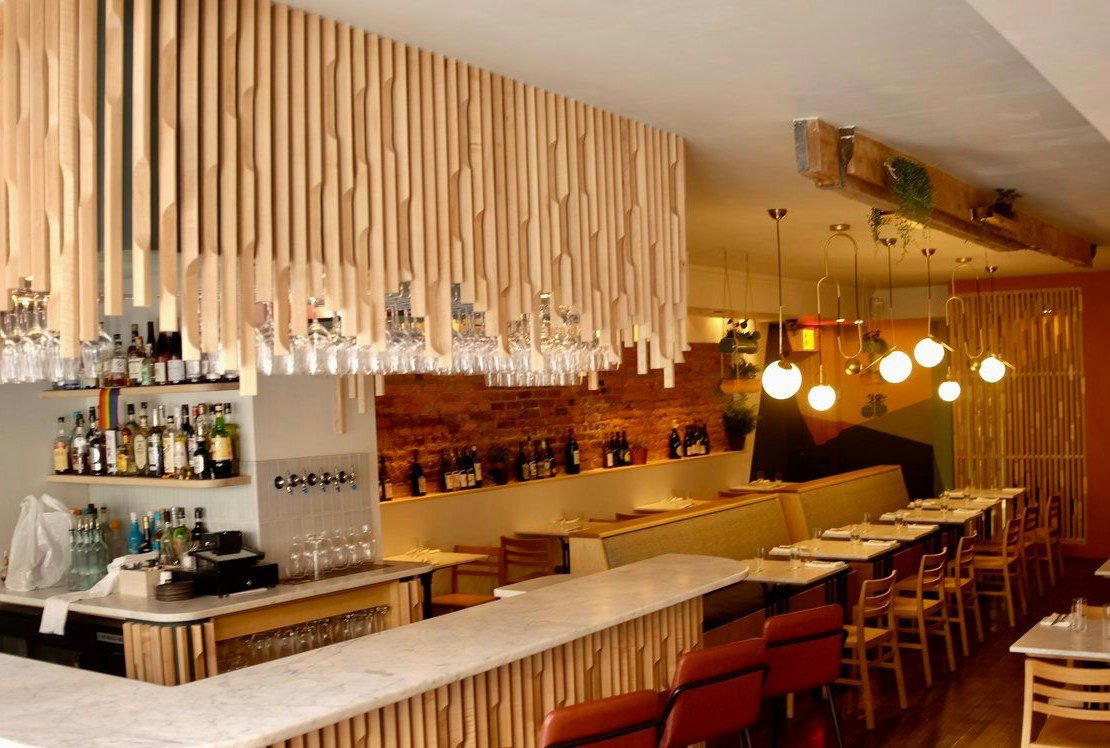
Bleecker Street and the West Village Dining Register
The West Village has a longer memory than most Manhattan neighbourhoods when it comes to French-influenced restaurants. The blocks around Bleecker Street have supported serious dining rooms through multiple cycles of culinary fashion, from the classic bistro era of the 1980s and 1990s through the farm-to-table pivot of the 2000s and into the more technically ambitious present. What the neighbourhood rewards is a certain groundedness: rooms that feel inhabited rather than installed, menus that reference a culinary tradition without being enslaved to it. L'Accolade, a French Neo-Bistro at 302 Bleecker St in New York, is a restaurant that carries its own implicit positioning. An accolade, in the culinary world, is not an aspiration — it is an acknowledgement of something already achieved. The choice of that word as a restaurant name is itself a statement about where the kitchen believes it sits.
For comparison, the broader West Village and adjacent Greenwich Village corridor houses some of the city's most debated independent tables. The neighbourhood operates as a counterweight to Midtown's institutional dining tier — where Le Bernardin anchors French seafood at the highest price point and Per Se sets the standard for formal tasting-menu progression, by offering something more contingent and less corporate. Downtown diners here tend to expect cooking that has a point of view without the formality of a hotel dining room.
Menu Architecture as Editorial Statement
The structure of a restaurant's menu is one of the most revealing documents a kitchen produces. Before a dish arrives, the arrangement of courses, the grouping of ingredients, and the presence or absence of choice all communicate what the restaurant believes dining is for. At the top end of New York's current scene, menus have diverged into two broad models: the no-choice omakase or tasting format, where trust in the kitchen is the premise, and the à la carte or semi-structured format, where the diner retains agency. The former dominates at places like Masa in Columbus Circle, where a single price covers a choreographed sequence, and at Atomix in Midtown, where Korean progressive cuisine is delivered through a tightly controlled tasting architecture.
What the name and address together suggest is a restaurant that has thought about how it wants to present itself to a knowing West Village audience, one that has eaten at Jungsik New York and Blue Hill at Stone Barns and can read a menu for what it omits as much as what it includes. The editorial angle of menu architecture matters here precisely because it is the primary tool through which any serious restaurant signals its ambitions, its constraints, and its theory of hospitality.
Across the American fine dining tier, this question of menu design has become more explicitly philosophical. Alinea in Chicago uses multi-act theatrical sequencing. Lazy Bear in San Francisco frames dinner as a communal event with a prix-fixe that reads more like a dinner party than a restaurant service. Single Thread Farm in Healdsburg builds its menu around agricultural sourcing as a structural principle. The French Laundry and The Inn at Little Washington both use classical French progressions as their underlying grammar. The question any new entrant to this conversation must answer is where it positions itself within that spectrum, and L'Accolade will be read against those established coordinates.
The West Village as a Peer Context
New York's dining geography distributes prestige unevenly. Midtown concentrates institutional power: Michelin-starred rooms with hotel backing, long wine lists managed by full sommelier teams, and price points that reflect real estate as much as cuisine. The West Village operates differently. Longevity matters here; a room that has survived ten years on Bleecker Street has done so without the safety net of a hotel parent company or a celebrity chef's media profile. The neighbourhood's best-regarded tables tend to earn their standing gradually, through word of mouth and repeat custom rather than through opening-night coverage.
This context is relevant for any restaurant entering the West Village at a register above the neighbourhood bistro. The competitive set is not Masa or Per Se, those operate in a different borough geography and hospitality register entirely. It is the cluster of serious independent rooms that have earned local loyalty and occasional national attention. For a broader map of how L'Accolade fits within the city's dining topology, EP Club's full New York City restaurants guide places it alongside the full range of the city's notable tables.
American Fine Dining Points of Reference
Any serious New York restaurant enters a national conversation that now includes Providence in Los Angeles, Addison in San Diego, Bacchanalia in Atlanta, and Emeril's in New Orleans, each of which has staked out a distinct position within American fine dining, whether through seafood focus, wine programme depth, or regional sourcing philosophy. Internationally, the French tradition that the name L'Accolade invokes runs from Alain Ducasse at Louis XV in Monte Carlo, where the tasting menu structure is among the most codified in the world, to 8½ Otto e Mezzo Bombana in Hong Kong, where European classical training has been recontextualised for a different market entirely. L'Accolade, in choosing a French name for a New York address, positions itself within a lineage that carries specific expectations about technique, service register, and the relationship between menu and wine.
Planning Your Visit
L'Accolade is located at 302 Bleecker Street in the West Village, a neighbourhood that is accessible by subway from multiple lines, with the Christopher St-Sheridan Sq station on the 1 train approximately two blocks north. Bleecker Street between Seventh Avenue South and Hudson Street has a concentration of restaurants that makes the area worth planning as a dining destination rather than a single-stop visit. L'Accolade is open Tuesday through Thursday from 5 to 11 PM, Friday from 5 PM to 12 AM, and Saturday from 12 PM to 12 AM; it is closed Monday and Sunday. Reservations are recommended, and the price tier is about $65 per person. For West Village tables operating at this register, booking in advance is generally advisable, particularly for weekend services when neighbourhood foot traffic competes with destination diners.
Where the Accolades Land
Comparable venues nearby, for context on price, style, and recognition.
| Venue | Cuisine | Price | Awards | Notes |
|---|---|---|---|---|
| L'AccoladeThis venue — the venue you are viewing | French Neo-Bistro | $$$ | , | |
| Bar Bête | Seasonal French Bistro | $$$ | , | Carroll Gardens |
| Quality Bistro | French Brasserie Steakhouse | $$$ | , | Midtown-Times Square |
| Marseille | Provençal French Brasserie | $$$ | , | Hell's Kitchen |
| Landmarc Tribeca Events | French-Italian Bistro & Steakhouse | $$$ | , | Tribeca-Civic Center |
| French Louie | Modern French-American Bistro | $$$ | , | Downtown Brooklyn-DUMBO-Boerum Hill |
Continue exploring
More in New York City
Restaurants in New York City
Browse all →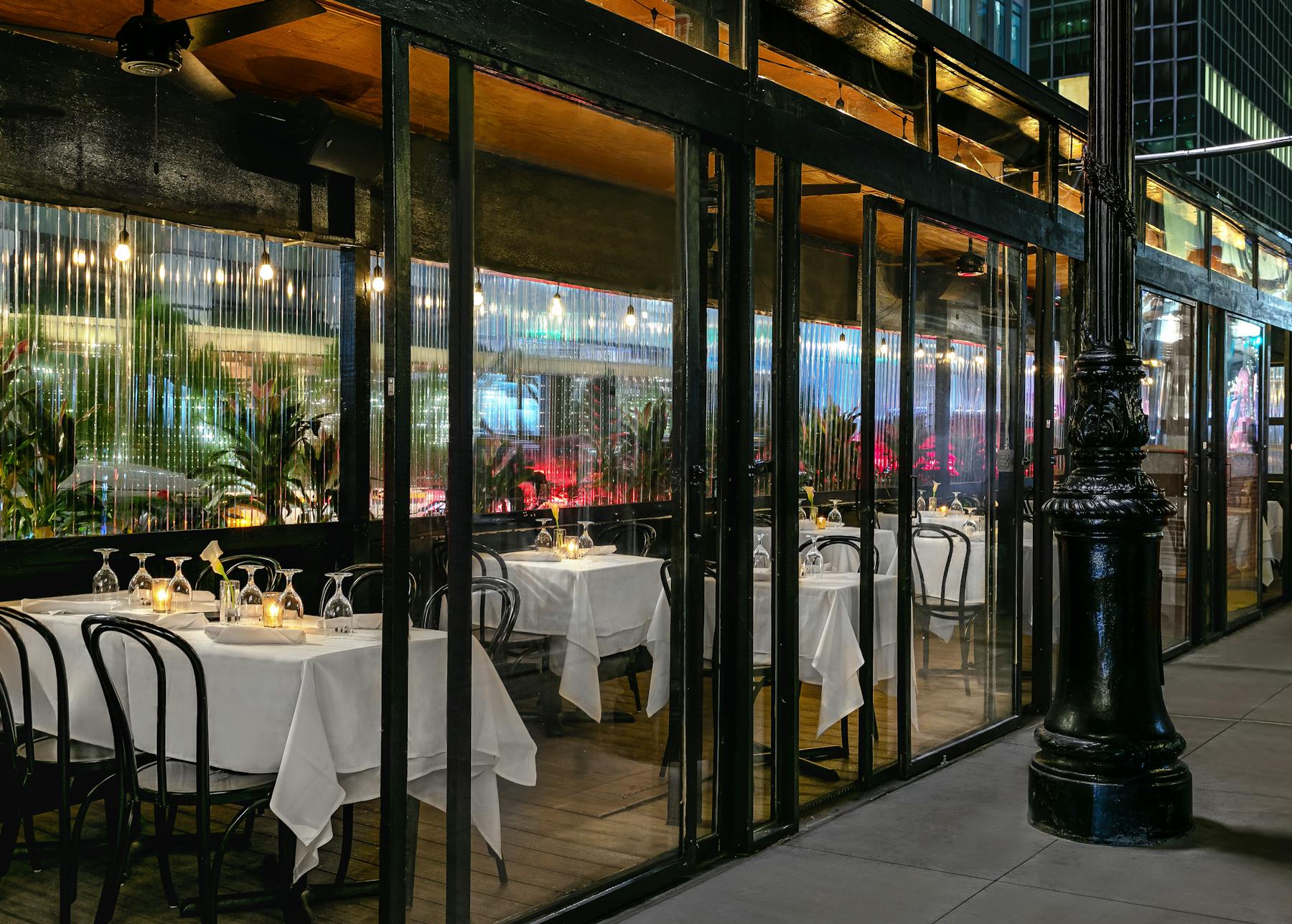
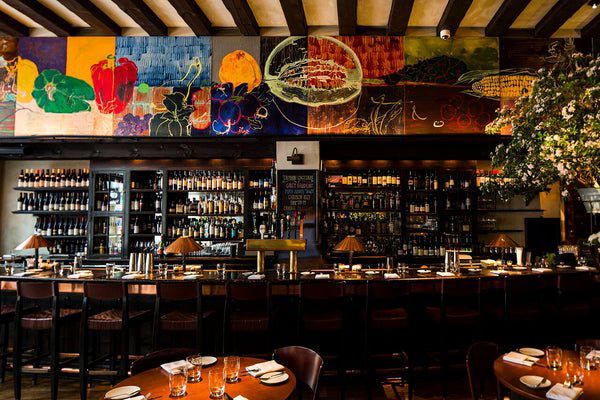
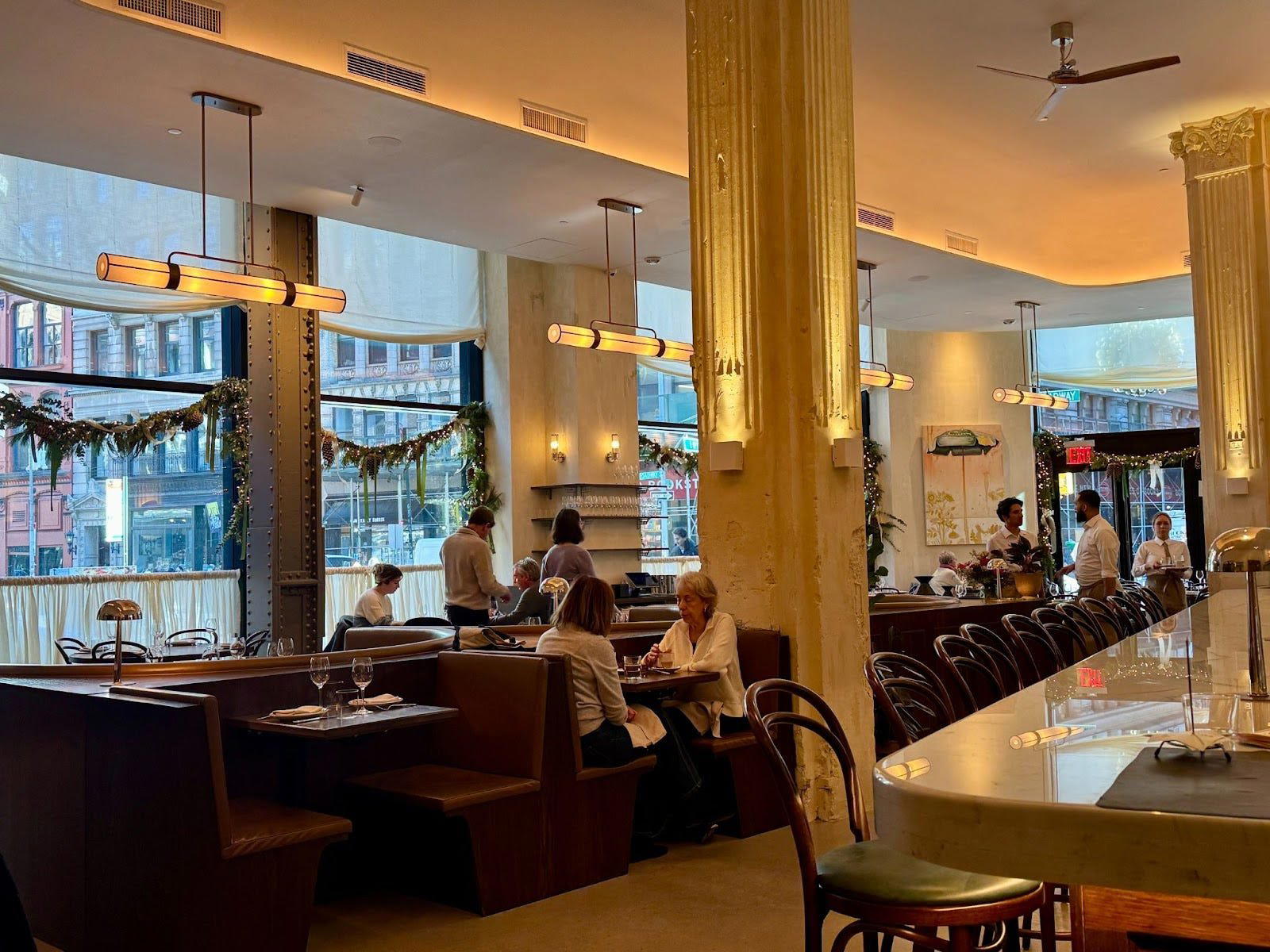
Bars in New York City
Browse all →

Hotels in New York City
Browse all →


At a Glance
- Cozy
- Romantic
- Intimate
- Elegant
- Date Night
- Special Occasion
- Garden
- Natural Wine
- Local Sourcing
- Garden
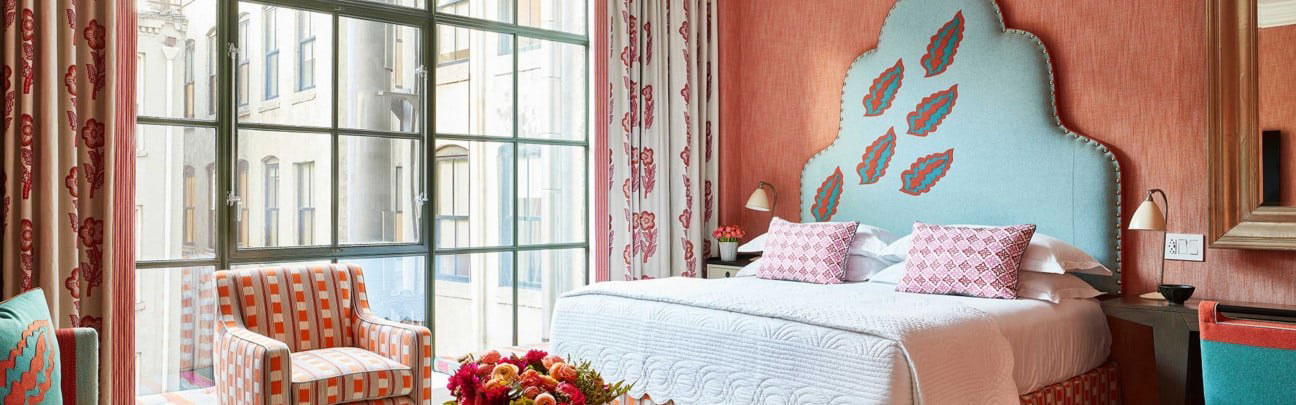
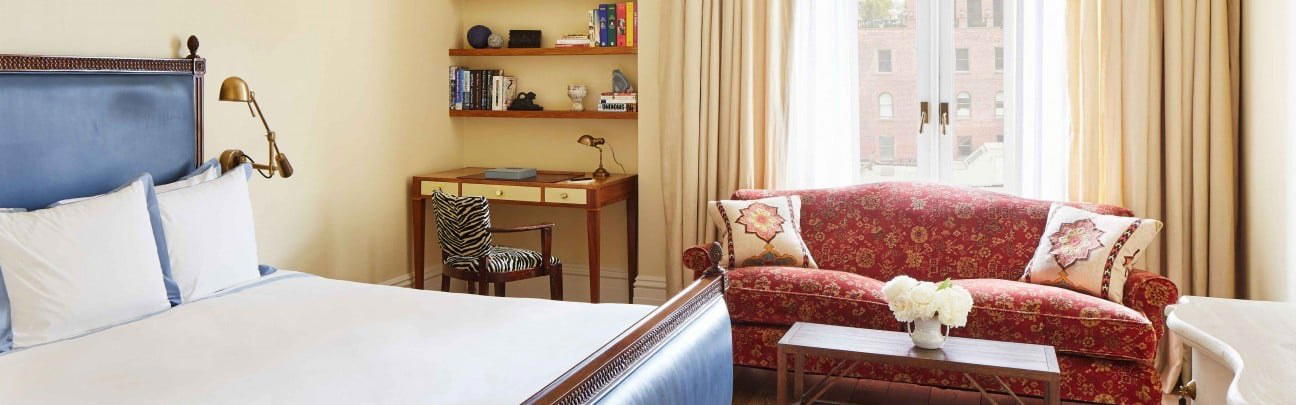
Cozy and romantic with rosé and chardonnay tones, offering an intimate dining experience indoors or in the charming garden retreat.