Marseille

Marseille sits at 630 9th Ave in Midtown's Hell's Kitchen, a neighborhood that has undergone significant repositioning over the past two decades. The restaurant occupies a stretch of Ninth Avenue that has evolved from a pre-theater convenience corridor into a more considered dining block, making it a useful reference point for understanding how the area's dining character has shifted over time.
Pearl is the En Primeur Club membership app — saves, bookings, and concierge access live there. Same editors, same standards.
- Address
- 630 9th Ave, New York, NY 10036
- Phone
- +12123332323
- Website
- marseillenyc.com
- Directions
- Get directions
 Saves & bookings on Pearl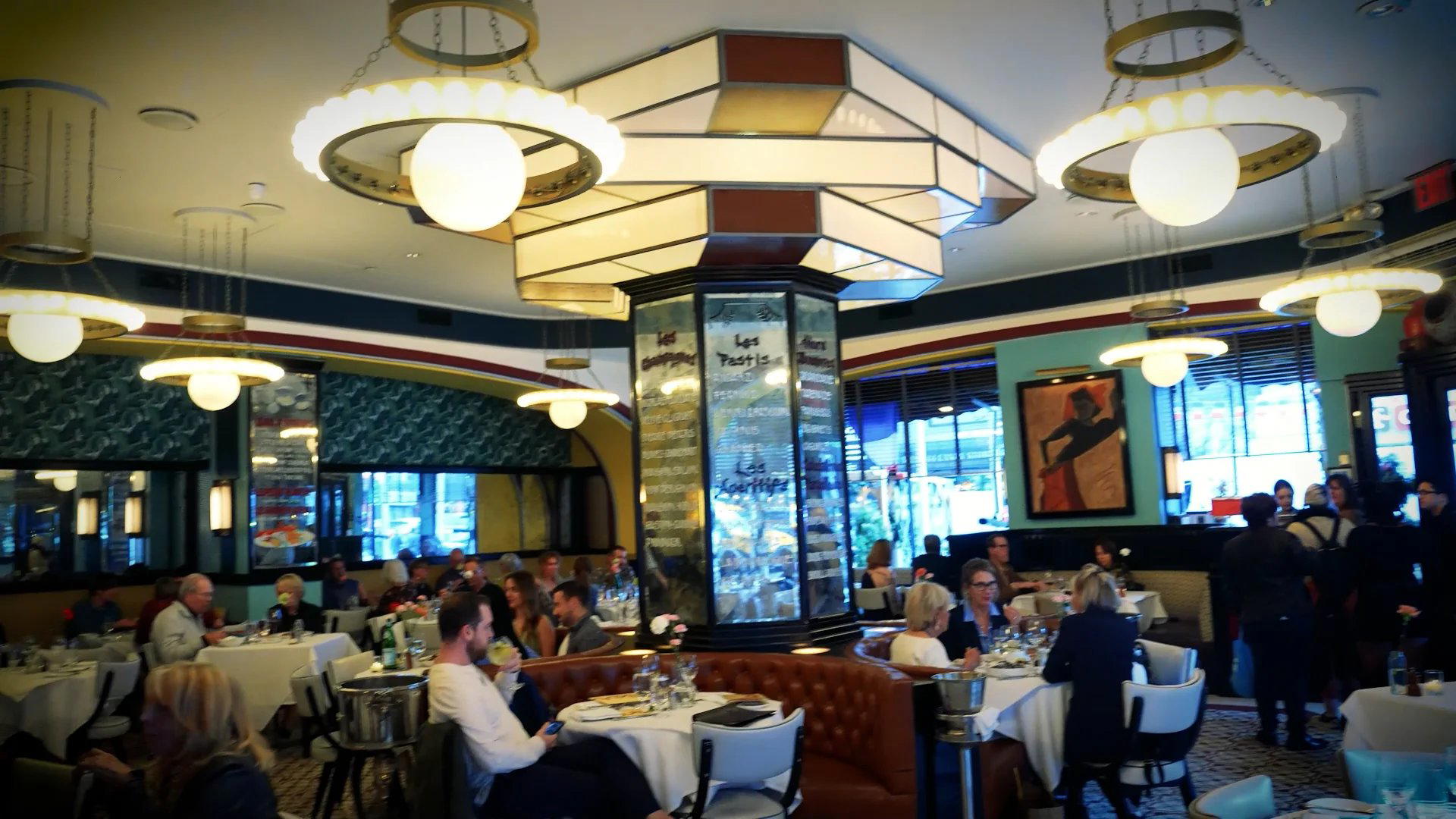
Hell's Kitchen and the Shifting Weight of Ninth Avenue
Midtown West's dining reputation has been rebuilt incrementally, and Ninth Avenue sits at the center of that story. Through the 1990s and into the early 2000s, the corridor running through Hell's Kitchen functioned primarily as a pre-theater utility belt: reliable enough, affordable, easy to clear in under two hours before curtain. The restaurants that thrived there were built around throughput, not depth. Marseille, at 630 9th Ave, entered that environment and became part of the slow process by which the neighborhood earned a more considered dining identity.
That shift mirrors patterns visible elsewhere in American cities where formerly transient dining corridors have matured into destinations in their own right. The mechanism is rarely dramatic. It tends to accumulate through individual venues holding a consistent position long enough to anchor expectations around them, raising the floor for what opens nearby. Ninth Avenue followed that trajectory, and restaurants that survived the neighborhood's transitional years carry an institutional weight that newer arrivals cannot replicate simply through quality alone.
French-Mediterranean Framing in a City That Does Both Separately
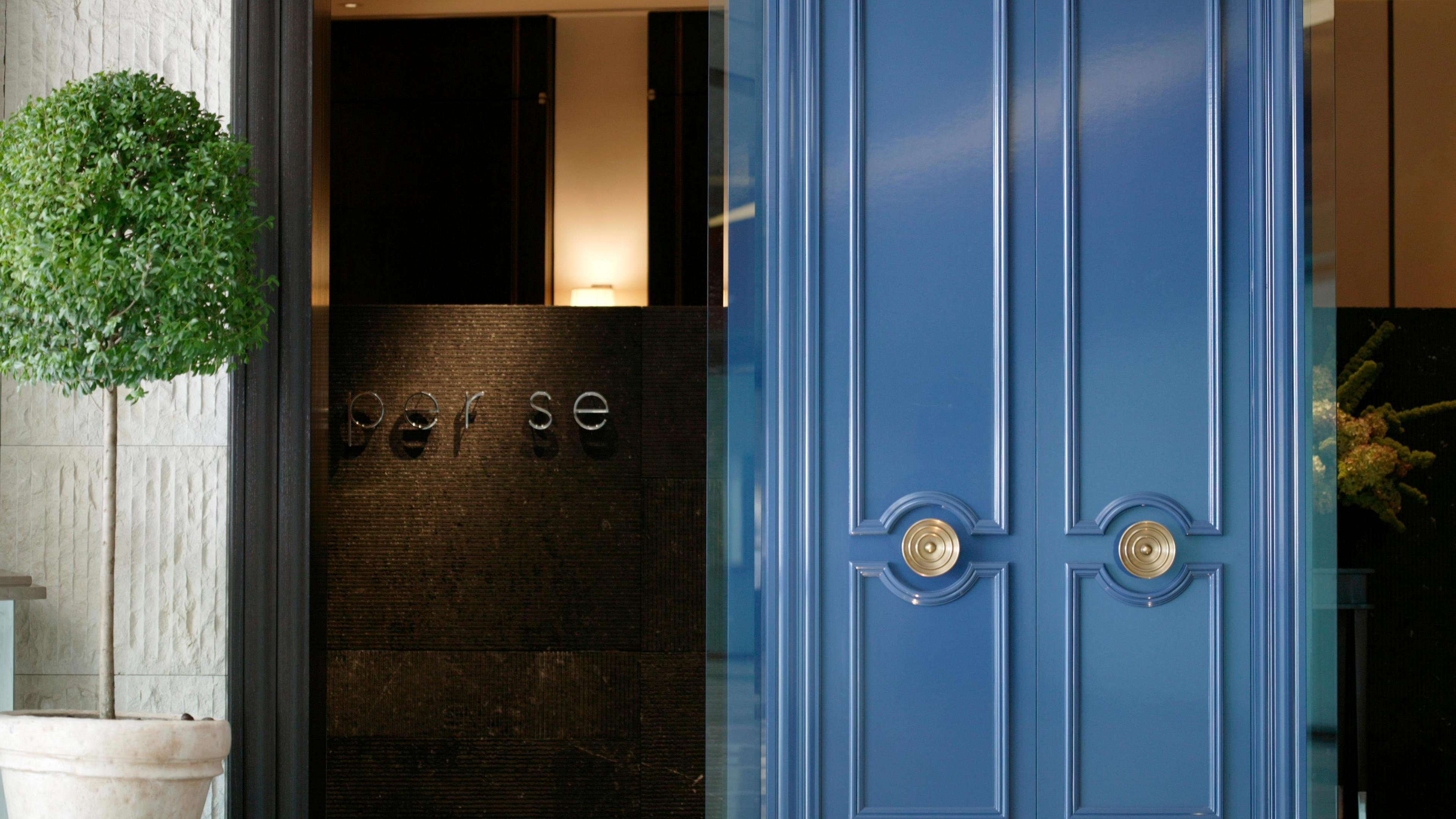
New York handles French fine dining and Mediterranean coastal cooking as largely distinct categories. The French track runs through venues like Le Bernardin, which built its reputation on classical French seafood technique at the highest formal register, and Per Se, which operates in the contemporary French idiom with a tasting-menu format and a price point to match. Mediterranean, by contrast, tends to appear in more casual registers or within broader European brasserie formats.
Marseille, the city in southern France, provides a specific culinary reference point that sits between those two poles: a port tradition with North African and Levantine threads, a cuisine defined by bouillabaisse and rouille and a particular relationship between seafood and spice. A restaurant drawing on that regional identity occupies a distinct position in the New York market, less crowded than the flagship French fine-dining tier but more specific than the broad Mediterranean category. That positioning tends to be more durable than trend-driven concepts because it is anchored in an actual culinary geography rather than a moment.
The Evolution of a Hell's Kitchen Anchor
The editorial angle that matters most for a venue at this address and of this age is not what it is now but how it got there. Hell's Kitchen restaurants that opened in the late 1990s or early 2000s faced a customer base divided between cost-conscious pre-theater diners and a slowly gentrifying residential population. The formats that survived that period generally had to perform across both audiences without fully committing to either, which produced a particular kind of durability: not the sharp-elbowed ambition of a destination restaurant trying to earn its first major recognition, but the quieter resilience of a place that had found its equilibrium.
That pattern is not distinctive to New York. Comparable trajectories appear in cities where neighborhood dining has shifted over a generation. Bacchanalia in Atlanta navigated a similar arc in its neighborhood context, and Emeril's in New Orleans represents another example of a restaurant whose identity became inseparable from the evolution of its immediate area. The comparison is not about culinary similarity but about the structural role a venue plays when it outlasts the conditions that originally defined it.
The question for any restaurant in that position is whether its format and identity have evolved in step with the neighborhood or whether they have stayed fixed while the world around them changed. Particularly interesting cases are venues that managed both: holding enough continuity to retain a loyal base while updating the product in ways that kept them legible to a new generation of diners arriving with different expectations. In New York's more documented fine-dining tier, that evolution tends to be tracked closely. It often shows up only in retrospect.
Placing Marseille in the Broader American Dining Conversation
The restaurants that attract concentrated critical attention in New York right now tend to cluster in specific categories: Korean fine dining, represented by venues like Atomix and Jungsik New York; Japanese precision formats including Masa; and a narrower tier of high-investment contemporary American. The French-Mediterranean register that Marseille represents sits outside those current focal points, which has implications for visibility but also for competition. Venues in that position face less direct pressure from particularly heavily covered openings of any given year.
Nationally, the restaurants that have built particularly sustained reputations tend to be those that committed to a specific culinary identity and held it across years rather than chasing critical trends. The French Laundry in Napa, Alinea in Chicago, Providence in Los Angeles, and Blue Hill at Stone Barns in Tarrytown each built recognizable identities over time rather than through a single opening moment. Single Thread Farm in Healdsburg, Lazy Bear in San Francisco, and Addison in San Diego represent a more recent generation operating within that same logic of sustained identity over spectacle. Within the international frame, venues like 8 1/2 Otto e Mezzo Bombana in Hong Kong and Alain Ducasse at Louis XV in Monte Carlo illustrate how French-rooted culinary traditions hold authority across different market contexts. The Inn at Little Washington provides a domestic parallel: a venue whose longevity has become its most credible signal of quality.
Marseille sits in a different tier and a different format from all of those references, but the underlying logic applies across price points and ambition levels. A restaurant at 630 9th Ave that has remained part of Hell's Kitchen's fabric through multiple cycles of neighborhood change has done something that most new openings, however well-financed or well-staffed, cannot manufacture on arrival.
Planning Your Visit
Marseille is located at 630 9th Ave in Hell's Kitchen, within walking distance of the Theater District and easily accessible from the A, C, and E lines at Port Authority or the 1, 2, 3 lines at Times Square. The address places it on a stretch of Ninth Avenue that rewards arriving early or staying late to take in the neighborhood's evolved restaurant density. Specific hours, current pricing, and reservation availability should be confirmed directly with the venue.
Price and Positioning
Comparable venues nearby, for context on price, style, and recognition.
| Venue | Cuisine | Price | Notes |
|---|---|---|---|
| MarseilleThis venue — the venue you are viewing | Not listed | $$$ | Not listed |
| Le Tout Va Bien | Hell's Kitchen, Classic French Bistro | $$$ | Not listed |
| Le Marais | Not listed | $$$ | Midtown-Times Square, Kosher French Steakhouse |
| Brasserie Cognac Midtown East | Not listed | $$$ | East Midtown-Turtle Bay, Classic French Brasserie |
| Marc Murphy | West Village, French-Italian Bistro | $$$ | Not listed |
| Le Jardin Bistro | Lower East Side, Authentic French Bistro | $$$ | Not listed |
Recognition history
Dated appearances from independent guides and award organizations, with the underlying list record or original source where available.
Wine Spectator Best of Award of Excellence
Wine Spectator
Continue exploring
More in New York City
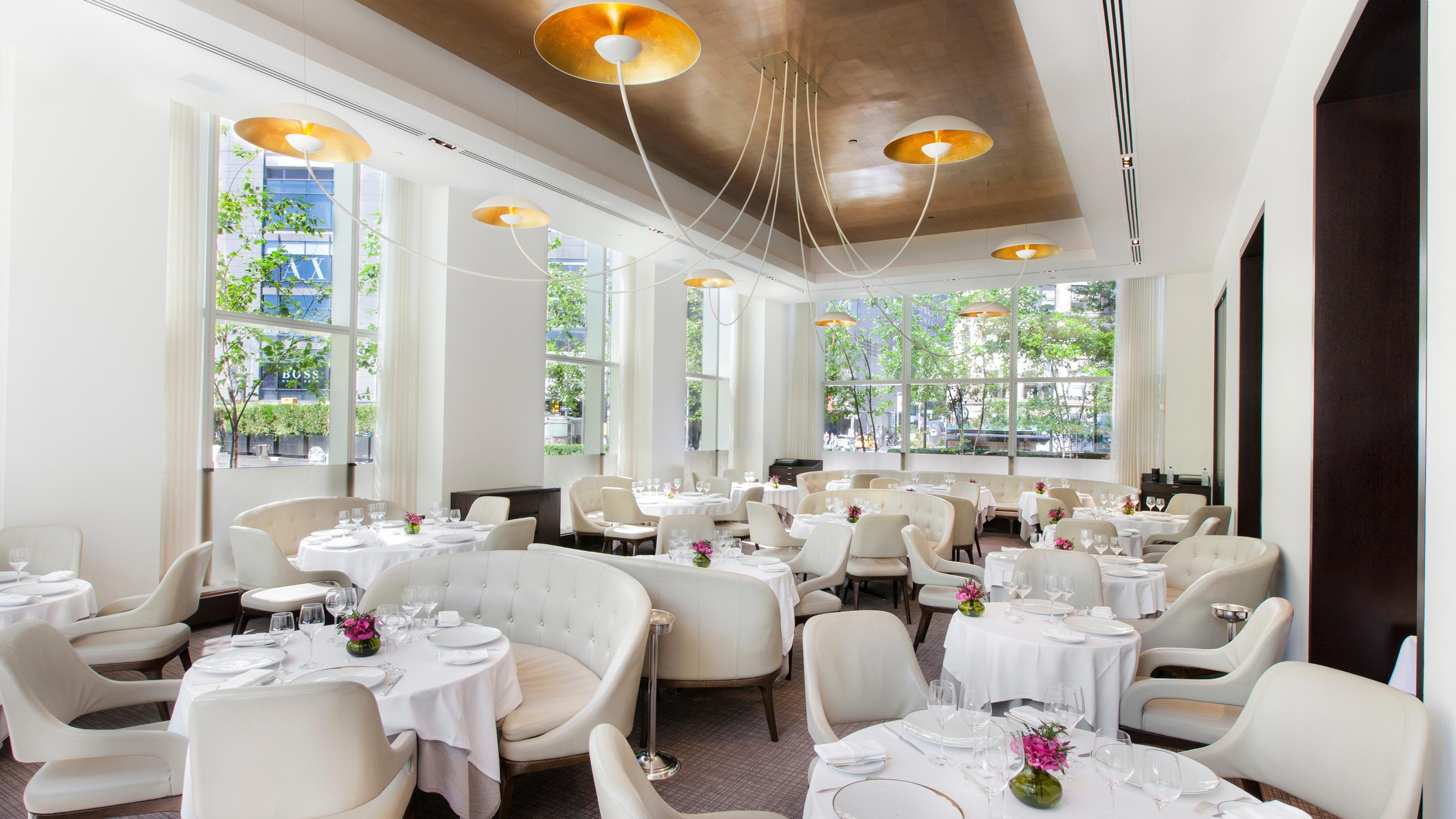
Restaurants in New York City
Browse all →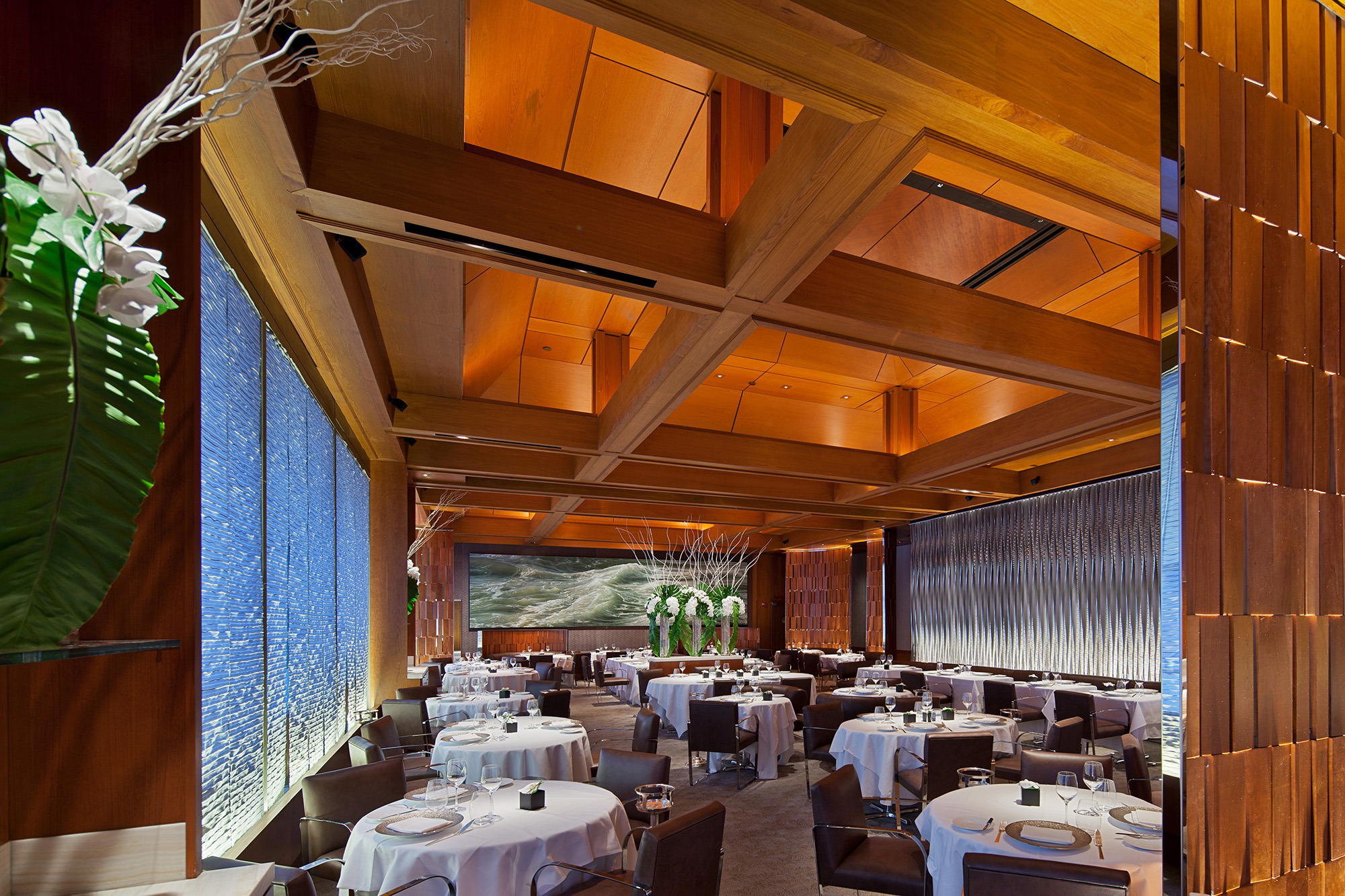
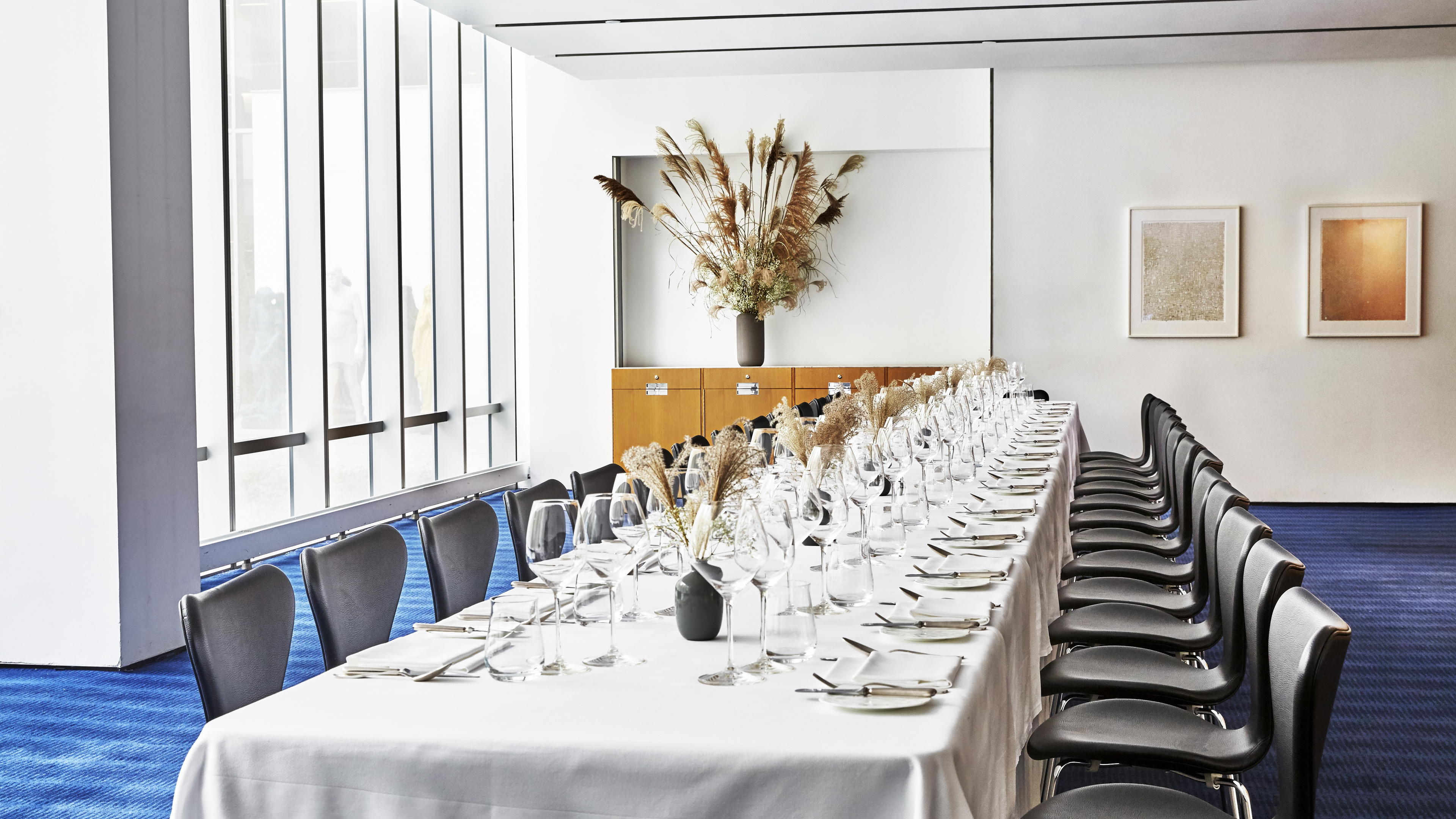
Bars in New York City
Browse all →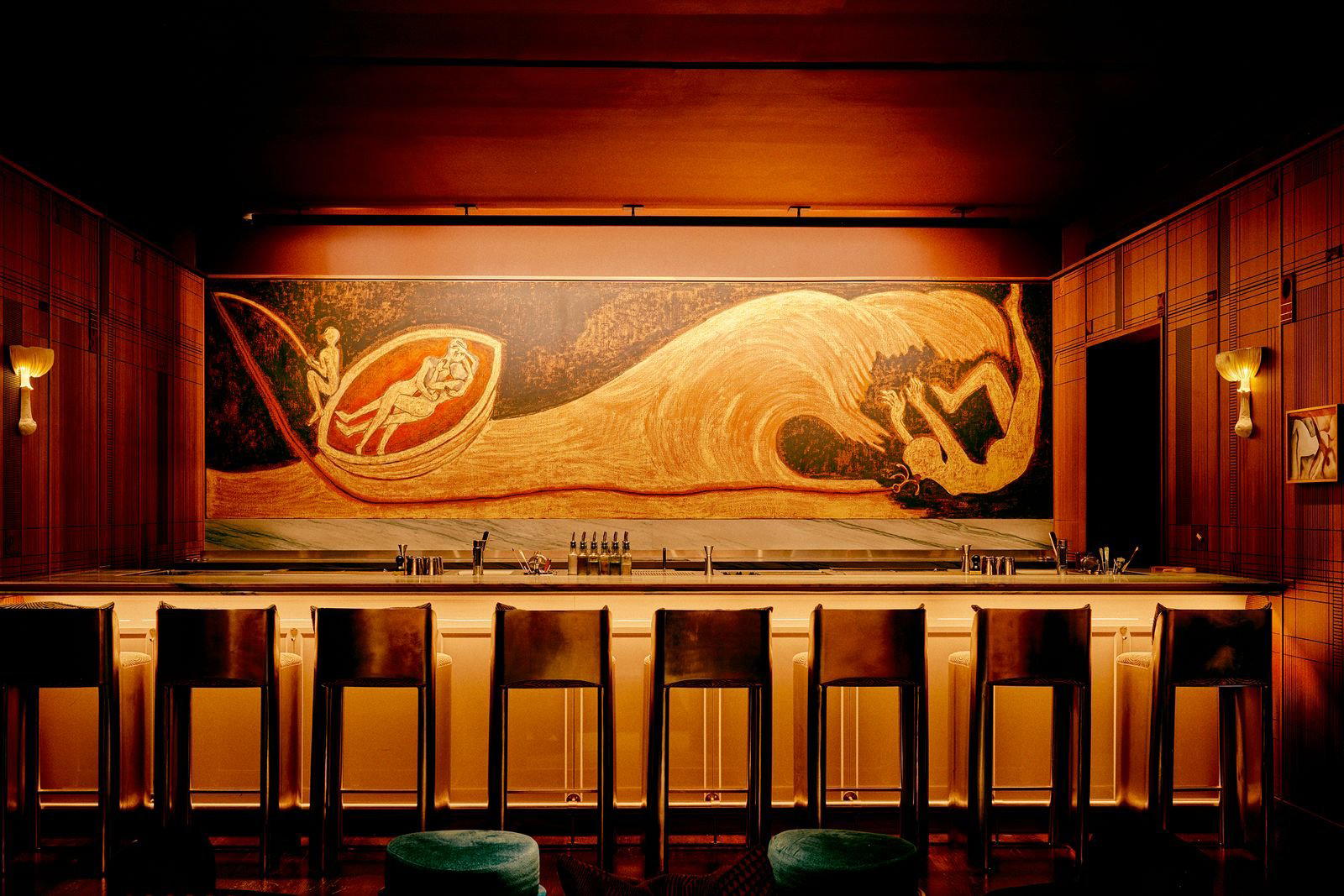
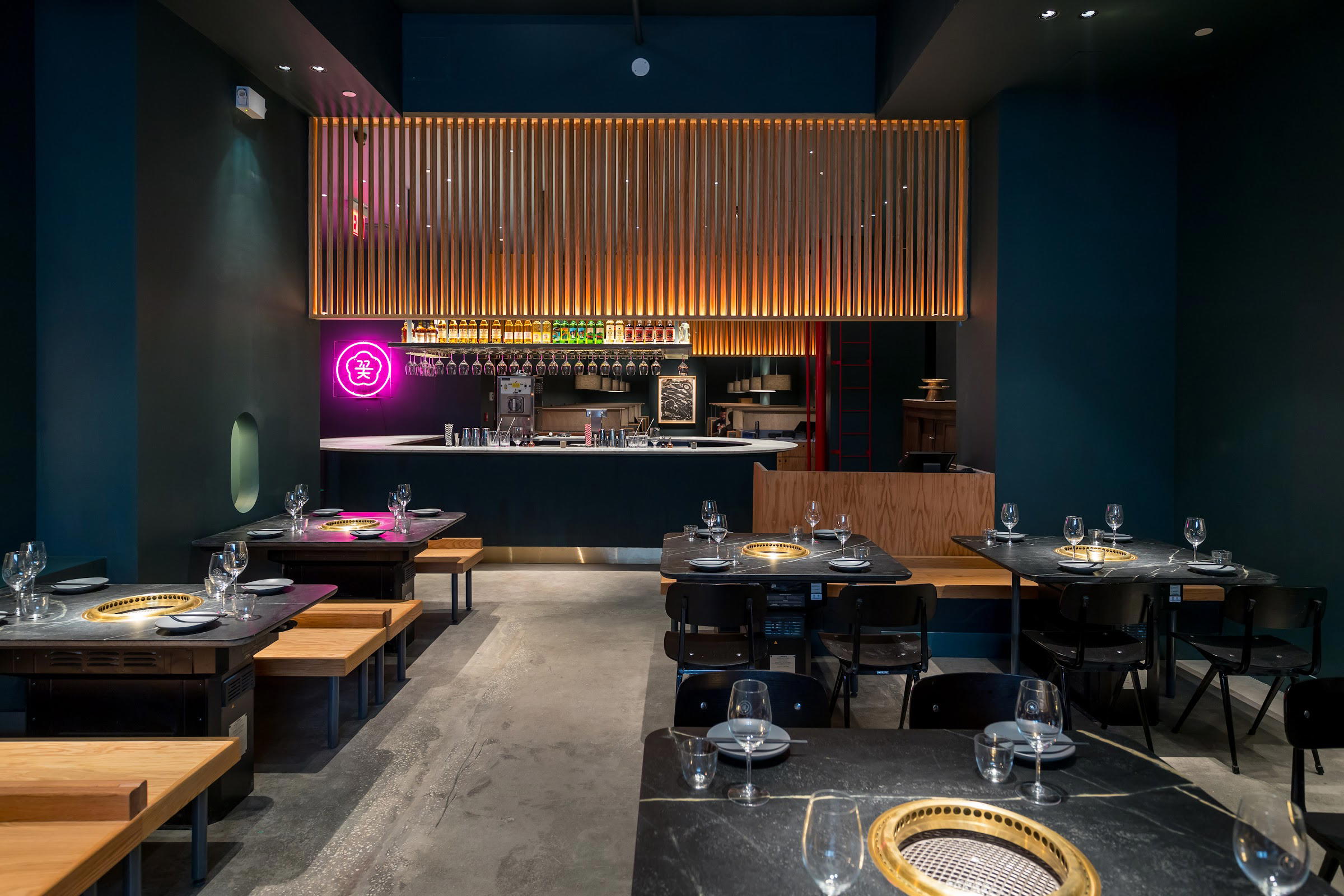

Hotels in New York City
Browse all →





At a Glance
- Classic
- Cozy
- Elegant
- Date Night
- Group Dining
- Special Occasion
- Standalone
Current opening hours
- Monday
- 12–10 PM
- Tuesday
- 12–10 PM
- Wednesday
- 11 AM–11 PM
- Thursday
- 12–11 PM
- Friday
- 12–11 PM
- Saturday
- 10 AM–11 PM
- Sunday
- 10 AM–10 PM
Hours can change for holidays and private events. Last verified .
Warm Parisian bistro vibe with cozy dining room.