La Voya
Our verdict
La Voya sits at 5005 Glumack Drive in the Minneapolis-Saint Paul airport corridor, occupying a dining category where provenance and sourcing discipline increasingly define the conversation. The Upper Midwest's farm network gives regional kitchens genuine raw-material depth, and La Voya positions itself within that tradition. Travelers and locals seeking ingredient-led cooking in the Twin Cities metro will find it worth considering on the way through.

Pearl is the En Primeur Club membership app — saves, bookings, and concierge access live there. Same editors, same standards.
- Address
- 5005 Glumack Dr, Minneapolis, MN 55450
- Phone
- (612) 725-0500
- Hours
- Mon 6:30 AM–5 PMTue–Sat 6:30 AM–10 PMSun 6:30 AM–5 PM
- Website
- intercontinentalmsp.com
- Directions
- Get directions
- Booking
- Book on OpenTable
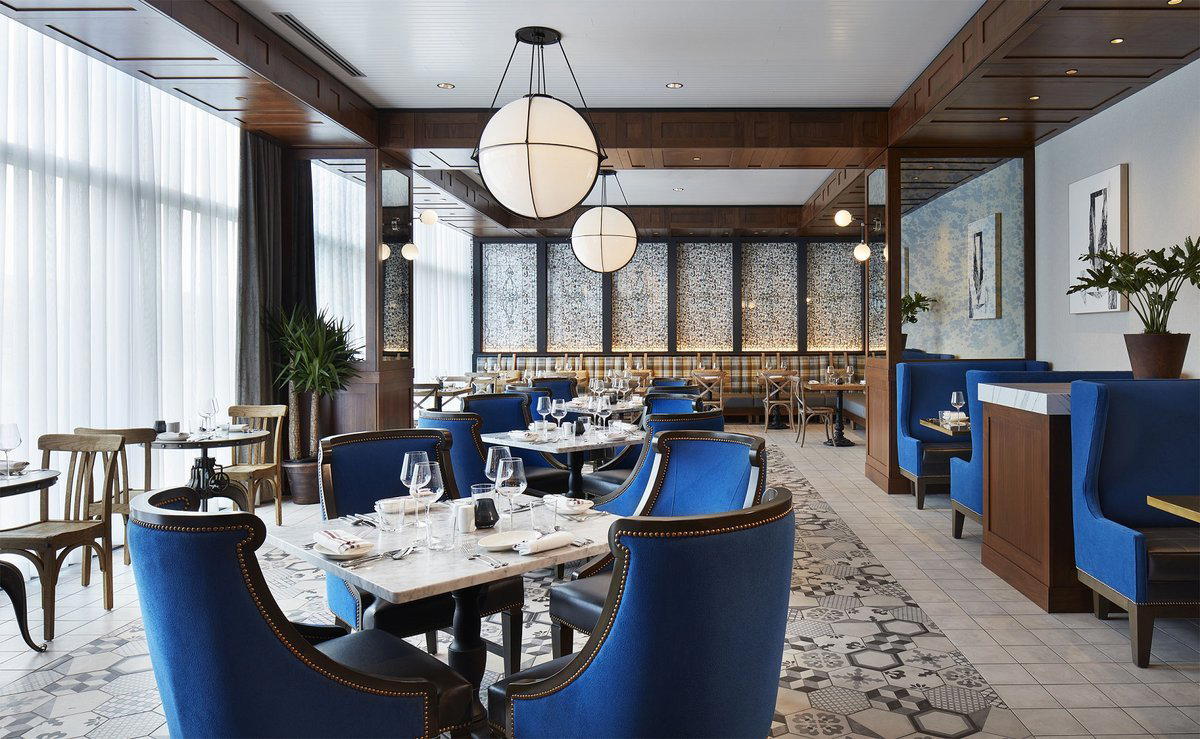
Where the Airport Corridor Meets the Upper Midwest Larder
The stretch of road running along Glumack Drive toward Minneapolis-Saint Paul International Airport is not where most food writers expect to find a restaurant worth lingering over. Airport-adjacent dining in American cities has historically operated on a single premise: speed over substance, throughput over craft. That premise has been eroding for nearly a decade, and La Voya, at 5005 Glumack Drive, sits inside that broader shift. The address places it in Fort Snelling, technically outside the Minneapolis city limits but firmly within the gravitational pull of the Twin Cities dining conversation — a scene that has become one of the more agriculturally serious in the Upper Midwest.
Minnesota's position in the American food supply chain is underappreciated from a dining perspective. The state ranks among the leading producers of wild rice, dairy, pork, and cold-climate produce. Its proximity to Wisconsin's cheese culture and the farms of the St. Croix River valley means that kitchens drawing from regional sources have access to genuine variety across seasons. Restaurants in this corridor that commit to that sourcing logic — rather than defaulting to broadline distributor defaults, are doing something the address alone would never suggest. La Voya's location in this zone puts it in an interesting position: serving a transient airport-adjacent audience while operating within reach of a city whose dining culture has increasingly rewarded ingredient provenance. For a sense of how the Twin Cities fits into the national ingredient-led dining conversation, see our full Fort Snelling restaurants guide.
The Upper Midwest Sourcing Tradition and What It Demands
To understand what ingredient-led cooking means in this part of the country, it helps to look at the American restaurants that have made sourcing their editorial argument. Blue Hill at Stone Barns in Tarrytown built an entire identity around the farm-to-table relationship, to the point where the farm itself is the menu's author. Single Thread Farm in Healdsburg operates with a working farm attached to the restaurant, giving the kitchen real-time access to what is at its peak. These are extreme cases, vertically integrated, capital-intensive, built around specific agricultural landscapes. Most restaurants working in the sourcing tradition operate differently: they build supplier relationships, maintain seasonal flexibility, and let the provenance story inform the menu without owning the land.
The Upper Midwest version of this model has its own texture. Cold winters compress the growing season but intensify certain flavors, root vegetables, storage crops, aged dairy, that define winter menus here in ways that California or the Southeast would not produce. Spring brings ramps, morels, and fiddleheads from Minnesota and Wisconsin woodlands. Summer delivers stone fruit and field tomatoes from river valley farms. Fall is defined by squash, wild rice harvest, and the first cold-weather proteins. A kitchen that reads those seasonal signals and builds around them is doing something meaningfully different from one that sources regionally as a marketing claim rather than an operational reality.
Nationally, the restaurants most associated with this kind of sourcing discipline tend to sit in specific price tiers and use the provenance story as a premium signal. Brutø in Denver has approached the farm sourcing question from a tasting menu format. Bacchanalia in Atlanta has sustained a regional sourcing commitment over decades, which is a different and arguably harder discipline than launching with it. Frasca Food & Wine in Boulder grounds its sourcing in a specific Italian regional tradition while drawing on Colorado agriculture. Each of these represents a different answer to the same question: where does the food come from, and what does that choice cost the kitchen in terms of flexibility, price, and consistency?
Format, Setting, and What to Expect on Arrival
The physical approach to La Voya along Glumack Drive carries the specific atmosphere of airport-adjacent commercial infrastructure: rental car facilities, terminal access roads, the low-grade hum of aircraft on final approach. Inside, the expectation is a contrast, the kind of interior recalibration that well-designed airport-corridor restaurants have learned to engineer.
For travelers, the practical calculus of a restaurant at this address is direct. It sits between the terminals and the wider Minneapolis metro, which makes it accessible both to departing passengers with time before a flight and to arrivals looking for a first meal in the region. The Twin Cities airport corridor is better served for serious dining than most comparable American airport zones, partly because the local dining culture has a high tolerance for food-first establishments that do not rely on tourist foot traffic.
Comparable ingredient-focused restaurants at the national level that operate in non-obvious locations include Addison in San Diego and The Inn at Little Washington in Virginia, both of which have built reputations that override the geographic expectations of their addresses. At the seafood-sourcing end of the American spectrum, Le Bernardin in New York City and Providence in Los Angeles demonstrate what happens when sourcing precision is applied to a single protein category with long-term consistency. ITAMAE in Miami applies a similar discipline to Nikkei and Japanese-influenced seafood. At the more structured tasting-menu end, Alinea in Chicago, Lazy Bear in San Francisco, and Atomix in New York City each use their ingredient story as a structural element of the format, not just a talking point. Emeril's in New Orleans and Causa in Washington, D.C. show how regional sourcing can carry a culturally specific identity. 8½ Otto e Mezzo Bombana in Hong Kong represents the international end of the spectrum, where sourcing is a luxury signal operating across hemispheres. The French Laundry in Napa remains the American benchmark against which ingredient-led fine dining is still measured, two decades after it redefined the category.
Planning Your Visit
The address at 5005 Glumack Drive places it within a short drive of both the main MSP terminals and the broader Fort Snelling area. Given the airport-adjacent location, confirming reservation availability ahead of time is sensible rather than assuming walk-in access, particularly during peak travel periods when the corridor sees heavy traffic.
Frequently asked questions
Is La Voya a family-friendly restaurant?
Prospective guests with children should check the venue's official channels to ask about menu flexibility and seating. The location at 5005 Glumack Drive is practical for families moving through Minneapolis-Saint Paul International Airport.
What is the atmosphere like at La Voya?
La Voya sits on Glumack Drive in the airport-adjacent commercial corridor of Fort Snelling, which sets an unconventional physical approach for a restaurant with ingredient-led ambitions. Restaurants operating in this sourcing-conscious register in the Twin Cities tend toward interiors that emphasize material honesty over theatrical decor. Specific details on the room, lighting, or service format are not confirmed, so contacting the venue before visiting is advisable.
Is La Voya a practical dining option for travelers with a layover at Minneapolis-Saint Paul International Airport?
La Voya's address at 5005 Glumack Drive places it directly in the MSP airport access corridor, making it geographically closer to the terminals than most full-service restaurants in the Twin Cities. Whether that translates to a workable layover stop depends on confirmed hours and reservation policy, which prospective visitors should verify before planning around a flight schedule. The location in Fort Snelling is among the most airport-proximate dining options in the metro.
What should I order at La Voya?
Restaurants in the Upper Midwest sourcing tradition typically anchor the menu to what regional farms and waters are producing by season, which means the strongest choices shift quarterly. For the most accurate read on current offerings, check directly with the restaurant at its 5005 Glumack Drive address in Fort Snelling before your visit.
In Context: Similar Options
Comparable venues nearby, for context on price, style, and recognition.
| Venue | Cuisine | Price | Awards | Notes |
|---|---|---|---|---|
| La VoyaThis venue — the venue you are viewing | French Brasserie with Minnesota Twist | Not listed | Not listed | Not listed |
| Paris Dining Club | Modern French Bistro | Not listed | Not listed | North Loop |
| Barbette | French Brasserie | $30–50 | Not listed | Uptown |
| Bûcheron | French-American Bistro | $100–150 | James Beard Award Semi Finalist · Wine Spectator Award of Excellence | King Field |
| Luci Ancora | Creative Italian Trattoria | $50–100 | Not listed | Highland |
| Meritage | Classic French Brasserie | $50–100 | Not listed | Downtown |
Continue exploring
More in Fort Snelling
Restaurants in Fort Snelling
Browse all →
Bars in Fort Snelling
Browse all →
Details
- Elegant
- Modern
- Intimate
- Business Dinner
- Brunch
- Hotel Restaurant
- A La Carte
Current opening hours
- Monday
- 6:30 AM–5 PM
- Tuesday
- 6:30 AM–10 PM
- Wednesday
- 6:30 AM–10 PM
- Thursday
- 6:30 AM–10 PM
- Friday
- 6:30 AM–10 PM
- Saturday
- 6:30 AM–10 PM
- Sunday
- 6:30 AM–5 PM
Hours can change for holidays and private events. Last verified .
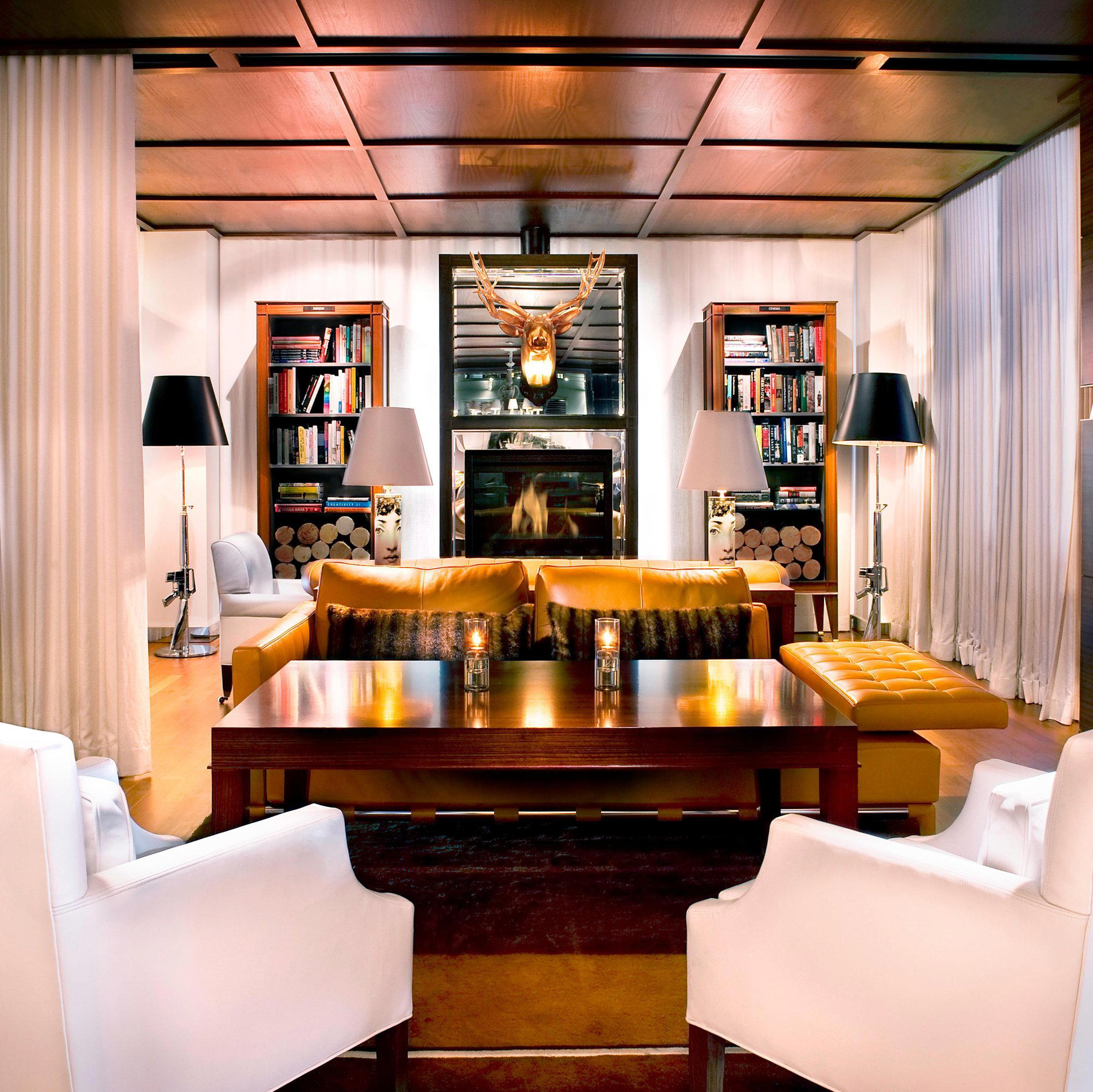
Charming and intimate space with modern luxurious feel.