The Nook

The Nook pairs Modern American Fine Dining with craft cocktails, a leisurely pace, and conversational noise for breakfast, brunch, or dinner.
Pearl is the En Primeur Club membership app — saves, bookings, and concierge access live there. Same editors, same standards.
- Address
- 492 Hamline Ave S, St Paul, MN 55116
- Phone
- (651) 698-4347
- Website
- crnook.com
- Directions
- Get directions
 Saves & bookings on Pearl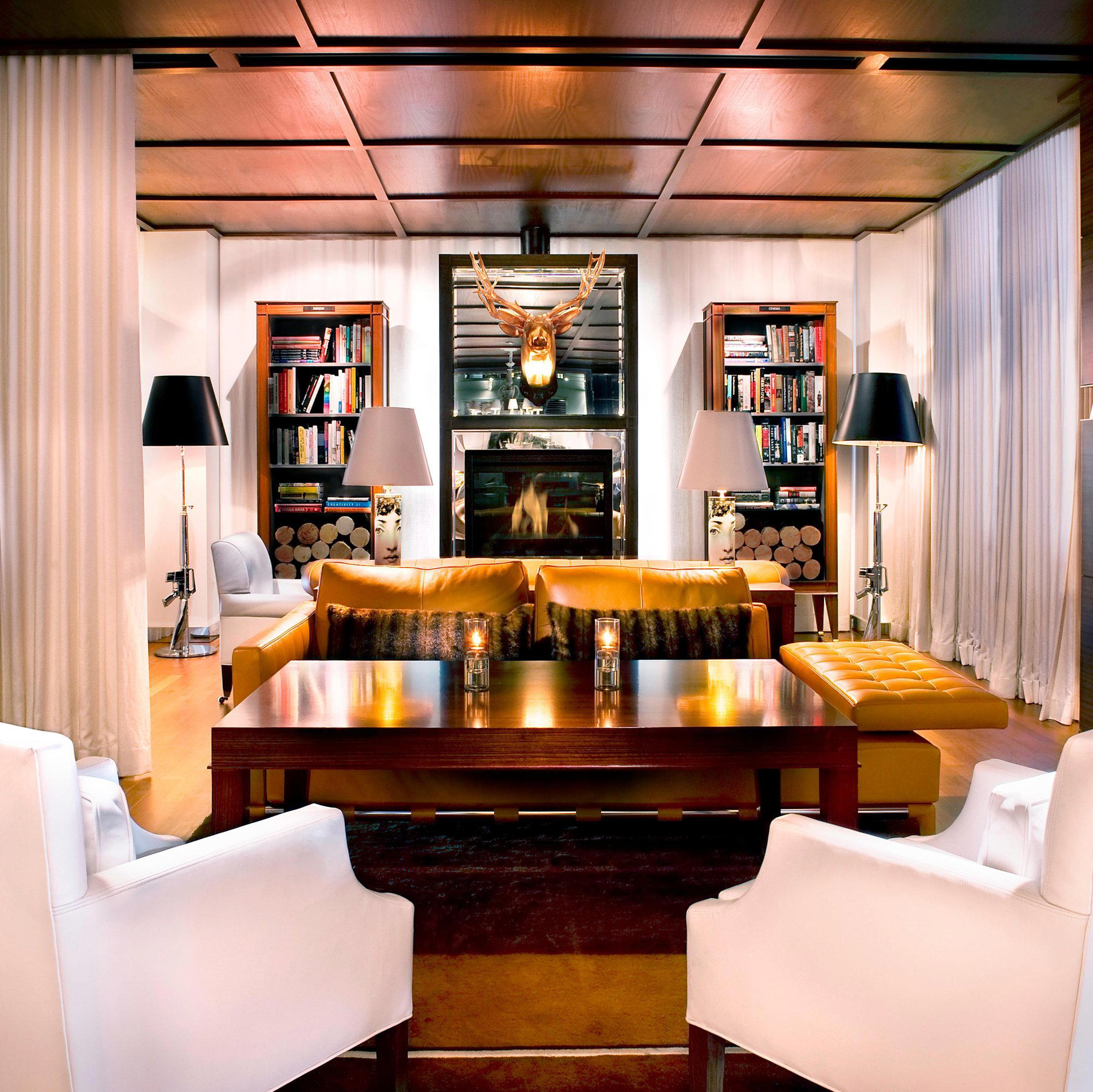
Where Beverly Hills Dining Gets Personal
The Nook is a restaurant in St Paul, Minnesota, serving Modern American Fine Dining at about $65 per person. On one side, the grand-scale productions: hotel dining rooms engineered for spectacle, steakhouses built around theatre and price-point signaling, Californian tasting menus that position themselves against The French Laundry in Napa and Lazy Bear in San Francisco. On the other, the quieter register of neighborhood-anchored spaces where the room itself does less work and the food is expected to carry more weight. The Nook leans toward the latter tradition.
Approaching a room designed around intimacy rather than scale changes the sensory contract from the start. The noise profile is lower, the sightlines shorter, the sense of enclosure more deliberate. A space that turns inward reads as a conscious editorial choice rather than a limitation. The nook format, historically, has carried specific atmospheric expectations: low ceilings or intimate sightlines, materials that absorb rather than amplify sound, a pacing that the room physically enforces rather than just suggests.
The Beverly Hills Context
To understand where a space like The Nook sits, it helps to map the broader terrain. Beverly Hills dining has consolidated around a handful of identifiable tiers. At the leading, hotel-anchored flagship rooms such as Esterel and Culina Ristorante and Caffè operate with the infrastructure and price positioning of destination dining. In the mid-tier, Californian-inflected menus with Mediterranean leanings have become the structural default, a pattern visible at Marea and reinforced across the neighborhood's independent openings over the past decade.
Smaller, format-focused rooms occupy a different niche. They tend to attract a local return-visit clientele rather than the out-of-town occasion diner, and their success is measured differently: repeat covers and neighborhood loyalty rather than reservation scarcity driven by press cycles. Globally, this model appears in mature dining cities from New York to Hong Kong, where something like Atomix in New York City or 8 1/2 Otto e Mezzo Bombana in Hong Kong demonstrates how intimacy of format can coexist with serious culinary ambition. The restaurant operates in that general register, where the scale is a position, not a constraint.
Atmosphere as Architecture
In Beverly Hills, where the dining room is frequently as important a signal as the menu, the decision to build around closeness rather than grandeur carries specific implications. Rooms of this type tend to reward dinner over lunch: the atmospheric compression that feels cozy at 8pm can feel slightly airless at noon. Acoustics in smaller spaces either work hard in your favor, conversation travels easily, the room feels alive without being loud, or they create the opposite problem, where every table hears every other. The physical configuration matters enormously, and in it is worth checking current guest reports before booking for a large group.
Seasonally, Beverly Hills dining shifts in character across the year. The late-autumn and winter months, running from November through February, see a concentration of industry awards-season activity that fills higher-profile rooms and compresses availability at mid-tier spots that benefit from overflow. Spring, by contrast, tends to open the neighborhood up: outdoor terracing comes into use, pacing relaxes, and the ambient energy shifts from the slightly performative to the genuinely convivial. For a room designed around intimacy, this distinction matters more than it would for a 200-seat hotel dining room.
Placing The Nook Against Its Peers
The comparison set for a neighborhood-scale room in Beverly Hills is not Spago or CUT. It is the smaller tier of focused, format-conscious spaces that operate with lower seat counts and, typically, higher reliance on a loyal local base. Nationally, the template for this kind of ambitious small-format dining includes Alinea in Chicago at the more theatrical extreme and Single Thread Farm in Healdsburg at the agricultural-precision end. The restaurant does not appear to sit in either of those rarefied brackets, but understanding those reference points helps clarify what the neighborhood-intimate model can and cannot deliver.
For diners choosing between the restaurant and its Beverly Hills peers, the operating question is usually format preference rather than quality comparison. A room that foregrounds closeness and neighborhood character offers something structurally different from the broad-menu, high-production rooms nearby, not a lesser version of the same thing. Visitors accustomed to the standard Beverly Hills dining profile, built around generous space, extensive wine programs, and staff-to-cover ratios that support longer meals, should calibrate expectations accordingly. What the restaurant format trades in scale, it typically returns in directness: fewer filters between the kitchen and the table, faster feedback loops on what works, and a room that does not require a full dining room to feel functional.
Planning Your Visit
Before committing, check current booking platforms and recent guest reports, particularly for larger parties or special-occasion dinners. Beverly Hills has enough dining density that an informed diner can build a strong evening around multiple options;
Beverly Hills, with its compressed geography and high diner expectations, remains one of the more demanding environments for the intimate-room model, but also one where the contrast with the neighborhood's dominant scale makes the format feel like a genuine counterpoint rather than simply a smaller version of the same offer.
Same-City Peers
Comparable venues nearby, for context on price, style, and recognition.
| Venue | Cuisine | Price | Notes |
|---|---|---|---|
| The NookThis venue — the venue you are viewing | Modern American Fine Dining | $$$ | Not listed |
| Restaurant Aubergine | Cafe | $$ | Woodside |
| Cafe Latte | American Bakery Cafe | $$ | Summit Hill |
| Colossal Cafe | American Breakfast & Lunch Café | $$ | Grand Avenue |
| Burger Dive on Bay Street | Dining | $$ | West Seventh |
| The Buttered Tin | American Bakery Cafe | $$ | Lowertown |
Recognition history
Dated appearances from independent guides and award organizations, with the underlying list record or original source where available.
Diners, Drive-Ins and Dives Featured Restaurant
Diners, Drive-Ins and Dives · 2026 Diners, Drive-Ins and Dives Featured Restaurants
Diners, Drive-Ins and Dives Featured Bar
Diners, Drive-Ins and Dives · 2026 Diners, Drive-Ins and Dives Featured Bars
Continue exploring
More in Saint Paul
Restaurants in Saint Paul
Browse all →
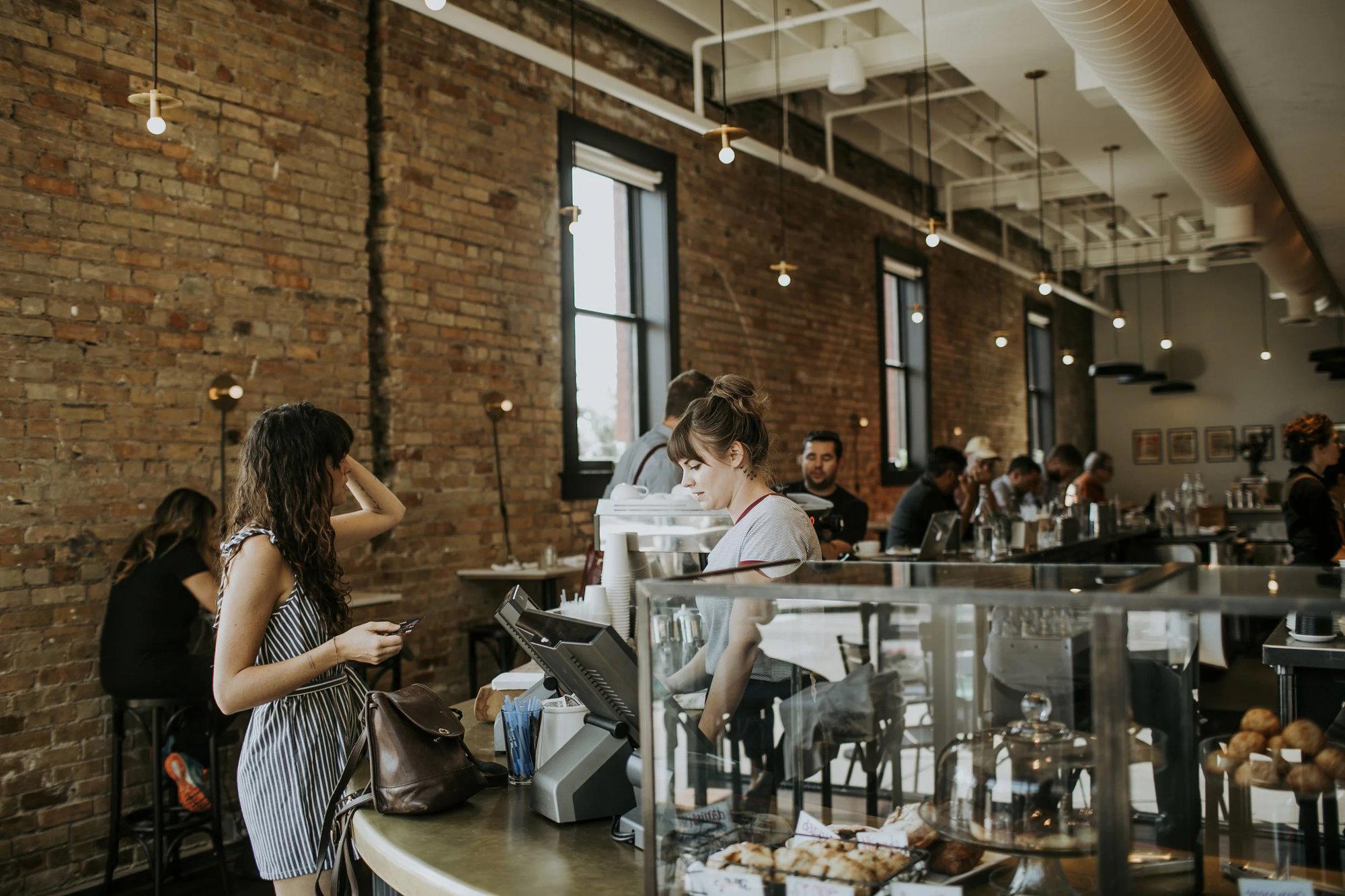
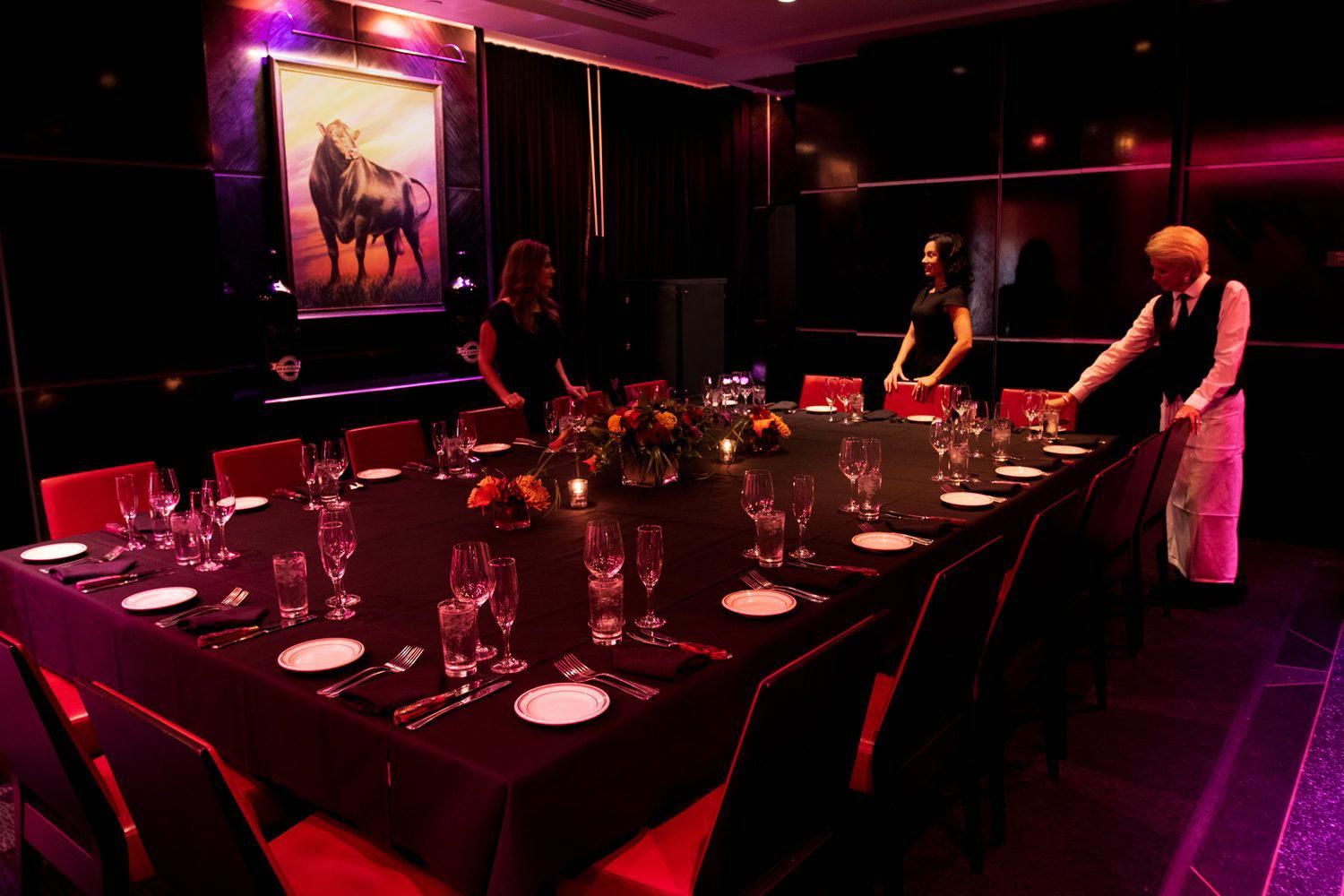
Bars in Saint Paul
Browse all →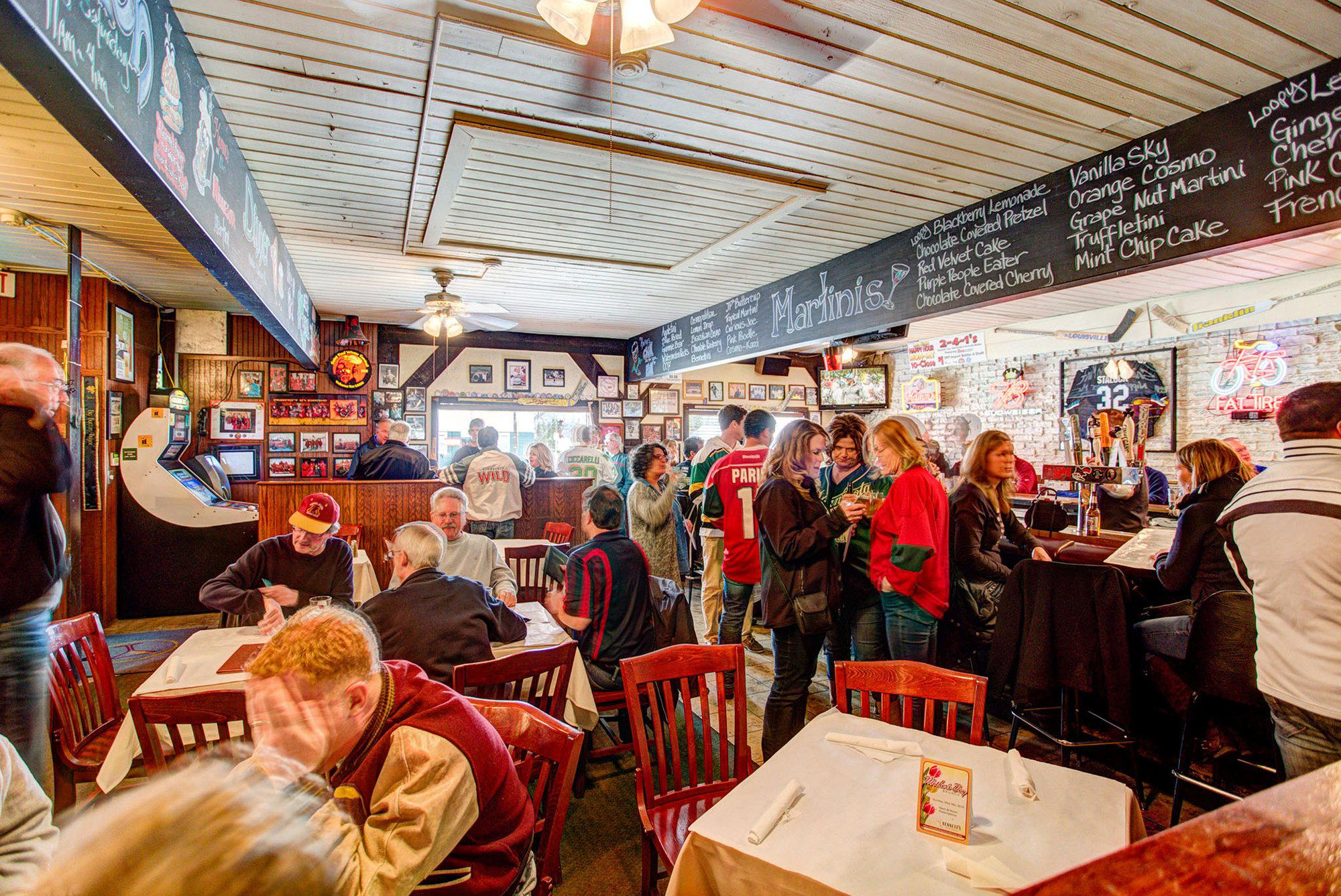
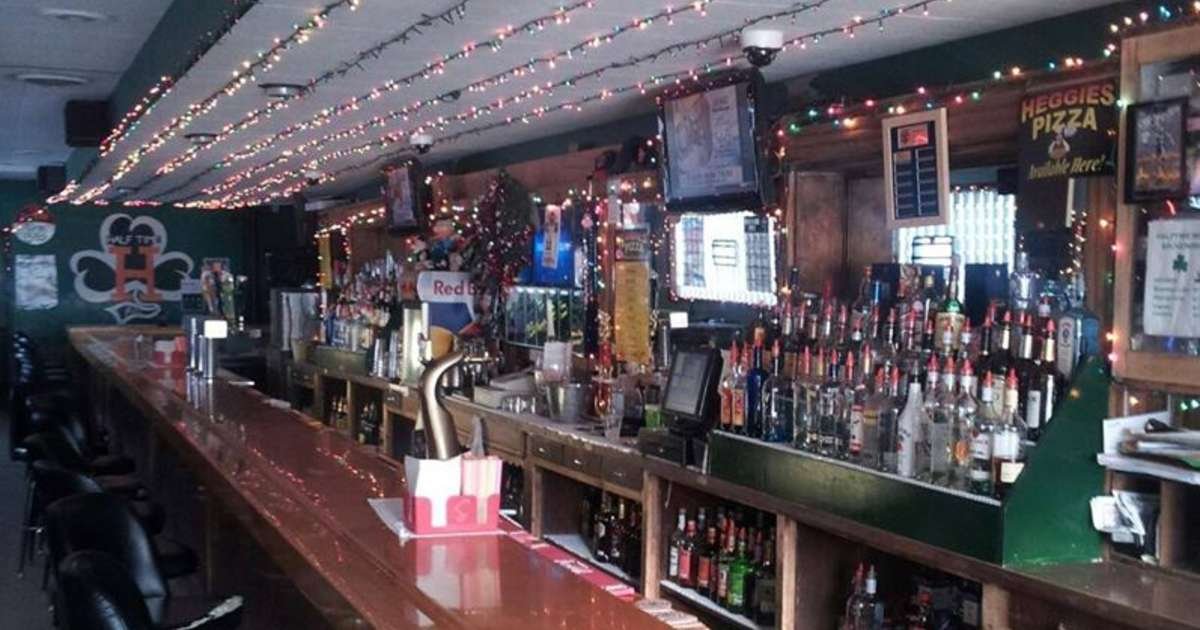

At a Glance
- Lively
- Energetic
- Classic
- Cozy
- Casual Hangout
- Group Dining
- After Work
- Late Night
- Standalone
- Beer Program
Current opening hours
- Monday
- 11 AM–11 PM
- Tuesday
- 11 AM–11 PM
- Wednesday
- 11 AM–11 PM
- Thursday
- 11 AM–11 PM
- Friday
- 11 AM–11 PM
- Saturday
- 11 AM–11 PM
- Sunday
- 11 AM–11 PM
Hours can change for holidays and private events. Last verified .
A lively, fun, high-energy burger spot with a casual, busy atmosphere; the venue is described as a small place with big burgers and a place to stay for hours of fun and great food.