W Minneapolis - The Foshay
The W Minneapolis - The Foshay occupies one of downtown's most architecturally significant addresses, a 1929 Art Deco tower that once held the title of tallest building in the city. The W brand's signature energy-forward programming sits inside a building whose bones tell a quieter, more considered story. For travelers who want downtown access with a design-led backdrop, the Foshay delivers both.
Pearl is the En Primeur Club membership app — saves, bookings, and concierge access live there. Same editors, same standards.
- Address
- 821 S Marquette Ave, Minneapolis, MN 55402
- Phone
- +1 612 215 3700
- Website
- marriott.com
- Directions
- Get directions
 Saves & bookings on Pearl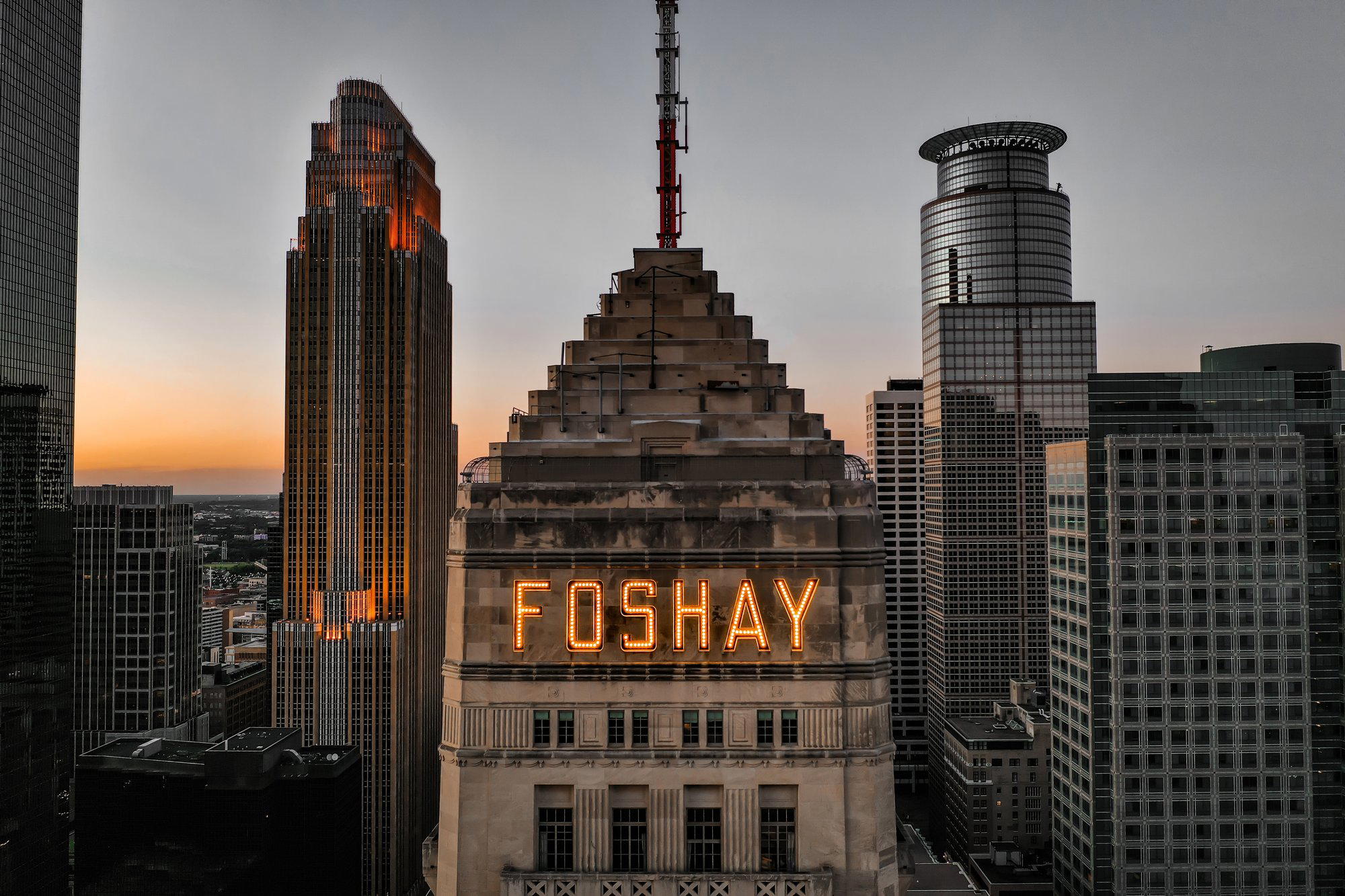
A Tower With a Second Life
Downtown Minneapolis has seen its hotel tier reshuffle considerably over the past decade. The arrival of the Four Seasons Hotel Minneapolis pushed the ceiling on what luxury looks like in this market, while independent properties like the Hewing Hotel and the The Chambers Hotel carved out design-led niches that didn't exist ten years ago. W Minneapolis - The Foshay is a 5-star hotel in downtown Minneapolis, located at 821 S Marquette Ave. Into that context, the W Minneapolis - The Foshay occupies a position that few competitors can replicate: it operates inside a genuine piece of American architectural history. The Foshay Tower, completed in 1929 and modeled after the Washington Monument, was the tallest building in Minnesota for nearly four decades. The W brand's conversion of the upper floors into a hotel gave the structure a new function without erasing its original character, and that layering of old structure onto contemporary hospitality programming is what makes the property genuinely interesting to read as a place.
The Energy of the W Format Inside Art Deco Bones
The W brand globally positions itself around a particular kind of urban energy: late nights, strong design language, and a bar scene that functions as a social anchor for the property. At the Foshay, that formula intersects with the building's 1929 Art Deco detailing in ways that produce real tension between eras. The lobby communicates the W's characteristic sensory density, with considered lighting and a soundtrack that establishes mood from the moment of arrival. Guests oriented toward that kind of atmosphere will find it delivered here. Travelers seeking something quieter and more residential in feel might look instead at the Nicollet Island Inn or the Hotel Ivy, A Luxury Collection Hotel, Minneapolis, both of which read more sedately against the W's deliberate social charge.
Within the competitive set for downtown Minneapolis, the W sits between the accessible energy of the Aloft Minneapolis at the entry end and the full-service polish of the The Marquette Hotel, Curio Collection by Hilton slightly higher up. Its differentiator is neither price leadership nor service depth but the combination of a heritage address and a brand ecosystem that draws a specific, self-selecting traveler.
Wellness in the Context of an Urban Stay
The retreat mindset has evolved considerably inside urban hotel formats. Properties like Canyon Ranch Tucson, Amangiri in Canyon Point, and Post Ranch Inn in Big Sur define what a dedicated wellness retreat looks like at its most complete, where the environment itself becomes therapeutic. Urban hotels operate on a different model: they compress recovery into fitness centers, spa treatments, and in-room programming that sits alongside a full city itinerary rather than replacing it. The W Minneapolis - The Foshay fits that urban wellness format. The SWEAT fitness center gives guests a place to maintain routine, while spa access allows for more deliberate decompression between meetings or cultural programming. It is not a destination wellness resort. What it offers is a credible infrastructure for travelers who treat physical maintenance as non-negotiable regardless of where they are, not as a retreat but as continuity.
That distinction matters for how guests plan their time. At properties like Little Palm Island Resort & Spa in Little Torch Key or Kona Village, A Rosewood Resort in Kailua Kona, the wellness offering is the primary reason for travel. At the Foshay, it supports travel driven by other motivations, primarily the city itself. Minneapolis in this sense rewards that approach: the Minneapolis Institute of Art is within reach, the North Loop's restaurant corridor is accessible, and the skyway system means even Minnesota winters don't impose a full mobility penalty on downtown exploration.
The Observation Deck and the Building's Public Life
One of the Foshay's more unusual assets is the observation deck on the 30th floor, a remnant of the building's original design that remains open and gives guests a direct vertical relationship with the city that most hotel rooms don't provide. Minneapolis from that height reads differently than it does at street level: the density of the downtown core, the proximity to the Mississippi River corridor, and the green infrastructure of the park system all become legible in ways the ground floor obscures. For a traveler staying at the property, spending time on the observation deck early in a visit is a practical orientation tool as much as anything else, a way of understanding the city's geometry before walking into it.
That kind of embedded context is part of what separates heritage conversions from purpose-built hotels. Properties like the Troutbeck in Amenia or Raffles Boston in Boston carry histories that inform how a guest reads the building, and the Foshay belongs in that category of hotels where the structure itself is part of what you're staying inside, not merely a container for the brand experience.
Drinking and Socializing at Altitude
The Prohibition bar at the Foshay is one of the property's defining social spaces, and its placement inside the tower gives it an altitude that most ground-floor bars in Minneapolis can't match. The W brand's bar programming tends to run at higher energy than the Minneapolis baseline, which can read as either an asset or a drawback depending on what a traveler is after. For those arriving from cities like New York or Chicago with a calibrated expectation of what a hotel bar should feel like, Prohibition delivers within that register. For guests who want something more restrained, the dining and drinking corridors of the North Loop offer alternatives within easy distance.
Where the Foshay Fits the Minneapolis Tier
The Minneapolis luxury hotel market has become meaningfully more competitive. The Four Seasons Hotel Minneapolis now anchors stronger examples from the market, while independents like Alma demonstrate that design intelligence doesn't require a brand flag. The W Foshay sits in a mid-to-upper tier that competes on atmosphere and address rather than service depth or culinary programming. That's a legitimate position, but it means the property rewards a specific traveler profile: someone who responds to the building's history, finds energy in the W's programming style, and is using the hotel as a base for a city-driven trip rather than as a destination in itself.
For readers calibrating across a broader set of options, the wellness-and-retreat end of the market is better represented by dedicated properties. At the scale of North American retreat destinations, Sage Lodge in Pray, SingleThread Farm Inn in Healdsburg, and Auberge du Soleil in Napa each represent contexts where environment and programming combine more completely. Internationally, Aman New York in New York City, Aman Venice in Venice, and Badrutt's Palace Hotel in St. Moritz show what it looks like when heritage buildings and premium hospitality fully integrate. The Foshay is a more modest version of that conversation, but it's participating in it, and for Minneapolis, that counts for something.
Planning Your Stay
The Foshay sits at 821 S Marquette Ave in downtown Minneapolis, placing it inside the skyway system and within walking distance of the central business district, Target Field, and the cultural institutions of the downtown core. The hotel's address at 821 S Marquette Ave places it inside downtown Minneapolis, within easy reach of the central business district and the skyway system. The The Fifth Avenue Hotel in New York City and Hotel Bel-Air in Los Angeles represent the upper register of what city-center heritage properties can achieve in the United States; the Foshay operates below that tier but with an address story that remains genuinely worth the telling.
Standing Among Peers
Comparable venues nearby, for context on price, style, and recognition.
| Venue | Cuisine | Price | Awards | Notes |
|---|---|---|---|---|
| W Minneapolis - The FoshayThis venue — the venue you are viewing | Historic Art Deco tower with modern luxury renovations | $$$$ | 5-Star | Not listed |
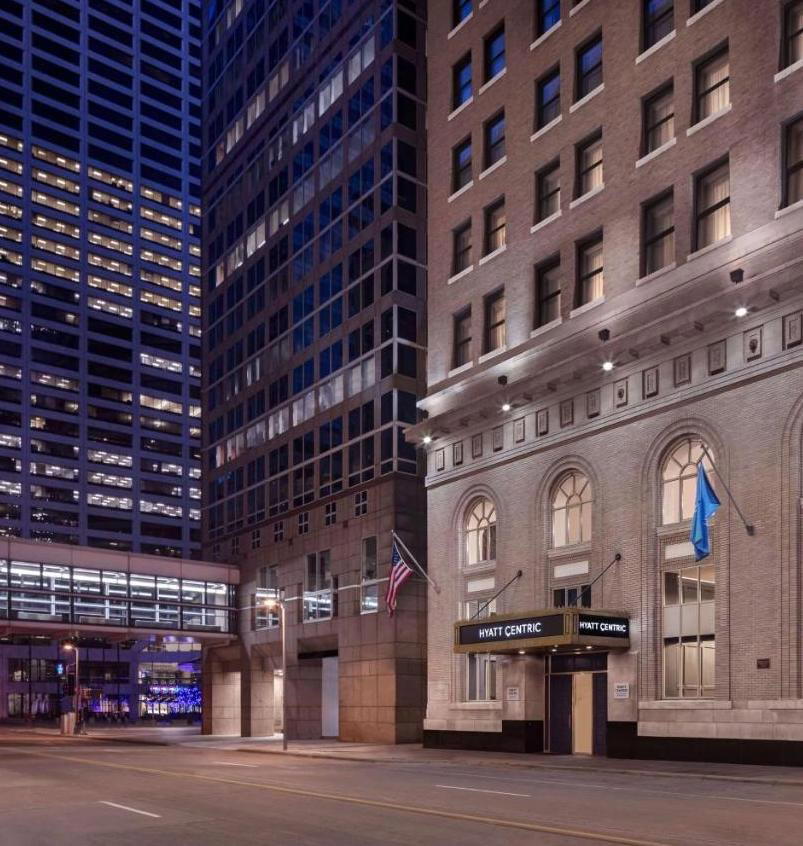
| Hotel Ivy, A Luxury Collection Hotel, Minneapolis | Historic Art Deco tower reimagined as a contemporary luxury boutique hotel with refined elegance and modern amenities. | $$$$ | 4-Star | Downtown West |
| Emery Hotel | Lifestyle luxury hotel in historic bank building | $$$$ | 4-Star | Downtown West |
| Hyatt Centric Downtown Minneapolis | Historic boutique with modern luxury | $$$ | 4-Star | Downtown West |
| The Chambers Hotel | Art-infused boutique in historic theater district | $$$ | 4-Star | WeDo |
| The Marquette Hotel, Curio Collection by Hilton | Refined historic property with modern redesign showcasing local heritage. | $$$ | 4-Star | WeDo |
Continue exploring
More in Minneapolis
Hotels in Minneapolis
Browse all →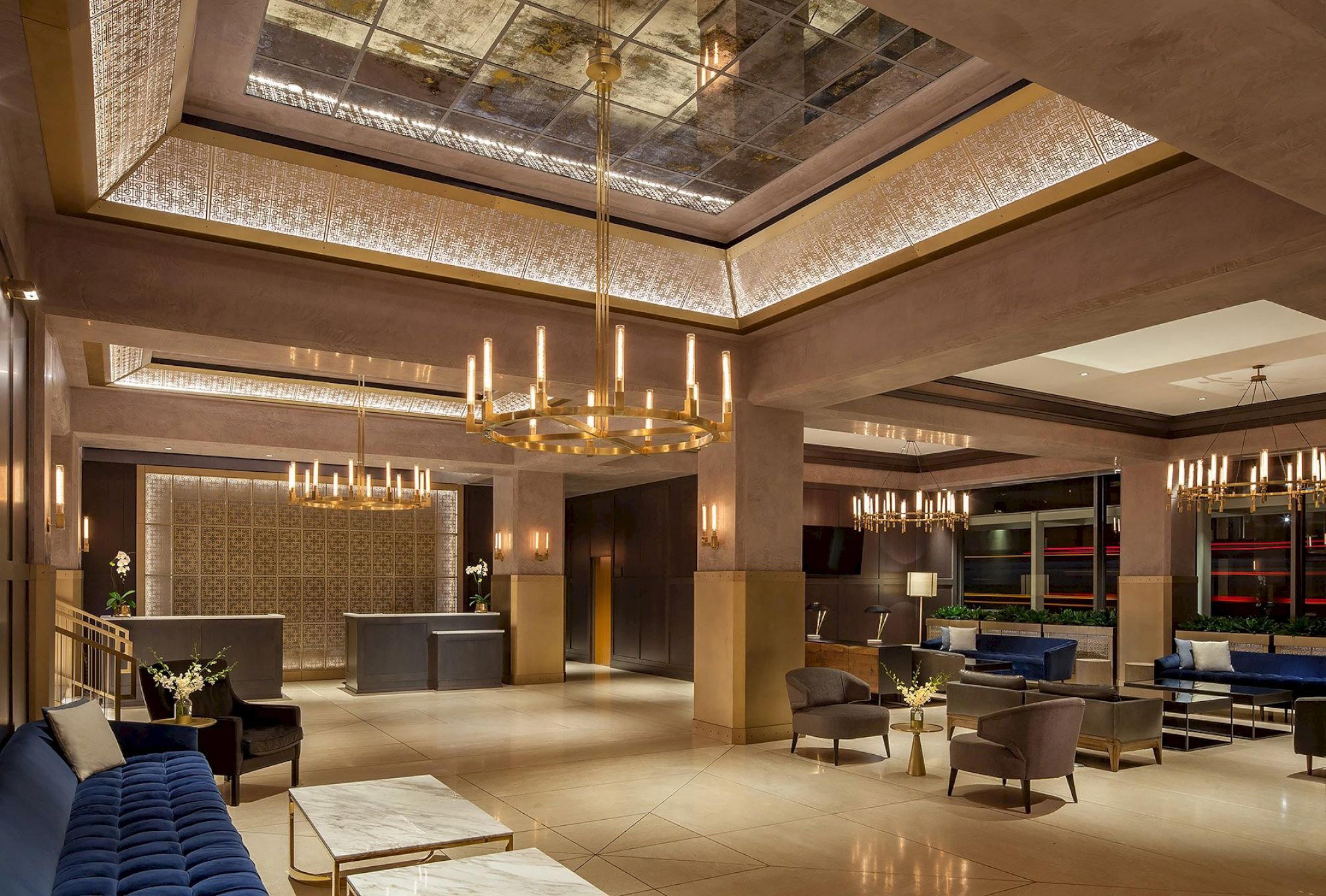
Bars in Minneapolis
Browse all →
At a Glance
- Modern
- Elegant
- Well Known
- Sophisticated
- Business Trip
- Weekend Escape
- Historic Building
- Panoramic View
- Wi Fi
- Fitness Center
- Room Service
- Concierge
- Business Center
- Valet Parking
- Skyline
- Wi Fi
- Fitness Center
- Room Service
- Concierge
- Business Center
- Valet Parking
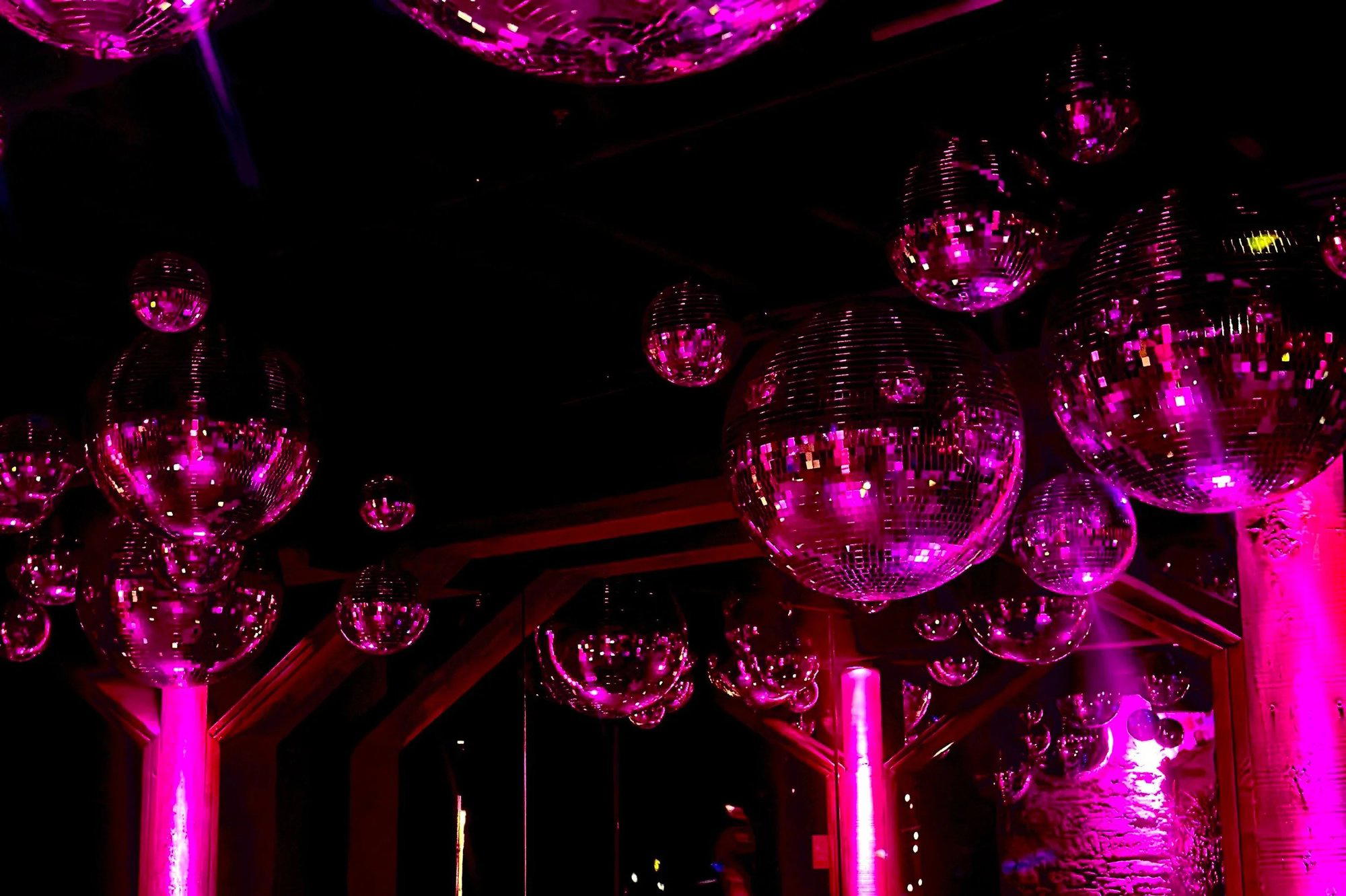
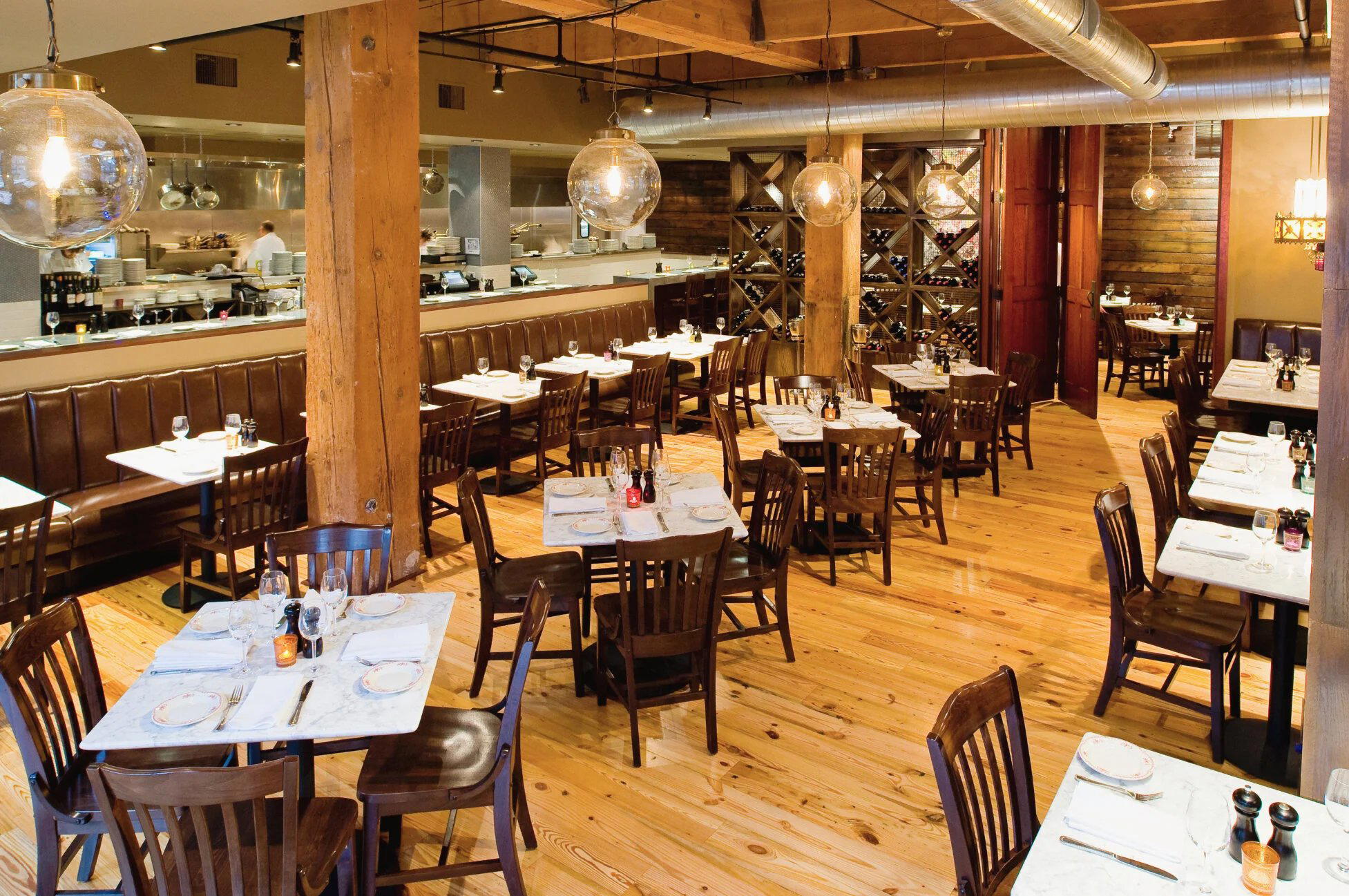
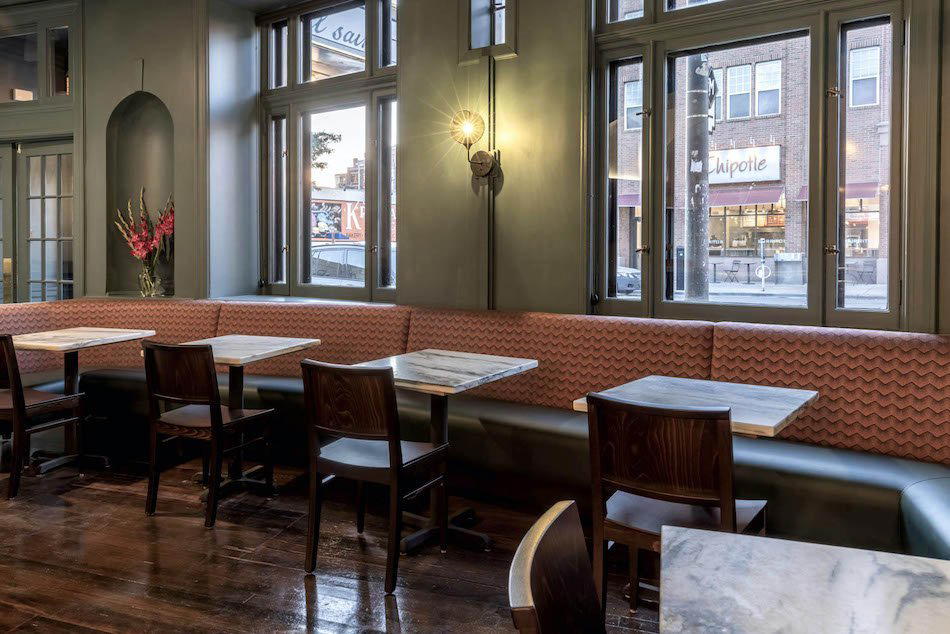
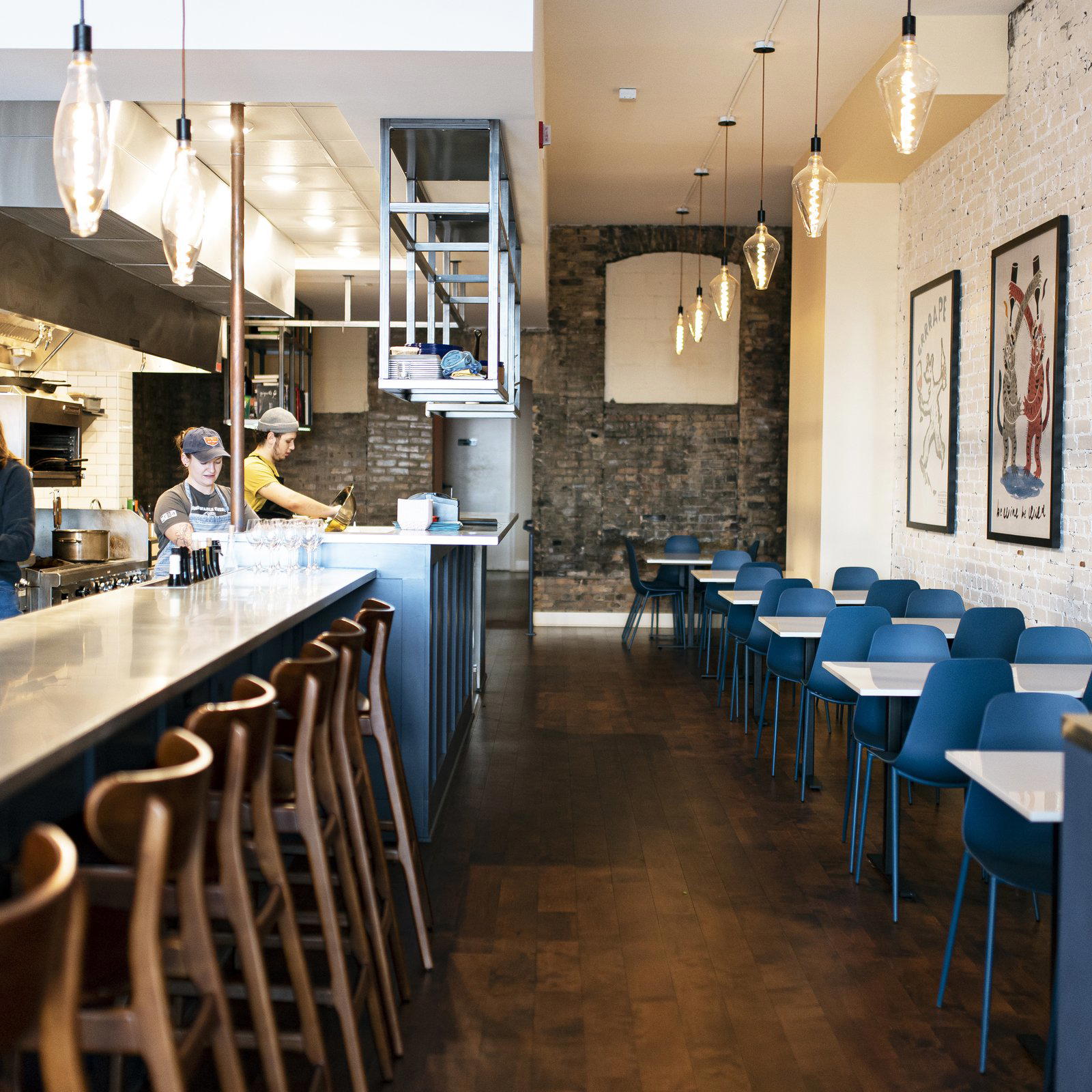
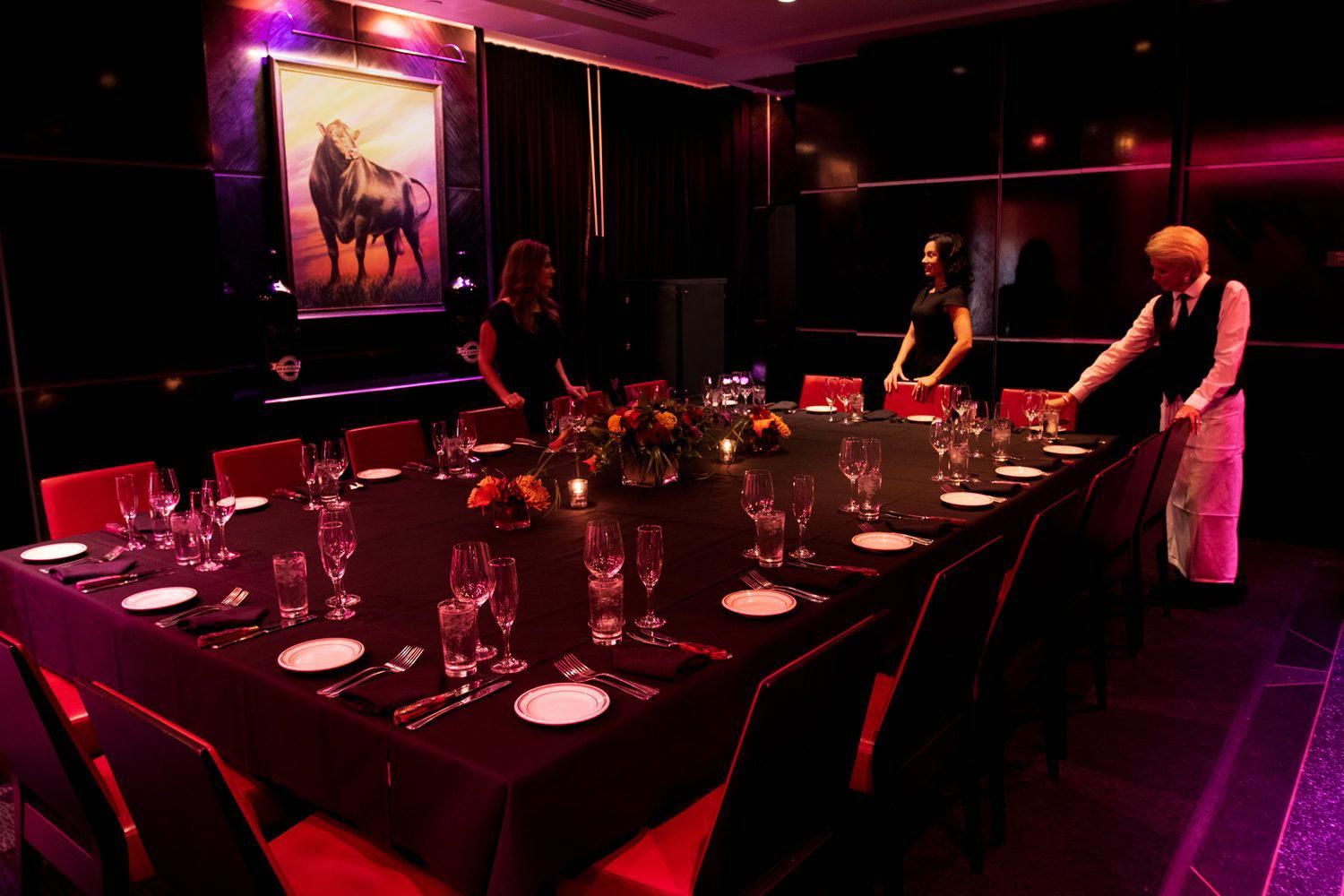
Sultry and dim lobby with pink lighting, lively urban chic, and glamorous 1920s-inspired atmosphere.