.png)
La Tajada holds a Michelin Plate for both 2024 and 2025, placing it among Madrid's recognised contemporary dining addresses at an accessible mid-range price point. Located in the residential Chamartín district on Calle de Ramón de Santillán, it draws a local crowd that returns for ingredient-led cooking rather than spectacle. A Google score of 4.3 across 718 reviews points to consistent execution over time.
Pearl is the En Primeur Club membership app — saves, bookings, and concierge access live there. Same editors, same standards.
- Address
- La Tajada, Calle de Ramón de Santillán, 15, 28016 Madrid, Spain
- Phone
- +34 912 32 22 04
- Website
- latajada.es

A Quieter Register in Madrid's Contemporary Scene
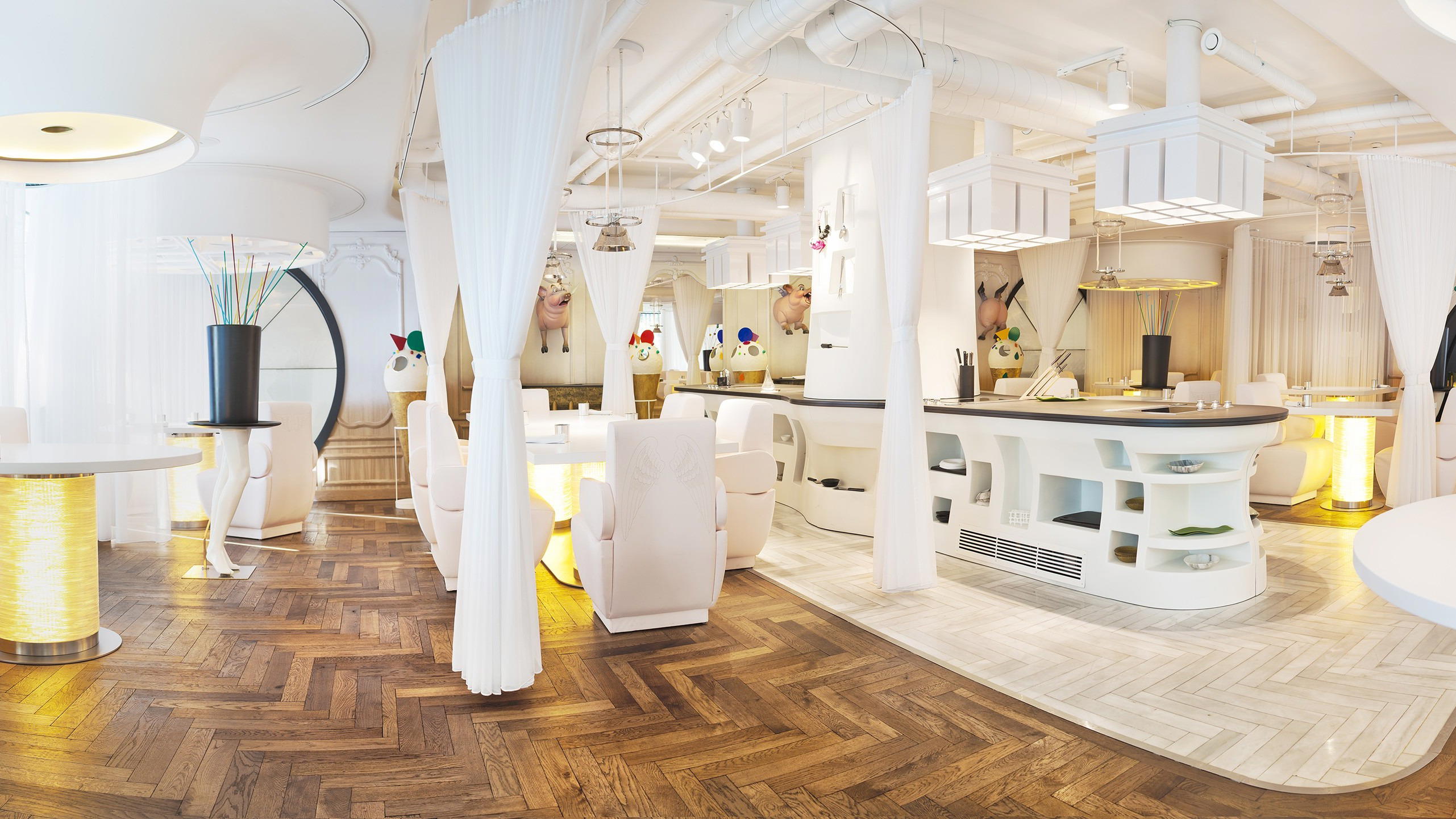
Madrid's contemporary restaurant tier has a loud upper end. Adaly, BANCAL, and the city's multi-starred houses like DiverXO and Coque operate with the full theatrical apparatus of modern fine dining: tasting menus running to twenty courses, open kitchens designed for maximum visual drama, price tags that start at €150 per head before wine. La Tajada, on a residential stretch of Calle de Ramón de Santillán in Chamartín, occupies a different register entirely. The Michelin Plate it has carried in both 2024 and 2025 is Michelin's formal signal that a kitchen is producing food worth noting. At the €€ price band, that combination is relatively uncommon in Madrid, where Michelin recognition tends to cluster at the top of the price scale.
This gap between price and recognition is, editorially, the more interesting story. Spain's dining culture has long produced excellent cooking at neighbourhood scale, from the pintxos bars of the Basque Country to the rice houses of Valencia, and Madrid's residential districts carry their own version of that tradition. A venue holding Michelin attention in a mid-range bracket is not anomalous within Spanish food culture broadly, but it is notable within the specific Madrid context, where the capital's most-discussed restaurants skew toward the upper end of the spending spectrum.
The Neighbourhood and Its Character
Chamartín sits north of the city centre, beyond the Castellana, in a district defined more by apartment blocks and local commerce than by tourism infrastructure. Dining out here tends to mean eating among people who actually live nearby. That local-clientele dynamic shapes atmosphere in ways that are immediately legible when you enter: the room operates at a lower pitch than the centro's more performative spaces, conversation carries across tables, and the rhythm of service reflects a kitchen cooking for regulars rather than first-time visitors hoping to be impressed.
For travellers oriented toward the concentrated dining corridors of Chueca, Malasaña, or the Salamanca district, Chamartín requires a deliberate detour. The Metro connects it efficiently to the centre, but the neighbourhood does not generate the kind of ambient foot traffic that leads people to stumble into a restaurant by accident. Bookings here tend to be intentional, and the room reflects that: the crowd arrives having chosen to be there.
Contemporary Cooking at Mid-Range: What the Category Implies
The label "contemporary" in a Madrid context covers a wide range of approaches, from ingredient-focused simplicity to technique-heavy tasting menus. At the €€ price point, the format typically resolves toward a shorter menu structure, fewer courses, and cooking that draws on modern Spanish technique without the full architecture of a destination-dining experience. That is not a criticism. Some of the most satisfying meals in Spain happen in exactly this register, where the focus narrows to a handful of well-executed dishes rather than a procession designed to demonstrate range.
Across Madrid's contemporary mid-range, the kitchens that earn sustained recognition tend to share a few characteristics: disciplined sourcing, cooking that references Spanish tradition without being bound by it, and a service style that reads as professional without tipping into formality. The Michelin Plate, now held by La Tajada across two consecutive years, functions as a third-party marker that the kitchen meets this bar reliably.
The broader Spanish fine dining context runs from the three-starred complexity of El Celler de Can Roca in Girona and Azurmendi in Larrabetzu through to the deeply personal registers of Arzak in San Sebastián and Martin Berasategui in Lasarte-Oria. La Tajada sits well below that level of ambition and investment, but it addresses a different question: what does considered contemporary cooking look like when the goal is accessibility rather than destination dining?
Spain's version of that calculus has particular local logic: the country's deep restaurant culture, the relatively broad skill base in Spanish kitchens, and the tradition of eating well at moderate spend all make the mid-range a more competitive and credible space here than in many other European capitals.
The Sensory Register: What to Expect
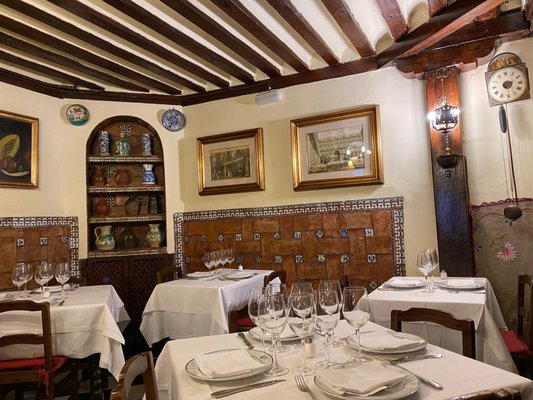
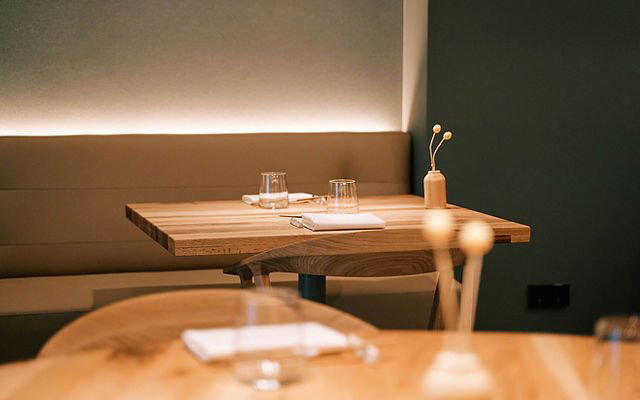
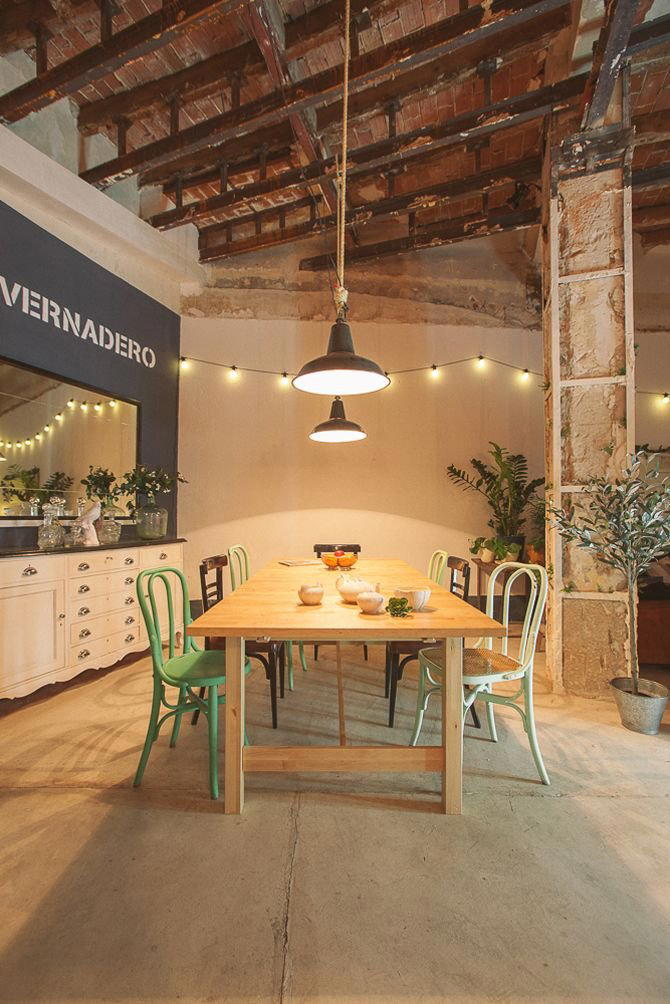
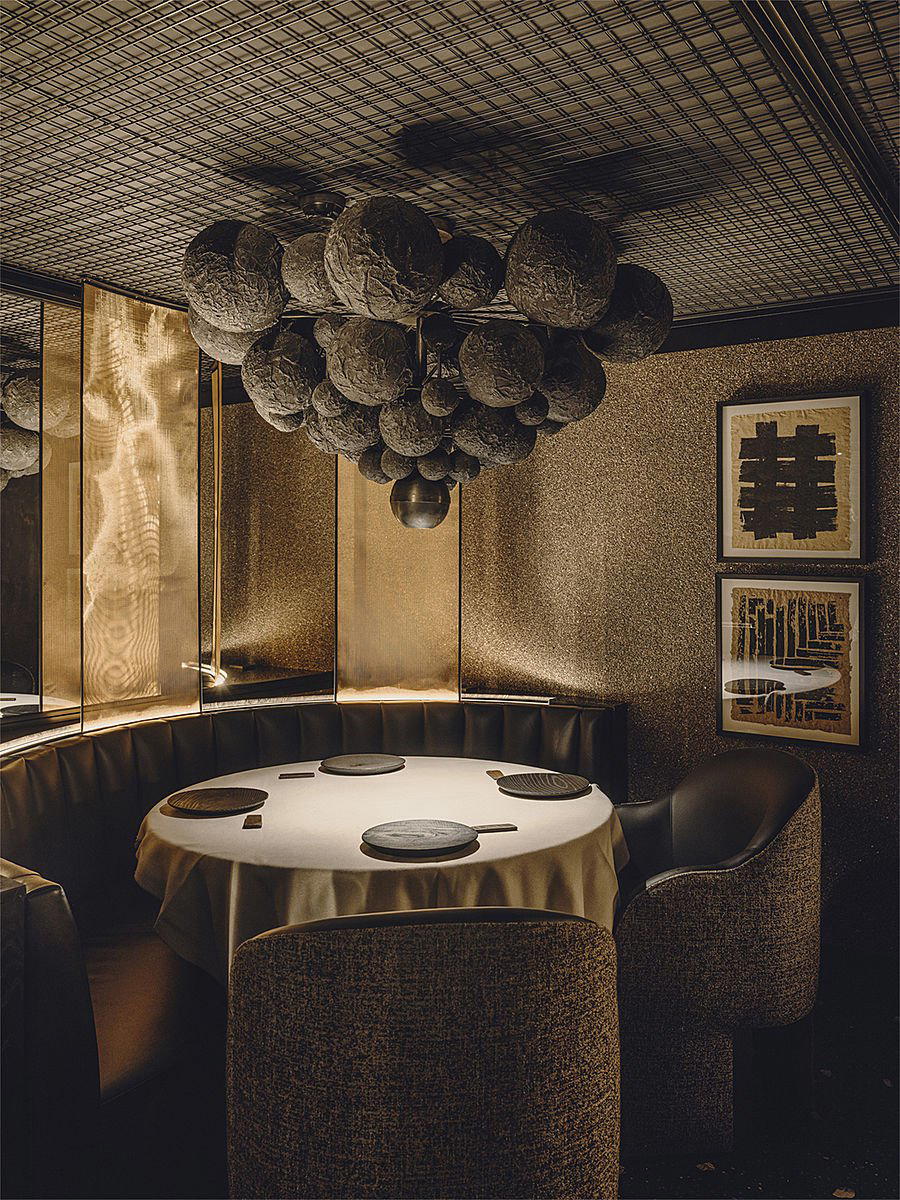
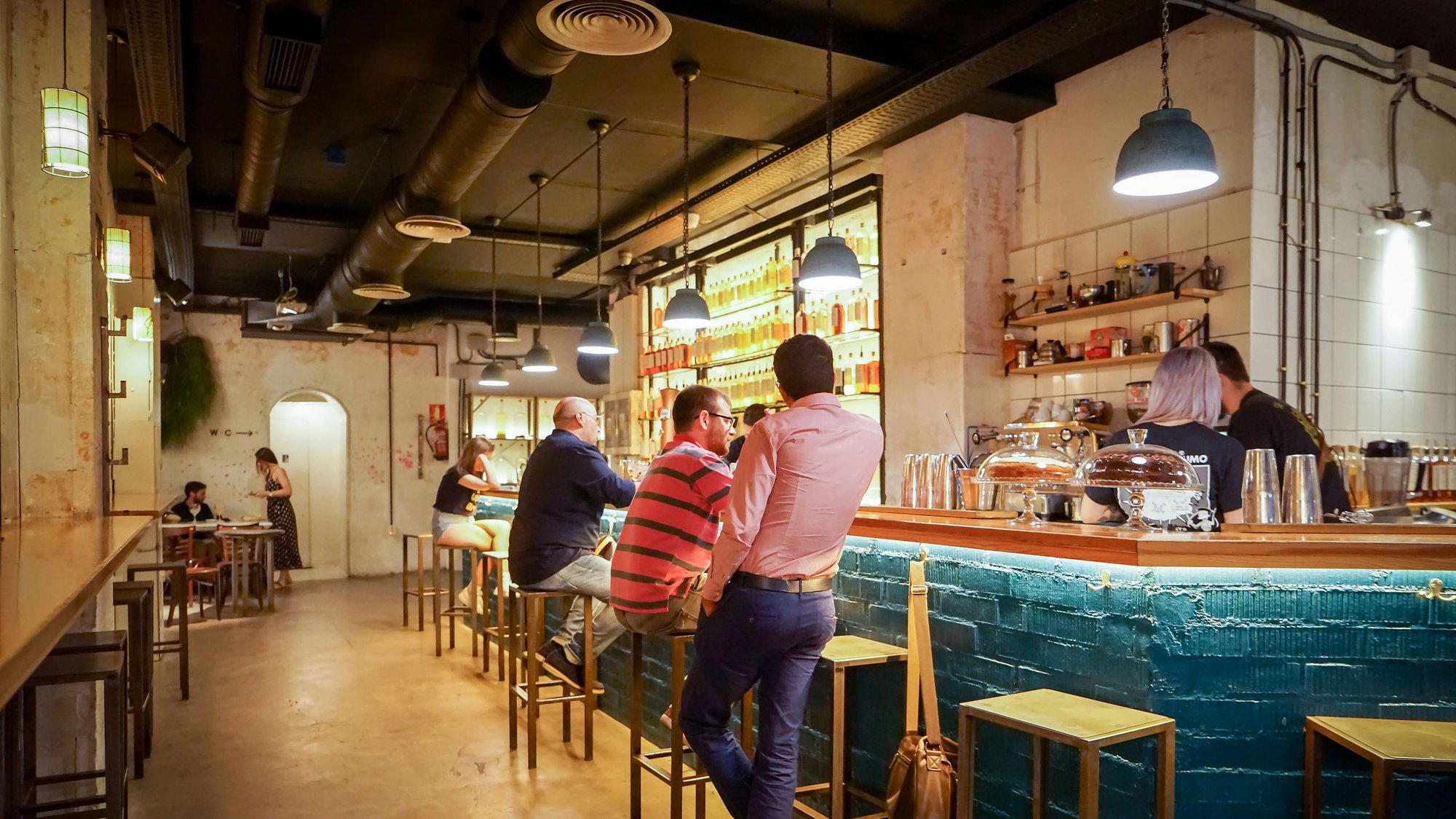
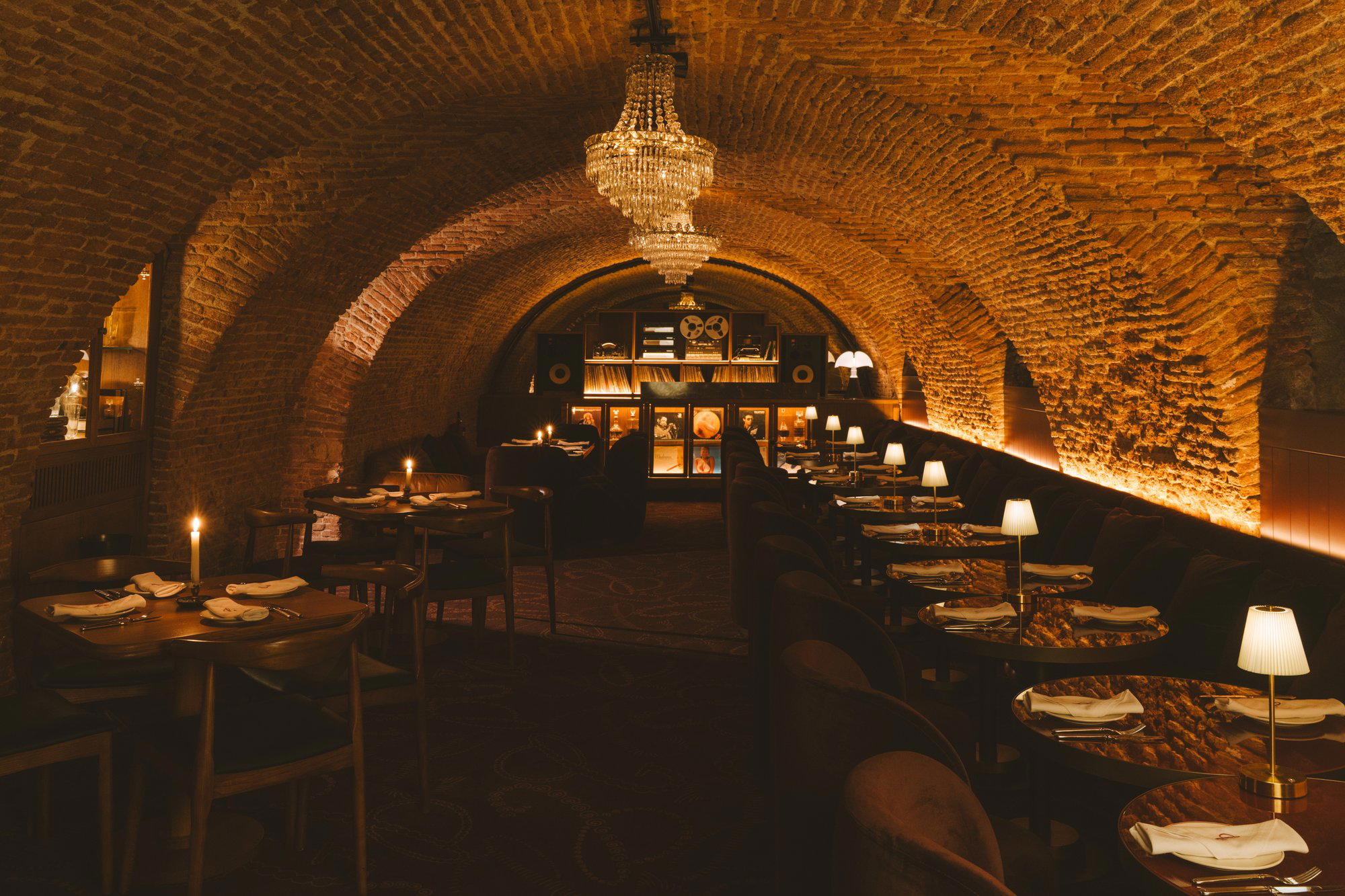
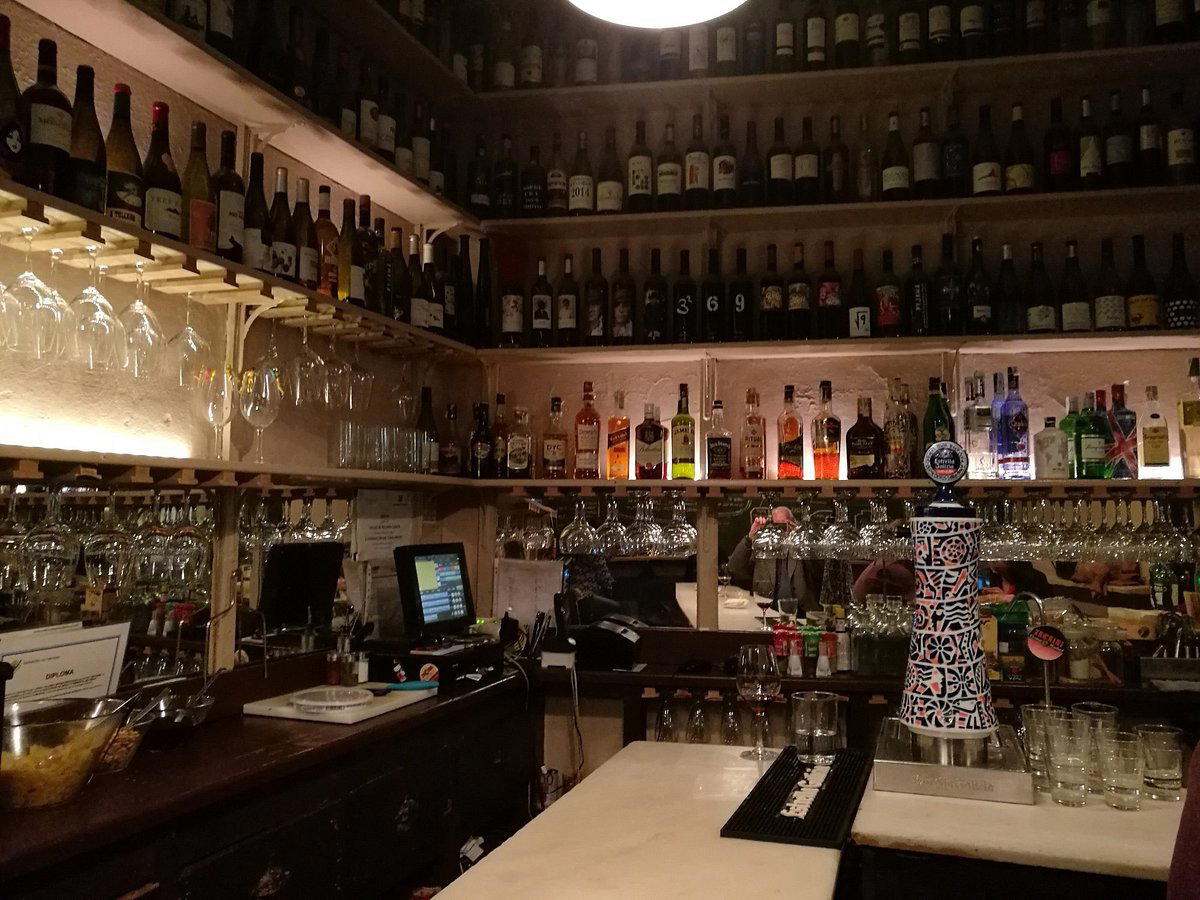
Residential neighbourhood restaurants in Madrid's northern districts tend toward warm, unfussy interiors: natural materials, controlled lighting, a room sized for conversation rather than spectacle. The sensory experience at venues in this category is defined more by what is absent than what is present. There is no open-fire theatre, no amuse-bouche parade, no soundtrack calibrated to signal youthful energy. The smell is kitchen rather than perfume; the sound is table talk rather than performance. That restraint, when it works, creates the kind of atmosphere where food becomes the actual subject of attention.
For diners moving from Madrid's louder, more theatrical rooms, this shift in register can take a moment to settle. But it is consistent with a strong strand of Spanish dining culture, from the no-tablecloth bars of Bilbao to the market restaurants of Barcelona, where the argument for quality is made through the plate rather than the setting. Aponiente in El Puerto de Santa María and Cocina Hermanos Torres in Barcelona represent the elaborately staged end of that tradition; La Tajada represents something closer to its quieter, more local expression.
Planning Your Visit
| Venue | Cuisine Type | Price Band | Michelin Recognition | Booking Pressure |
|---|---|---|---|---|
| La Tajada | Contemporary | €€ | Plate (2024, 2025) | Moderate, residential clientele, advance booking advisable for weekends |
| DiverXO | Progressive-Asian, Creative | €€€€ | 3 Stars | High, books weeks to months ahead |
| Coque | Spanish, Creative | €€€€ | 2 Stars | High, advance booking required |
| Smoked Room | Progressive Asador, Contemporary | €€€€ | 2 Stars | High, limited seats, books quickly |
La Tajada's mid-range positioning means it does not face the same lead times as Madrid's starred houses, but weekends in residential neighbourhoods with a loyal local following do fill. Booking a few days in advance is sensible for Friday or Saturday evenings. The address on Calle de Ramón de Santillán in Chamartín is accessible by Metro from central Madrid. The dress code is smart casual.
Cost and Credentials
Comparable venues nearby, for context on price, style, and recognition.
| Venue | Cuisine | Price | Awards | Notes |
|---|---|---|---|---|
| La TajadaThis venue — the venue you are viewing | Contemporary | $$ | Michelin Plate | |
| Casa de Comidas | $$ | Michelin Plate | Hispanoamerica, Traditional Spanish Home Cooking | |
| Taberna Pedraza | Recoletos, Traditional Spanish Tavern | $$ | Michelin Plate | |
| Bugao Madrid | $$$ | Michelin Plate | Castellana, Modern Spanish Seafood with Ceuta Influences | |
| Casa Mortero | Cortes, Modern Spanish Cuisine | $$$ | Michelin Plate | |
| Haramboure | Castellana, Modern Basque-French Bistro | $$$ | Michelin Plate |
At a Glance
- Industrial
- Intimate
- Cozy
- Modern
- Family
- Group Dining
- Business Dinner
- Casual Hangout
- Open Kitchen
- Extensive Wine List
Simple industrial-style space with warm, cozy family atmosphere and friendly service.