

A Michelin Plate recipient for 2024 and 2025, Casa Mortero sits a short walk from the Congreso de los Diputados in Madrid's Centro district. The kitchen works a concise à la carte built around traditional Spanish soul: croquettes, torreznos, grilled cuts, and slow-cooked stews, with a restrained creative touch that never overwhelms the source material. At the €€ price point, it occupies a different tier from Madrid's tasting-menu circuit entirely.
Pearl is the En Primeur Club membership app — saves, bookings, and concierge access live there. Same editors, same standards.
- Address
- C. de Zorrilla, 9, Centro, 28014 Madrid, Spain
- Phone
- +34 910 59 55 70
- Website
- casamortero.com
- Directions
- Get directions
 Saves & bookings on Pearl
Simplicity as a Position, Not a Default
Madrid's creative dining scene has fractured into recognisable strata. At the leading, venues like DiverXO, Coque, and Deessa operate multi-course tasting formats at €€€€ price points, with Michelin stars anchoring the proposition. Further down, a second tier of technically accomplished kitchens, including Paco Roncero and CEBO, bridges ambition and accessibility. Casa Mortero sits apart from both groups. At €€, it occupies a position that the guide reserves for kitchens demonstrating genuine cooking quality without the apparatus of multi-course theatre. The Plate is not a consolation prize in Michelin's vocabulary; it signals cooking that earns attention on its own terms.
That framing matters because it sets the reader's expectations correctly. Casa Mortero is not a stripped-down version of somewhere more ambitious. The simplicity here is a deliberate editorial stance: there is virtue in it, and the kitchen builds its identity around that premise rather than aspiring outward toward complexity for its own sake. In a city where the headline conversation is frequently dominated by Spain's broader avant-garde tradition, the restaurants that resist that pull deserve a different kind of scrutiny.
The Room at Calle de Zorrilla
The address on Calle de Zorrilla, a few minutes' walk from the Congreso de los Diputados in the Centro district, places Casa Mortero in territory that leans civic and residential rather than tourist-facing. The parliament building's proximity shapes the clientele in subtle ways: this is a neighbourhood where people work and eat rather than arrive by taxi with a reservation printed from an algorithm. The physical environment reinforces that register. The interior runs to minimalist-industrial lines, with ceramics and terracotta doing most of the decorative work. There is no visual noise competing with the food. The room signals restraint before a dish arrives.
Among Madrid's broader collection of restaurants, this spatial approach places Casa Mortero in a specific tradition: the Spanish taberna updated for contemporary sensibilities without losing its utilitarian legibility. Think stripped walls and honest materials rather than design statements. The experience is closer to a well-edited local than a destination dining room. For the Madrid restaurant scene as a whole, places operating in that register provide the connective tissue between the city's highest-profile kitchens and its everyday eating culture.
What the Kitchen Builds From
One useful lens for understanding the restaurant is ingredient provenance and the kitchen's relationship to traditional Spanish raw materials. Spanish cuisine at its most grounded has always been a product of what the land, the season, and the region produce rather than what the technique can abstract away. The kitchens at Arzak in San Sebastián and Azurmendi in Larrabetzu work that connection at the star level; at the restaurant, the same rootedness operates at a different scale and register.
The croquettes and torreznos that anchor the appetiser section of the menu are not throwaway bar snacks positioned as nostalgia hooks. They represent a commitment to sourcing the base material well, then executing with precision. A torrezno only earns the crispy exterior that defines it when the pork belly has the right fat content and the frying temperature is controlled; the same logic applies to a croquette where the béchamel ratio and the quality of the jamón or bacalao inside determine whether the result is inert or alive. These are not dishes that hide inferior ingredients behind technique. They expose them.
Stews extend that point further. Traditional Spanish guisos and cocidos are slow-cooked dishes that reward patience and penalise shortcuts in sourcing. The legumes, the cuts of meat, the stock base: all of it is visible in the finished bowl in ways that richer, more manipulated preparations can conceal. Across Spain, the restaurants that have maintained serious stew programs, from the Basque Country to Madrid's own historic cocido circuit, tend to be the ones most committed to buying from consistent suppliers and cooking to a defined standard rather than a variable one. The restaurant's concise à la carte, with its handful of specials supplementing the core dishes, suggests a kitchen that knows how many things it can execute well and does not exceed that number.
Grill section completes the picture. Grilling in the Spanish tradition, particularly in the asador context that runs from the Basque Country through Castile, is fundamentally about the quality of what is placed over the heat. The technique amplifies rather than transforms. In a city where Aponiente in El Puerto de Santa María and El Celler de Can Roca in Girona represent the outer edge of what Spanish kitchens do with sourced product, the restaurant's grill work belongs to a more grounded lineage, but the underlying logic, that the ingredient is the argument, connects them.
Creative Restraint in Context
The kitchen's occasional dashes of creativity are worth pausing on. Spain's avant-garde restaurants, including those at Cocina Hermanos Torres in Barcelona and Martin Berasategui in Lasarte-Oria, have built international reputations on sustained technical invention. The creative kitchens operating in Paris, at addresses like Alléno Paris au Pavillon Ledoyen and Arpège, frame creativity as a primary value. The restaurant treats it as a seasoning: present when it serves the dish, absent when it would distract from it. That is a harder discipline than it sounds. The restaurants that do it well understand that restraint requires more confidence than invention, because there is nowhere to hide when the dish is simple.
At the €€ price tier, that discipline also keeps the kitchen honest about what the customer is paying for. The medias raciones format, smaller servings positioned for sharing, allows the menu to function as a flexible tool for different table sizes and appetites. It also reflects a specifically Spanish dining logic, one where the meal is a collective, incremental experience rather than a fixed sequence of individual courses.
Planning a Visit
The restaurant sits at Calle de Zorrilla, 9, in Madrid's Centro district, within walking distance of the Congreso de los Diputados metro area and the major hotel corridors around Paseo del Prado. The €€ pricing makes it accessible relative to the starred competition referenced above, and the medias raciones format suits groups of two to four eating across several dishes. For broader planning across the city, the Madrid hotels guide, bars guide, wineries guide, and experiences guide cover the full picture alongside the complete Madrid restaurants listing.
- Oxtail
- Sweetbreads
- Croquetas de Jamón
- Grilled Monkfish
- Cheesecake
- Flan de Leche Tostada
- Torrezno (Crispy Pork Belly)
- Duck Rice
Category Peers
Comparable venues nearby, for context on price, style, and recognition.
| Venue | Cuisine | Price | Awards | Notes |
|---|---|---|---|---|
| Casa MorteroThis venue — the venue you are viewing | Modern Spanish Cuisine | $$$ | Michelin Plate | Not listed |
| Filandón | Traditional Spanish Grill | $$$ | Michelin Plate | El Goloso |
| Marcano | Basque-Inspired Spanish Tapas | $$$ | Michelin Plate | Ibiza |
| Rocacho Plaza | Spanish Grill & Mediterranean | $$$ | Michelin Plate | Hispanoamerica |
| Lakasa | Modern Spanish Market Cuisine | $$$ | Michelin Plate | Rios Rosas |
| La Maruca - López de Hoyos | Modern Spanish Cantabrian Tapas | $$$ | Michelin Plate | El Viso |
Recognition history
Dated appearances from independent guides and award organizations, with the underlying list record or original source where available.
Macarfi 7.4 Food Rating
Macarfi
Michelin Plate
Michelin
Michelin Plate
Michelin
Michelin Plate
Michelin
Continue exploring
More in Madrid
Restaurants in Madrid
Browse all →
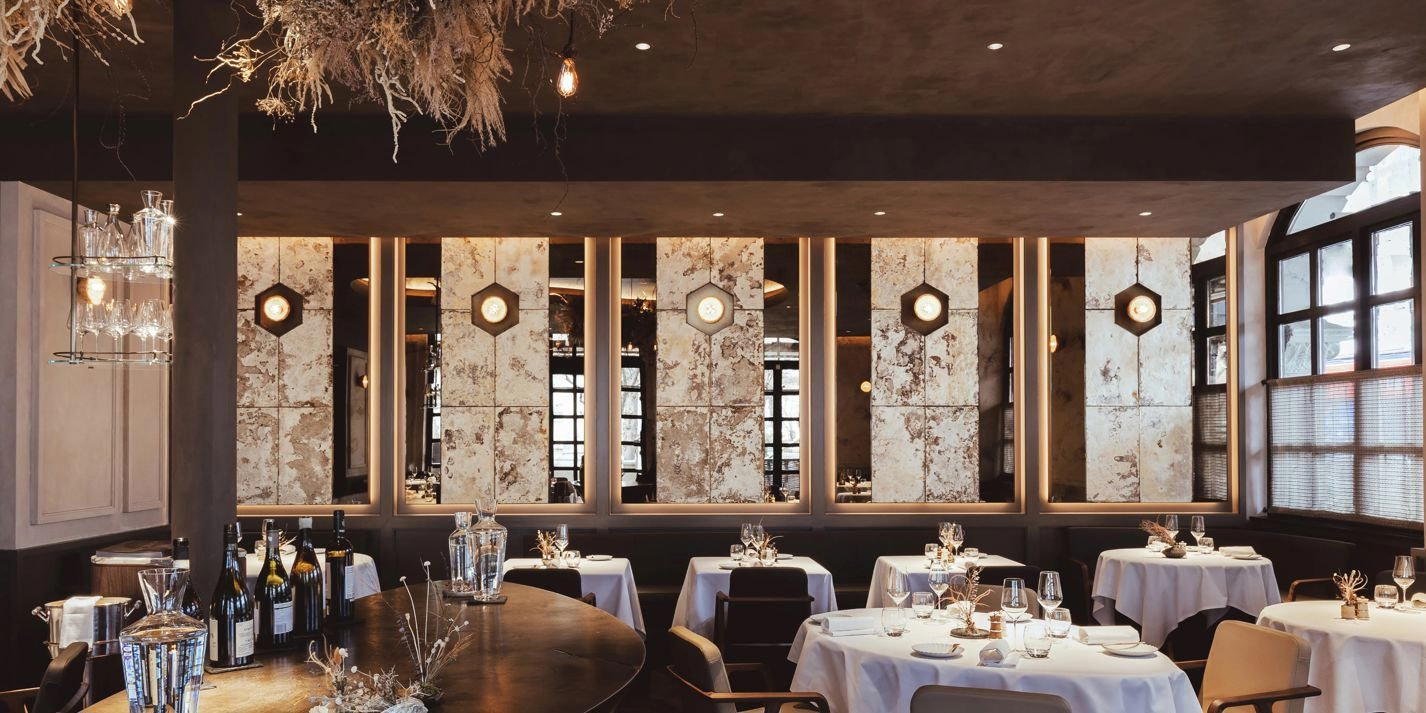
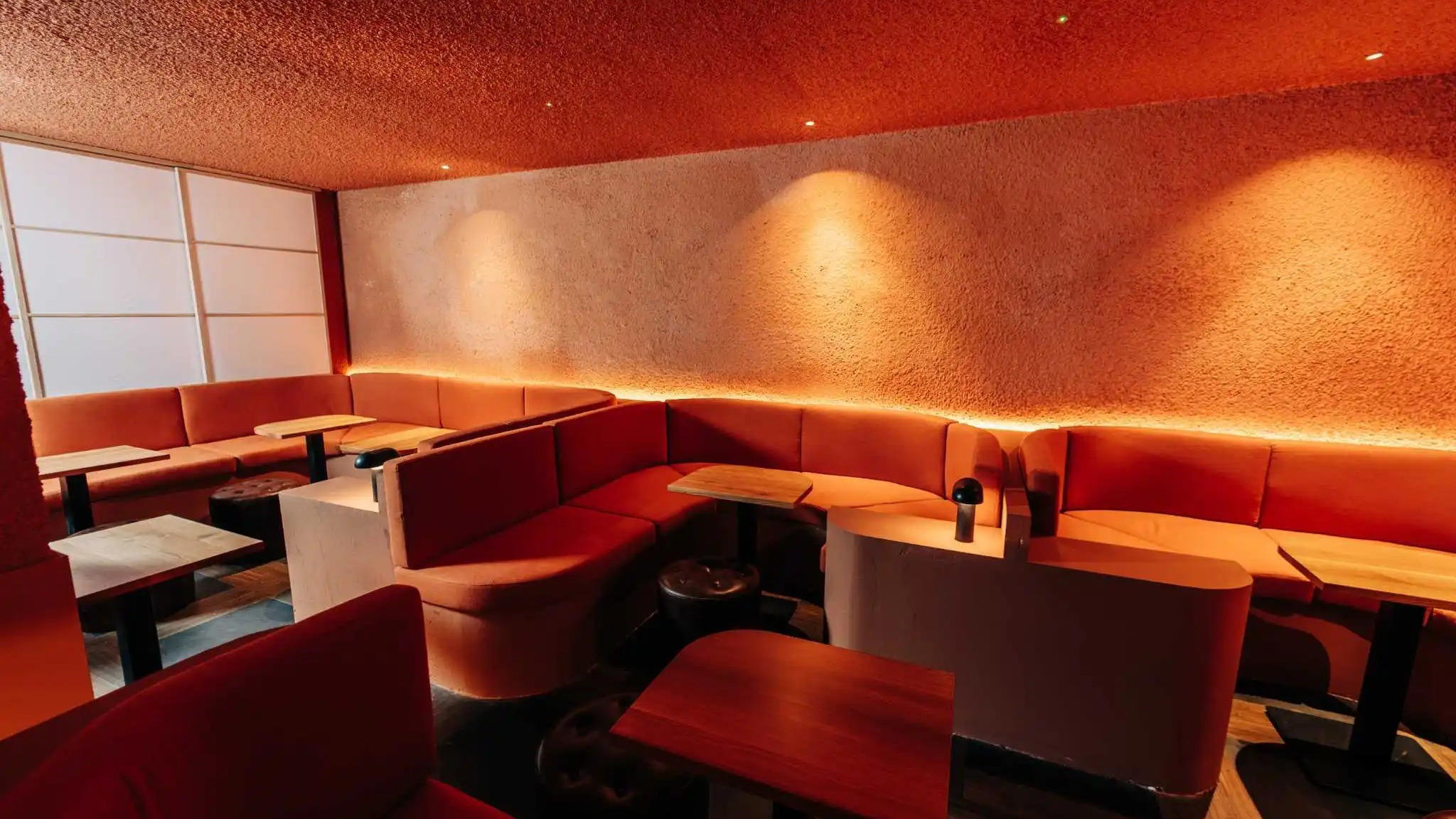
Bars in Madrid
Browse all →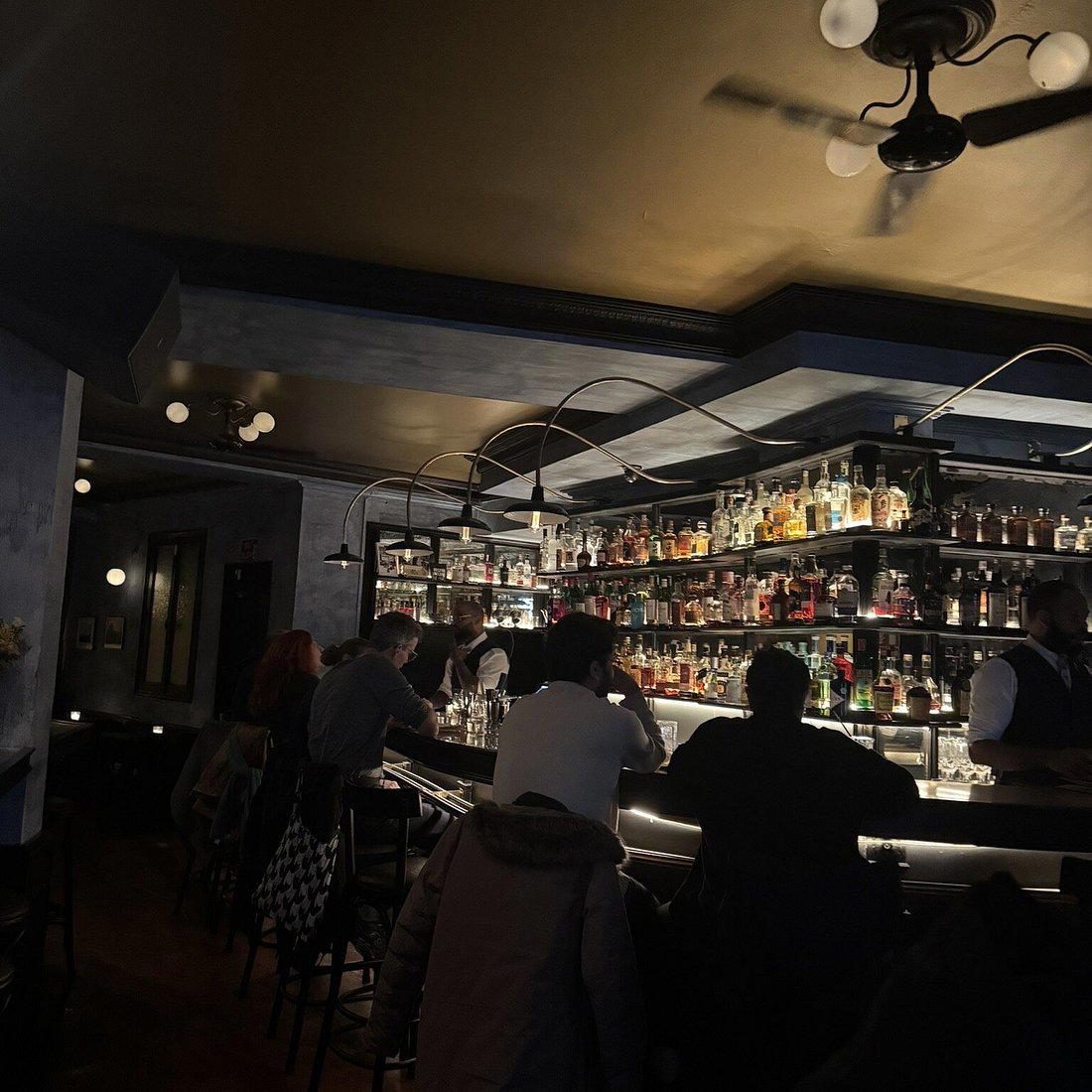
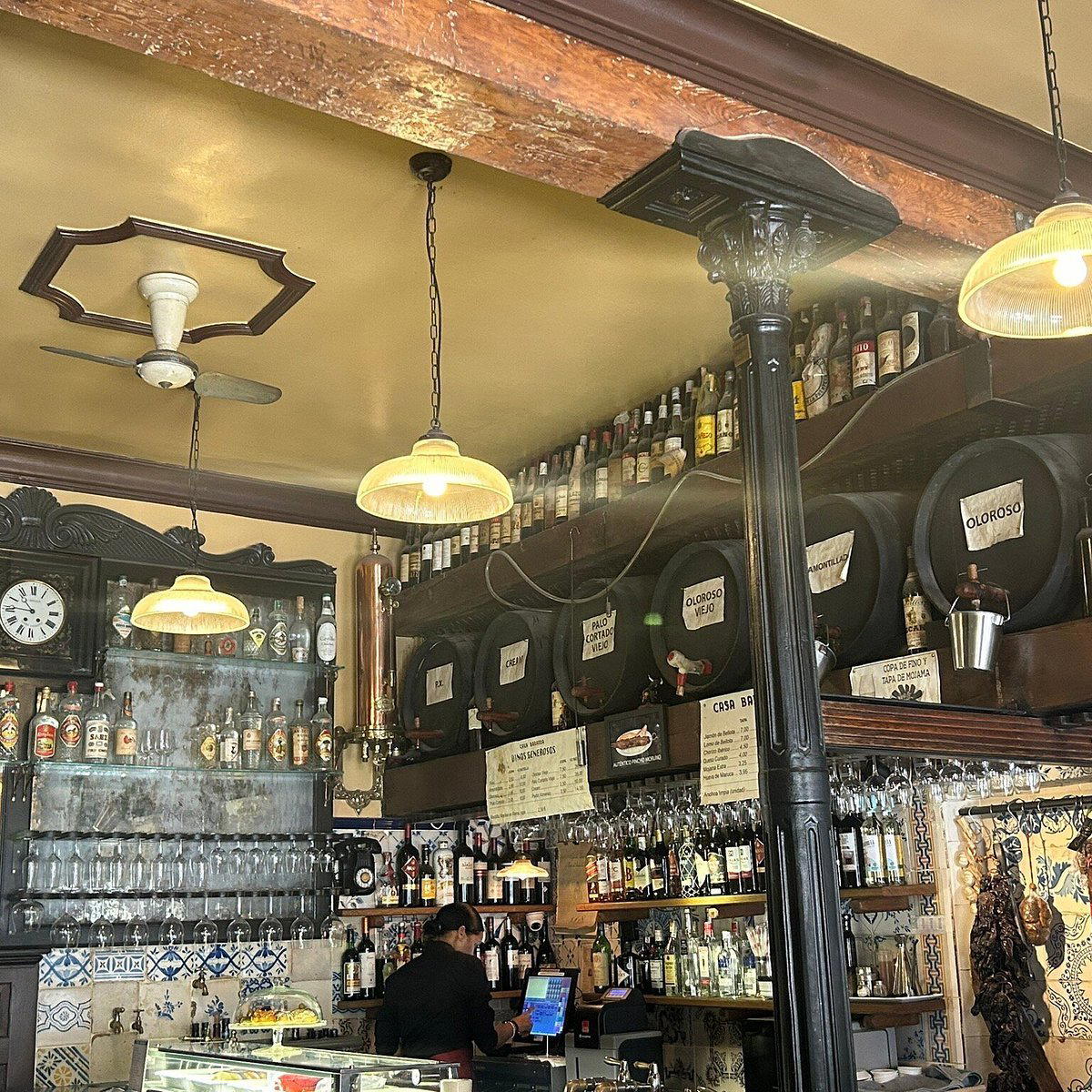
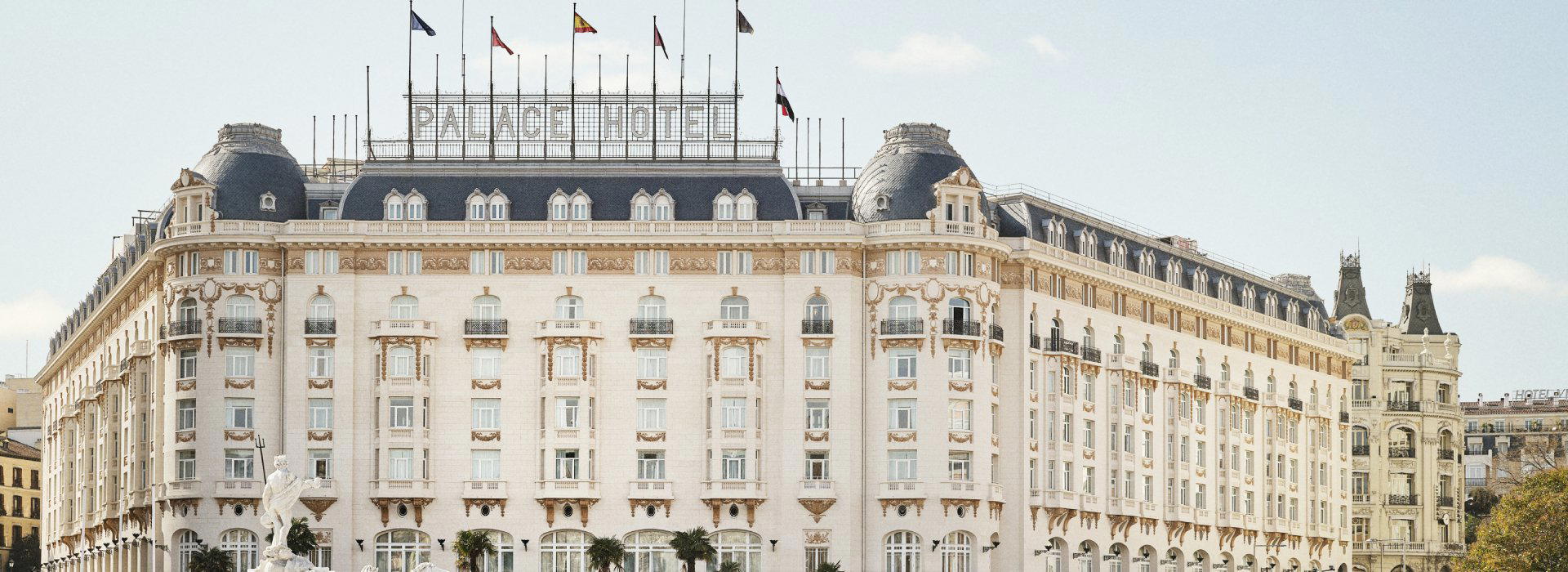
Hotels in Madrid
Browse all →
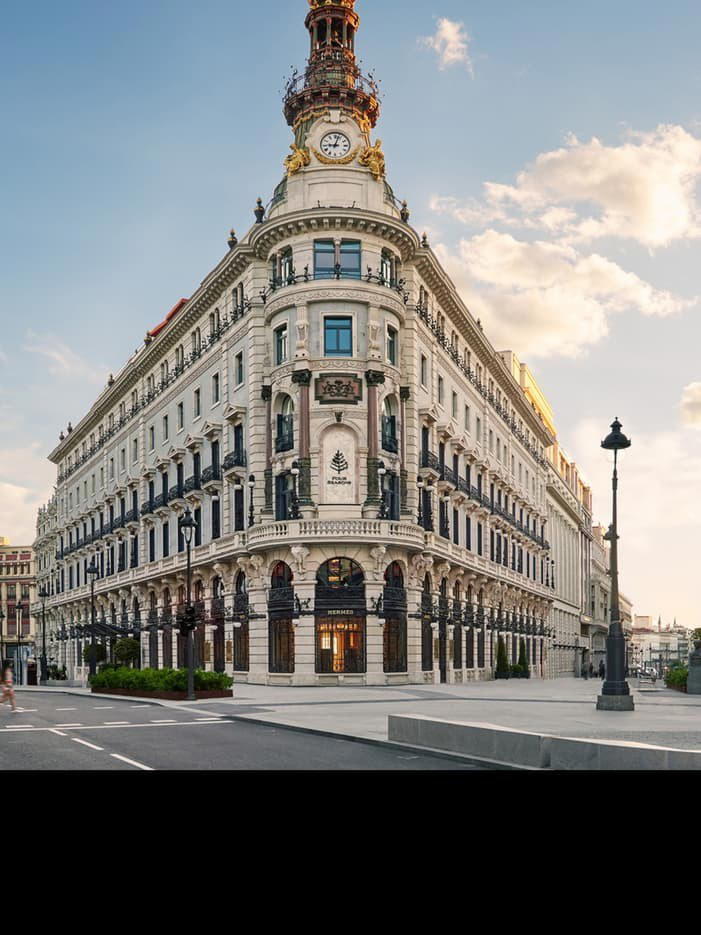

At a Glance
- Cozy
- Minimalist
- Intimate
- Elegant
- Modern
- Date Night
- Special Occasion
- Celebration
- Standalone
- Open Kitchen
- Sommelier Led
- Local Sourcing
Current opening hours
- Monday
- Closed
- Tuesday
- 1:15–4 PM, 8:15–11:30 PM
- Wednesday
- 1:15–4 PM, 8:15–11:30 PM
- Thursday
- 1:15–4 PM, 8:15–11:30 PM
- Friday
- 1:15–4 PM, 8:15–11:30 PM
- Saturday
- 1:15–4 PM, 8:15–11:30 PM
- Sunday
- Closed
Hours can change for holidays and private events. Last verified .
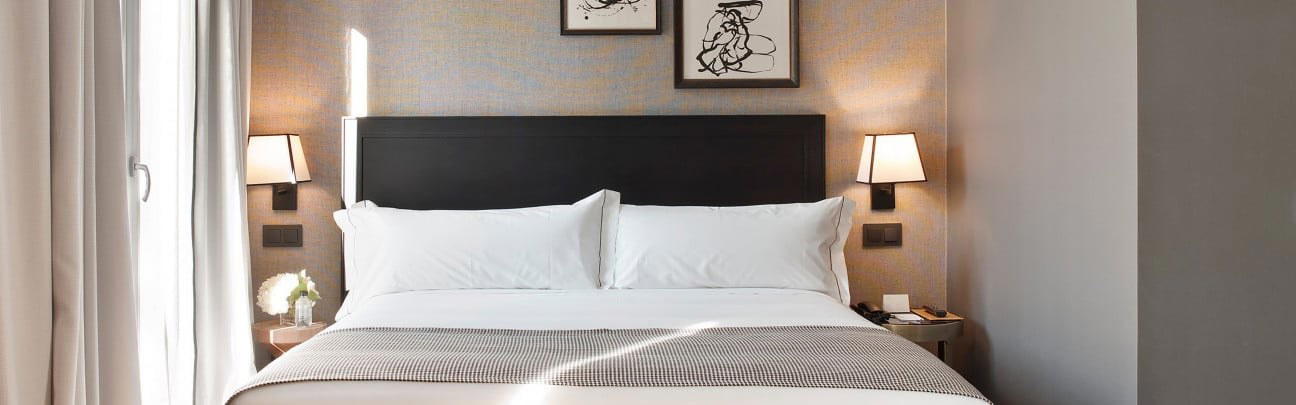
Minimalist-industrial decor with simple ceramics and terracotta features; warm, Scandinavian-inspired interior with calm, intimate lighting and a cozy, welcoming atmosphere that feels both sophisticated and unpretentious.