
At the zinc-topped counter or the communal table d'hôtes on the Quai Amiral Dubourdieu, La Table - Sébastien Gravé translates South-West France's larder into direct, seasonal bistronomy. Chef Andrea Cannalire, who built a following at Pottoka in Paris, returns to Bayonne to work with Basque-landed hake, Ibaïma pork, and marinated mackerel. A Michelin Plate holder,400 reviews.
Pearl is the En Primeur Club membership app — saves, bookings, and concierge access live there. Same editors, same standards.
- Address
- 21 Quai Amiral Dubourdieu, 64100 Bayonne, France
- Phone
- +33 5 59 46 14 94
- Website
- latable-sebastiengrave.fr
- Directions
- Get directions
 Saves & bookings on Pearl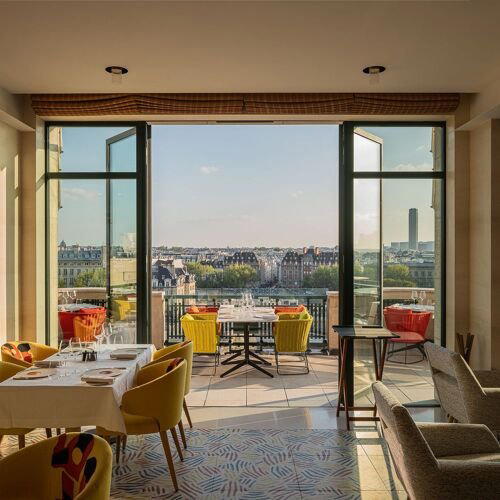
A Counter, a Table, and the Rituals of Basque Bistronomy
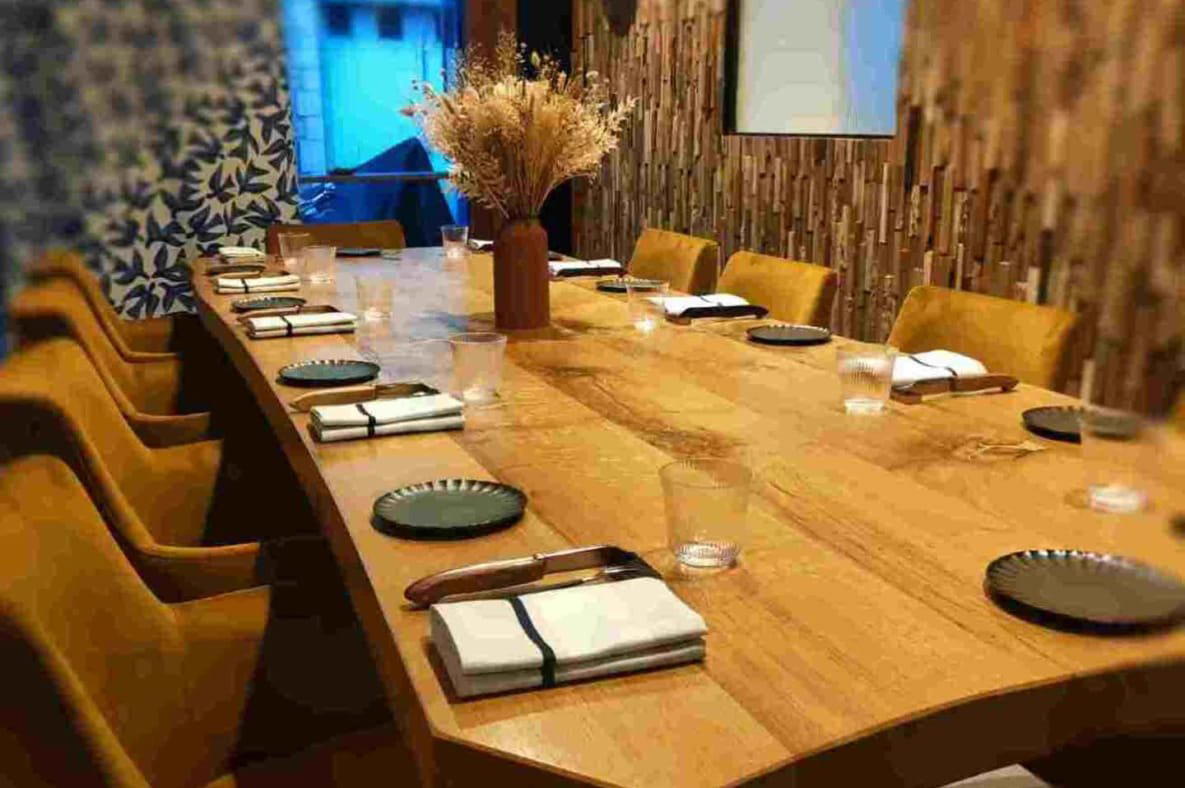
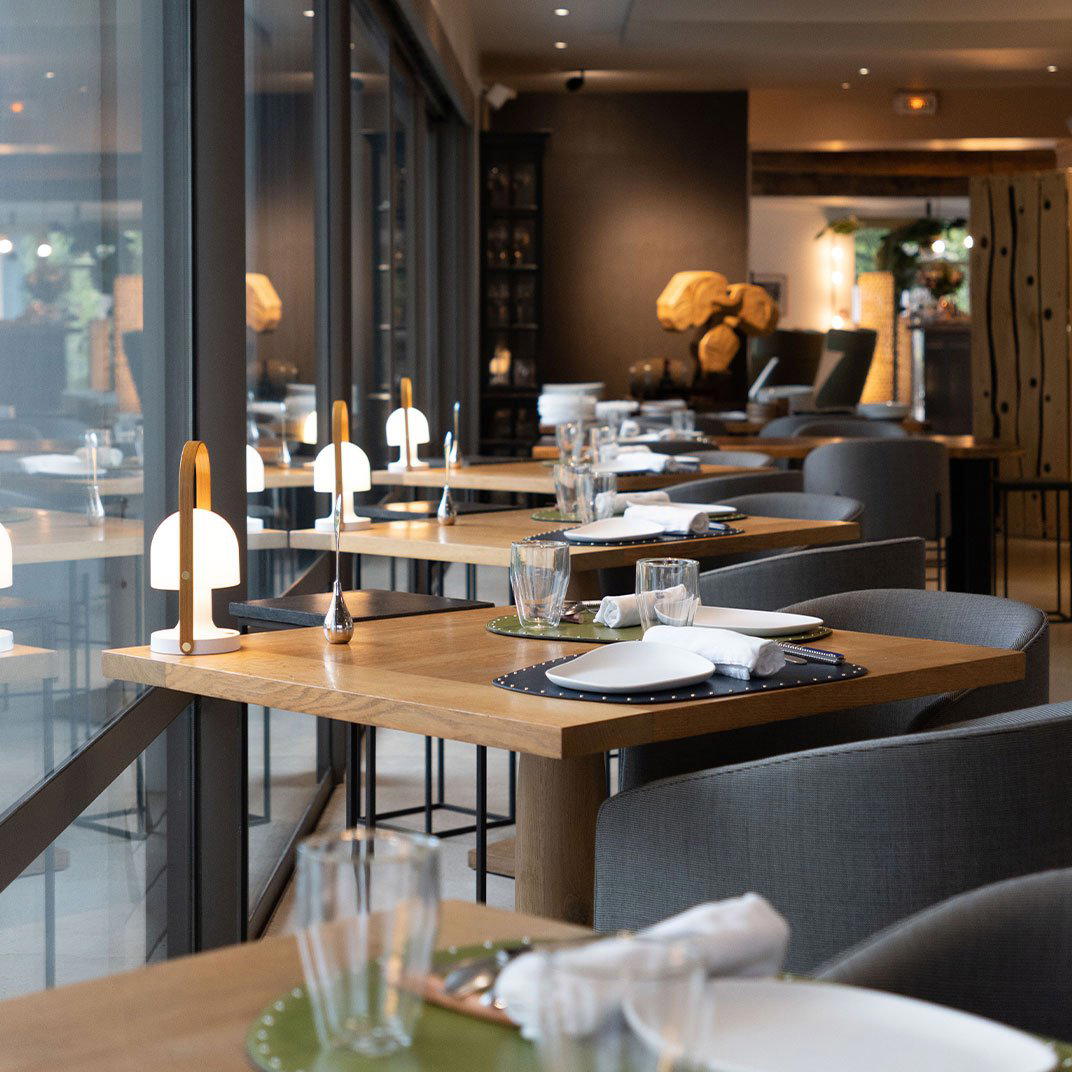
Along the Quai Amiral Dubourdieu, where the Nive meets the older quarters of Bayonne, the format of a meal carries as much meaning as the food itself. La Table - Sébastien Gravé offers three distinct ways to eat in the same room: a zinc-topped counter for solo diners and couples who want to watch the kitchen work, a large communal table d'hôtes for groups arriving with a shared appetite and enough conversation to fill a long evening, and a kitchen table for two that closes the distance between cook and guest almost entirely. The choice of where to sit is also a choice about what kind of ritual you want. That architecture of seating options says a great deal about how contemporary bistronomy has evolved in this corner of the Basque Country: less formality, more proximity, and an insistence that the meal belongs to the people eating it.
South-West France on the Plate
Bayonne sits at the intersection of several serious food traditions. To the west lies Saint-Jean-de-Luz, one of the Atlantic's more productive fishing ports, whose hake landings are among the most prized in France. To the south, across the Pyrenean foothills, Basque farmers have spent decades refining breeds and rearing methods that now supply a recognisable network of chefs from Biarritz to Paris. La Table works directly within this geography. Natural hake from Saint-Jean-de-Luz appears on the menu, handled in a way that preserves the texture that makes this fish worth the premium over farmed alternatives. Marinated and charred mackerel represents a different register of the same Atlantic larder, where preservation technique and heat do different kinds of work. Ibaïma pork shoulder, one of the more celebrated Basque heritage products, arrives as the kind of cut that rewards slow treatment and good sourcing in equal measure.
This is farm-to-table cooking in the original, unsentimental sense of the term: a tight supply chain made visible through the specificity of what ends up on the plate. For comparison, farm-to-table operations elsewhere in Europe, such as Au Gré du Vent in Seneffe or BOK Restaurant Brust oder Keule in Münster, operate within their own regional supply logic. What distinguishes the Basque-Gascon version is the density of the larder: a small territory with an unusually high concentration of protected products, established producers, and chefs who have built careers around naming sources rather than obscuring them.
The Bistronomy Tradition and Where This Restaurant Sits
French bistronomy, the movement that collapsed the distance between casual atmosphere and technically serious cooking, found a natural home in cities with strong regional food cultures. Paris was its proving ground, but the most durable versions have taken root in cities where the supply chain itself is the argument. Bayonne qualifies. Its markets, its river-front butchers specialising in Bayonne ham, and its proximity to the Atlantic and the Pyrenees make it a city where ambitious cooking with modest staging can feel entirely coherent rather than affected.
Andrea Cannalire built his reputation at Pottoka in Paris, a restaurant that introduced Basque-inflected bistronomy to a Parisian audience at a moment when that style was still consolidating its identity. Returning to Bayonne puts him in a different context: not translating a regional food culture to a metropolitan crowd, but working within it for an audience that already knows the references. That shift changes the stakes. A chef describing natural hake from Saint-Jean-de-Luz to a Paris diner is providing education. Describing it to someone in Bayonne is making a claim about quality and sourcing that the local audience can interrogate directly.
Within Bayonne's current restaurant scene, La Table occupies the bistronomy tier alongside peers that take different formal approaches. Basa operates in the creative register at the same price bracket. Nuance and Relief both apply modern cuisine frameworks to similar South-West raw materials. The traditional end of the market is covered by Goxoki and La Grange. La Table's position among these is defined by its convivial room format and its explicit grounding in identifiable Basque and Gascon produce. See our full Bayonne restaurants guide for a broader view of where this fits across price tiers and styles.
Recognition and What It Signals
The 2024 Michelin Plate indicates a kitchen that Michelin's inspectors consider worth recommending without yet placing in the starred tier. In the context of French regional dining, this is a meaningful position: it places La Table in a category of serious, visited-and-approved bistronomy, separated from the Michelin-starred end of the French spectrum occupied by properties such as Mirazur in Menton, Troisgros in Ouches, Flocons de Sel in Megève, Auberge de l'Ill in Illhaeusern, Bras in Laguiole, and Alléno Paris au Pavillon Ledoyen. The Plate classification aligns La Table with the bistronomy tier: technically credible, ingredient-led, and priced accessibly within the €€ bracket that characterises much of Bayonne's serious mid-market dining.
At that volume and score, the rating reflects a sustained pattern of satisfaction across a broad and varied audience, not a spike of early enthusiasm. For a bistro-format restaurant in a mid-sized French city, it represents consistent execution over time.
Planning a Visit
La Table - Sébastien Gravé is at 21 Quai Amiral Dubourdieu, on the right bank of the Nive in central Bayonne, within walking distance of the cathedral and the covered market. The €€ price bracket puts it within reach for a two-course lunch or a longer dinner without the pre-planning a tasting-menu restaurant requires. The kitchen table for two, the closest thing in the building to an immersive format, is worth requesting when booking if that register of the meal appeals. Phone and booking details were not confirmed at time of writing; checking directly with the restaurant is advisable for current availability and hours. For context on where to stay nearby, see our Bayonne hotels guide; for bars, the Bayonne bars guide covers the city's aperitivo and pintxo options. The wineries guide and experiences guide round out the planning picture for a longer stay.
What to Order
The menu at La Table draws on Atlantic fish and Basque-Gascon land produce in roughly equal measure. Natural hake from Saint-Jean-de-Luz is the anchor fish dish and worth ordering when available: the Atlantic hake from this coast has a different texture and flavour profile from farmed equivalents, and the framing here as a named-provenance product signals that sourcing is part of the point. The marinated and charred mackerel represents the preserved-and-fired technique that suits oily, strong fish; it is a different argument from the hake and worth having alongside it if the menu allows. Ibaïma pork shoulder is the meat to order. Ibaïma is a Basque heritage pork breed whose slow-reared shoulder carries more fat distribution and depth than commodity equivalents. At a restaurant working at this price point with this supply chain, these three products are the clearest expression of what the kitchen is trying to do and the most direct way to test whether it succeeds.
Compact Comparison
| Venue | Cuisine | Price |
|---|---|---|
| La Table - Sébastien GravéThis venue — the venue you are viewing | Farm to table | €€ |
| Basa | Creative | €€ |
| Goxoki | Traditional Cuisine | €€ |
| Nuance | Modern Cuisine | €€ |
| La Grange | Traditional Cuisine | €€ |
| Relief | Modern Cuisine | €€ |
Recognition history
Dated appearances from independent guides and award organizations, with the underlying list record or original source where available.
Michelin Plate
Michelin
Michelin Plate
Michelin
Michelin Plate
Michelin
At a Glance
- Modern
- Elegant
- Lively
- Sophisticated
- Date Night
- Celebration
- Special Occasion
- Group Dining
- Open Kitchen
- Waterfront
- Terrace
- Private Dining
- Extensive Wine List
- Sommelier Led
- Local Sourcing
- Waterfront
Current opening hours
- Monday
- Closed
- Tuesday
- Closed
- Wednesday
- 12–2 PM, 7–10 PM
- Thursday
- 12–2 PM, 7–10 PM
- Friday
- 12–2 PM, 7–10 PM
- Saturday
- 12–2 PM, 7–10 PM
- Sunday
- Closed
Hours can change for holidays and private events. Last verified .
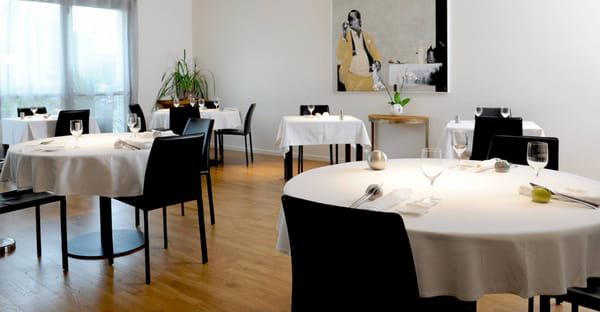
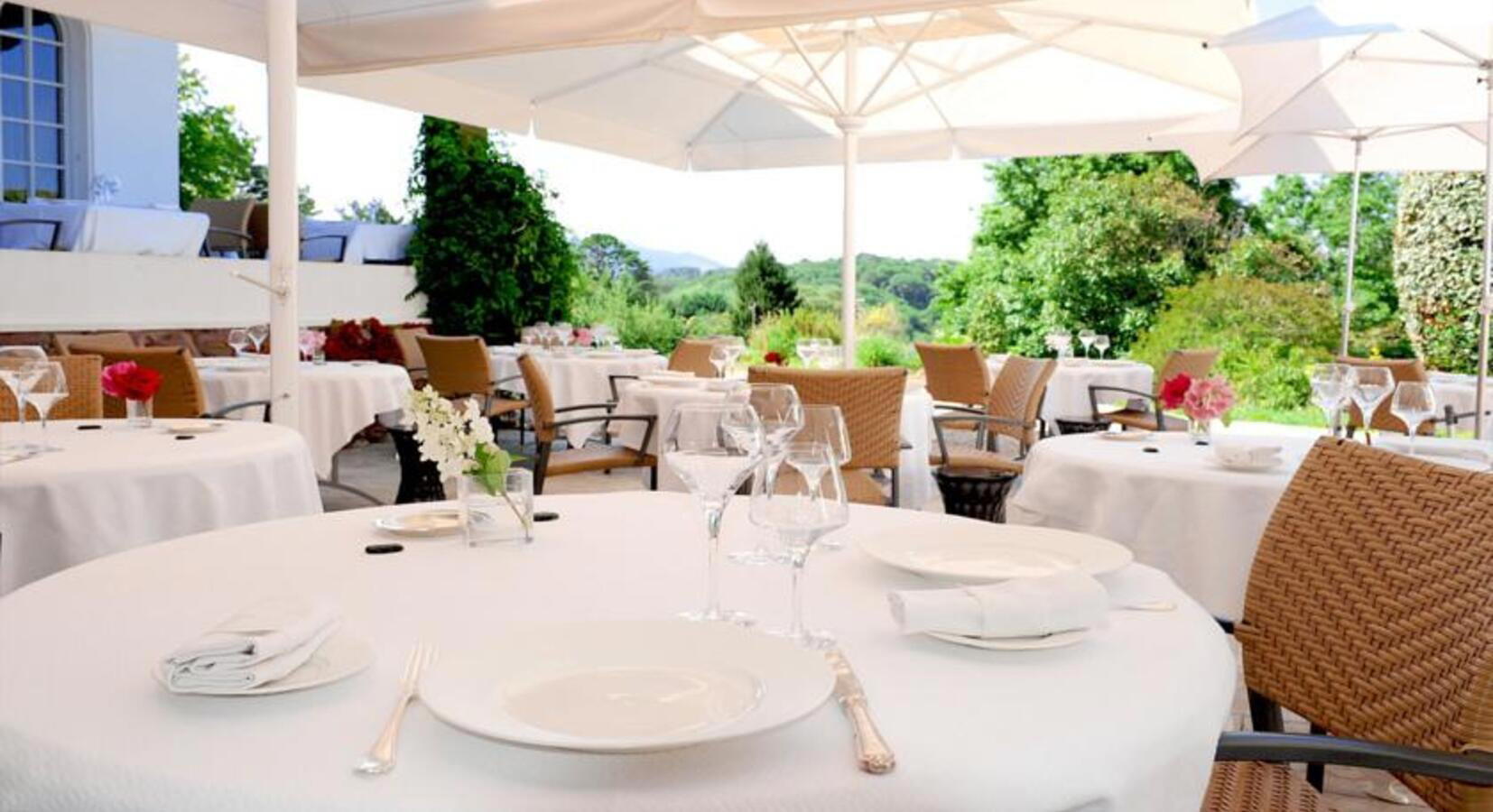
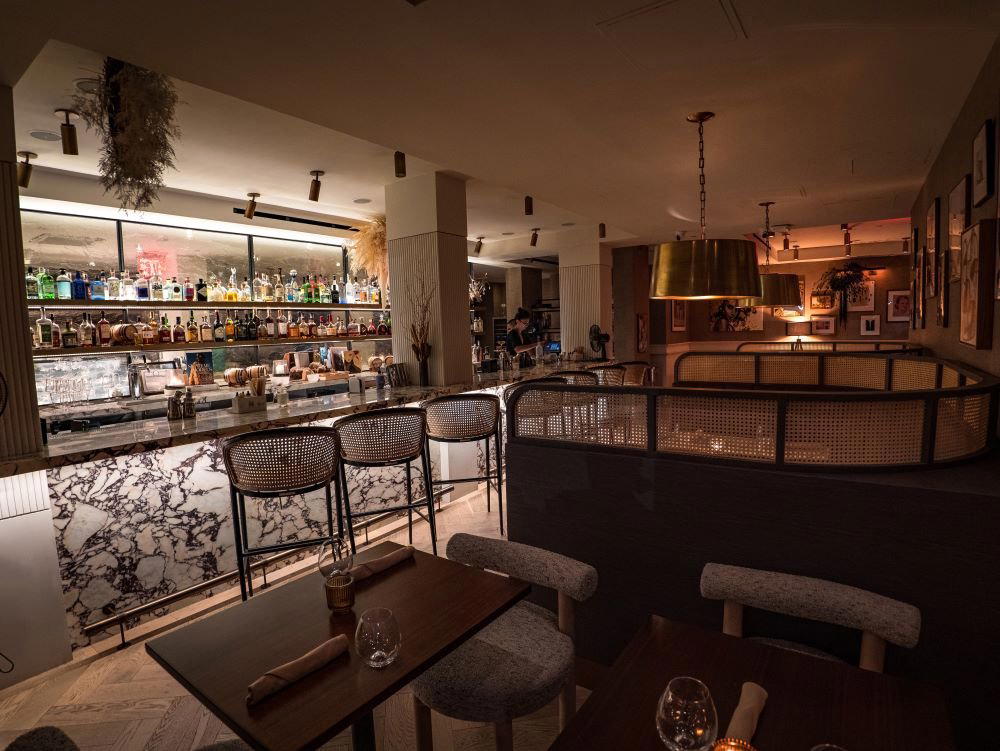
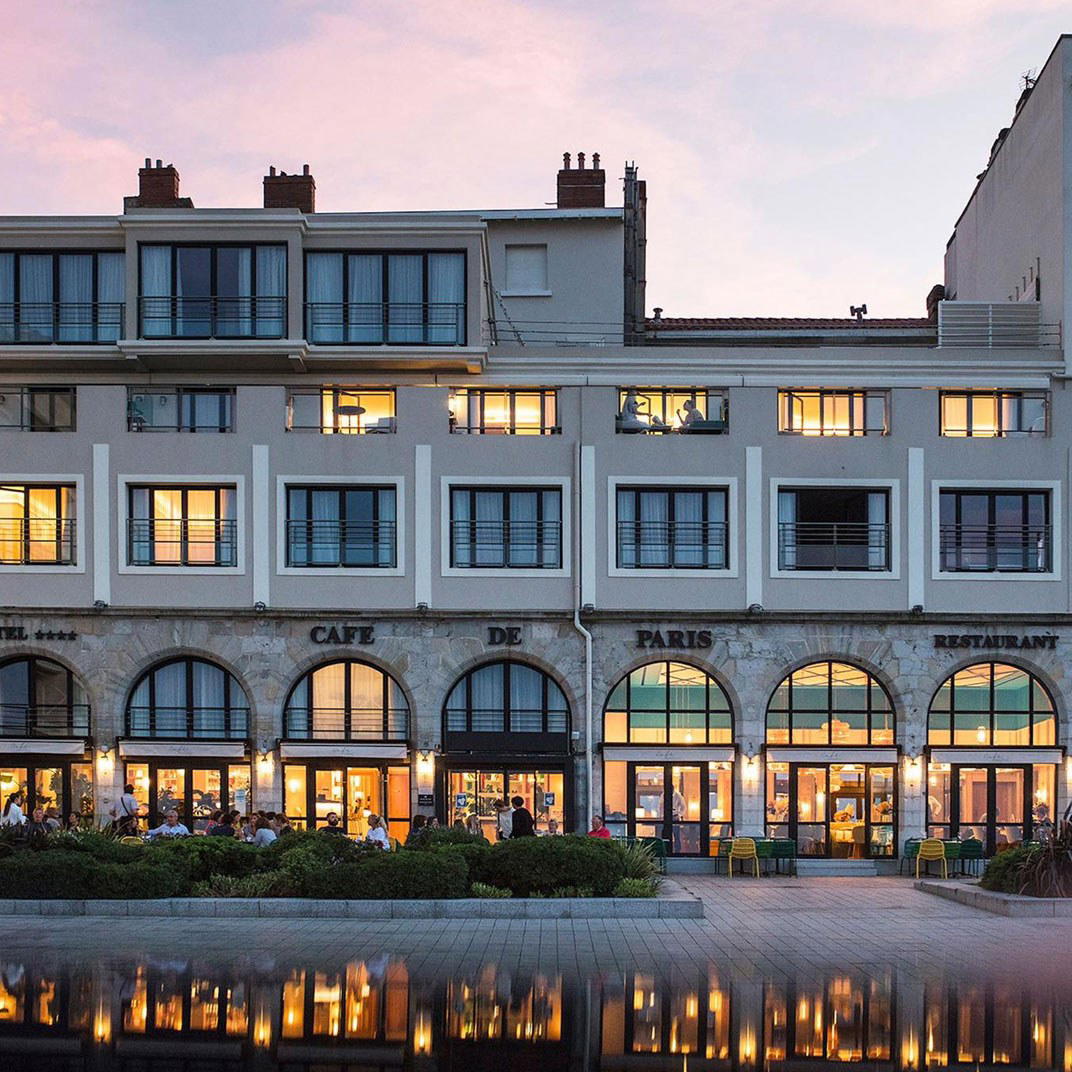
Bright, post-industrial dining room with white and blue tones, wood and metal accents, flooded with natural light overlooking the Nive river; convivial and energetic atmosphere.