


Michelin Plate · Star Wine List · Gault & Millau Remarkable Restaurant
Our verdict
In the Basque village of Arbonne, Lurrak operates at the junction of modern technique and deep regional identity. Chef Nicolas Davouze holds a Michelin Plate across consecutive years and a White Star recognition from Star Wine List, placing the restaurant in a small tier of serious cooking well outside the Biarritz restaurant circuit. At €€€ pricing, it represents considered value against the region's broader fine dining options.

Pearl is the En Primeur Club membership app, where members save venues, book tables and use the concierge.
A Village Address with a Serious Kitchen
The road to Arbonne winds through the Basque interior with a quietness that feels deliberate. The French southwest has a long tradition of kitchens that operate at high technical level in rural or semi-rural settings, from Bras in Laguiole to Auberge du Vieux Puits in Fontjoncouse. Lurrak fits within that lineage: a restaurant where the address is part of the argument.
Modern Cuisine in the Pays Basque Context
Modern cuisine in the Basque Country carries specific weight. The region sits at an intersection of French technique and a Basque culinary identity that prizes produce above almost everything else. Txistorra, local peppers, Atlantic fish, mountain lamb: the ingredient vocabulary is dense and well-defined. Chefs working in modern registers here face a structural tension between technical ambition and the gravitational pull of regional authenticity that rarely applies in the same way in Paris or Lyon.
What Michelin's Plate designation signals at Lurrak, awarded in both 2024 and 2025, is cooking that meets the guide's baseline standard for quality without yet carrying the star infrastructure of, say, Mirazur in Menton or Flocons de Sel in Megève. A Plate awarded consecutively is not a consolation; it is a consistent recognition of a kitchen operating at a defined level of craft. The Star Wine List White Star adds a separate credential, placing the wine program in a tier that Michelin's food-first framework does not capture. For a village restaurant at €€€ pricing, that combination of food and wine recognition is meaningful positioning.
Chef Nicolas Davouze and the Weight of Training
The trajectory of a chef working modern cuisine in a village of this size usually runs through larger cities or institutional kitchens before arriving somewhere quieter and more deliberate. The pattern is well-established across French gastronomy: formative years absorbing classical discipline in high-pressure environments, then a move toward a setting where that training can be expressed on the chef's own terms. At Alléno Paris au Pavillon Ledoyen or Assiette Champenoise in Reims, the kitchen culture is defined by scale and sustained Michelin expectation. What chefs carry from those environments into smaller formats is less about specific dishes and more about a standard of precision and mise en place that tends to show in the smallest details: how a sauce breaks, how a plate is timed.
Nicolas Davouze, working in Arbonne rather than in a metropolitan center, is making a choice that the Basque Country's culinary geography makes viable. The region has enough serious dining traffic, anchored by San Sebastián's gravitational pull across the border and Biarritz's year-round tourism, to sustain ambitious cooking at this scale.
The Wine Program as a Separate Argument
Star Wine List's White Star category denotes wine programs that the platform's editorial team identifies as noteworthy, based on list composition, depth, and sourcing approach rather than pure volume. For a €€€ restaurant in a French Basque village, holding that designation alongside Michelin food recognition means the front-of-house is doing work that a purely food-focused kitchen might not prioritize. The French southwest produces wines that rarely achieve the international profile of Bordeaux or Burgundy but which reward attention: Irouléguy from the immediate Basque hinterland, Jurançon, Madiran, and Béarn are regional bottles with strong food-pairing logic in this cuisine context.
For context on how wine programs function at the upper end of French modern cuisine, see the approaches at Troisgros in Ouches, Auberge de l'Ill in Illhaeusern, or, internationally, Frantzén in Stockholm.
Placing Lurrak in the Regional Tier
The Basque Country's dining tier runs from casual pintxos bars in Biarritz and Bayonne to serious destination restaurants, with Lurrak occupying the intermediate register: committed modern cooking at a price point (€€€) that sits below the full fine-dining ceiling where you find three-star commitments and €200-plus tasting menus. The comparison set is not AM par Alexandre Mazzia in Marseille or Paul Bocuse in Collonges-au-Mont-d'Or; it is a growing cohort of regionally rooted kitchens where the food earns the visit on its own merits rather than on star count.
Planning a Visit
Arbonne sits in the Basque interior, close enough to Biarritz and Bayonne to be reached without difficulty by car. The €€€ price range places a meal here above a casual bistro and below a full tasting-menu destination, which tends to mean a lunch or dinner that warrants deliberate planning rather than a spontaneous stop.
For broader context on eating, drinking, and staying in the area, see our full Arbonne restaurants guide, our Arbonne hotels guide, our Arbonne bars guide, our Arbonne wineries guide, and our Arbonne experiences guide. For modern cuisine at a comparable level of ambition in different French contexts, FZN by Björn Frantzén in Dubai offer instructive points of reference for how modern cuisine formats operate at varying scales.
Frequently asked questions
What does dinner at Lurrak typically cost?
Pricing at Lurrak is listed as €€€.
At-a-Glance Comparison
| Venue | Cuisine | Price | Awards | Notes |
|---|---|---|---|---|
| LurrakThis venue (the venue you are viewing) | Modern French with Basque Regional Focus | $50–100 | Michelin Plate · Star Wine List | Not listed |
| Alléno Paris au Pavillon Ledoyen | Modern French Fine Dining | $150–200 | 3 Michelin Stars · World's 50 Best #79 | Creative |
| Kei | Contemporary French, Modern Cuisine | Not listed | Michelin 3 Star | Not listed |
| L'Ambroisie | Classic French Haute Cuisine | $300–500 | 2 Michelin Stars · World's 50 Best #23 | French, Classic Cuisine |
| Le Cinq - Four Seasons Hôtel George V | Modern French Fine Dining | $300–500 | 3 Michelin Stars · World's 50 Best #24 | French, Modern Cuisine |
| Plénitude | Modern French Sauce-Led Fine Dining | $300–500 | 3 Michelin Stars · World's 50 Best #14 | Contemporary French |
Recognition history
Dated appearances from independent guides and award organizations, with the underlying list record or original source where available.
Michelin Plate
Michelin
Star Wine List
Star Wine List
Gault & Millau Remarkable Restaurant
Gault & Millau
Full recognition history (4 entries)
Michelin Plate
Michelin
Continue exploring
More in Arbonne
Restaurants in Arbonne
All restaurants in Arbonne →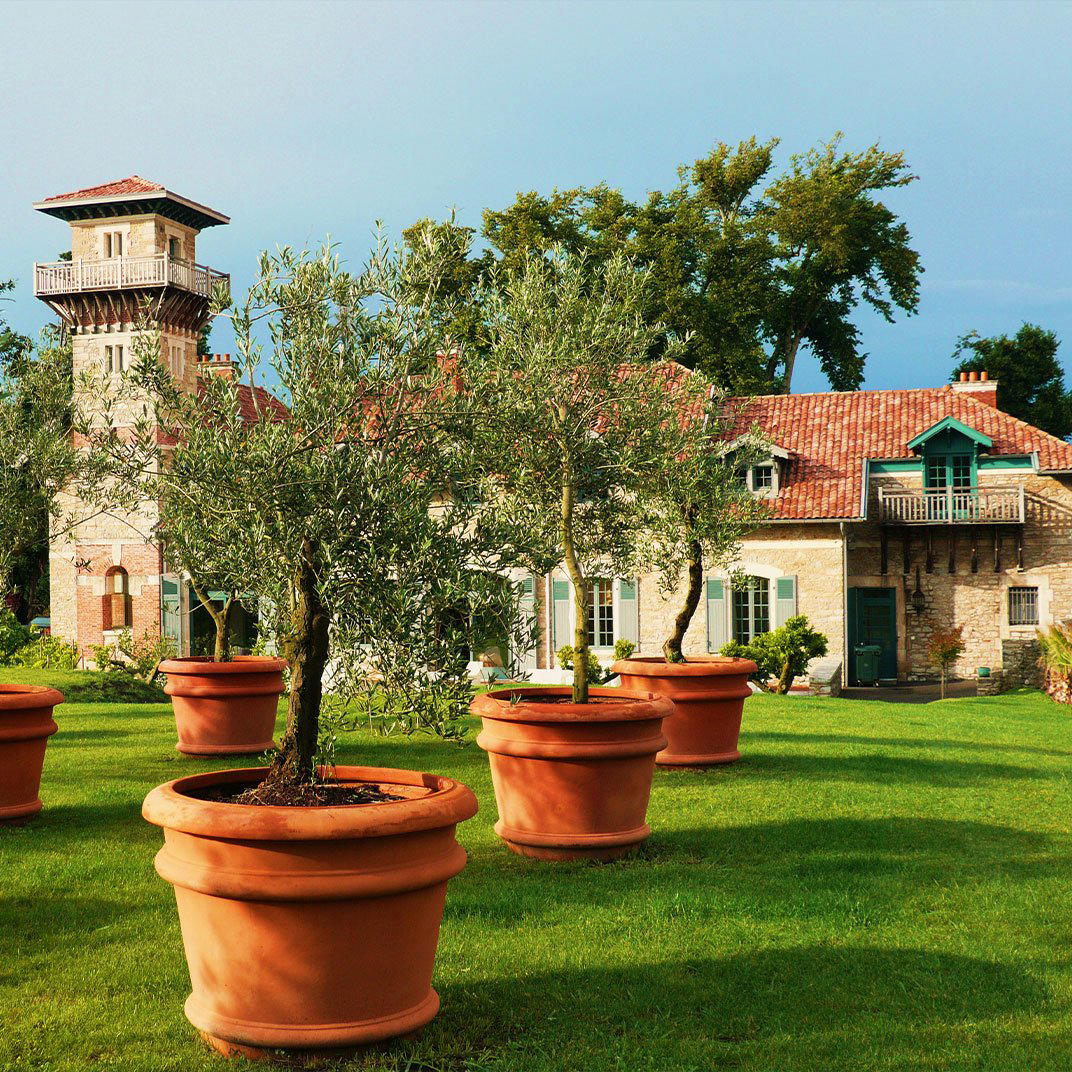
Details
- Modern
- Elegant
- Intimate
- Sophisticated
- Date Night
- Special Occasion
- Open Kitchen
- Extensive Wine List
- Local Sourcing
- Tasting Menu
Current opening hours
- Monday
- 12–1:30 PM, 8–9 PM
- Tuesday
- Closed
- Wednesday
- Closed
- Thursday
- 12–1:30 PM, 8–9 PM
- Friday
- 12–1:30 PM, 8–9 PM
- Saturday
- 12–1:30 PM, 8–9 PM
- Sunday
- 12–1:30 PM, 8–9 PM
Hours can change for holidays and private events. Hours as of .
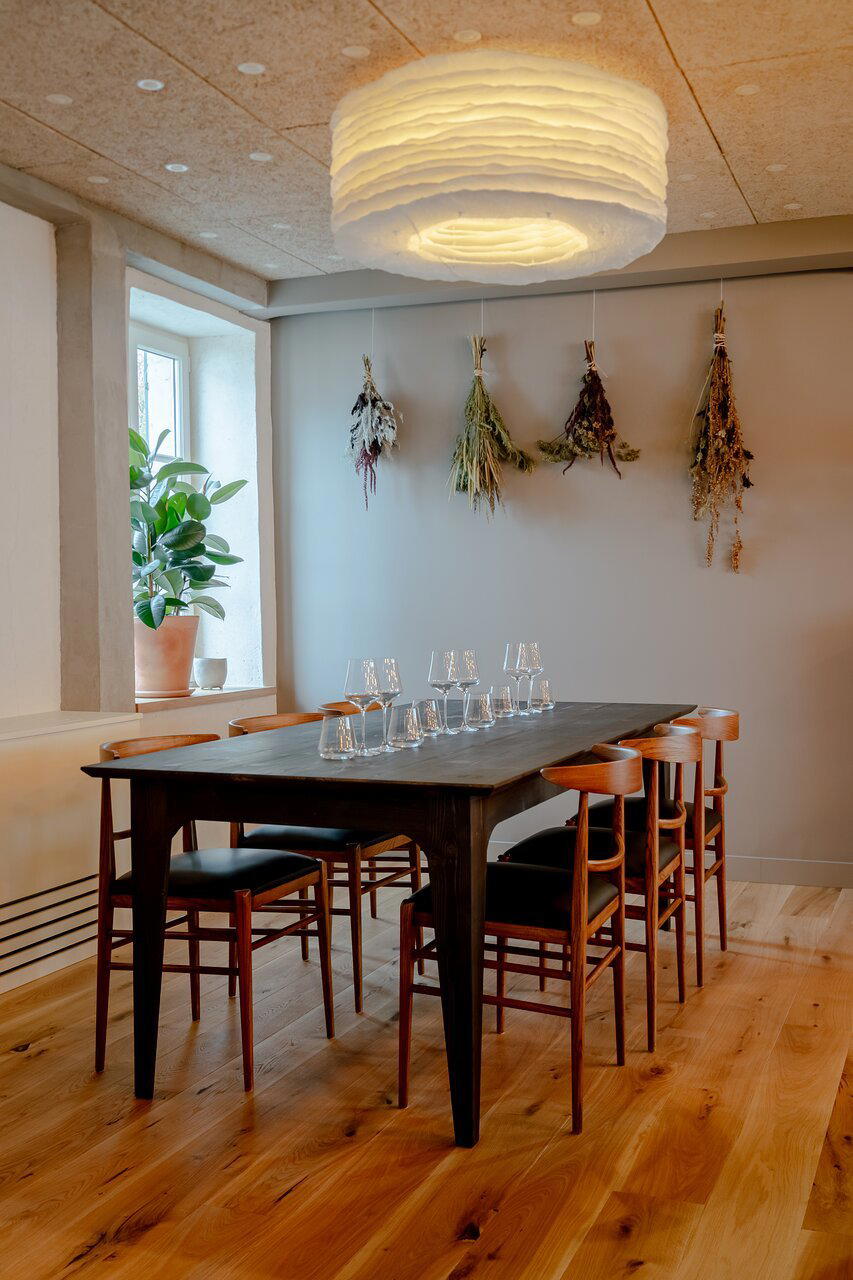
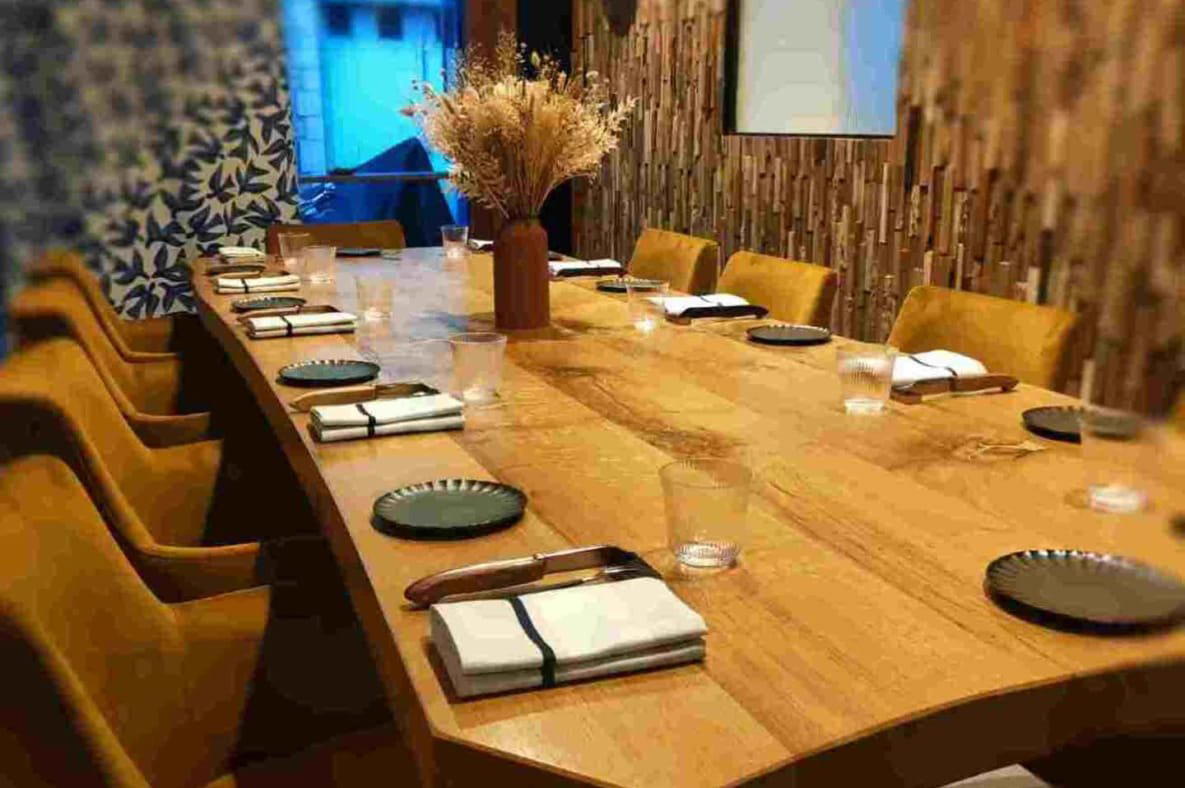
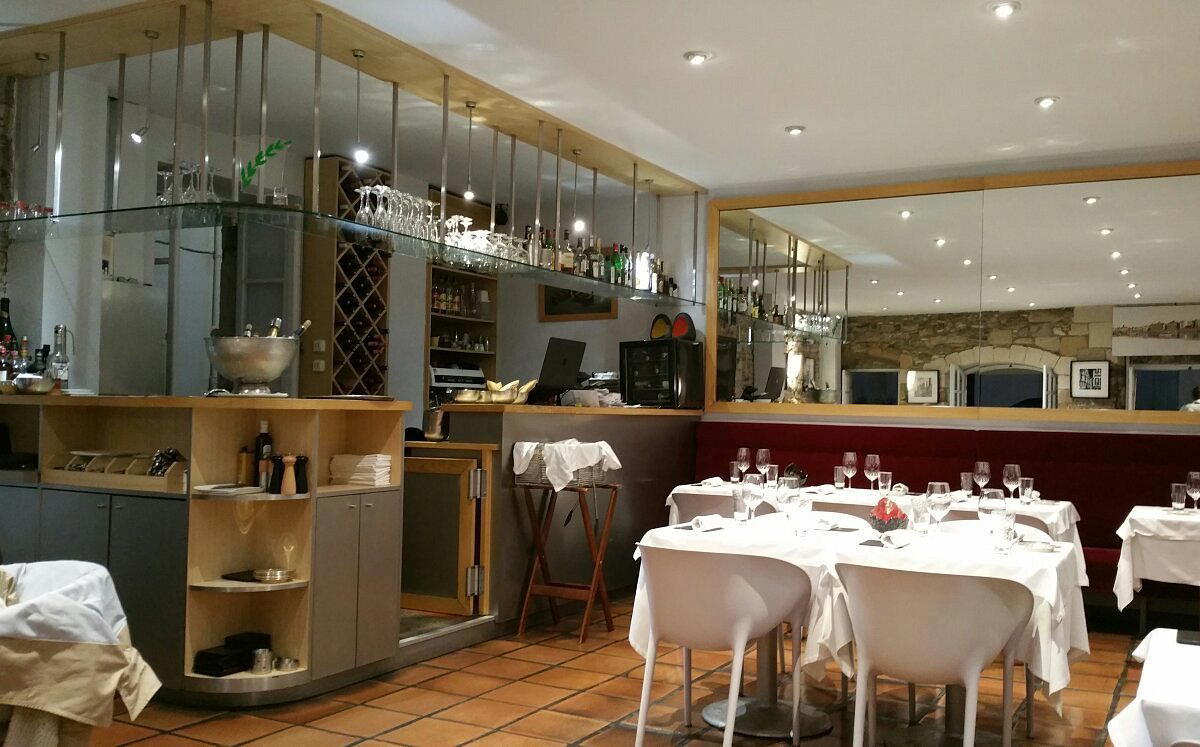
Soothing room with soft lighting, taupe walls, light wood, windowed open kitchen, and spaced tables creating a warm, modern, and relaxed atmosphere.