

1 Michelin Star · Gault & Millau Remarkable Restaurant
Our verdict
A Michelin-starred creative restaurant inside a 17th-century Basque watermill in Arcangues, Moulin d'Alotz has committed fully to meat-free menus driven by seasonal vegetables, Basque-sourced produce, and plant-based preparations. Chef Fabrice Idiart's approach earned a Michelin star in 2024 and a Remarkable distinction. Open Wednesday through Saturday for lunch and dinner; closed Sunday through Tuesday.

Pearl is the En Primeur Club membership app — saves, bookings, and concierge access live there. Same editors, same standards.
- Address
- Chem. d'Alotz Errota, 64200 Arcangues, France
- Phone
- +33 5 59 43 04 54
- Hours
- Mon–Tue ClosedWed 12–1:30 PM, 7–9 PMThu–Sat 12–1:30 PM, 7:30–9 PMSun Closed
- Website
- moulindalotz.com
- Directions
- Get directions
- Booking
- Book on the venue's website
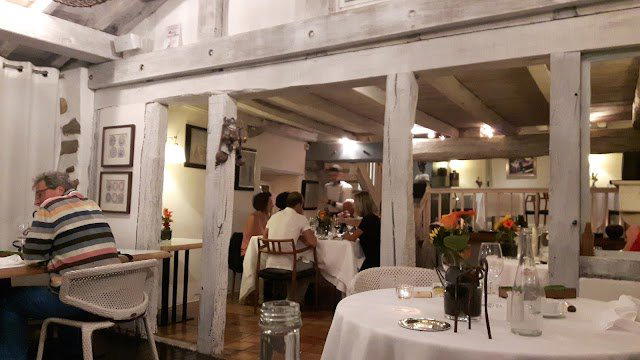
A Watermill in the Basque Countryside, and What Grows Around It
Rural Basque France has a distinct relationship with ingredient sourcing that sets it apart from most of France's starred restaurant corridors. The Pays Basque sits at a convergence of Atlantic climate, mountain foothills, and centuries of agricultural tradition: sweet chestnuts from forest floors, Espelette pepper grown in controlled AOC plots, langoustines from the Bay of Biscay, wild aromatics from valley hedgerows. These are not interchangeable with what a chef in Paris or Lyon might order from a supplier catalogue. They are place-specific, season-bound, and short in supply. Creative restaurants working in this register, like Gaztelur in Arcangues, have increasingly framed regional sourcing not as a marketing posture but as a structural decision that shapes what can appear on the plate.
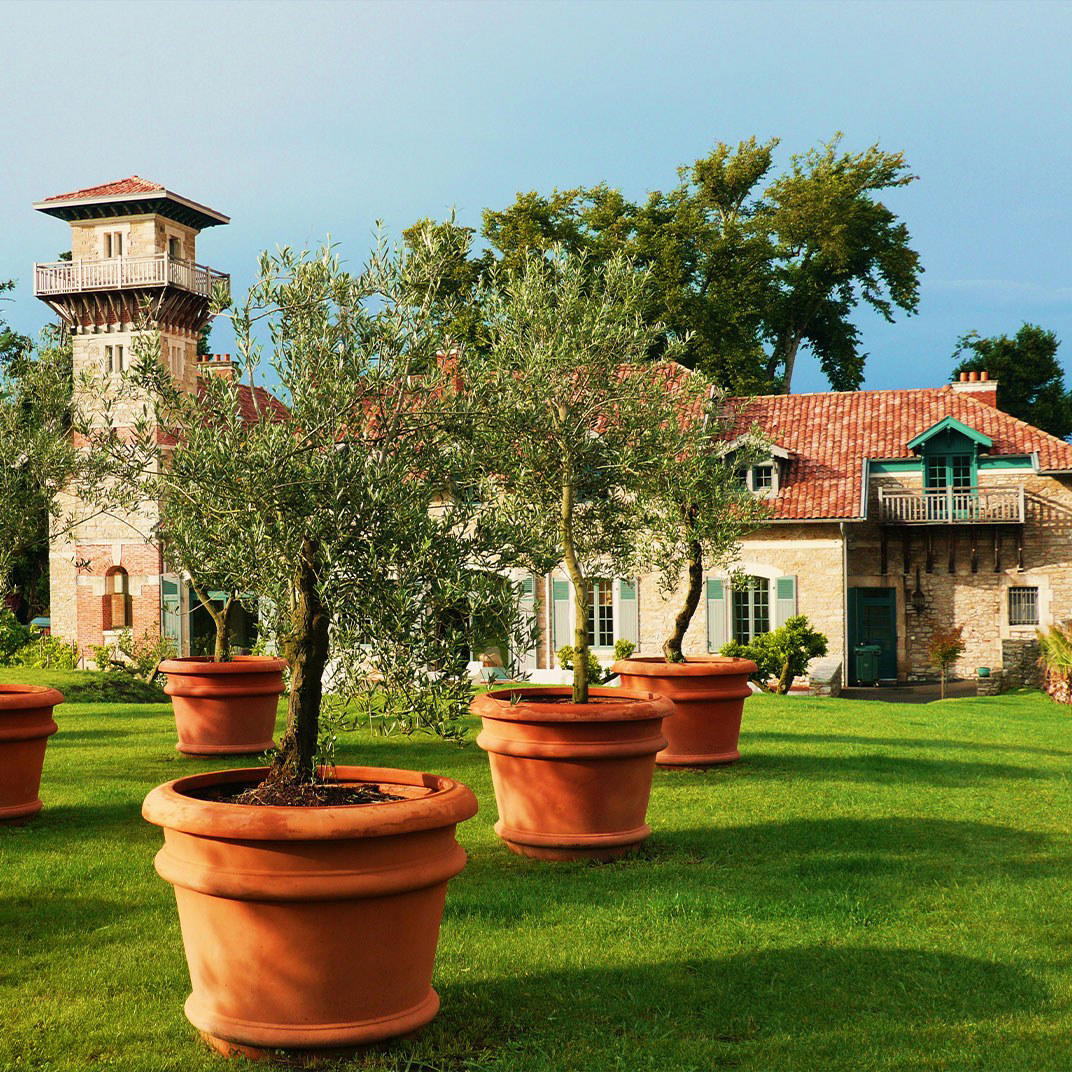
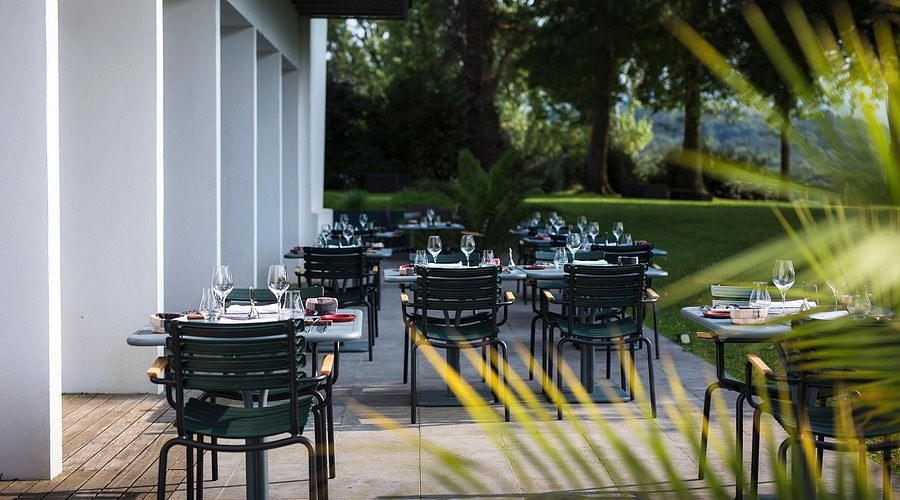
Moulin d'Alotz sits inside a 17th-century watermill on the outskirts of Arcangues, a village a few kilometres inland from Biarritz. The building is not incidental to the food. A conservatory extension faces the garden and surrounding vale, connecting the dining room visually to the land that supplies it. Michelin awarded the restaurant a star in 2024 and designated it Remarkable, recognising both technical execution and the coherence of its sourcing ethos.
Entirely Meat-Free: What That Actually Means in a Starred Kitchen
French haute cuisine's default architecture has long been built around protein hierarchy: fish course, meat course, the occasional vegetable interlude. The decision to remove meat entirely from a Michelin-starred menu is not cosmetically different from offering a vegetarian tasting option; it reconfigures the whole grammar of a multi-course meal. Vegetables are no longer supporting material. They carry the structural weight of each dish, which means sourcing, seasonality, and preparation technique must be precise enough to generate complexity without the shorthand that animal proteins provide.
This is the territory Fabrice Idiart has staked out at Moulin d'Alotz. The menus work through vegetables as primary subjects, supplemented by plant-based preparations and spice work. Espelette pepper, the AOC chilli grown in a designated cluster of Basque communes, appears as a flavour layer rather than garnish. Wild garlic blossom from the surrounding area provides aromatics that a cultivated garlic clove cannot replicate. Sweet chestnuts sourced from the Basque country's forests bring a density and earthiness that arrives differently depending on the harvest and how they are prepared. These are not luxury substitutions; they are the actual ingredients of the place.
For comparison, French creative restaurants operating at the €€€€ tier, such as Alléno Paris au Pavillon Ledoyen, tend to work within a broader ingredient vocabulary that includes high-end animal proteins. Moulin d'Alotz operates at €€€ and has narrowed its ingredient scope deliberately, which makes the sourcing decisions more exposed and more consequential. Every dish is evidence of that constraint working in the kitchen's favour or against it.
Basque Ingredients as the Actual Argument
The ingredient sourcing at Moulin d'Alotz is regional in the specific sense: Basque chestnuts, not generic seasonal chestnuts; Espelette pepper within its AOC designation, not a generic hot spice; lemongrass used alongside a distinctly local chilli to build layered heat in a coconut mousse accompanying langoustine. The combination points to a kitchen thinking about flavour contrast and aromatic depth rather than regional purity for its own sake. Lemongrass is not a Basque ingredient, but it is being used here in dialogue with one.
This sourcing orientation connects Moulin d'Alotz to a wider pattern in French regional fine dining where the most convincing creative restaurants draw a clear line between what comes from within a specific territory and what comes from outside, and are deliberate about when they cross that line. Bras in Laguiole built its identity around the Aubrac plateau's wild plants and grasses decades before foraging became a standard reference in tasting menus. Mirazur in Menton works from its own garden and the coastal microclimate of the French Riviera. The through-line is that sourcing is the argument, not just the backstory.
At Moulin d'Alotz, the 17th-century mill building underlines that argument architecturally. Mills existed to process what grew locally. The conservatory dining room, with views across the garden, operates as a physical reminder of the land outside. Whether or not diners consciously frame their meal in those terms, the setting creates a coherence between environment and plate that urban creative restaurants have to work harder to achieve. Flocons de Sel in Megève achieves something similar by anchoring its menus to Alpine terrain, and Troisgros - Le Bois sans Feuilles in Ouches has built its current chapter around a kitchen garden that feeds directly into service.
The Creative Category in Regional France
Michelin's creative classification covers a wide range of restaurants, from technically adventurous urban kitchens to destination properties that use classical technique in unconventional ways. In the French regional context, creative usually signals that the kitchen is not bound by a single tradition, Basque, French classical, or otherwise, but is using technique from multiple sources to work with local material. AM par Alexandre Mazzia in Marseille is classified creative and draws on wide spice and ingredient references while staying anchored to the Mediterranean. Assiette Champenoise in Reims works in the contemporary French register with the Champagne region as its terrain.
Moulin d'Alotz sits in a sub-tier of this category where the creative decision is also an ethical one: removing meat entirely is a formal constraint that pushes the kitchen toward specific solutions. It is less common in France's starred landscape than elsewhere. The designation is applied to restaurants with a distinct identity and consistent execution, not simply high technical scores.
Further afield, Enrico Bartolini in Milan and JAN in Munich demonstrate how the creative category operates across European fine dining, each using regional material within a contemporary technical frame. In France, the tradition of place-rooted fine dining runs through establishments like Auberge de l'Ill in Illhaeusern and Au Crocodile in Strasbourg, where Alsatian identity shaped decades of menu decisions. Paul Bocuse - L'Auberge du Pont de Collonges in Collonges-au-Mont-d'Or remains the reference point for how a French regional kitchen can become its own category. Moulin d'Alotz is not operating at that scale of historical significance, but it is working within the same underlying logic: the place determines the food.
Planning a Visit
Arcangues sits a short drive inland from Biarritz, making the restaurant accessible as a lunch destination from the coast or as part of a longer Pays Basque itinerary. The operating schedule is focused: Wednesday through Saturday for both lunch (12:00 to 13:30) and dinner (19:00 to 21:00 on Wednesday, 19:30 to 21:00 Thursday through Saturday). The restaurant is closed Sunday through Tuesday. At the €€€ price tier, this is not a casual drop-in; it sits in the same bracket as most one-star regional French addresses and warrants advance booking. Given the limited seat windows and the specificity of the menu format, reservations should be secured well ahead, particularly for weekend service during the summer season when Biarritz draws a significant visitor volume to the broader area.
For broader planning across Arcangues, see our full Arcangues restaurants guide, our full Arcangues hotels guide, our full Arcangues bars guide, our full Arcangues wineries guide, and our full Arcangues experiences guide.
Frequently asked questions
How much does it cost to eat at Moulin d'Alotz?
Pricing at Moulin d'Alotz is listed as €€€.
Cost Snapshot
| Venue | Cuisine | Price | Awards |
|---|---|---|---|
| Moulin d'AlotzThis venue — the venue you are viewing | Creative Vegetarian Fine Dining | $50–100 | 1 Michelin Star · Gault & Millau Remarkable Restaurant |
| Alléno Paris au Pavillon Ledoyen | Creative | Not listed | Michelin 3 Star |
| Kei | Contemporary French, Modern Cuisine | Not listed | Michelin 3 Star |
| L'Ambroisie | French, Classic Cuisine | Not listed | Michelin 3 Star |
| Le Cinq - Four Seasons Hôtel George V | French, Modern Cuisine | Not listed | Michelin 3 Star |
| Plénitude | Contemporary French | Not listed | Michelin 3 Star |
Recognition history
Dated appearances from independent guides and award organizations, with the underlying list record or original source where available.
Michelin 1 Star
Michelin
Gault & Millau Remarkable Restaurant
Gault & Millau
Full recognition history (4 entries)
Michelin 1 Star
Michelin
Michelin 1 Star
Michelin
Continue exploring
More in Arcangues
Restaurants in Arcangues
Browse all →
Bars in Arcangues
Browse all →
Details
- Romantic
- Intimate
- Rustic
- Elegant
- Scenic
- Date Night
- Special Occasion
- Garden
- Historic Building
- Extensive Wine List
- Local Sourcing
- Garden
- A La Carte
- Vegetarian Friendly
Current opening hours
- Monday
- Closed
- Tuesday
- Closed
- Wednesday
- 12–1:30 PM, 7–9 PM
- Thursday
- 12–1:30 PM, 7:30–9 PM
- Friday
- 12–1:30 PM, 7:30–9 PM
- Saturday
- 12–1:30 PM, 7:30–9 PM
- Sunday
- Closed
Hours can change for holidays and private events. Last verified .
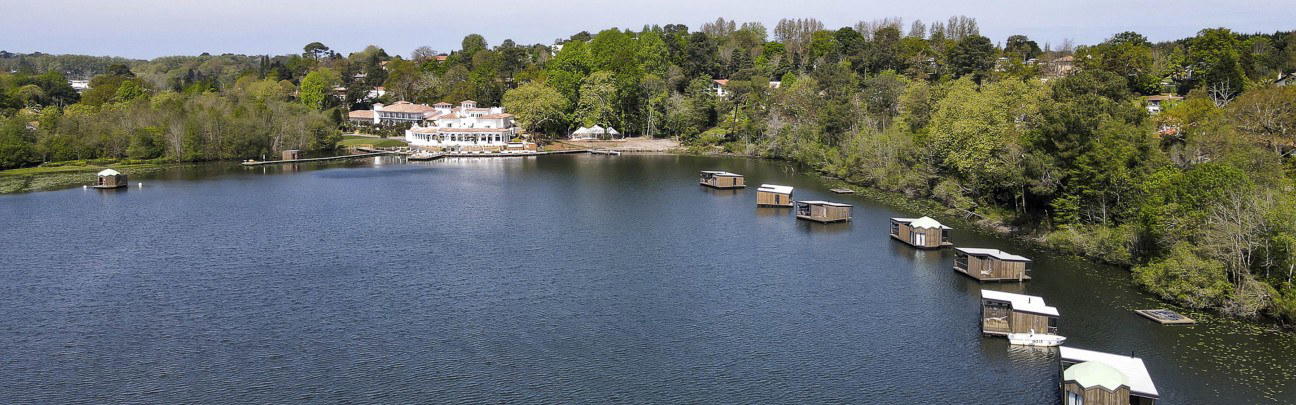
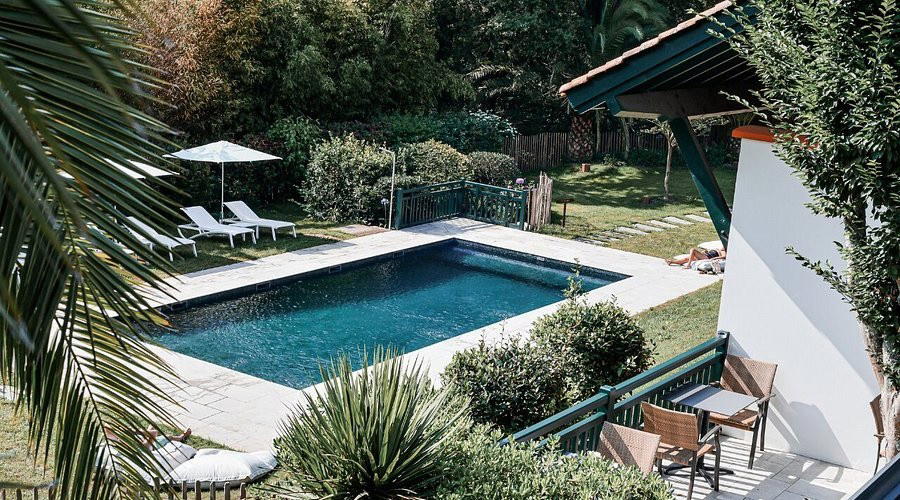
Serene bucolic setting in a verdant garden with a glass-enclosed terrace, cozy historic interior featuring old beams, warm natural light, and a peaceful, intimate atmosphere.