Zapiain
Zapiain sits in Astigarraga, the small Gipuzkoan municipality that has long anchored the Basque Country's cider culture. The address on Kale Nagusia places it at the heart of a town where sagardotegi tradition shapes the drinking calendar, and where the bar format carries more cultural weight than most urban venues manage. For travellers moving through the San Sebastián corridor, it represents the kind of stop that neighbourhood context rewards.
Pearl is the En Primeur Club membership app — saves, bookings, and concierge access live there. Same editors, same standards.
- Address
- Kale Nagusia, 96, 20115 Astigarraga, Gipuzkoa, Spain
- Phone
- +34 943 33 00 33
- Website
- zapiain.eus
- Directions
- Get directions
 Saves & bookings on Pearl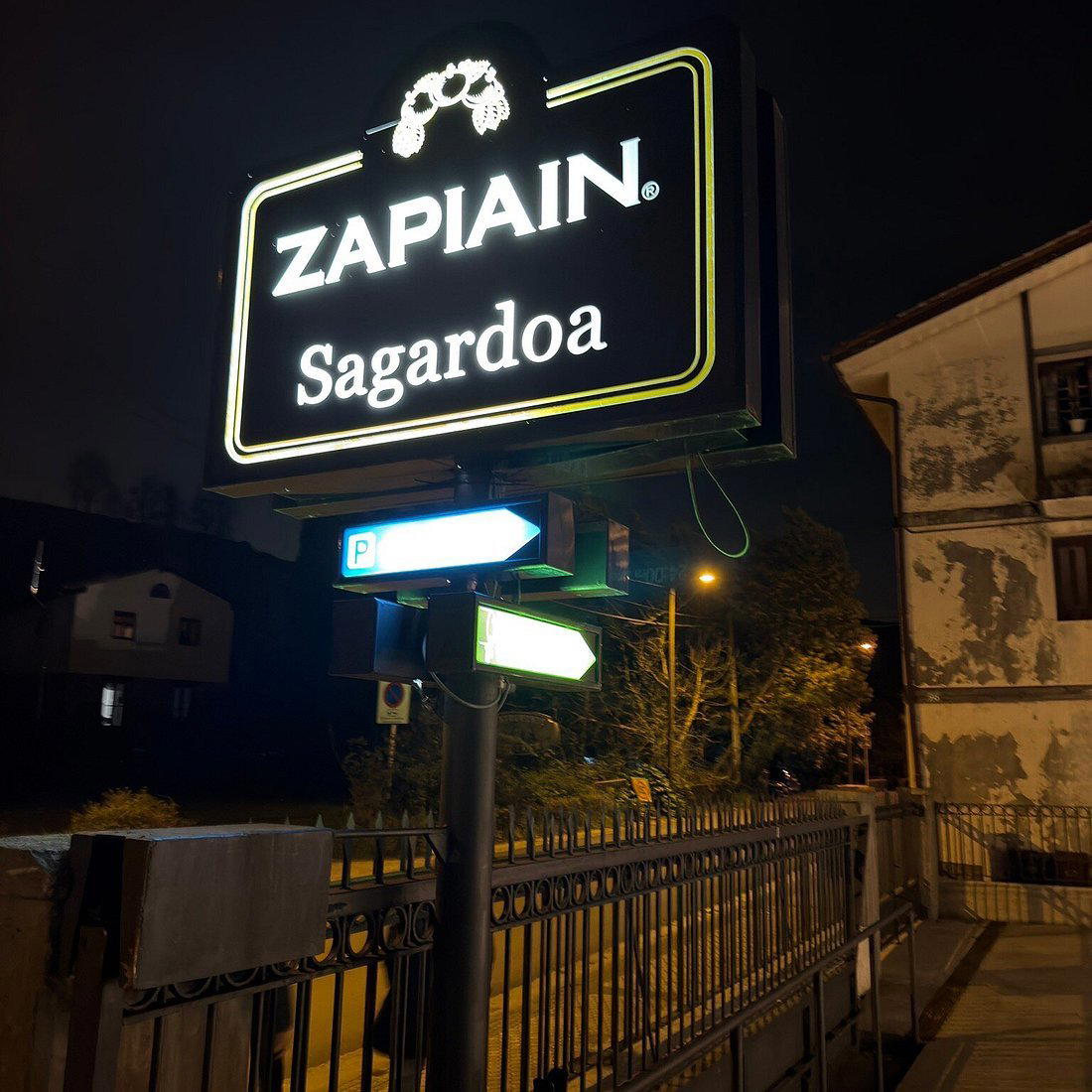
Where Cider Country Meets the Bar
Astigarraga is not a stop most international travellers plan for. The town of roughly 5,000 sits a few kilometres inland from San Sebastián, and its reputation rests almost entirely on a single tradition: sagardotegi season, when the cider houses open their doors from January through April and visitors queue to catch the txotx, the moment the barrel tap opens and cider arcs through the air into a wide-mouthed glass. That seasonal rhythm sets the register for everything in Astigarraga, including its bars. Zapiain, at Kale Nagusia 96, sits directly inside that context. The main street address is not incidental, Kale Nagusia runs through the functional centre of a town where cider production is not heritage theatre but active industry, and where a bar's relationship to that industry shapes how locals read it.
The approach to any bar on this strip involves a recalibration of expectations for visitors arriving from larger Basque cities. This is not the pintxos-counter density of San Sebastián's Parte Vieja, nor the late-night cocktail programmme of Bilbao's Casco Viejo. What Astigarraga offers instead is a more embedded kind of drinking culture, one where the product in the glass carries a specific agricultural biography and where the pace of service reflects a town rather than a tourist corridor. Zapiain operates within that register.
The Drink Tradition Behind the Address
The Basque cider tradition that defines Astigarraga is worth understanding on its own terms before arriving. Sagardoa, the local natural cider, is a low-intervention fermented apple product, typically dry, tannic, and slightly turbid, with a CO2 level that demands the pouring technique that txotx delivers: a long, thin stream aerates the cider as it falls, softening it before it hits the glass. The drinking format is communal by design. Glasses are shared, barrels are announced, and the social choreography around the pour is as much the point as the liquid itself.
Bars in Astigarraga that operate outside the formal sagardotegi structure still carry this sensibility. The expectation of a considered, product-led approach to what goes in the glass runs through the town's drinking culture in a way that distinguishes it from nearby municipalities. Where the broader Basque bar scene, from Angelita in Madrid to Boadas in Barcelona, has moved toward cocktail technique and spirits programmes as the primary differentiator, Astigarraga retains a hierarchy in which the agricultural product comes first. That is a genuine distinction, not a provincial limitation.
Situating Zapiain in the Wider Basque Bar Scene
The bar scene across northern Spain's Atlantic coast operates at several different registers simultaneously. At one end, you have the technique-driven programmes represented by venues like Bar Stick in Errenteria, a town that borders Astigarraga's broader municipality and where the bar culture has absorbed more urban influence. At the other, you have the cider-house format in its purest form, which is less a bar than a seasonal ritual. Zapiain occupies a position somewhere along that continuum, a Kale Nagusia address that puts it in proximity to the town's daily life rather than its seasonal tourist event.
The comparison set for a bar in this part of Gipuzkoa is not Seville's Bar Sal Gorda or Granada's Bar Gallardo, both of which operate within Andalusian tapas-and-sherry traditions that share a community-drinking ethos but differ entirely in product and pace. Nor does it map cleanly onto the Mediterranean bar formats of La Margarete in Ciutadella or Garden Bar in Calvia, which draw on island leisure cultures. The relevant comparable set is the Basque and Cantabrian bar, places like Bar Guillermina in Cabrales or Casa Lin in Aviles, where the northern Spanish relationship between food, drink, and daily social life produces a format that is at once casual and highly specific.
What the Programme Likely Reflects
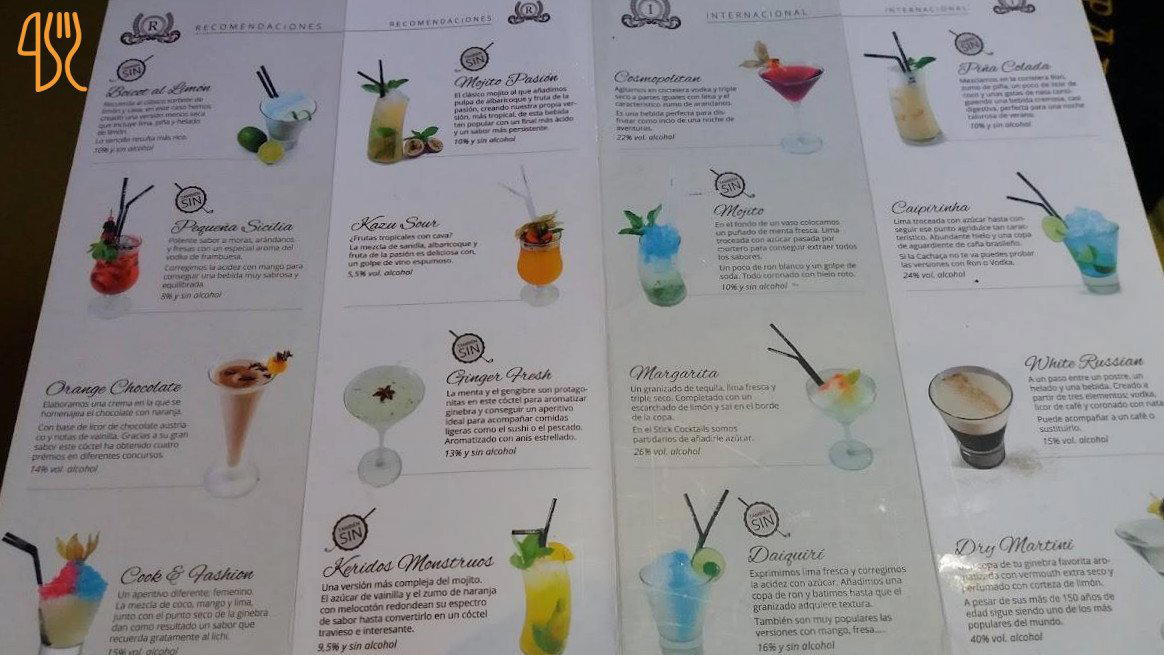
Given the agricultural context of Astigarraga and the weight that cider production carries in the local economy, a bar at this address would almost certainly position local cider prominently. The sagardoa tradition is not merely a seasonal overlay; it shapes year-round drinking habits, with bottled versions of the same natural ciders available outside the txotx season. A bar that reads its neighbourhood correctly treats those bottles as primary product rather than novelty, and builds its drinks list around them alongside the Basque txakoli whites and local spirits that form the rest of the regional repertoire.
The cocktail culture in smaller Basque municipalities has developed more slowly than in the region's larger cities, and that slower pace tends to produce a different kind of programme, one less focused on technique-as-spectacle and more on the quality of the base product. Where venues like Garito Cafe in Palma de Mallorca or Bar Leather Apron in Honolulu have built reputations on the precision of their cocktail execution, the relevant metric in a town like Astigarraga is more likely the provenance and handling of a local cider or a pour of patxaran, the sloe-berry liqueur that serves as the region's default digestif.
Planning a Visit
Astigarraga sits roughly 7 kilometres from San Sebastián's city centre, accessible by local bus from the Gipuzkoa capital or by a short drive along the Urumea river valley. One natural window for a visit is the sagardotegi season, January through April, when the town operates at full cultural pitch and the cider houses running alongside bars like Zapiain create a complete picture of the local drinking tradition. Outside that window, the town is quieter and the sagardotegi format is off-table, but the permanent bar culture remains. Kale Nagusia operates as a functional main street rather than a curated dining strip, which means opening hours and access patterns follow local rhythm rather than tourist convenience. Arriving without a fixed plan and reading the street as a local would is the appropriate approach. For travellers building a broader Astigarraga itinerary, our full Astigarraga restaurants guide covers the wider scene.
Quick Comparison
Comparable venues nearby, for context on price, style, and recognition.
| Venue | Cuisine | Price | Notes |
|---|---|---|---|
| ZapiainThis venue — the venue you are viewing | Bar | $$ | Not listed |
| Lounge Cote - Donostia, Gipuzkoa | lounge | $$ | Centro/Parte Vieja |
| Dabadaba | lounge | $$ | Egia |
| Bataplán Disco | lounge | $$ | Centro |
| Bar Etxeberria | beer_bar | $$ | Parte Vieja (Old Town) |
| Txurrut Terraza Puba | pub | $$ | Constitución Plaza |
Continue exploring
More in Astigarraga
Bars in Astigarraga
Browse all →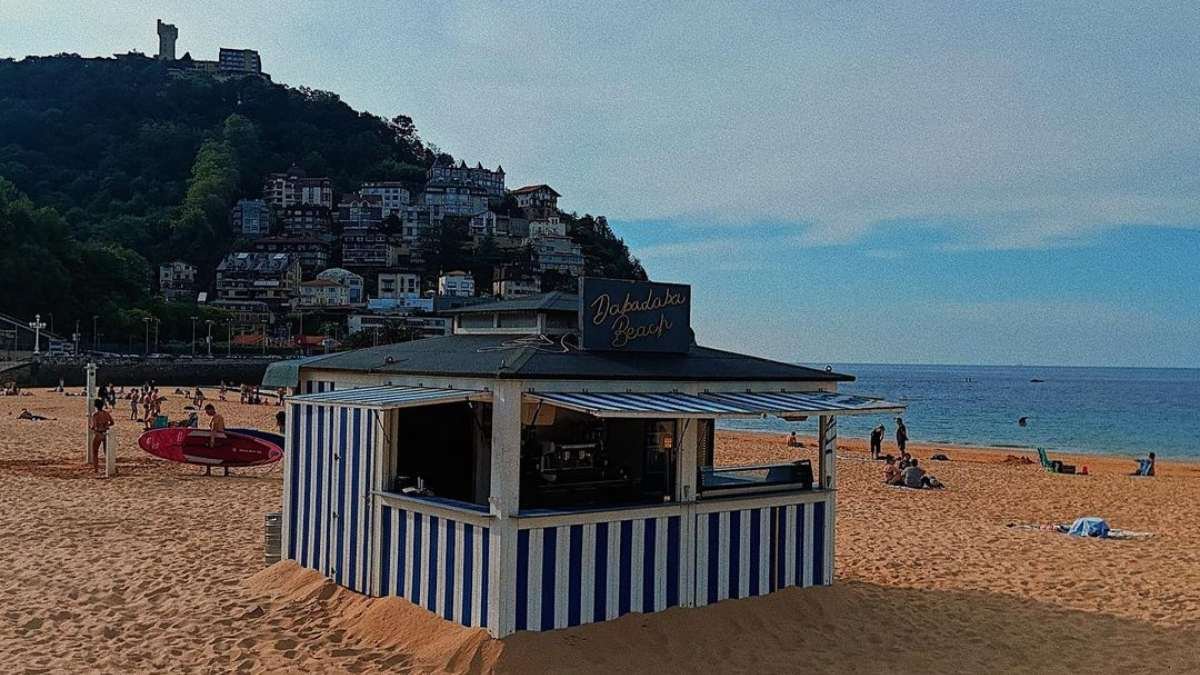
Restaurants in Astigarraga
Browse all →
At a Glance
- Rustic
- Lively
- Group Outing
- Celebration
- Historic Building
- Standing Room
- Communal Tables
- Conventional Wine
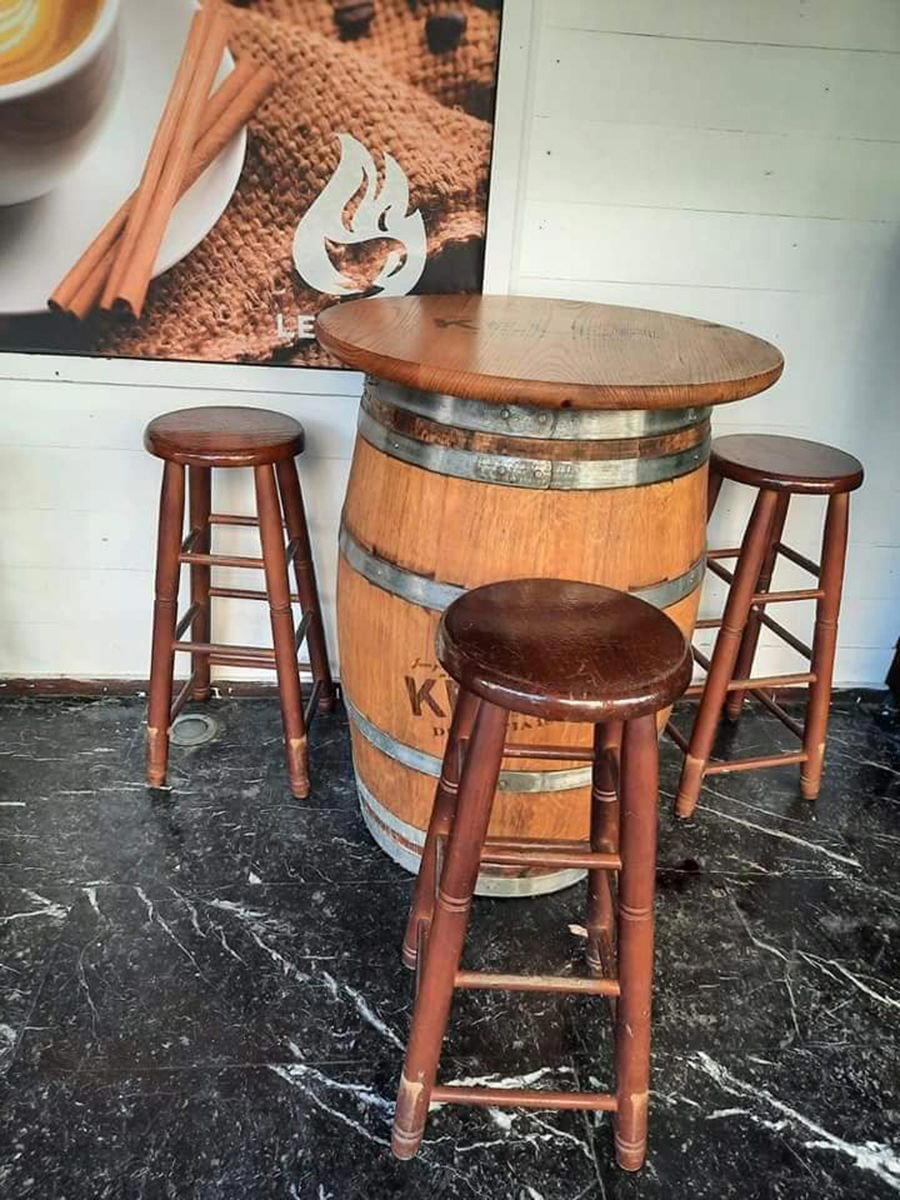
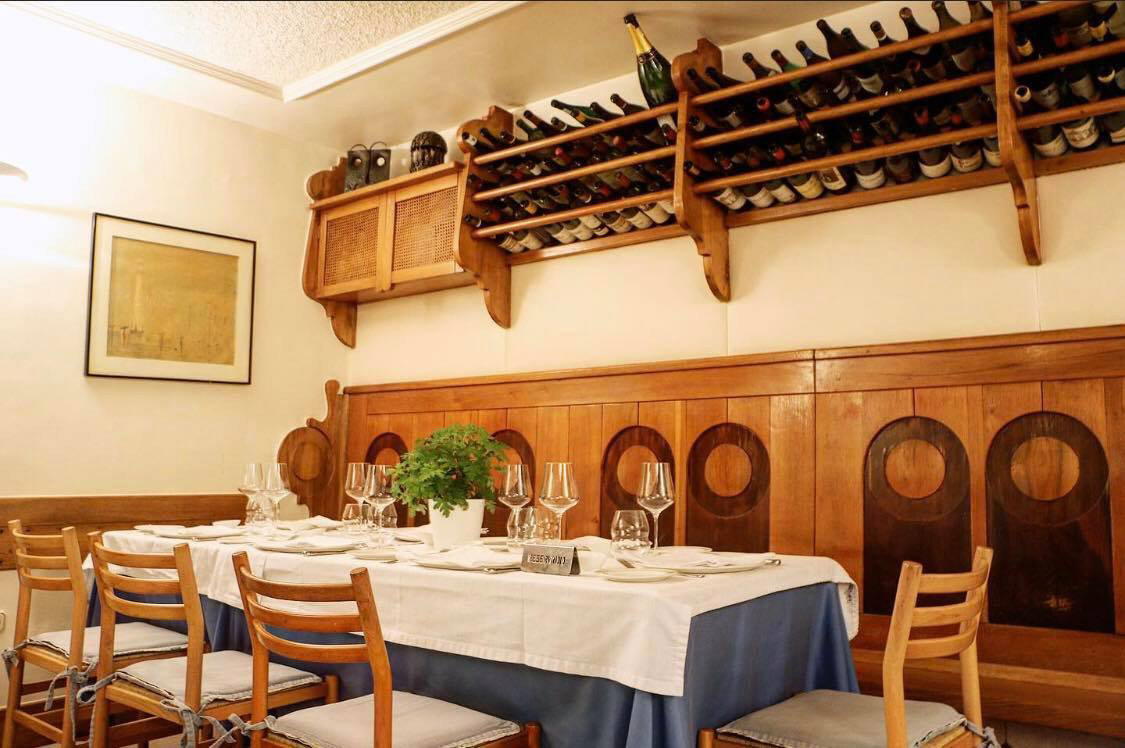
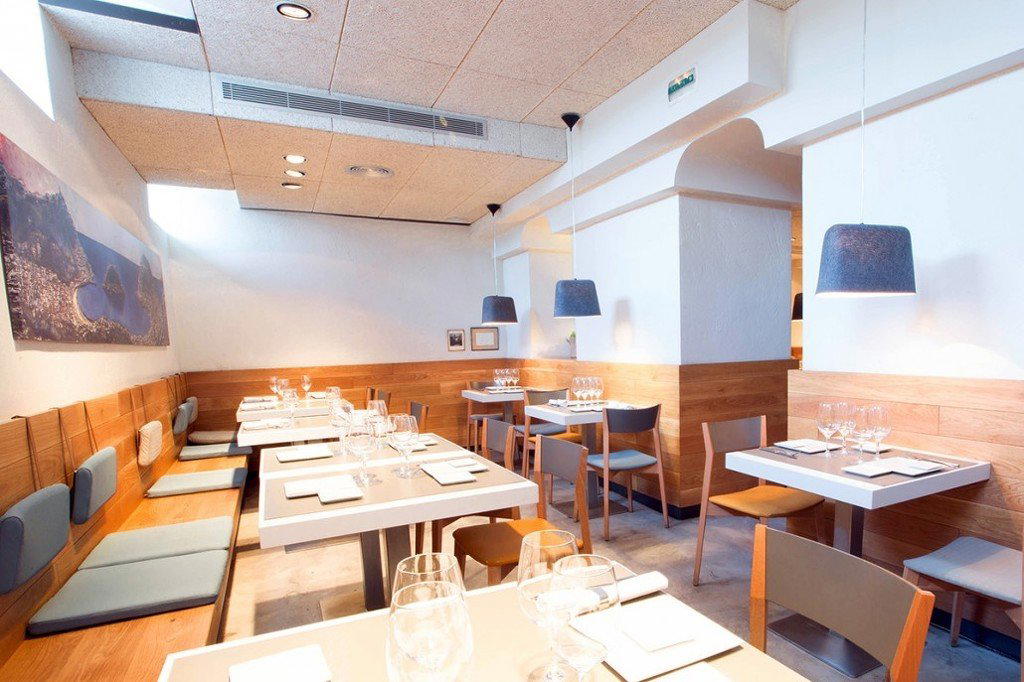
Rustic atmosphere with giant cider kegs and long wooden tables in the cellar, creating a lively communal dining experience.